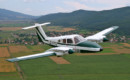
Twin Turboprops
Piper PA-34 Seneca
ICAO: PA34
The high-speed turboprop built for executive and regional performance.
The latest aviation news and stories sent to your inbox.
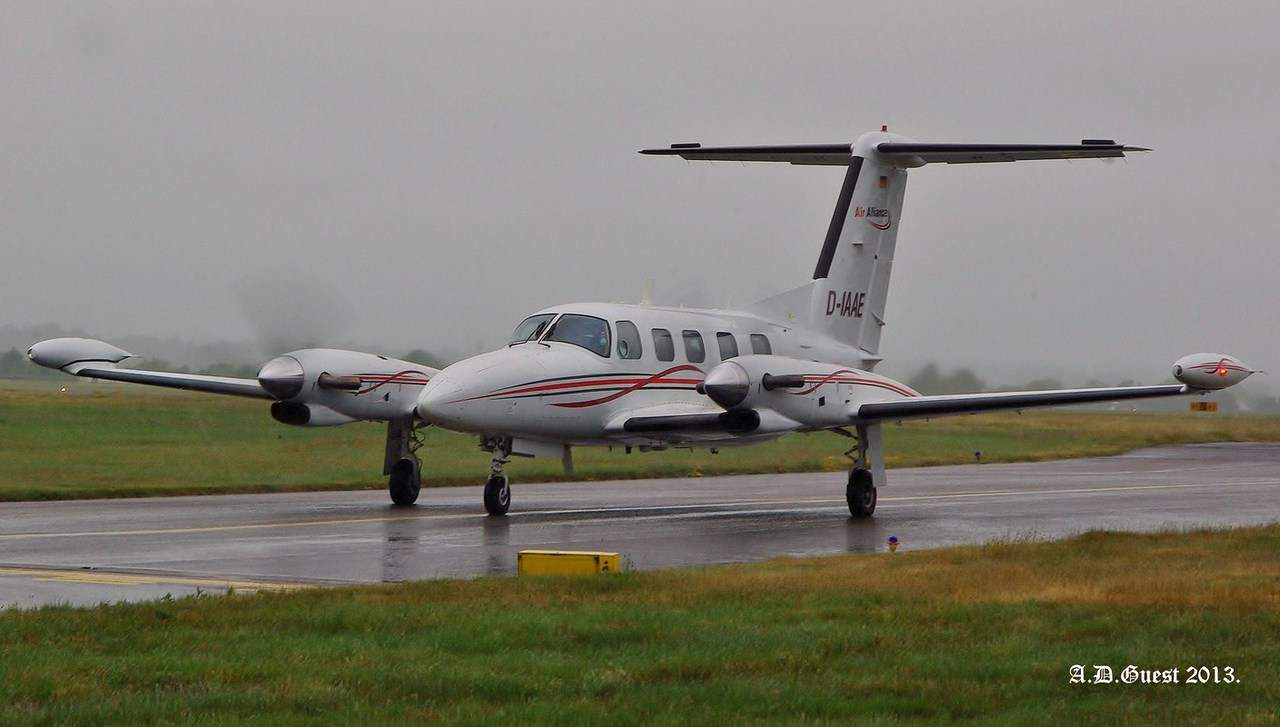
The Piper PA-42 Cheyenne III was developed as a high-performance turboprop in the 1970s. Designed for corporate and commuter markets, it offered higher speeds than earlier piston twins. The aircraft became known for its performance among executive operators.
Live Fleet Activity (PA42)
Fetching live data…


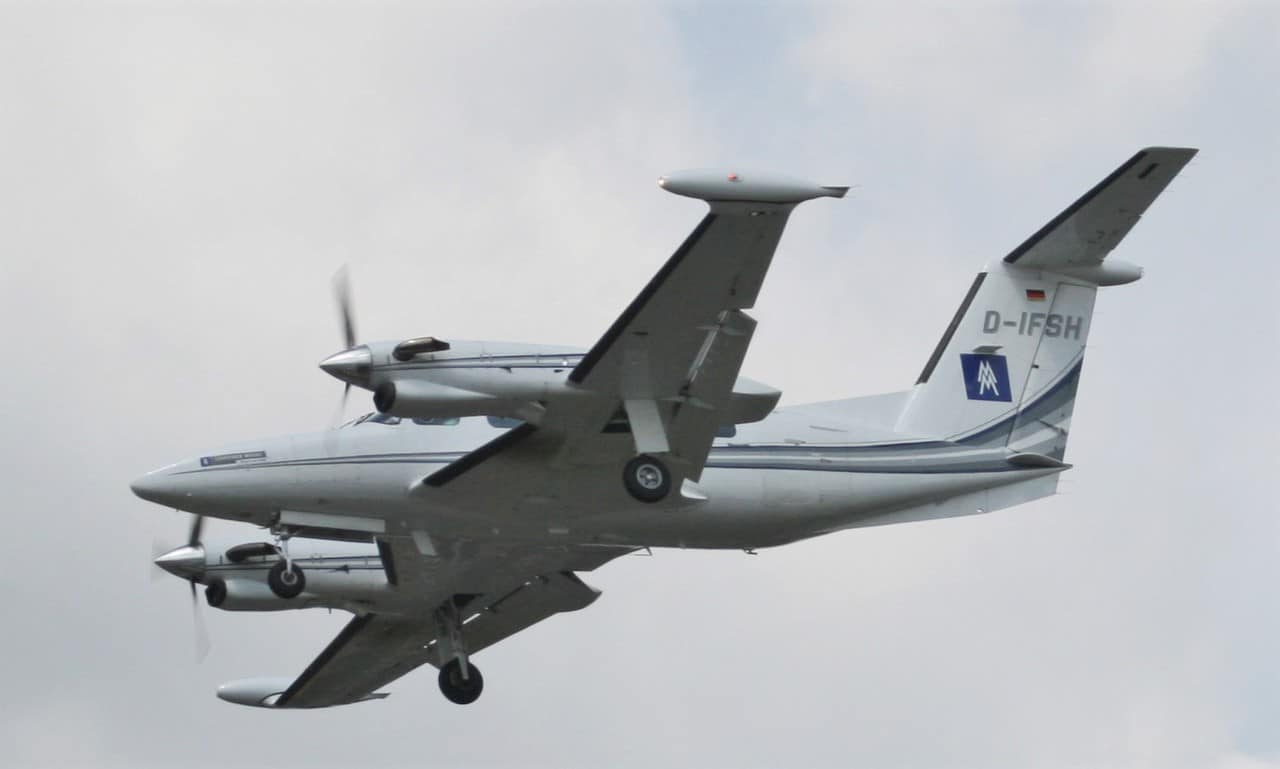


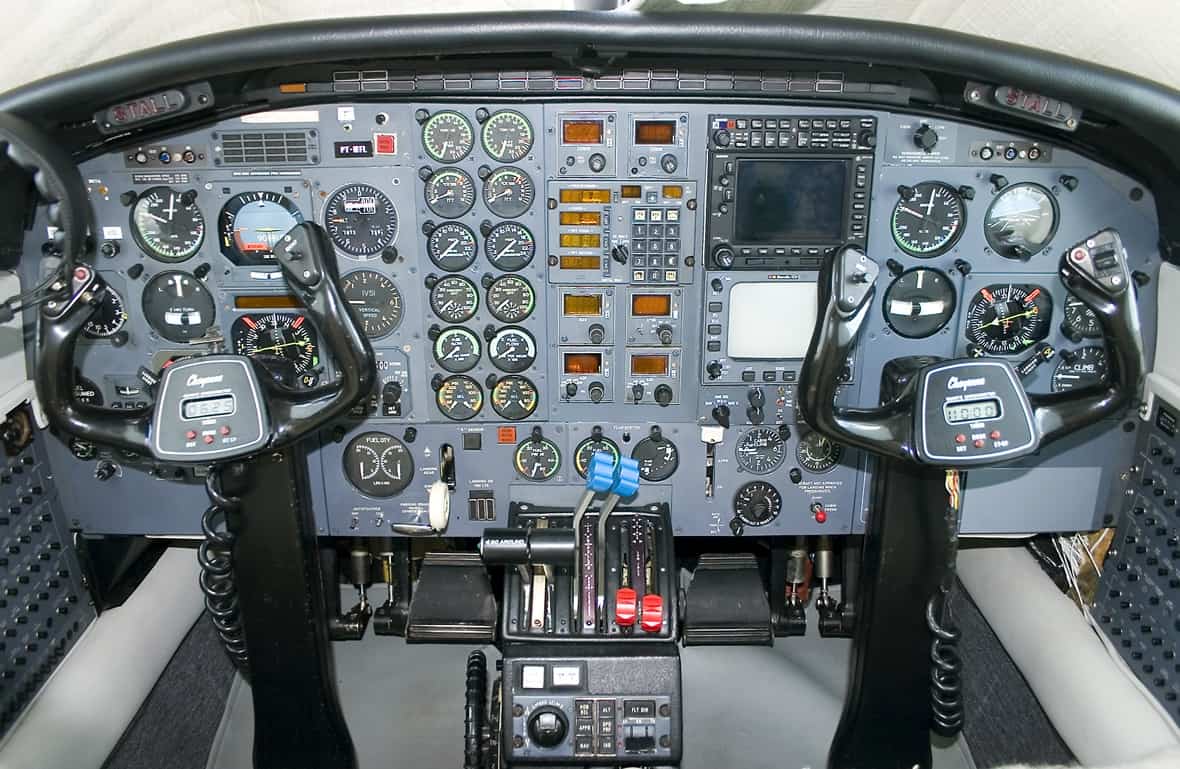
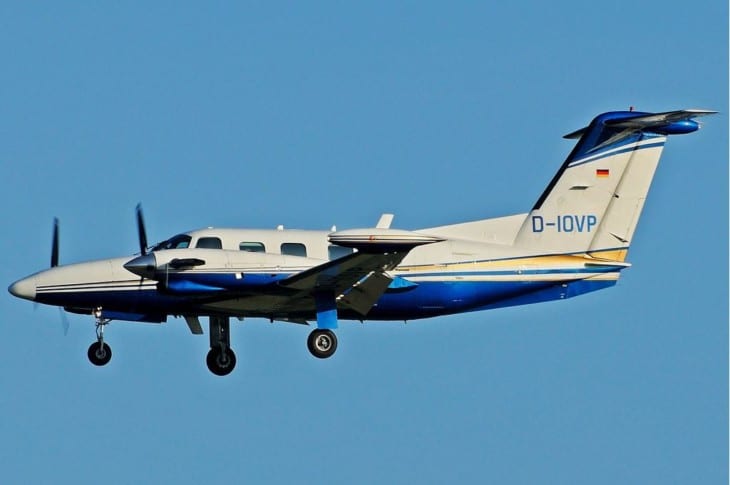
The Cheyenne III first flew in 1978 and entered service in 1979. It featured a stretched fuselage and pressurized cabin compared with earlier Cheyenne variants. The low-wing design incorporated retractable landing gear and modern avionics for its time.
Powered by two Pratt & Whitney Canada PT6A turboprop engines producing approximately 720 shaft horsepower each, the Cheyenne III cruised at around 300 knots (556 km/h). Maximum takeoff weight exceeded 11,000 pounds (4,990 kg). The cabin typically accommodated six to eight passengers.
The Cheyenne III was appreciated for its speed and climb performance. It served in corporate and air taxi roles before production ended in the 1980s. The aircraft remains part of Piper’s turboprop legacy.
Sources and references used for research and fact-checking.