Twin Turboprops
Piper PA-44 Seminole
ICAO: PA44
The light twin built to provide accessible multiengine performance.
The latest aviation news and stories sent to your inbox.
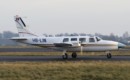
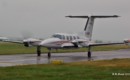
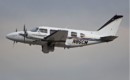
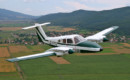
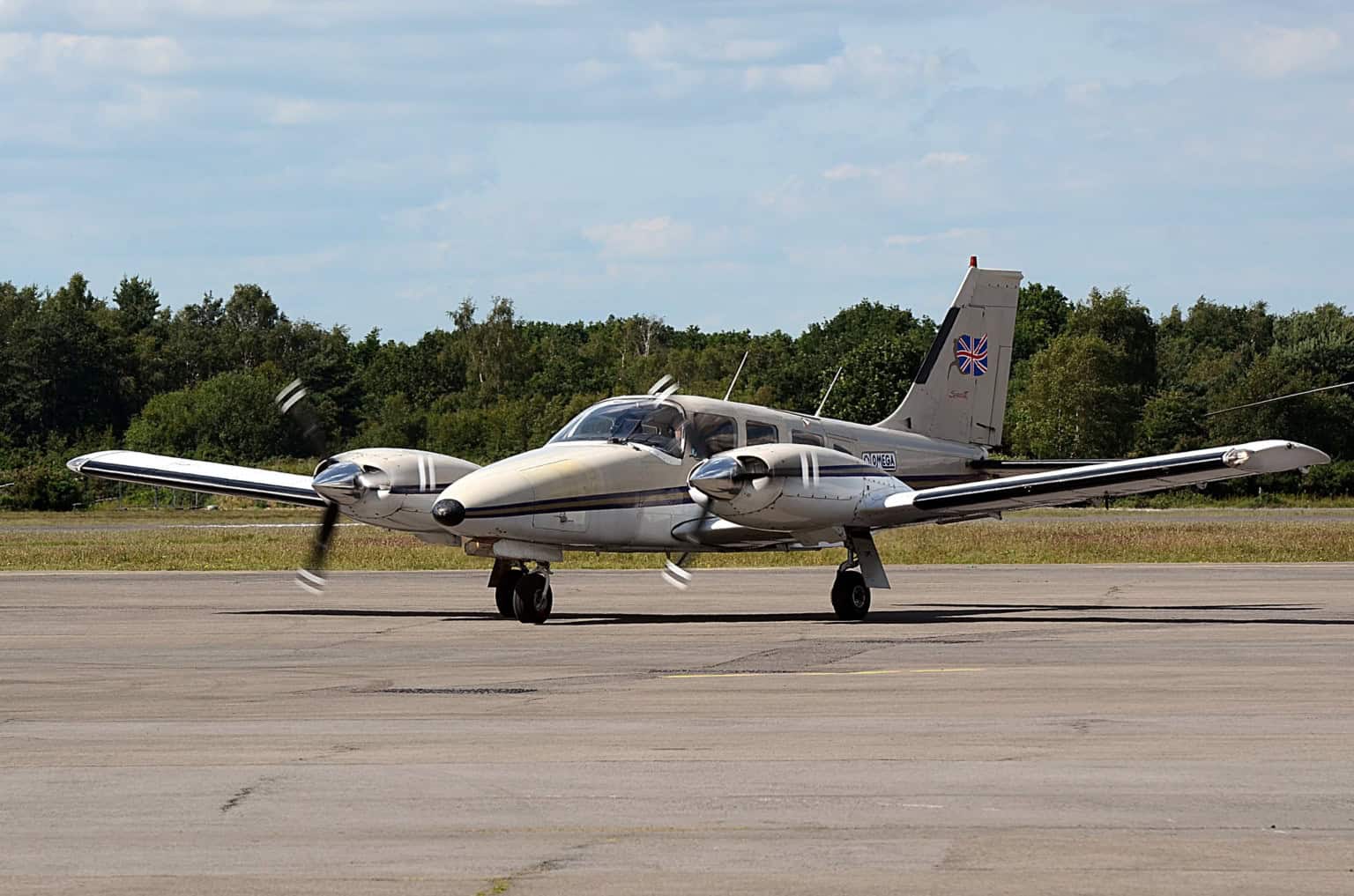
The Piper PA-34 Seneca was introduced in the early 1970s as a light twin-engine aircraft for training and personal travel. Derived from the Cherokee Six airframe, it added twin engines and retractable landing gear. The aircraft became a staple in multiengine instruction worldwide.
Live Fleet Activity (PA34)
Fetching live data…
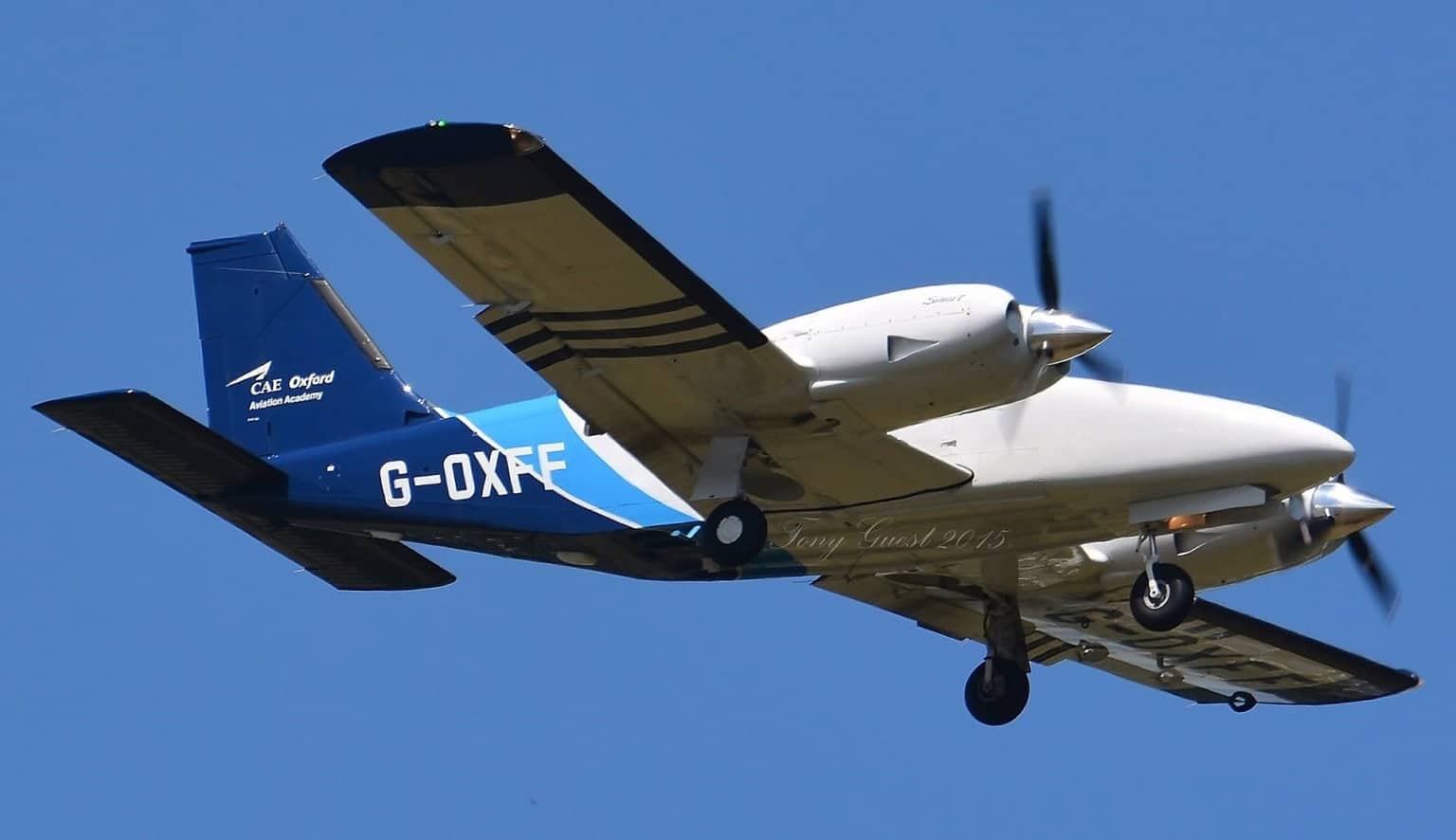

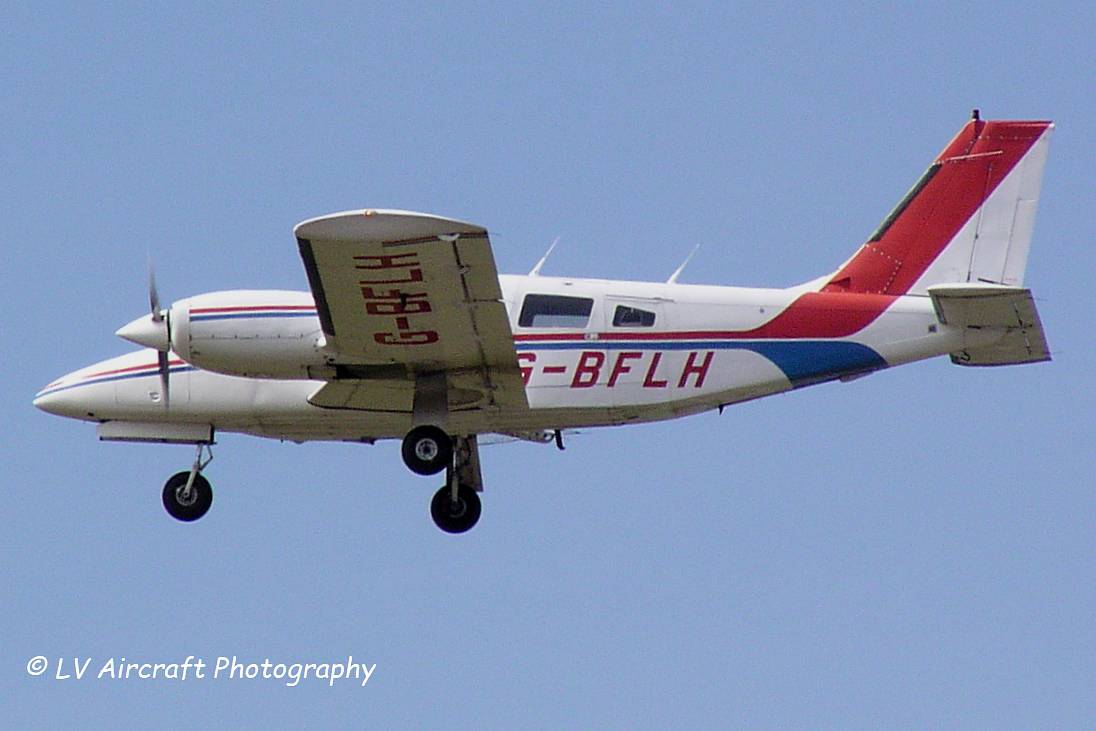

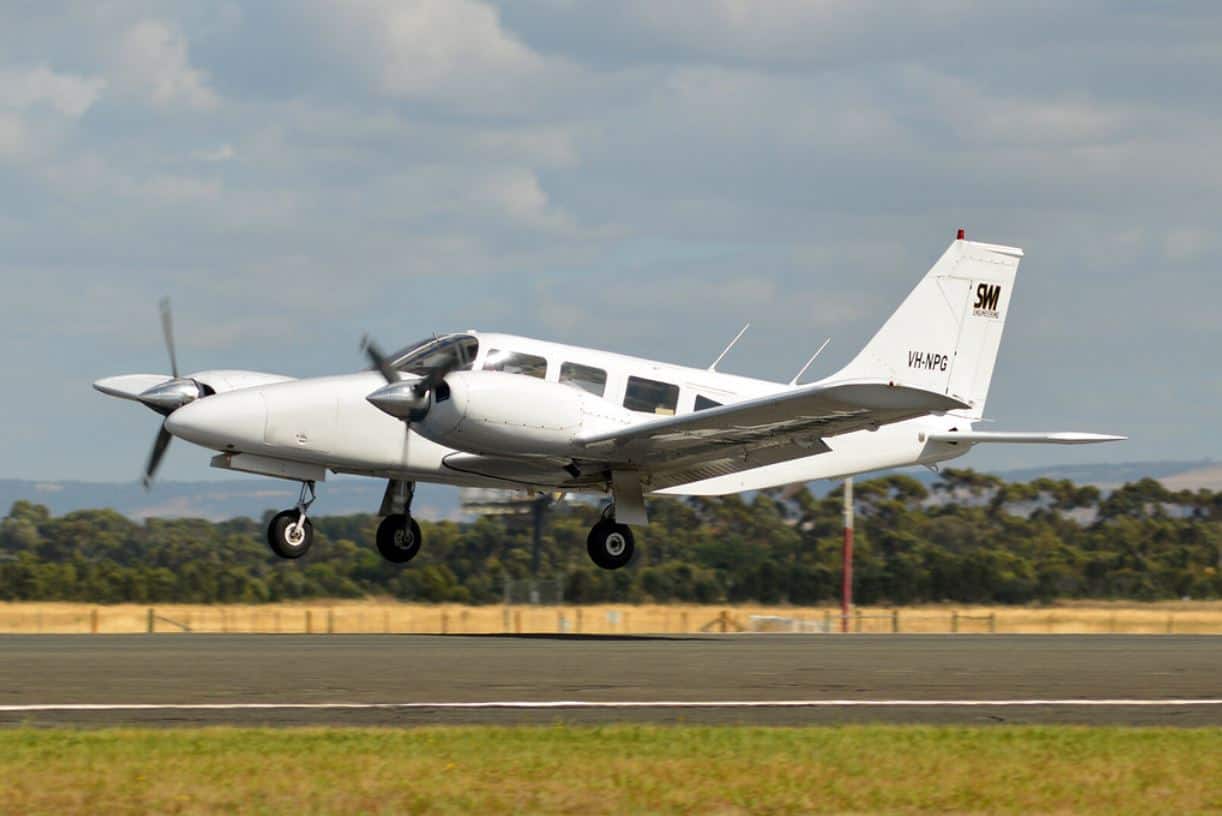
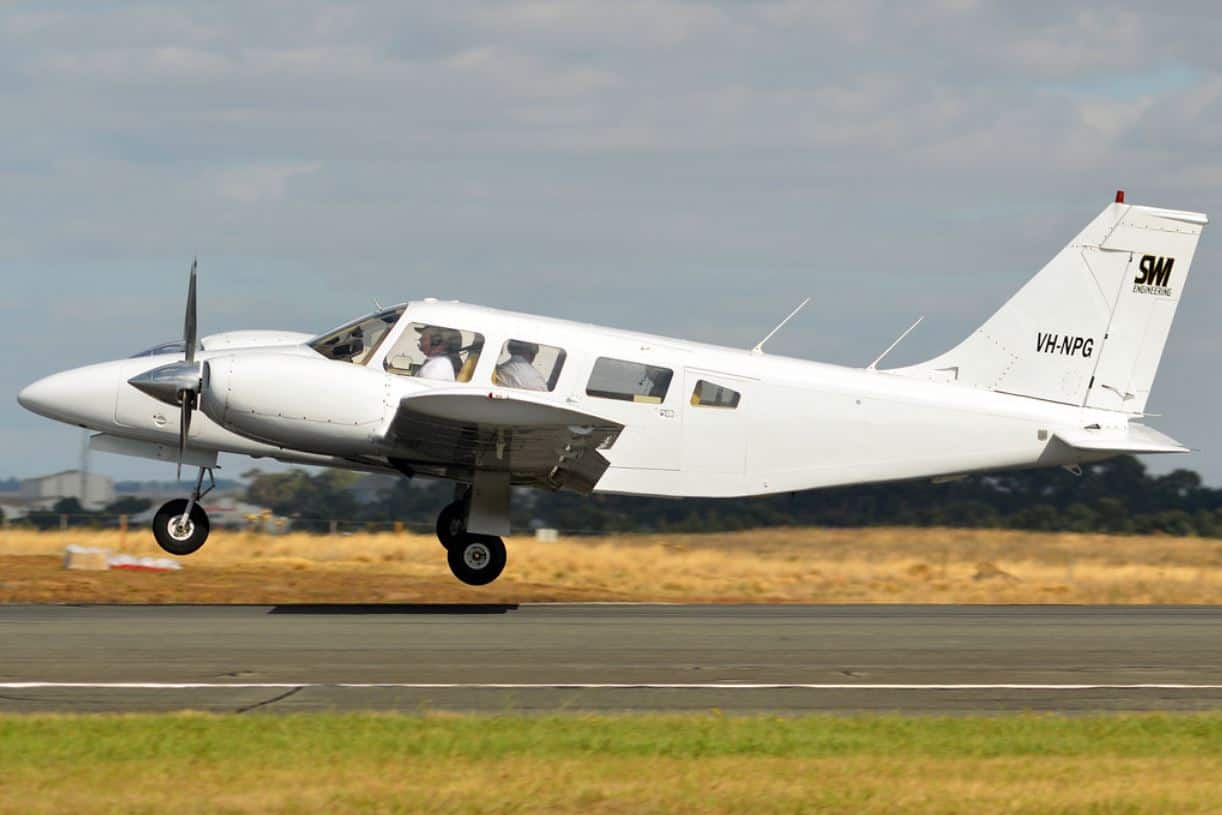
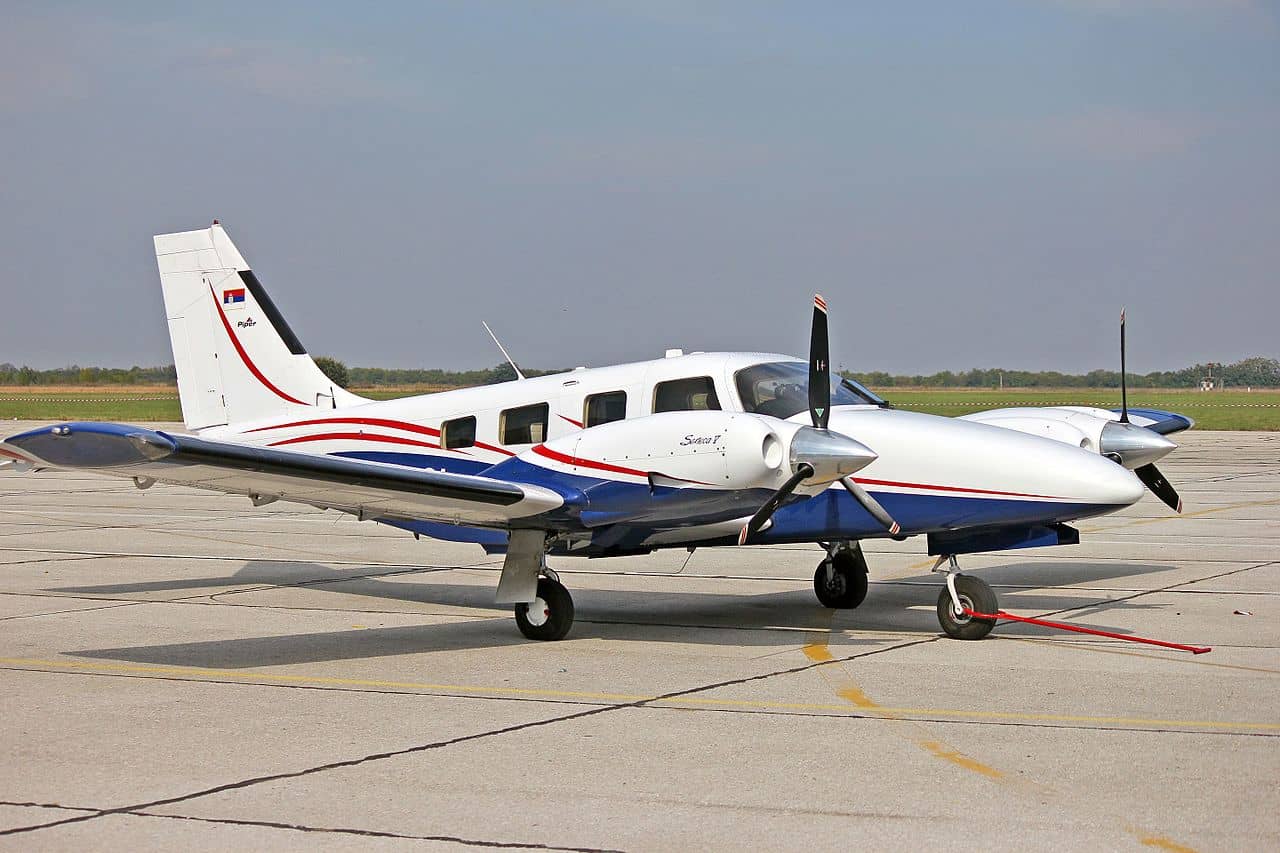
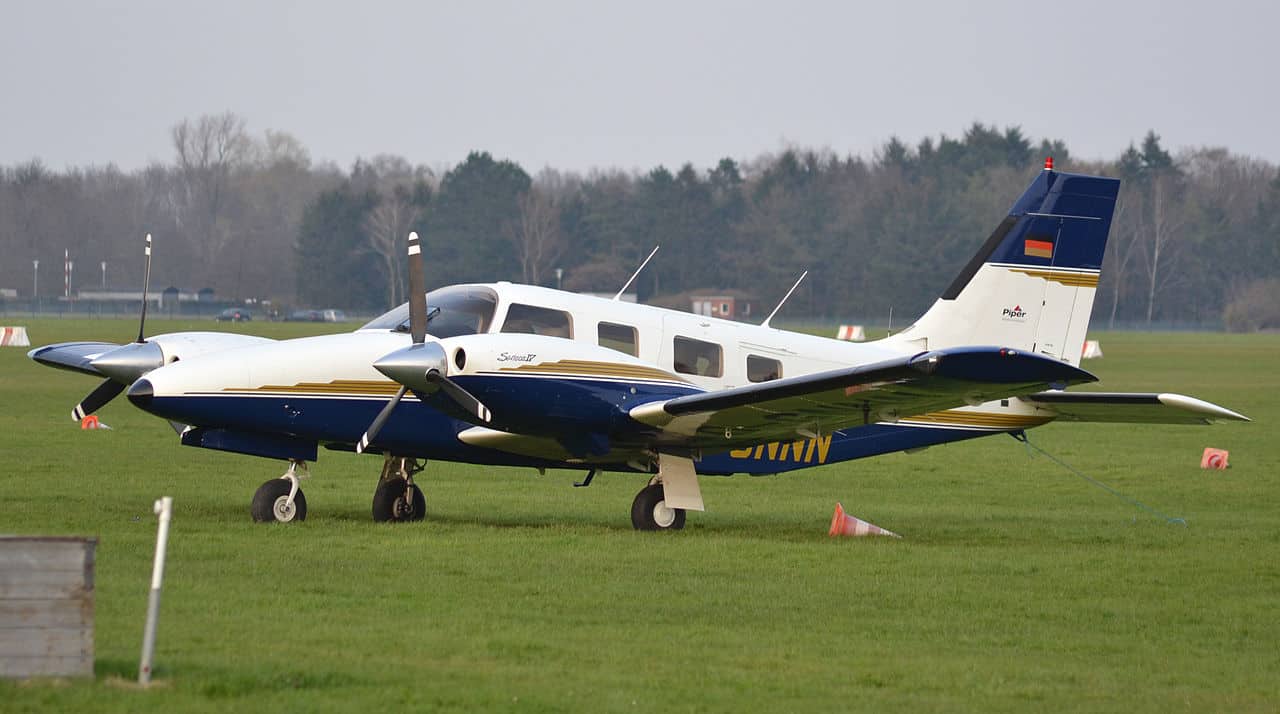
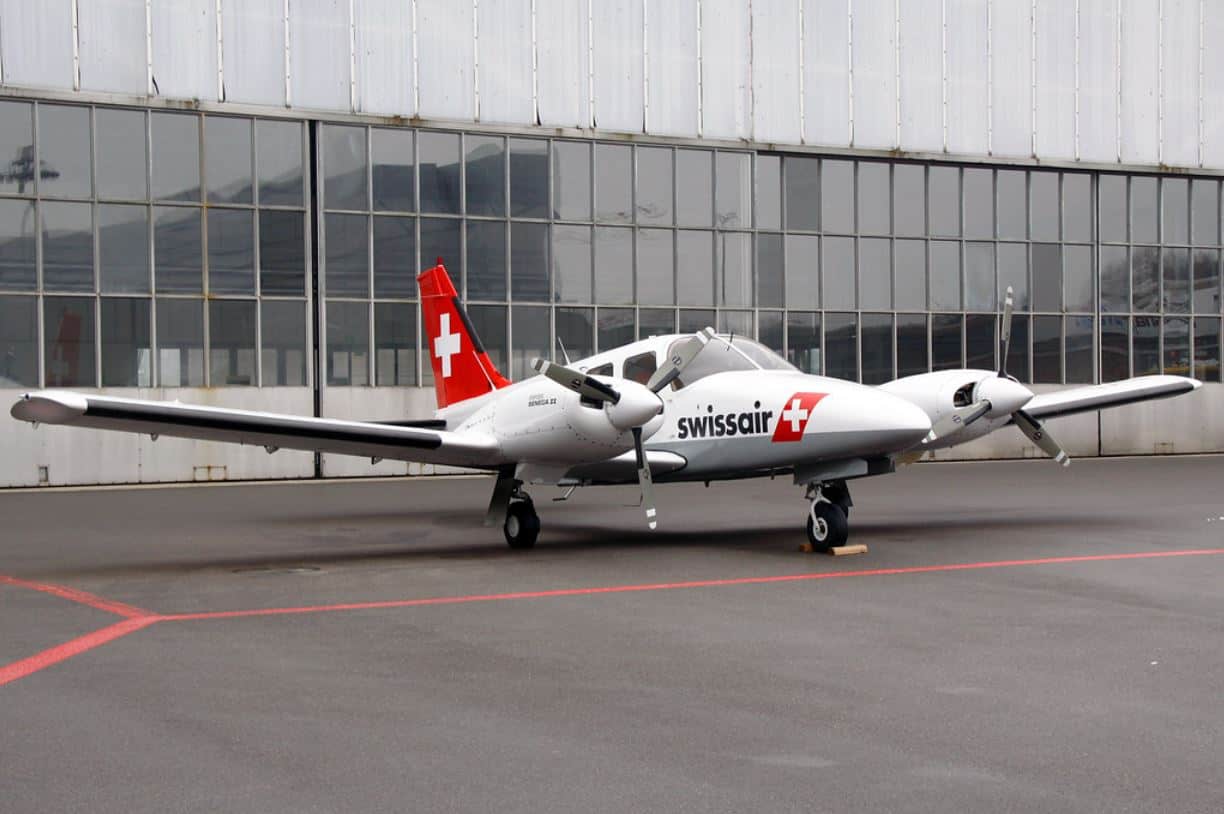

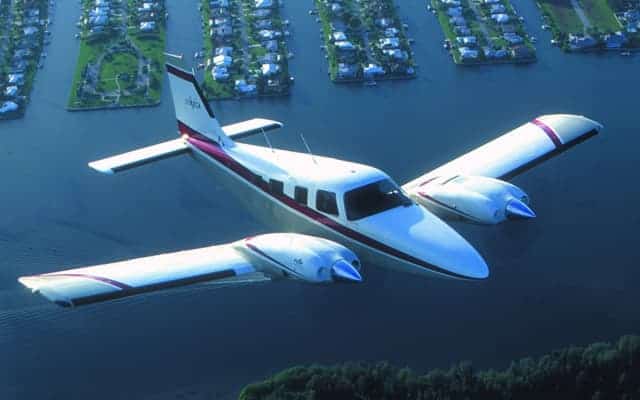

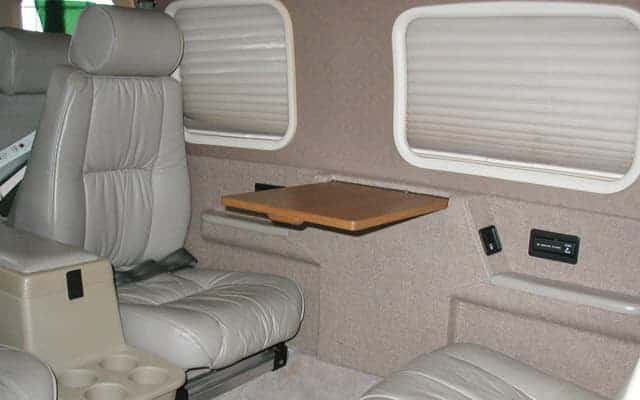
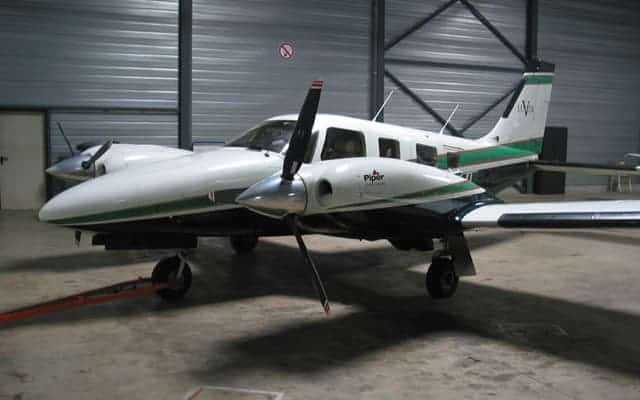
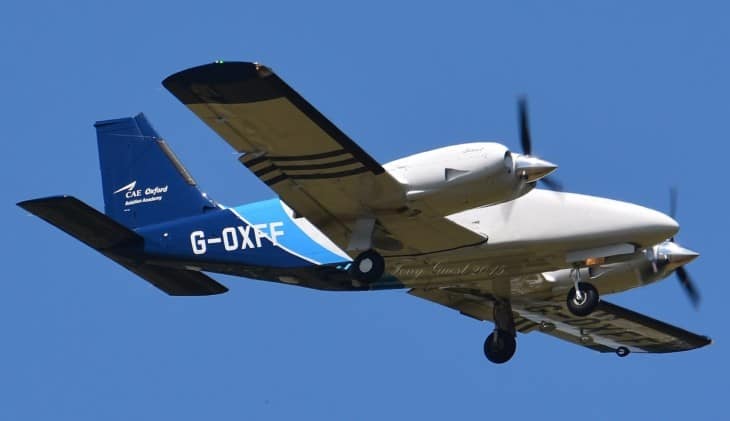
The Seneca first flew in 1970 and entered service in 1971. It retained the low-wing layout of earlier Piper singles while adding a stretched nose and twin-engine configuration. Over successive variants, aerodynamic and systems improvements enhanced performance and reliability.
Two piston engines, typically producing around 200 horsepower each in early versions and up to 220 horsepower in later models, power the aircraft. Cruise speed approaches 190 knots (352 km/h). Maximum takeoff weight exceeds 4,700 pounds (2,132 kg), supporting training and light transport roles.
The Seneca gained strong popularity among flight schools due to predictable handling characteristics. It also served private owners seeking cabin comfort and redundancy. Production has continued in updated forms, making it one of Piper’s longest-running twin designs.
Sources and references used for research and fact-checking.