Twin Turboprops
Piper PA-34 Seneca
ICAO: PA34
The Piper PA-31 Navajo is a twin-engine, low-wing cabin-class piston aircraft that carried commuter airlines, air-taxi operators and corporate pilots from 1967 into the 1980s. Piper built 3,942 of the PA-31 family, and the unpressurized Navajo stayed in the air as an air-taxi and cargo workhorse long after production ended.
Updated: by Tim de Vries
The latest aviation news and stories sent to your inbox.
The Piper PA-31 Navajo is a family of twin-engined, low-wing utility aircraft that Piper built from 1967 to 1984 for feeder airlines, cargo operators and corporate owners. It first flew on 30 September 1964 and was powered by two turbocharged Lycoming TIO-540-A engines. This page covers the base PA-31 Navajo, with the Navajo B and C, the PA-31-325 Navajo C/R, the stretched PA-31-350 Chieftain and the pressurized PA-31P as variants.
Live Fleet Activity (PA31)
Fetching live data…
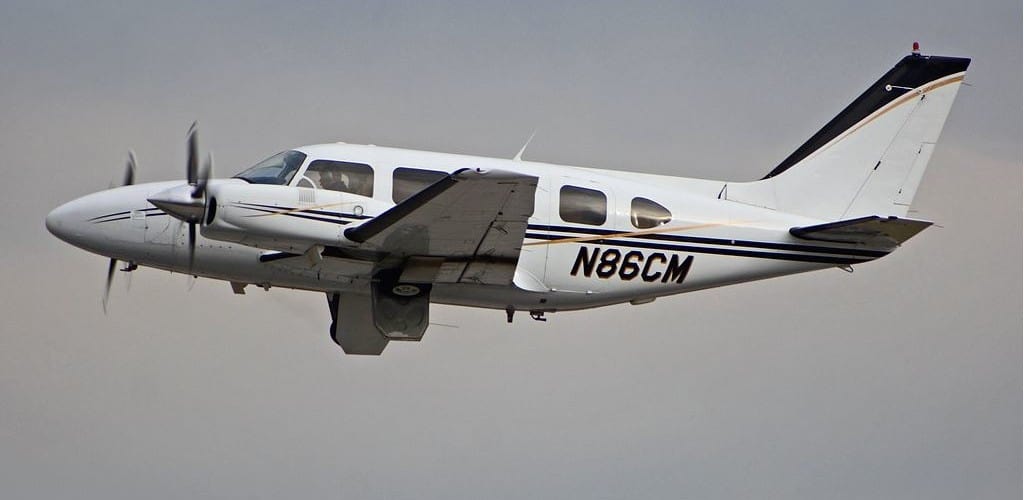
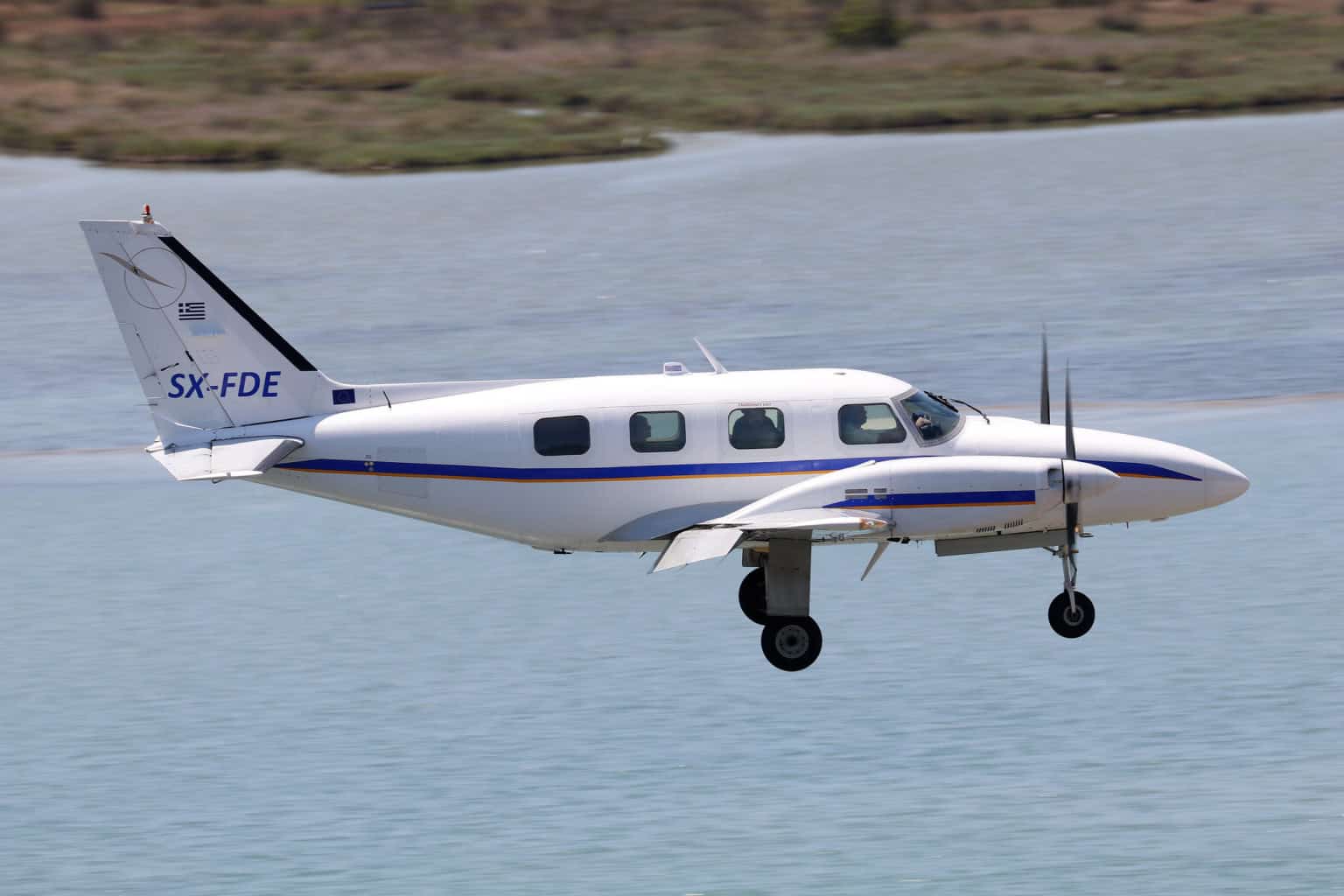


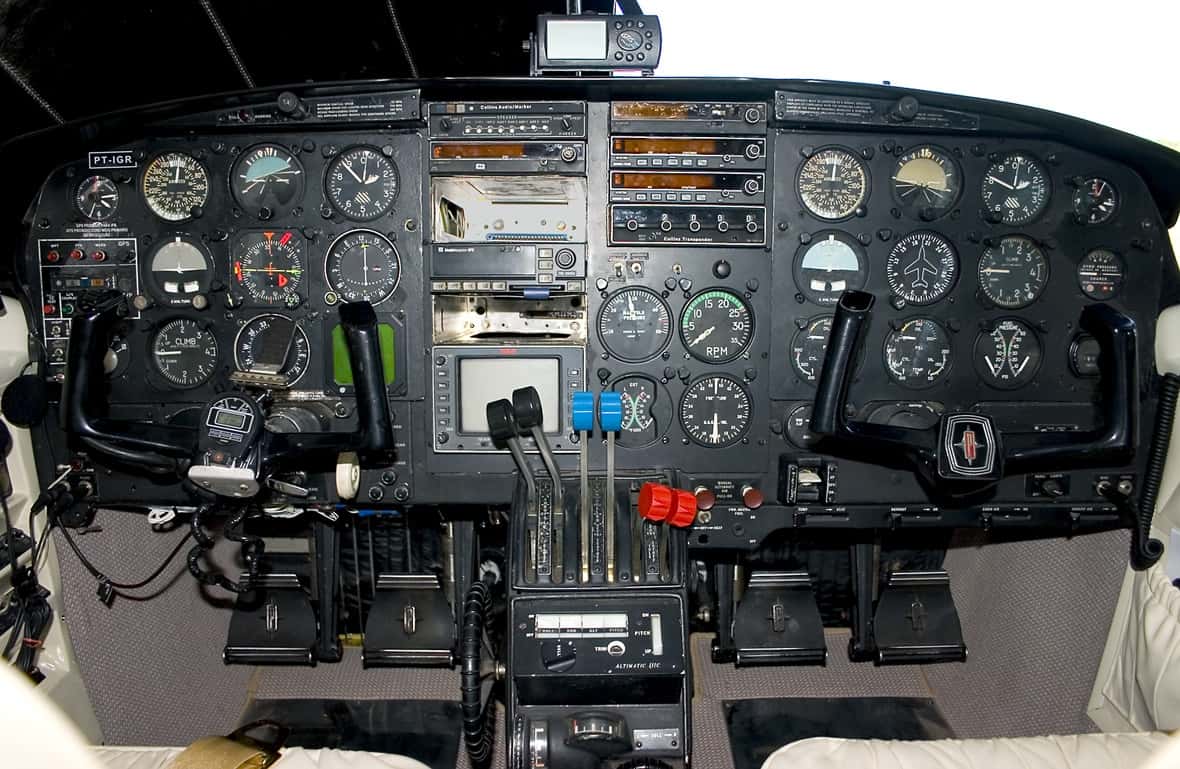
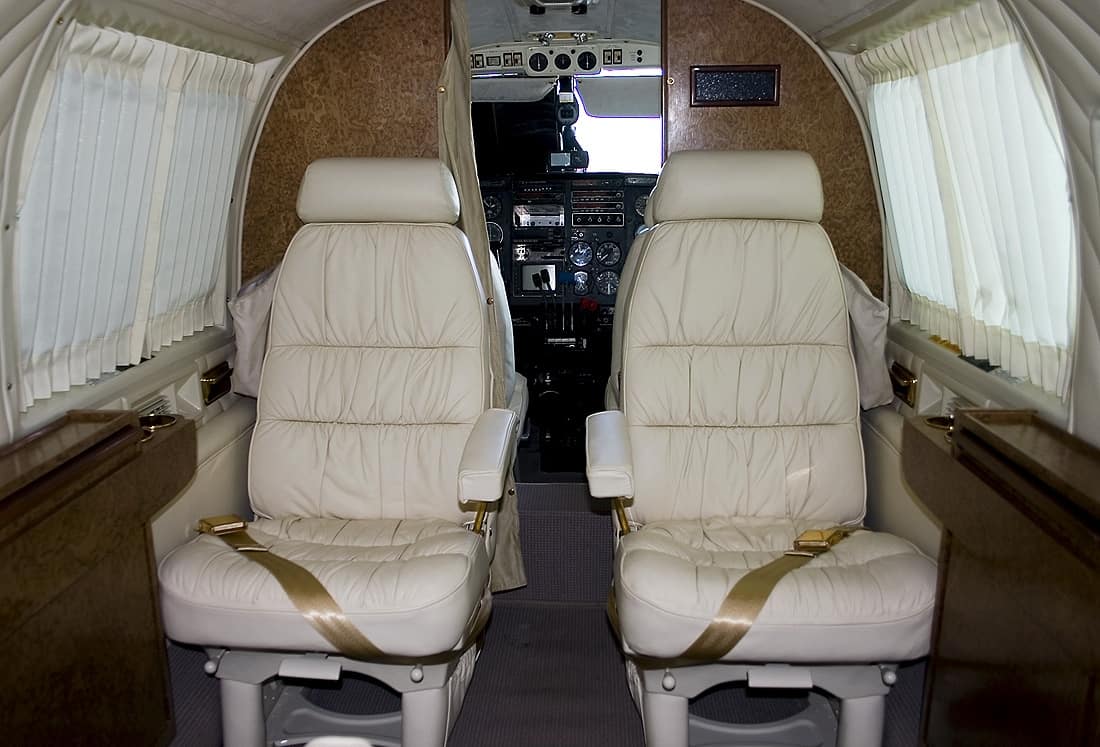
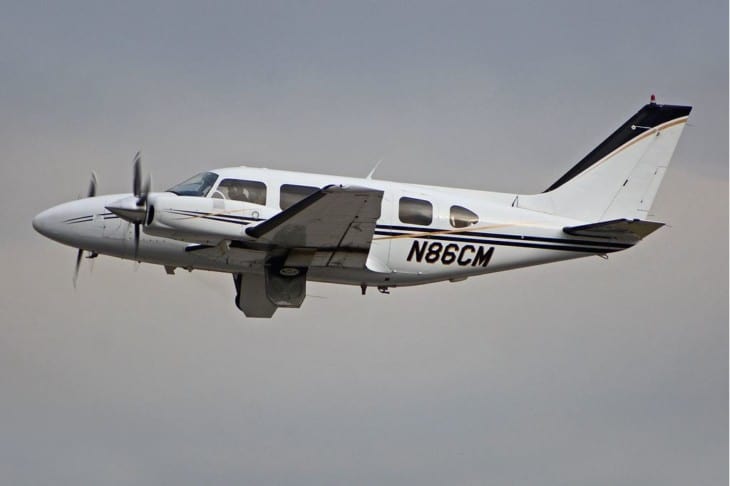
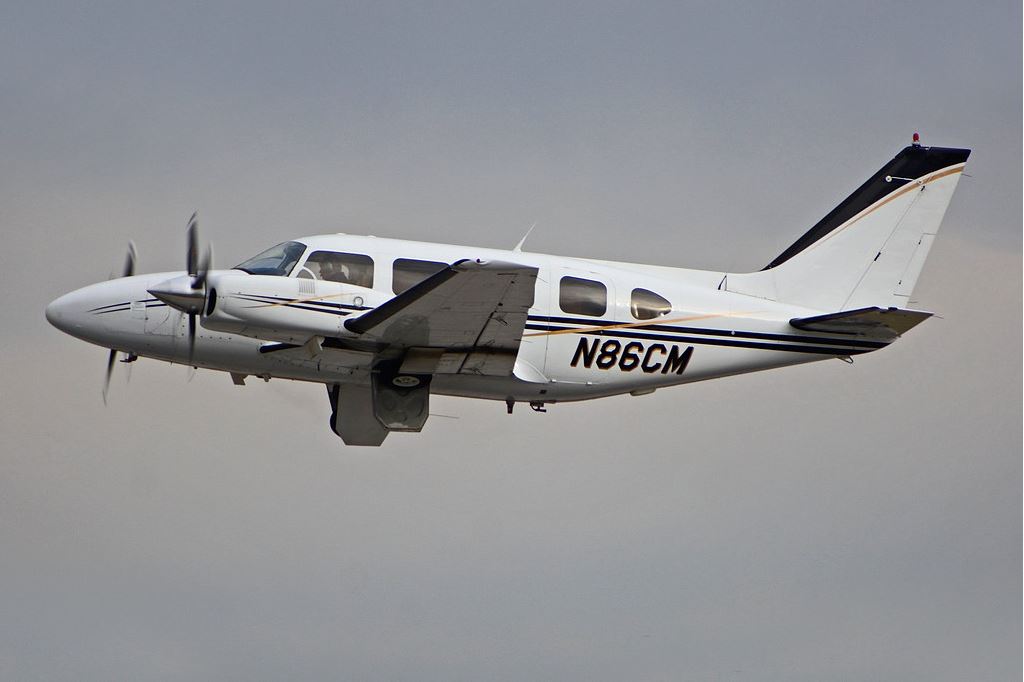
The Piper PA-31 Navajo is a family of twin-engined, low-wing, tricycle-gear utility aircraft. Piper designed it for small cargo and feeder airlines and as a corporate aircraft, and built it from 1967 to 1984.
AOPA describes it as Piper’s move into the world of big aircraft. It looked like a scaled-up PA-30 Twin Comanche, with the same “tiger shark” engine cowlings.
The model was also license-built from kits in Latin America, including by Chincul in Argentina and by Embraer in Brazil as the EMB 820C.
Piper began work in 1962 under the project name Inca, at the request of company founder William T. Piper. The target was a six- to eight-seat corporate and commuter twin.
The prototype first flew on 30 September 1964. During testing Piper added two cabin windows on each side and moved the engines further forward.
The FAA certified the PA-31 on 24 February 1966, and certified it again in mid-1966 with a higher maximum takeoff weight. Deliveries began in 1967.

The Navajo name covers a long list of models, and the differences matter when you are reading a listing or a type certificate.
The PA-31-300 was the only model without turbocharged engines. Only 14 were built.
The Navajo B arrived in 1971 with air conditioning, more baggage space and an optional separate pilot door. The Navajo C followed in 1974.
The PA-31-350 Navajo Chieftain was unveiled in September 1972. It is a Navajo B stretched by 2 ft (0.6 m), seats up to ten, and has 350 hp counter-rotating engines so there is no critical engine.
The PA-31-325 Navajo C/R uses lower-rated 325 hp versions of the Chieftain’s counter-rotating engines. It was certified in May 1974.
The PA-31P is the pressurized Navajo, certified in late 1969. It has 425 hp Lycoming TIGO-541 engines, a longer nose, fewer and smaller windows and a one-piece airstair door.
The PA-31P-350 Mojave, the PA-31-350T1020 commuter model and the turboprop PA-31T3 (T1040) closed out production in 1983 and 1984. Combined output of the T1020, T1040 and Mojave was below 100 aircraft.

The full specification table for the aircraft is on this page. The figures here explain what they mean in use.
The two 310 hp turbocharged Lycoming TIO-540-A engines are what hold performance up high. The published service ceiling in the panel is for the standard Navajo, not the pressurized PA-31P.
The top speed and the cruise speed are quoted at different altitudes. Jane’s lists the top speed at 15,000 ft (4,600 m) and the economical cruise at 20,000 ft (6,100 m).
The 63 kt stall speed is a flaps-down figure. It should not be read as an approach speed.
Weights differ widely across the family. The Chieftain, the PA-31P and the Mojave all have higher maximum takeoff weights than the 6,500 lb (2,950 kg) figure in the panel, which is for the base Navajo.

AOPA describes the Navajo as one of the easiest-to-fly twins around, so long as everything is working properly. Its control response is good even at slow airspeeds, so it feels lighter than its weight.
In the mid-1960s the Navajo was one of just a handful of new cabin-class general aviation aircraft. Its airstair door and roomy cabin put it a notch above most light twins.
In the high-density commuter layout, though, things get cramped and weight and balance calculations become more critical.

Production ran from 1967 to 1984, with 3,942 built across the family. By type, that is 1,785 PA-31, 1,825 PA-31-350, 259 PA-31P, 50 PA-31P-350, 21 T-1020 and two PA-31-353.
The aircraft built its reputation with air-taxi, cargo and commuter operators, and it is still flown that way today. Colemill and later conversion houses offer re-engined versions with four-blade propellers and optional winglets.
Many pilots rate it highly. AOPA calls it one of the easiest-to-fly twins around, with good control response even at slow airspeeds. The trade-off is that it is a heavy piston twin with two engines to maintain, and the commuter layouts are cramped.
The standard PA-31 Navajo is not. The pressurized version is the PA-31P, certified in late 1969, and the later PA-31P-350 Mojave. You can tell them apart by their fewer, smaller cabin windows.
There is no single price. Used Chieftain prices vary widely with engine time, avionics and condition, so check current listings rather than relying on an old figure.
The Navajo is not a single-engine plane. It is a twin, so it offers a second engine, but no source ranks aircraft by safety in a way that settles the question. Pilot training, maintenance and the type of flying matter more than the model.
Piper built 3,942 aircraft in the PA-31 family between 1967 and 1984.
The base PA-31 Navajo has two turbocharged, fuel-injected Lycoming TIO-540-A engines of 310 hp each. The Chieftain uses 350 hp versions, and the pressurized PA-31P uses 425 hp TIGO-541 engines.