VLJ (Very Light Jets)
Epic Victory
ICAO: EVIC
The light business jet concept built to enter the very light jet market.

The latest aviation news and stories sent to your inbox.
The PiperJet was a proposed single-engine business jet announced in the mid-2000s. Intended to compete in the very light jet category, it featured a unique engine placement above the fuselage. The program was later canceled before certification.


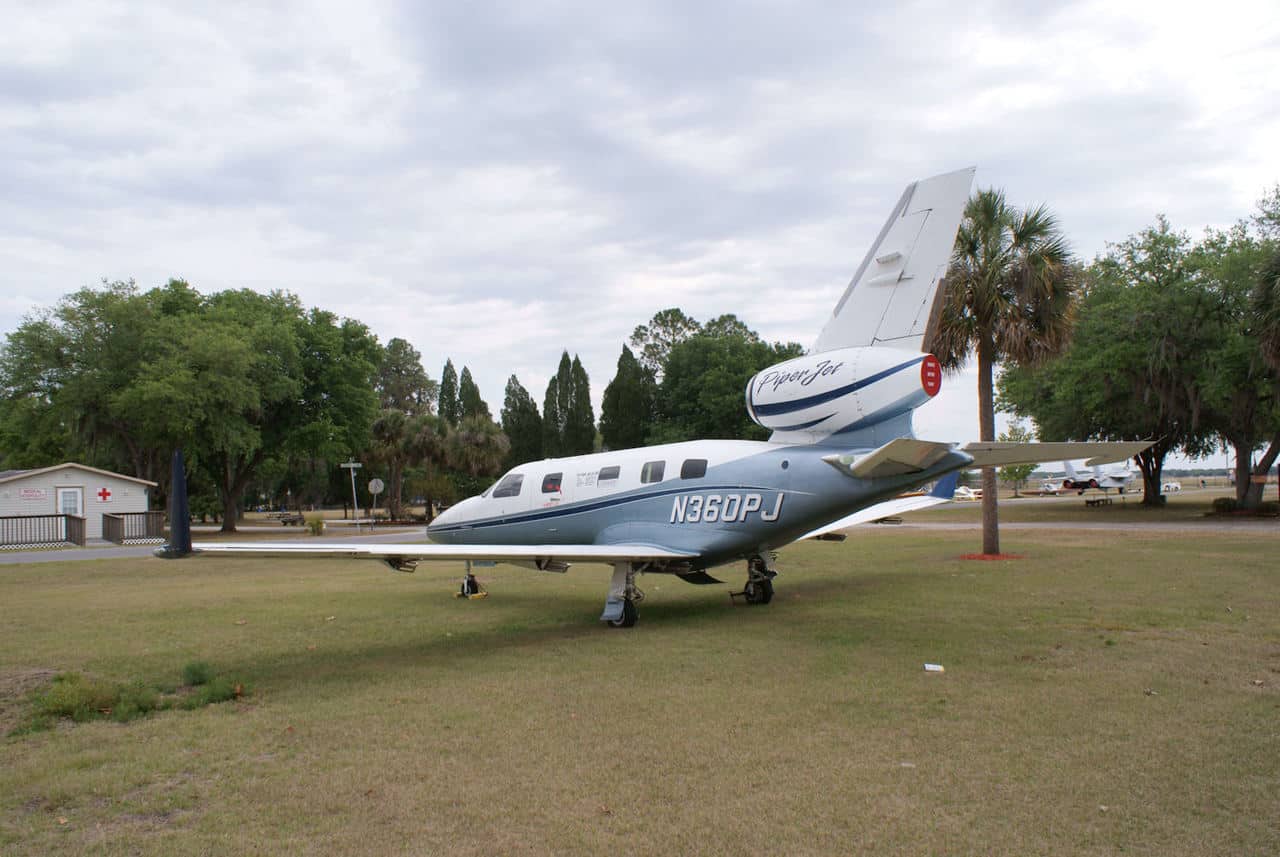

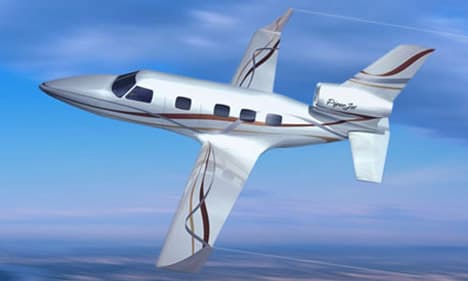



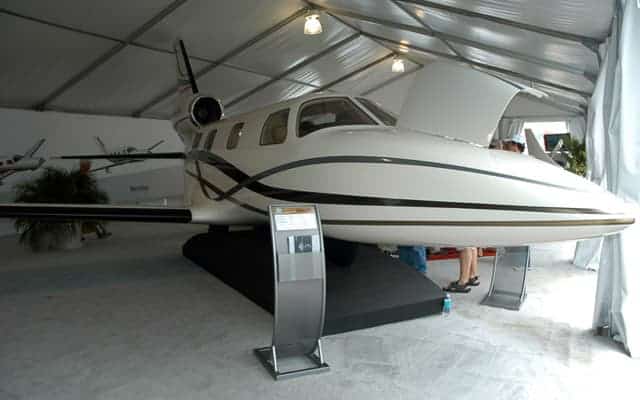

The PiperJet concept was unveiled in 2006, with development progressing through prototype stages. The design featured a single turbofan engine mounted above the rear fuselage to simplify maintenance and cabin layout. The aircraft targeted owner-pilots and small business operators.
Projected performance included cruise speeds near 360 knots (667 km/h) and a maximum takeoff weight exceeding 7,000 pounds (3,175 kg). Power was expected from a Williams FJ33 turbofan producing approximately 1,800 pounds of thrust (8 kN). Seating was planned for up to six occupants.
Financial challenges and market shifts led to cancellation of the program in 2011. The PiperJet remains an example of the volatility within the very light jet segment.
Sources and references used for research and fact-checking.