Twin Turboprops
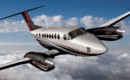
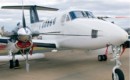
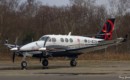
Beechcraft King Air C90gti
ICAO: BE9L
The distinctive turboprop built for speed and efficiency.

The latest aviation news and stories sent to your inbox.
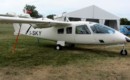
The Piaggio P180 Avanti II is an Italian-designed twin-engine turboprop known for its unique three-surface layout. Introduced in the 2000s, it offers jet-like cruise speeds with turboprop economy. The aircraft remains active in executive transport roles.
Live Fleet Activity (P180)
Fetching live data…

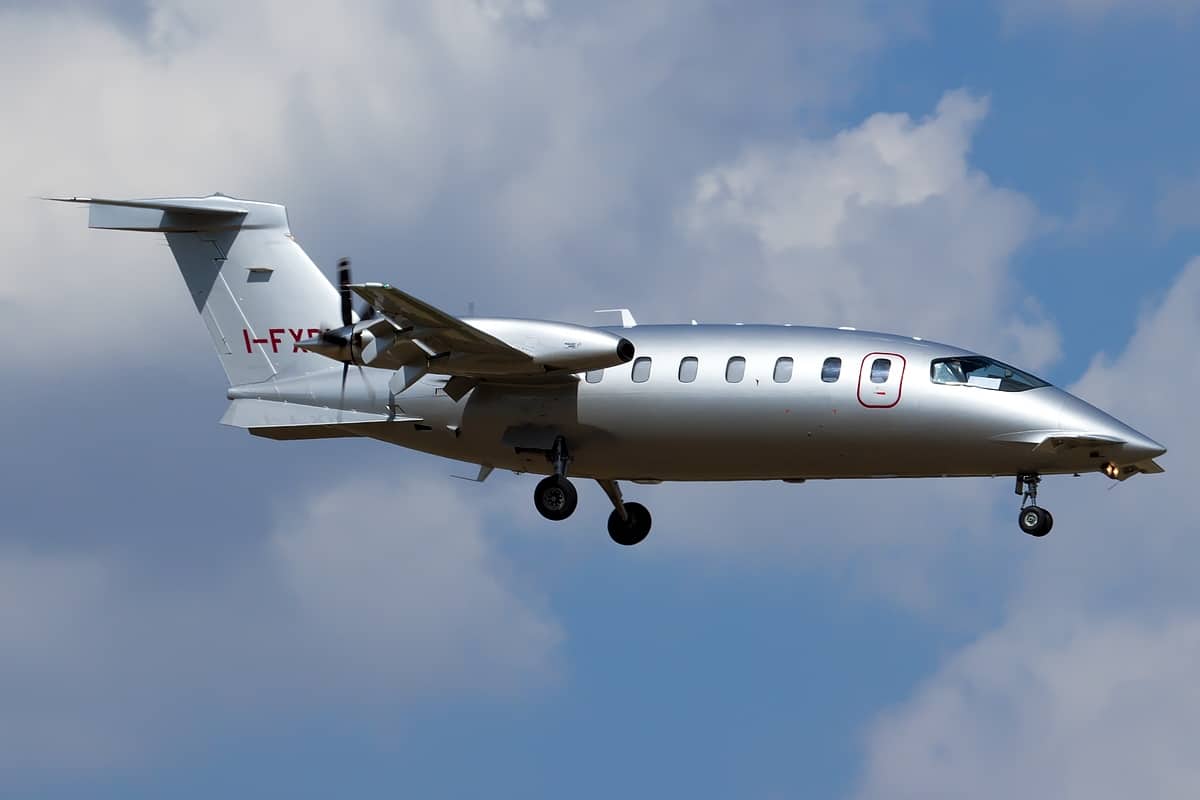


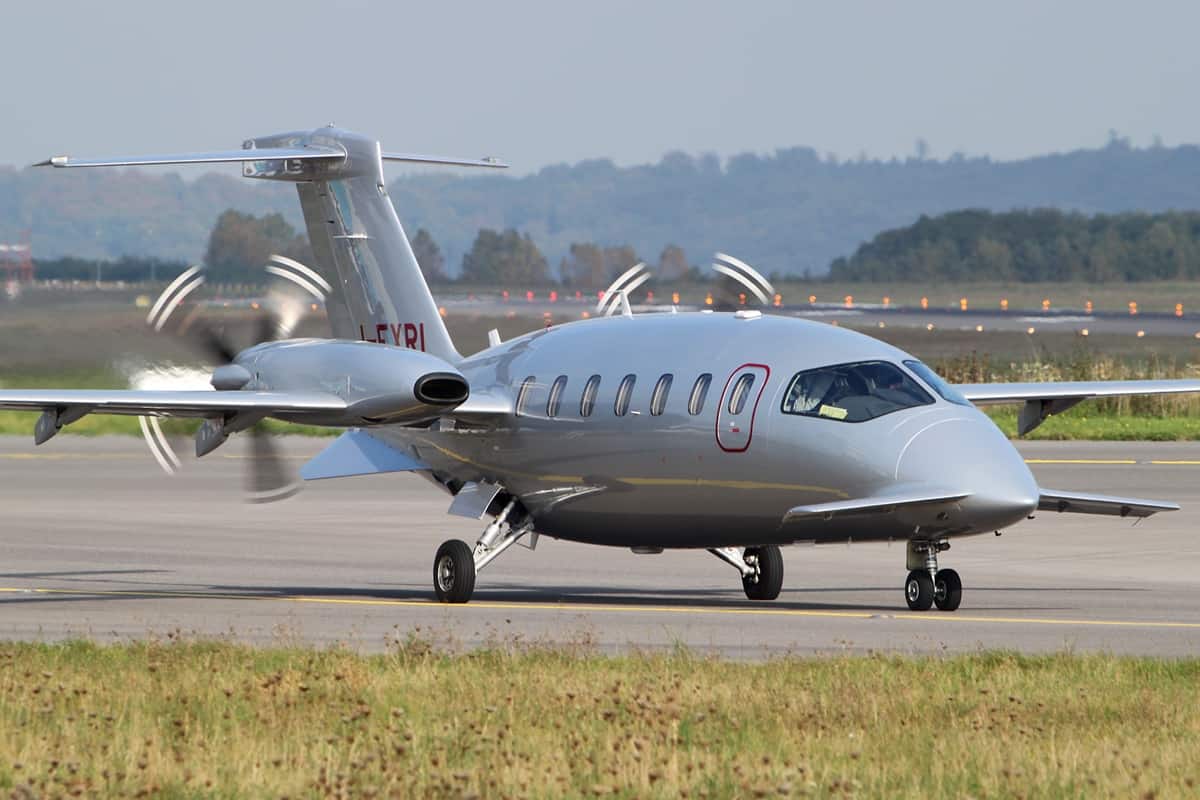


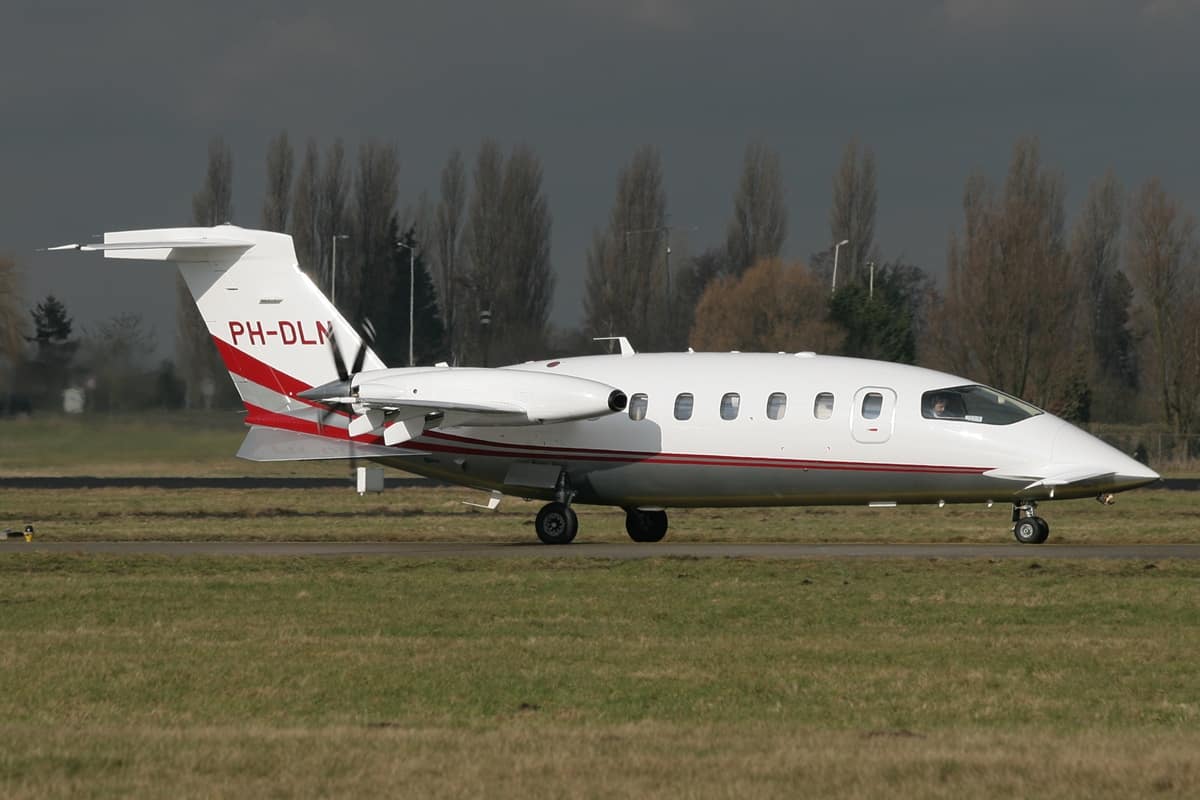

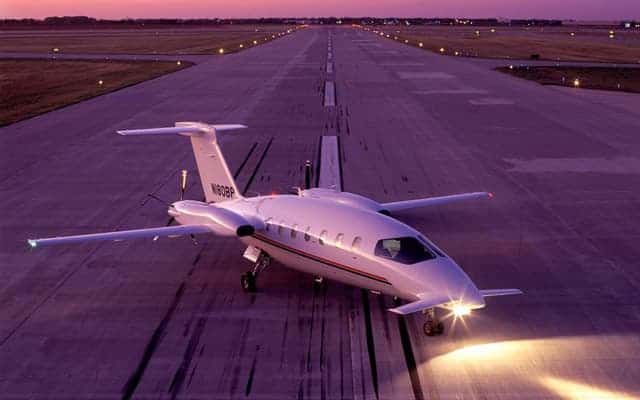
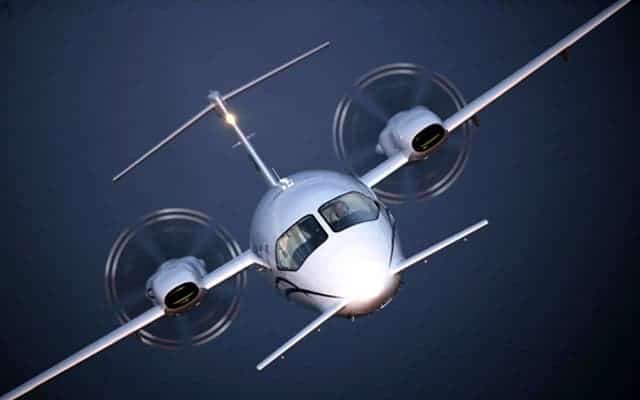
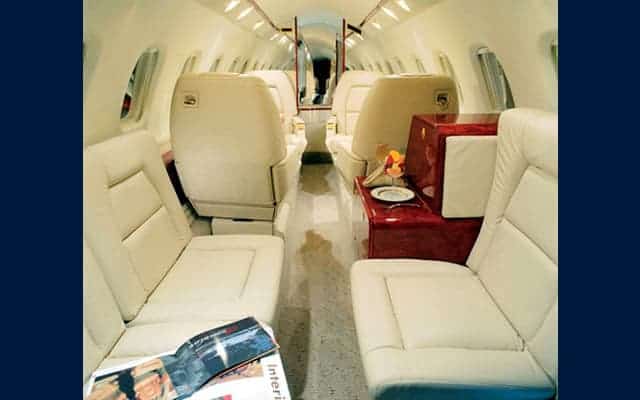
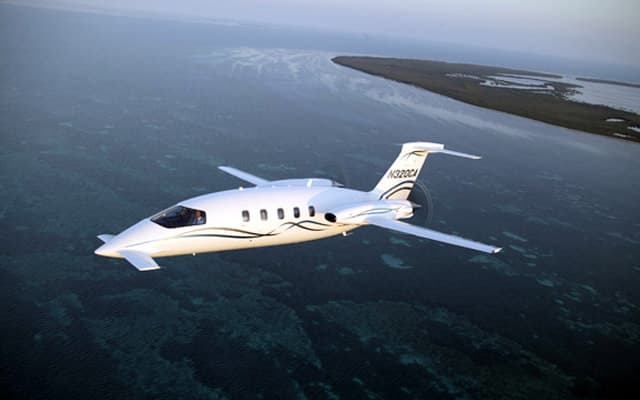
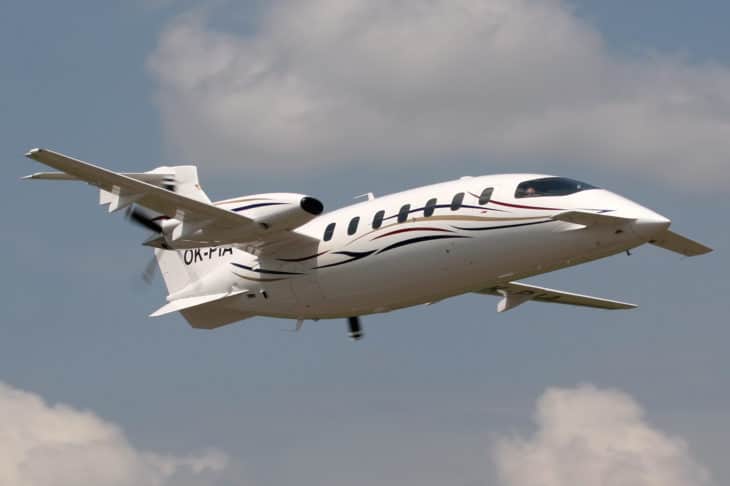
The Avanti first flew in 1986, with the Avanti II entering service in 2005 featuring upgraded engines and avionics. Its forward canard and rear-mounted propellers contribute to aerodynamic efficiency. The cabin offers a stand-up interior uncommon in turboprops.
Two Pratt & Whitney Canada PT6A turboprop engines producing approximately 850 shaft horsepower each power the aircraft. Cruise speed approaches 400 knots (741 km/h). Maximum takeoff weight exceeds 12,000 pounds (5,443 kg), with range near 1,500 nautical miles (2,778 km).
The Avanti II has been used by corporate operators and special mission units. Its combination of speed and fuel efficiency distinguishes it from conventional turboprops. Production continues in limited numbers.
Sources and references used for research and fact-checking.