

Twin Turboprops
Beechcraft King Air C90gti
ICAO: BE9L
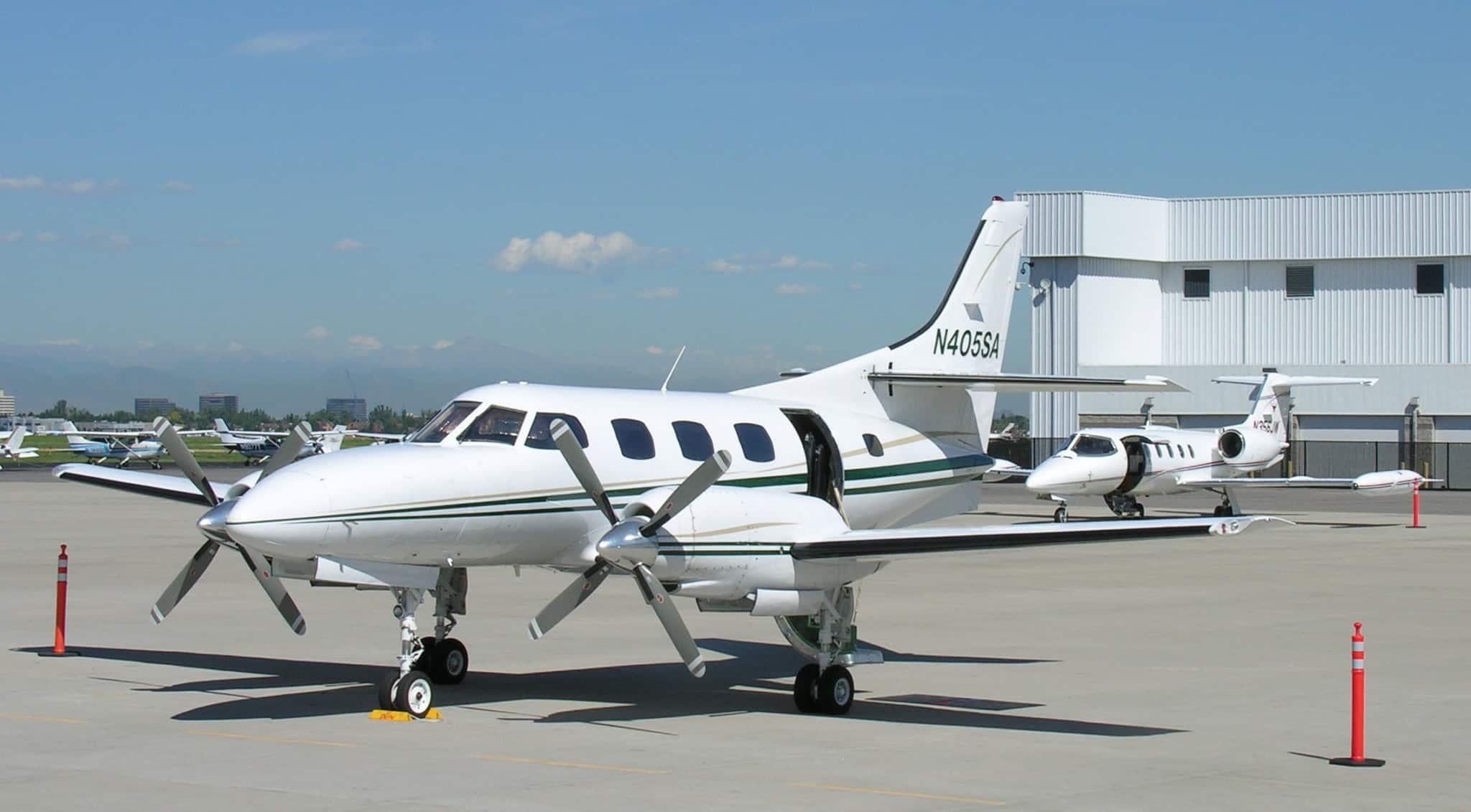
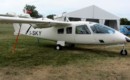
The Swearingen Merlin was introduced in the 1960s as a twin-engine turboprop. Designed for corporate and regional operations, it emphasized pressurization and cabin comfort. The aircraft evolved through multiple variants.
The latest aviation news and stories sent to your inbox.
Swearingen Merlin — twin-engine turboprop aircraftThe Merlin first flew in 1965 and entered service soon afterward. It featured a low-wing configuration and retractable landing gear. Pressurization allowed operation at higher altitudes than many piston predecessors.Two Garrett turboprop engines producing approximately 900 shaft horsepower each powered later versions. Cruise speed approached 260 knots (481 km/h). Maximum takeoff weight exceeded 12,000 pounds (5,443 kg).The Merlin became popular among corporate operators. Later stretched variants evolved into the Metroliner. The aircraft remains a significant step in regional turboprop development.
Live Fleet Activity (SW3)
Fetching live data…
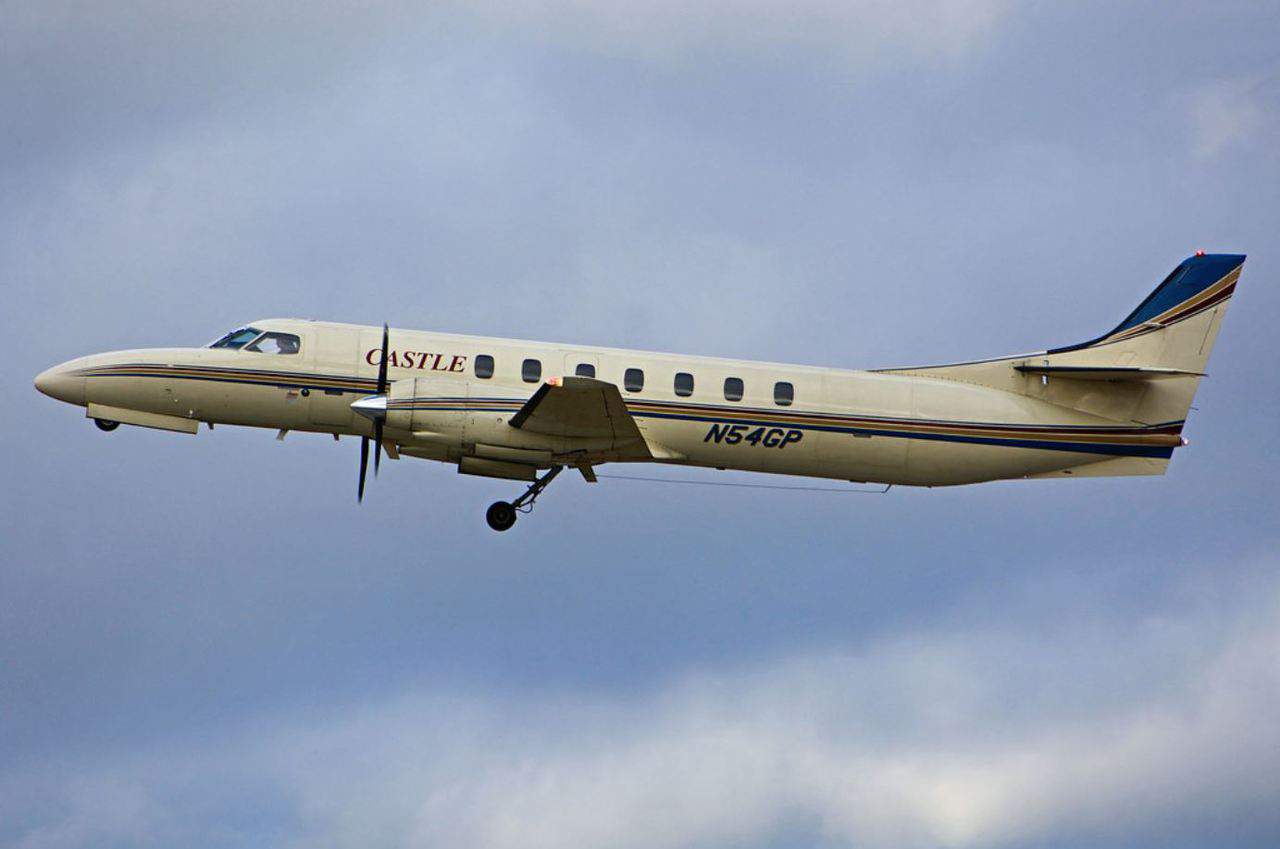


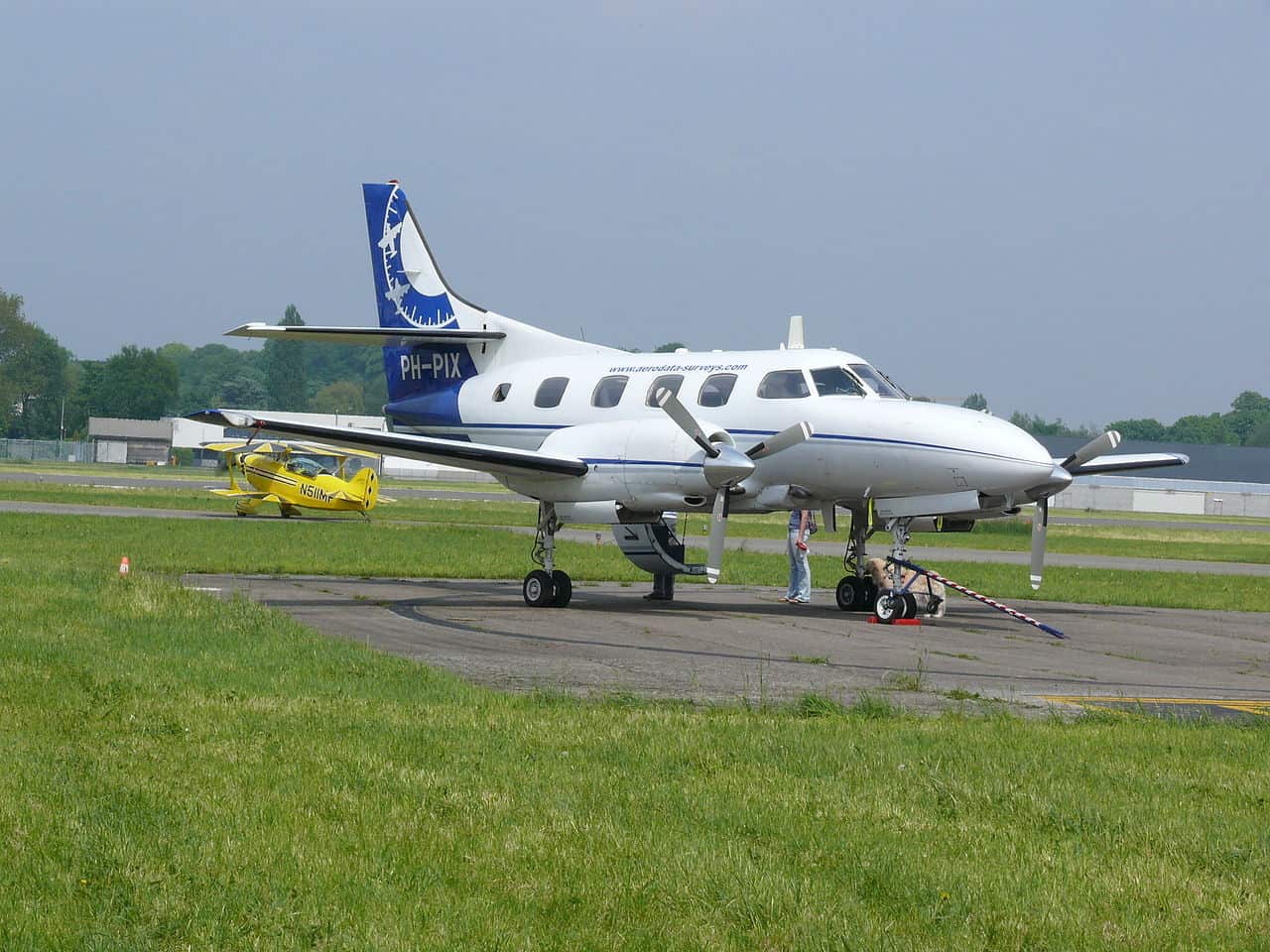

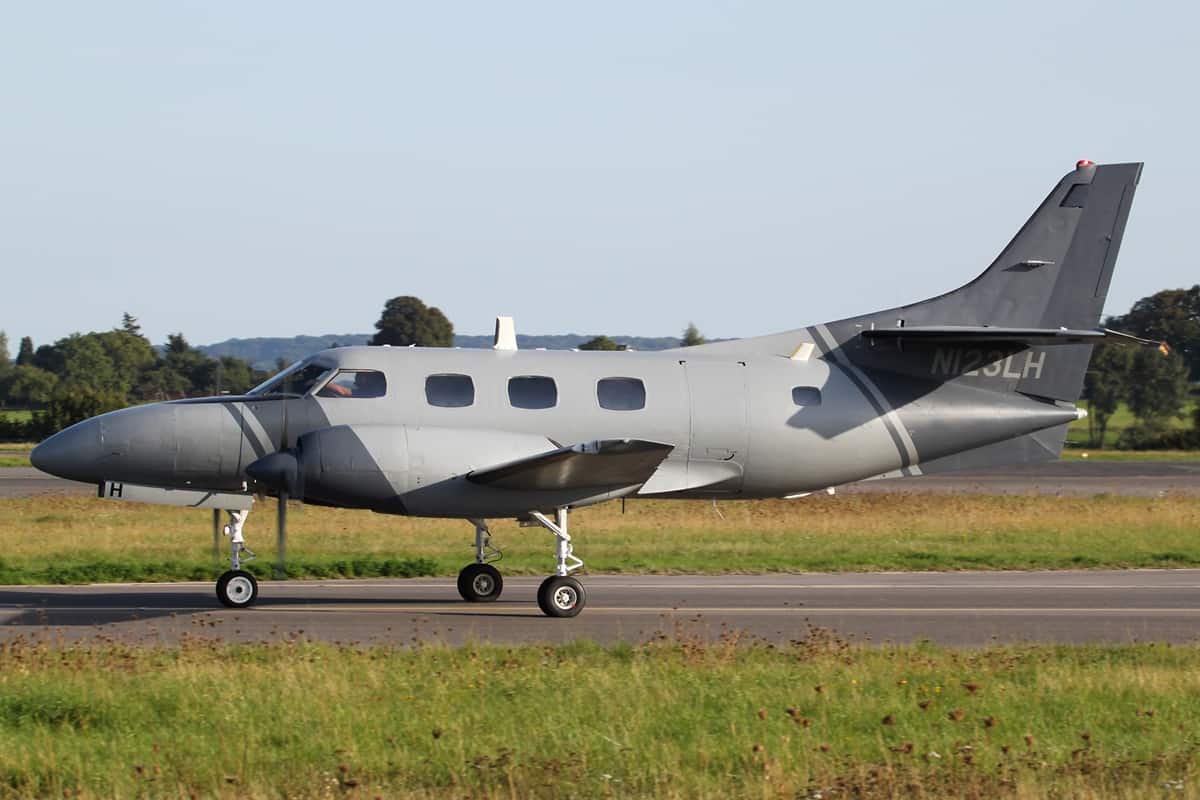
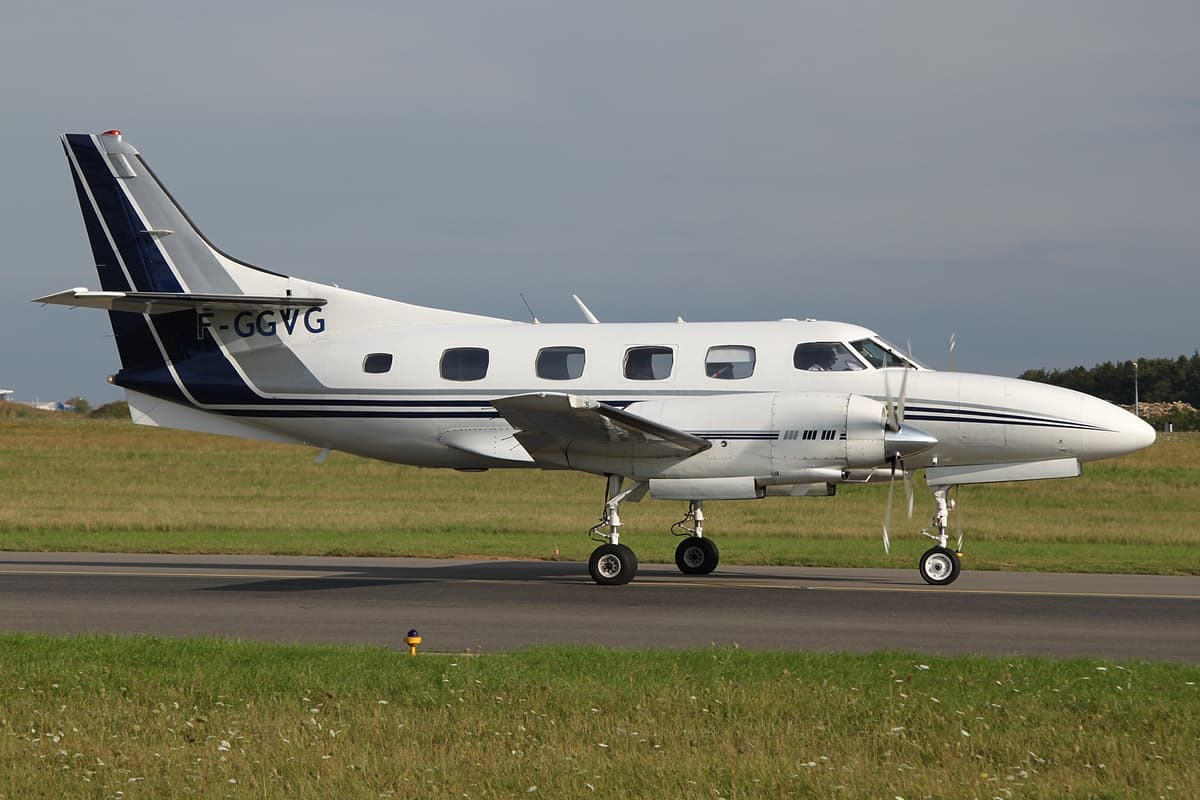


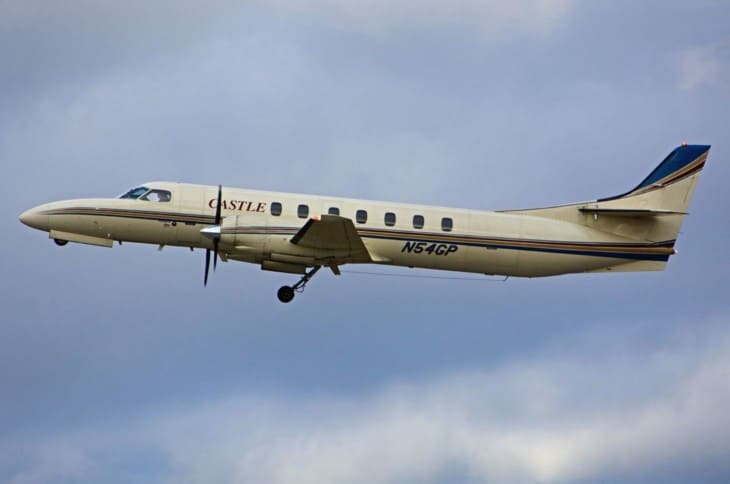
The Merlin was a development of initial modification programs of Swearingen Aircraft. Edward Swearingen, an American aeronautical engineer started the design that concluded to the Merlin through step-by-step enhancements to the Twin Bonanza and Queen Air utility aircraft of Beechcraft, which was named Excalibur. Later on, a hybrid aircraft designed with a new fuselage and vertical fin was built which was designated as the SA26 Merlin. It was the prototype piston-engined version of the aircraft. The SA26-T Merlin II was a prototype powered with two turboprop engines. The Merlin IIA was the first production version with two Pratt and Whitney engines while the Merlin IIB was powered by two Garrett AiResearch engines.
The Merlin IIIC with SFAR-41 standard can accommodate two crew members and up to nine passengers on board. It has an external length of 12.85 meters, an external height of 2.7 meters, and a fuselage diameter of 1.6 meters. The tail height is 5.13 meters and the wheelbase is 3.6 meters. It has a wingspan of 14.10 meters and a wing area of 25.78 square meters. The cabin height is 1.45 meters, the cabin length is 7.75 meters and the cabin width is 1.57 meters. The aircraft has an empty weight of 3,697 kg, a maximum takeoff weight of 6,001 kg, and a fuel capacity of 648 US gal.
Two Garrett AiResearch TPE-331-10U-503G engines power the Merlin. It is a single-shaft turboprop with an integral gearbox, a two-stage centrifugal compressor, reverse annular combustors and a three-stage axial turbine. Each engine produces a maximum thrust of 900 shaft horsepower and drives a four-bladed Dowty Type R.321 propeller with 2.69 meters of diameter. The aircraft has a maximum cruise speed of 300 knots at 10,000 feet and a stall speed of 92 knots with flaps and landing gear down. The range at 26,000 feet with six occupants is 1,938 nautical miles and the ferry range is 2,239 nautical miles. It can fly up to 27,000 feet and can climb at a rate of 2,650 feet per minute.
Sources and references used for research and fact-checking.
.jpg)