

Table of Contents
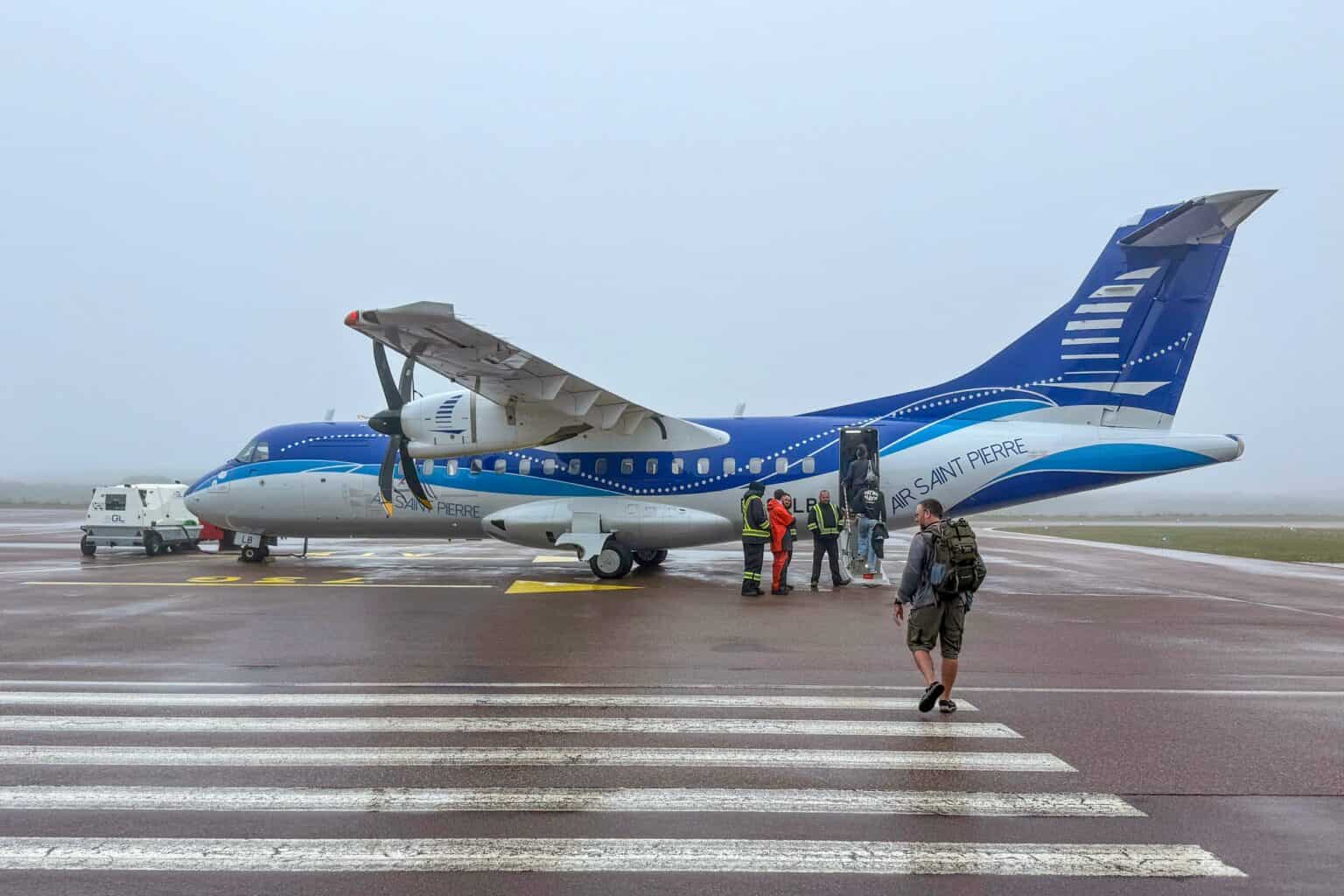
The smallest airline in the world that still runs a real schedule is Air Saint-Pierre. Since it retired its last Reims-Cessna F406 in March 2026, the carrier has flown its whole network with one 46-seat ATR 42-600.
It has company at one aircraft. Sudan Airways, a national flag carrier, is down to a single Airbus A320 as of November 2026.
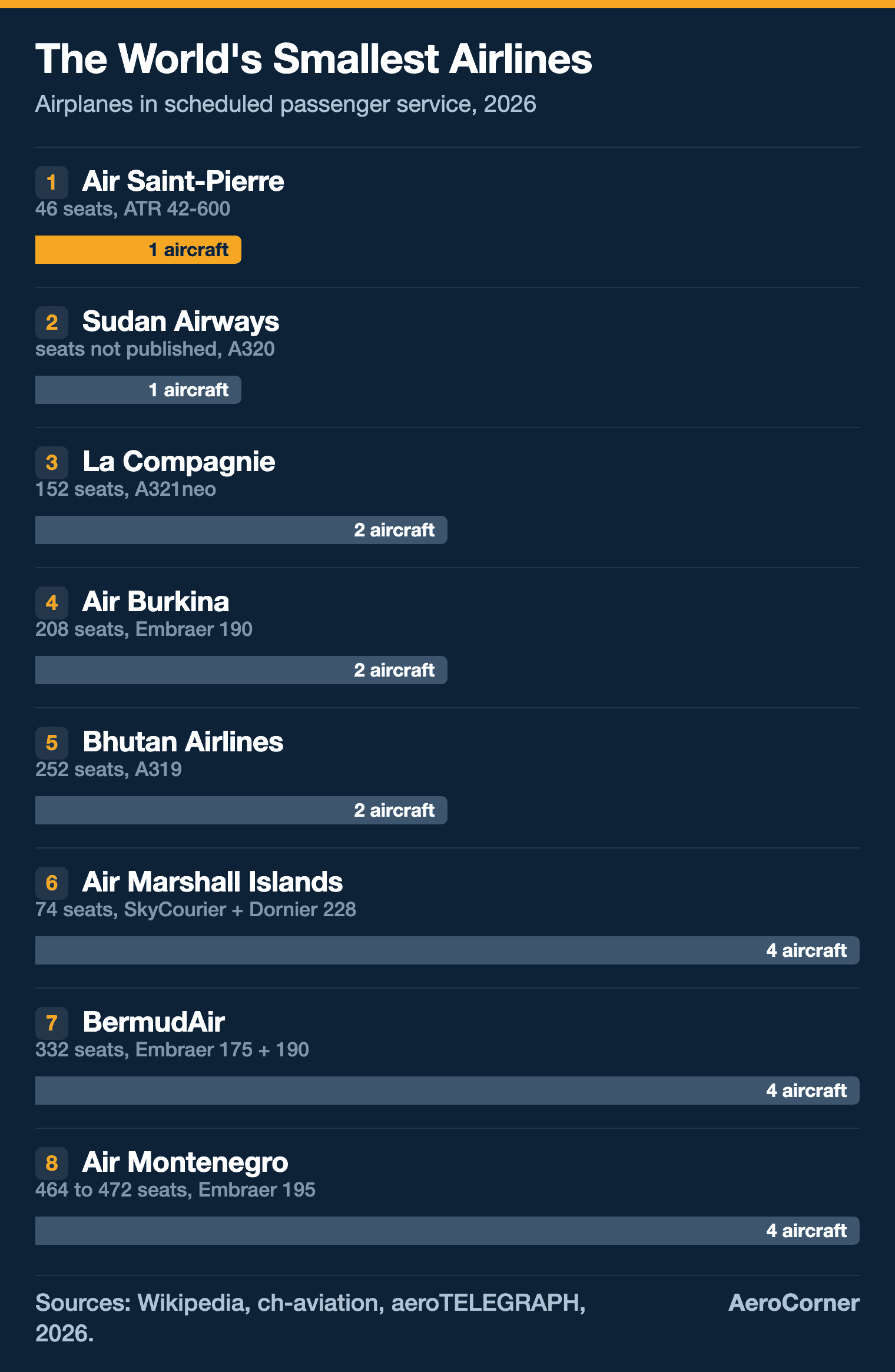
This list ranks 12 scheduled passenger airlines by the number of airplanes they have in passenger service, using fleet records dated between August 2025 and November 2026. When two airlines fly the same number of aircraft, the one with fewer total seats ranks smaller.
Three of them get by on two jets. Five fly four aircraft, and one of those five, Air Tahiti Nui, seats more people in four Boeing 787s than Air Saint-Pierre, La Compagnie, Air Burkina and Bhutan Airlines combined.
| Rank | Airline | Home | Aircraft in service | Total seats |
|---|---|---|---|---|
| 1 | Air Saint-Pierre | Saint-Pierre and Miquelon (France) | 1 (ATR 42-600) | 46 |
| 2 | Sudan Airways | Sudan | 1 (A320) | Not published |
| 3 | La Compagnie | France | 2 (A321neo) | 152 |
| 4 | Air Burkina | Burkina Faso | 2 (Embraer 190) | 208 |
| 5 | Bhutan Airlines | Bhutan | 2 (A319) | 252 |
| 6 | Air Marshall Islands | Marshall Islands | 4 (SkyCourier, Dornier 228) | 74 |
| 7 | BermudAir | Bermuda | 4 (Embraer 175, 190) | 332 |
| 8 | Air Montenegro | Montenegro | 4 (Embraer 195) | 464 to 472 |
| 9 | Atlantic Airways | Faroe Islands | 4 (A320, A320neo) | 696 |
| 10 | Air Tahiti Nui | French Polynesia | 4 (Boeing 787-9) | 1,176 |
| 11 | Air Vanuatu | Vanuatu | 5 (ATR 72-600, Twin Otter) | 146 |
| 12 | Air Kiribati | Kiribati | 6 (Twin Otter, Dash 8) | 132 |
How this ranking works
The measure is airplanes in scheduled passenger service under the airline’s own name and certificate. Aircraft on order, parked or not in service, wet-leased in from another carrier, freighters and helicopters are not counted. Ties go to the airline with fewer total seats. Thousands of one-plane charter and air-taxi operators exist, but they do not sell a public schedule, so they are not airlines in the sense a traveler means. Fleets this small change with a single delivery or grounding, so each entry names the date of its fleet record.
1. Air Saint-Pierre: One Airplane
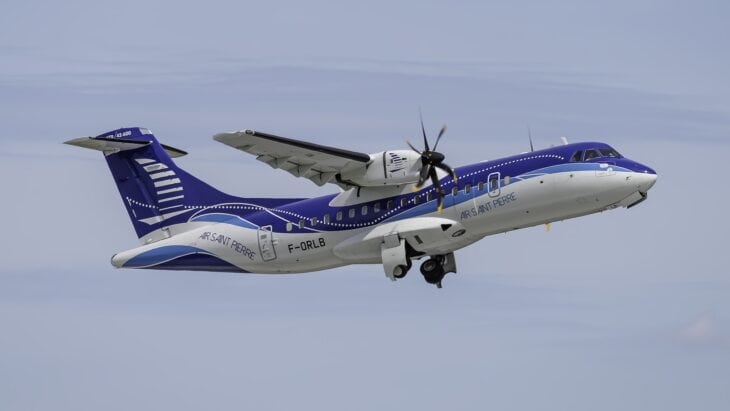

Air Saint-Pierre is the airline of Saint-Pierre and Miquelon, a French overseas collectivity of two inhabited islands beside Newfoundland. It was founded in 1964 and flies to five airports in Canada, among them Halifax, Montreal and St. John’s, plus the short hop to Miquelon.
All of it now rides on one ATR 42-600 with 46 seats, which joined the airline in 2020. The airline has flown one ATR 42 at a time since 1994, replacing the airframe in 2009 and again in 2020.
Until March 2026 a second aircraft, a Reims-Cessna F406, flew the Miquelon shuttle. It was due to serve until the end of 2026, but one of the only two captains trained on it resigned, and retraining a replacement would have taken up to ten months.
One pilot short of two airplanes
Air Saint-Pierre became a one-aircraft airline because of a resignation, not a crash or a sale. Its CEO said keeping the F406 flying was no longer sustainable once one of its two trained captains left, so the ATR 42-600 took over the Miquelon run on top of everything else.
Even the summer flights to Paris are not flown by Air Saint-Pierre’s own airplane. Those weekly peak-season trips are operated for it by ASL Airlines France with a Boeing 737-700.
2. Sudan Airways: One A320 for a Country at War
Sudan Airways is the only national flag carrier on this list with a single airplane. As of November 5, 2026, its only aircraft is a company-owned Airbus A320, registration ST-MKW, about 20 years old.
That one jet flies between Khartoum and Port Sudan and out to Cairo, Riyadh and Jeddah. Its seat count is not published in the sources used here, but any A320 seats far more than Air Saint-Pierre’s 46, which is why Sudan Airways ranks second on the tie-breaker.
Around the weekend of February 1, 2026, ST-MKW flew the first scheduled passenger flight into Khartoum’s airport in more than two years, after the civil war had closed it.
When the one plane stops, the airline stops
Sudan Airways parked ST-MKW on October 30, 2026, pending repairs delayed by a shortage of spare parts in Sudan. With no second aircraft, the national airline had nothing to fly until the A320 returned on November 3 with a flight from Port Sudan to Cairo.
3. La Compagnie: Two A321neos, All Business Class
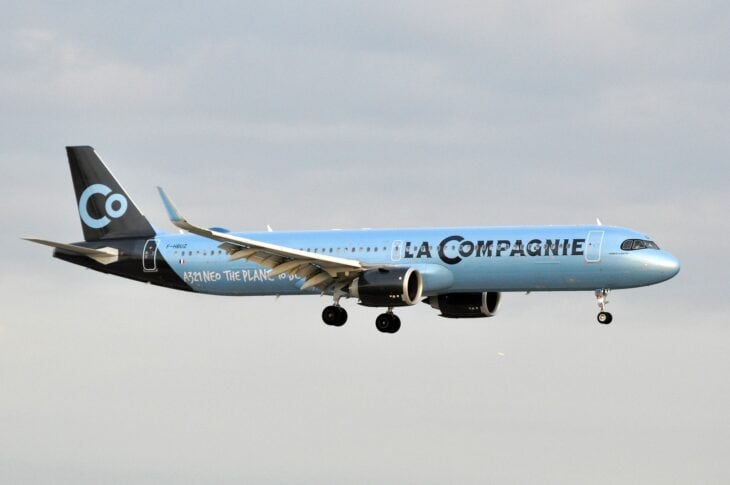

La Compagnie is the smallest airline on this list that flies to the United States. The Paris Orly-based carrier sells only business class, and as of September 2026 it flies two Airbus A321neos with 76 seats each between Paris and Newark.
It was founded in 2013 as DreamJet and flew its first route, Paris Charles de Gaulle to Newark, on July 21, 2014, with a Boeing 757-200. In 2017 it offered an all-you-can-fly pass on the Newark to Paris route for $40,000 a year.
Its Milan and Nice flights to Newark use a 757-200 wet-leased from Icelandair, which is why the methodology counts two airplanes, not three. A third A321 is due in 2027 for a new Düsseldorf to Newark route, and the first A321XLR follows in 2028.
4. Air Burkina: Two Embraer 190s
Air Burkina, the national airline of Burkina Faso, dates to 1967, when it was founded as Air Volta. Its fleet record from October 2025 lists two Embraer 190s with 104 seats each, 12 of them in business class.
The second jet, registered XT-ABT, came from China’s Hebei Airlines in late 2025. In 2025 the airline had to fall back on a leased Boeing 737, and at one point it stopped flying because it had no airworthy aircraft.
That is the hidden risk of a two-jet airline. One grounding cuts capacity in half, and two leave a country’s flag carrier with nothing to fly.
5. Bhutan Airlines: Two A319s
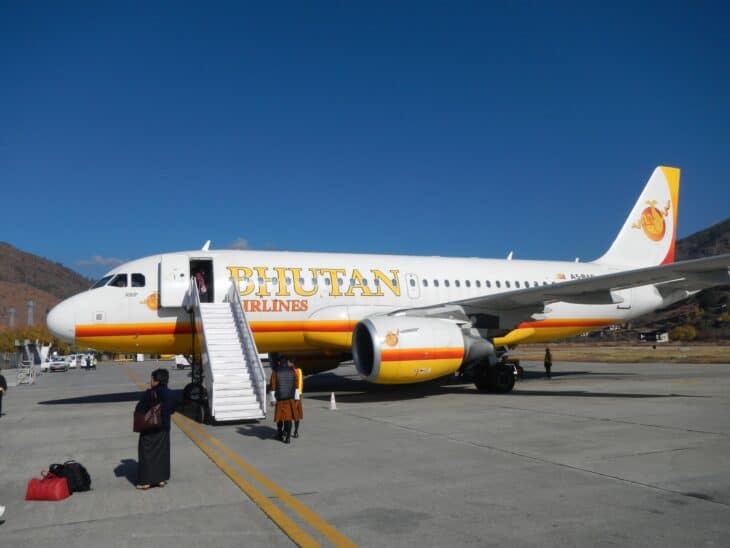

Bhutan Airlines is the private airline of Bhutan’s Tashi Group, founded in 2011 as Tashi Air. It flies two Airbus A319s from Paro, each with 12 business and 114 economy seats, to cities including Bangkok, Kathmandu and Kolkata.
It began in 2013 with a single A320 wet-leased from a Lithuanian company, then took delivery of its own A319s on May 1 and July 30, 2014. Bhutan’s state airline, Drukair, is the bigger of the two, with six aircraft including three A319s and an ATR 42-600.
6. Air Marshall Islands: Four Turboprops, 74 Seats
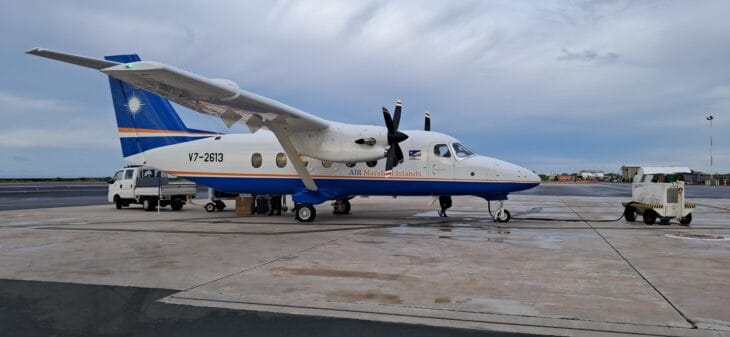

Air Marshall Islands has the fewest seats of any airline on this list after Air Saint-Pierre. As of October 2026 it flies two Cessna 408 SkyCouriers with 19 seats and two Dornier 228s with 18, for 74 seats across the whole airline.
The government-owned carrier was founded in 1980 and serves atolls from its Majuro base, including Bikini, Enewetak and Kwajalein. Its 34-seat Dash 8-100 is listed but not in service, so it is not counted here.
The part was for the wrong wing
In January 2009 Air Marshall Islands had one airplane, a Dash 8, and it hit an FAA antenna tower while being towed. Every flight was suspended. The replacement part that arrived in February was for the other wing, which delayed the restart again.
7. BermudAir: Four Embraers, Ten A220s on Order
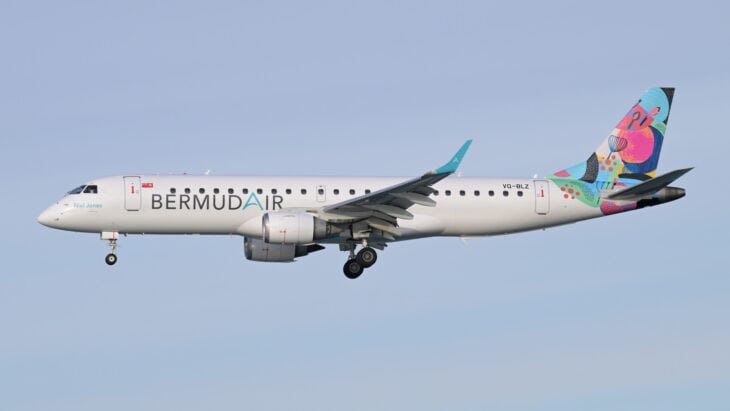

BermudAir started flying on August 31, 2023, and connects Bermuda with cities on the US East Coast and in eastern Canada. As of September 2026 it flies two Embraer 175s with 70 seats and two Embraer 190s with 96.
It will not stay on this list for long. BermudAir ordered ten Airbus A220-300s in July 2026, with deliveries starting in 2027, and it plans to add an Embraer 190F freighter.
8. Air Montenegro: Four Embraer 195s
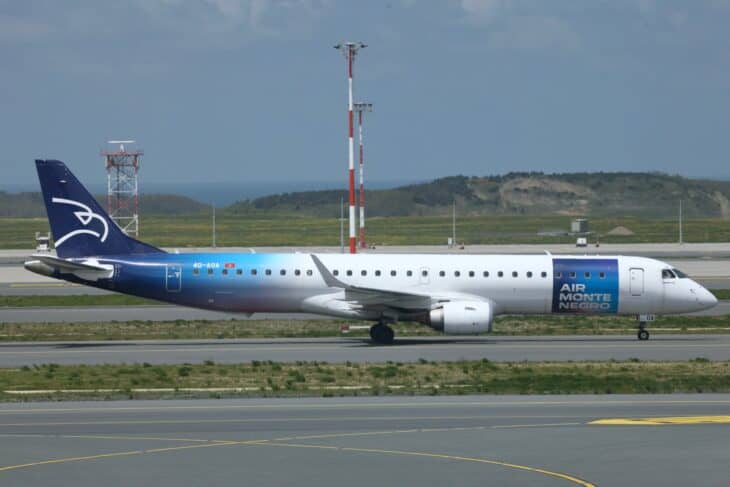

Air Montenegro was founded on February 8, 2021, and flew its first service that June, succeeding the now-defunct Montenegro Airlines. As of July 2026 it flies four Embraer 195s with 116 to 118 seats each, two of them inherited from its predecessor.
The state-owned airline flies from Podgorica to European cities including Rome and Belgrade. A new route to Bari is listed to begin on December 17, 2026.
9. Atlantic Airways: Four A320s for the Faroe Islands
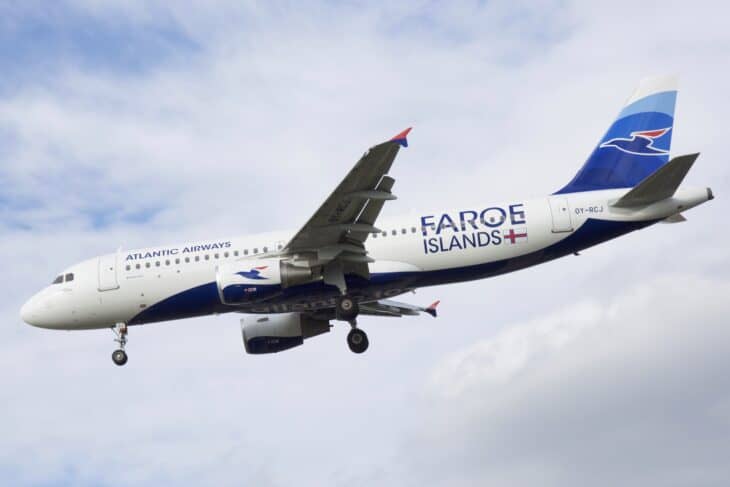
Atlantic Airways is the national airline of the Faroe Islands, founded on November 10, 1987, and based at Vágar Airport. As of July 2026 it flies two Airbus A320s and two A320neos, all with 174 seats, and has two more A320neos on order.
It also runs two Leonardo AW139 helicopters with 15 seats each. They fly the domestic service to outlying islands and search and rescue, and they are not counted in this ranking.
10. Air Tahiti Nui: Four 787s and a World Record
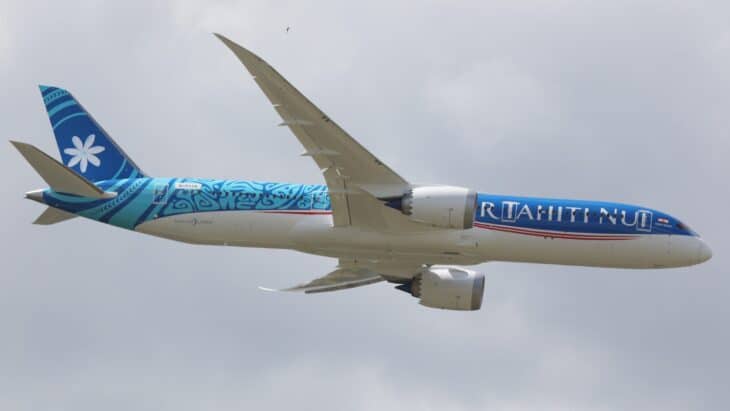

Air Tahiti Nui is the clearest case that a small fleet is not a small airline. Its four Boeing 787-9s carry 294 seats each, 1,176 in total, more than the 658 seats of Air Saint-Pierre, La Compagnie, Air Burkina and Bhutan Airlines combined.
A four-plane airline flew the world's longest flight
On March 15, 2020, Air Tahiti Nui flight TN64 flew nonstop from Papeete to Paris Charles de Gaulle because COVID-19 rules had closed its usual stop in Los Angeles. The 787-9 covered 9,765 miles (15,715 km) in 16 hours 14 minutes.
The French Polynesian carrier was founded in 1996 and flew five Airbus A340-300s before retiring the last one in 2019. Its 787s carry three cabins: 30 business, 32 premium economy and 232 economy seats.
11. Air Vanuatu: Five Aircraft After a Liquidation
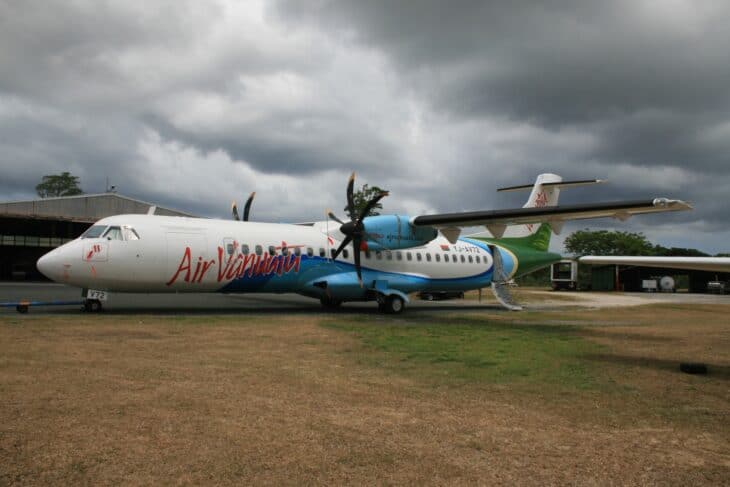

Air Vanuatu stopped flying in May 2024, when the government of Vanuatu placed it into liquidation owing creditors $74 million. Its biggest aircraft, a leased Boeing 737, was repossessed in Melbourne, and limited domestic flights resumed that August.
As of October 2026 the rebuilt airline flies one 70-seat ATR 72-600 and four 19-seat Twin Otters, with a fifth Twin Otter due that month. Its single ATR spent seven months grounded before returning in March 2026, so the airline is now considering a second one.
12. Air Kiribati: Six Turboprops Across 1.35 Million Square Miles
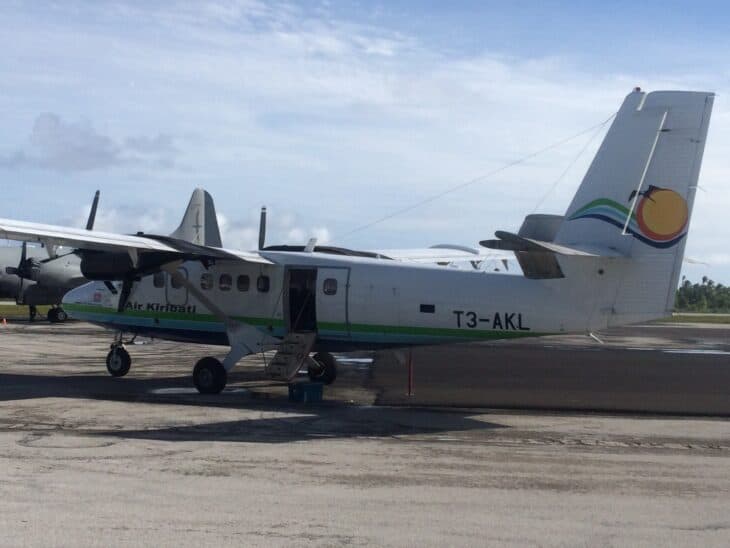

Air Kiribati serves 20 atolls spread over about 1.35 million square miles (3.5 million sq km) of the Pacific. As of July 2026 it does it with five 19-seat Twin Otters and one 37-seat Dash 8-100, for 132 seats in all.
The airline also flies medical evacuation and search and rescue missions from its base at Bonriki International Airport on Tarawa.
Why Fleet Size Is the Right Measure
“Smallest” can mean fleet, seats, passengers or routes. Fleet size is the only one published for every airline here, and it decides whether an airline can keep flying when one aircraft breaks.
Seats tell a different story, which is why the table shows both. Ranked by seats alone among the 11 airlines here that publish them, Air Saint-Pierre still comes first with 46, Air Marshall Islands moves up to second with 74, and Air Tahiti Nui falls far off the list. For the other end of the scale, see the largest airlines in the world.
What about Air Tuvalu?
Air Tuvalu would have been smaller still. The government-owned airline took delivery of a single 16-seat Twin Otter in May 2023 and planned domestic flights from that October, but it never started service and was wound up in 2024. An airline that never flew a schedule cannot make this list.
FAQ
Sources and references used for research and fact-checking.
- aeroTELEGRAPH, Air Saint-Pierre stellt Flüge mit Reims-Cessna F406 noch früher ein
- Wikipedia, Air Saint-Pierre
- ch-aviation, France's La Compagnie eyes doubling of fleet by 2028
- Wikipedia, La Compagnie
- aeroTELEGRAPH, Air Burkina erhält zweite Embraer E190 zur Flottenmodernisierung
- Wikipedia, Air Burkina
- Wikipedia, Bhutan Airlines
- Wikipedia, Drukair
- Wikipedia, Air Marshall Islands
- ch-aviation, BermudAir to add E190F, start freighter ops
- Wikipedia, BermudAir
- Wikipedia, Air Montenegro
- Wikipedia, Atlantic Airways
- aeroTELEGRAPH, Air Tahiti Nui performs record flight in wake of corona crisis
- Wikipedia, Air Tahiti Nui
- ch-aviation, Air Vanuatu mulls second ATR72-600 amid fleet rebuild
- Wikipedia, Air Vanuatu
- Wikipedia, Air Kiribati
- Wikipedia, Air Tuvalu
- ch-aviation, Sudan Airways resumes flights after A320 grounding
- aeroTELEGRAPH, Airbus A320 von Sudan Airways: Flughafen Khartoum empfängt erstmals wieder Linienflug
Get the Newsletter
The latest aviation news and stories sent to your inbox.
About the Author

Tim is the owner and lead editor of AeroCorner since 2019, overseeing aviation content covering aircraft, airlines, airports, and the broader aviation industry. Through years of researching, writing, editing, and publishing aviation-focused content, he has developed extensive practical knowledge of commercial aviation and air travel. Based in Asia and a frequent traveler himself, Tim also brings firsthand passenger experience to AeroCorner’s coverage. Outside of publishing, he has also explored aviation firsthand through hands-on flight training in New Zealand.