Passenger Turbo Props
ATR 42-500
ICAO: AT45
The latest aviation news and stories sent to your inbox.
The ATR 42-600 represents the latest generation of the ATR 42 family, designed to deliver reliable performance on short regional routes. Combining updated avionics, improved engines, and enhanced passenger comfort, it offers airlines an efficient solution for connecting smaller communities to larger hubs. Its modern systems and low operating costs have helped sustain turboprop relevance in an increasingly competitive market.
Live Fleet Activity (AT46)
Fetching live data…
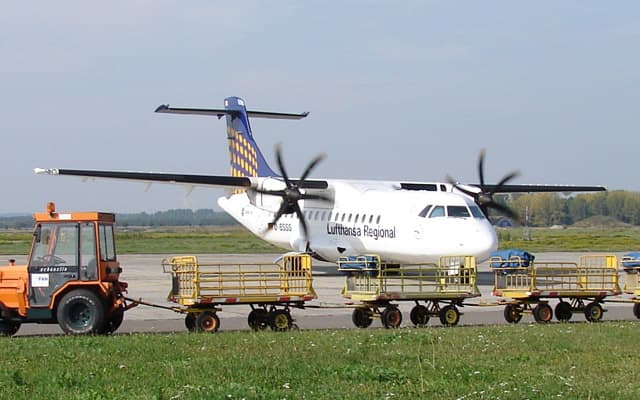
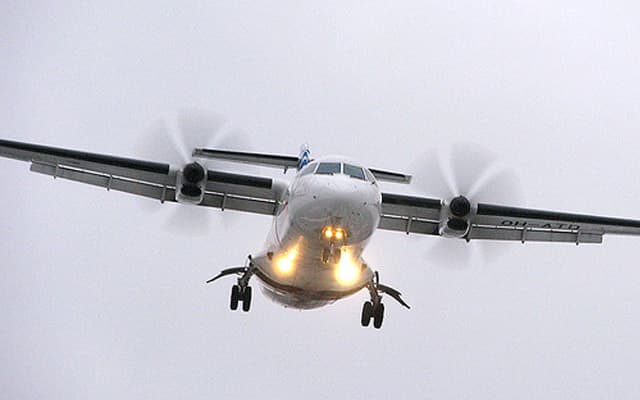

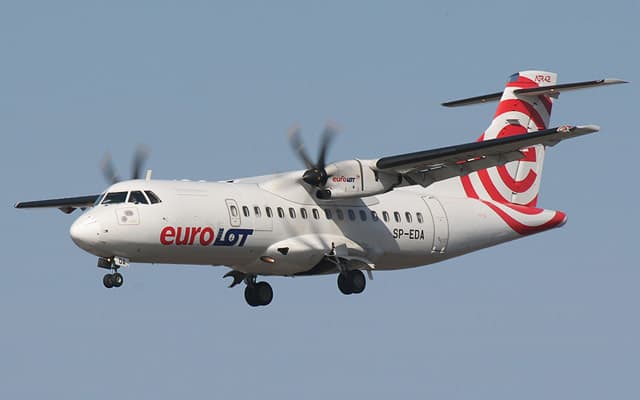
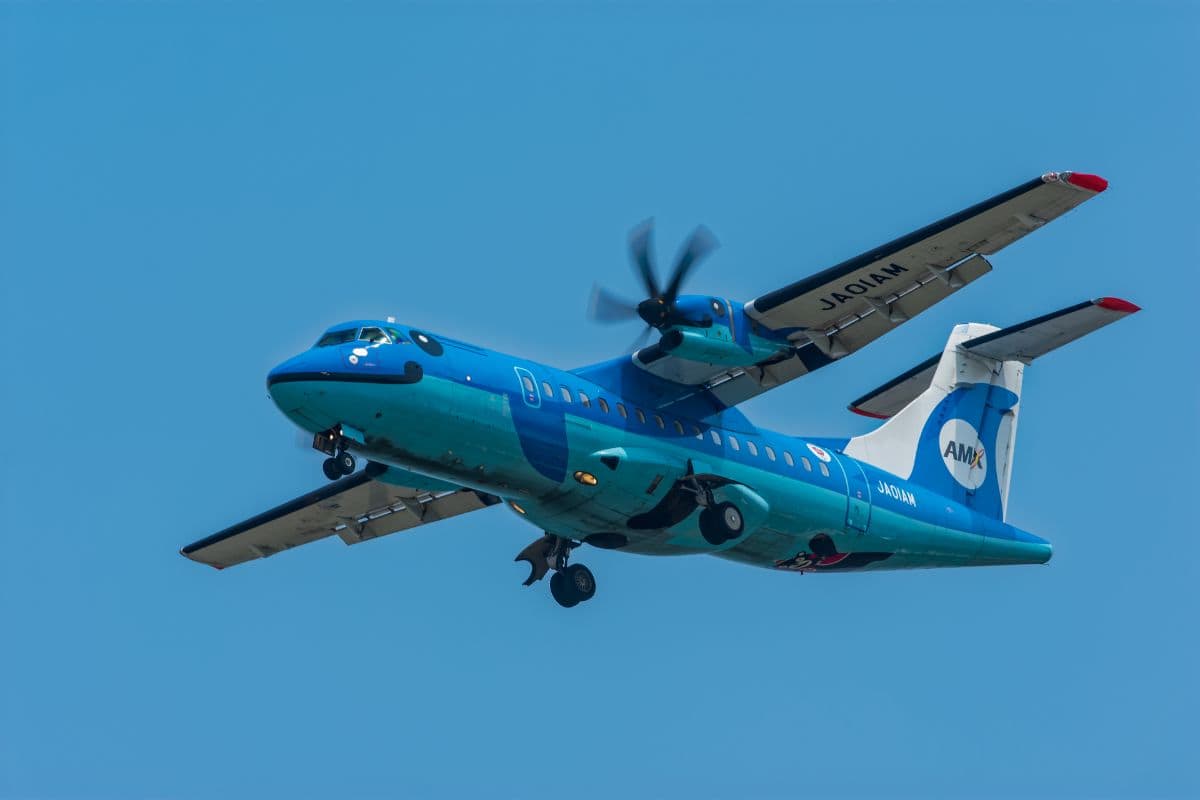
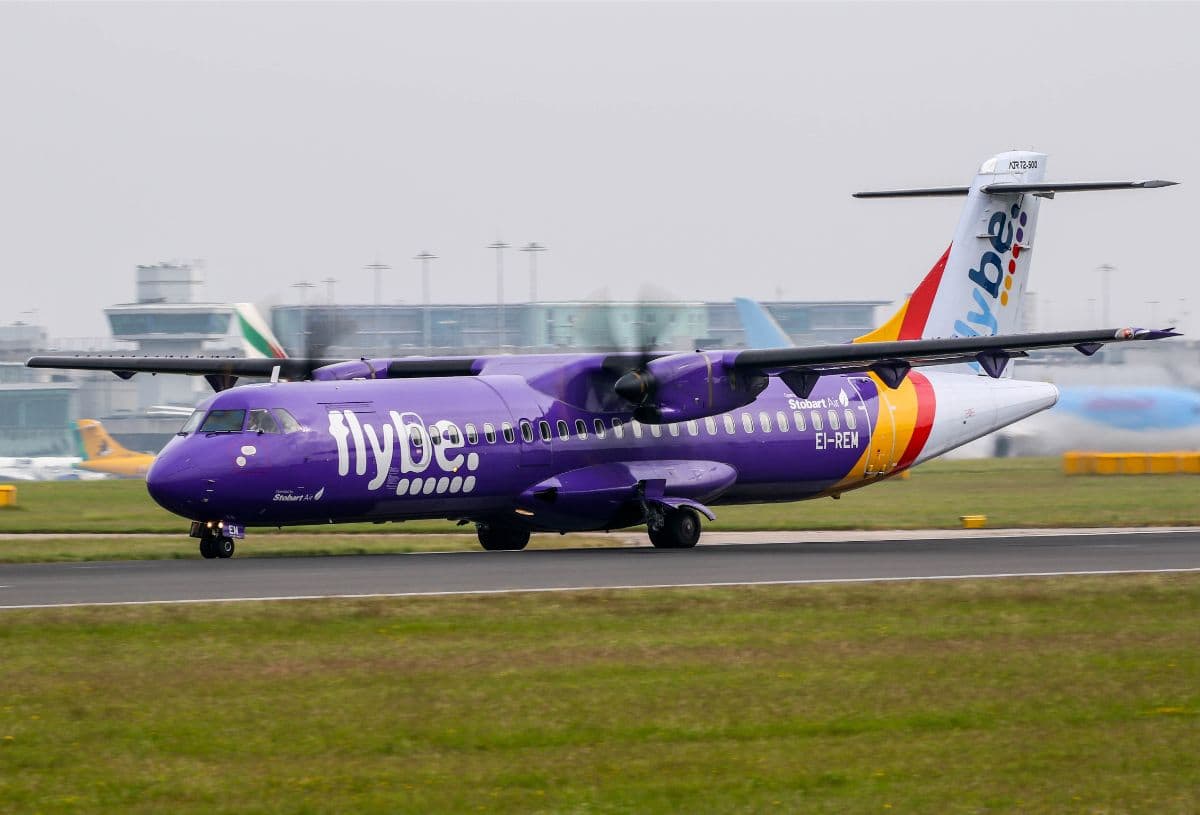
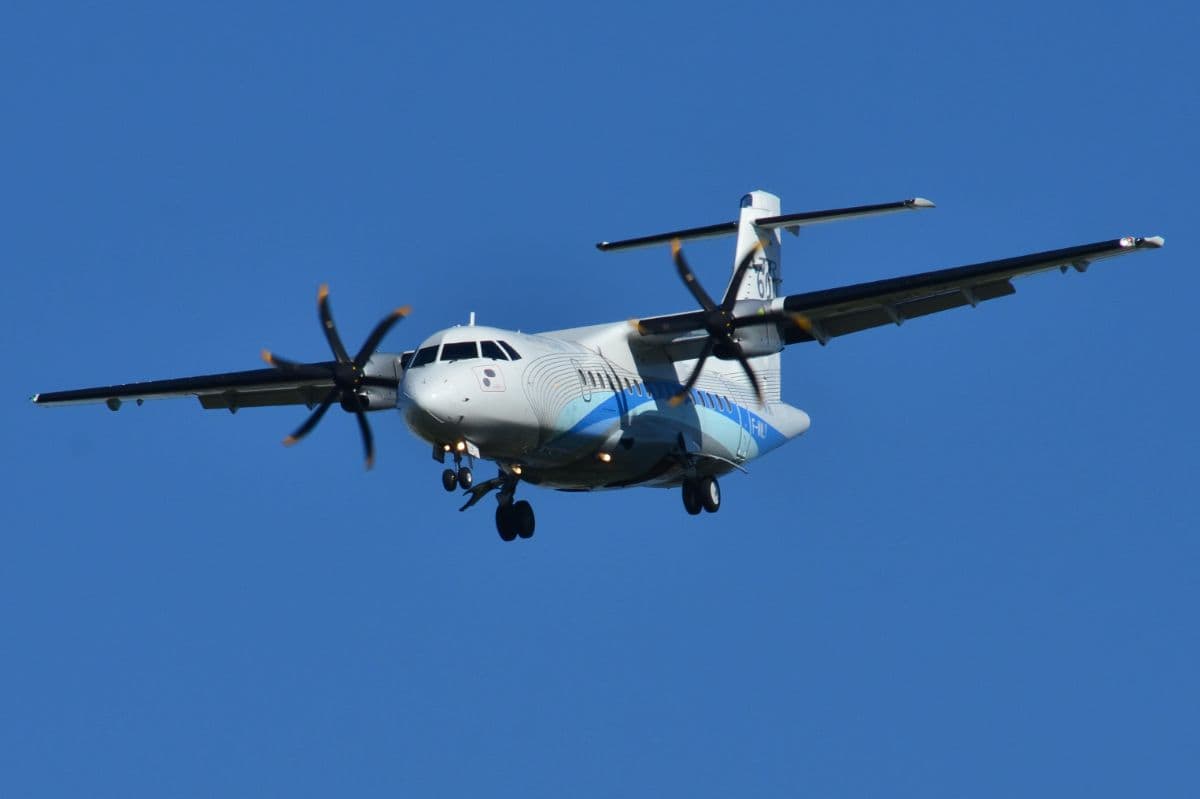
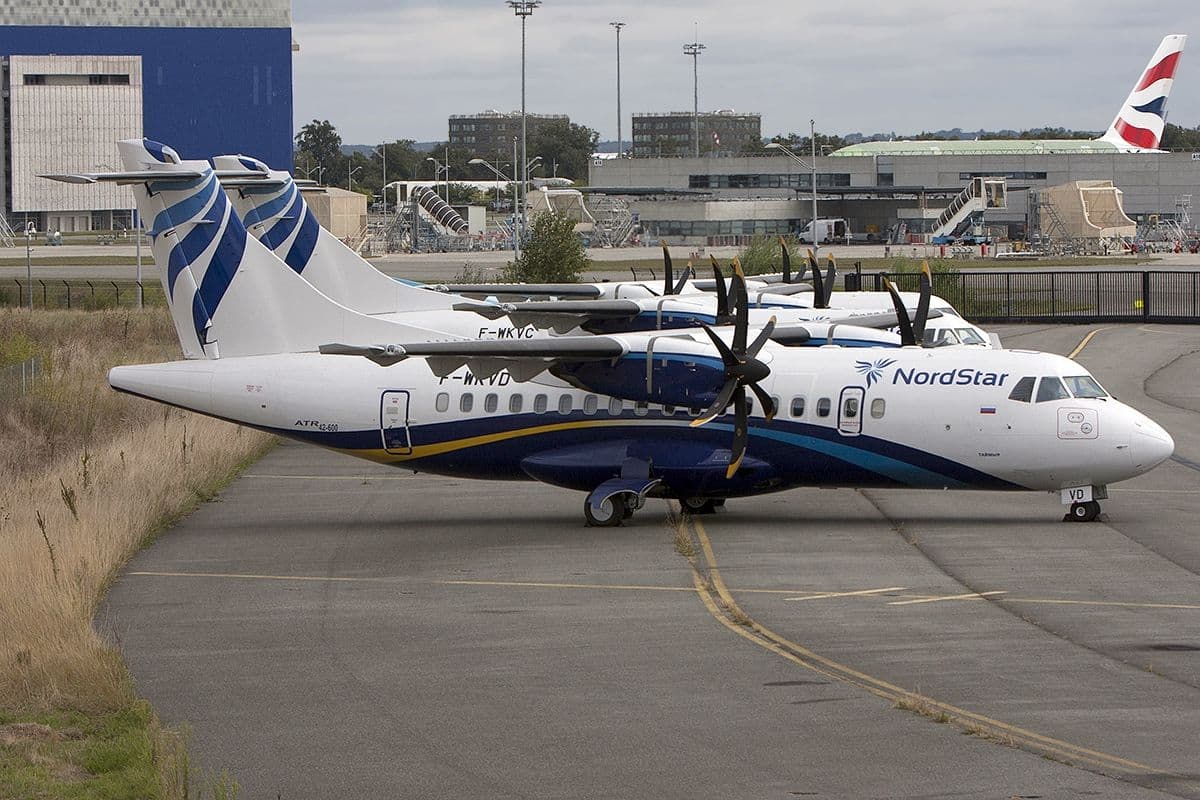
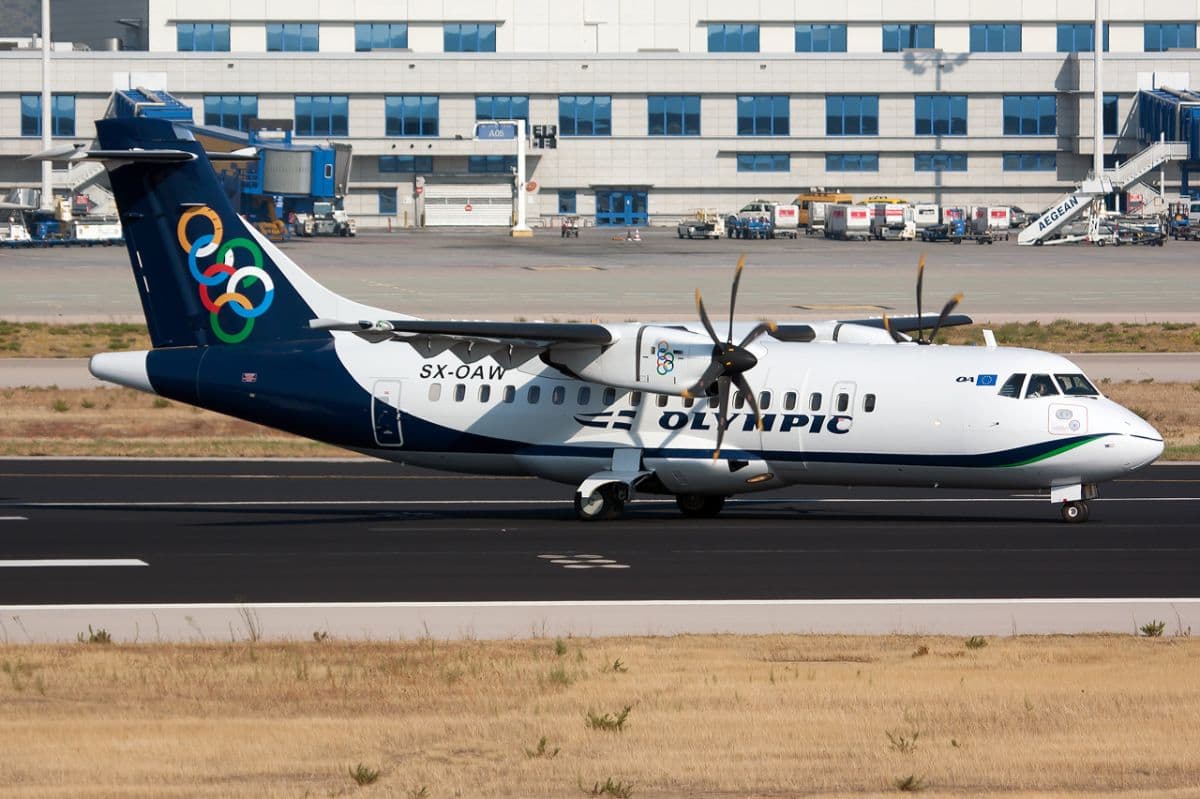

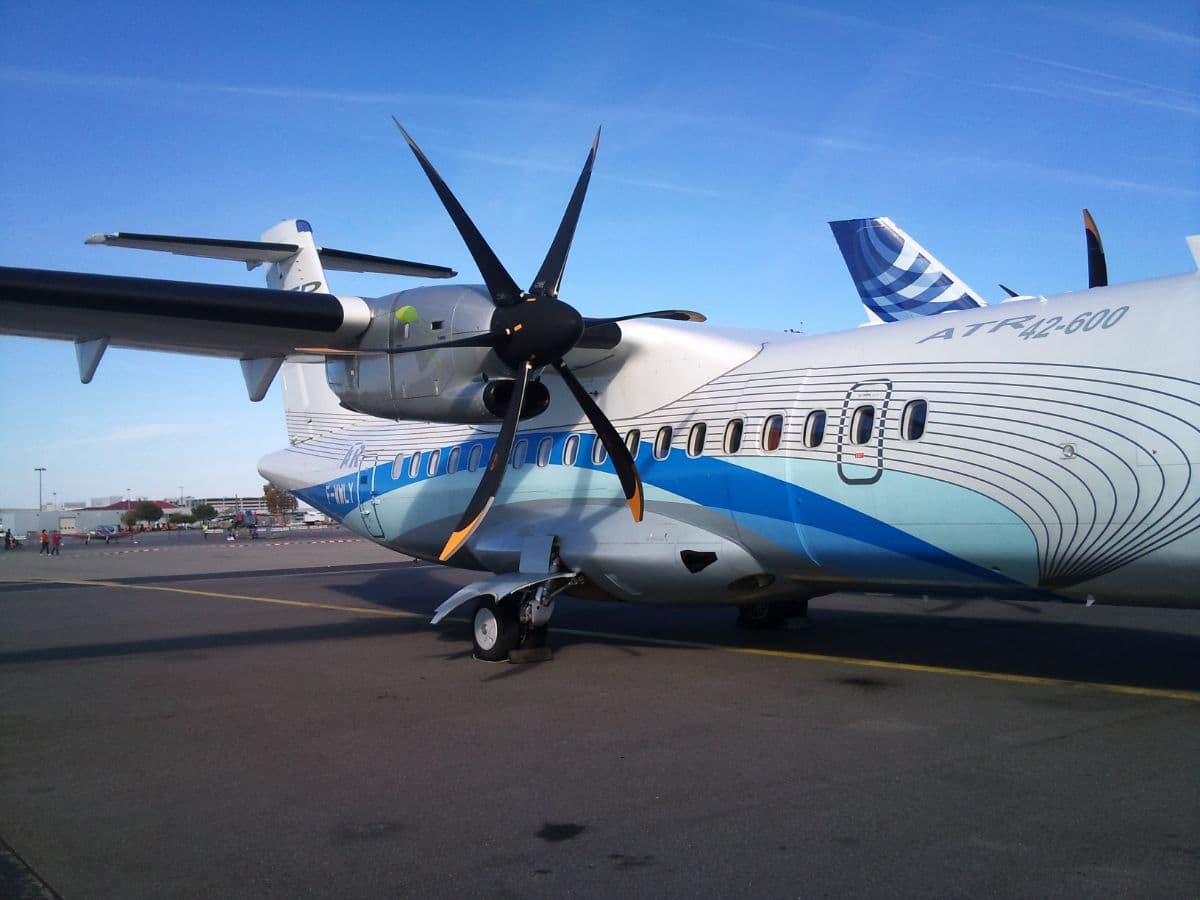
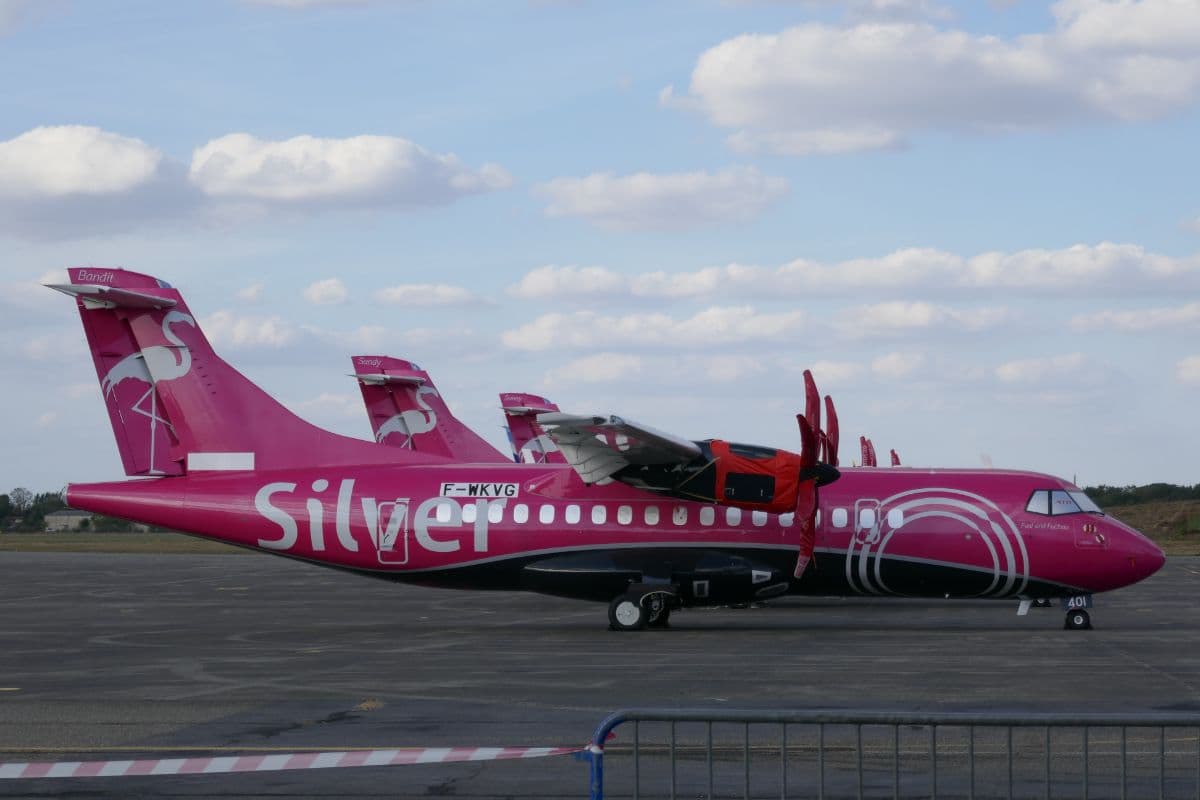
The ATR 42-600 is an upgraded version of earlier ATR 42 models, developed by the ATR consortium formed by Airbus and Leonardo. First flown in 2010 and entering service in 2012, the -600 variant introduced significant technological improvements while retaining the core high-wing turboprop design that defines the series.
Powered by Pratt & Whitney Canada PW127M engines, the aircraft delivers improved fuel efficiency and enhanced performance in hot and high conditions. It typically seats between 40 and 50 passengers, depending on configuration, making it ideal for lower-demand routes where larger aircraft would be uneconomical. The aircraft’s short takeoff and landing capability allows operations from regional airports with limited runway length.
One of the most notable upgrades in the ATR 42-600 is its modern glass cockpit, featuring large LCD displays that improve situational awareness and reduce pilot workload. Cabin enhancements, including improved lighting and updated interior design, contribute to a more comfortable passenger experience compared to earlier variants.
The ATR 42-600 has been widely adopted by regional carriers, government operators, and specialized mission providers. Its ability to combine efficiency, reliability, and short-field performance ensures that it remains a valuable asset in regional aviation networks worldwide.
Designed to improve both passenger comfort and airplane function, the ATR 42-600 is smaller, more compact, but incredibly powerful. It’s a great option for unique airports where other airplanes may struggle to take off and land due to obstacles or problems with the landing strip.
By using many of the same components as their other planes, ATR ensured that their 42-600 would be easy to maintain and repair. This plane is a great improvement on the ATR 42-500 thanks to the inclusion of the improved glass cockpit.
The ATR 42-600 designation is actually not EASA recognized as a model or variant. The difference between the 42-500 and the 42-600 is in the cockpit.
After the launch of the ATR 42-600, this plane quickly grew in popularity thanks to the unique design. As recently as mid-2019, ATR was taking orders for this plane.
They took 17 provisional orders at the Paris Air Show for the short take off and landing version of the ATR 42-600. This ATR 42-600S provided to be very popular, and ATR also walked away with an additional 23 orders for their existing planes.
While not as popular as some of the other aircraft that ATR has produced, the ATR 42-600 is still in use by a wide variety of different airlines. Some of these include Easyfly, Liat, Silver Airways, Bahamasair, and Air Tahiti.
This plane was designed to do a great job not only during take off and landing, but also in the air, and it has a steep slope approach capability that is second to none. This means that it can easily be maneuvered in challenging airports and it can easily handle close obstacles.
Designed to be more powerful and comfortable, this aircraft fills a need that other planes can’t touch.
The cockpit of the ATR 42-600 is advanced. It features an improved glass cockpit flight deck that boasts five wide LCD screens. These were introduced to replace the older Electronic Flight Instrument System. Additionally, the cockpit has a Multi-Purpose Computer that is powerful and intuitive. This computer was designed to help improve operation when in the air and to make flights safer.
Thales provides the avionics for this plane. They produce both RNP and CAT III capabilities.
Larger and lighter seats make flying in this plane incredibly comfortable. The slim seats are under larger overhead bins that are wider than normal and have been reshaped.
This reshaping allows passengers to easily store more items in the bins. Additionally, there is a 30% more roller bag stowage capability over the ATR 500 planes.
The ATR 42-600 boasts twin Pratt & Whitney Canada PW127M engines. They are an upgrade over the traditional engine used in the ATR planes and offer 5% more thrust at take off.
This means that they have improved performance not only in higher altitudes, but also in hot weather and on short runways. This feature can be used only as needed to save fuel.
These engines offer unparalleled performance and are the best option for this aircraft, giving it all of the power and control that it needs to succeed on and off the runway.
This powerful airplane only needs 1165 m for take off and just 1126 m for landing. This is a little longer than the needs of other similar planes, but it takes off at 112 KCAS and lands at 104 KCAS, so it’s easy to see why it needs the additional space.
The ATR 42-600 has an optimum limb speed of 160 KCAS and can climb at a rate of 1851 feet/minute. Additionally, once it reaches its maximum cruise speed, it will maintain a speed of 556 km/h. The range at this max speed with full passenger capacity is 716 Nm.
The ATR 42-600 has the typical retractable tricycle type landing gear that is also on the ATR 42-500.
Sales for this class of aircraft have dropped recently for a variety of reasons, affecting not only ATR, but also other major companies. The Embraer E170 is one of the main competitors in this market, especially since they are generally a little less expensive while being incredibly efficient and competitive in the air.