Passenger Turbo Props
ATR 42-500
ICAO: AT45
The latest aviation news and stories sent to your inbox.
The ATR 72-600 represents the latest evolution of the successful ATR 72 family, combining improved avionics, updated engines, and enhanced passenger comfort. Designed for short-haul routes, it has become one of the most widely used regional turboprops in the world.
Live Fleet Activity (AT76)
Fetching live data…

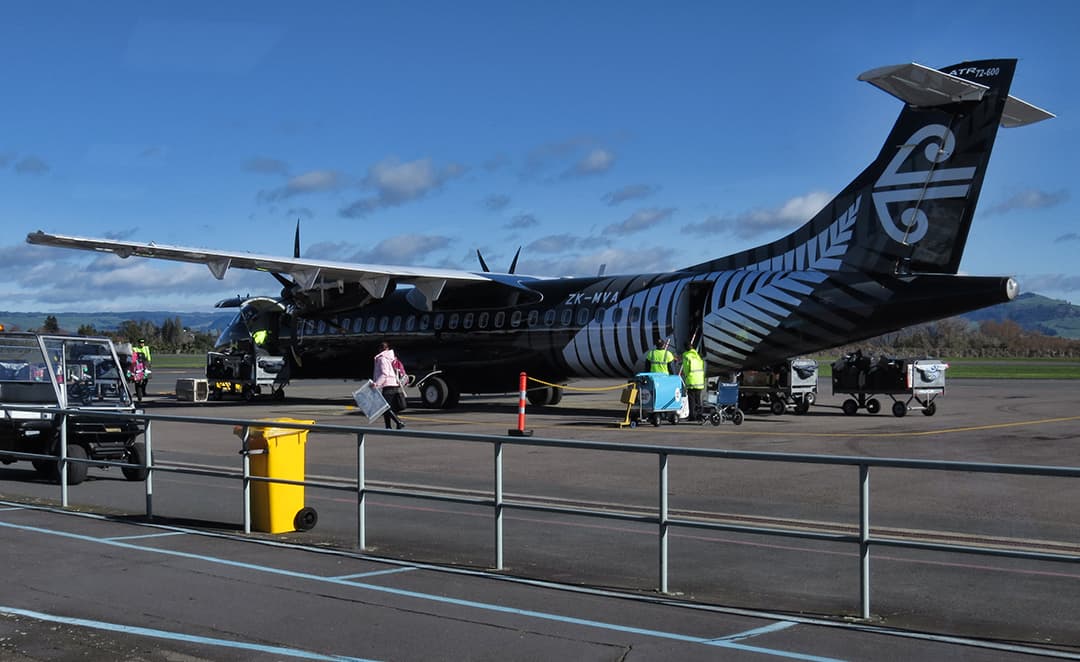
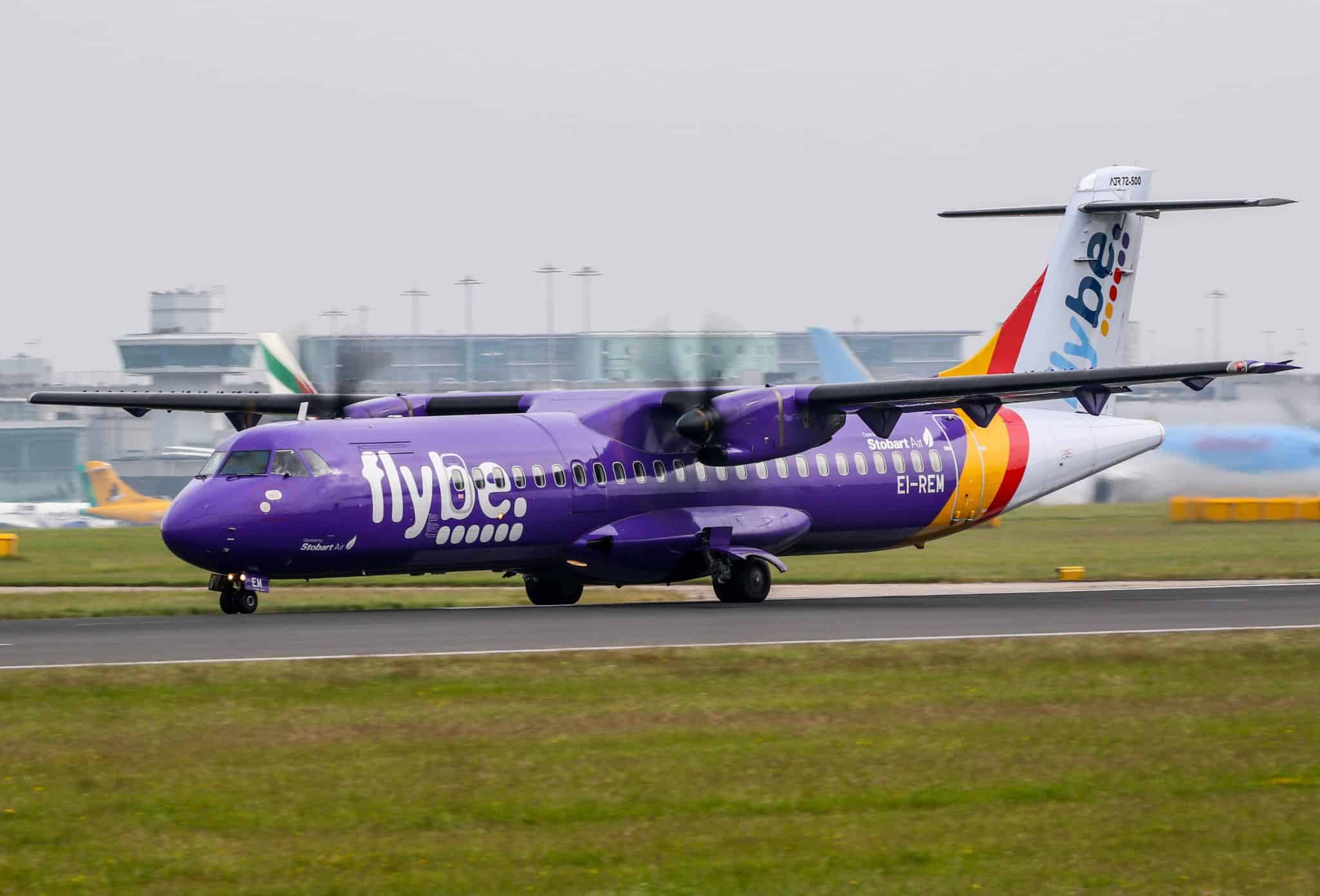
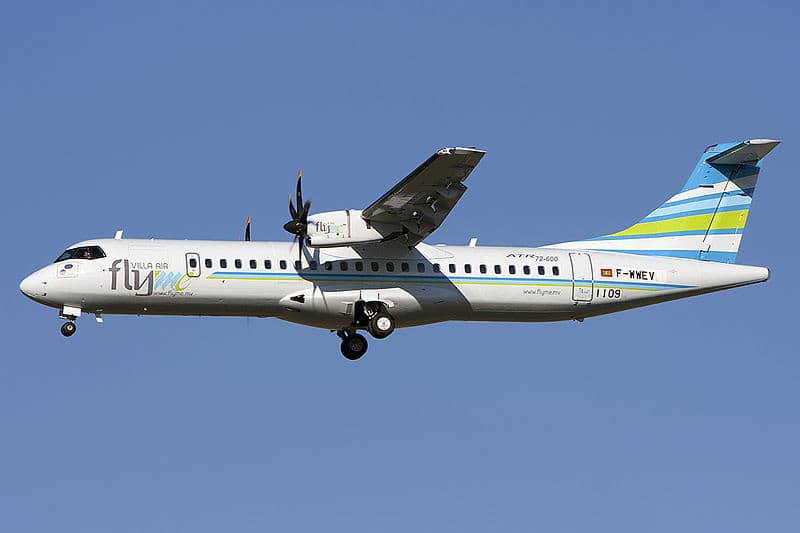
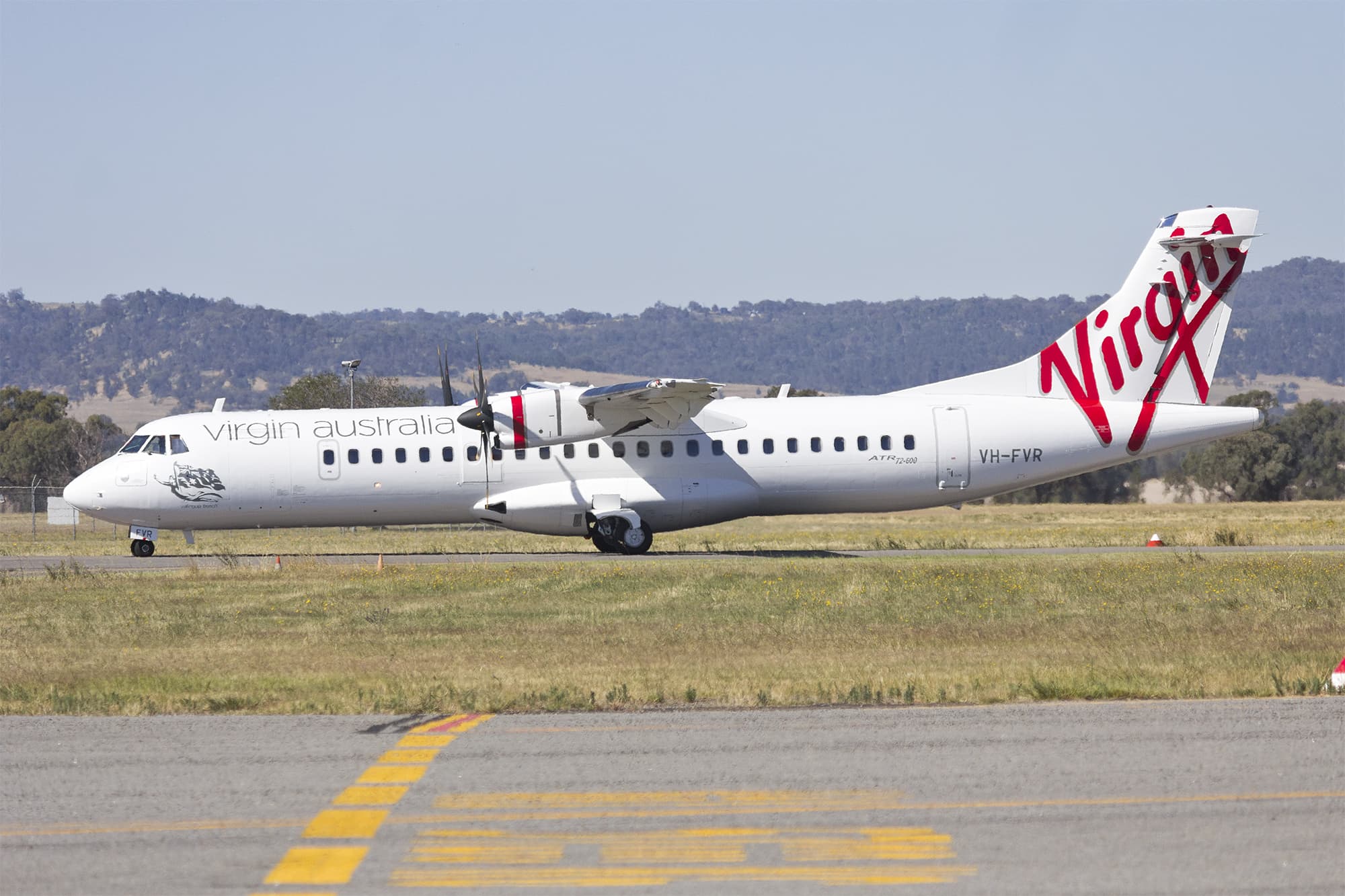

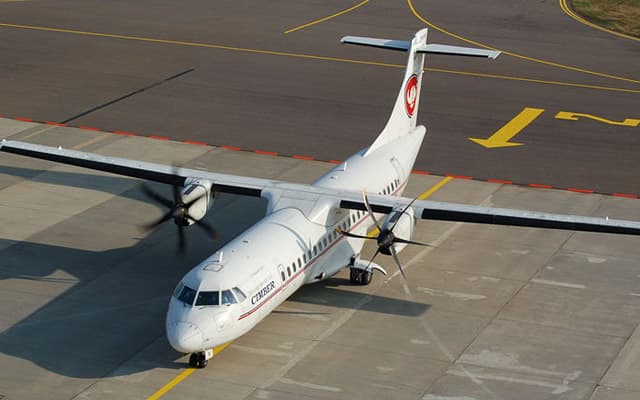

The ATR 72-600 is a twin-engine turboprop developed by ATR, the joint venture between Airbus and Leonardo. It is an upgraded version of earlier ATR 72 models, featuring modernized systems and improved operational efficiency. The aircraft first flew in 2009 and entered service in 2011, building on the strong market presence of the ATR 72-500.
Powered by Pratt & Whitney Canada PW127M engines, the ATR 72-600 offers improved performance and fuel efficiency compared to previous variants. It typically seats between 68 and 78 passengers, depending on configuration, and is optimized for short sectors where turboprops provide cost advantages over regional jets.
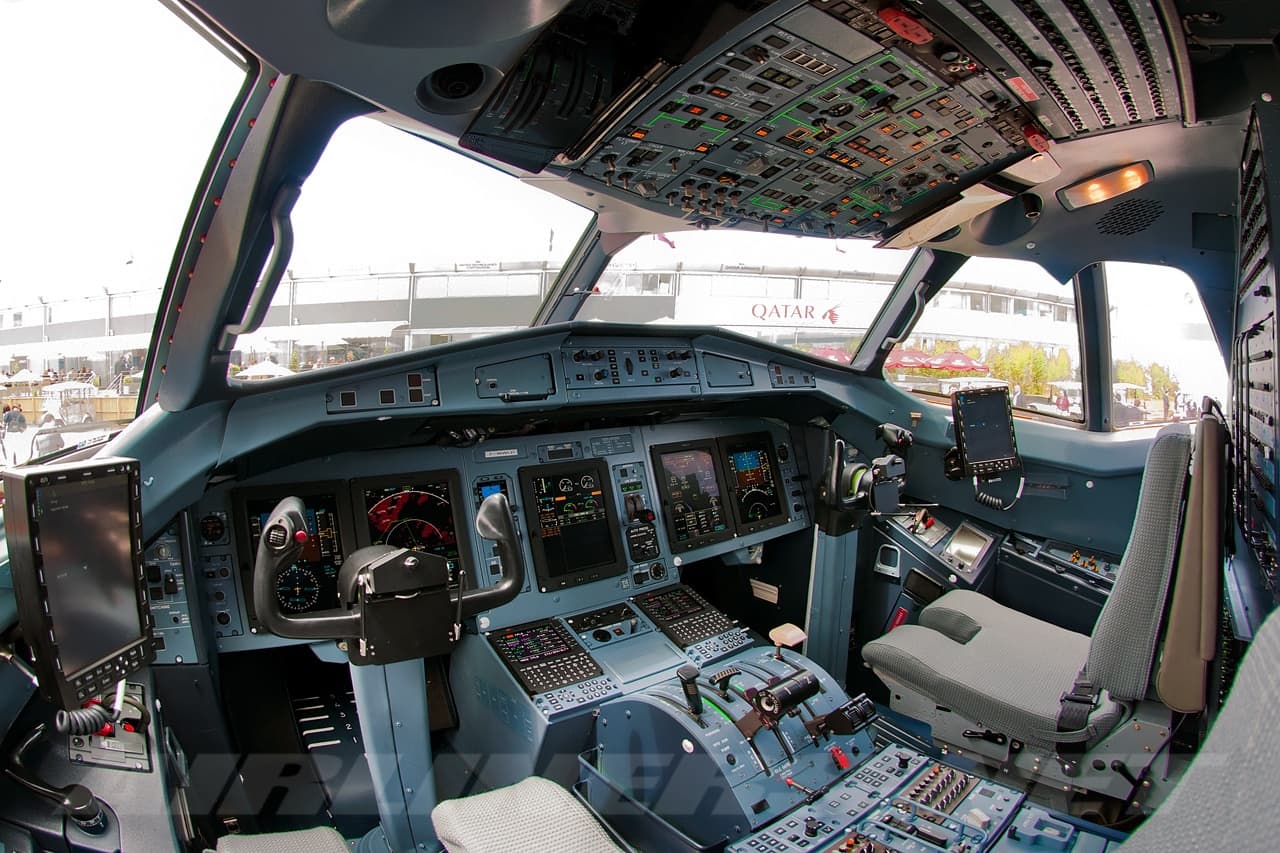
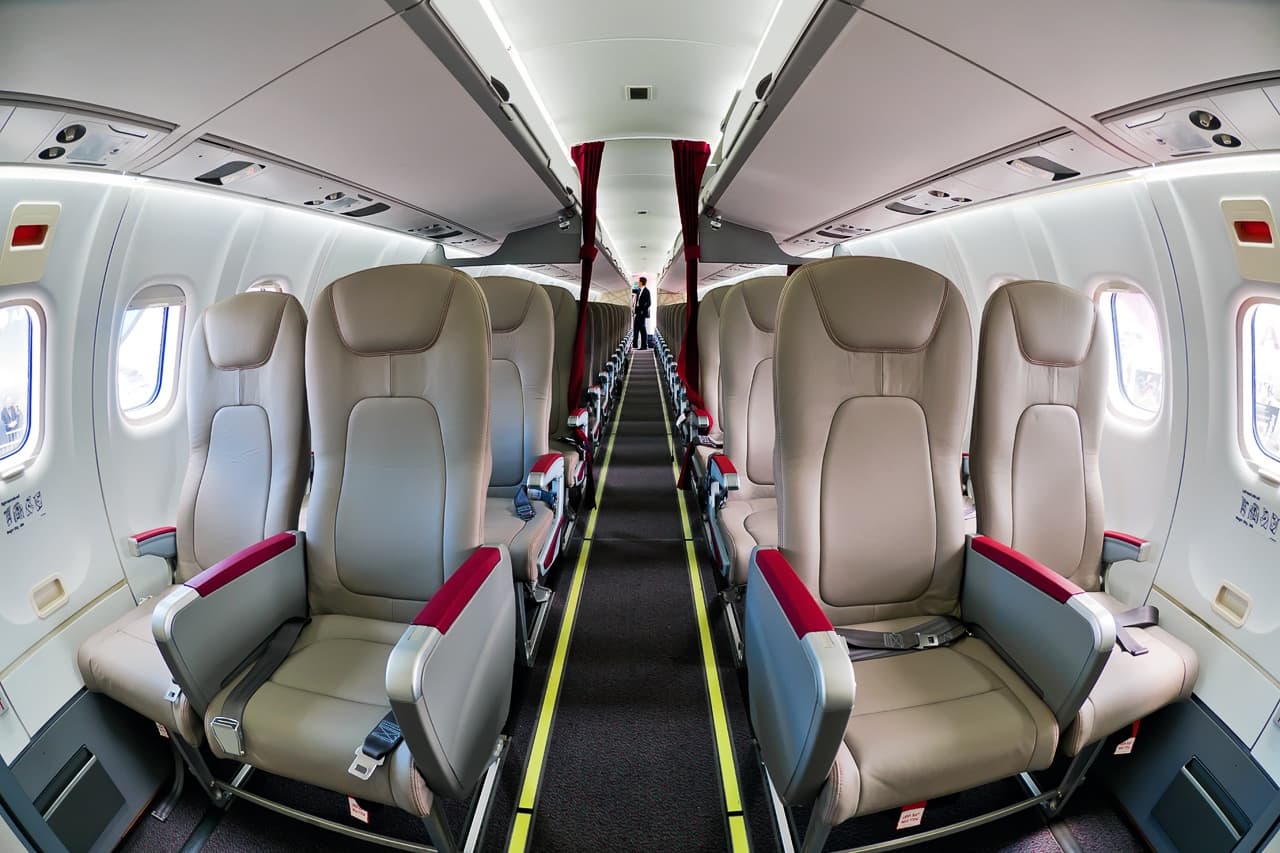
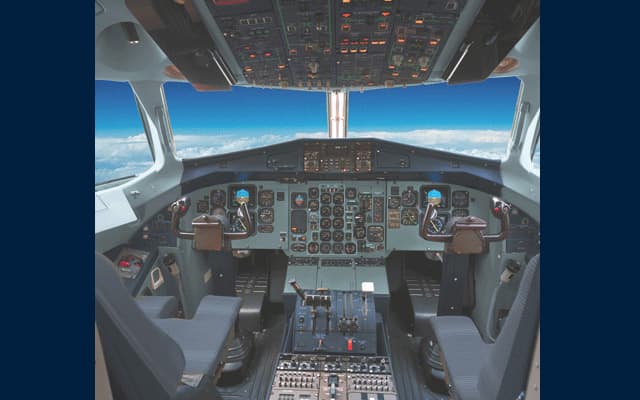
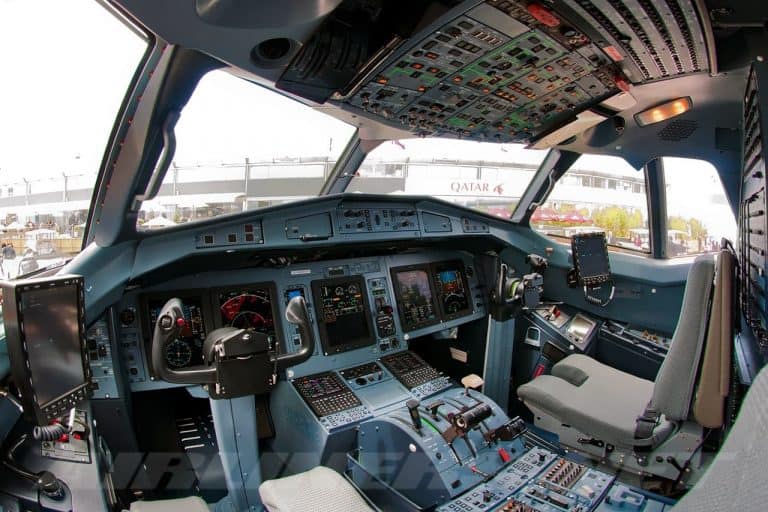
One of the most significant upgrades in the -600 version is the introduction of a new glass cockpit with five large LCD displays, replacing older analog-style instrumentation. This improves situational awareness and reduces pilot workload. The cabin also received refinements, including improved lighting and redesigned overhead bins, enhancing passenger comfort.
The ATR 72-600 has been widely adopted by regional airlines across Europe, Asia, Africa, and the Americas. Its ability to operate efficiently from shorter runways and in challenging weather conditions makes it particularly valuable for connecting smaller communities to major hubs.
With strong sales and continued production, the ATR 72-600 remains a leading choice in the regional turboprop segment, offering a balance of reliability, efficiency, and modern technology.
Development for the ATR 72-600 began after its announcement in late 2007. The plane was converted from an ATR 72-500, which means that it shares many of the same parts and components, making maintenance and repairs relatively easy.
The first prototype of this new aircraft flew in July 2009, with deliveries planned for late 2010.
A freighter variant of this aircraft was launched in late 2017. FedEx ordered 30 planes with an option to order 20 more. The first planes are to be delivered in 2020.
Even though this aircraft is primarily used for civil functions, it has been adapted by some for military functions. The Turkish Navy, for example, uses two utility versions of the ATR 72-600, as well as six TMPA versions of this aircraft, which is armed.
Iran Air signed a deal in early 2016 for 20 ATR 72-600 aircraft with an option for an additional 20. The delivery of four of the first planes occurred just weeks after the deal was completed.
Another order, this one in May 2017, was for 50 of these aircraft. IndiGo ordered them for use with their UDAN regional connectivity plan. These planes are to be delivered over a period of time, with up to 20 of them being delivered by the end of 2018.
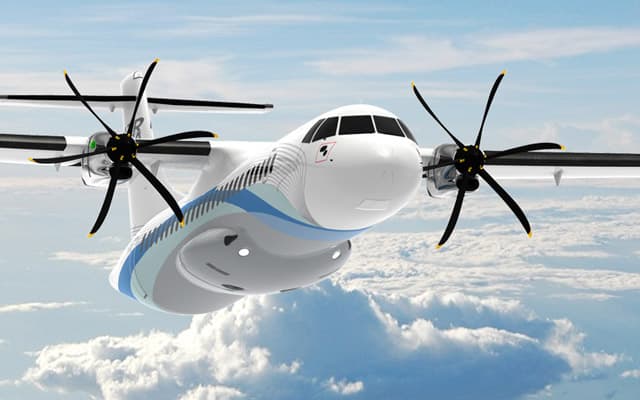
A powerful Hamilton Standard propeller gives this aircraft the energy that it needs for take off. This propeller has six blades and a large diameter of 3.93 m.
A powerful flight deck is key to the great performance of this plane. This improved cockpit offers a multipurpose computer that is designed to make flying the plane safer and easier. It also has five wide LCD screens for the pilots.
With Thales-made avionics providing the powerful Required Navigation Performance capabilities, this plane is responsive, safe, and easy to fly.
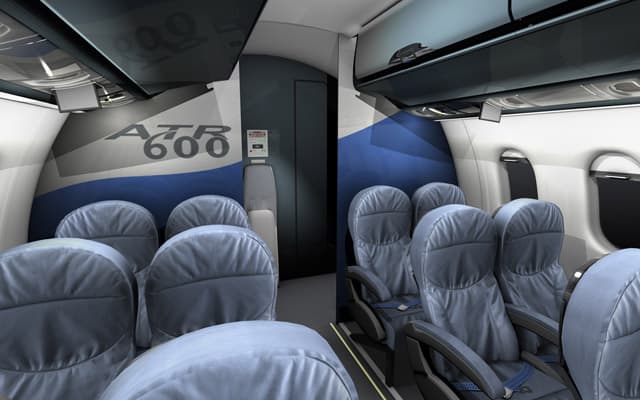
The cabin on the ATR 72-600 is the widest one on any turboprop planes. The Armonia cabin was designed for ergonomics and to be incredibly comfortable for the passengers. It features new seats, as well as wider overhead bins so that passengers can easily store their items out of the way when flying. Additionally, it boasts 30% more storage for roller bags.
The standard configuration for this aircraft is 70 seats at a 30” pitch.
This huge aircraft is powered by twin PW127M engines. These offer an impressive 5% increase in take-off power thanks to a boost function. This boost function only comes into play during take off.
There is also a Reserve Take-Off option that allows the aircraft to safely take off with increased payload and weight on short or challenging runways.
This is a large and powerful aircraft, and it needs plenty of space for take off and landing. The ATR 72-600 requires an airfield that is 1333 m for take off. It also requires a landing field that is 914 m long. With a max take-off weight of 22,800 kg, this is a heavy plane.
Additionally, the ATR 72-600 can easily climb to its cruising altitude at a rate of 1255 ft/min. Once it reaches its full cruise speed it will travel at an impressive 510 km/h at a ceiling of 25,000 f. The aircraft has a maximum range of 2065 miles, but if all of the seats are full, then it will only reach 1952 miles.
Improved handling and enhanced safety features make this plane relatively easy for pilots to control.
This plane has the typical retractable tricycle type landing gear that is so common on turboprop planes.
This is an incredibly popular aircraft that continues to dominate the market. However, it does have some competition, such as the Bombardier Q400.
The average operating cost per block hour can vary depending on how much the aircraft is used during the year. If it is flown for 100 hours a year, then the cost is around $6482 per block hour. If it has 1000 annual flight hours, then the cost drops to around $2783.