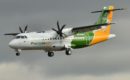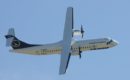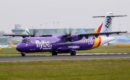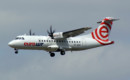
Passenger Turbo Props
ATR 42-500
ICAO: AT45
World leader in regional turboprop airliners

AeroCorner features profiles for 4 ATR aircraft. This includes 4 Passenger Turbo Props. Each profile includes performance data, photo galleries, dimensions, and operational history.
ATR is a leading regional aircraft manufacturer specializing in turboprop airliners for short-haul routes. Its ATR 42 and ATR 72 families dominate the global regional turboprop market, known for fuel efficiency, low operating costs, and the ability to operate from short or challenging runways. ATR aircraft serve airlines in more than 100 countries.
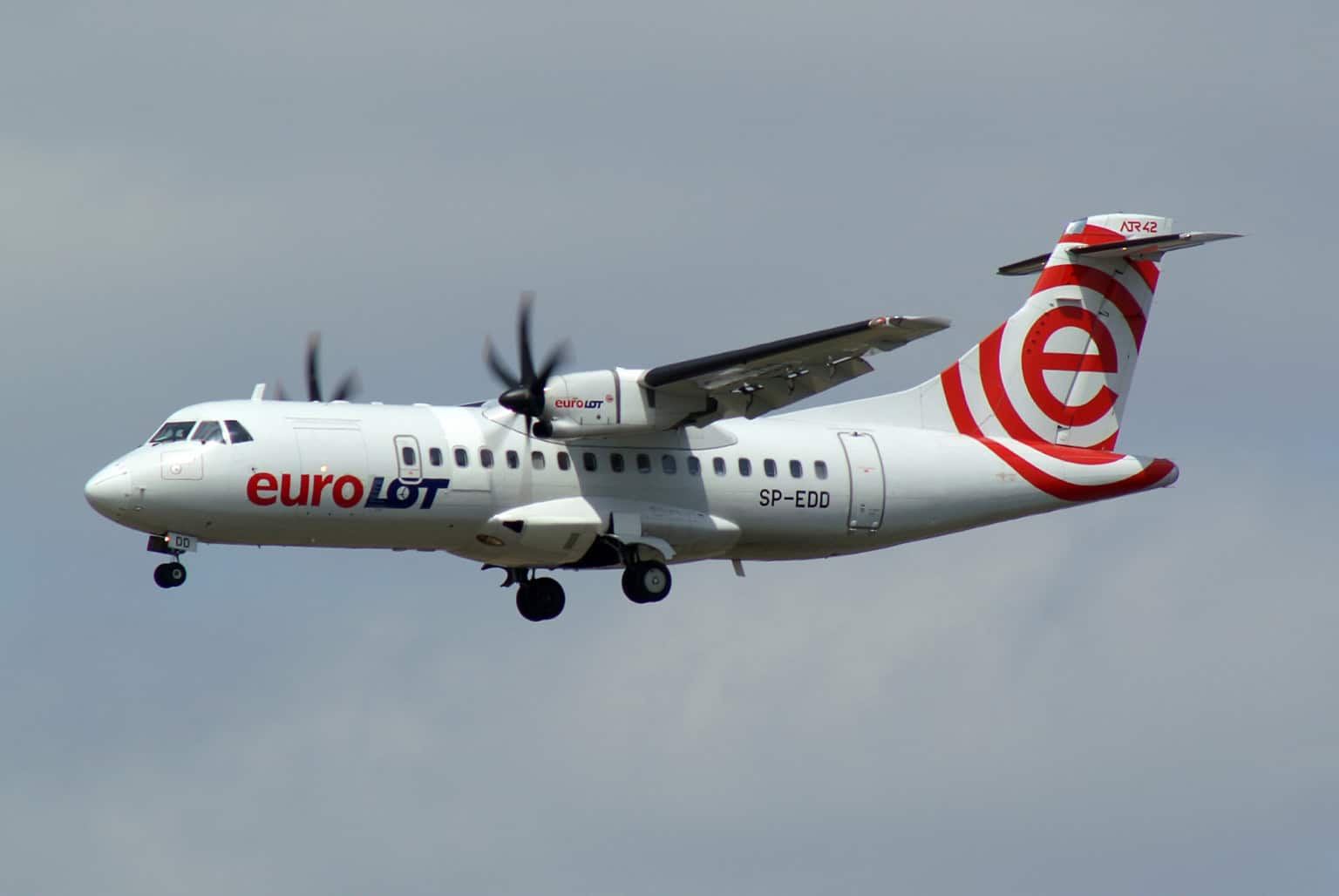

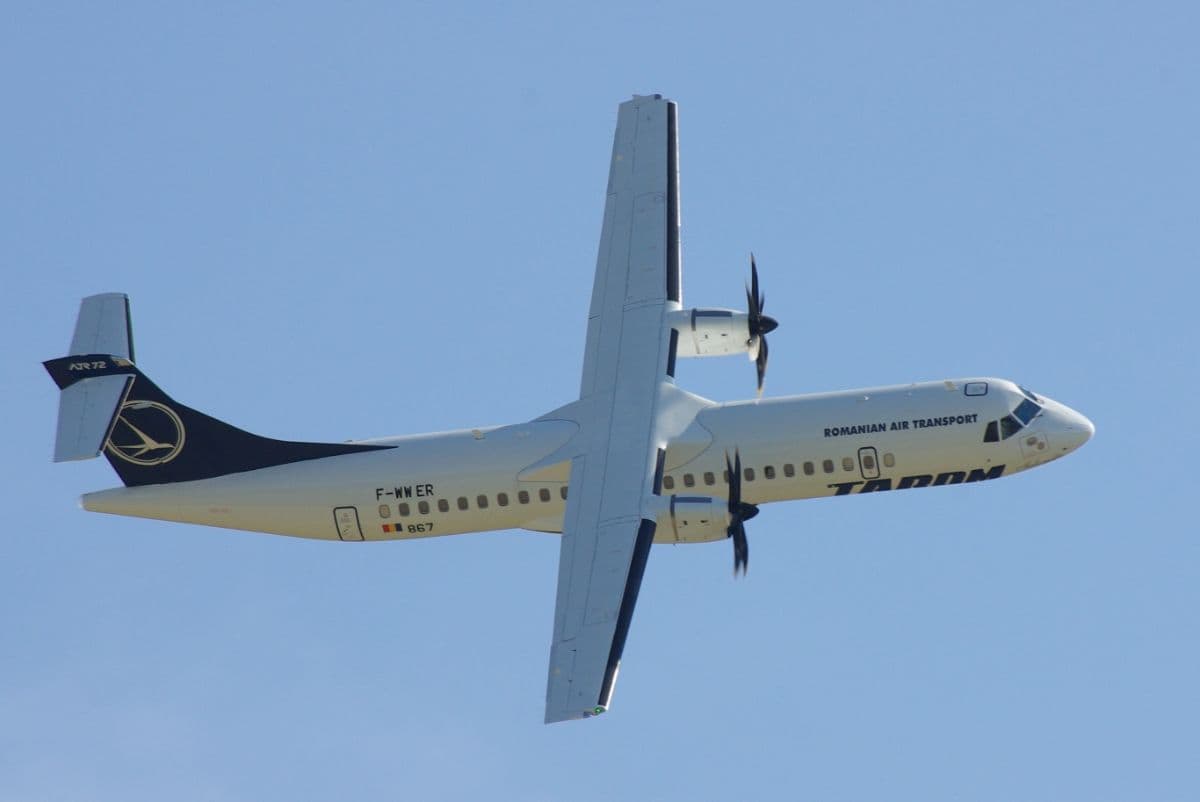
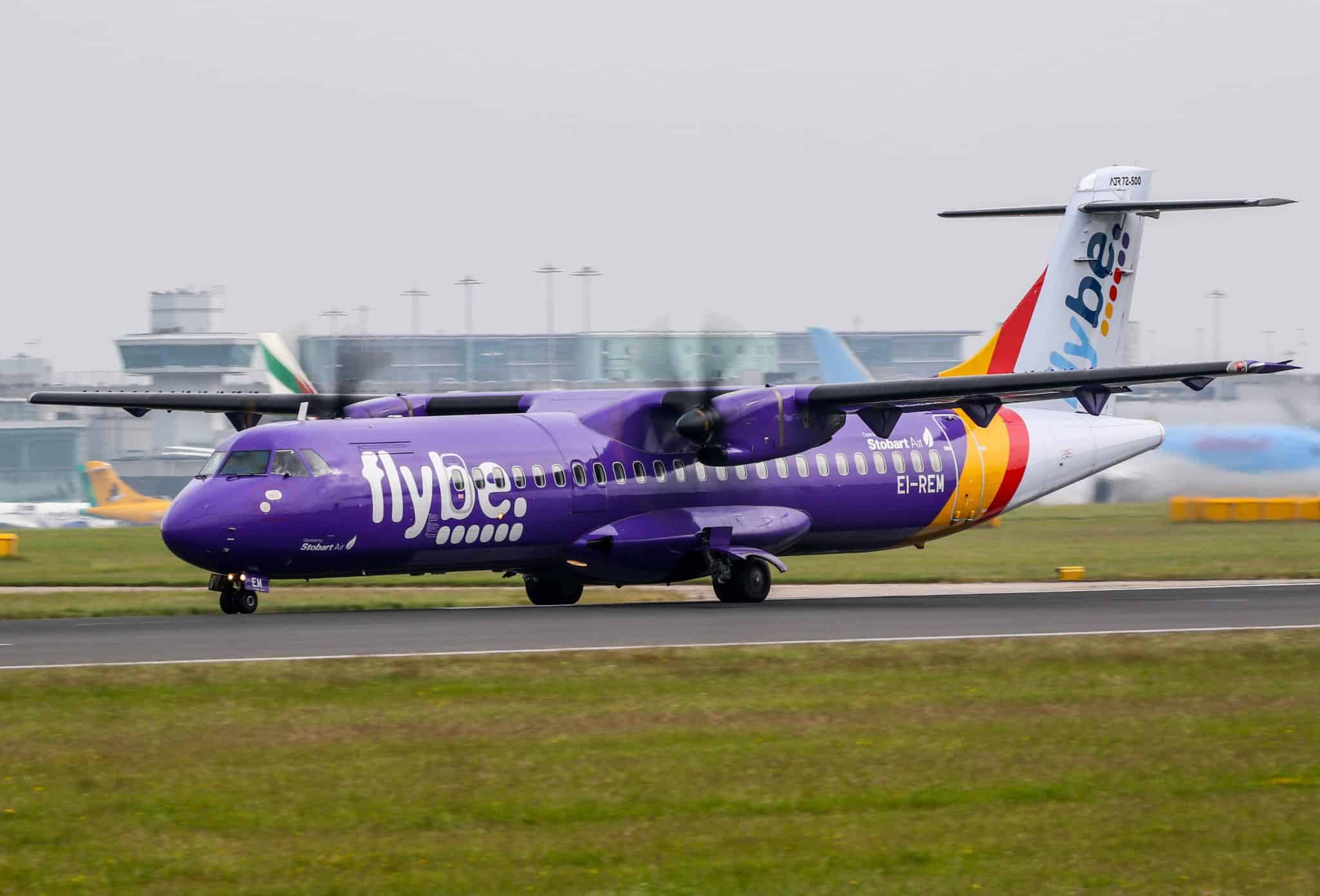
Jointly owned by Airbus and Leonardo, ATR continues to refine regional aviation with upgraded avionics, cabin improvements, and sustainability-focused programs. Its aircraft remain top choices for regional connectivity, harsh climates, island operations, and developing-airport networks.
ATR is the world’s most successful turboprop manufacturer in active production. Its aircraft are widely used for regional airline service, cargo operations, government transport, and remote access missions. Modern upgrades include improved navigation systems, advanced avionics, and reduced-emissions technology programs.
ATR was formed in 1981 as a joint venture between Aérospatiale (France) and Aeritalia (Italy), created to build a new generation of efficient regional turboprops. Early development focused on shared European expertise in manufacturing, aerodynamics, and commuter aircraft design.
The ATR 42 entered service in 1985 followed by the larger ATR 72 in 1989. Over the decades, ATR expanded globally with widespread adoption in Europe, Asia, and island nations. The -600 series marked a major modernization with improved avionics, performance, and fuel efficiency.
Final assembly occurs in Toulouse, France, while major airframe components are produced in Italy. Additional suppliers across Europe contribute to wings, fuselage sections, avionics, and interiors, reflecting ATR’s bi-national industrial structure.
ATR prioritizes fuel efficiency, low noise, reliability, and operations from short or unpaved runways. Its turboprops use advanced propeller technology, modern avionics suites, and lightweight structures. The company continues researching biofuels, hybrid technologies, and sustainable regional aircraft.
Beyond passenger aircraft, ATR supports dedicated freighters, cargo conversions, government transport, and special-mission variants. The company also offers training, fleet support, and simulation services for global operators.
ATR employs several thousand people across its French and Italian operations. The company produces dozens of aircraft annually and manages global support networks for hundreds of operators worldwide.
The ATR 42 established the company as a serious competitor in regional turboprops, offering strong performance and low fuel burn.
The larger ATR 72 became the company’s most successful model, widely adopted by airlines around the world for short-haul routes.
The -600 series upgraded avionics, cabin comfort, and performance, revitalizing the product line and extending its global appeal.
The dedicated freighter variant strengthened ATR’s presence in air cargo, especially for regional and last-mile logistics networks.
ATR became the world’s leading turboprop manufacturer, achieving widespread adoption in island, mountain, and short-runway markets.
ATR aircraft maintain a strong operational record, though some early-service incidents led to updates in procedures and training. The company regularly issues enhancements and safety guidance to operators in challenging weather environments.
ATR transformed regional turboprop aviation by offering efficient, reliable aircraft tailored for short-haul operations. Its global footprint, modernized fleet, and focus on sustainable aviation ensure its continued influence in regional connectivity around the world.