
Light Business Jets
Cessna Citation Encore
ICAO: C560
The composite business aircraft built for short-field jet operations
The latest aviation news and stories sent to your inbox.
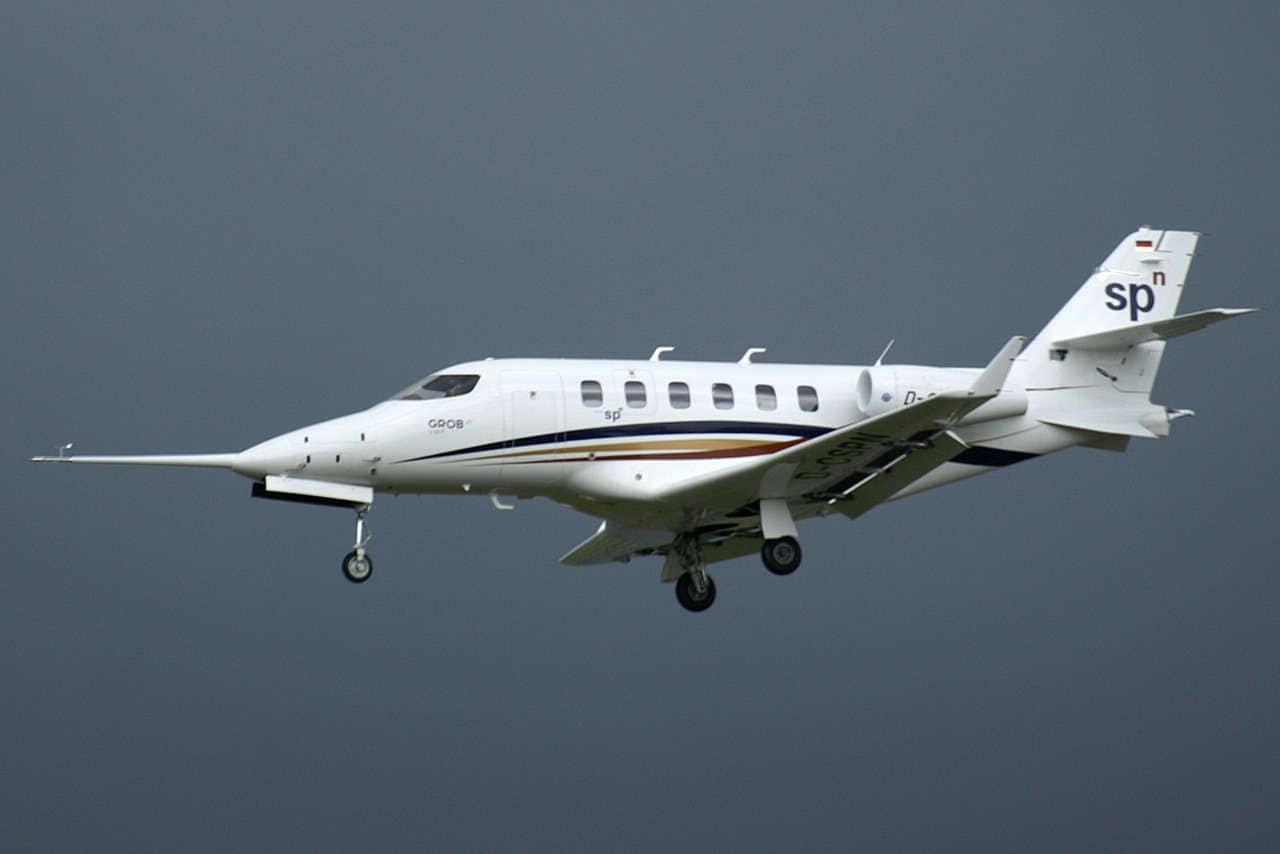
The Grob G180 SPn is a twin-engine business aircraft developed with composite construction and short-field capability. Designed to operate from smaller airports while offering jet-like speed, it targeted the entry-level business jet market. The aircraft reflected Grob’s experience with composite airframes.
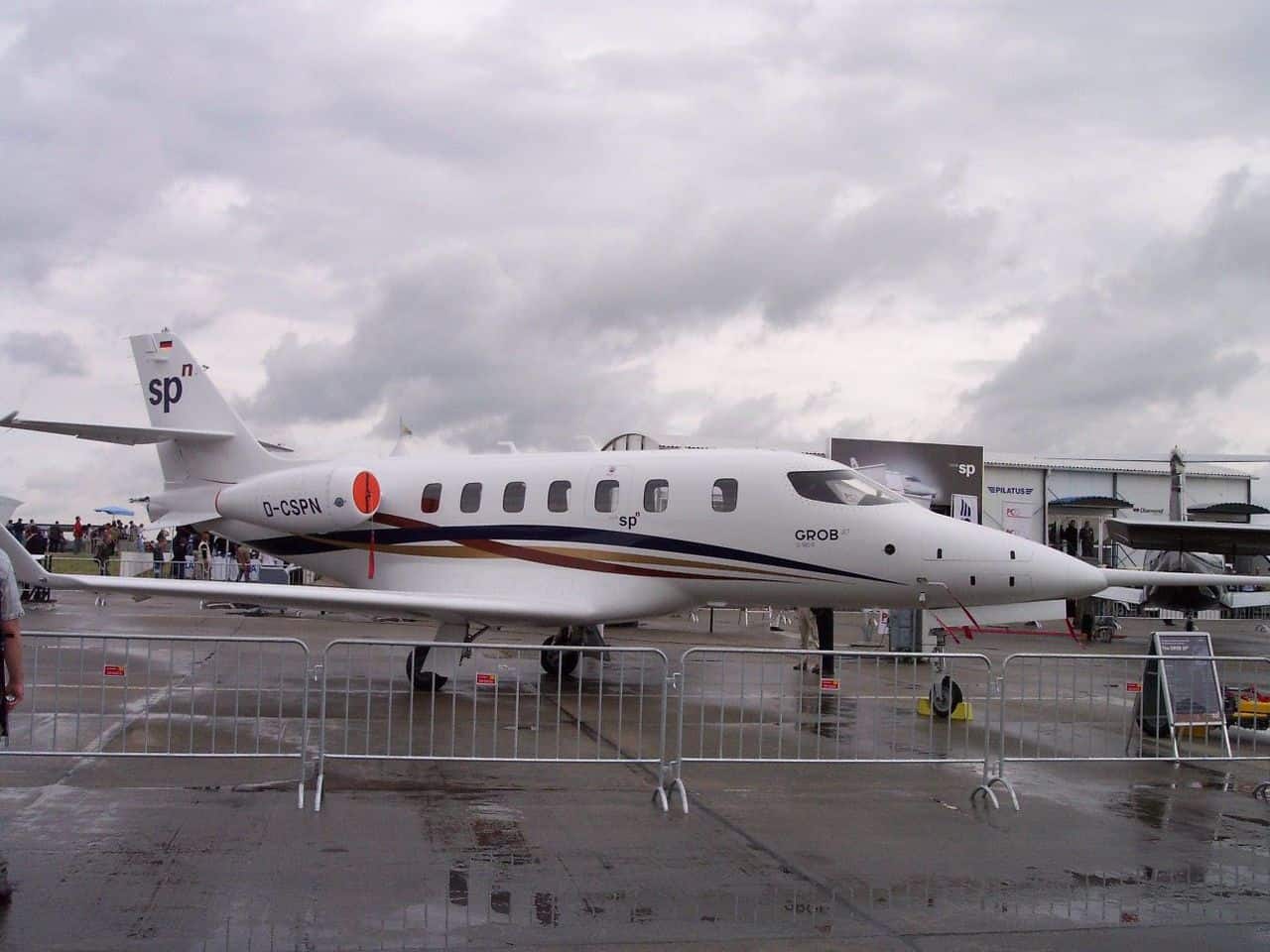
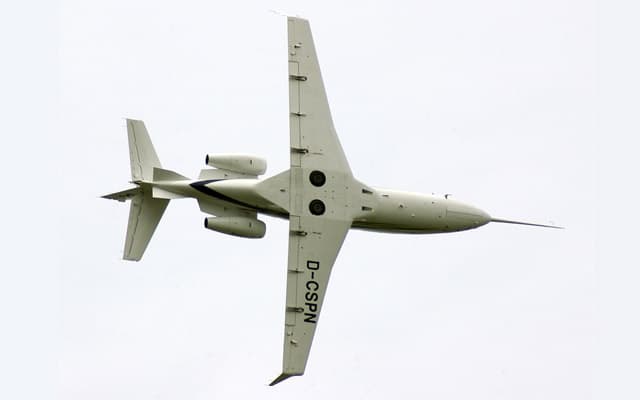

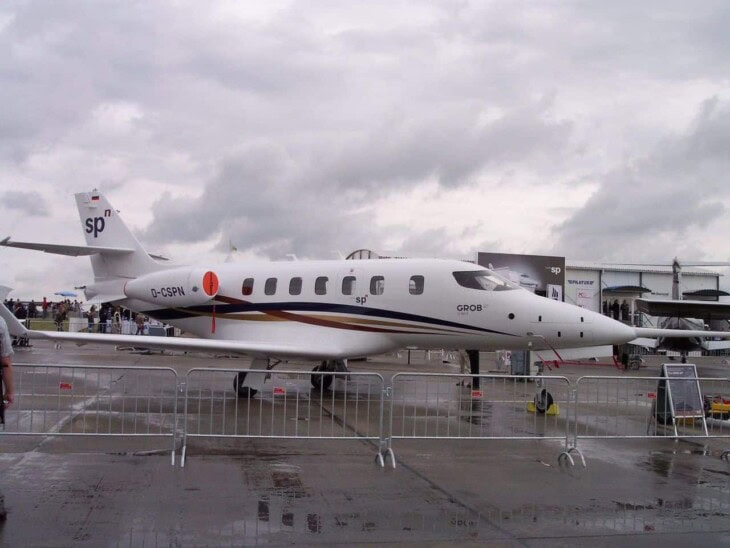
The G180 SPn program was launched in the early 2000s as Grob’s attempt to enter the business aircraft segment. Featuring a pressurized composite fuselage and twin turbofan engines mounted on the rear fuselage, the aircraft first flew in 2005. It was intended to provide jet performance with improved operating economics and access to shorter runways.
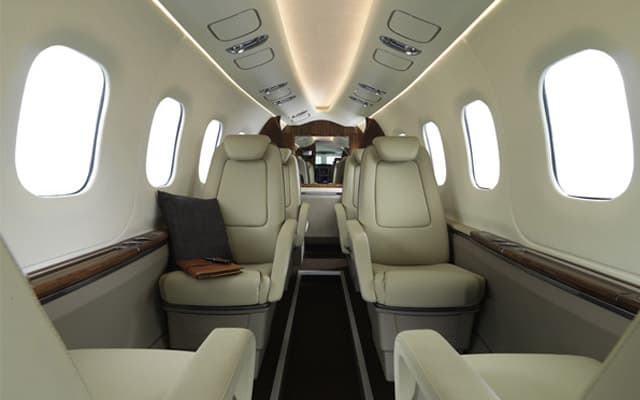
Powered by two Williams FJ44 turbofan engines producing approximately 2,300 pounds of thrust (10 kN) each, the G180 SPn cruises at about 380 knots (705 km/h). Maximum takeoff weight is roughly 13,000 pounds (5,900 kg). The cabin typically seats up to six passengers in executive configuration.
Despite promising performance characteristics, production numbers remained limited. Financial difficulties and market competition constrained the program’s success. The G180 SPn remains a distinctive example of composite construction applied to light business aircraft design.