

Table of Contents
The biggest mainline fleet in America just told ChatGPT-style assistants they can look, but they cannot buy.
United Airlines now bans AI agents from booking its flights. A contract of carriage revised on Nov. 11, 2026 prohibits “the use of AI Agents to make, modify or service a Ticket,” and lets United cancel any reservation an agent made, without notice.
The rule covers agents working on united.com and agents working through travel agencies. It applies even when a human supervises or approves what the software does.
CEO Scott Kirby put the business reason in one line at an event in Chicago, as reported by The Wall Street Journal: “To be honest, I don’t want to create another middleman.”
Why United Says It Is Shutting AI Agents Out
United’s public case is about security and safety, not sales. In its statement, reported by AirlineGeeks, the airline said “sharing account credentials with personal, third-party AI assistants can expose sensitive information.”
It also warned that “actions taken by these tools may result in unintended purchases, account changes, or use of MileagePlus miles.” An agent holding your login can spend your miles as easily as it can search fares.
The third reason is regulatory. United says automated agents could put bookings in conflict with FAA and Department of Transportation rules, and points to the hazardous materials declaration every passenger makes.
That rule is real. Under 49 CFR 175.25, when a ticket purchase or boarding pass can be completed without another person involved, the passenger must acknowledge being shown the hazmat restrictions. An AI clicking “I agree” on your behalf is not you acknowledging anything.
United said it wants “to prohibit use by unauthorized, third-party personal AI agents or assistants,” and it will restrict them “directly within our digital platforms and indirectly via travel agencies and aggregators.”
What the New Contract of Carriage Actually Says
The ban lives in the legal document every United ticket is sold under, not in a pop-up. View from the Wing and PPC Land both read the revised text, headed “revised November 11, 2026.”
Rule 6.J.6 adds AI agents to the list of prohibited ticketing practices, alongside older tricks the airline already bans. It bars agents from making, changing or servicing a ticket, and from buying “any service or product,” which takes in seats and upgrades.
Rule 5.H adds “reservations made, modified or serviced by AI Agents” to the bookings United will cancel without notice. Rule 1 defines an AI agent broadly: software that takes “autonomous or semi-autonomous action” to search, book or manage United products for a passenger.
That definition names AI assistants in consumer apps, AI-enabled browsers, standalone agents, and assistants that reach United through travel agency tools. Human approval is no defense: the rule applies “whether or not Passenger or another individual supervises or approves.”
What survives is search. According to View from the Wing, citing the Journal, an agent can still find and show you United flights and prices. You just have to finish the purchase yourself.
Look, don't buy
Under United’s Nov. 11 contract, an AI agent may still surface United flights and fares. Booking, changing a ticket, or buying a seat or upgrade has to be done by the passenger, or the reservation can be canceled.
The Middleman Scott Kirby Does Not Want
Kirby’s line is the part of the story the press release leaves out. Airlines have spent years pushing customers toward their own apps and websites, where they control the offer, the upsell and the MileagePlus relationship.
An AI agent that books for you sits between the airline and the traveler, exactly where online travel agencies sat a generation ago. Kirby, who made United the bigger airline after American pushed him out, is saying he will not hand that spot to a chatbot.
The stakes are large. United flew 1,143 mainline jets on Sept. 30, 2026, more than any other US airline, according to our breakdown of United’s fleet. Every seat on every one of them is now off limits to an agent’s checkout button.
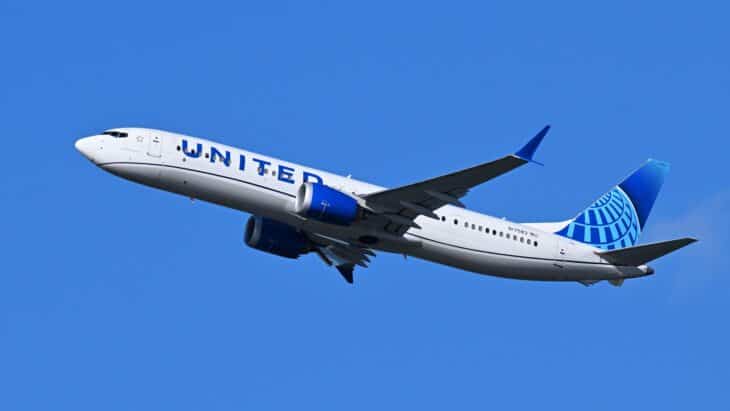

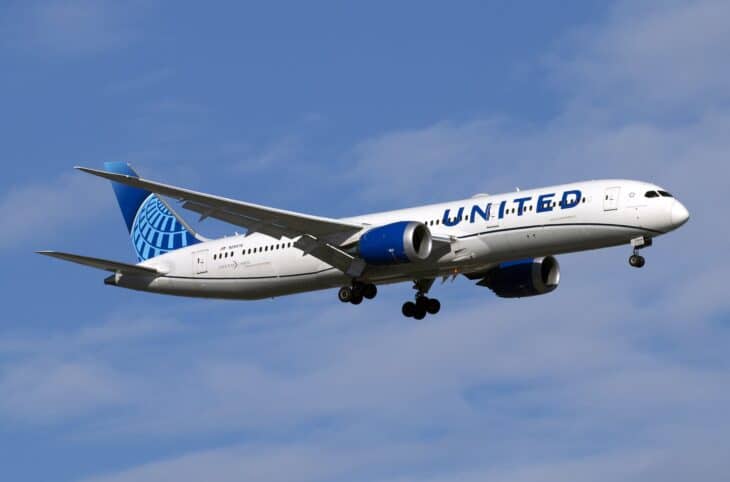
That includes the 304 737 MAX jets in its fleet, like the Boeing 737 MAX 9, and the long-haul cabins on its Boeing 787-9 Dreamliners.
Thrifty Traveler argues there is a sharper fear underneath. An agent could recheck a fare over and over and rebook every time the price drops, which United’s mostly fee-free changes allow, turning a niche money-saving trick into a default.
That is Thrifty Traveler’s reading, not United’s stated position. But it explains why an airline would want a human in the loop at the moment money changes hands.
How Delta, Southwest and the AI Companies Are Playing It
United is going it alone for now. AirlineGeeks and Thrifty Traveler both describe it as the first US airline to block AI agents from booking, and United said it encourages other companies to consider similar measures.
Delta has taken the opposite line so far. Thrifty Traveler reports that Delta lets AI assistants complete bookings once they are authenticated, with extra safeguards for “sensitive transactions” such as trips for unaccompanied minors.
Southwest launched a ChatGPT plug-in earlier in 2026 that lets travelers search its flights inside the chatbot. Meanwhile the AI side is moving fast: Skift reports that OpenAI bought the AI travel agent Odessia on Nov. 10, the day before United’s change.
Skift also notes that Meta’s Mark Zuckerberg has called travel a “top use case” for his company’s Muse assistant. The companies building agents see airline tickets as one of the first things people will hand over.
What Happens Next for United Travelers
For now the ban is mostly a rule on paper. United told reporters it is not seeing many agent bookings yet, and its announcement did not say how it will detect them.
View from the Wing makes the point directly: a contractual ban is not a technical one. What gives it teeth is Rule 5.H, which lets United cancel a booking after the fact if it decides an agent made it.
United said it will update its Digital Trust Center to explain the restrictions and will revisit the policy as personal AI assistants evolve.
So the practical advice is simple. Let an assistant hunt for the fare if you like, then book the ticket yourself on a screen you control. Among the biggest airlines in the US, United is the one that has put that in writing.
Sources and references used for research and fact-checking.
- View from the Wing, United Airlines CEO Scott Kirby Bans AI Agents From Booking Tickets, Doesn't Want 'Another Middleman'
- AirlineGeeks, United Bans AI Agents From Booking Flights For Customers
- FlightGlobal, United seeks to block AI agents from booking tickets
- PPC Land, United bans AI agents from buying its tickets, seats and upgrades
- Thrifty Traveler, United Blocks Personal AI Agents from Booking Flights, Will Other Airlines Follow?
- Skift, United Airlines Moves to Block Personal AI Agents From Booking Flights
- Cornell Law School Legal Information Institute, 49 CFR 175.25: Passenger notification of hazardous materials
Get the Newsletter
The latest aviation news and stories sent to your inbox.
About the Author

Tim is the owner and lead editor of AeroCorner since 2019, overseeing aviation content covering aircraft, airlines, airports, and the broader aviation industry. Through years of researching, writing, editing, and publishing aviation-focused content, he has developed extensive practical knowledge of commercial aviation and air travel. Based in Asia and a frequent traveler himself, Tim also brings firsthand passenger experience to AeroCorner’s coverage. Outside of publishing, he has also explored aviation firsthand through hands-on flight training in New Zealand.