Twin Turboprops
Cessna 411
ICAO: C411
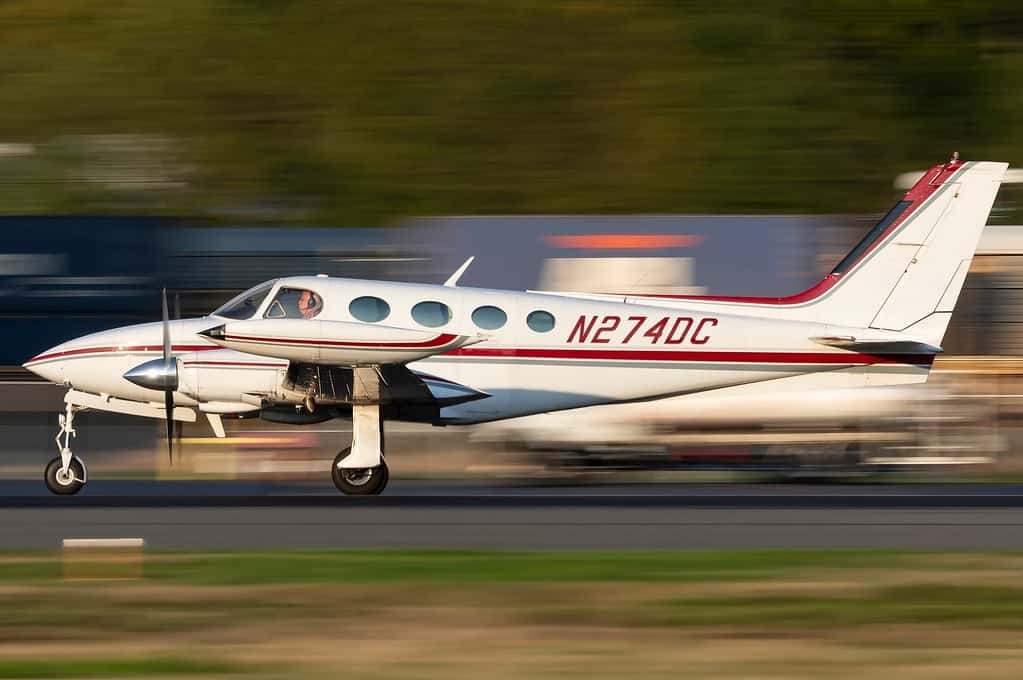
The Cessna 340 was introduced in the early 1970s as a pressurized twin-engine aircraft. Designed for business and personal transport, it offered higher cruising altitudes. The model was produced for over a decade.
The latest aviation news and stories sent to your inbox.
Cessna 340 — pressurized twin-engine piston aircraftThe 340 first flew in 1971 and entered service in 1972. It featured a low-wing configuration with retractable landing gear. Pressurization improved passenger comfort on longer flights.Two Continental piston engines producing approximately 310 horsepower each powered the aircraft. Cruise speed approached 230 knots (426 km/h). Maximum takeoff weight exceeded 6,000 pounds (2,722 kg).The 340 became widely used in corporate and charter service. Production ended in the mid-1980s. The aircraft remains a respected pressurized piston twin.
Live Fleet Activity (C340)
Fetching live data…
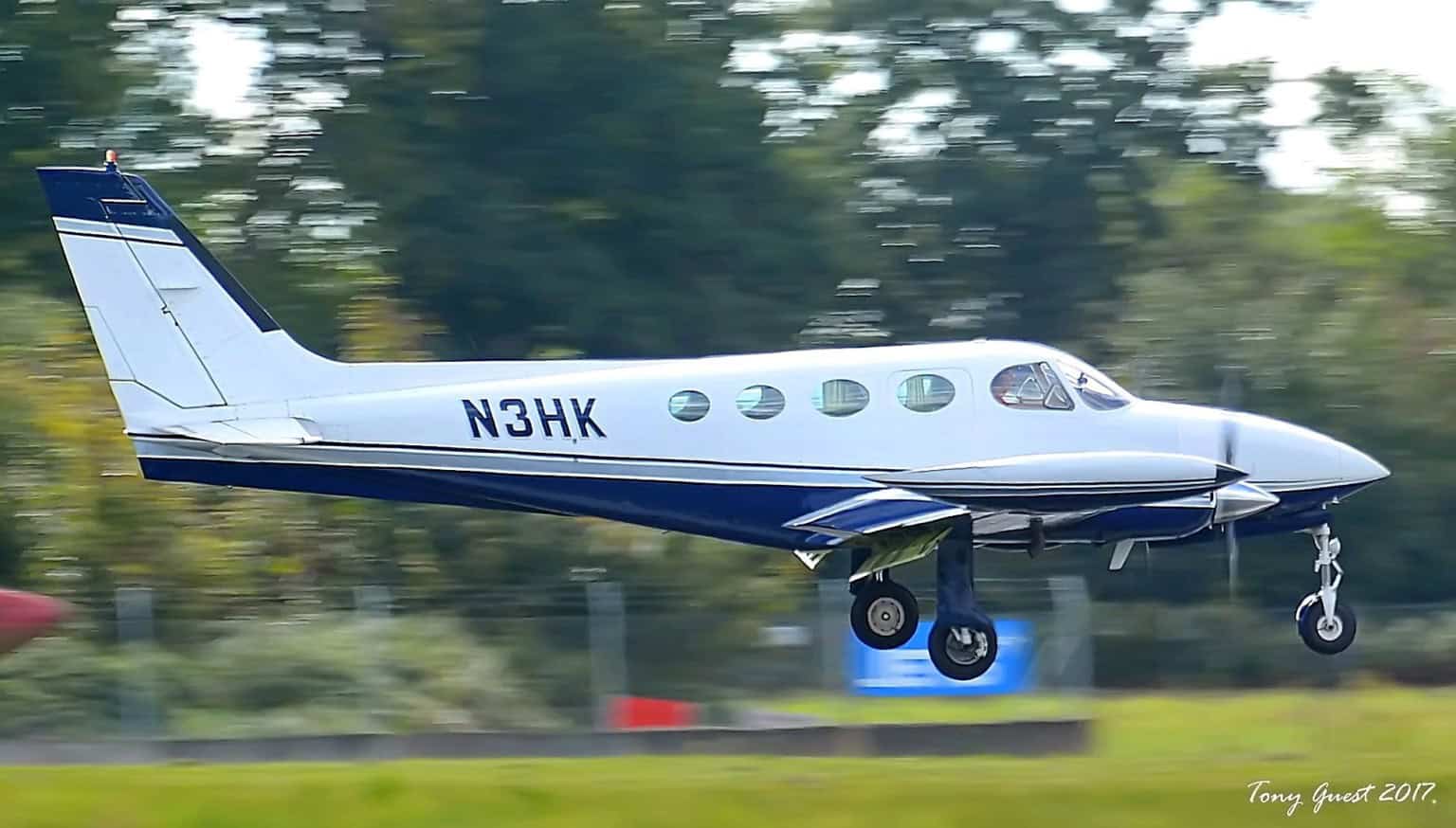
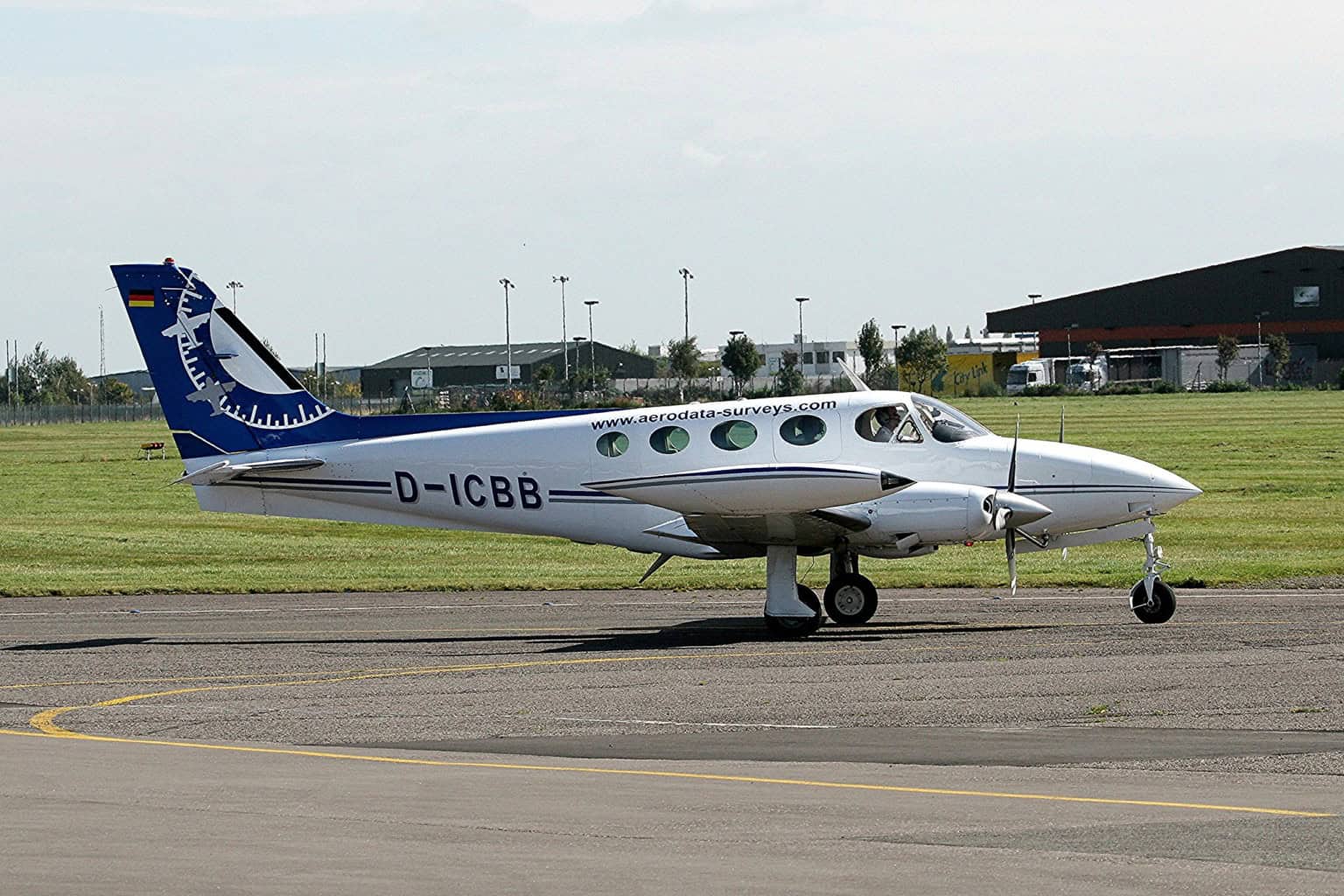


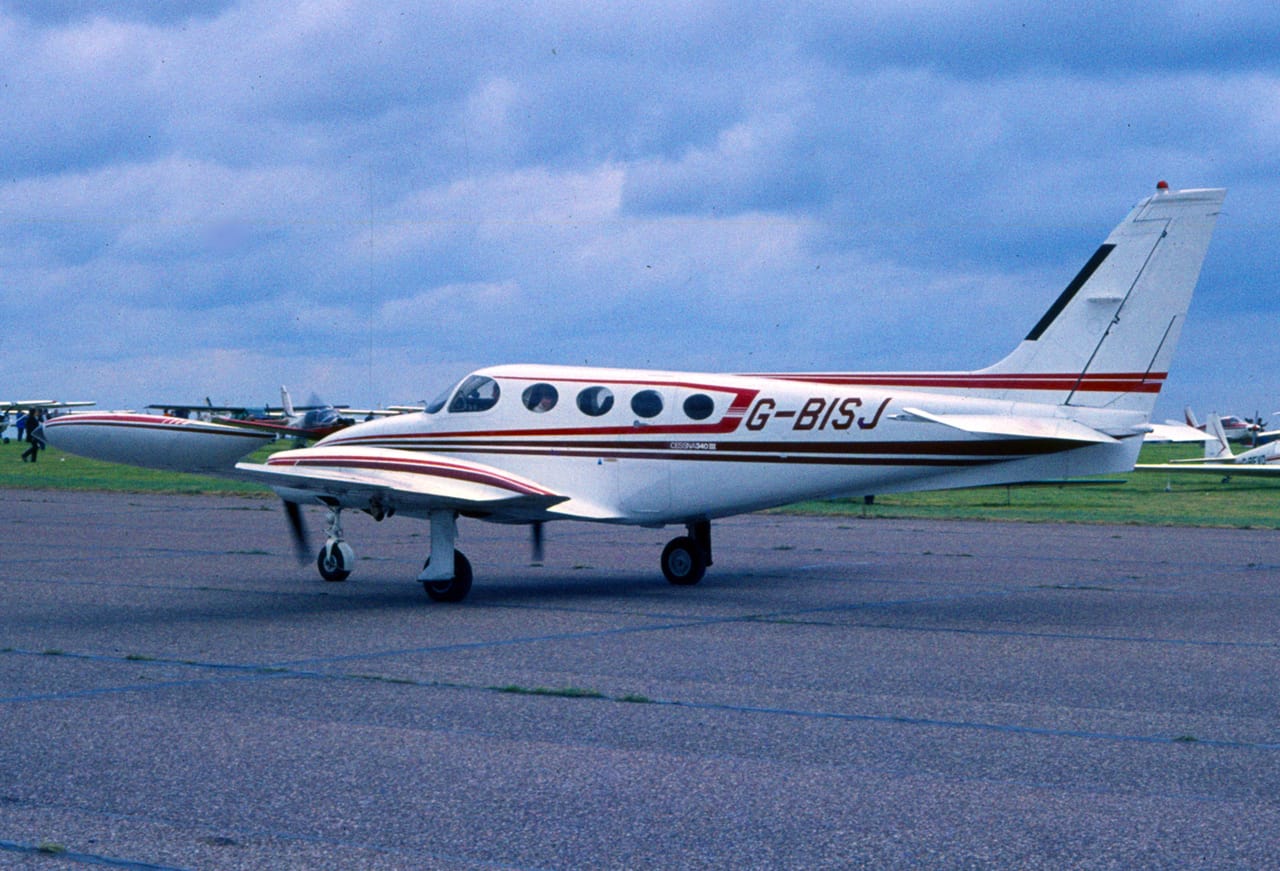

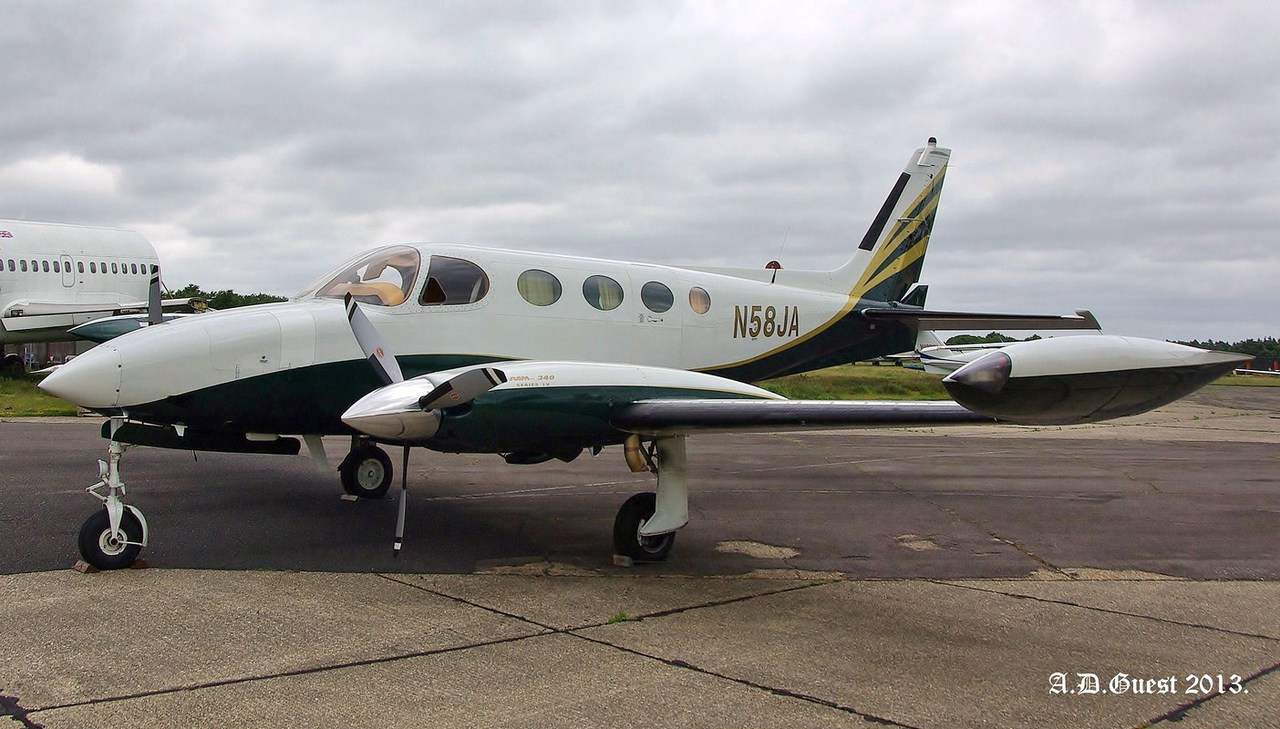

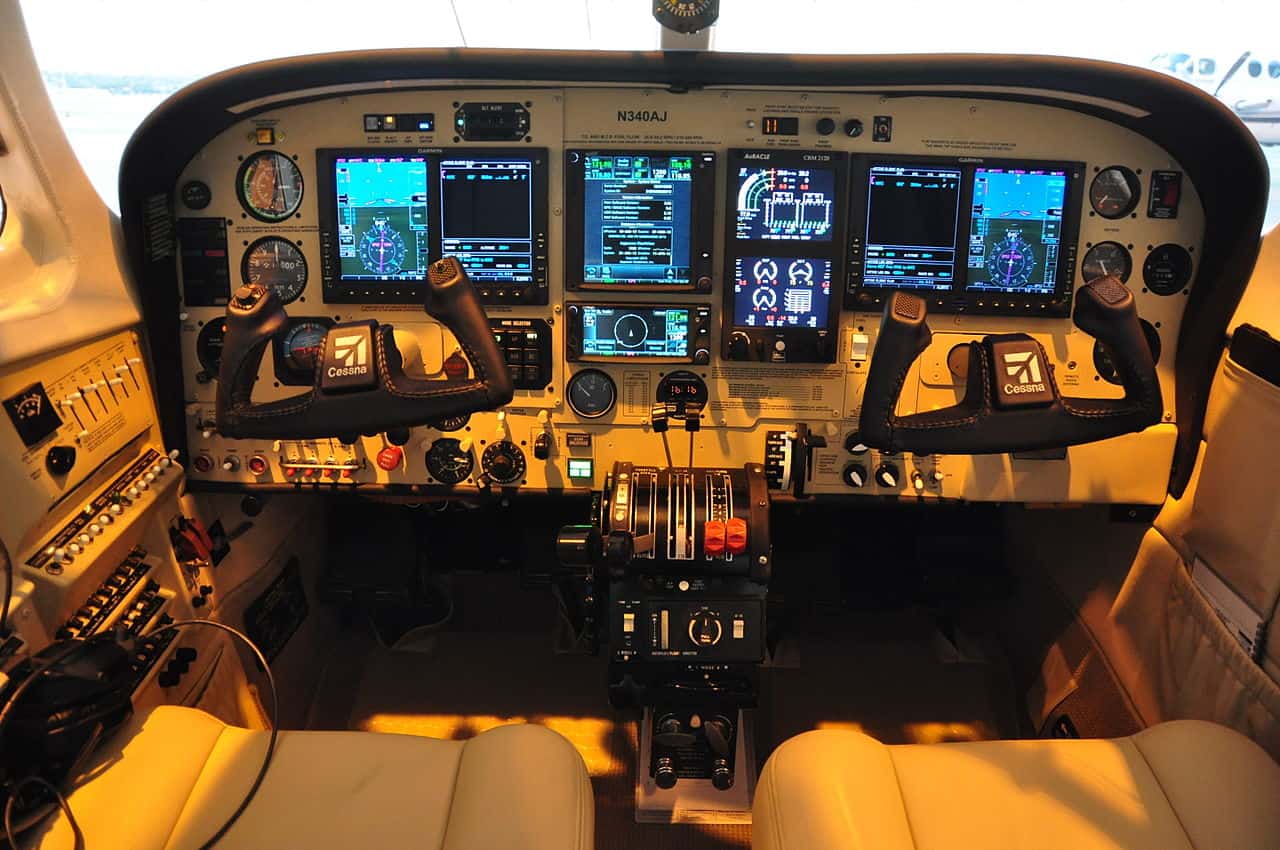

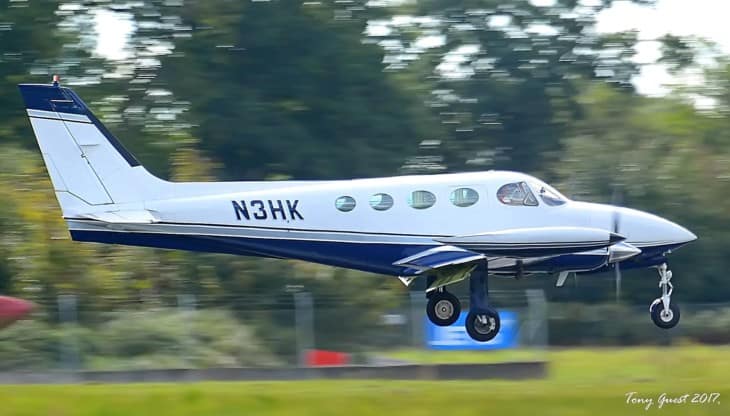
In 1969, the Cessna 340 started to develop. However, because one of the prototypes in the early 1970s crashed during flight testing, production deliveries did not commence until early 1971. The Cessna 340 was formulated as a cabin-class development of the Cessna 310.
The 340 is a six-seat light twin aircraft, with four passenger seats, an aisle, and an airstair door. The aircraft has an all-new fail-safe fuselage, and has a similar tail unit and landing gear as the Cessna 310, while its wings were based from the Cessna 414. The aircraft’s key selling feature was its roomy, pressurized cabin incorporating a pressurization system with a differential of 4.2 psi that maintained the cabin’s internal altitude at 8,000 feet even when the aircraft was flying at 20,000 feet.
The early versions of 340 were powered by two turbocharged Continental TSIO-520-K engines with a rated thrust of 285 horsepower each, but these were upgraded to the more powerful and improved Continental TSIO-520-NB with 310 horsepower in 1976. The new variant with improved engines was designated as the 340A. Other improvements were incorporated such as the reduced propeller diameter to 1,920 mm to lessen the noise and meet ICAO Annex 16 noise requirements. The 340A was presented in optional 340A II and 340A III types fitted with different levels of IFR avionics.
The 340A has an exterior length of 10.46 meters, a height of 3.84 meters, and a fuselage diameter of 1.55 meters. It has a wingspan of 11.6 meters, a wing area of 17.1 square meters, and a wheelbase of 3.12 meters. The spacious cabin is 1.3-meter tall, 2.8-meter long, and 1.4-meter wide.
The aircraft has a maximum speed of 244 knots and can fly up to 29,800 feet. It can climb at a rate of 1,650 feet per minute and has a travel range of 1,406 nautical miles. It has a take-off and landing distance of 662 meters and 564 meters, respectively.
The Cessna 340 was produced until 1984 with a total of 1,287 aircraft built.
Sources and references used for research and fact-checking.