Aerobatic
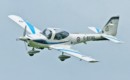
Grob G-115
ICAO: G115
The light sport aircraft built for affordable pilot training.
The latest aviation news and stories sent to your inbox.
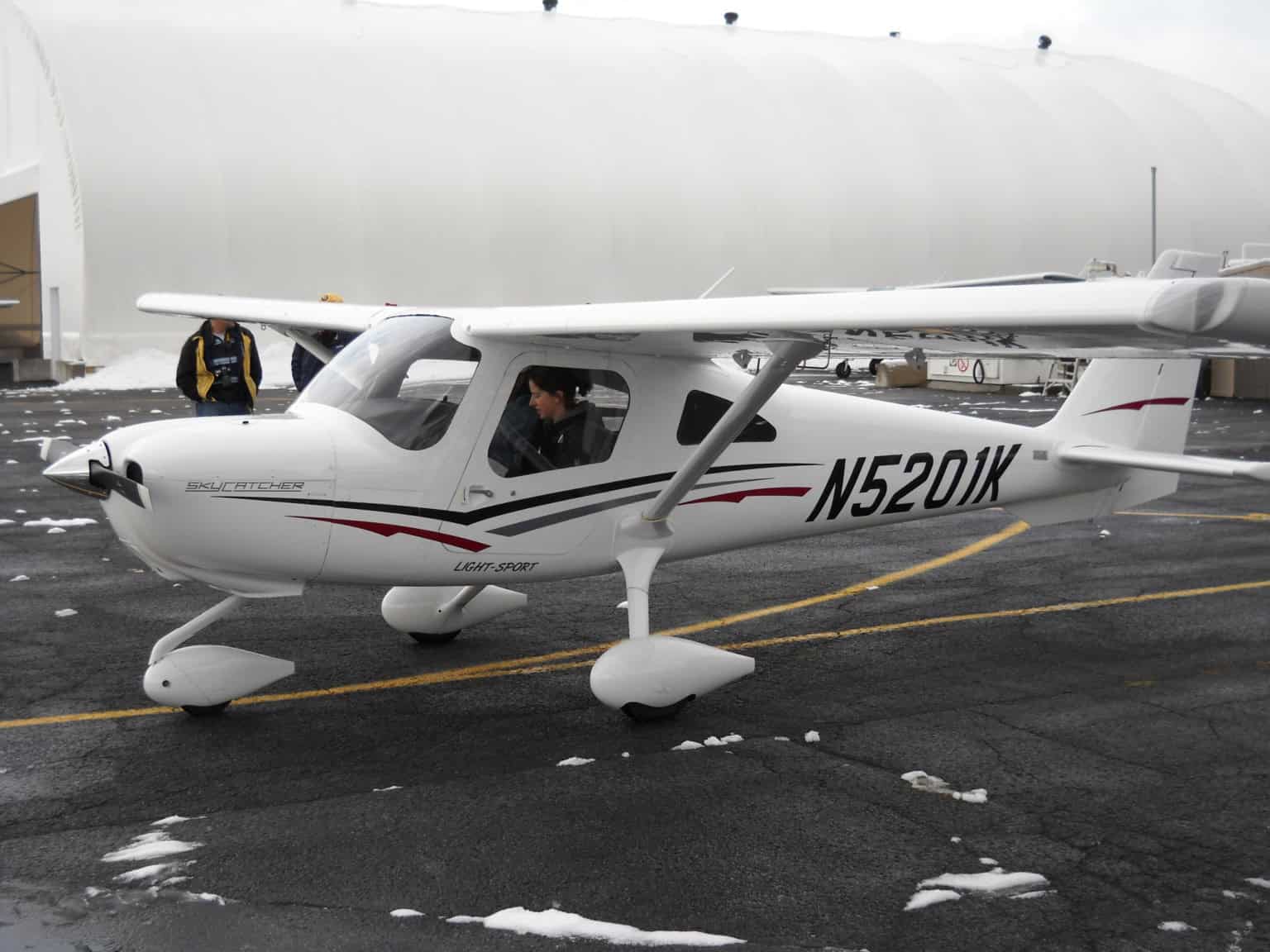
The Cessna 162 Skycatcher was developed in the 2000s as a light sport aircraft. Intended for flight training and recreational flying, it targeted new pilots entering aviation. Production lasted only a few years.
Live Fleet Activity (C162)
Fetching live data…
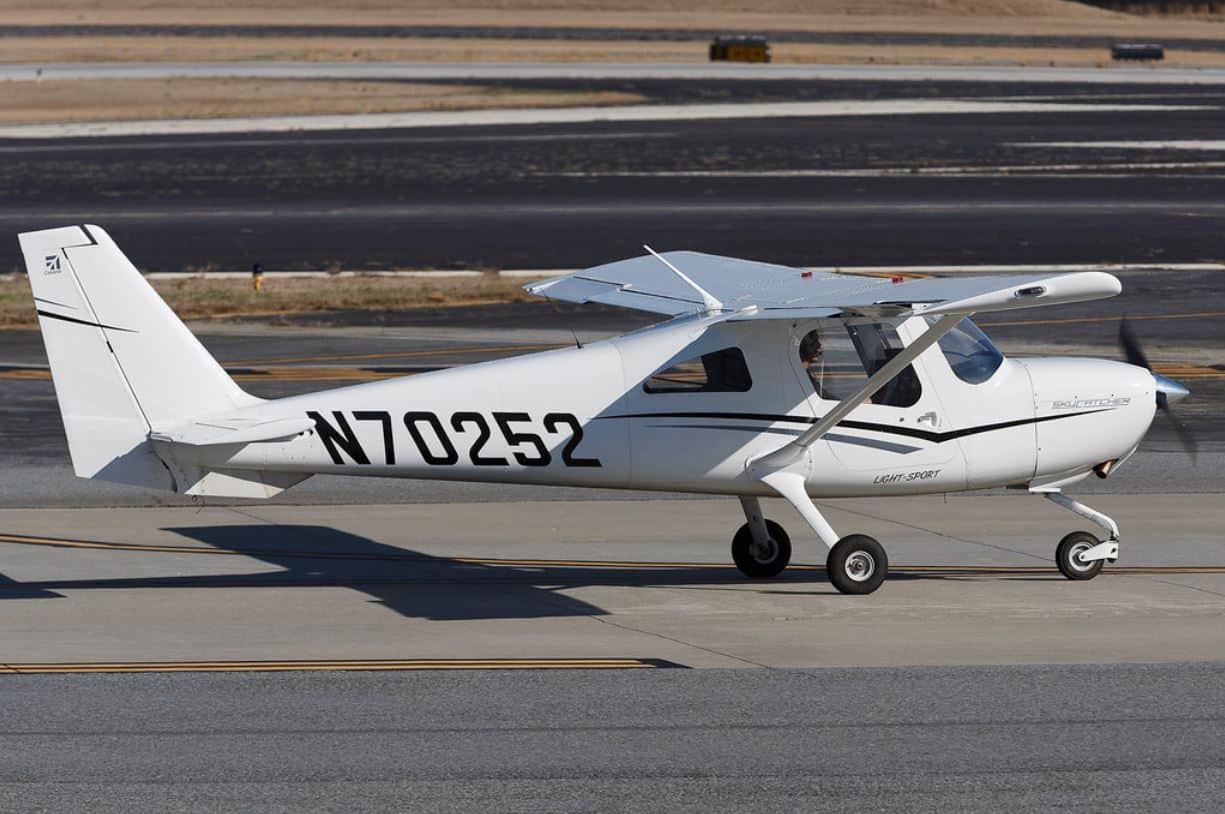


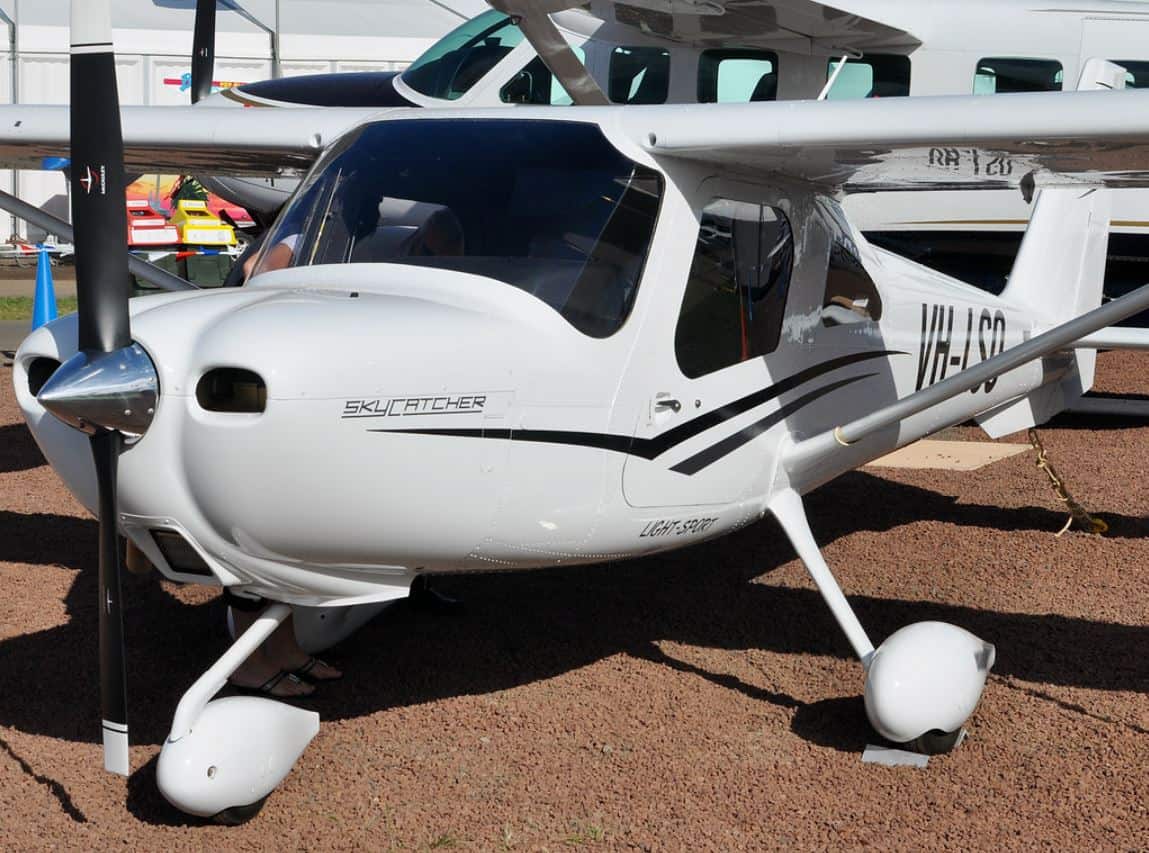
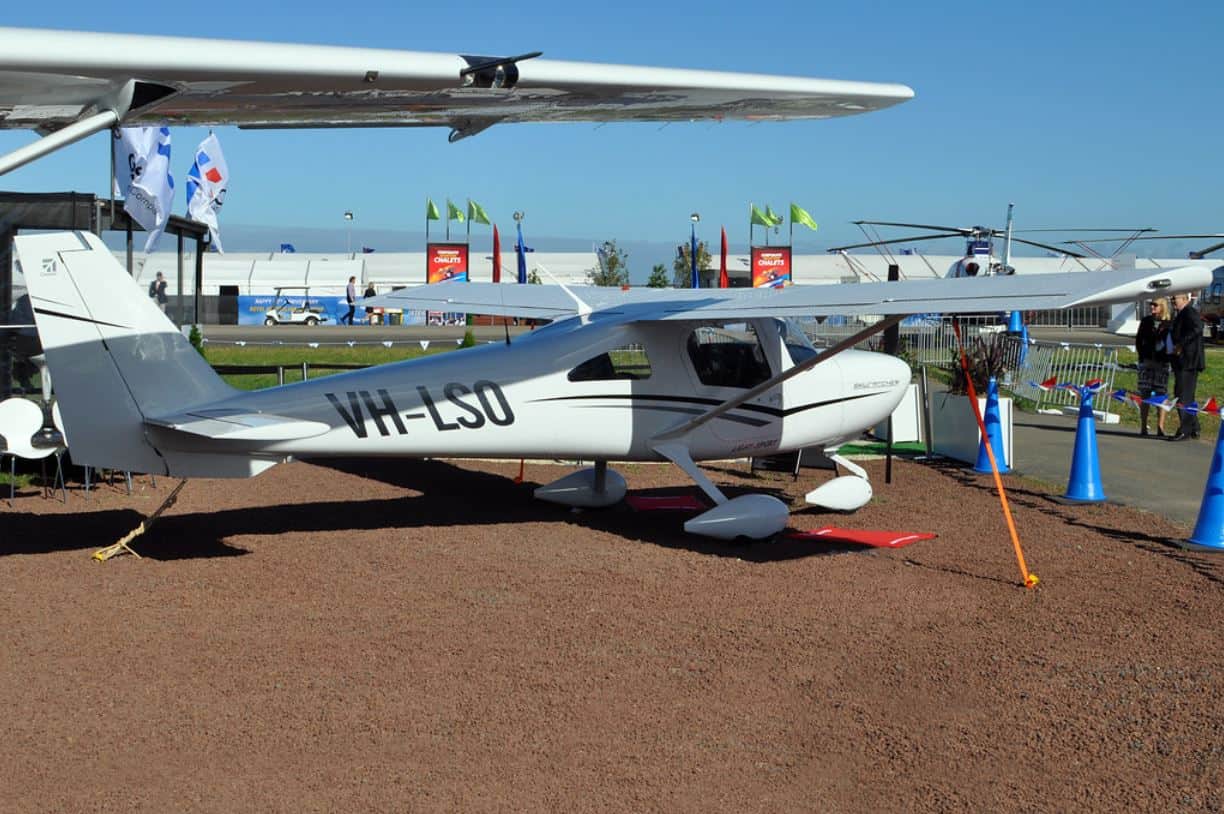
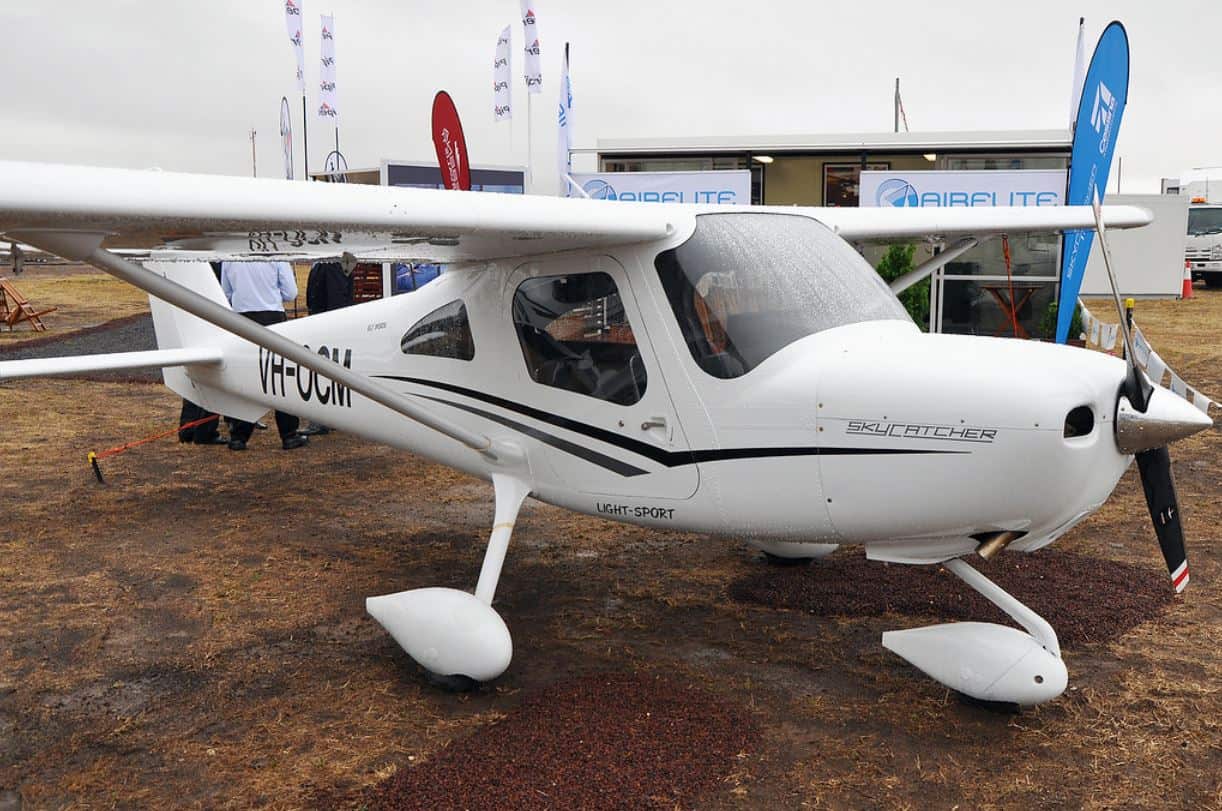
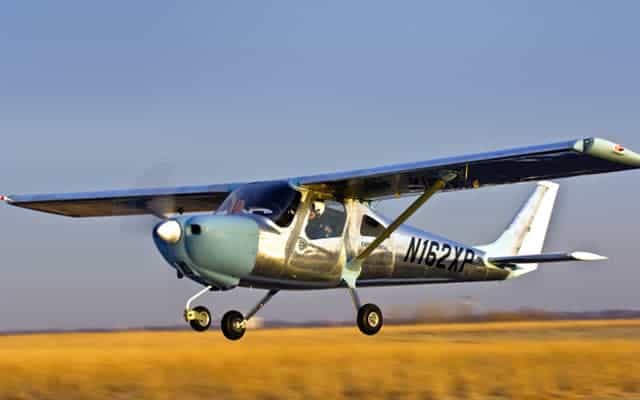
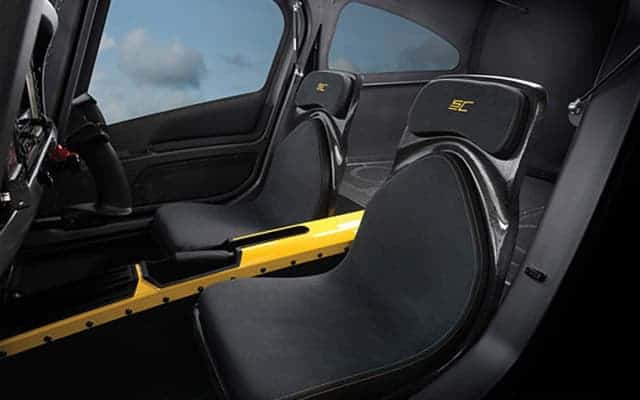
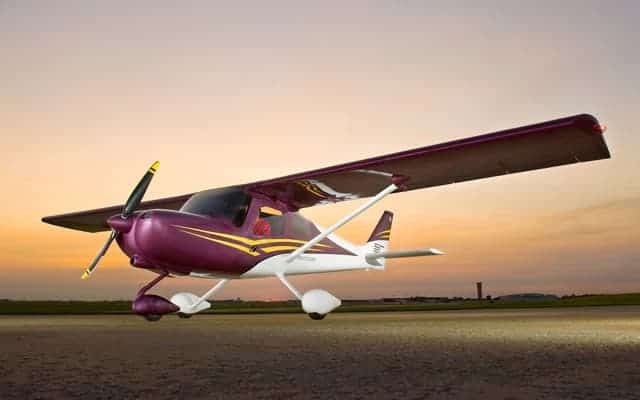
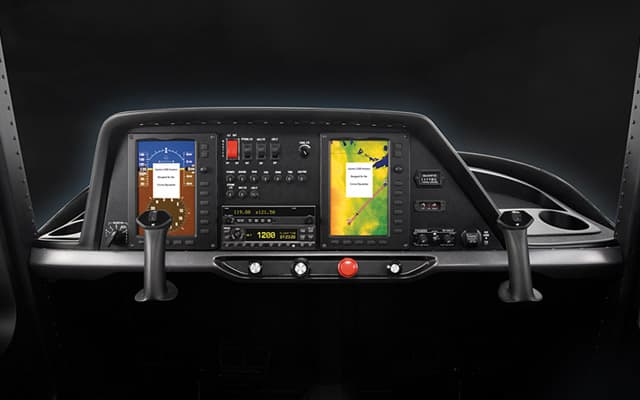
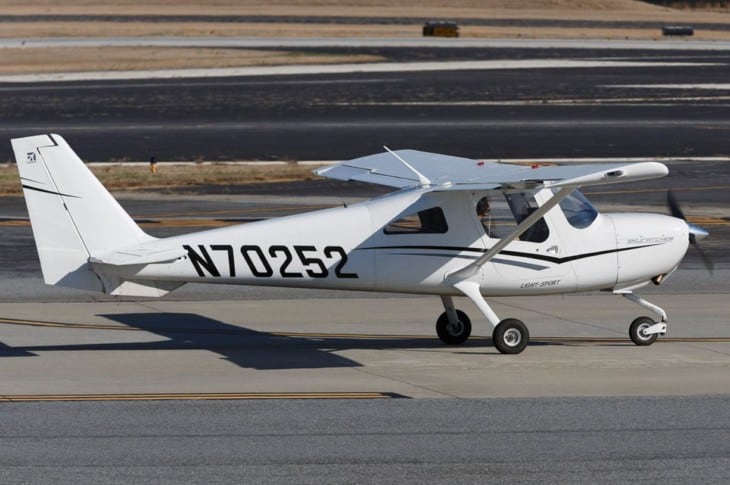
The Skycatcher first flew in 2008 and entered service in 2009. It featured a high-wing configuration and simple avionics for training use. The aircraft was designed to meet light sport regulations in the United States.
Powered by a Continental O-200 piston engine producing approximately 100 horsepower, the Skycatcher cruises at around 100 knots (185 km/h). Maximum takeoff weight is approximately 1,320 pounds (599 kg). Seating is limited to two occupants.
The Skycatcher faced market challenges and was discontinued in 2013. Despite limited production, it reflected efforts to broaden entry-level aviation access. The aircraft remains a niche trainer in some fleets.
Sources and references used for research and fact-checking.