Cargo Airplanes
Cessna Super Cargomaster
ICAO: C208
The rugged utility turboprop built for cargo hauling and remote operations.
The latest aviation news and stories sent to your inbox.
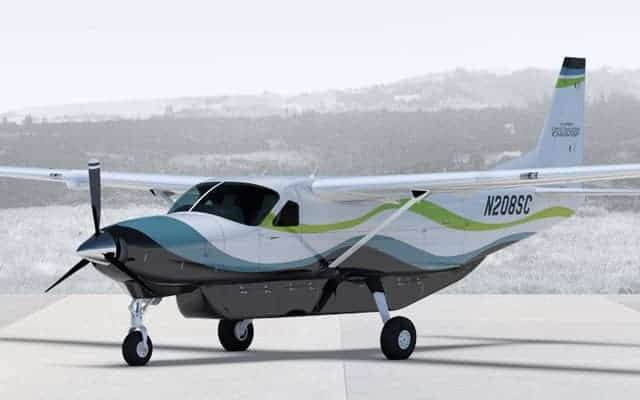
The Cessna Super Cargomaster EX is a utility turboprop developed from the well-known Caravan family. Designed for cargo transport and operations from short or unprepared runways, it emphasizes durability and payload capacity. The aircraft supports freight, humanitarian, and remote logistics missions.
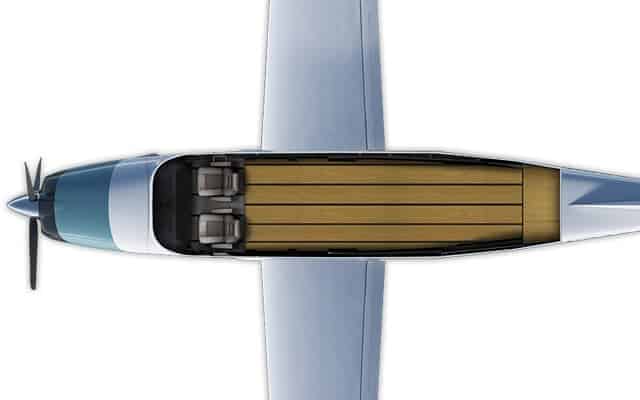
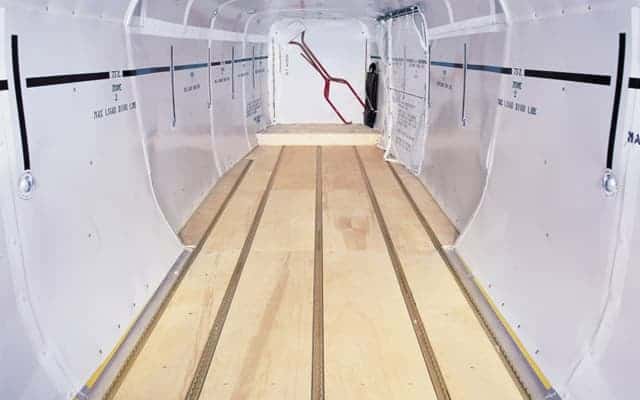
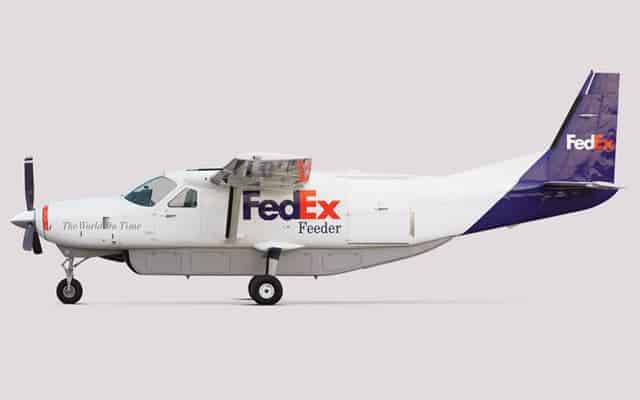
The Super Cargomaster EX builds on the long-serving Caravan platform, an aircraft that first flew in 1982 and entered service in 1984. Cessna designed the airframe for reliability in demanding environments, including remote airstrips and austere infrastructure. A high-wing configuration and fixed landing gear simplify maintenance while improving ground clearance for cargo operations.
A Pratt & Whitney Canada PT6A turboprop engine producing approximately 867 shaft horsepower powers the aircraft. Cruise speed typically approaches 185 knots (343 km/h). Maximum takeoff weight exceeds 8,800 pounds (3,992 kg), and the aircraft can carry a payload of roughly 3,000 pounds (1,361 kg) depending on configuration.
The Super Cargomaster EX is used in freight transport, charter cargo operations, and humanitarian logistics where reliability is critical. Large cargo doors and a flat floor make loading straightforward. Its ability to operate from short runways has made it particularly valuable in regions with limited aviation infrastructure.