Cargo Airplanes
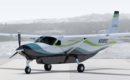
Cessna 408 SkyCourier
ICAO: C408
The piston transport built to carry heavy cargo from short and rugged airfields.
The latest aviation news and stories sent to your inbox.
The Cessna Super Cargomaster was a heavy-duty piston transport developed from Cessna’s twin-engine utility aircraft. Introduced in the 1960s, it was designed for cargo hauling, paratroop transport, and utility missions. The aircraft emphasized short takeoff capability and strong lifting performance.
Live Fleet Activity (C208)
Fetching live data…


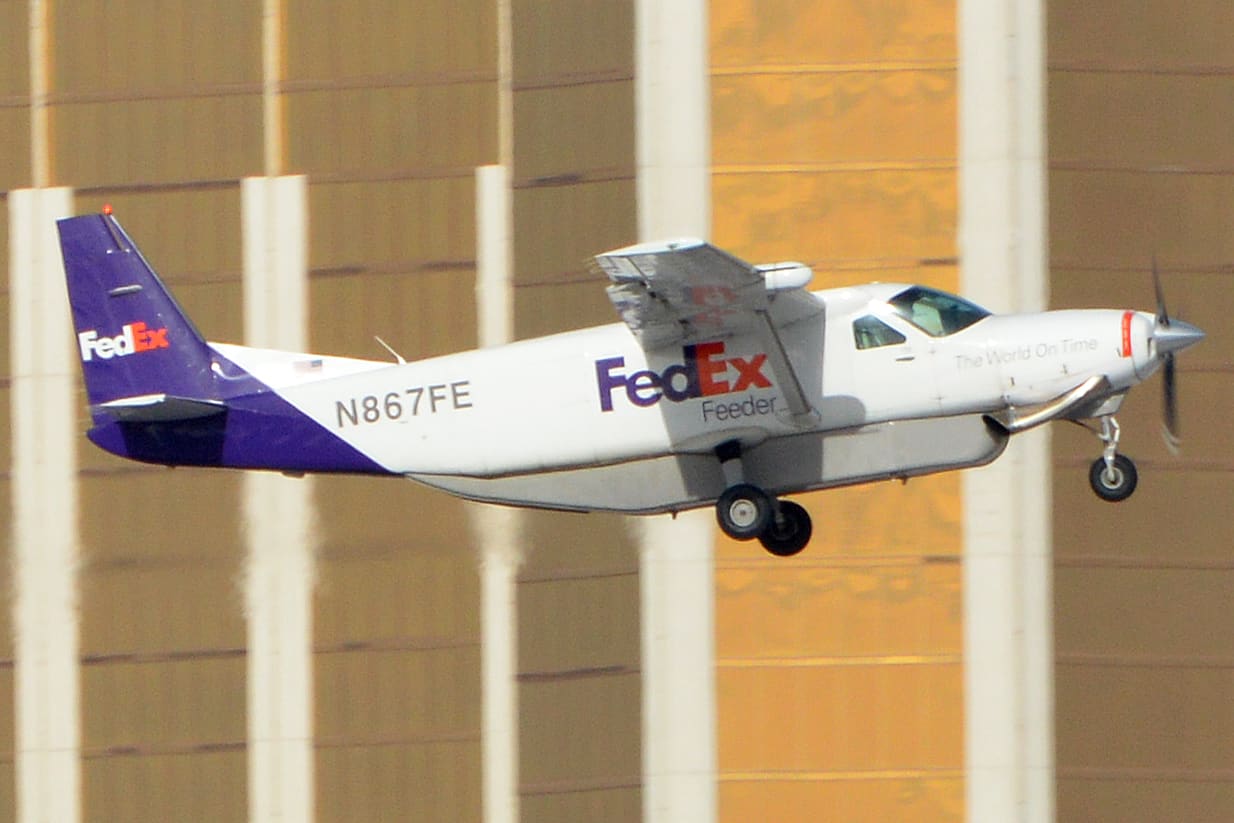

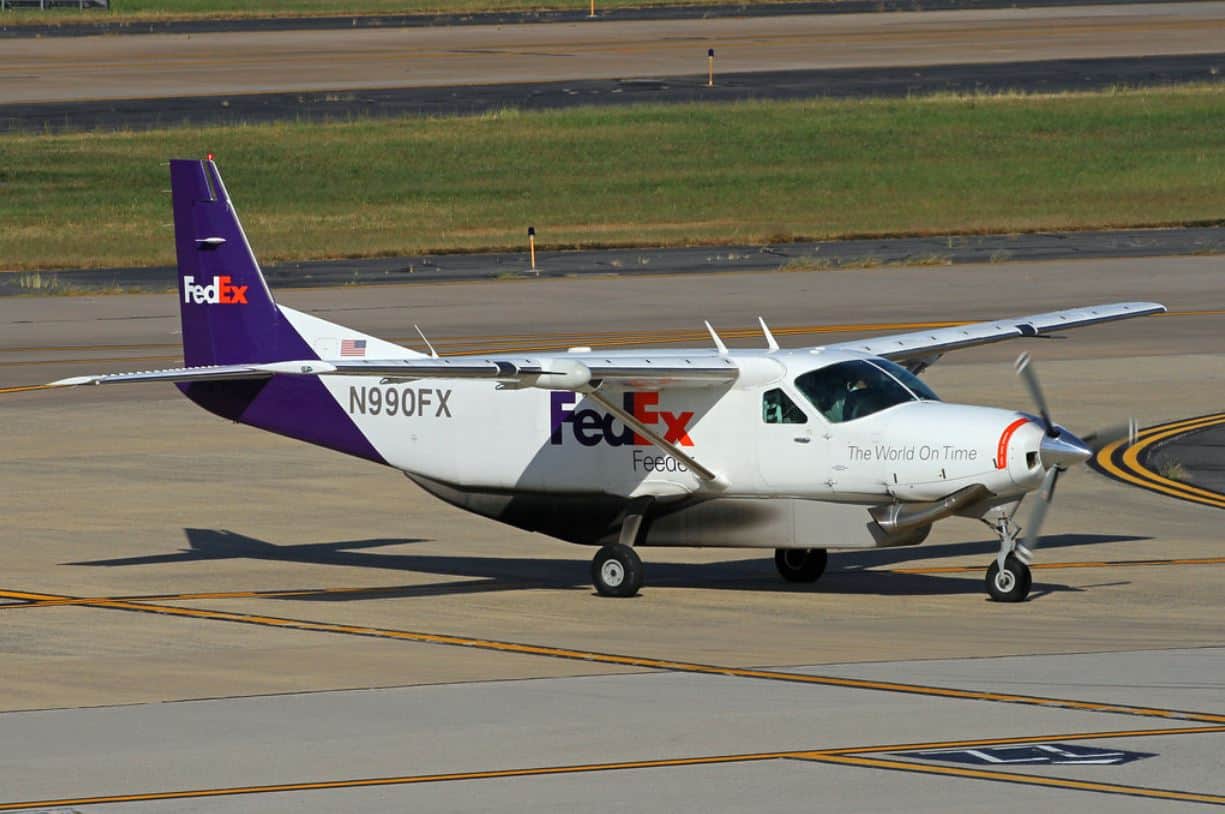


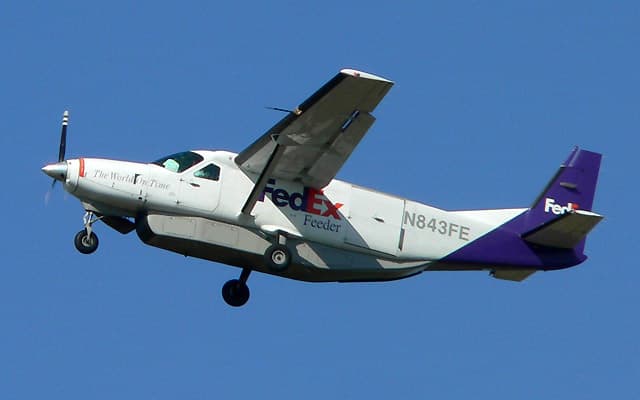
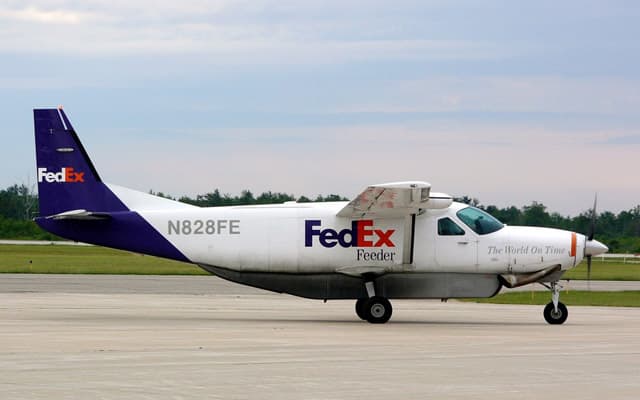
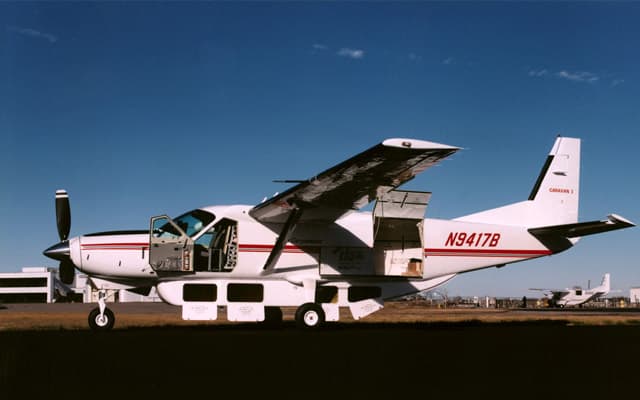
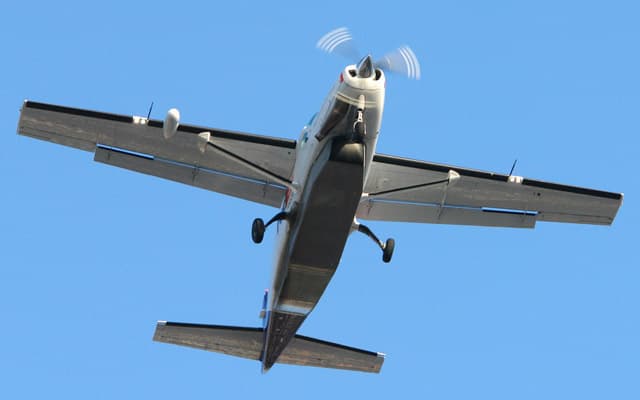
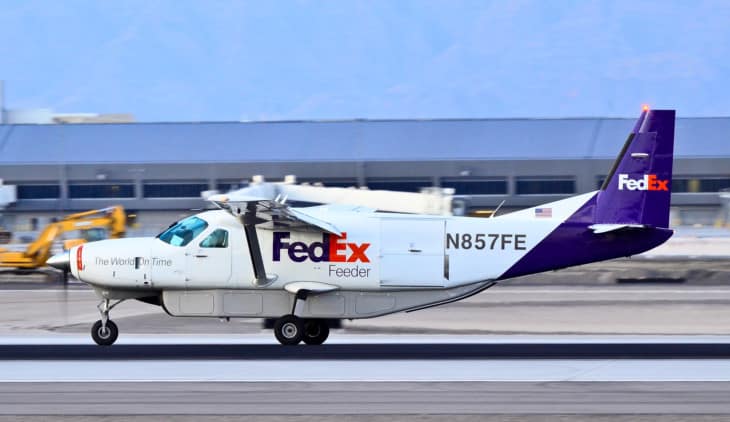
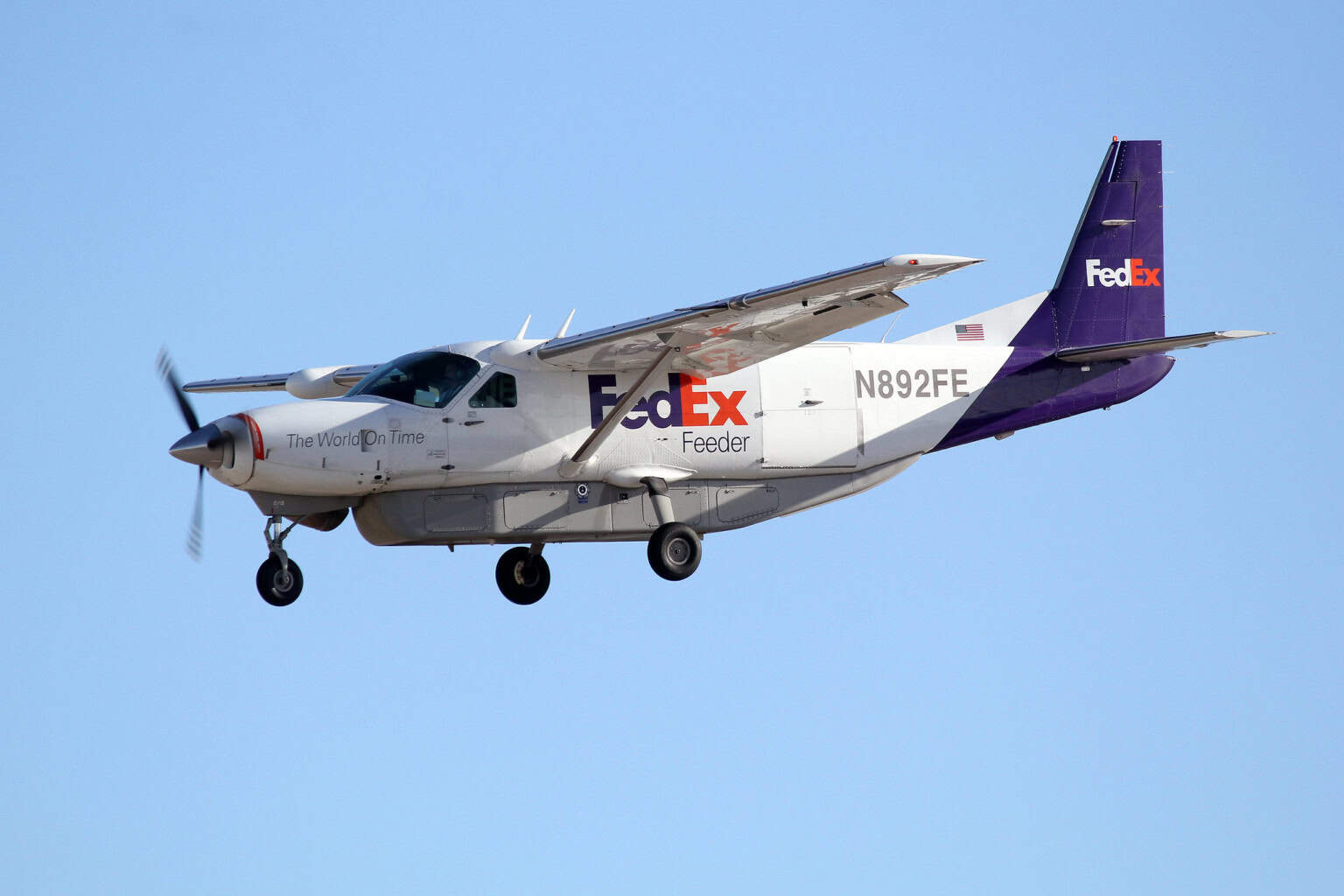
The Super Cargomaster first flew in 1964 and entered service soon afterward as a development of the Cessna 411 and 421 family of light twins. Engineers strengthened the airframe and increased payload capability to create a utility aircraft capable of operating from shorter and rougher airstrips. A high wing and large cargo doors supported loading efficiency and ground clearance.
Two Continental piston engines producing approximately 375 horsepower each powered the aircraft. Cruise speed approached 190 knots (352 km/h). Maximum takeoff weight exceeded 6,500 pounds (2,948 kg), allowing the aircraft to carry substantial cargo for its size while still operating from relatively short runways.
The Super Cargomaster was used in cargo transport, aerial logistics, and special utility roles. Its ability to combine twin-engine reliability with practical payload capacity made it attractive for operators working in remote areas. Although production numbers remained modest, the aircraft reflects Cessna’s experimentation with specialized cargo variants of its twin-engine platforms.
Sources and references used for research and fact-checking.