Twin Turboprops
Cessna 411
ICAO: C411
The first turboprop Cessna ever built, and still one of the fastest pressurized cabins in its class.
Updated: by Tim de Vries
The latest aviation news and stories sent to your inbox.
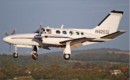
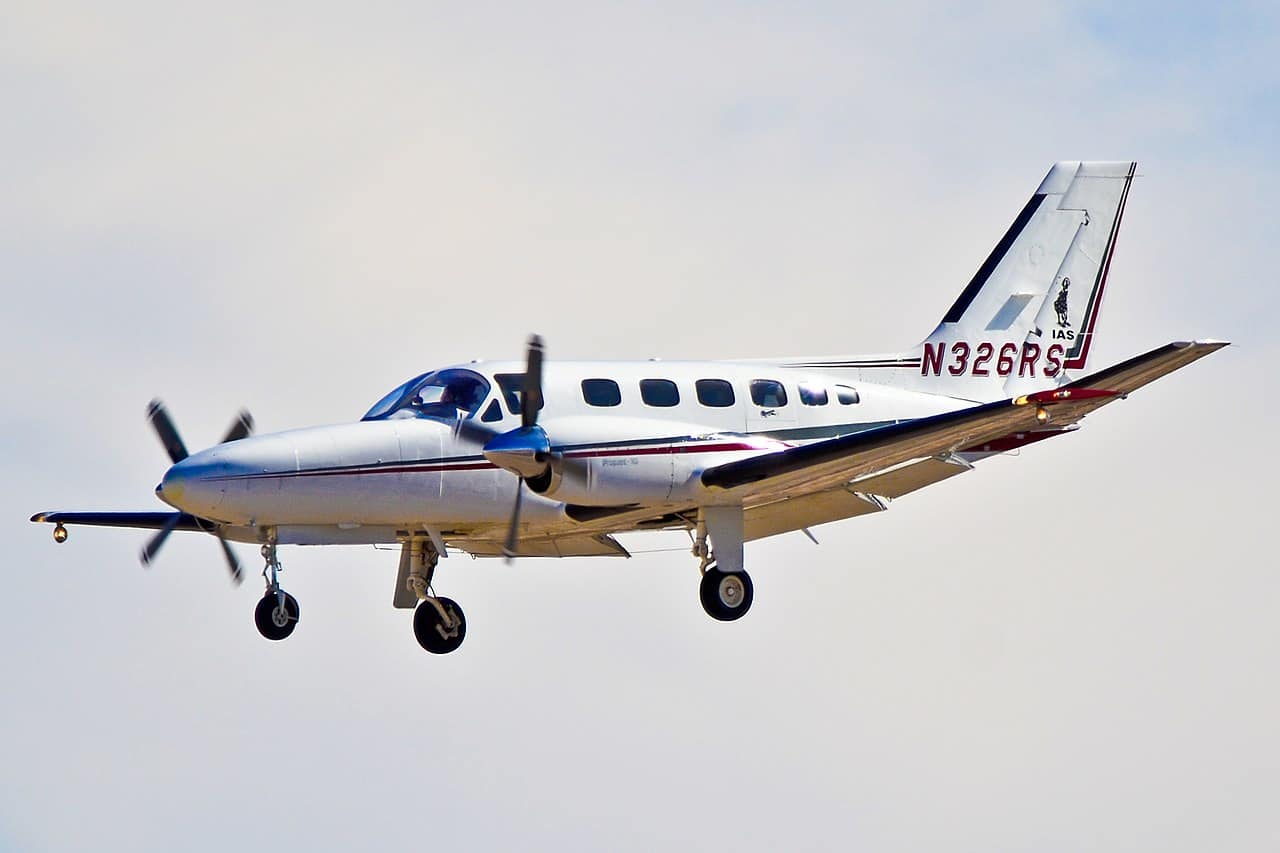
The Cessna 441 Conquest II was Cessna’s first turboprop design, developed from the pressurized 404 Titan to bridge the gap between piston twins and light jets. Two Garrett TPE331-8 turboprops give it a 300-knot top speed and a 35,000-foot service ceiling, unusually quick for a cabin-class turboprop of its era. Cessna built 362 between 1977 and 1986, and roughly 265 remain flying today.
Live Fleet Activity (C441)
Fetching live data…


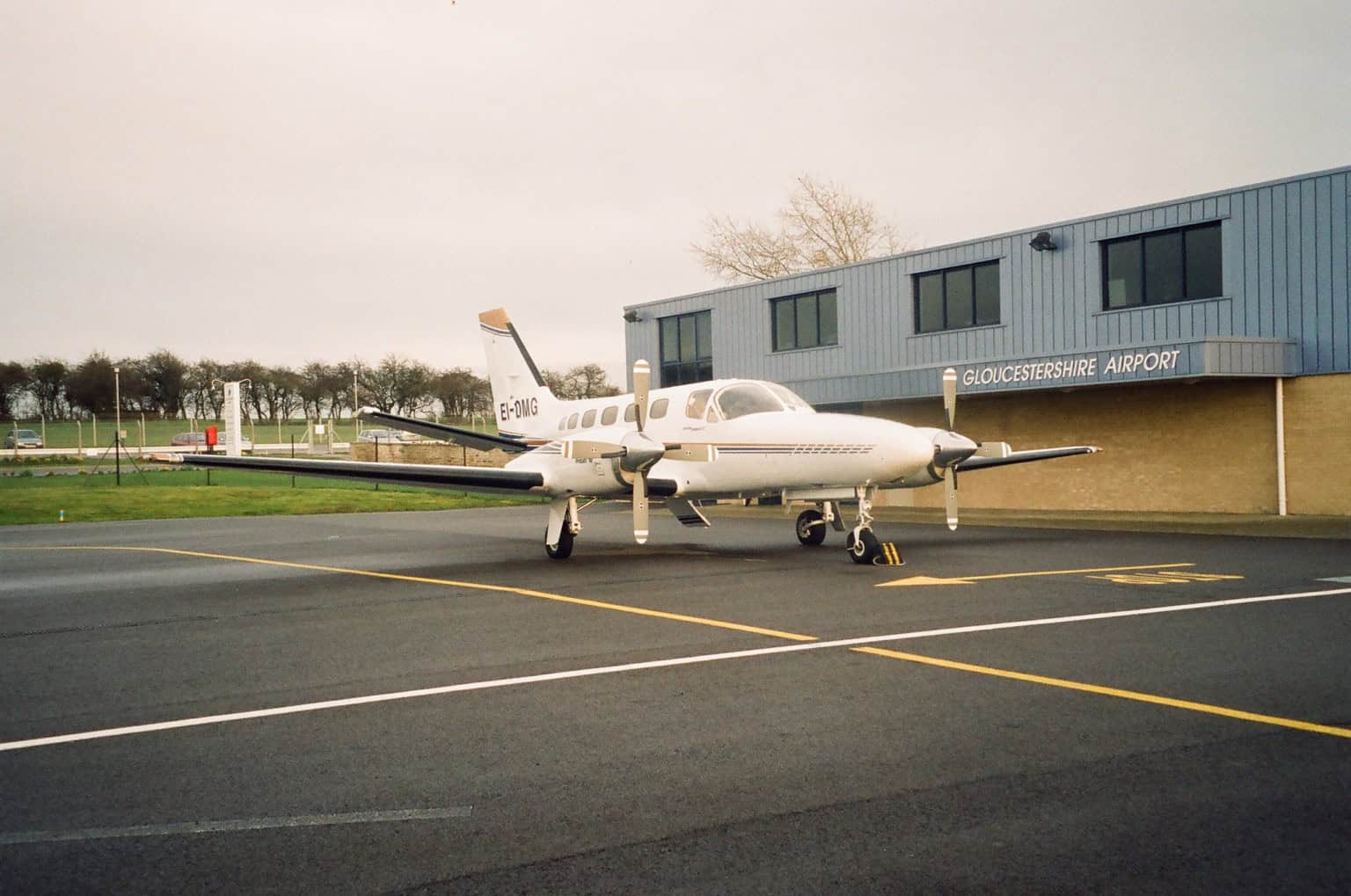
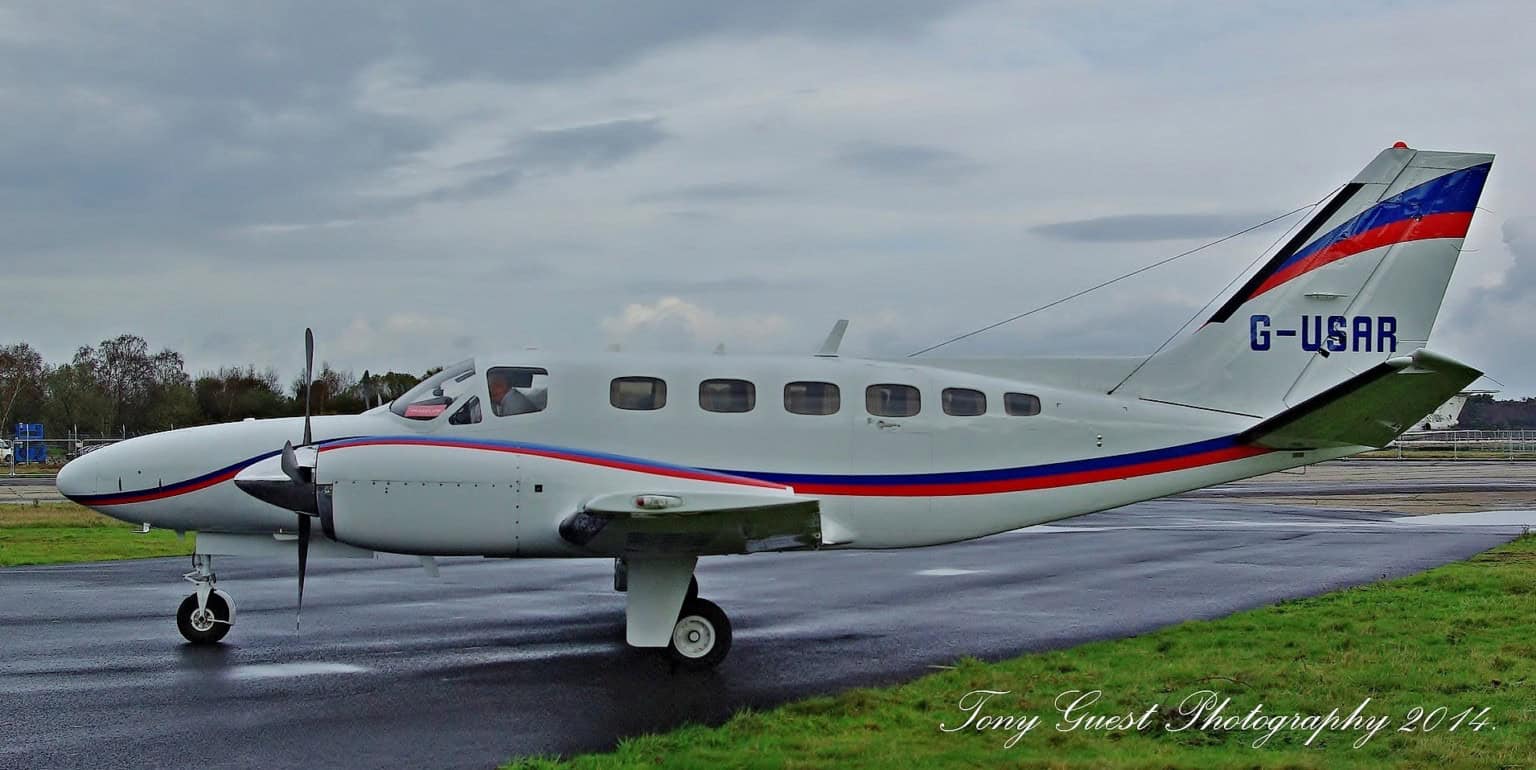


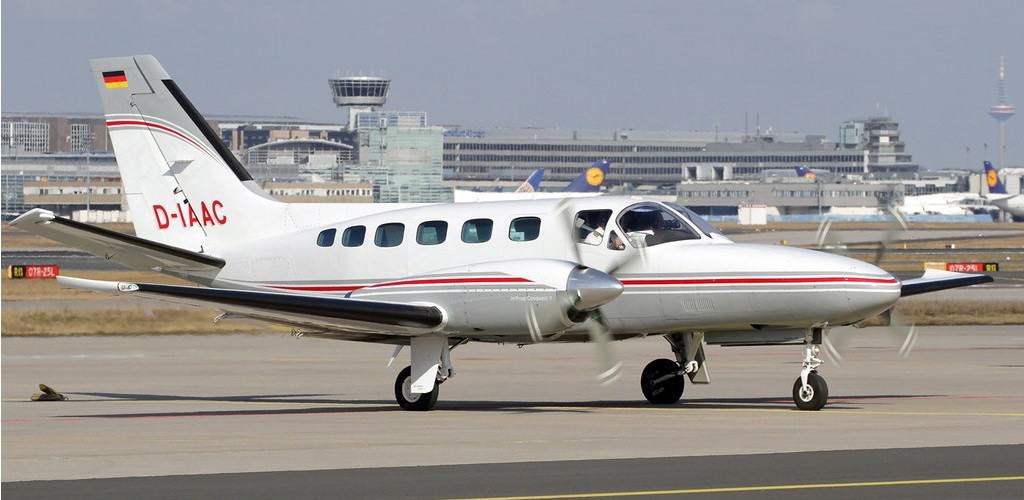
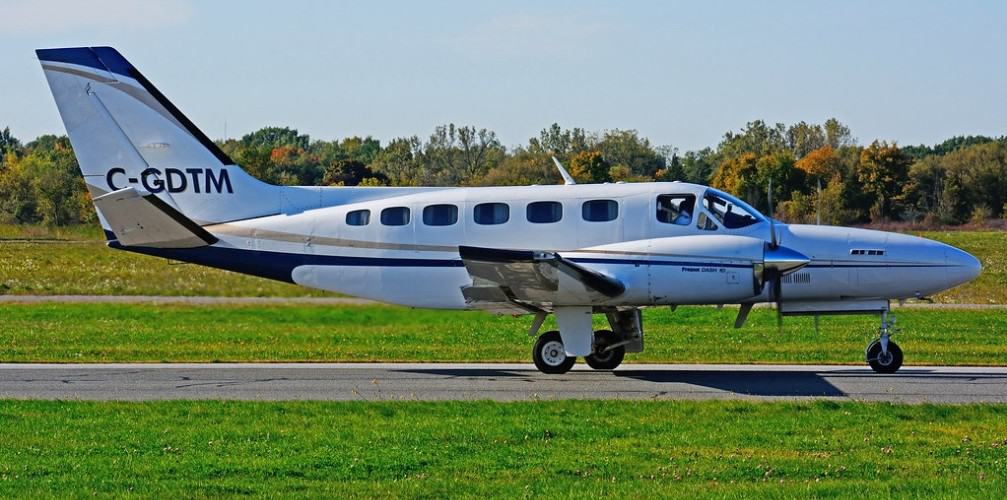

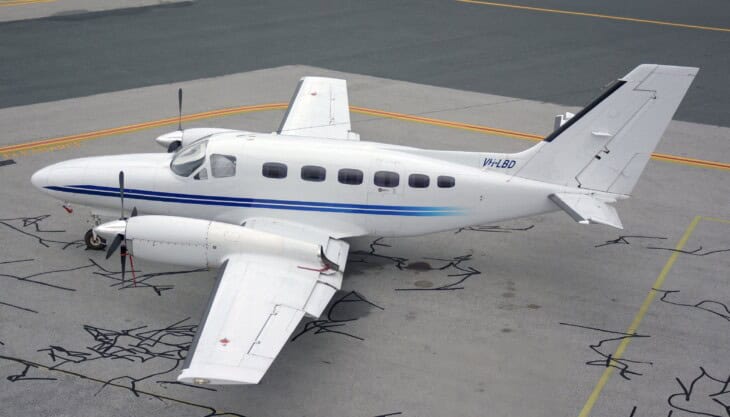
The Cessna 441 Conquest II was Cessna’s first turboprop design, built to bridge the gap between piston twins and entry-level business jets. Development began in November 1974 and the aircraft first flew on August 26, 1975.
Cessna delivered the first production aircraft in September 1977 under the simple name “Conquest.” In 1983, Cessna renamed the smaller Model 425 the “Conquest I” and the original 441 became the “Conquest II” to tell the two apart. Production of the 441 ran through 1986, with 362 total units built.
The airframe grew out of the pressurized Cessna 404 Titan, adopting a low-wing layout, retractable landing gear, and bonded, high-aspect-ratio wings for efficient high-altitude cruise. As of 2023, roughly 265 examples remained in active service.
Two Garrett (now Honeywell) TPE331-8 turboprops, rated at 636 shaft horsepower each, drive the Conquest II to a top speed of 300 knots (345 mph) at 16,000 feet. At its FL350 service ceiling, normal cruise settles around 259 knots (298 mph).
Range runs to roughly 2,193 nm (2,520 mi, 4,060 km) with reserves, enough to cross the continental United States nonstop on most routings. Rate of climb is 2,435 feet per minute, and the aircraft holds a 35,000-foot service ceiling.
Takeoff distance over a 50-foot obstacle at sea level runs about 2,450 ft (750 m). Landing distance over the same obstacle is roughly 1,870 ft (570 m). Fuel capacity is about 480 US gallons (1,800 L), burned at around 50 gallons per hour during high-altitude cruise.
The pressurized cabin has a length of 12 ft 10 in (3.90 m), a width of 4 ft 7 in (1.40 m), and a height of 4 ft 3 in (1.30 m), noticeably roomier than the unpressurized piston twins the Conquest II replaced. A 6.3 psi pressure differential keeps the cabin at roughly 10,900 feet even at the aircraft’s service ceiling.
Typical corporate layouts seat six to eight passengers in a club or double-club arrangement. Higher-density configurations push seating to nine, plus one or two pilots up front.
Cessna offered its own 1000-series flight control avionics as factory-standard equipment, built around an analog ARC 1000 system. Many buyers instead ordered the optional Collins Pro Line package, and a number of surviving aircraft have since been upgraded with modern glass-panel retrofits.
Used Conquest IIs typically list between $800,000 and $1.4 million, depending on airframe hours, engine time remaining, and avionics. Well-equipped, low-time examples with recent Collins or glass-panel upgrades trade toward the higher end of that range.
Annual operating costs run in the range of $700 to $900 per flight hour for fuel, maintenance reserves, and inspections on a typical utilization schedule, before crew and hangar costs.
Used Conquest IIs generally sell for $800,000 to $1.4 million, with well-maintained, upgraded examples reaching close to $1.9 million.
Yes. The Conquest II has a pressurized cabin with a 6.3 psi differential, keeping cabin altitude around 10,900 feet even while cruising at the aircraft’s 35,000-foot service ceiling.
Most corporate layouts carry six to eight passengers. High-density configurations can seat up to nine, plus one or two pilots.
At high-altitude cruise near FL350, the Conquest II burns around 50 gallons per hour. Lower-altitude legs and a mix of shorter flights push average fuel burn higher across a typical flying year.
Sources and references used for research and fact-checking.