

Midsize Business Jets
Cessna Citation Sovereign Plus
ICAO: 680
The latest aviation news and stories sent to your inbox.
The Cessna Citation Columbus was a proposed large-cabin business jet announced in the late 2000s. Intended to compete with super-midsize and large-cabin aircraft, it represented a significant expansion of the Citation line. The program was later suspended before production.


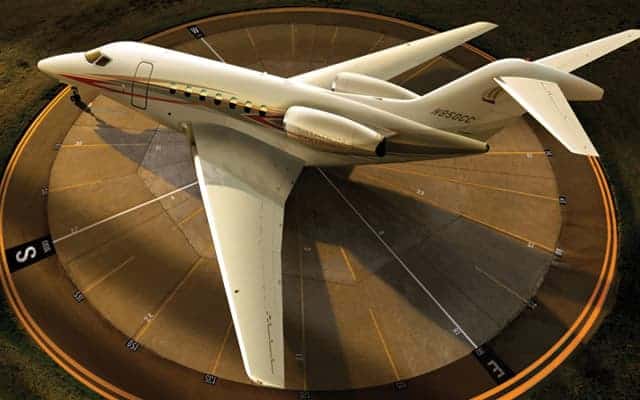
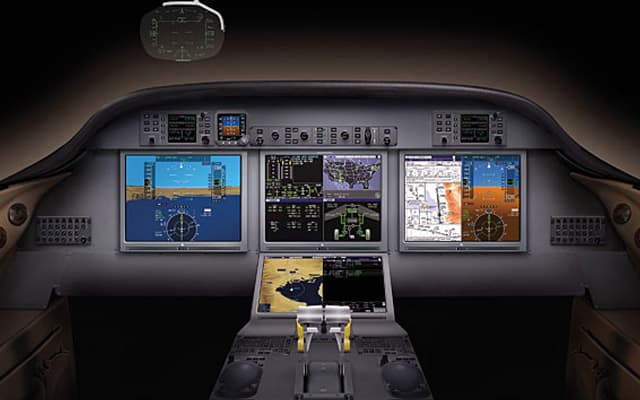
The Columbus program was unveiled in 2008 as Cessna sought to move into a higher-capacity segment of the business jet market. The design featured a swept wing, rear-mounted turbofan engines, and a spacious stand-up cabin. It was projected to offer extended range and modern avionics.
Planned performance included cruise speeds around 450 knots (830 km/h) and a maximum takeoff weight exceeding 35,000 pounds (15,875 kg). Range targets were approximately 4,000 nautical miles (7,400 km). Cabin seating was expected to accommodate up to 12 passengers.
Economic downturn and market conditions led to suspension of the project in 2009. Although it never entered service, the Columbus reflected Cessna’s ambition to compete in larger business jet categories. The program remains a notable canceled development in business aviation history.
Sources and references used for research and fact-checking.