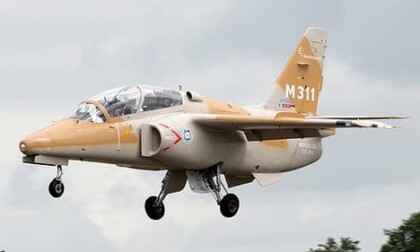
Alenia Aermacchi M-311
The light jet trainer built for intermediate military instruction.
48 aircraft
The light jet trainer built for intermediate military instruction.
$990,000 strategic bomber as of 1956
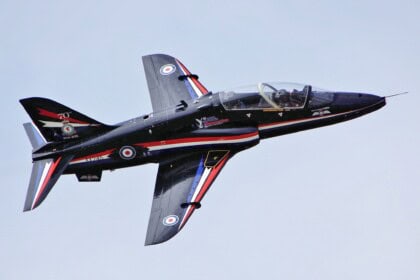
The advanced jet trainer built for military pilot development.
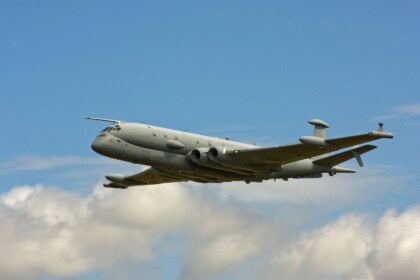
The maritime patrol aircraft built to replace aging fleets but canceled before service.
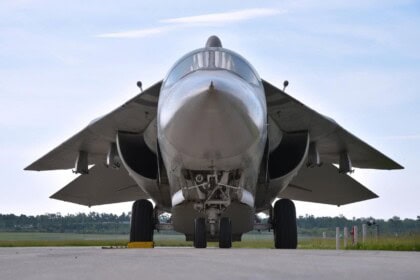
The strike aircraft designed for low-level penetration and all-weather attack
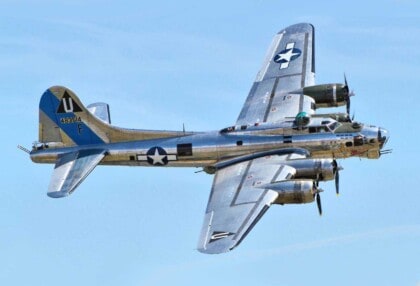
The heavy bomber built for high-altitude strategic bombing in World War II.
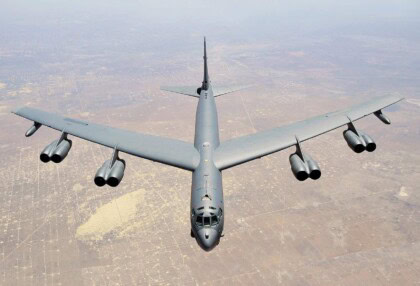
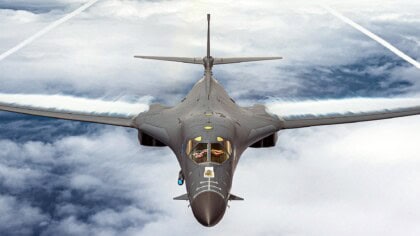
The long-range bomber built to sustain strategic airpower for decades.
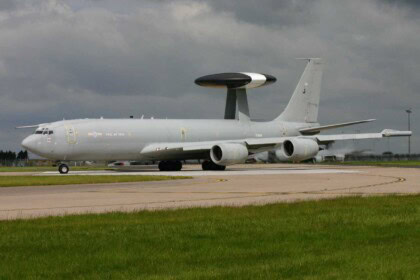
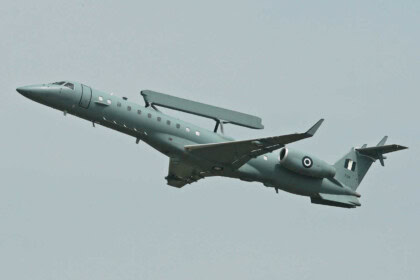
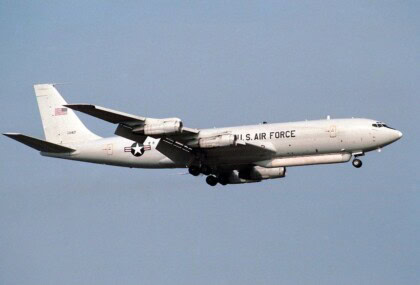
The airborne warning aircraft built for wide-area radar surveillance.
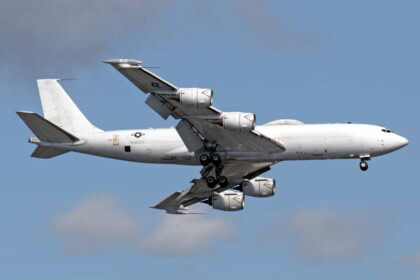
The airborne command aircraft built for strategic communications.
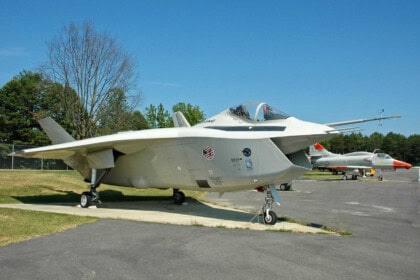
The experimental fighter built to compete in the Joint Strike Fighter program.
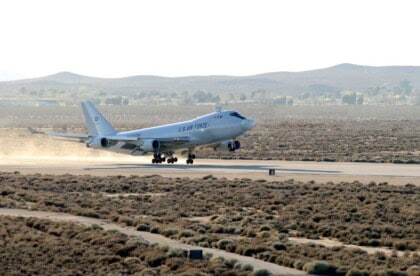
The airborne laser aircraft built to test missile defense concepts.
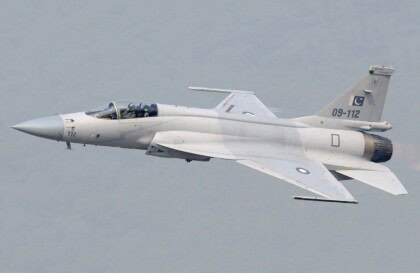
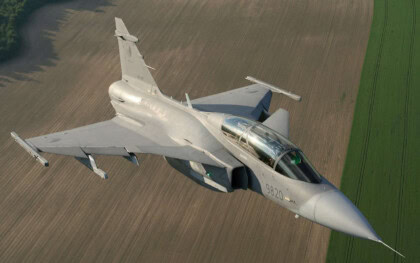
The lightweight fighter built for export multirole capability.
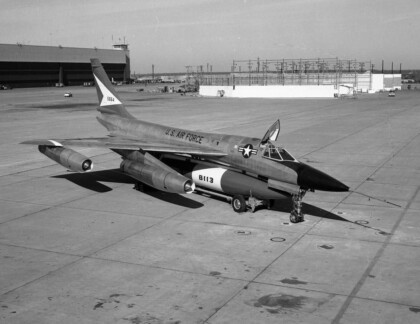
The first supersonic strategic bomber capable of Mach 2
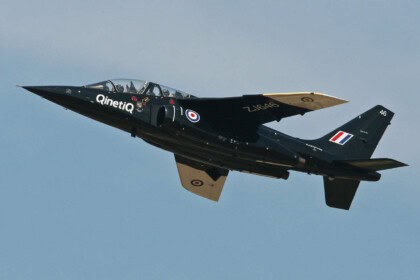
The twinjet trainer and light attack aircraft built for versatile service.
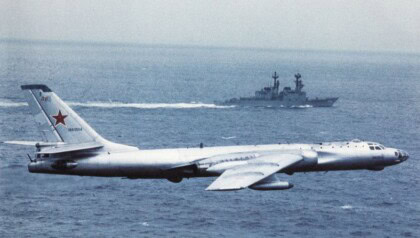
Strategic bomber introduced in 1956
The jet tactical bomber built for reconnaissance and electronic warfare missions.
The maritime patrol aircraft built to deliver modern anti-submarine capability.
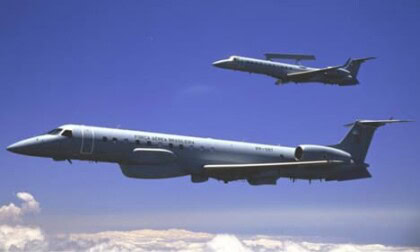
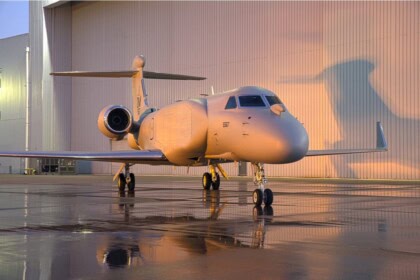
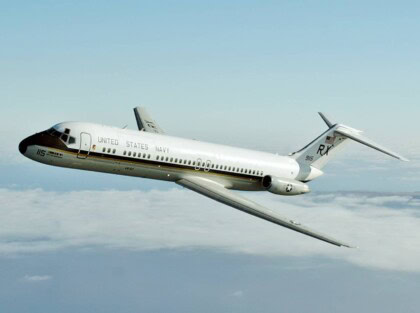
The regional jet transformed into an airborne command center
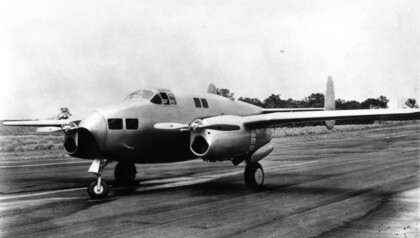
Twin-engine piston power
Bomber trainer
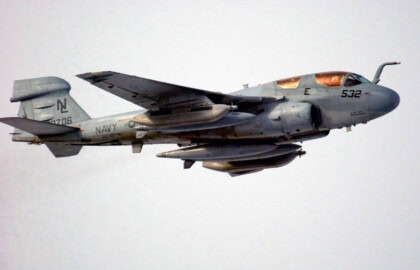
The electronic warfare aircraft built to suppress enemy radar defenses.
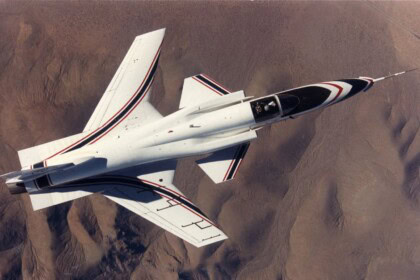
The forward-swept wing demonstrator built to explore advanced aerodynamics.
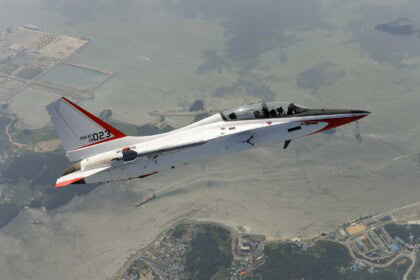
The supersonic trainer built to prepare pilots for modern fighter aircraft.
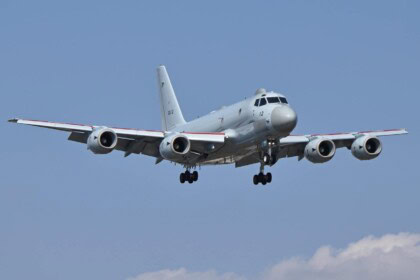
The maritime patrol jet built for modern anti-submarine operations.
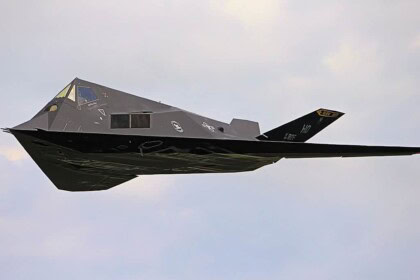
The stealth attack aircraft built for precision night operations.
Unrivaled Stealth, Unmatched Agility: Redefining Air Superiority for the Modern Battlefield
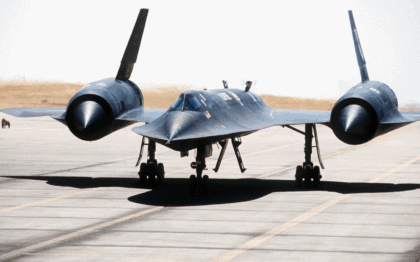
The Mach 3 reconnaissance aircraft built for high-altitude strategic surveillance.
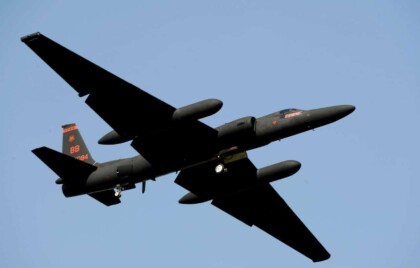
The high-altitude reconnaissance aircraft built for strategic surveillance.
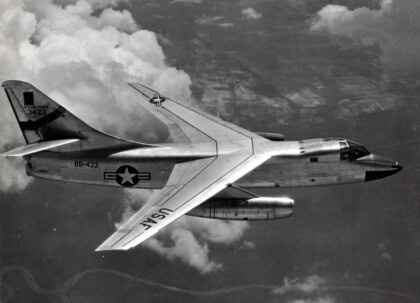
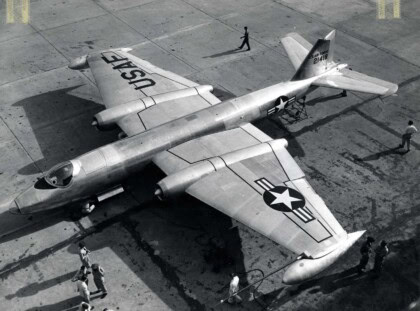
The jet bomber built as an American adaptation of a British design.
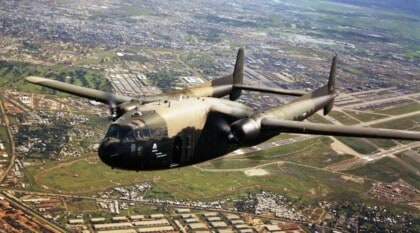
The aeromedical transport built to support military medical evacuation missions.
The carrier-capable fighter built for naval operations.
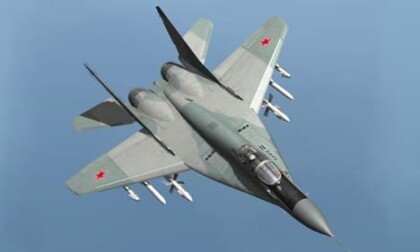
The upgraded Fulcrum built for expanded multirole capability.
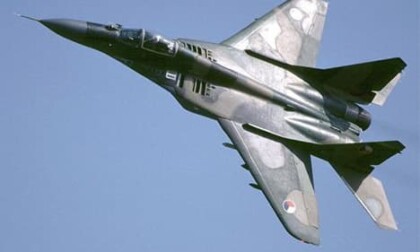
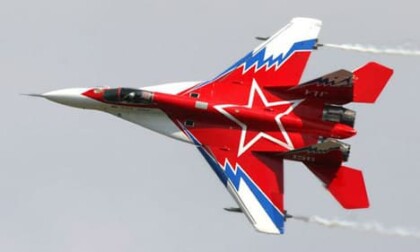
The multirole fighter built to modernize the Fulcrum family.
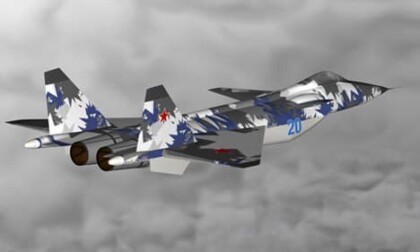
The experimental fighter built to explore Russia’s fifth-generation ambitions.
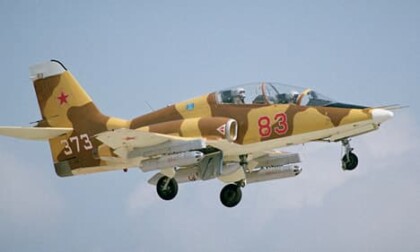
The jet trainer built for post-Soviet pilot training modernization.
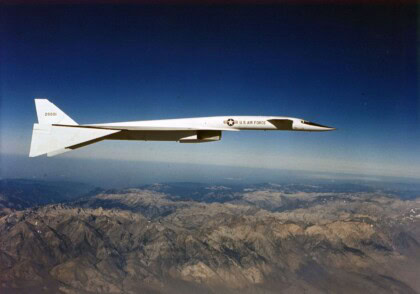
The experimental Mach 3 bomber built to explore high-speed strategic flight.
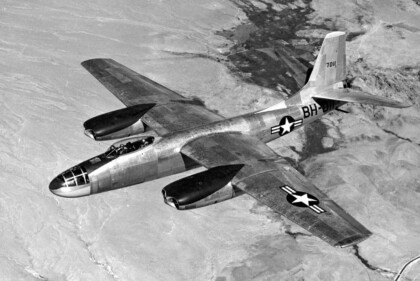
The early jet bomber that introduced swept-wing performance to U.S. strike forces.
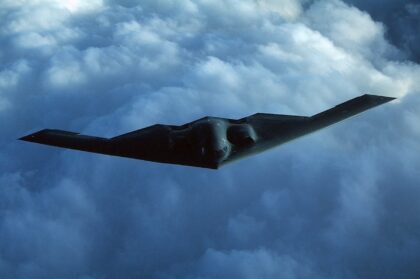
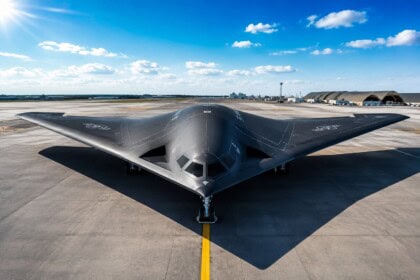
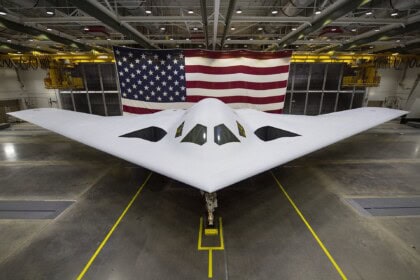
The stealth bomber built for penetrating strategic strike missions.
The battlefield surveillance aircraft built for wide-area ground tracking.
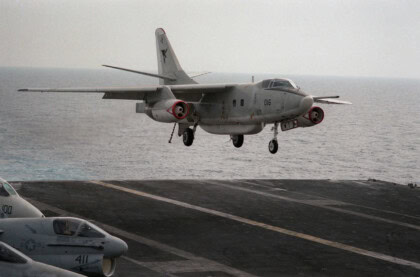
The electronic attack aircraft built for carrier-based jamming missions.
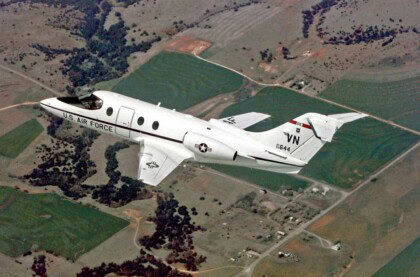
The twinjet trainer built for multi-engine and tanker pilot training.
The supersonic bomber built for long-range conventional strike.
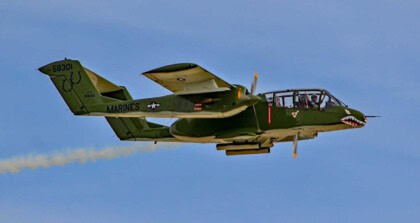
The twin-boom aircraft built for observation and close support.
The two-seat fighter variant built for training and operational flexibility
Strategic bomber introduced in 1954
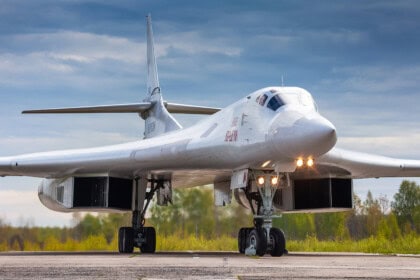
The supersonic strategic bomber built for long-range nuclear and conventional strike missions.
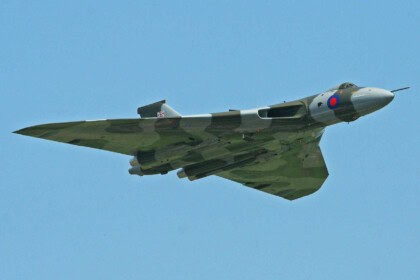
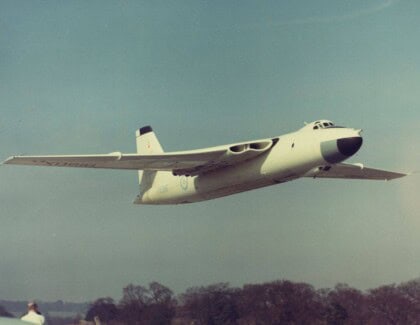
First among the V-bombers
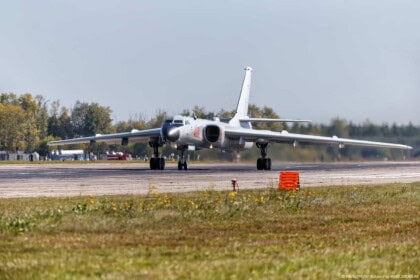
The long-range bomber derived from early jet strategic designs.