Military Aircraft
The Mach 3 spy plane no enemy ever shot down
Updated: by Tim de Vries
The latest aviation news and stories sent to your inbox.
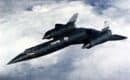
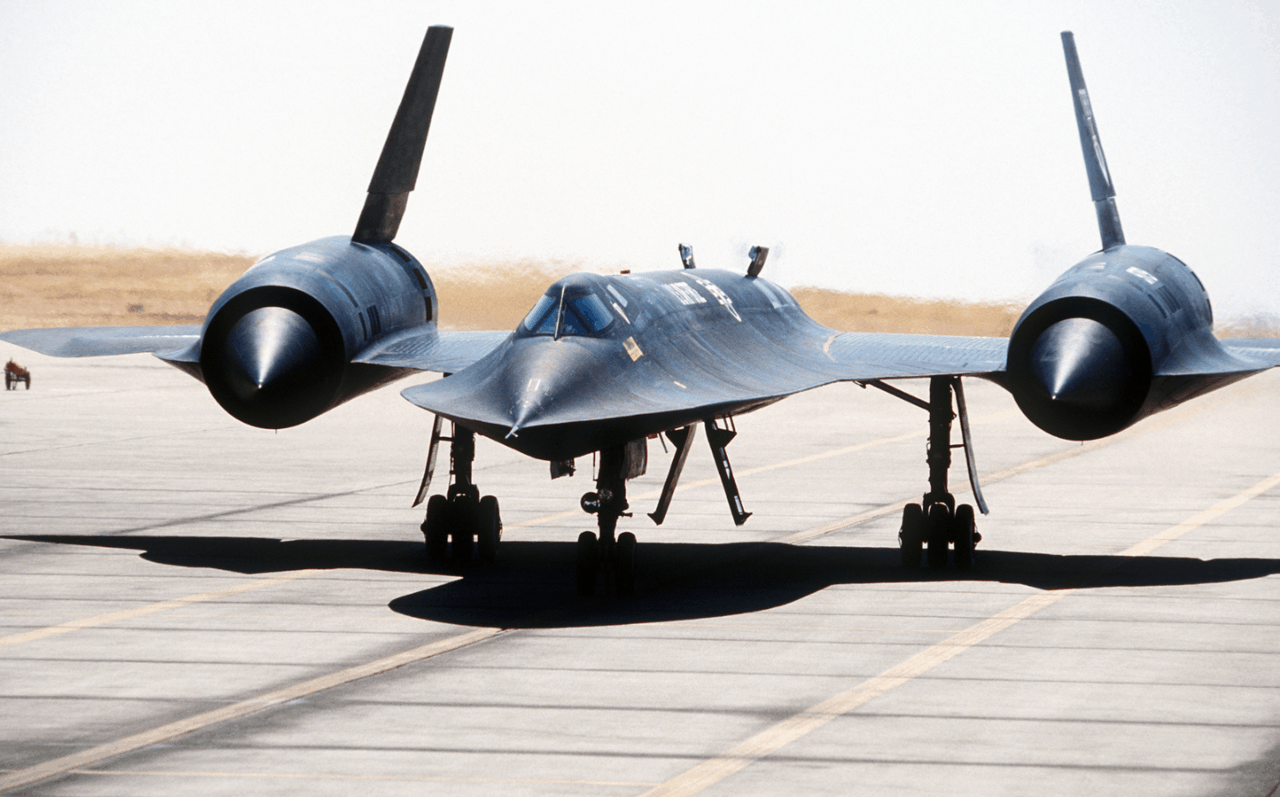
The Lockheed SR-71 Blackbird was an American strategic reconnaissance aircraft that flew at more than Mach 3 from around 80,000 feet, fast and high enough that no SR-71 was ever lost to enemy action. Built by Lockheed’s Skunk Works, it first flew in 1964, served the U.S. Air Force from 1966 to 1998, and made its final flight with NASA in 1999. Its 1976 speed record for a crewed air-breathing aircraft still stands.


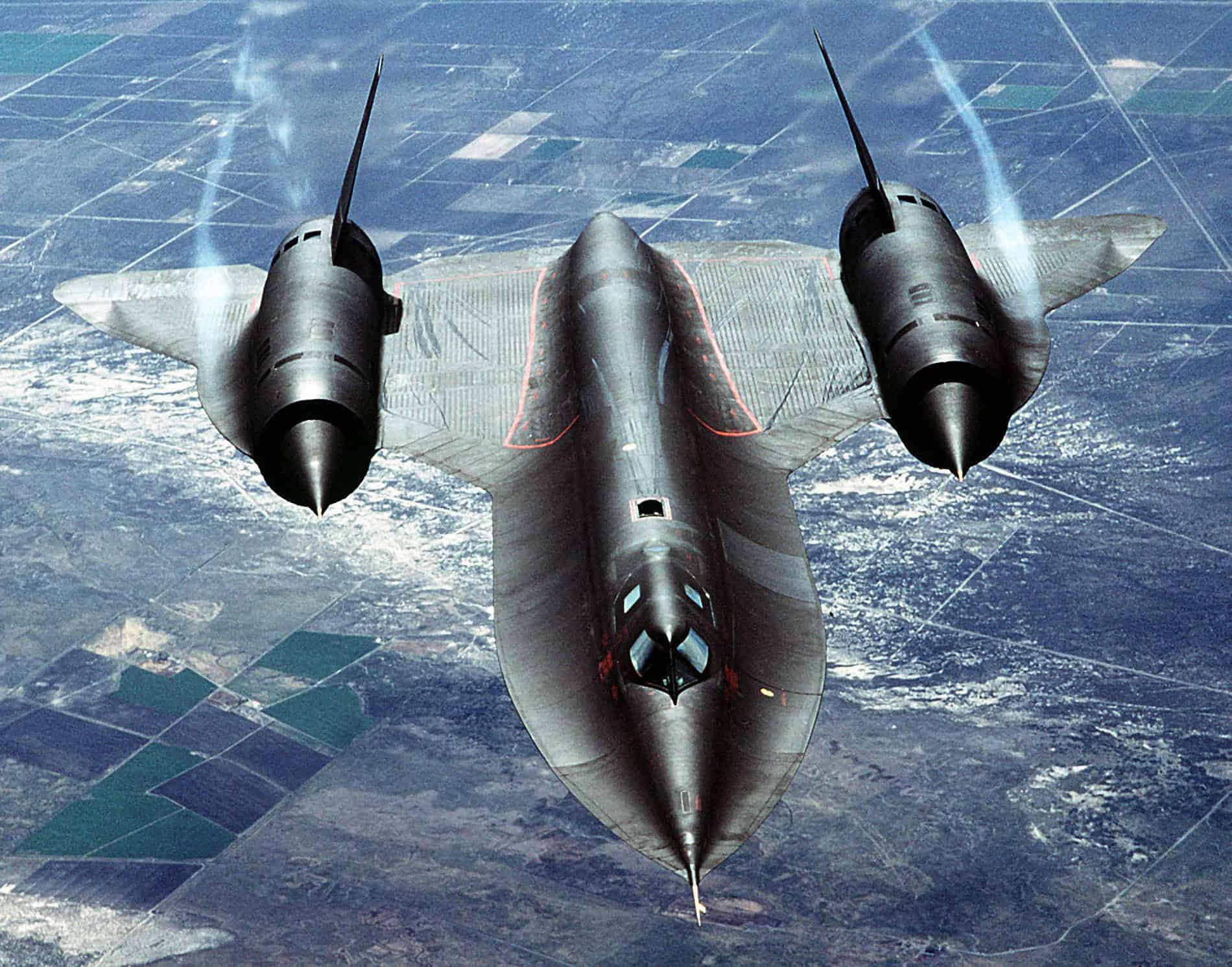
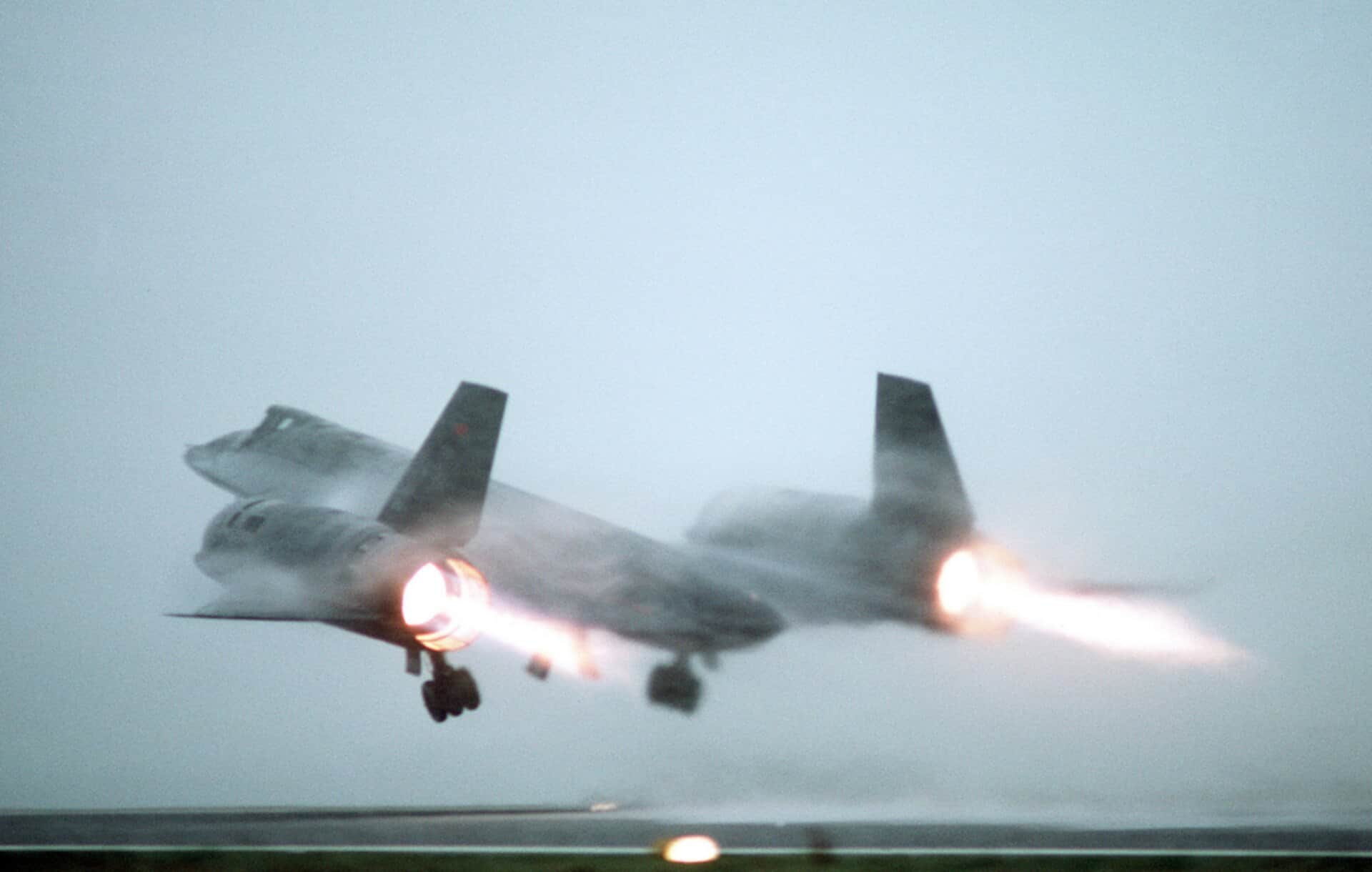


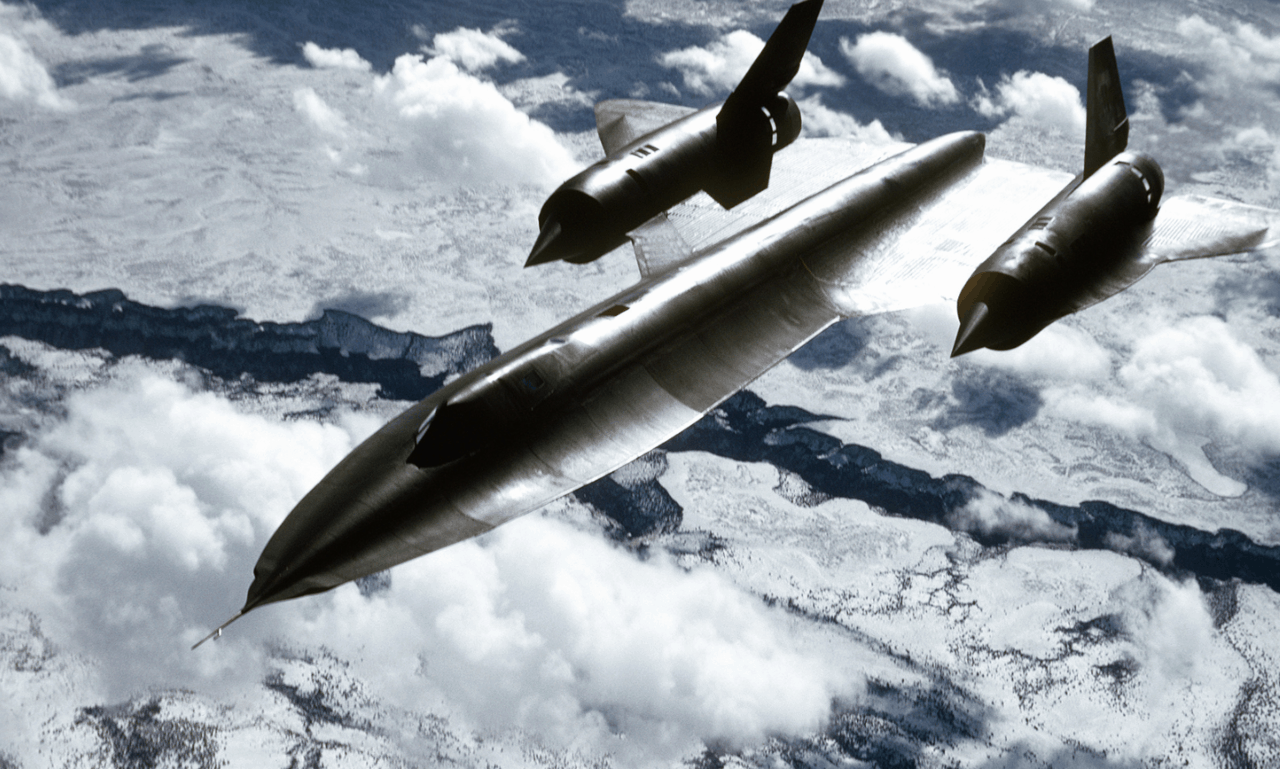


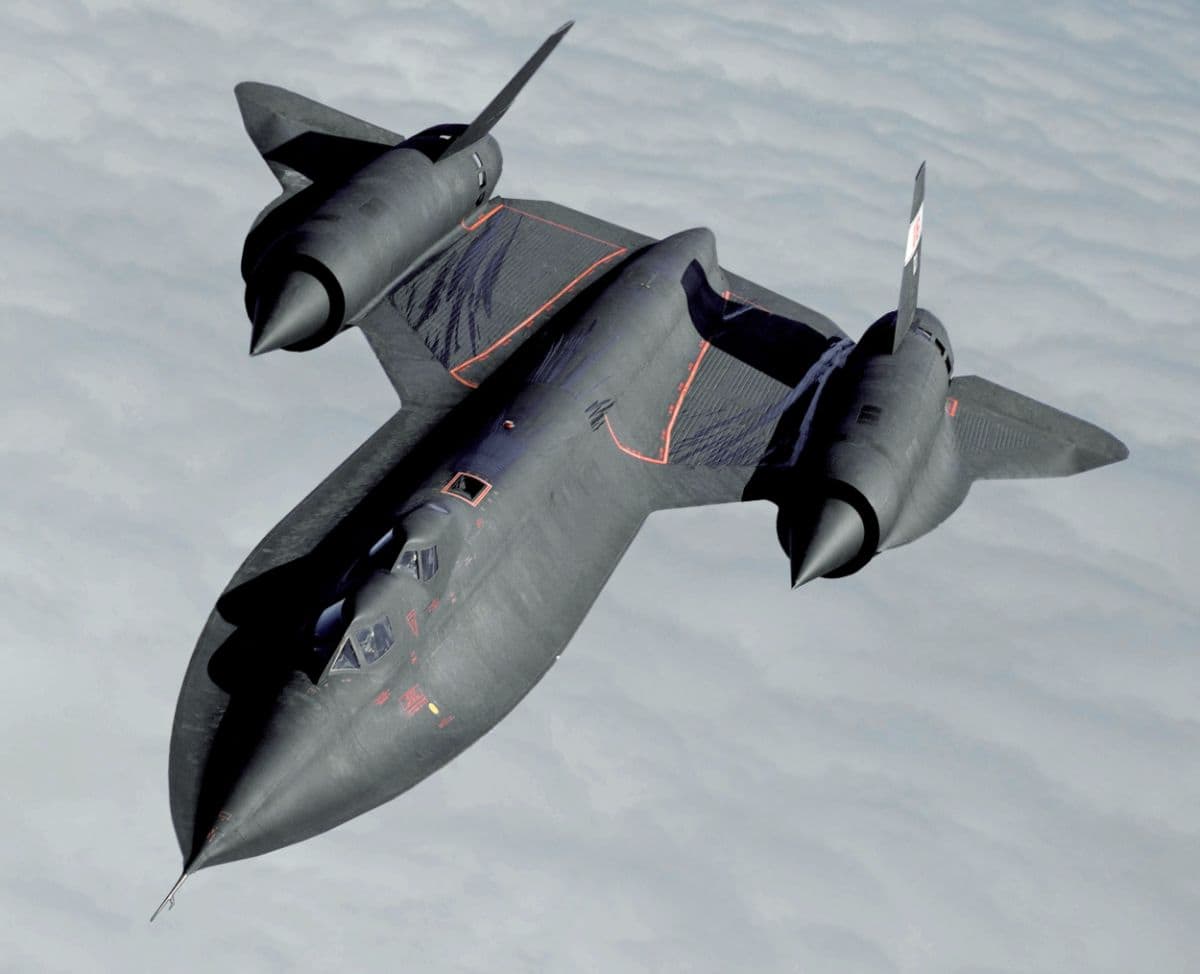

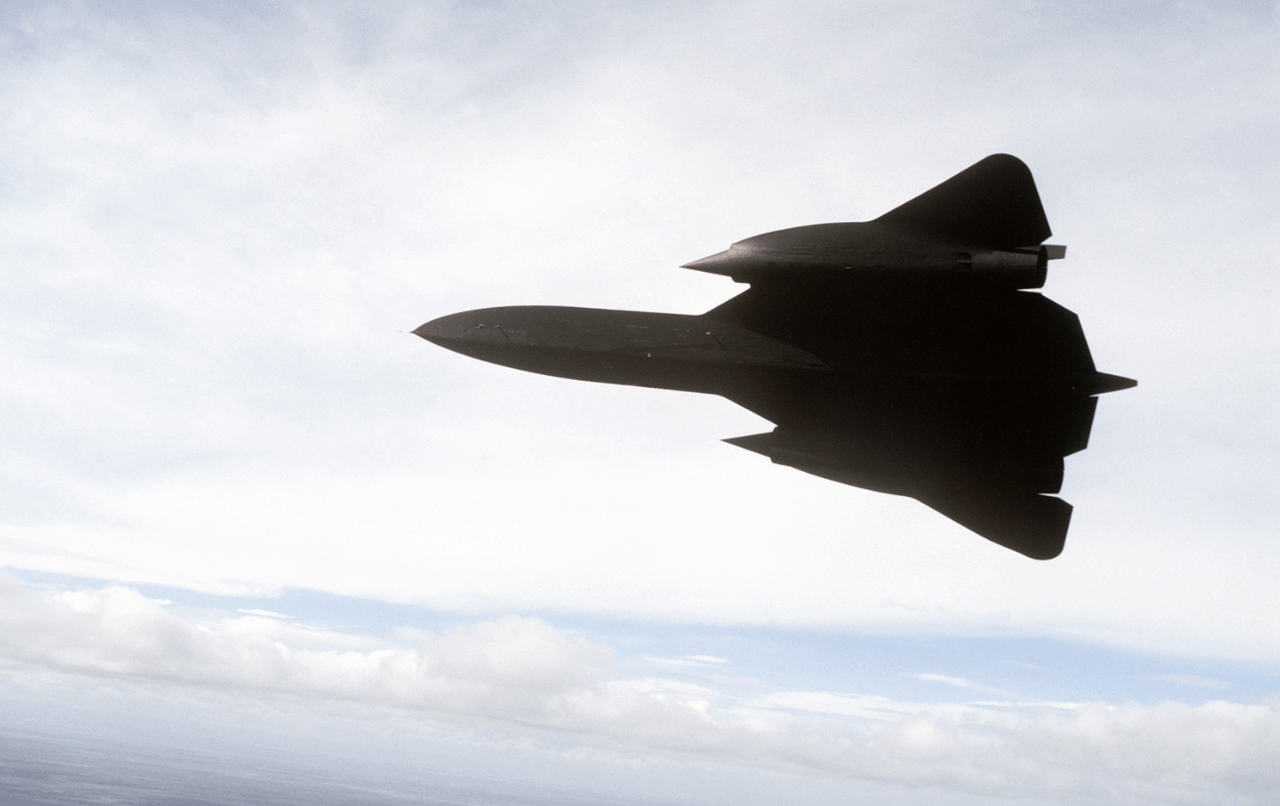
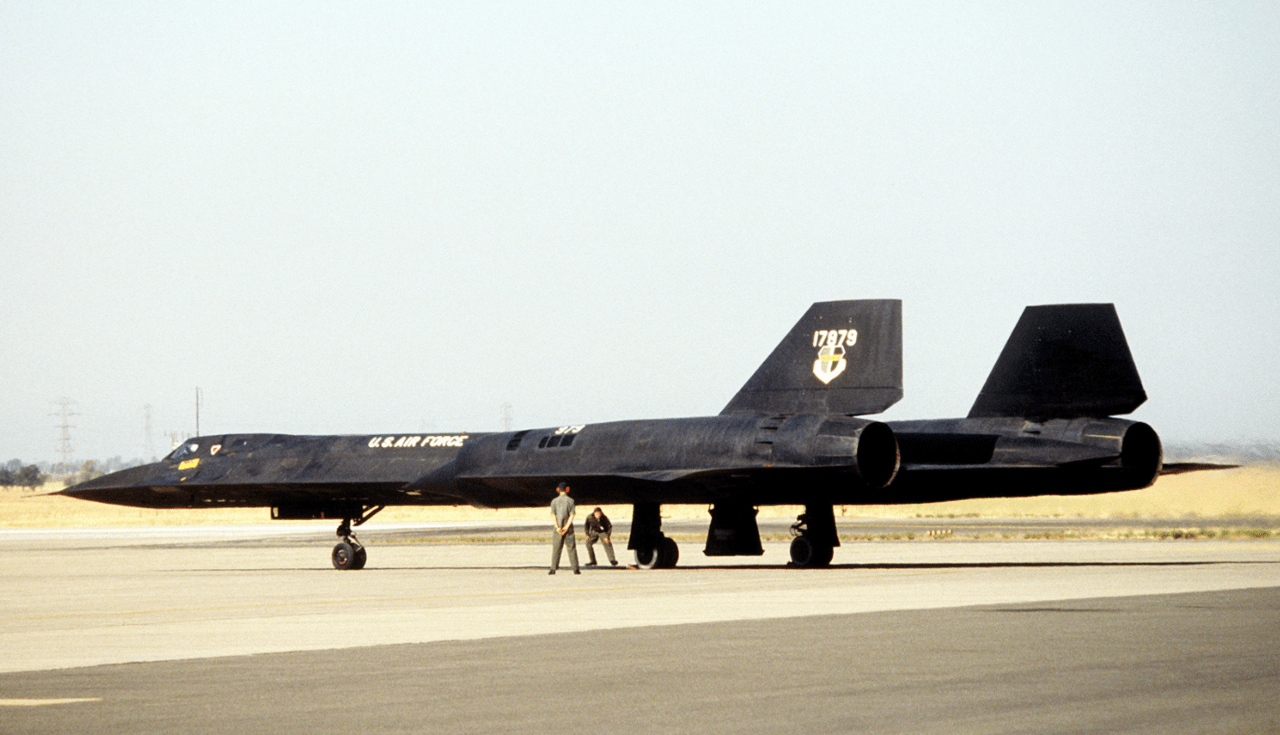

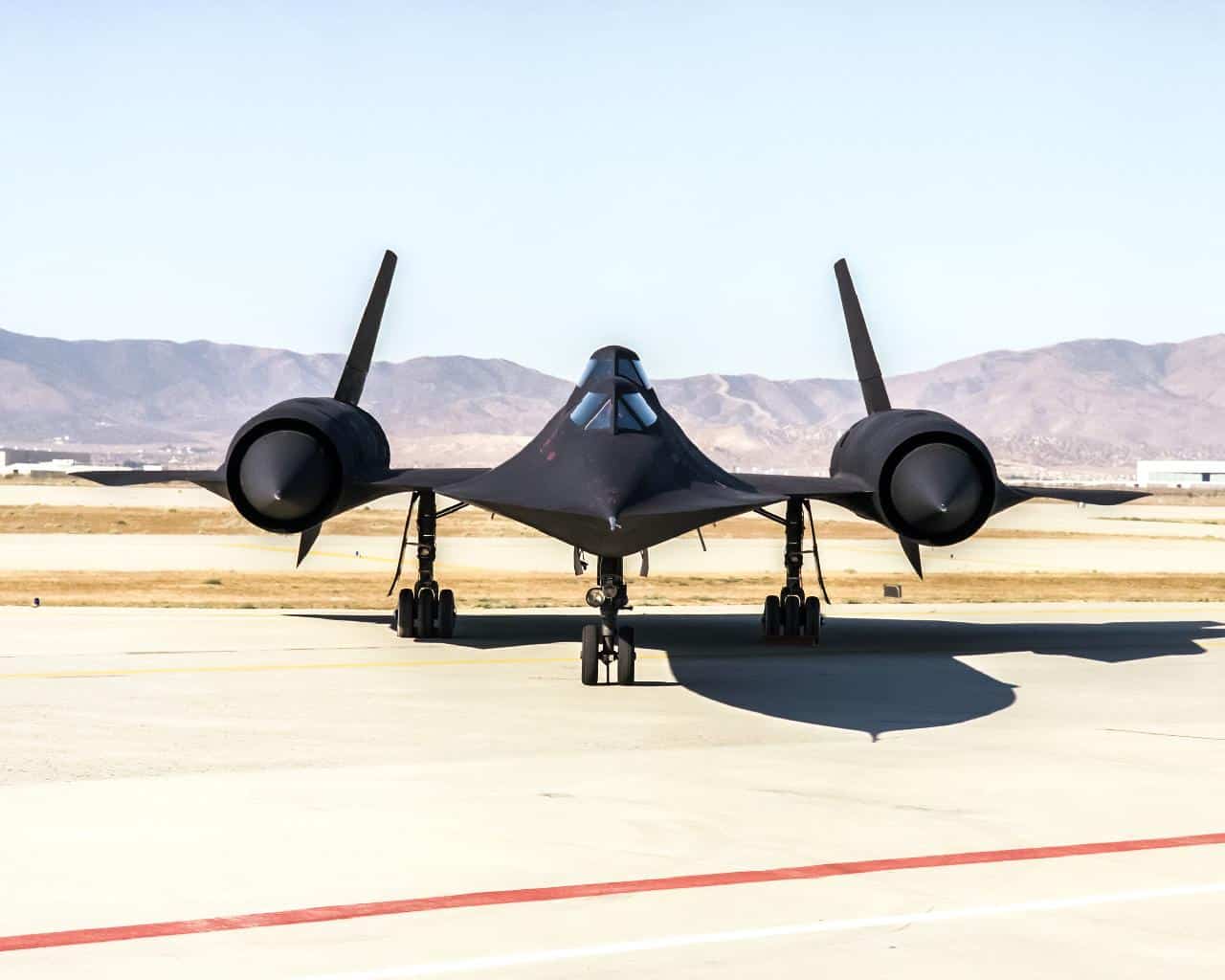
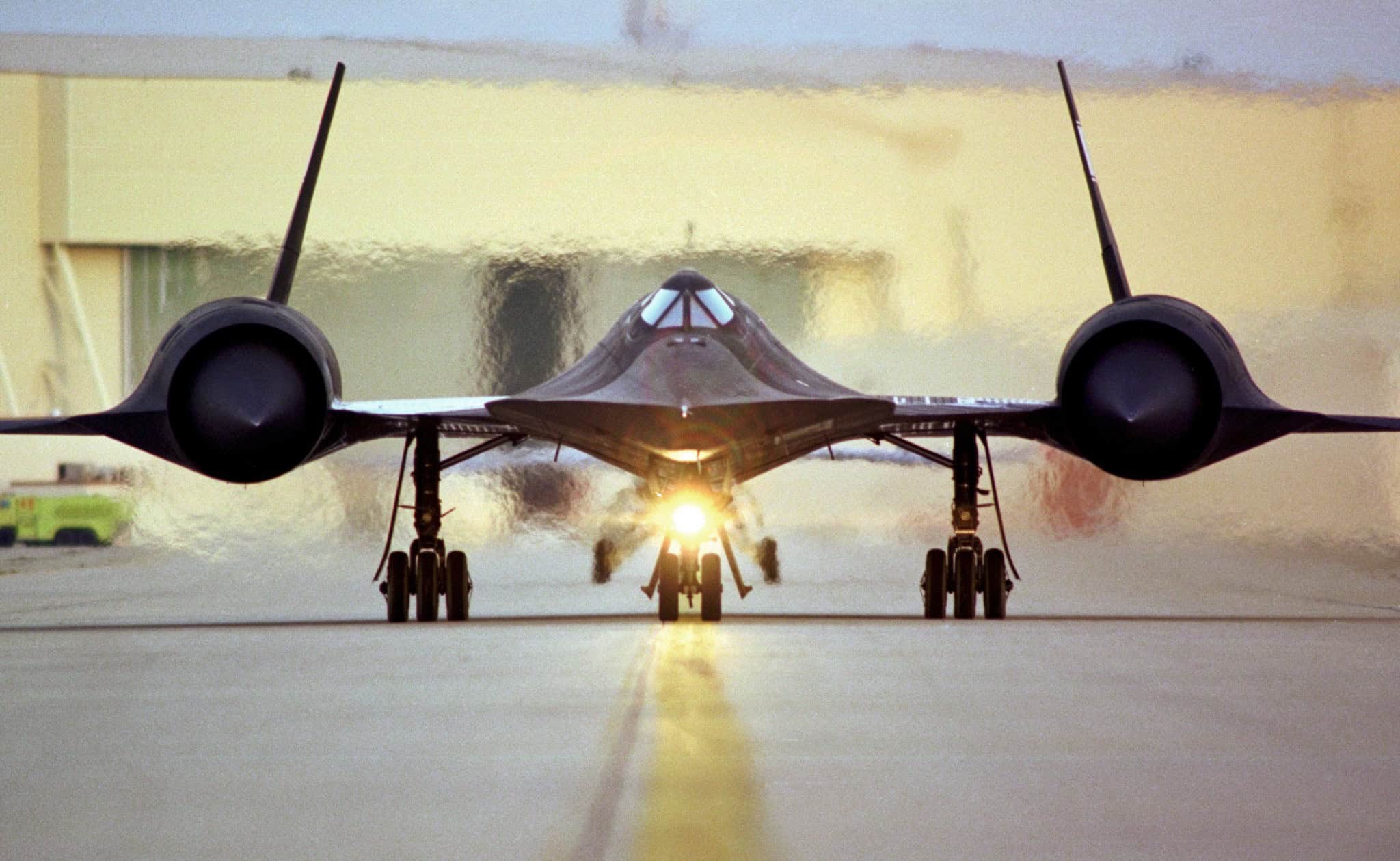

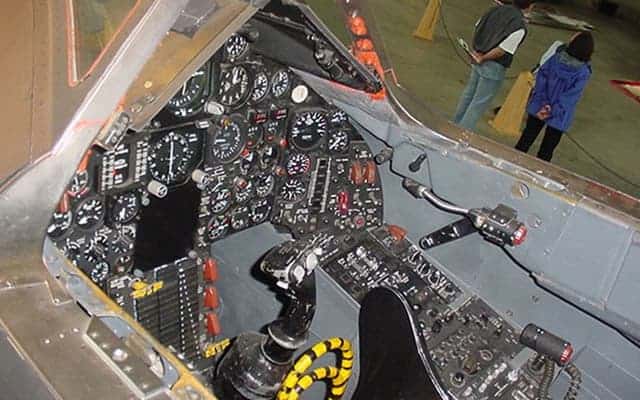
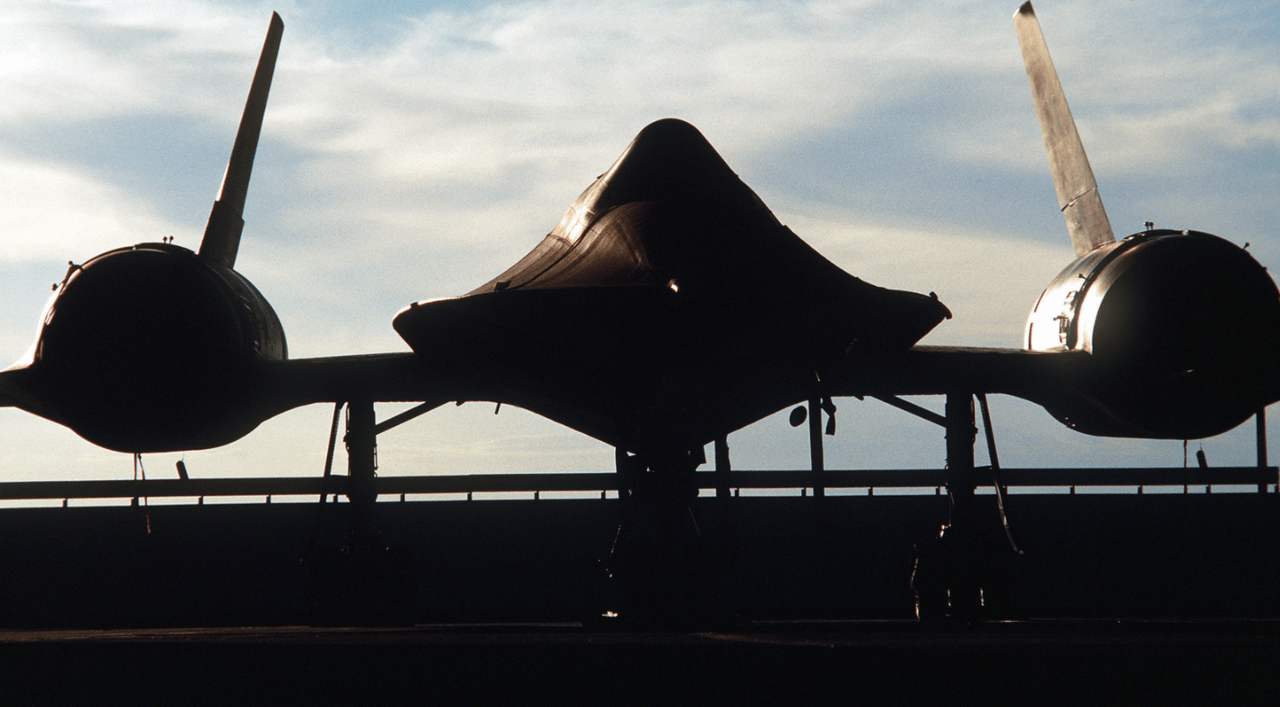

The Lockheed SR-71 Blackbird was a long-range strategic reconnaissance aircraft built to fly deep into hostile territory and avoid interception through speed and altitude alone. It photographed and listened from around 80,000 feet (24,400 m) at more than three times the speed of sound.
It was an American design, developed in secret by Lockheed’s Skunk Works under Clarence “Kelly” Johnson and flown by the U.S. Air Force. It first flew on December 22, 1964, entered service in January 1966, and made its final flight with NASA on October 9, 1999.
The SR-71 carried no weapons. Its defenses were speed, altitude, a jamming suite, and a standard response to any missile launch: accelerate away from it.
Only 32 were built. The full story of how the Blackbird came to exist is told in our SR-71 Blackbird history feature; this page covers the aircraft itself, what its numbers mean, who flew it, and what became of it.
The SR-71’s normal speed limit was Mach 3.2. That limit could be raised to Mach 3.3 if the air entering the engine compressors stayed at or below 801°F (427°C), so in practice the ceiling on its speed was set by temperature.
On July 28, 1976, SR-71 61-7958 set an absolute world speed record of 2,193.167 mph (3,529.6 km/h) over a straight course, roughly Mach 3.3. As of September 2026, no crewed air-breathing aircraft has officially beaten it.
The aircraft could go faster when it had to. It reached Mach 3.4 in flight testing, and pilot Maj. Brian Shul reported exceeding Mach 3.5 while evading a missile over Libya on April 15, 1986.
The “air-breathing” qualifier matters. The rocket-powered X-15 flew considerably faster, but it was a research aircraft launched from a bomber, and among operational jets nothing has matched the Blackbird, which is why it sits so high in our ranking of the fastest aircraft in the world.
The SR-71 did its work from around 80,000 feet (24,400 m), more than 15 miles (24 km) up. From that height a single aircraft could survey 100,000 square miles (259,000 km²) of the Earth’s surface in an hour.
On July 28, 1976, the same day as the speed record, Capt. Robert Helt flew SR-71 61-7962 to an absolute altitude record of 85,068.997 feet (25,929 m). The record is for sustained, horizontal flight, not a momentary peak.
Ordinary oxygen masks cannot supply enough oxygen above about 43,000 feet (13,100 m), so both crew members wore full pressure suits made by the David Clark Company. The Smithsonian compares them to the suits worn by astronauts.
The full specification table for the SR-71 is on this page. Several of its figures get quoted against other published numbers that do not match, usually because they describe a different aircraft state or come from a different source.
Weight is the clearest example. The panel carries the widely published maximum takeoff weight of 172,000 lb (78,000 kg), and the Smithsonian lists 170,000 lb (77,111 kg) for its aircraft.
The declassified flight manual is lower. It gives a loaded gross weight of roughly 135,000 to over 140,000 lb (61,200 to 63,500 kg), a zero-fuel weight of 56,500 to more than 60,000 lb, and a full-fuel weight of about 139,200 lb (63,100 kg) for the SR-71B trainer.
The Air Force museum’s 140,000 lb “loaded” figure matches the manual, and we found no primary document behind 172,000 lb. The manual’s range is the better guide to what a fully fueled SR-71 actually weighed.
It rarely left the ground that heavy. On a typical mission the SR-71 took off with a partial fuel load, to ease the strain on its brakes and tires and to make sure it could still get airborne if an engine failed, then filled up from a tanker.
Range works the same way. The panel’s 2,824 nm is the published ferry range, while the Air Force museum quotes “more than 2,900 statute miles,” or about 2,520 nm.
Neither number limited a real mission, because a typical reconnaissance flight could need several aerial refuelings. On April 26, 1971, Maj. Thomas Estes and Maj. Dewain Vick flew 61-7968 more than 15,000 miles (24,000 km) in 10 hours 30 minutes, earning the Mackay and Harmon trophies.
Thrust is the third. The panel’s 34,000 lbf (151 kN) per engine is the afterburning rating of the J58’s JT11D-20K version; the JT11D-20J, and the Air Force museum’s fact sheet, give 32,500 lbf (144.6 kN). Without afterburner, each engine produced 25,000 lbf (111 kN).
The last is speed. The panel’s 1,910 kt top speed is quoted at 80,000 feet, where it equals Mach 3.3, and because the speed of sound changes with air temperature, the same Mach number converts to a different mph figure at different altitudes and temperatures. That is why published SR-71 speeds rarely agree to the mile per hour.
At more than three times the speed of sound, air friction heats an aircraft’s skin to around 600°F (316°C), enough to badly weaken a conventional aluminum structure. Lockheed built the SR-71 largely from titanium, which made up 85% of its structure.
Titanium was hard to work and hard to get. At one point 80% of the titanium delivered for manufacture was rejected for contamination, and the CIA used dummy companies to buy Soviet-produced titanium without the Soviet Union’s knowledge.
The black paint that gave the aircraft its name was functional. It absorbed radar energy, radiated away some of the heat generated by friction, and camouflaged the aircraft against the dark sky at high altitude.
The SR-71 burned JP-7, a fuel so hard to ignite that the engines were started with triethylborane, a chemical that ignites on contact with air. It produced a characteristic green flame.
No fuel-sealing system could stay leak-free through the aircraft’s extreme temperature cycles, so the SR-71 leaked JP-7 on the ground before takeoff. It leaked again while refueling: slowing down to meet the tanker cooled the skin, and the panels over the fuel tanks contracted enough to let fuel escape.
The two Pratt & Whitney J58 engines were designed to run continuously in afterburner. According to the Smithsonian, the Blackbird achieved its best fuel mileage, measured in nautical miles per pound of fuel burned, during its Mach 3+ cruise.
A complex inlet with a movable centerbody spike kept supersonic shock waves out of the engines. When it failed, an inlet “unstart” could yaw the aircraft violently, so Lockheed later installed an electronic control that detected unstarts and reset the inlets automatically.
The SR-71 had two crew members: a pilot in the front cockpit and a reconnaissance systems officer (RSO) in the rear. Experience with the single-seat A-12 had convinced the Air Force that flying the aircraft safely required two people.
The RSO operated the aircraft’s monitoring and defensive systems. According to the Smithsonian, the electronic countermeasures suite could jam most acquisition and targeting radars.
Navigation relied on an astro-inertial system from Northrop’s Nortronics division, which corrected the drift of the inertial platform with star sightings taken through a solid quartz window.
The sensors included optical cameras such as the Itek KA-102A, a side-looking radar, and electronic intelligence equipment; later in its career the radar was replaced by Loral’s ASARS-1 synthetic aperture radar. The panel’s 3,500 lb (1,600 kg) payload is this mission equipment, not weapons.
The Blackbird exists because the U-2 became vulnerable. On May 1, 1960, Francis Gary Powers was shot down in a Lockheed U-2 over the Soviet Union, proving that altitude alone no longer protected a spy plane.
The CIA had already contracted Lockheed that February to build a dozen A-12s, a single-seat Mach 3 reconnaissance aircraft. The A-12 first flew at Groom Lake, Nevada, in April 1962, and flew its first operational sortie, over North Vietnam, on May 31, 1967.
The Air Force ordered an interceptor version, the YF-12A, of which three were built. Lockheed also proposed a “specific mission” version for post-nuclear-strike reconnaissance, and that became the SR-71, with a contract for the first six signed on December 28, 1962.
President Lyndon Johnson announced the aircraft publicly on July 25, 1964. Lockheed test pilot Bob Gilliland made the first flight at Palmdale, California, on December 22, 1964.
Lockheed built 32 SR-71s: 29 SR-71A reconnaissance aircraft, two SR-71B trainers and one SR-71C. The SR-71C was a hybrid trainer assembled from the rear of a wrecked YF-12A and the forward fuselage of an SR-71 static test airframe.
In February 1968 Lockheed was ordered to destroy the tooling used to build the A-12, YF-12 and SR-71. The CIA’s A-12s were retired that year after only one year of operational missions, and the Air Force’s SR-71s took over their work.
The first SR-71 to enter service was delivered to the 4200th (later 9th) Strategic Reconnaissance Wing at Beale Air Force Base, California, in January 1966. The 9th flew the type from Beale until 1990.
Operational missions began from Kadena Air Base, Okinawa. On March 21, 1968, Maj. Jerome O’Malley and Maj. Edward Payne flew the first operational SR-71 sortie, over Vietnam, in 61-7976, the aircraft now displayed at the National Museum of the U.S. Air Force.
On Okinawa the aircraft and their crews picked up the nickname “Habu,” after a pit viper native to Japan that the Okinawans thought the aircraft resembled.
From 1976 the Air Force also flew SR-71s from RAF Mildenhall in England, and from 1982 two aircraft were based there. Those missions ran along the Soviet Union’s Baltic and Barents Sea coastlines and up the Kola Peninsula, home of the Soviet Northern Fleet.
The Smithsonian credits Blackbird crews with important intelligence on the 1973 Yom Kippur War, the Israeli invasion of Lebanon, and the 1986 American raid on Libya. In 1987, Kadena-based crews revealed Iranian Silkworm missile batteries threatening shipping in the Persian Gulf.
Soviet fighters had little chance of catching it. At sustained speeds above Mach 3.2 the SR-71 outran the MiG-25 Foxbat, which could sustain Mach 2.83, reached Mach 3.2 only in an emergency that left its engines needing repair or replacement, and could not reach the SR-71’s altitude.
Sweden watched the Baltic flights closely. Out of 322 recorded Baltic sorties between 1977 and 1988, the Swedish Air Force claims its Viggen pilots achieved a missile lock on the SR-71 in 51.
In June 1987 the relationship turned protective. When 61-7964 suffered an engine failure and dropped into Swedish airspace, Swedish Viggens intercepted it and escorted it clear of potential Soviet threats, and four of those pilots received U.S. Air Medals more than 30 years later.
Yes, and that was its defense. When a surface-to-air missile launch was detected, the standard evasive action was to accelerate and outpace the missile.
During the Vietnam War, North Vietnam fired approximately 800 surface-to-air missiles at SR-71s, and none scored a hit. A widely repeated estimate puts the total fired at the aircraft over its career at more than 4,000; we found no primary document behind that figure, so treat it as an estimate.
What is believed to be the first missile shot at an SR-71 came on July 26, 1968, over North Vietnam. RSO Maj. Jerry Crew later described switching off his jammer after the launch warning so the missile could not home on its signal; two missiles had been fired, and neither hit.
It was not untouchable. Pilots reported that missiles launched without radar guidance, which gave no launch warning, passed as close as 150 yards (137 m).
Even so, no SR-71 was ever lost to enemy action.
Twelve of the 32 SR-71s were destroyed in accidents, and none was lost to enemy action. Eleven of those accidents happened between 1966 and 1972.
The first loss came on January 25, 1966, when 61-7952 broke up at Mach 3 near Tucumcari, New Mexico. Two aircraft were lost on missions from Kadena, in 1970 and 1972, both to mechanical malfunctions.
The last loss was 61-7974, destroyed by an engine explosion after taking off from Kadena on April 21, 1989.
Only one crew member was killed in an SR-71 flight accident: Jim Zwayer, a Lockheed flight-test reconnaissance and navigation systems specialist. Every other crew member ejected safely or got out of the aircraft on the ground.
On September 1, 1974, pilot James Sullivan and RSO Noel Widdifield flew from New York to London in 1 hour 54 minutes 56.4 seconds, averaging 1,806.964 mph (2,908 km/h) over 3,461.53 miles (5,571 km). The record still stands.
The absolute speed and altitude records described above were both set on July 28, 1976, by two different aircraft: 61-7958 for speed and 61-7962 for altitude.
The last Air Force flight added four more. On March 6, 1990, Lt. Col. Ed Yeilding and RSO Lt. Col. Joseph Vida flew 61-7972 from Los Angeles to Washington, D.C., in 64 minutes 20 seconds at an average of 2,144.8 mph (3,452 km/h), then handed it to the Smithsonian at Dulles.
The same flight set coast-to-coast, Kansas City to Washington and St. Louis to Cincinnati records, the last covering 311.4 miles (501 km) in 8 minutes 32 seconds. All four were accepted by the National Aeronautic Association.
The Air Force told Congress the SR-71 was too expensive to build and maintain, and that it had been made redundant by other reconnaissance methods such as satellites and unmanned aircraft.
Dick Cheney told the Senate Appropriations Committee that the aircraft cost $85,000 per hour to operate. Opponents put its support cost at $400 million to $700 million a year, though the real figure was closer to $300 million.
Satellites had limits the Blackbird did not. A reconnaissance satellite can take up to 24 hours to reach the right orbit to photograph a target, and its passes can be predicted, giving the other side time to hide what it wants hidden.
The Air Force program was officially terminated on November 22, 1989, and the Air Force retired its SR-71 fleet on January 26, 1990.
It came back briefly. On September 28, 1994, Congress voted $100 million to reactivate three SR-71s; the funding was later cut to $72.5 million, and the Skunk Works returned the aircraft to service for $72 million.
The first reactivated SR-71 rejoined the Air Force on June 28, 1995, with Detachment 2 at Edwards Air Force Base, California. In October 1997, President Bill Clinton attempted to use the line-item veto to cancel the $39 million allocated for the program.
The Supreme Court ruled the line-item veto unconstitutional in June 1998, which left the SR-71’s status uncertain. In September 1998 the Air Force asked for the funds to be redistributed and retired the SR-71 for good.
NASA flew the last of them. It used two SR-71As and the SR-71B trainer for high-speed research, and NASA engineer Marta Bohn-Meyer became the first woman to crew an SR-71 in October 1991.
On October 9, 1999, research pilot Rogers Smith and flight test engineer Robert Meyer Jr. flew 61-7980, NASA 844, at Edwards Air Force Base. It was the last SR-71 built, and that flight was the last any Blackbird has made.
Each SR-71 cost about $34 million to build, according to IWM Duxford, which displays one of the survivors. The sources we checked do not state which year’s dollars that figure is in.
The program behind it was far larger. The CIA’s February 1960 contract for a dozen A-12s was worth $96 million on its own, and by the retirement debate of 1989 the SR-71’s support cost was around $300 million a year.
No SR-71 can be bought or flown today. The type has not flown since October 1999, and the surviving airframes are museum and static display pieces.
Most of the surviving SR-71s are on display. These are some of the most significant:
Nothing like-for-like. Since its retirement, the SR-71’s role has been taken up by a combination of reconnaissance satellites and unmanned aerial vehicles.
Lockheed Martin’s proposed successor is the SR-72, an uncrewed hypersonic design first reported in November 2013 as a Mach 6 aircraft. As of September 2026 it remains a concept with no publicly confirmed flight; see our guide to the fastest hypersonic aircraft for the wider field.
It is still the fastest crewed air-breathing aircraft. Its absolute speed record of 2,193.167 mph (3,529.6 km/h), set on July 28, 1976, had not been officially beaten as of September 2026. The rocket-powered X-15 research aircraft flew faster, but rocket aircraft are not air-breathing and are counted separately.
None. The last flight of any SR-71 took place on October 9, 1999, when NASA flew 61-7980 (NASA 844) at Edwards Air Force Base. The surviving aircraft are museum exhibits.
Yes. The standard response to a missile launch was to accelerate and outpace it, and North Vietnam alone fired about 800 surface-to-air missiles at SR-71s without a hit. No SR-71 was ever lost to enemy action, though missiles launched without radar guidance passed as close as 150 yards (137 m).
Twelve of the 32 built were destroyed in accidents, eleven of them between 1966 and 1972. None was lost to enemy action, and only one crew member, Lockheed specialist Jim Zwayer, was killed.
Lockheed built 32: 29 SR-71A reconnaissance aircraft, two SR-71B trainers and one SR-71C hybrid trainer. The related A-12 and YF-12A were separate aircraft and are not part of that total.
Lockheed signed the contract for the first six SR-71s on December 28, 1962, and the first aircraft flew on December 22, 1964. The SR-71 entered Air Force service in January 1966, and in February 1968 Lockheed was ordered to destroy the production tooling.
It worked at around 80,000 feet (24,400 m), and on July 28, 1976, an SR-71 set an absolute altitude record in horizontal flight of 85,068.997 feet (25,929 m). That is more than 16 miles (26 km) above the ground.
About $34 million per aircraft, according to IWM Duxford, which does not state the year of that figure. It was expensive to run as well: Dick Cheney told the Senate Appropriations Committee it cost $85,000 per hour to operate.
The United States. It was designed and built by Lockheed’s Skunk Works in California and flown by the U.S. Air Force, with NASA operating the final examples for research.
The Air Force told Congress it was too expensive to operate and had been made redundant by satellites and unmanned aircraft. It retired the fleet on January 26, 1990, brought three back from 1995, and retired the type for good in 1998; NASA flew the last two until 1999.
Sources and references used for research and fact-checking.