
Military Aircraft
The regional jet transformed into an airborne command center
The latest aviation news and stories sent to your inbox.
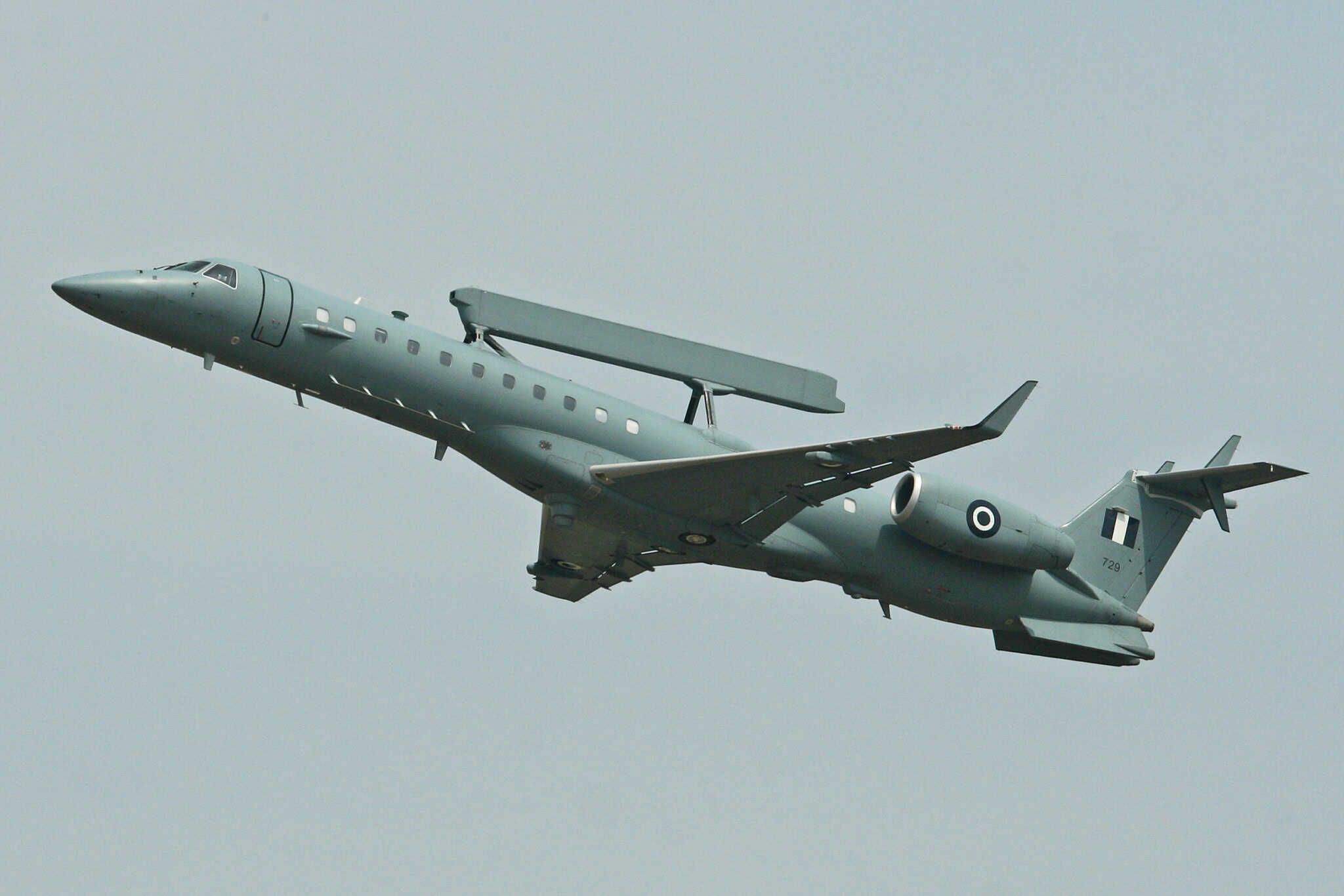
The Embraer R-99, also known internationally as the EMB 145 AEW, adapts a commercial regional jet into a compact airborne early warning and surveillance platform. Developed to provide advanced radar coverage and command capability in a smaller, more economical airframe, it has become one of the most recognizable jet-based AEW systems outside the superpower fleets. Its flexibility has allowed it to serve in both military air defense and specialized monitoring roles.

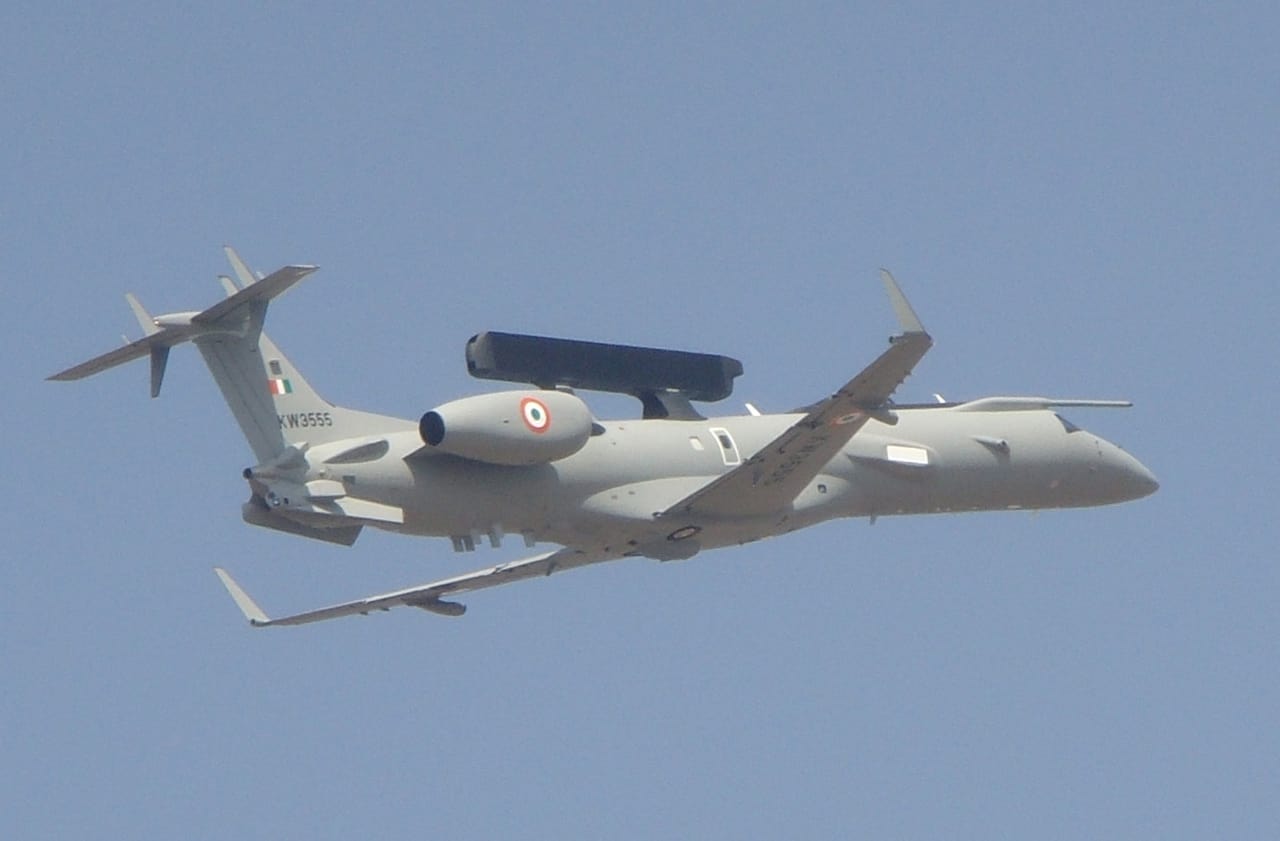





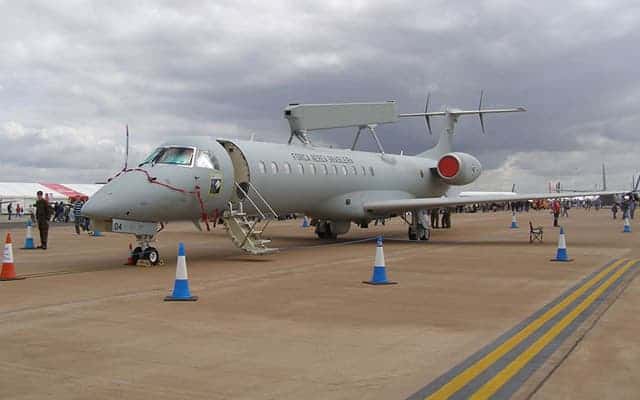

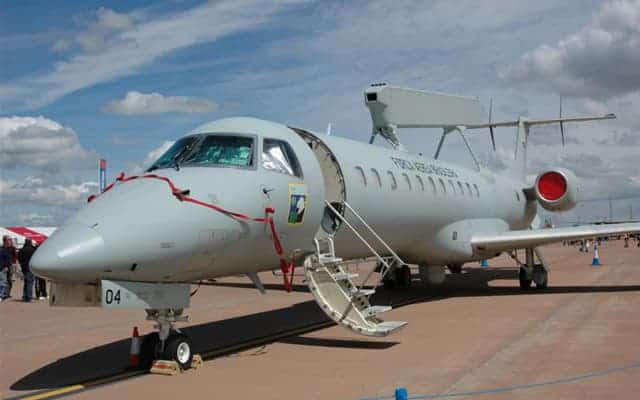



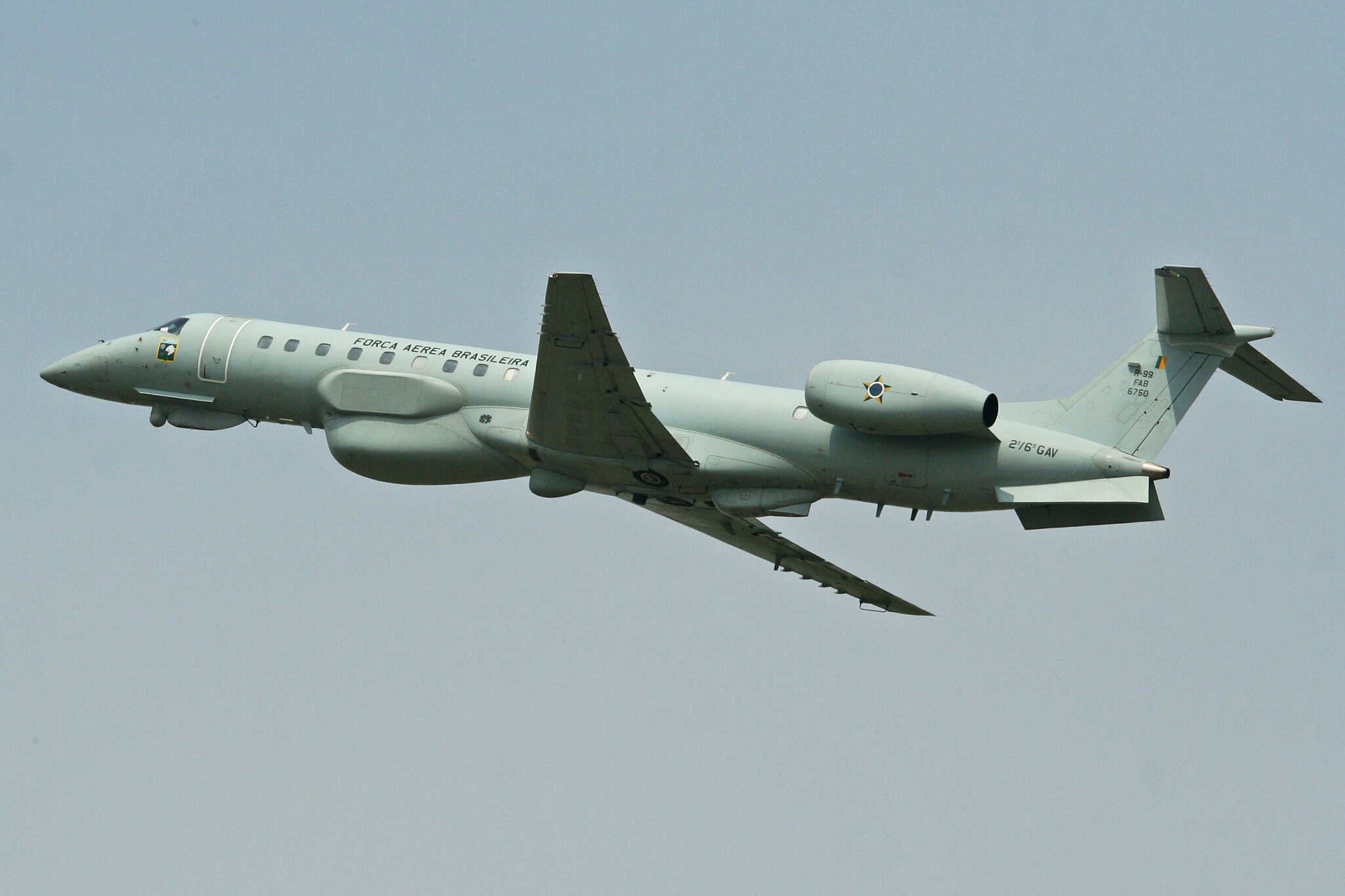
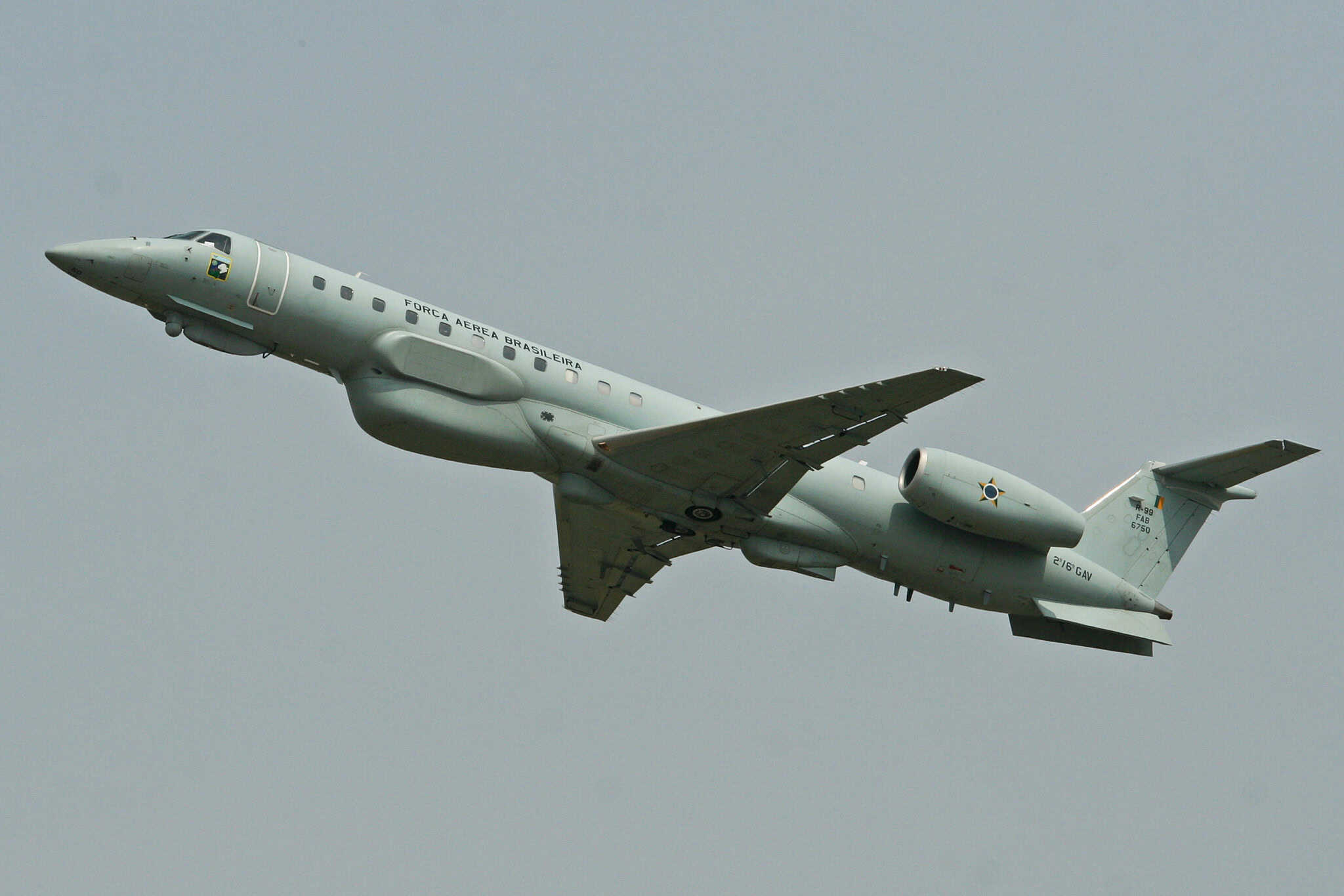


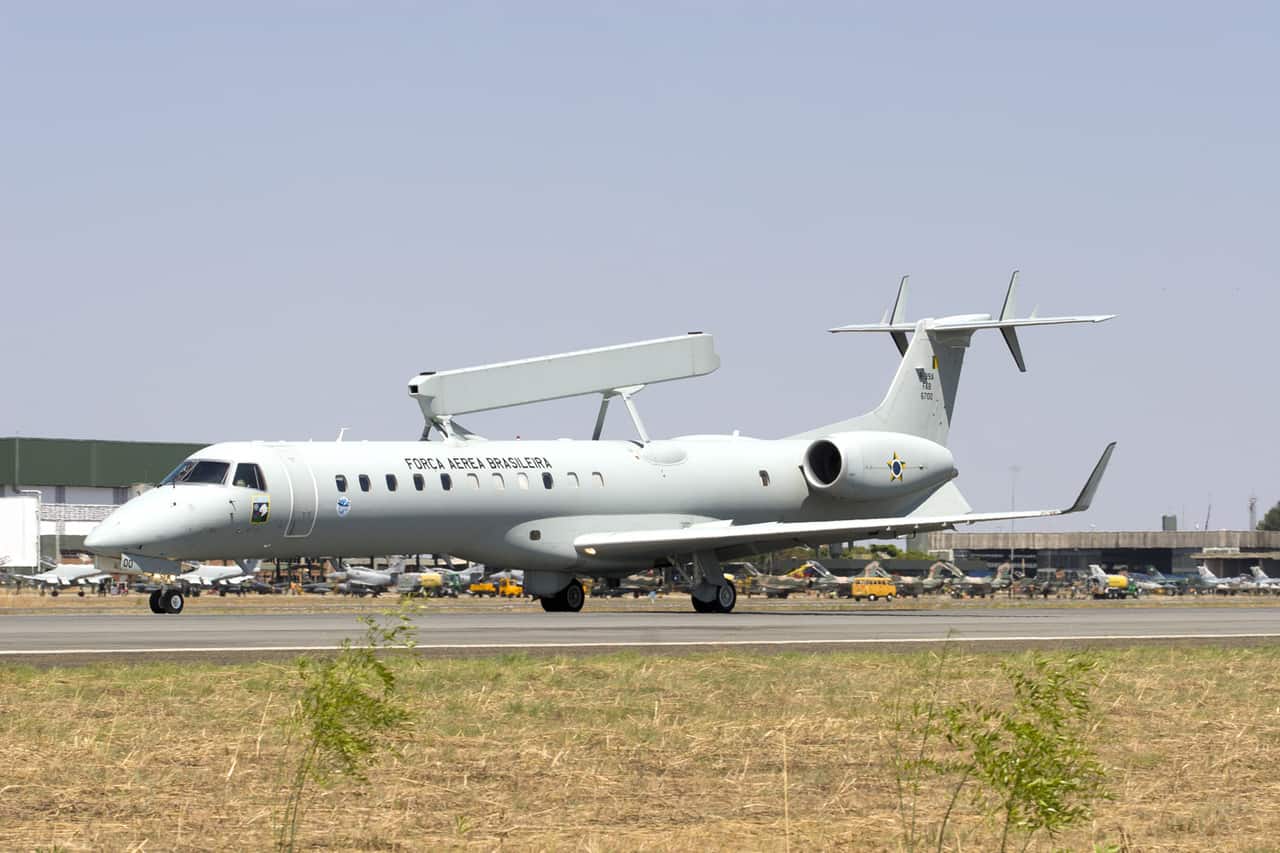


The Embraer R-99 is a military derivative of the ERJ 145 regional jet, developed in the late 1990s to meet Brazil’s requirement for an airborne early warning and control aircraft. The program resulted in multiple mission variants, collectively known under the R-99 designation in Brazilian service and marketed internationally as the EMB 145 AEW or EMB 145 AEW&C.
The most prominent version, often referred to as the R-99A, is equipped with a dorsal radar array mounted above the fuselage. This radar system provides wide-area surveillance of airborne targets and supports command and control operations. Inside the cabin, operator consoles allow mission crews to monitor airspace activity, coordinate intercepts, and manage tactical information in real time.
A second major variant, commonly known as the R-99B, was configured for remote sensing and ground surveillance. This version supports environmental monitoring, border patrol, and reconnaissance missions through specialized sensors and data systems.
Powered by two Rolls-Royce AE 3007 turbofan engines, the aircraft combines jet cruise speed with relatively efficient operating costs. Its range and endurance allow extended patrol missions while operating from standard airfields without the infrastructure demands of larger airborne warning aircraft.
Exported to several countries, the R-99 family demonstrates how a commercial regional jet platform can be successfully adapted for advanced military surveillance roles. Its balance of capability, cost, and flexibility has made it a significant player in the global airborne early warning market.
Sources and references used for research and fact-checking.