Military Aircraft
Rockwell B-1B Lancer
ICAO: B1
The twinjet trainer built for multi-engine and tanker pilot training.
The latest aviation news and stories sent to your inbox.
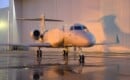
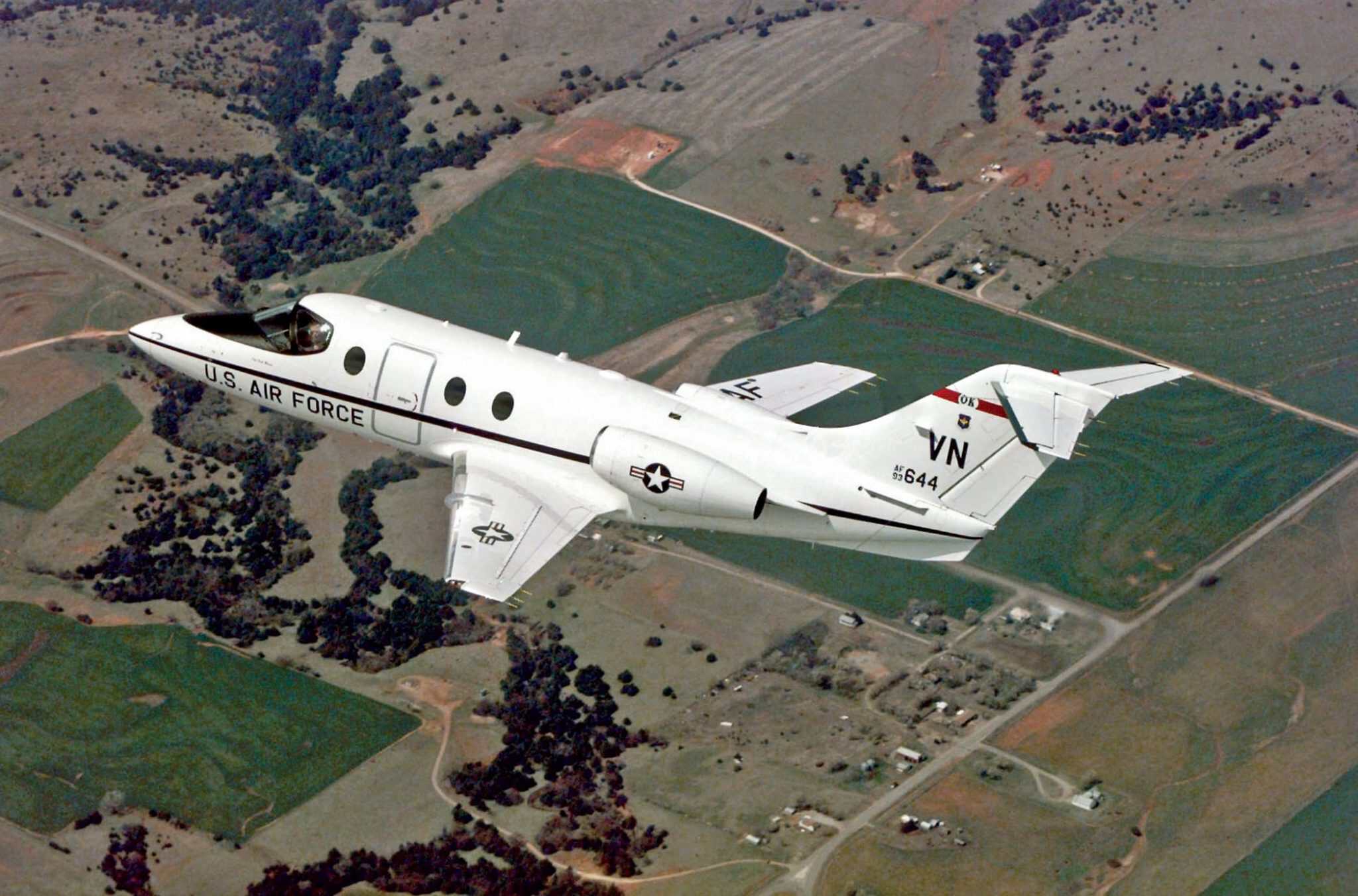
The Raytheon T-1 Jayhawk is a military training aircraft based on the Beechjet 400A. Introduced in the early 1990s, it is used to train U.S. Air Force pilots for multi-engine and tanker aircraft. The aircraft remains in service as a training platform.
Live Fleet Activity (BE40)
Fetching live data…


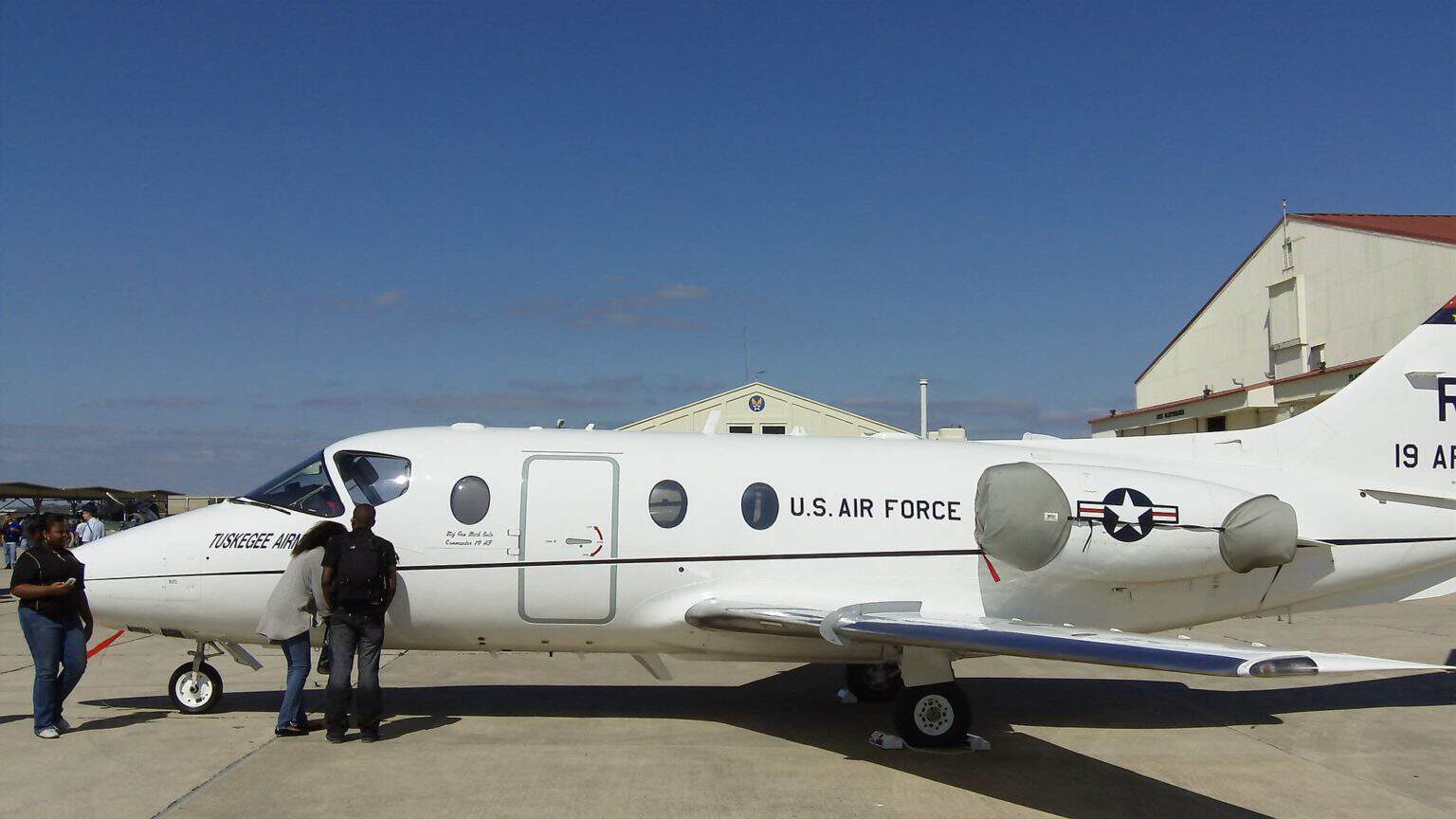
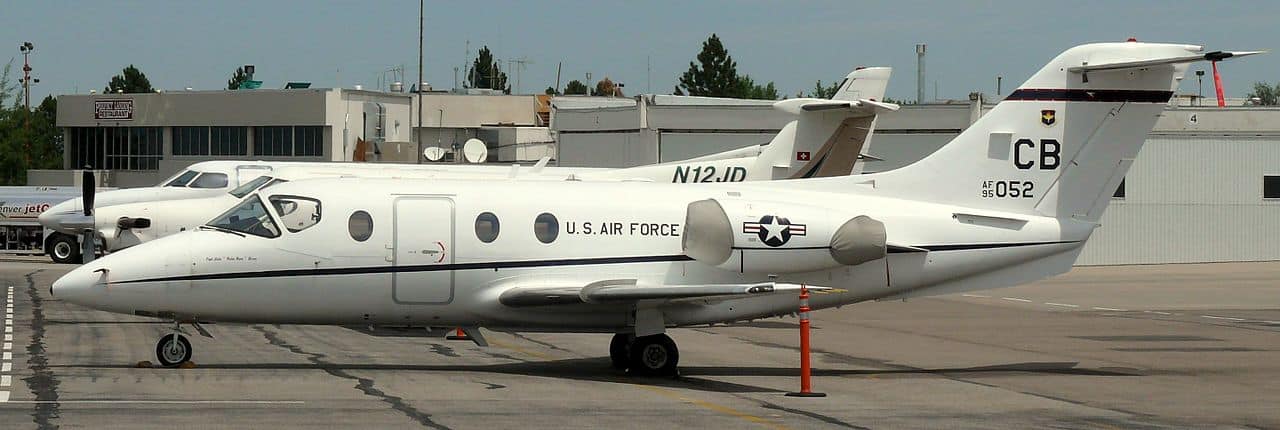
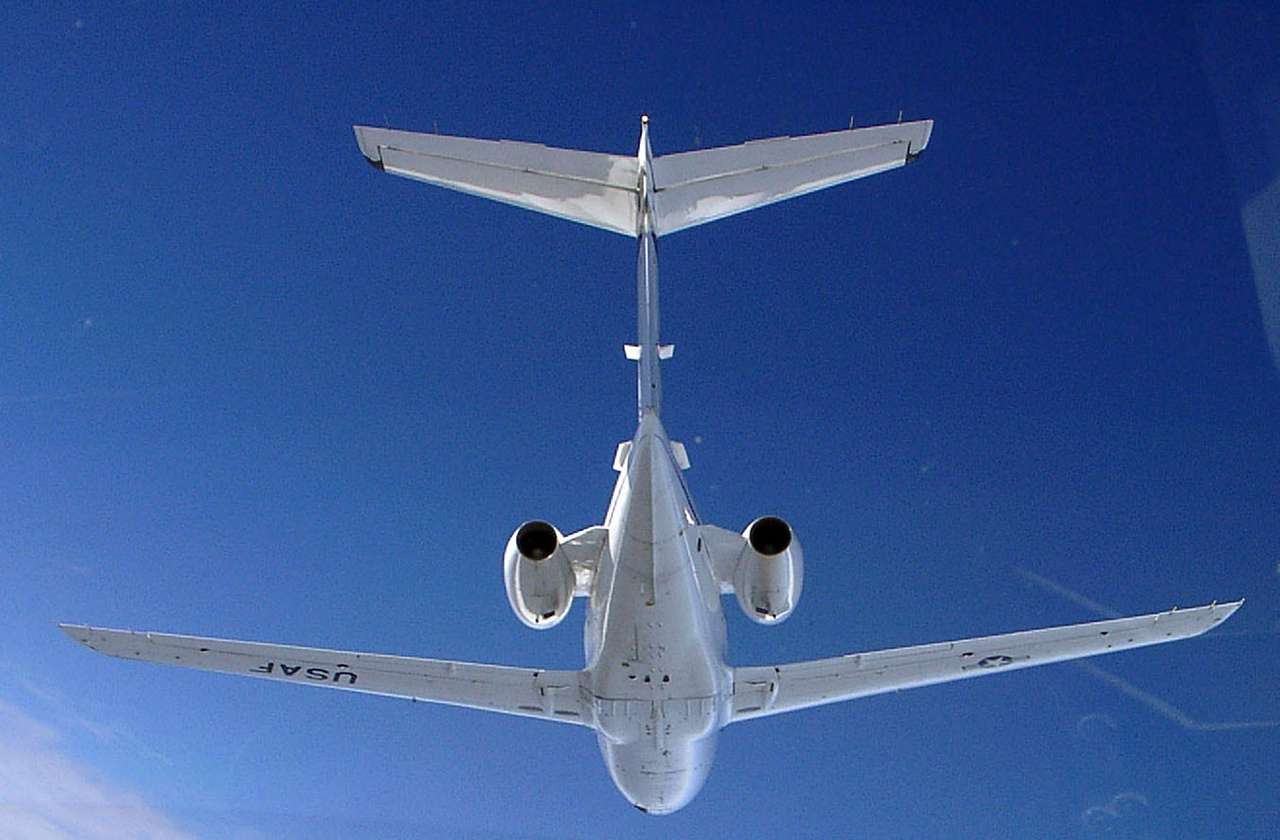
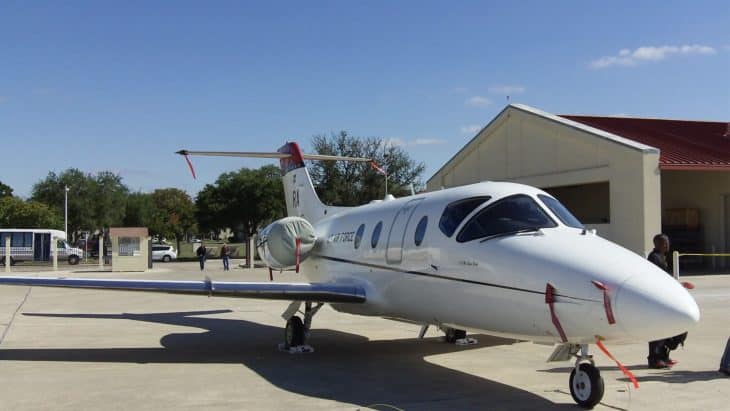
The T-1 first flew in 1991 and entered service in 1992. Derived from the Beechjet 400A business jet, it was adapted for military pilot training. The aircraft features a low-mounted swept wing and rear-mounted engines typical of light business jets.
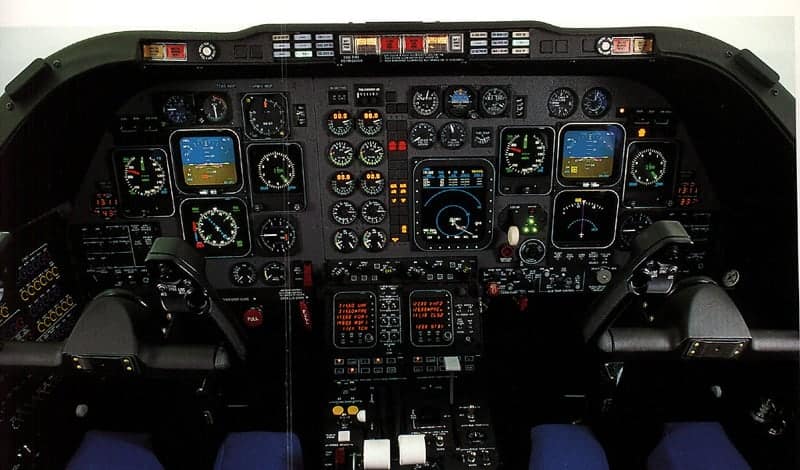
Powered by two Pratt & Whitney Canada JT15D turbofan engines producing approximately 2,900 pounds of thrust (12.9 kN) each, the T-1 cruises at around 400 knots (741 km/h). Maximum takeoff weight exceeds 16,000 pounds (7,257 kg). The cockpit is configured for instructor and student training operations.
The T-1 Jayhawk prepares pilots for larger multi-engine aircraft such as tankers and transports. It has served for decades in advanced flight training. The aircraft remains a core component of U.S. Air Force pilot development programs.
Sources and references used for research and fact-checking.