Mid Size Helicopters
Bell 214
ICAO: B214
The utility helicopter built for Canadian multi-mission operations.

The latest aviation news and stories sent to your inbox.
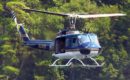
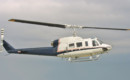
The Bell CH-146 Griffon is a military utility helicopter operated by the Royal Canadian Air Force. Based on the Bell 412 platform, it performs transport, reconnaissance, and support missions. The aircraft entered Canadian service in the mid-1990s. The Griffon can be used in search and rescue missions, tactical transport of troops, medical evacuation, disaster relief efforts and more.
Live Fleet Activity (B142)
Fetching live data…
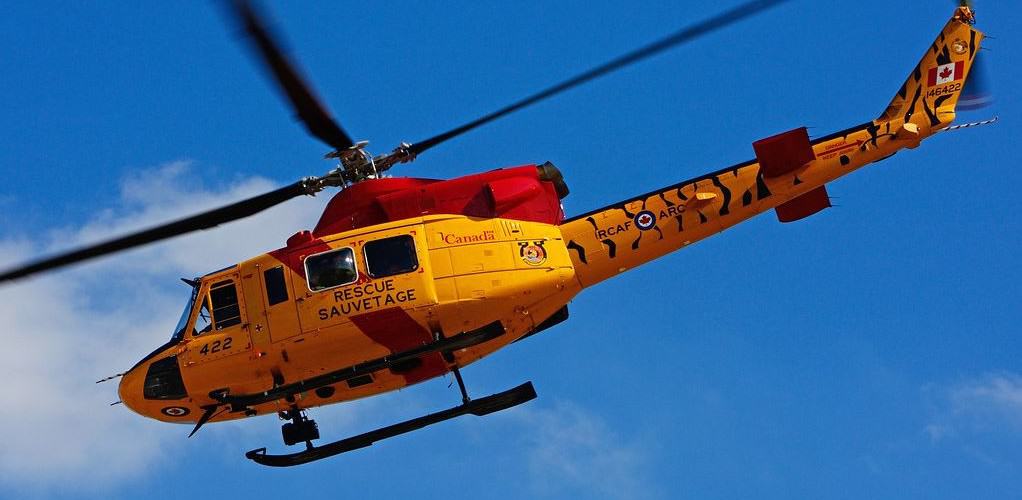
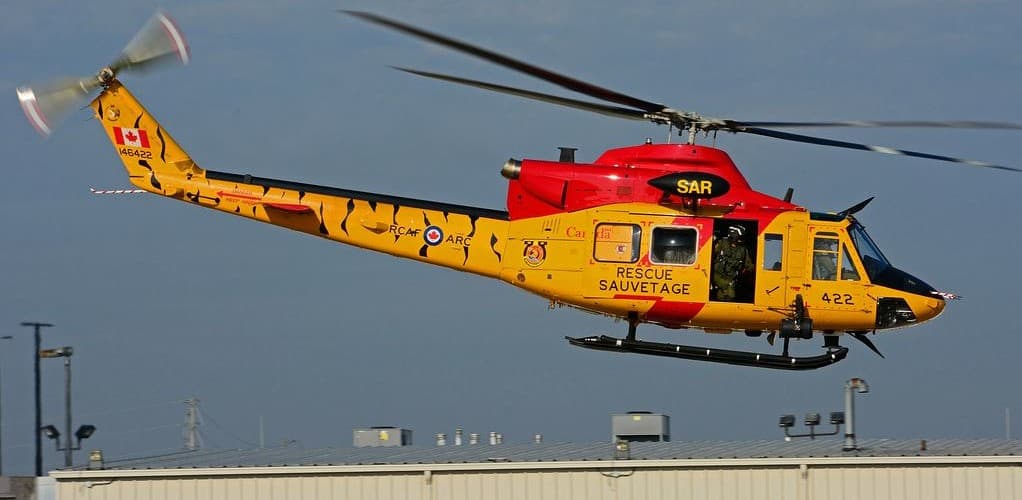
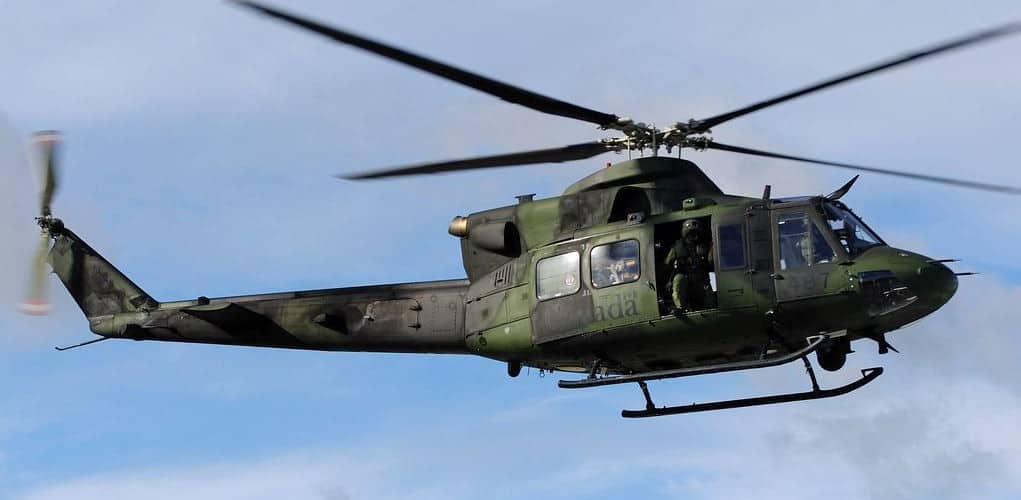
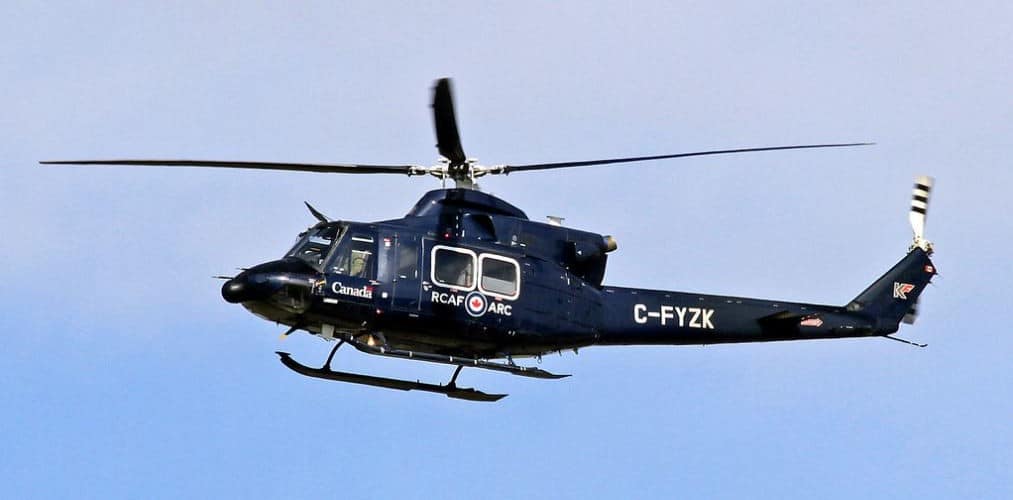
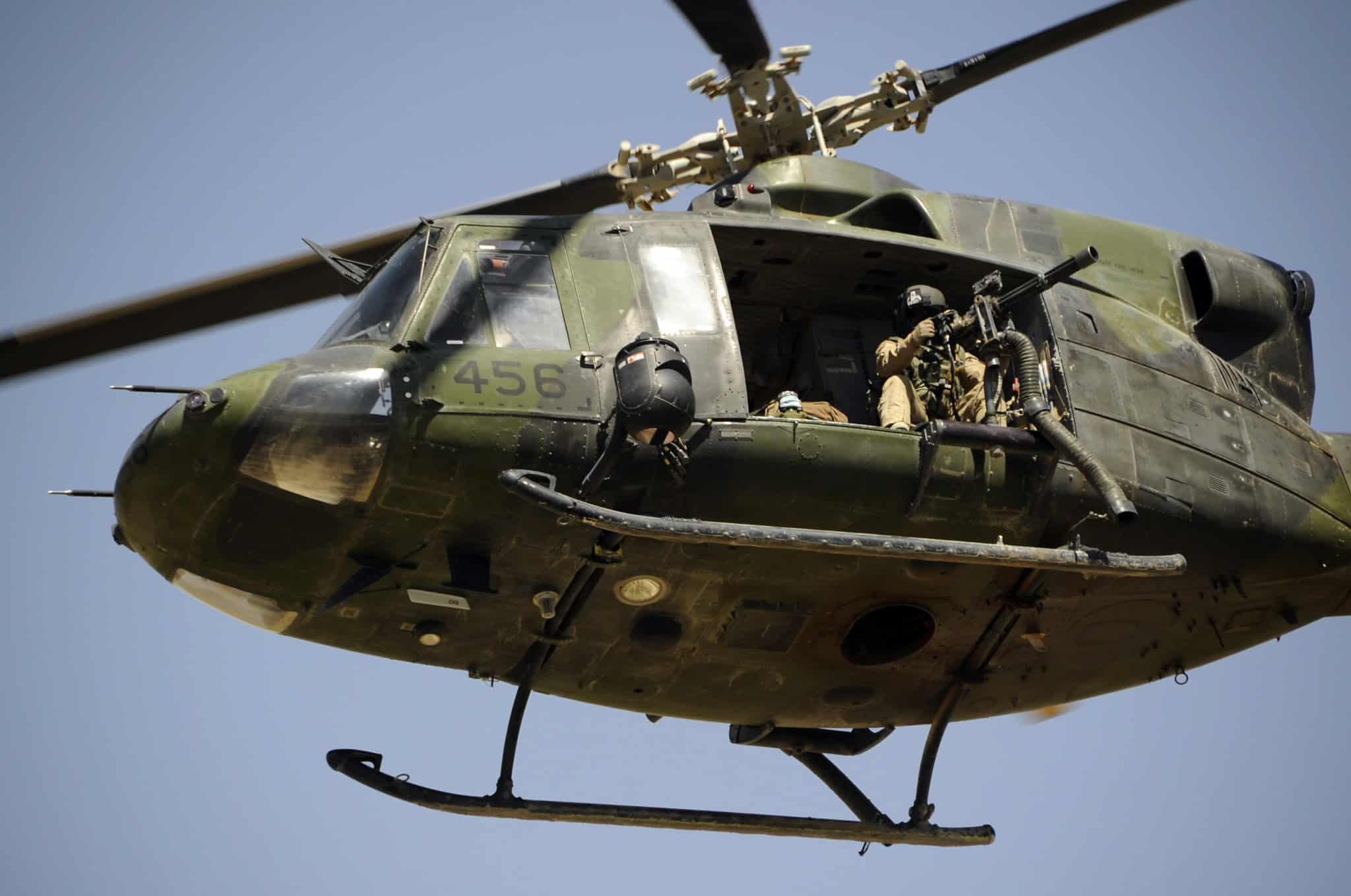


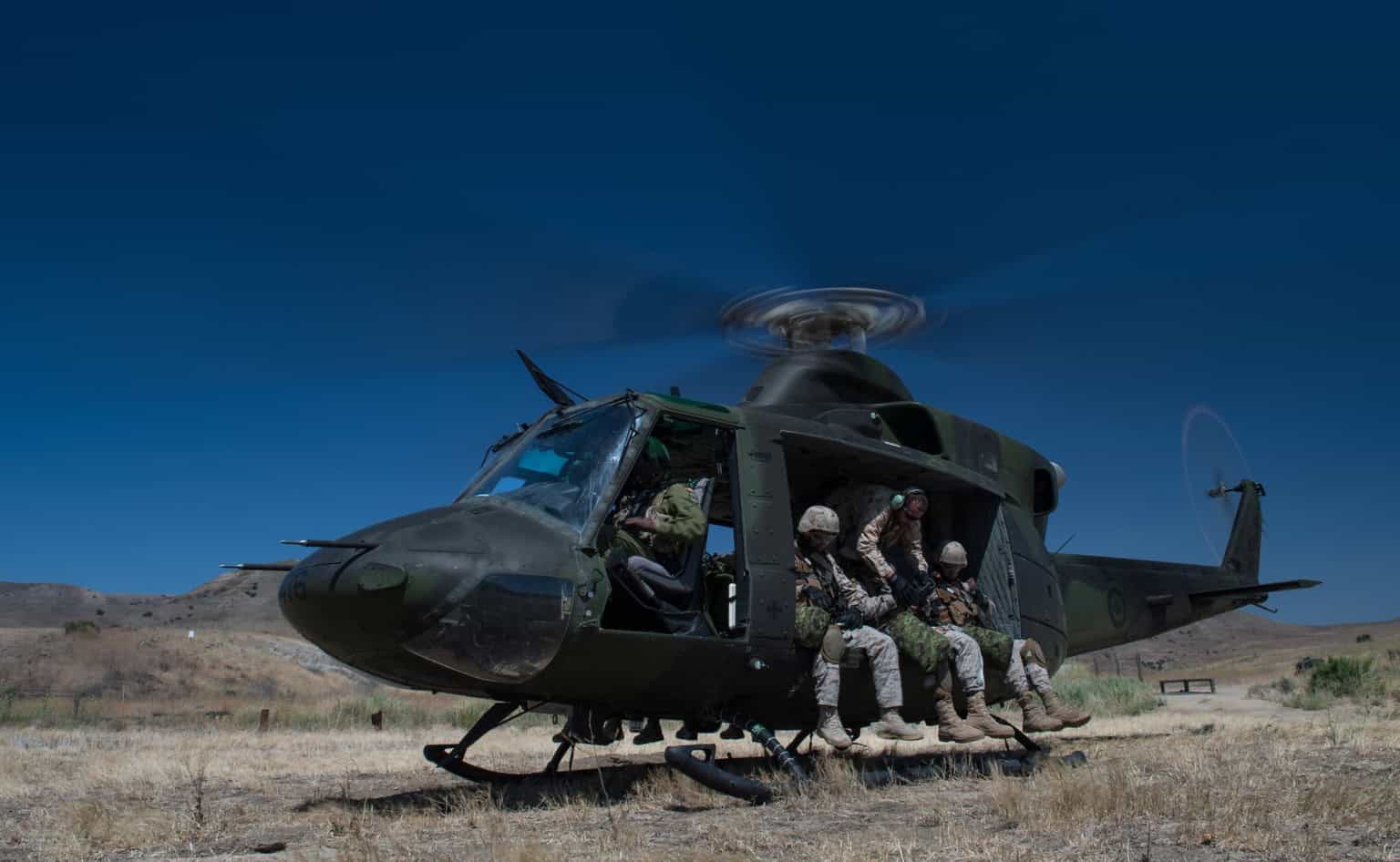
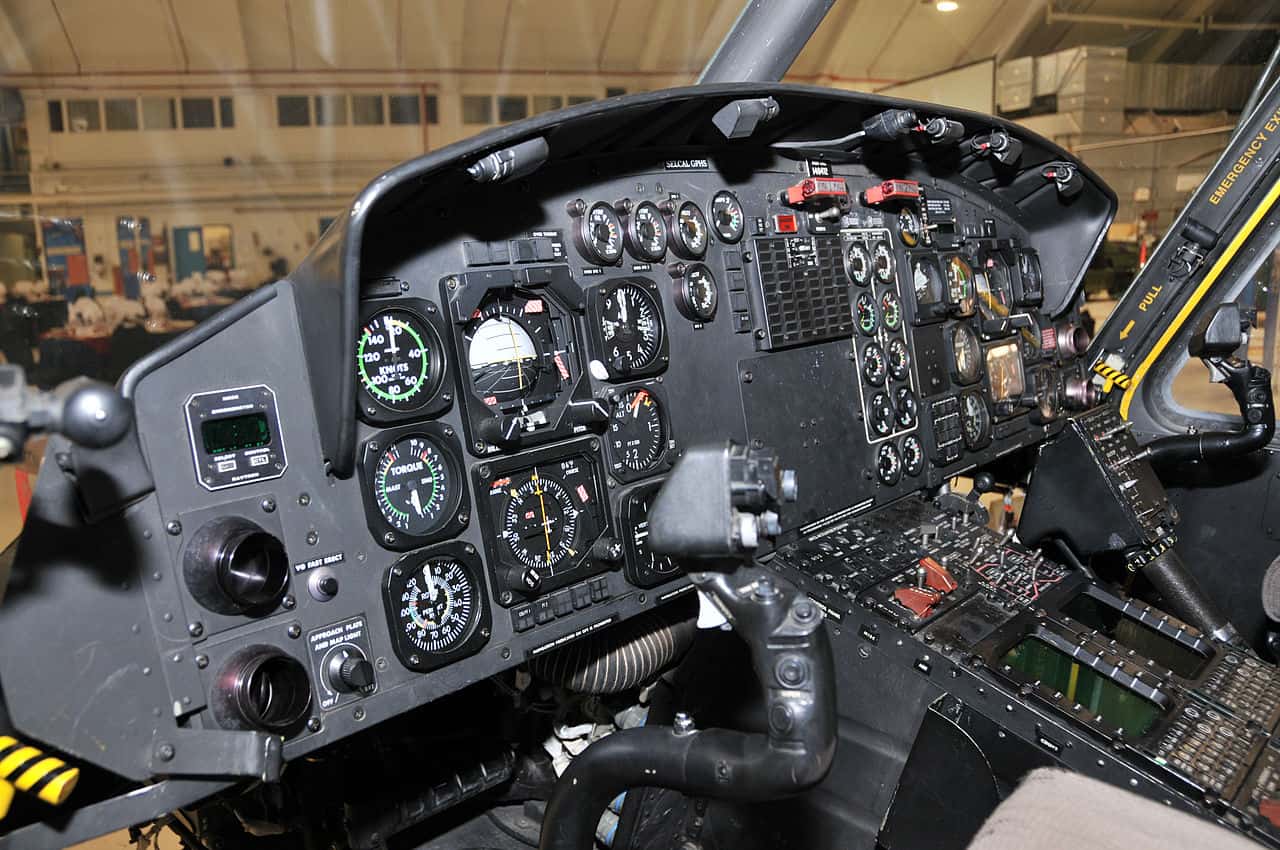
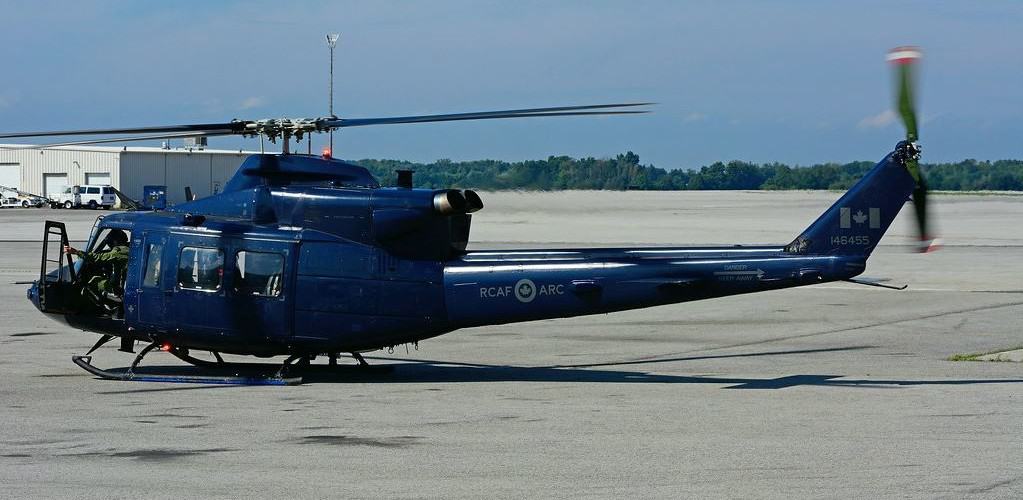
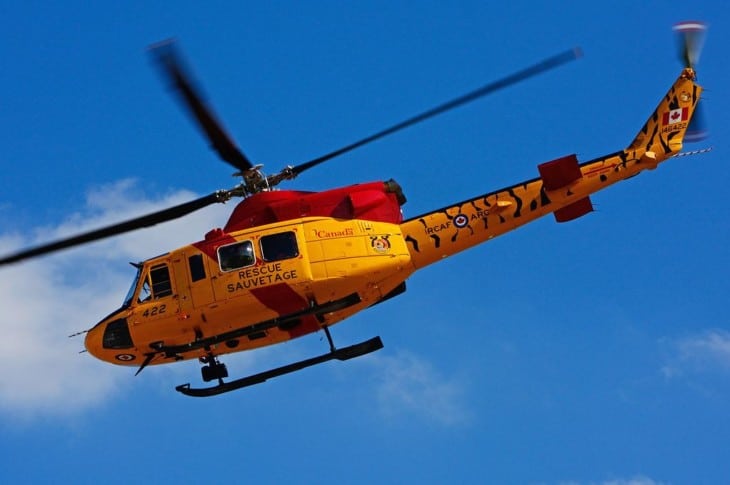
The CH-146 Griffon was introduced in 1995 as a replacement for older Canadian utility helicopters. It is derived from the Bell 412EP and modified for military use with mission equipment and defensive systems. The helicopter features a four-blade main rotor and twin-engine configuration for improved reliability.
Powered by two Pratt & Whitney Canada PT6T-3D turboshaft engines producing approximately 1,800 shaft horsepower combined, the Griffon cruises at around 140 knots (260 km/h). Maximum gross weight is roughly 11,900 pounds (5,400 kg). The cabin accommodates up to 13 troops or mission equipment depending on configuration.
The CH-146 has been deployed domestically and internationally in support roles. Ongoing modernization programs have updated avionics and mission systems. The aircraft remains a versatile component of Canada’s rotary-wing fleet.
In 1992, Canada ordered one hundred models of Bell CH-146 Griffon, and these orders were delivered from 1995 to 1997 with dual configurations. These configurations are the Utility Tactical Transport Helicopter (UTTH) to carry a crew and CSS or Combat Support Squadron type for search & rescue operations.
This type of aircraft can be well-equipped with multiple specialized bolt-on kits for the mission. These kits can help boost the aircraft’s performance, from improving security against its enemy fire to increasing range and many more. The best thing about this aircraft is that it can be well-equipped with a total number of thirteen seats. It can accommodate ten passengers and three crews, but with weight restrictions.
The Bell CH-146 Griffon, however, is expected to retire in 2021. The company is awarded a contract of C$640 million to repair and overhaul its navy until retirement. The said contract also includes selections to extend its contract until 2025, if needed. In 2019, Canada noted plans to upgrade and extend the current life of 85 CH-146 types of aircraft to 2031.
The Bell CH-146 Griffon can accommodate three crew, a flight engineer, a pilot, and the co-pilot. It has a capacity of six stretchers or ten troops with a length of 17.1-meter, 6.4-meter height, and 14 rotor diameters. The said aircraft has a 5,355-kilogram maximum takeoff weight.
The Bell CH-146 Griffon is the most updated type of the renowned Iroquois, which was introduced for the United States Army in the fifties. This aircraft is also currently being developed for the Canadian Armed forces due to its advanced four-blade rotor. Since this type is also filled with rugged and reliable features, the Bell CH-146 Griffon is also utilized for attacking missions and transport support services.
The Bell CH-146 Griffon is utilized by Royal Canadian Air Force (RCAF) for tactical troop transport, escort and surveillance, reconnaissance, disaster relief, casualty evacuation, search & rescue operations, special operations aviation support, and other related missions.
In 2002, #146420, maneuvered by 444 Sqn, was crashed while returning from a search & rescue operation. Two pilots were dead, and the flight engineer and the SAR technician were both critically injured. The major cause of the aircraft crash was the malfunctioned tail rotor.
Seven years after, #146434 also crashed in the northeast of Kandahar City. Two Canadian soldiers, together with a British soldier, were killed during the incident. It was also reported that there were three other Canadians who got hurt. The cause of the incident was the pilot’s loss of graphic reference in recirculating dust.
Sources and references used for research and fact-checking.