Tilt Rotors
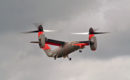
Bell Agusta BA609
ICAO: B609
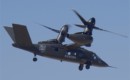
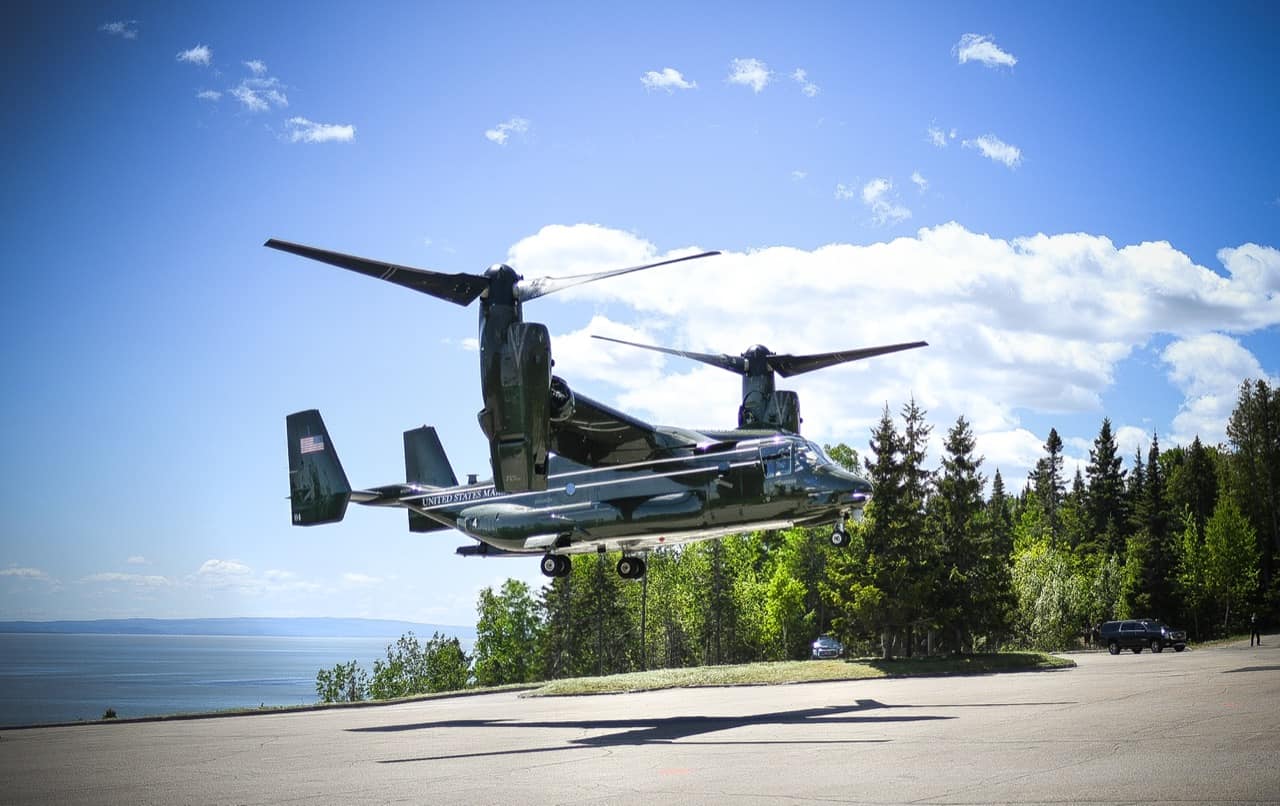
The Bell Boeing V-22 Osprey is the world's only operational production tiltrotor, a transport that takes off like a helicopter and cruises like a turboprop, flown by the U.S. Marine Corps, Air Force, Navy and Japan.
Updated: by Tim de Vries
The latest aviation news and stories sent to your inbox.
The V-22 Osprey rotates its two giant proprotors from vertical for takeoff and hovering to horizontal for fast, long-range flight. It first flew in 1989 and entered Marine Corps service in 2007 after one of the most troubled development programs in U.S. military history. The Marine Corps took delivery of its final MV-22B in July 2026, closing a 359-aircraft program, but plans to keep flying and upgrading the fleet through 2055.
Live Fleet Activity (V22)
Fetching live data…
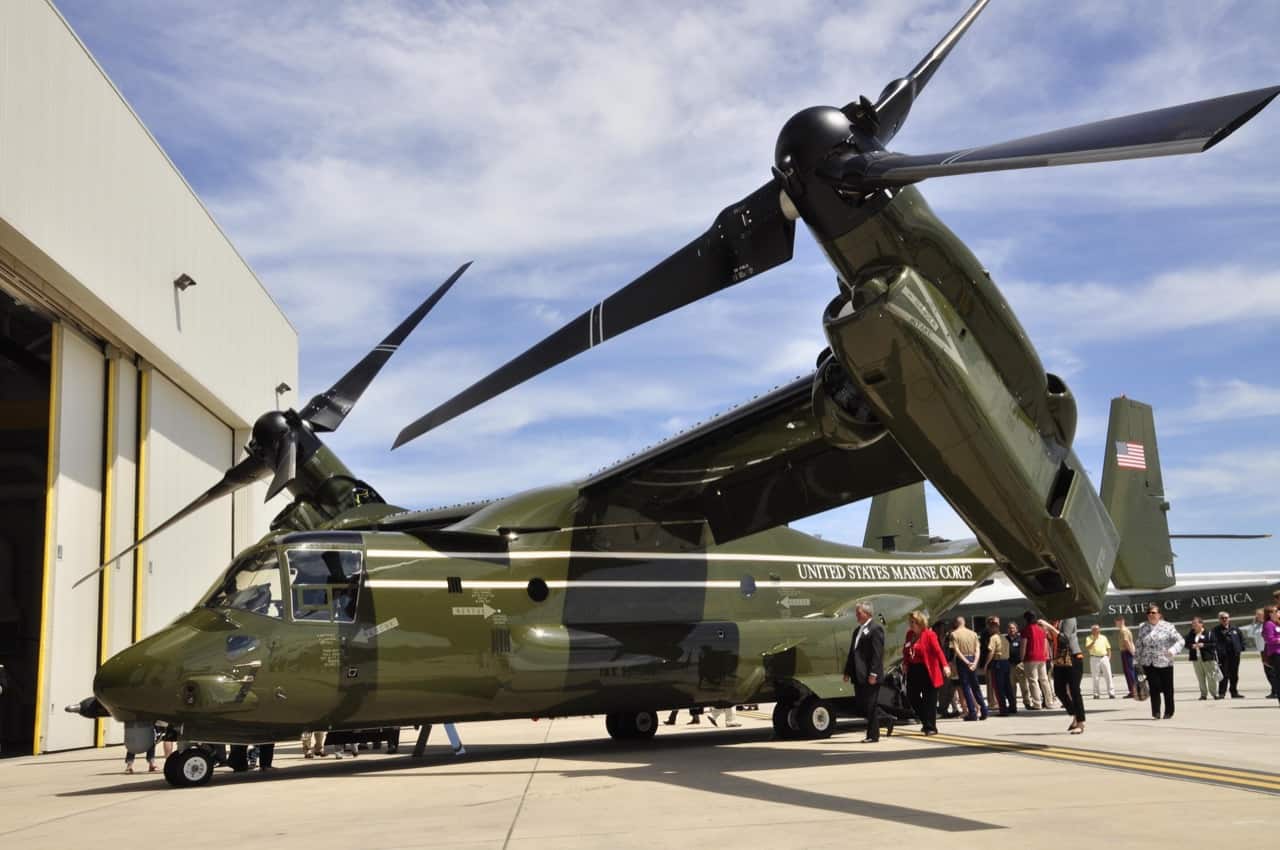
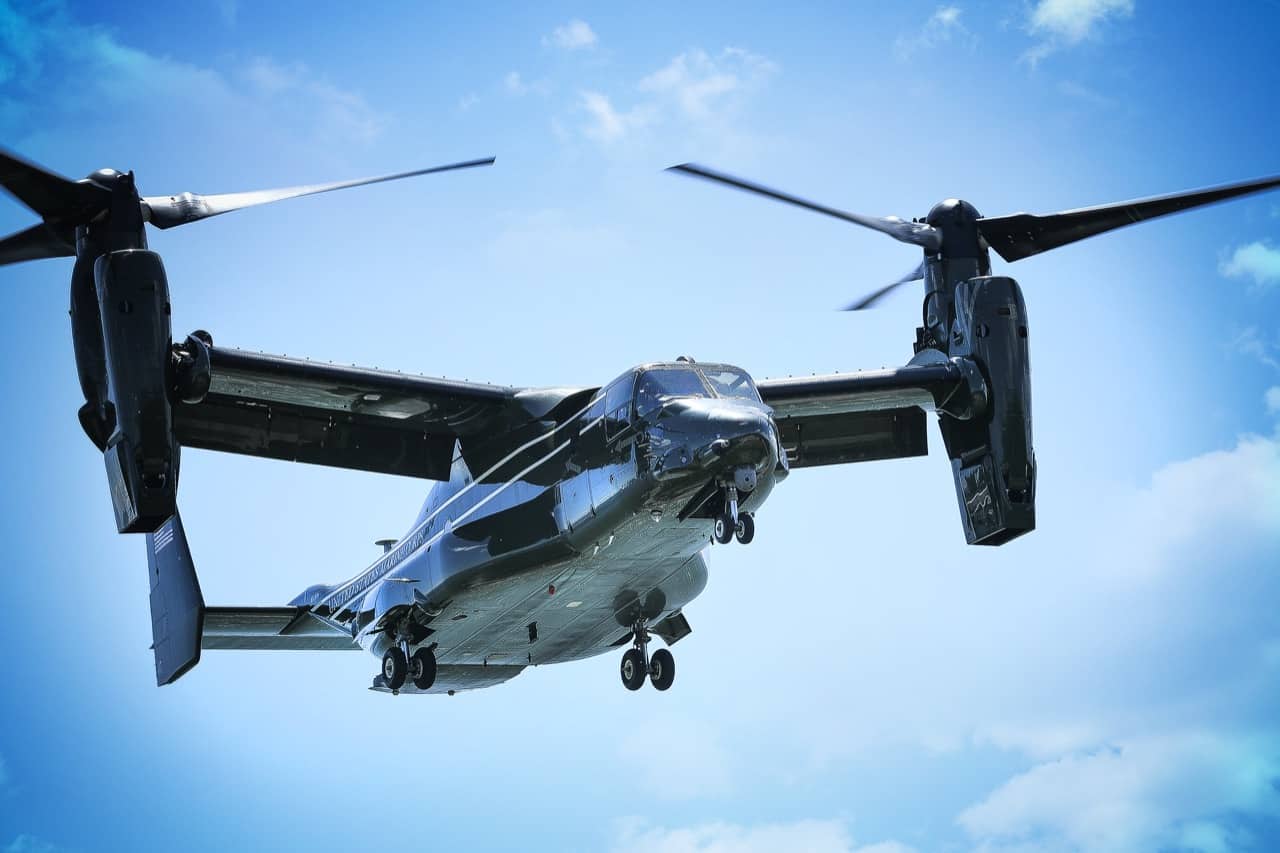
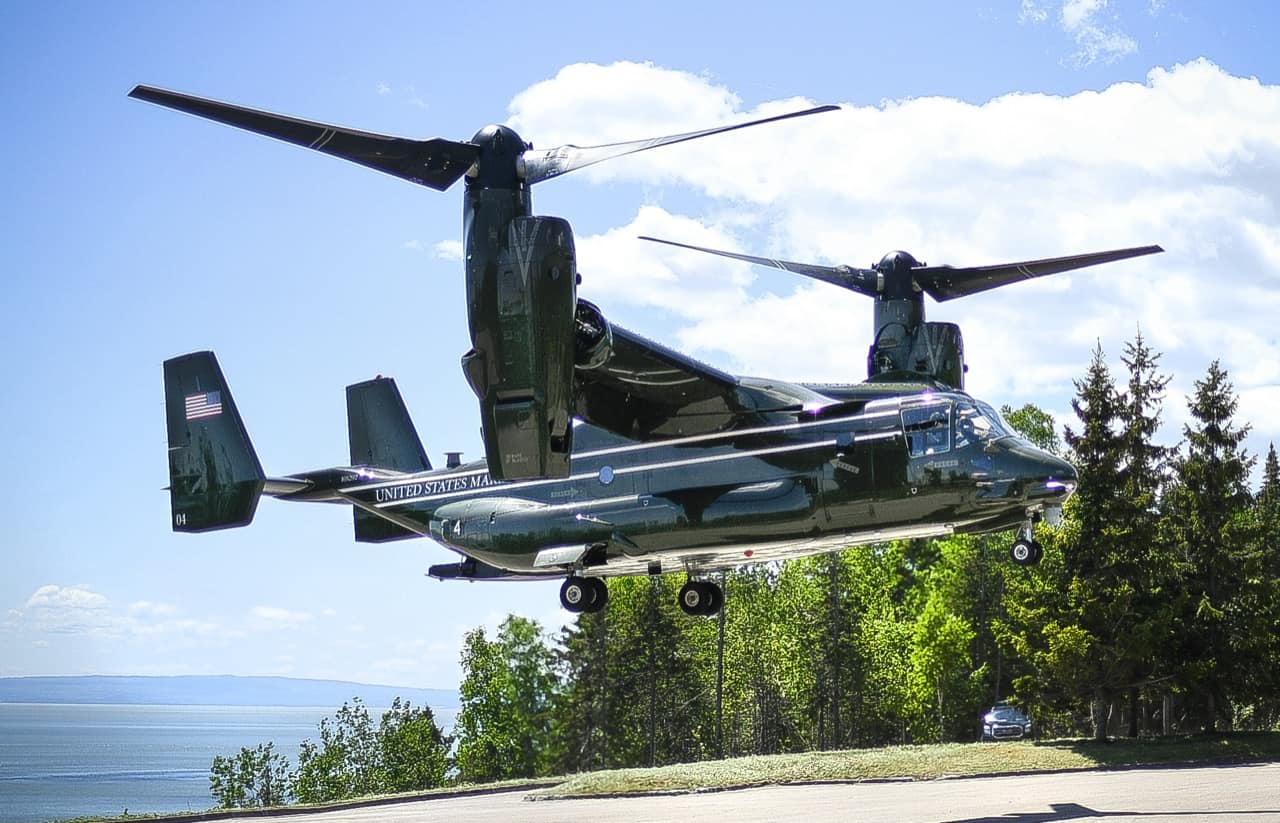
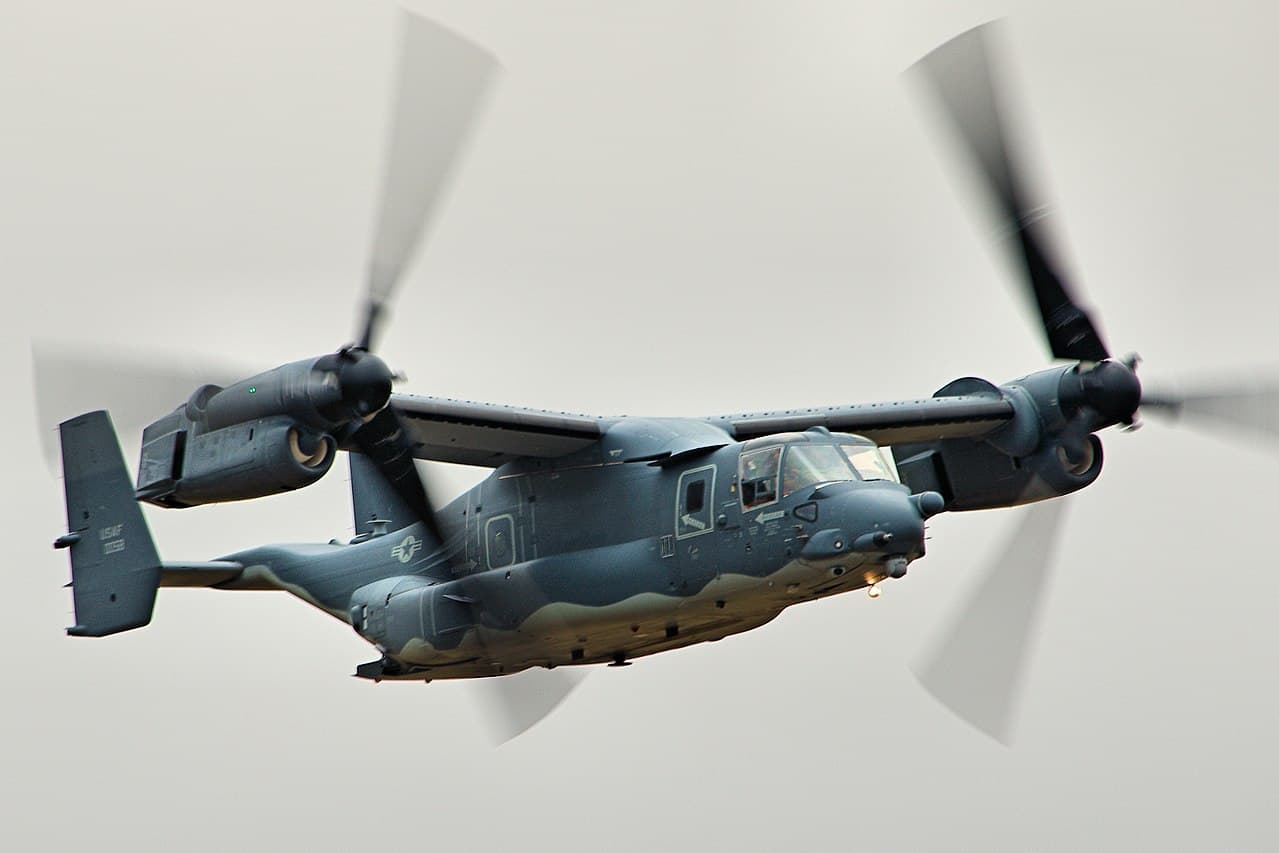

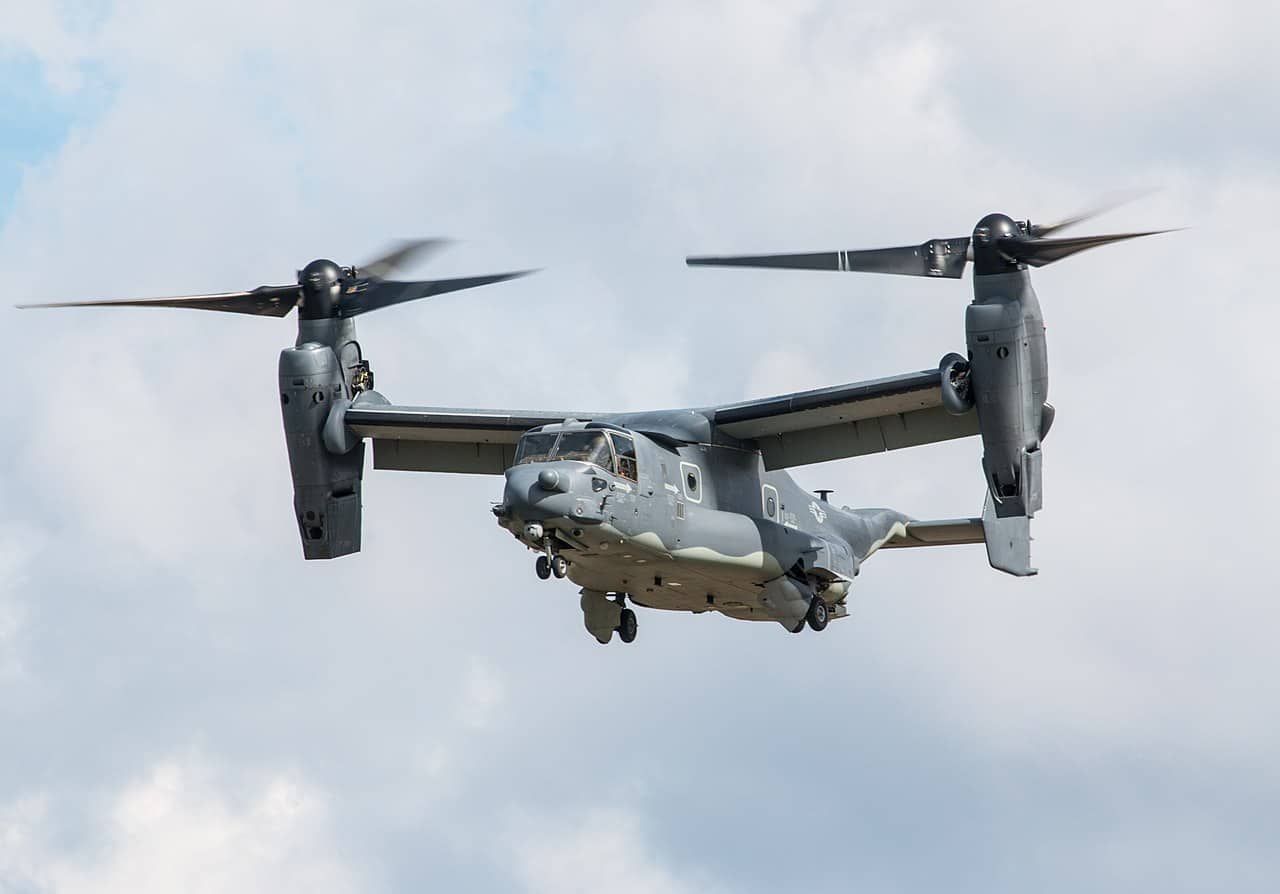
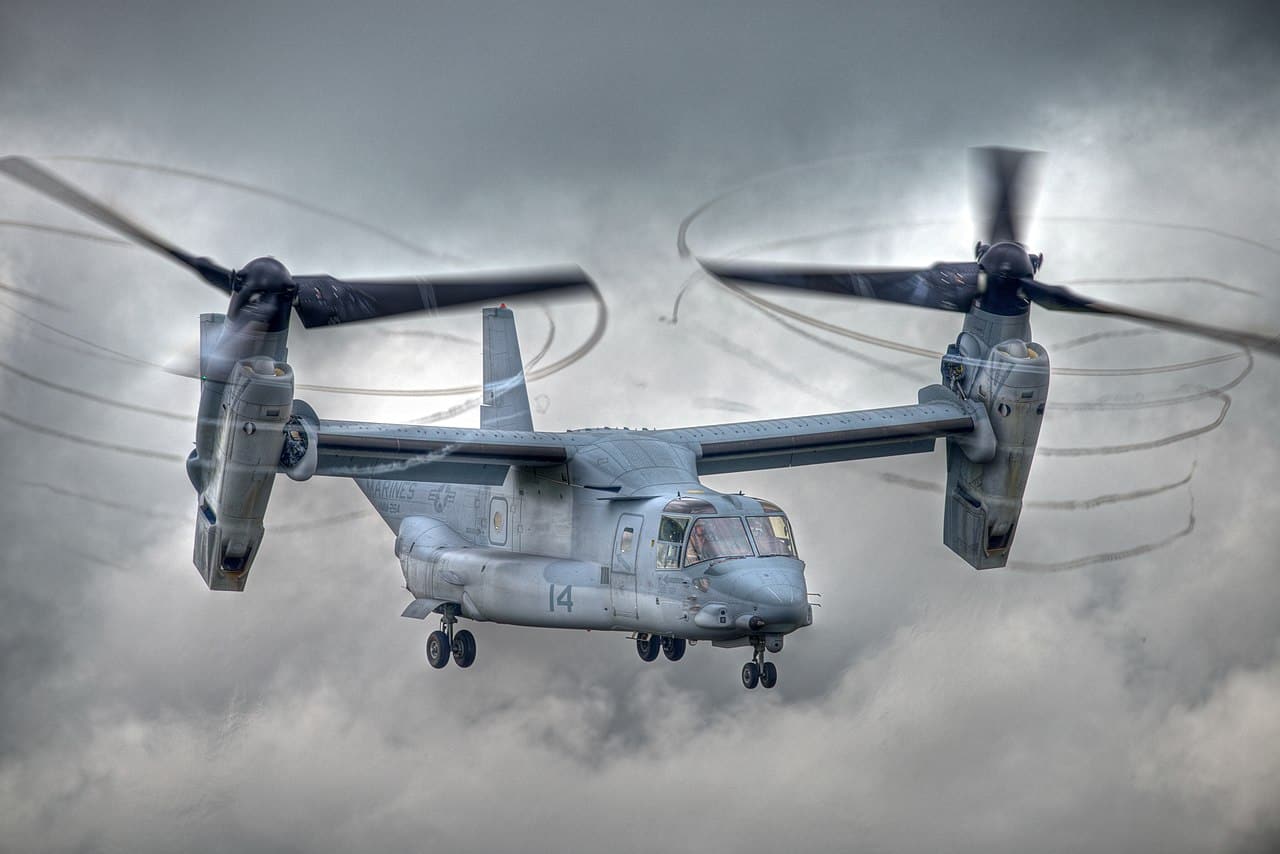


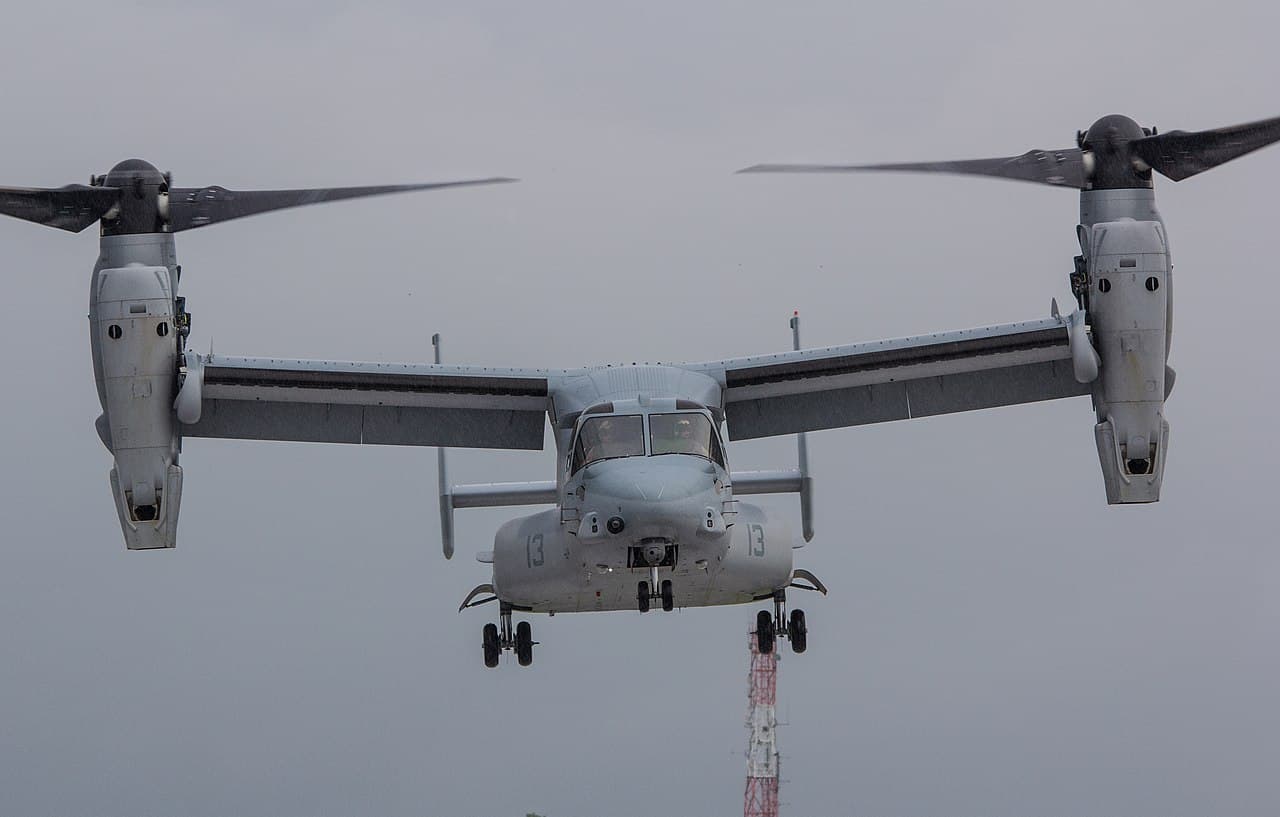

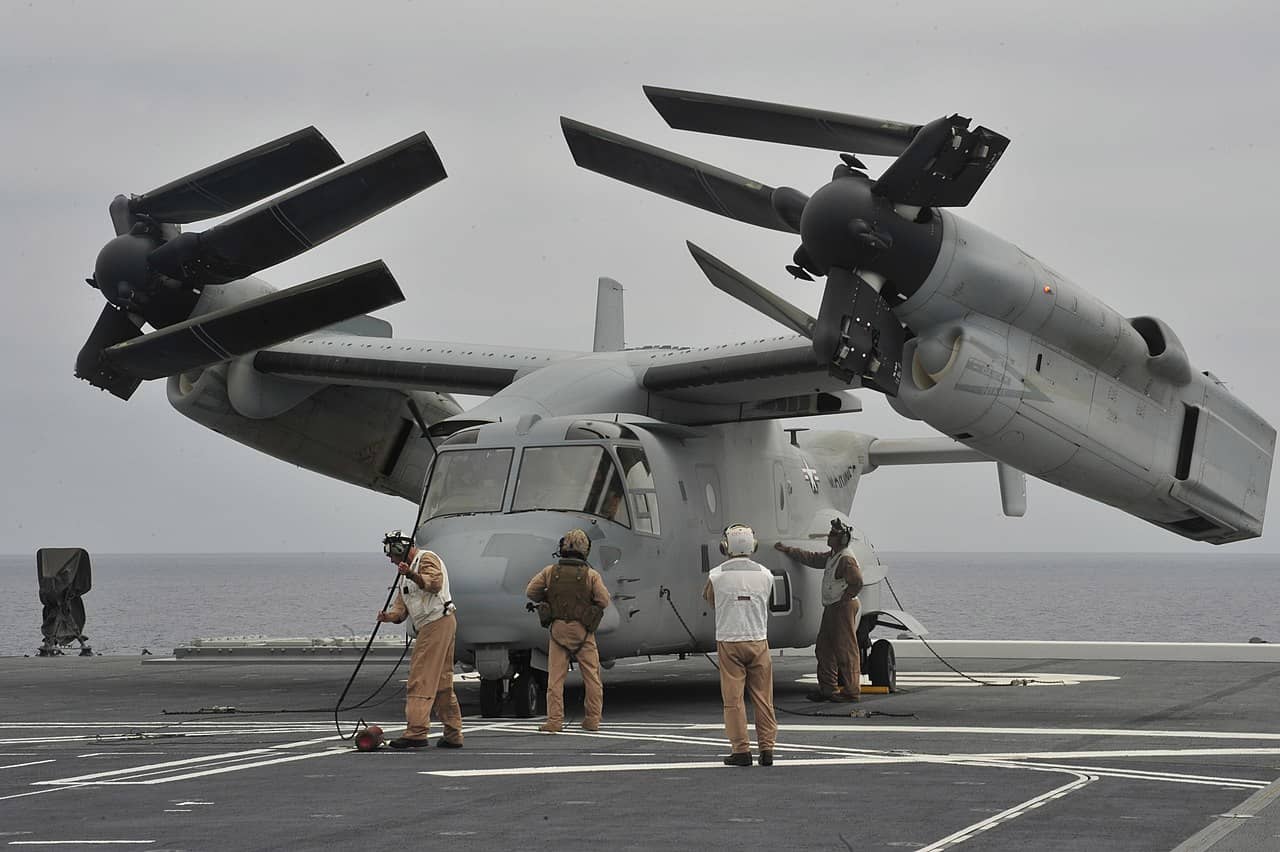

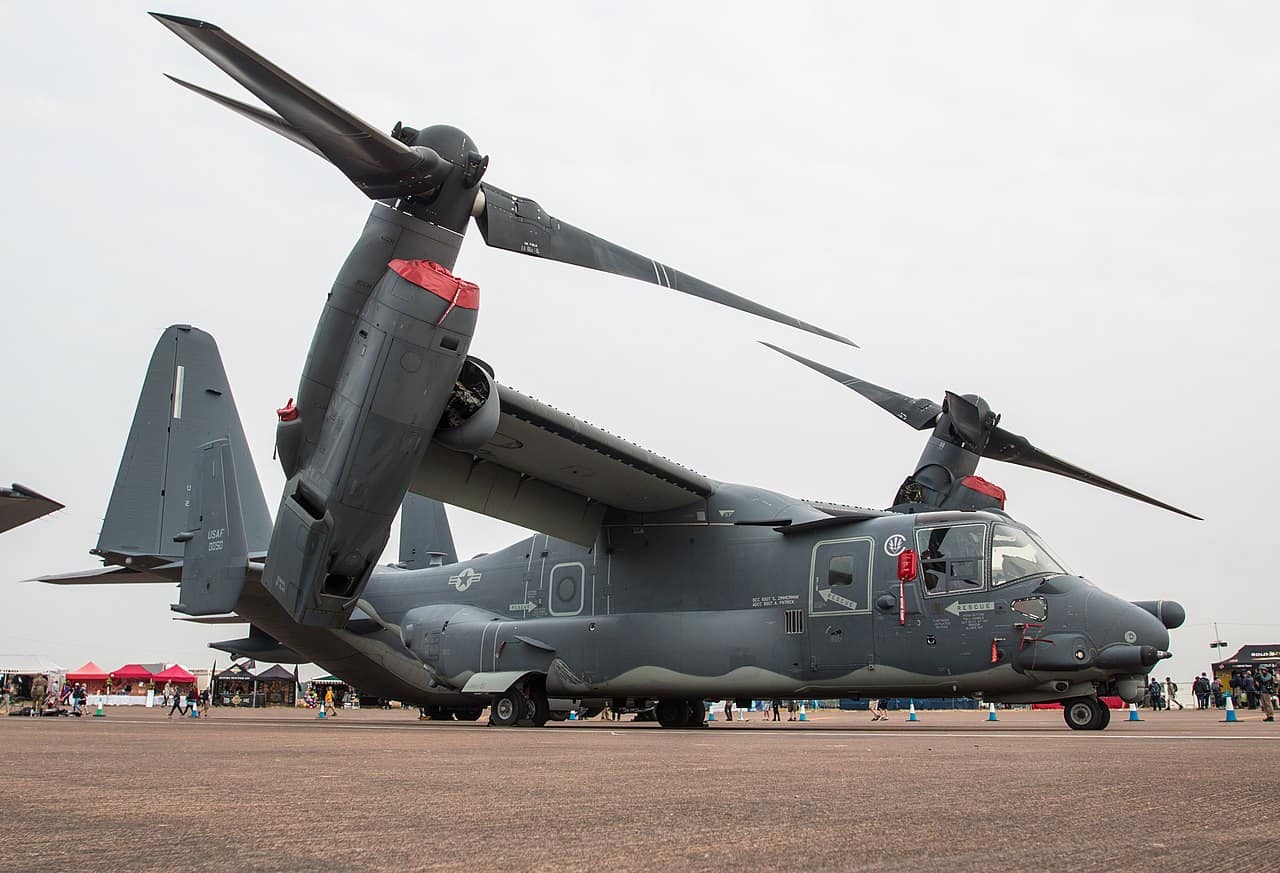
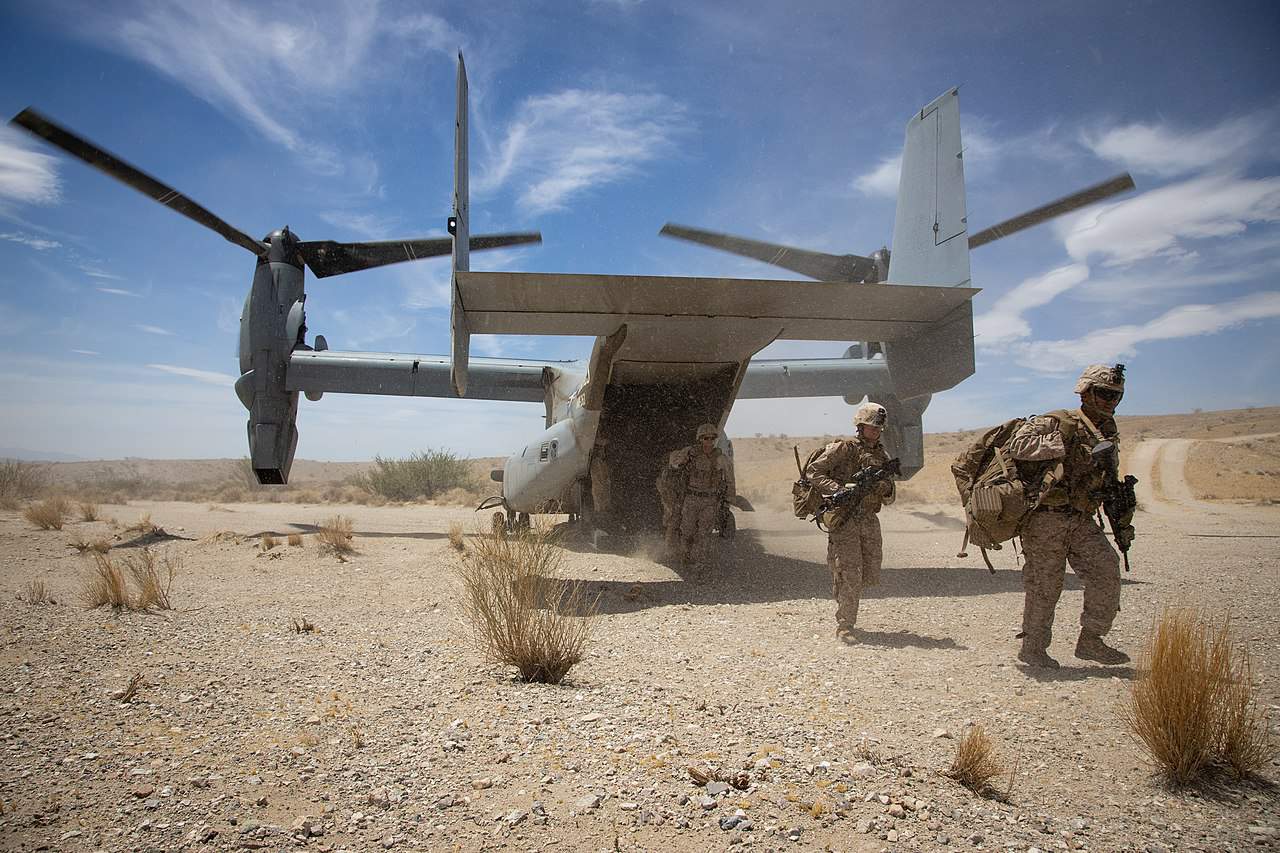


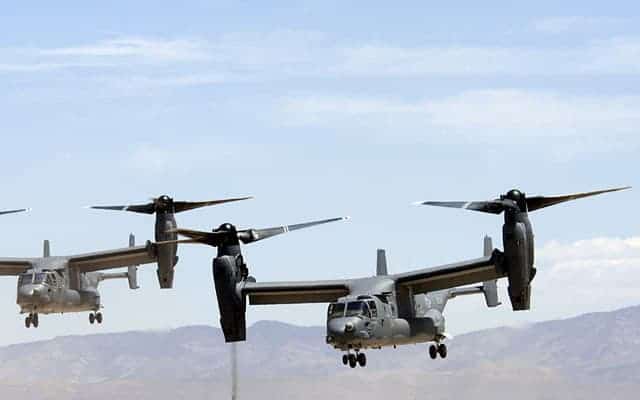
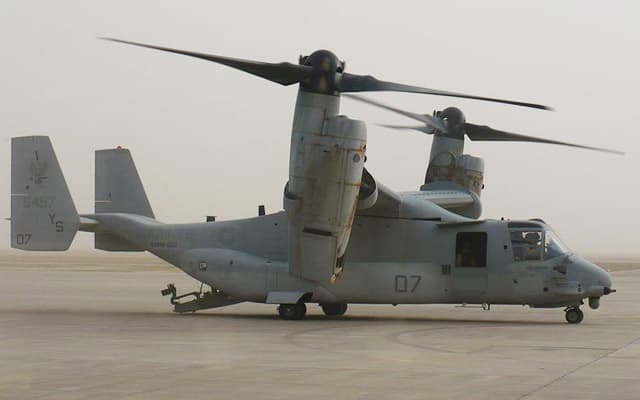
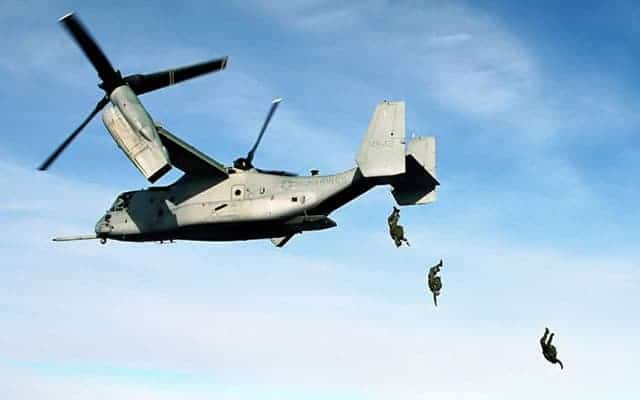
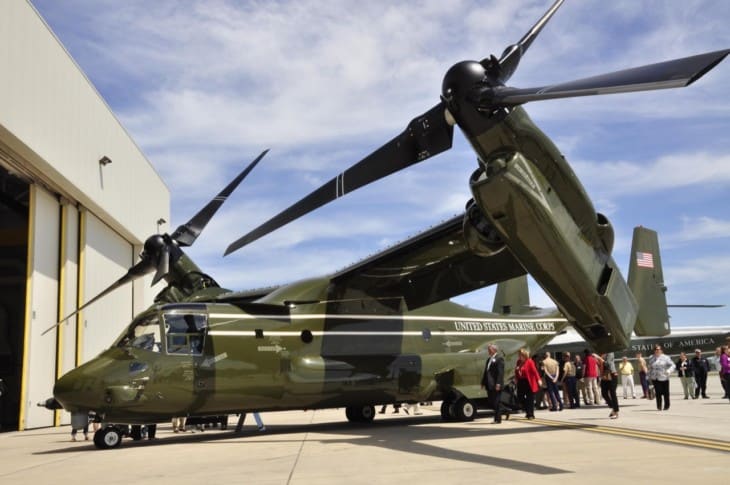
The Bell Boeing V-22 Osprey is the only tiltrotor in military production. It lifts off with its two huge proprotors pointing up like a helicopter, then tilts them forward and flies like a turboprop airplane.
The U.S. Marine Corps, Air Force and Navy all fly it, and so does Japan. The Marine Corps took its final MV-22B in July 2026, but the Osprey is not going away.
Each wingtip carries an engine nacelle and a three-blade proprotor. For takeoff, landing and hovering, the nacelles point straight up and the aircraft behaves like a twin-rotor helicopter.
Once airborne, the pilots rotate the nacelles forward in a matter of seconds. The wing then carries the load and the proprotors act as propellers, which is how the Osprey outruns and outranges any helicopter of its size.
On a ship or in storage, the blades fold and the wing rotates to sit parallel with the fuselage. That compact stowage is why the design suits amphibious ships and carrier decks.

The V-22 program began in the early 1980s, when the Department of Defense wanted one aircraft that could do several jobs across the services. Bell and Boeing share the work of building it.
The first V-22 flew in helicopter mode on March 19, 1989, and made its first fixed-wing flight that September. Full-rate production was granted in September 2005, and the Marine Corps declared the MV-22B operational in June 2007.
The Osprey made its combat debut in Iraq in October 2007. The Air Force reached initial operating capability with the CV-22B in 2009, and the Navy followed with the CMV-22B in late 2021.

All Ospreys share the same basic airframe, but each service tuned it for a different job:
Japan became the first export customer, and its Ground Self-Defense Force took its first Osprey in 2020.

The full specification table for the aircraft is on this page. A few figures need context, because the Osprey has several different weights and ranges.
The panel’s maximum takeoff weight is the self-deploy figure, a rolling takeoff with a long ferry flight in mind. Bell gives much lower limits for a vertical takeoff (52,600 lb) and a short takeoff (57,000 lb), which is what a loaded assault mission actually uses.
Range depends on how the aircraft is flown. The panel’s range is the standard transport range, while the Osprey’s combat radius is far shorter. Aerial refueling and extra tanks stretch it a long way, which is why Ospreys have crossed oceans.
The fuel figure on the panel matches the CV-22B, which carries more fuel than the MV-22 (Bell lists 1,721 US gallons for the Marine version). The panel lists both the top speed and Bell’s slightly lower sea-level cruise speed.

The Osprey’s reputation was set early. Two crashes in 2000 killed 23 Marines and grounded the fleet while the program was nearly cancelled.
The aircraft returned to service and became the Marines’ main assault transport, but crashes continued. Wikipedia counts 17 hull-loss accidents with 65 fatalities as of April 2026.
The worst recent loss came on November 29, 2023, when an Air Force CV-22B crashed into the sea off Yakushima, Japan, killing all eight airmen aboard. The Navy and Air Force grounded their Ospreys on December 6, and flights resumed in early March 2024 with revised maintenance and training.
Several losses were linked to a proprotor gearbox failure called hard clutch engagement. A flight-hour limit on the input quill assembly was imposed in 2023, a redesigned gearbox joined the fleet in 2025, and a new quill assembly is in development.
Recent mishaps are covered in our report on a Marine MV-22B that caught fire after a hard landing in North Carolina.
The Marine Corps accepted its 359th and last MV-22B on July 28, 2026, at Bell’s plant in Amarillo, Texas. The aircraft is bound for squadron VMM-162 at MCAS New River.
That completes the Marine program of record, but it is not retirement. The Marine Corps plans to keep flying and upgrading the Osprey through 2055, and Bell and Boeing are still supporting the Navy’s CMV-22B and the Air Force’s CV-22B nacelle upgrade.
Read the details in the Marine Corps’ last MV-22B delivery.
Yes. The Navy flies the CMV-22B, a carrier onboard delivery version that replaces the C-2A Greyhound. It reached initial operating capability in December 2021 and ferries people and cargo from shore to aircraft carriers.
Not yet. The Marine Corps took its last new MV-22B in July 2026 but plans to operate and upgrade the Osprey through 2055, and no replacement program has been opened.
The Osprey carries 24 seated troops or 20,000 lb of internal cargo, and is powered by two Rolls-Royce T406 engines. The full specification table is on this page, including speed, range, weights and dimensions.
The U.S. Marine Corps, U.S. Air Force and U.S. Navy fly it, along with the Japan Ground Self-Defense Force.
Early crashes in 2000 and several later losses gave it that reputation, and some were tied to mechanical problems with the proprotor gearbox. The fleet has flown under flight-hour limits since 2023 while fixes are introduced.
Sources and references used for research and fact-checking.