Tilt Rotors
Bell Boeing V-22 Osprey
ICAO: V22
The tiltrotor aircraft built to combine helicopter access with turboprop speed.
The latest aviation news and stories sent to your inbox.
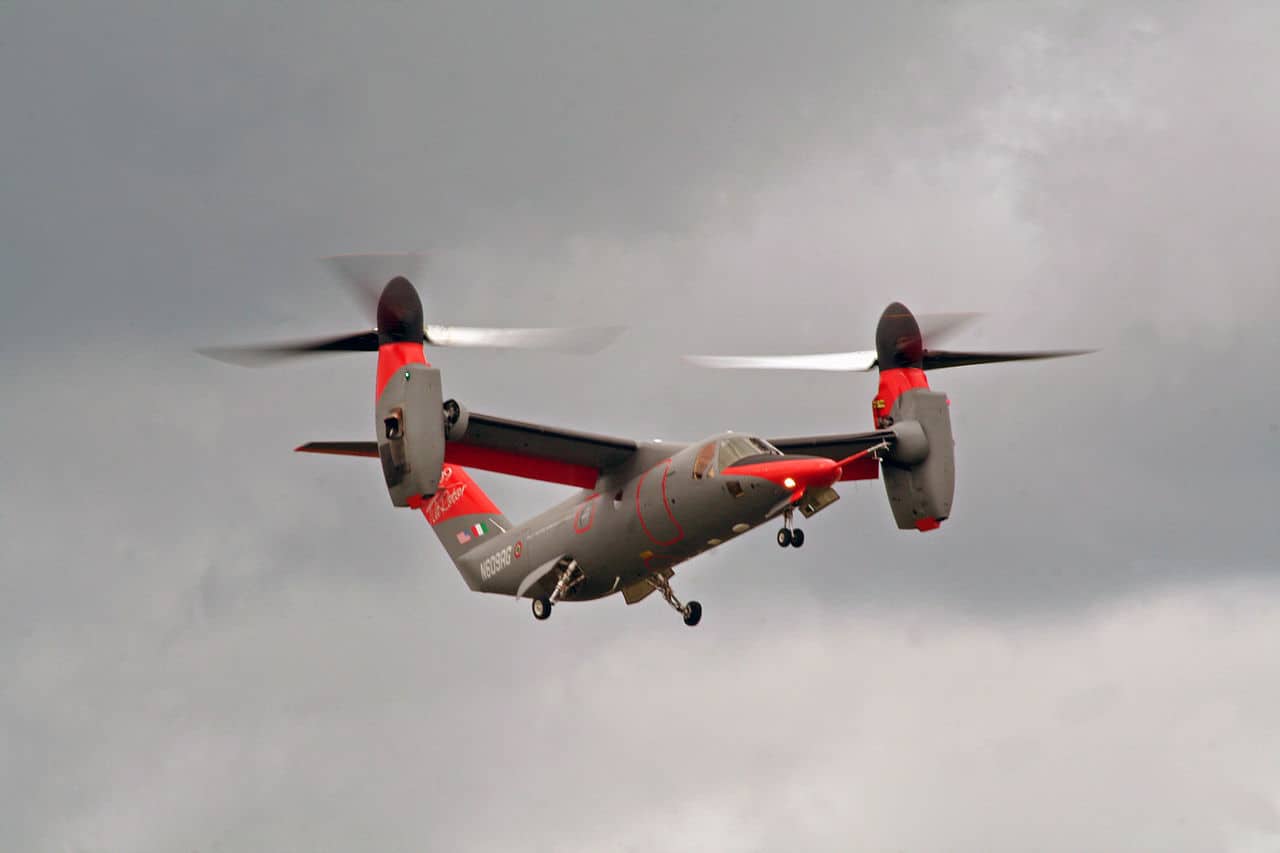
The Bell Agusta BA609, later known as the AW609, is a tiltrotor aircraft designed for civil markets. Developed to blend vertical takeoff capability with fixed-wing cruise performance, it first flew in the early 2000s. The program has experienced extended development timelines.
Live Fleet Activity (B609)
Fetching live data…


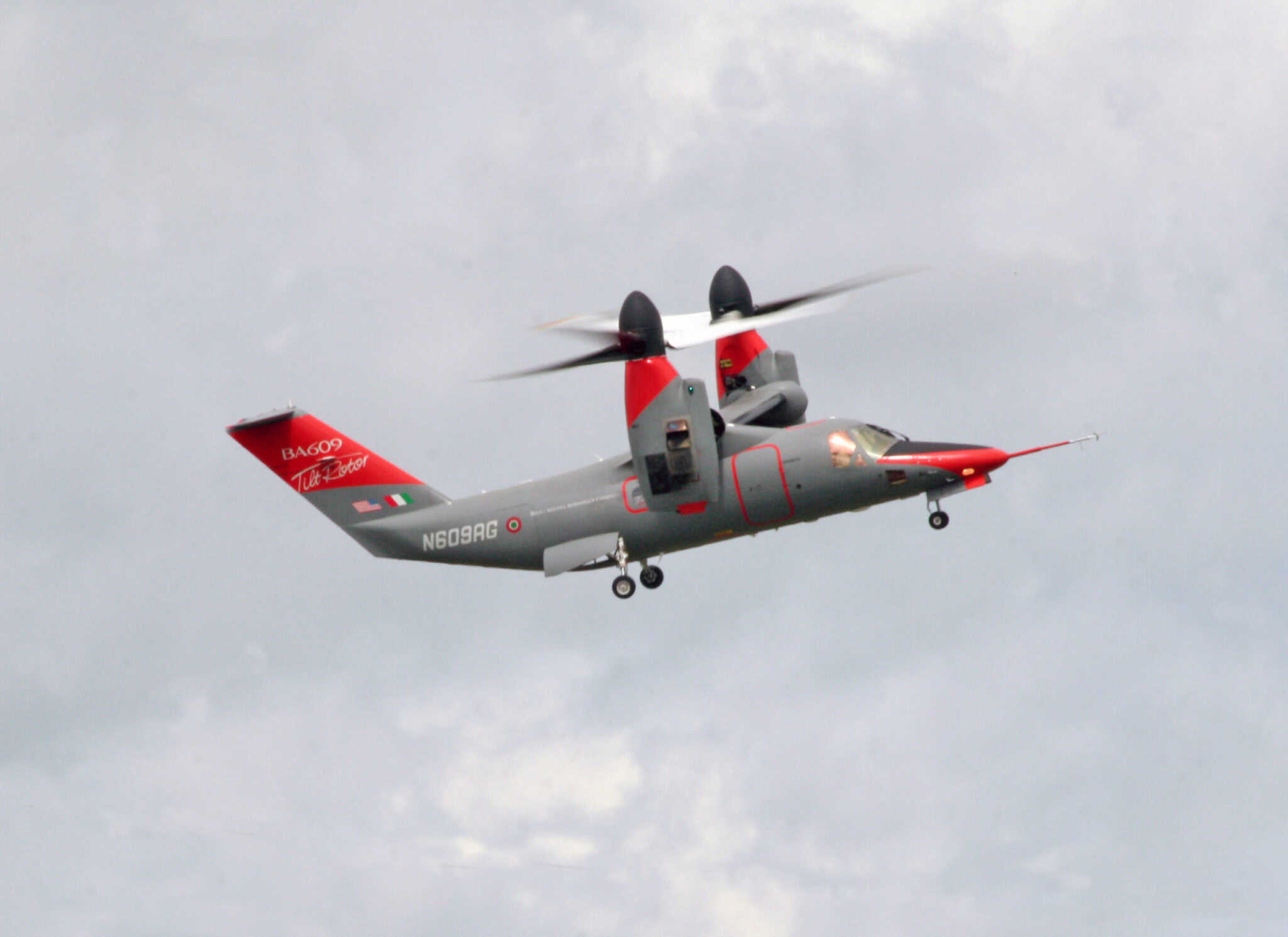


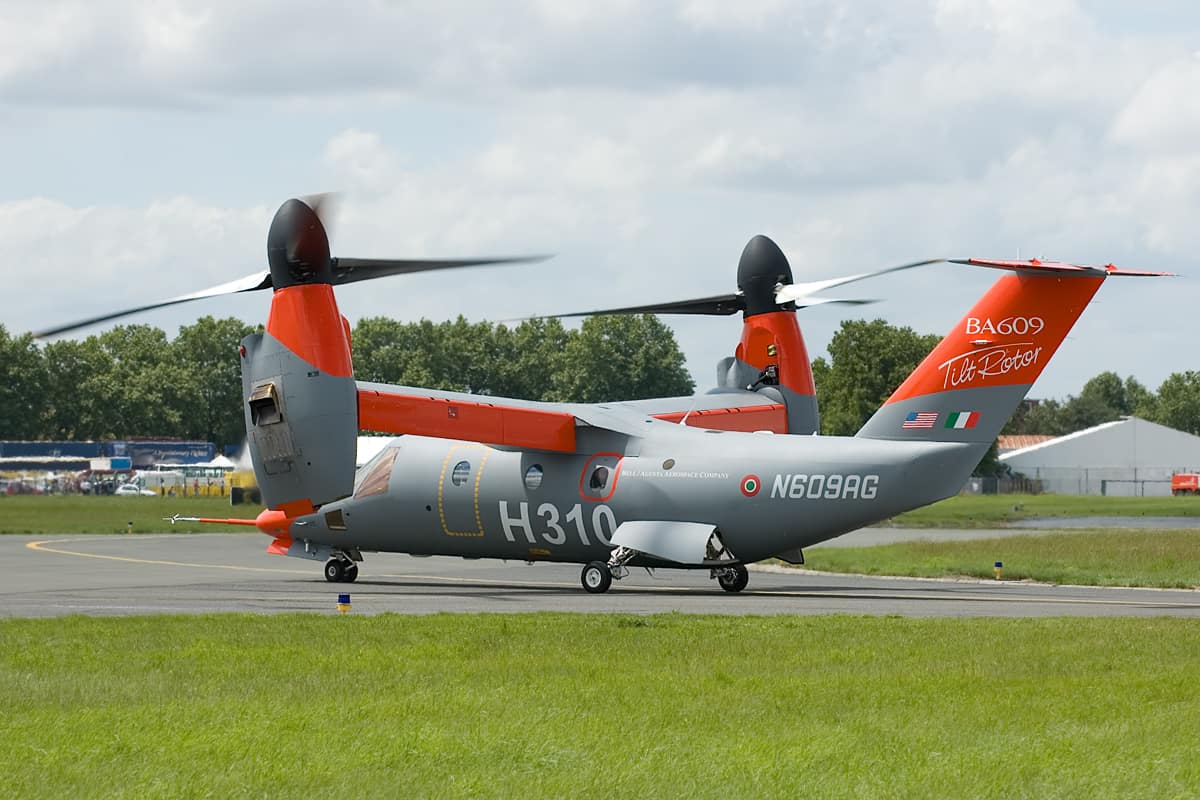
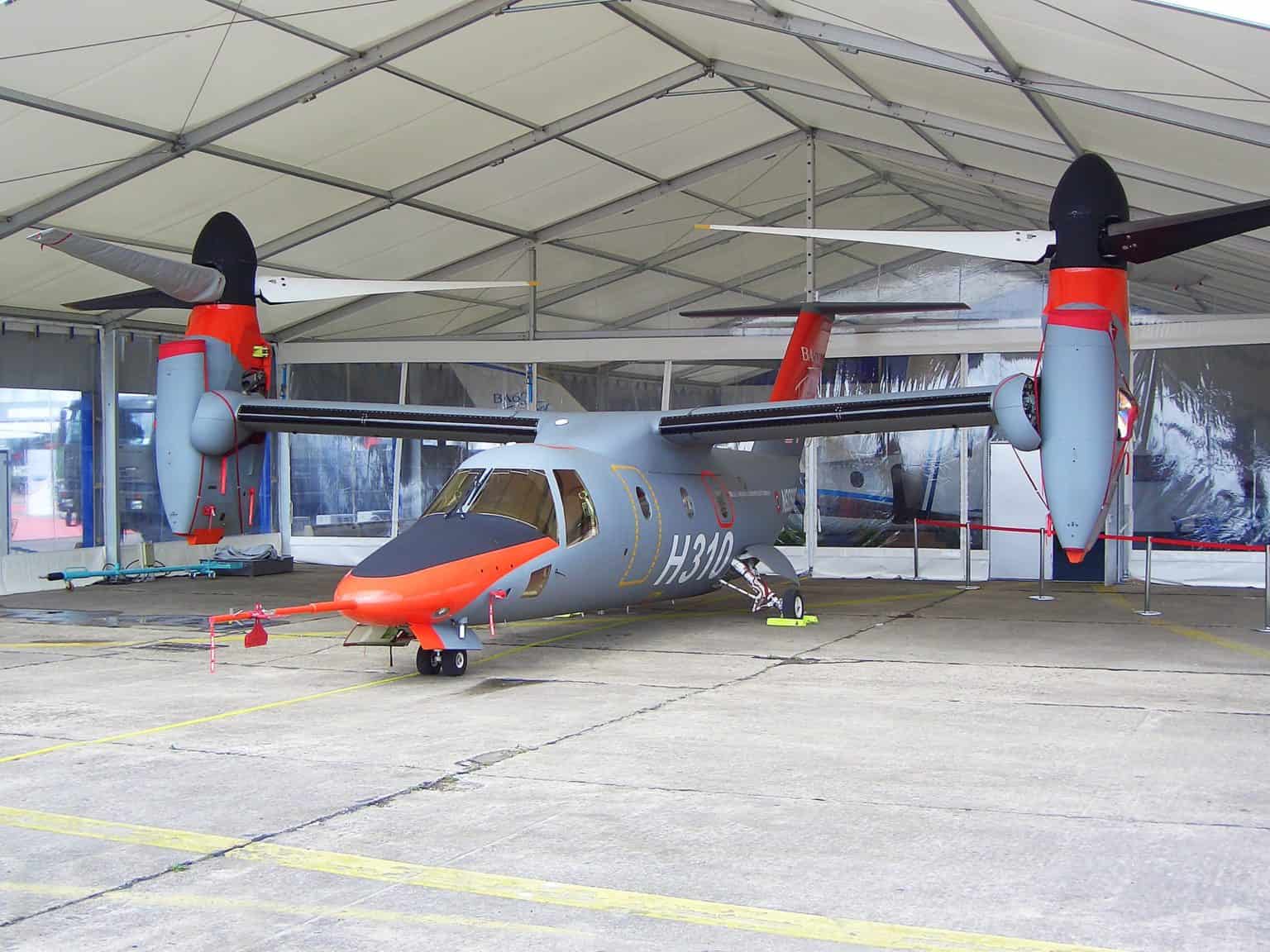
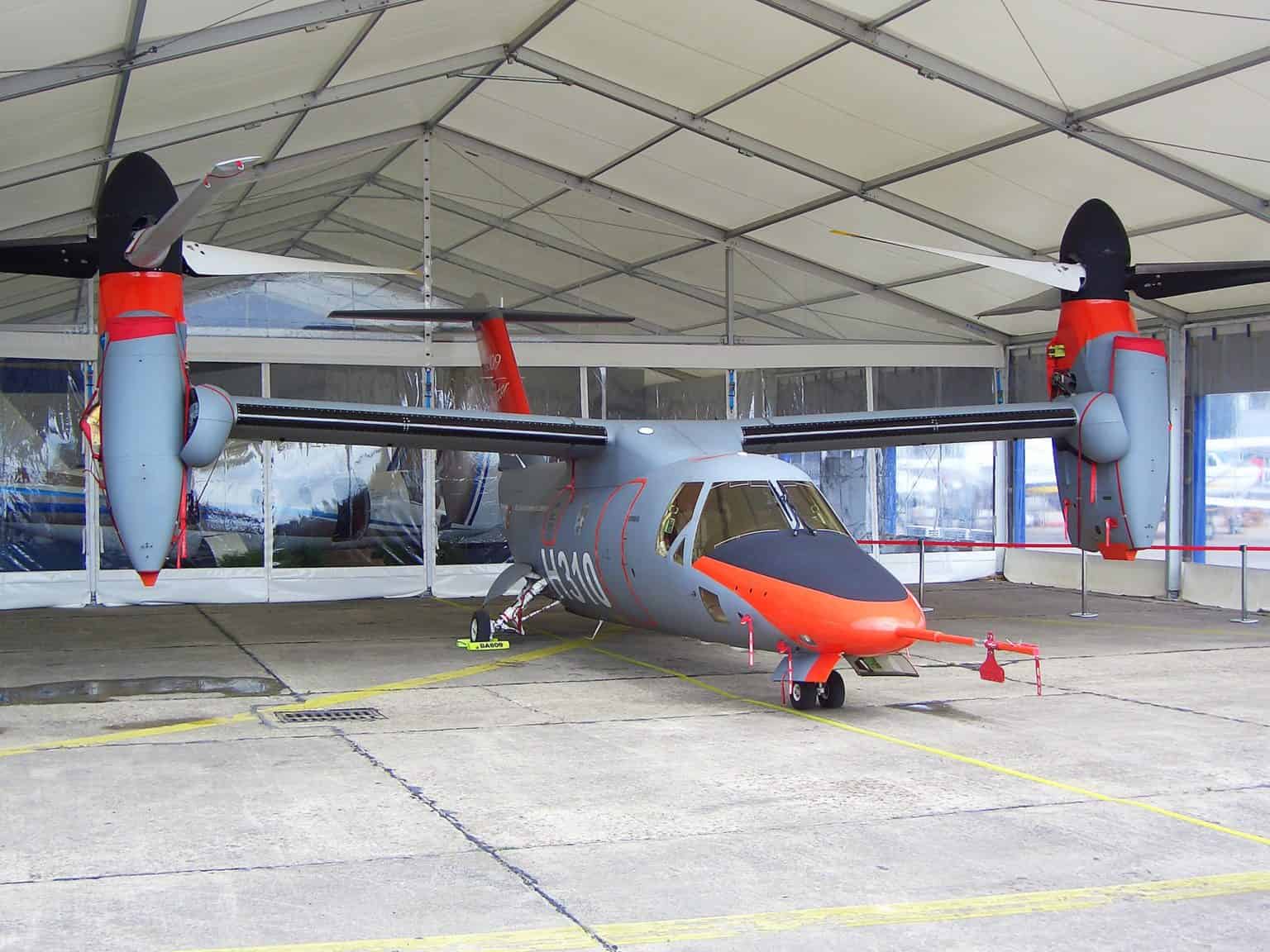

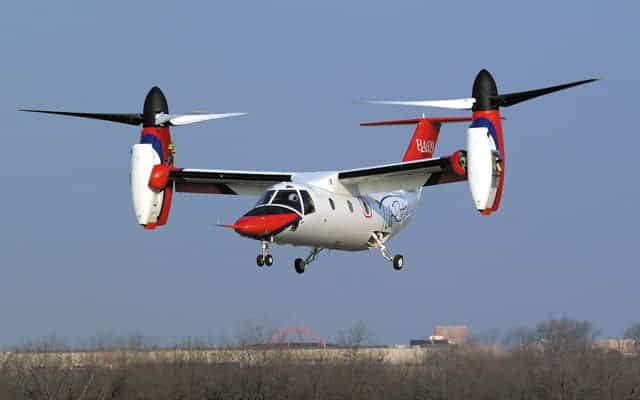

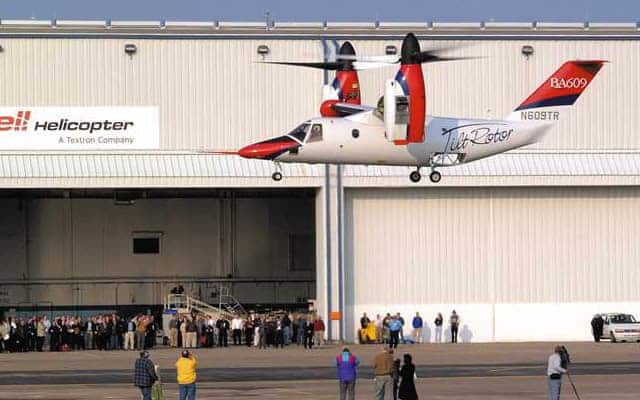
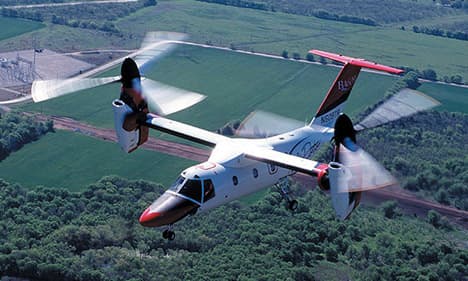

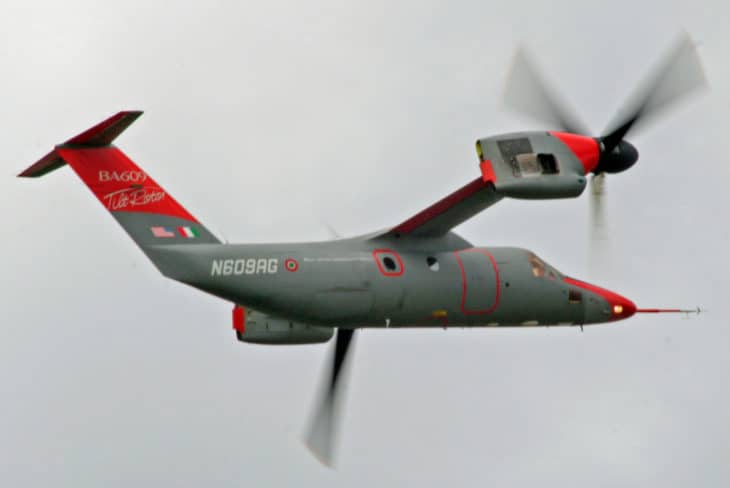
The BA609 first flew in 2003 as a joint venture between Bell and Agusta. It features rotating nacelles that allow vertical takeoff and landing before transitioning to forward flight as a turboprop airplane. The design aims to offer greater speed and range than conventional helicopters.
Powered by two Pratt & Whitney Canada PT6C-67A turboshaft engines producing approximately 1,940 shaft horsepower each, the BA609 is projected to cruise at around 275 knots (510 km/h). Maximum takeoff weight exceeds 16,000 pounds (7,260 kg). The cabin is designed for up to nine occupants.
The tiltrotor concept targets executive transport and emergency services. Certification efforts have continued for more than a decade. The BA609 represents one of the first attempts to introduce tiltrotor technology to the civil market.
Sources and references used for research and fact-checking.