Light Helicopters
Bell 47
ICAO: B47G
The Bell 206 JetRanger began as Bell's losing entry in the Army's Light Observation Helicopter contest, then was redesigned for civilian buyers and became one of the most recognizable light helicopters ever built.
Updated: by Tim de Vries
The latest aviation news and stories sent to your inbox.
The Bell 206 JetRanger is one of the most successful light helicopters ever built. Born from a failed Army competition entry, it became the standard small turbine helicopter for training, news, police work, utility flying and private transport.
Live Fleet Activity (B06)
Fetching live data…


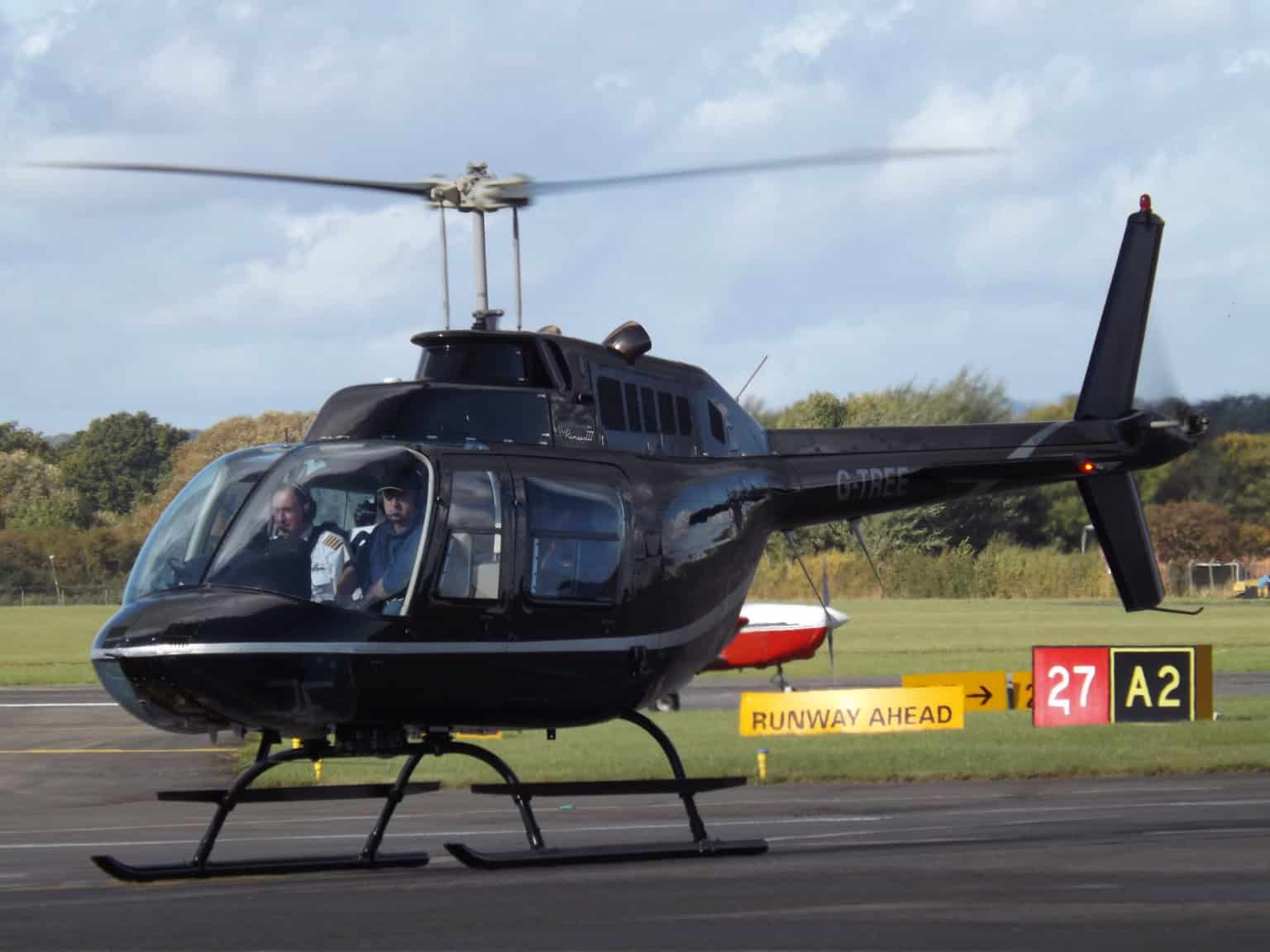
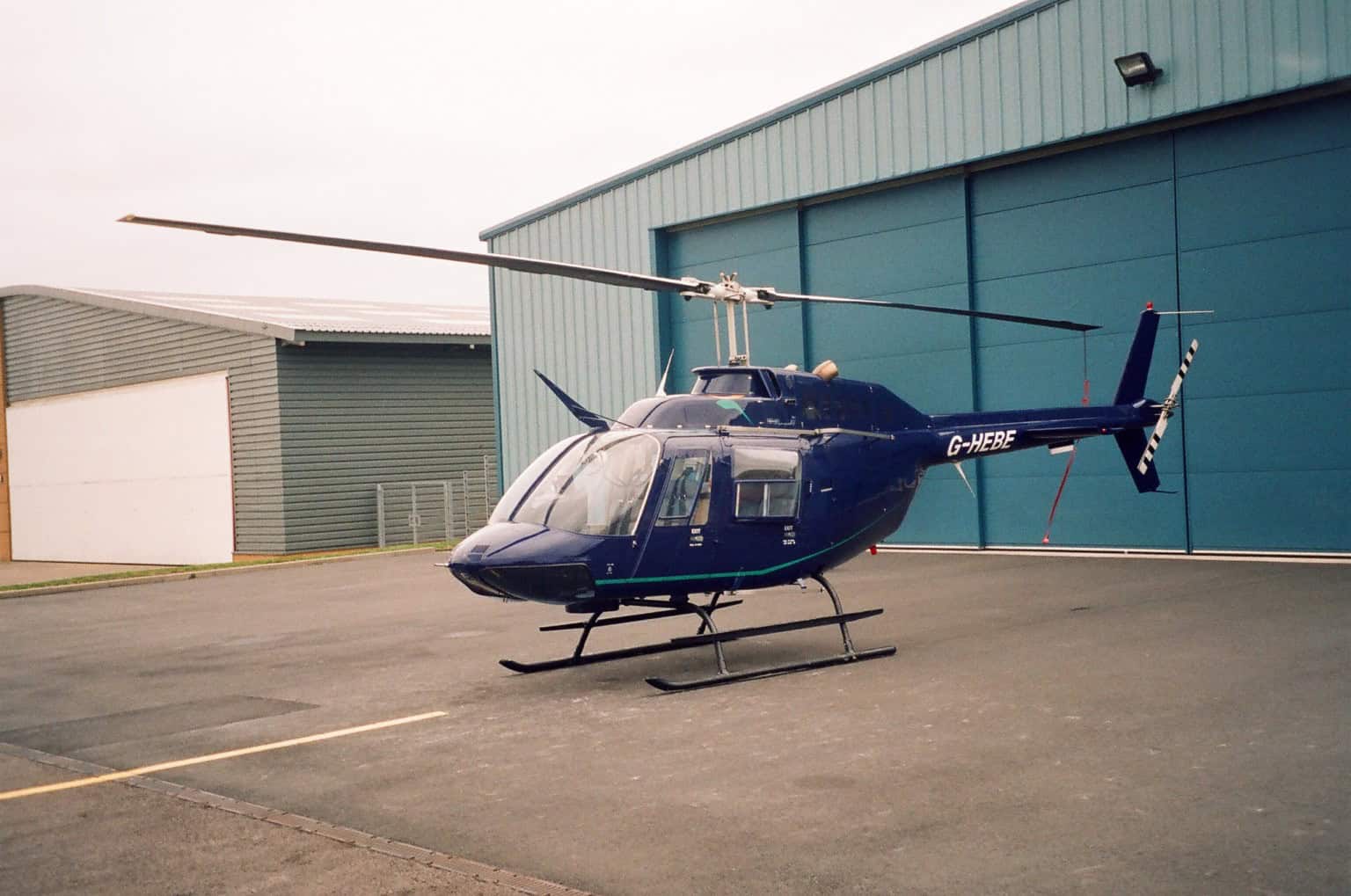


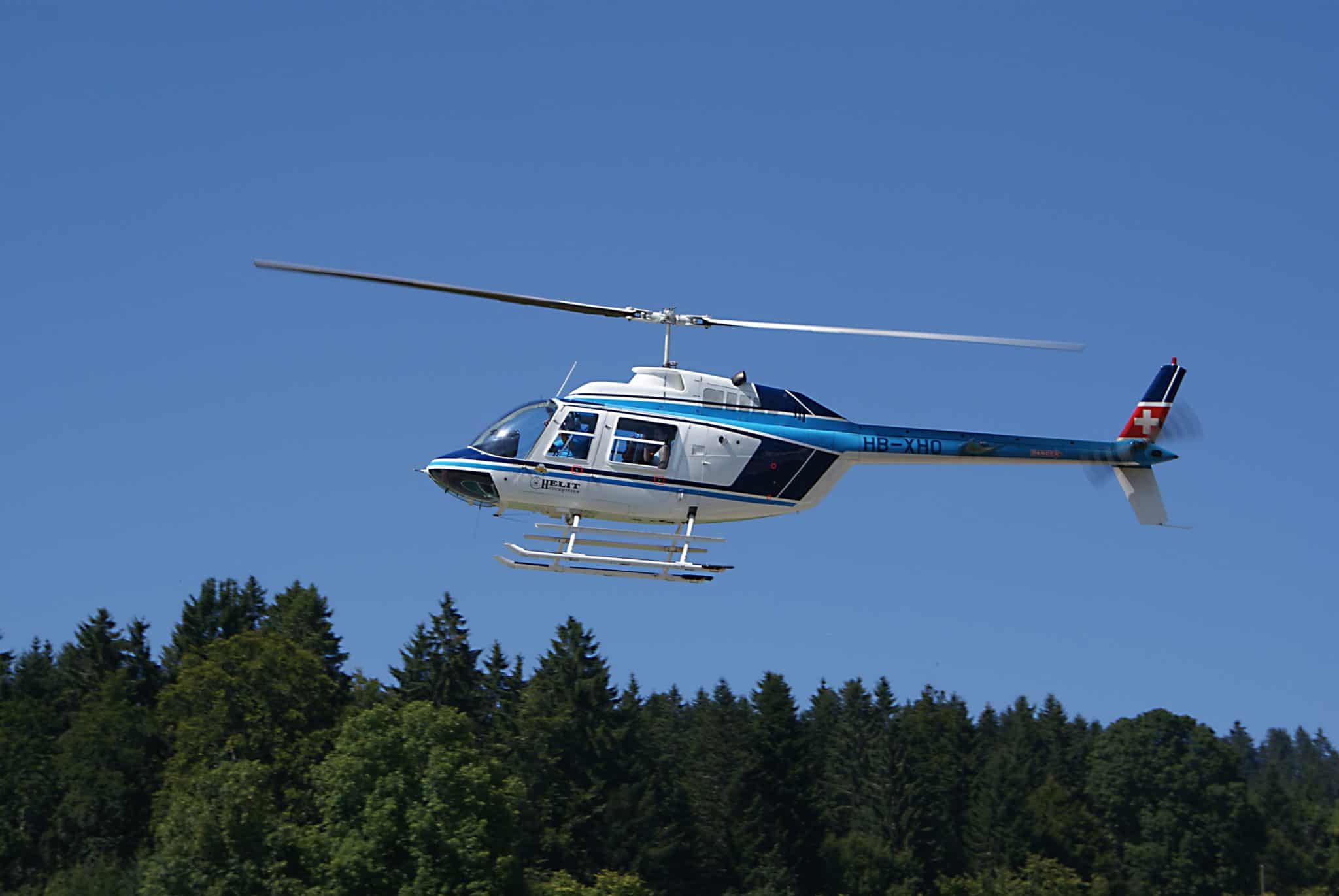

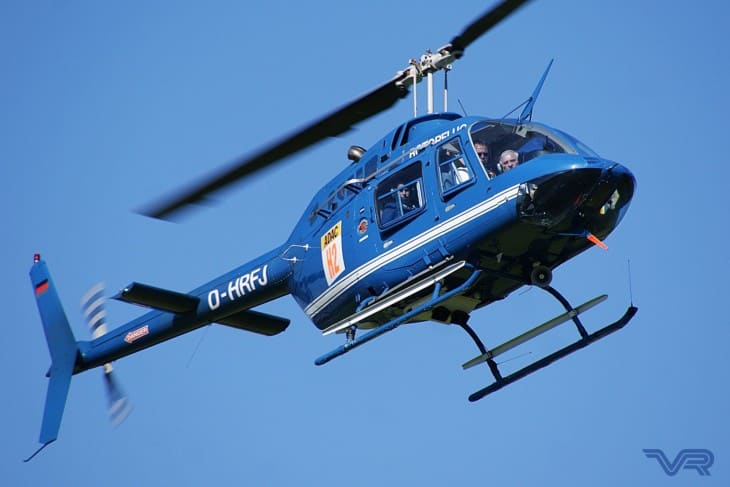
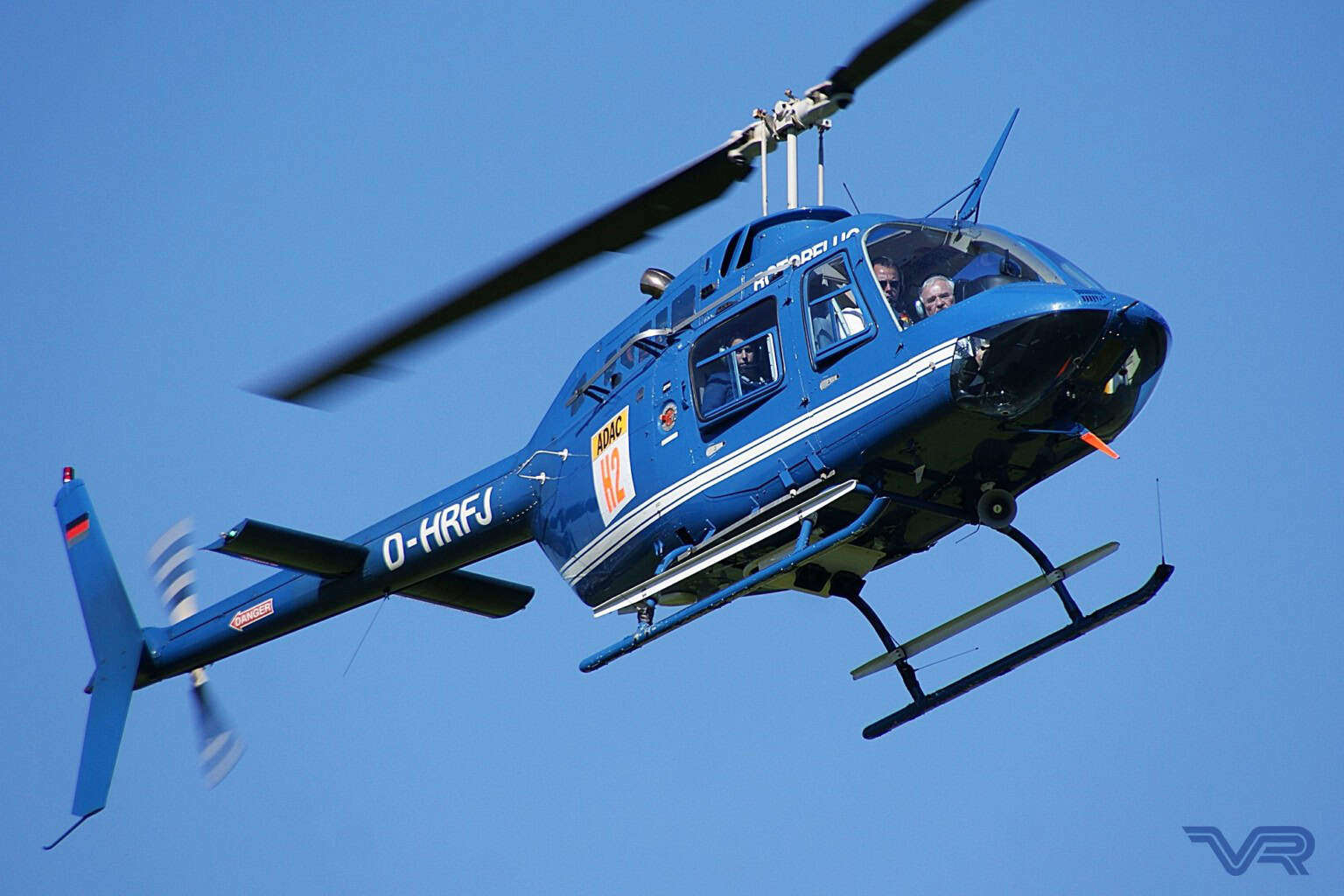
The Bell 206 started life as the YOH-4, Bell’s entry in the US Army’s Light Observation Helicopter contest. The Army picked the Hughes OH-6 instead.
Bell did not give up. It redesigned the airframe into a smoother, more civilian machine and sold it as the 206A JetRanger, which flew on January 10, 1966.
The Army later came back to the design and bought it as the OH-58 Kiowa. The US Navy’s TH-57 Sea Ranger trainer also grew from the 206A.
FAA certification came in October 1966 and deliveries began in January 1967. More than 7,000 Bell 206 family helicopters have been built in total, counting the larger LongRanger.
The JetRanger line improved mostly through engine upgrades. The cabin and basic layout stayed recognizable throughout.
The 206A used a 317 shp Allison 250-C18. The 206B JetRanger II arrived in 1971 with the Allison 250-C20.
The 206B-3 JetRanger III followed in 1977 with a 250-C20J and a larger tail rotor. The transmission, not the engine, limits the power the pilot can actually use, which is why a 420 shp engine is usually flown at a much lower rated output.
Bell ended production of the 206B-3 in 2010. The LongRanger, a stretched seven-seat sibling, stayed in production until 2017.
Other builders also made the type. Agusta built it in Italy as the AB-206, and Australia’s Commonwealth Aircraft Corporation built the 206B-1 for the Australian forces.
The full specification table for the helicopter is on this page. A few figures need context.
The JetRanger carries a pilot and up to 4 passengers, as the panel’s seat count shows. Most operators fit fewer seats in practice, because a full cabin and full fuel quickly reach the weight limit.
The panel’s max cruise speed of 130 kt · 150 mph · 241 km/h is a best-case figure. Other published numbers for the family run from about 120 to 130 knots, depending on variant, weight and altitude.
The same caution applies to range. The panel lists 374 nm · 430 mi · 690 km, and Wikipedia’s older 206B figure is lower, because range depends on payload, reserves and altitude.
The maximum takeoff weight is 3,200 lb · 1,450 kg for the standard certification. A 2004 Bell program raised the internal limit on 206B models to 3,350 lb under an FAA supplemental type certificate, with a lower airspeed limit until fuel is burned off.
The JetRanger became the default light helicopter for training, news gathering, police patrol, pipeline and power line work, tours and private transport.
In the US Army, 137 commercial 206B-3s were bought in 1993 as TH-67 Creek trainers for flight school at Fort Rucker. Canada’s military flew the 206B-3 as the CH-139.
It also appears in aviation records. In 1983 Dick Smith became the first pilot to fly a helicopter solo around the world, in a JetRanger III. Ron Bower flew a 206B-3 around the world in 1994 in 24 days.

Low purchase and running costs are a big part of the JetRanger’s story. The page header lists a price of $1.2 million (2014), which is a representative figure rather than a current price.
Used JetRangers are far cheaper, and they are still among the most affordable turbine helicopters to own. For comparisons, see our guide to the cheapest helicopters.
The type’s large global fleet means parts, mechanics and training are easy to find. That reliability is why it shows up in lists of the most famous helicopters and in the types of civilian helicopters in use today.

Yes. Production ended years ago, but thousands of JetRangers still fly with private owners, training schools, tour operators and utility companies.
Bell’s modern light single, the Bell 505 Jet Ranger X, carries the name forward as a separate design.
The page lists a max cruise speed of 130 kt · 150 mph · 241 km/h. Published figures vary by variant and weight, and typical cruise is lower, around 120 knots.
Yes. Bell still builds helicopters, including the Bell 505 Jet Ranger X. It ended production of the 206B-3 JetRanger III in 2010 and the final LongRanger model in 2017.
It seats a pilot and up to 4 passengers. The LongRanger stretch seats more.
The LongRanger is a longer-cabin version with seven seats and a more powerful engine. The JetRanger is the original five-seat design.
The header lists $1.2 million (2014). Used aircraft vary widely with age, hours and equipment.
The Army chose the Hughes OH-6 in the Light Observation Helicopter contest. Bell redesigned the aircraft for civilian sales and the Army later adopted it as the OH-58 Kiowa.
Sources and references used for research and fact-checking.