Light Helicopters
Bell 206 Jet Ranger
ICAO: B06
The Bell 47 was the first helicopter certified for civilian use, and its bubble canopy became the picture most people have in mind when they hear the word helicopter. More than 5,600 were built for armies, news crews, farmers and flight schools.
Updated: by Tim de Vries

The latest aviation news and stories sent to your inbox.
The Bell 47 is a single-engine, single-rotor light helicopter that Bell Helicopter developed from Arthur Young’s Bell 30 prototype. It first flew in December 1945 and received the first civil helicopter certificate in March 1946. The US Army flew it as the H-13 Sioux, and it served as a medevac aircraft in Korea, the first television news helicopter and an Apollo astronaut trainer.
Live Fleet Activity (B47G)
Fetching live data…


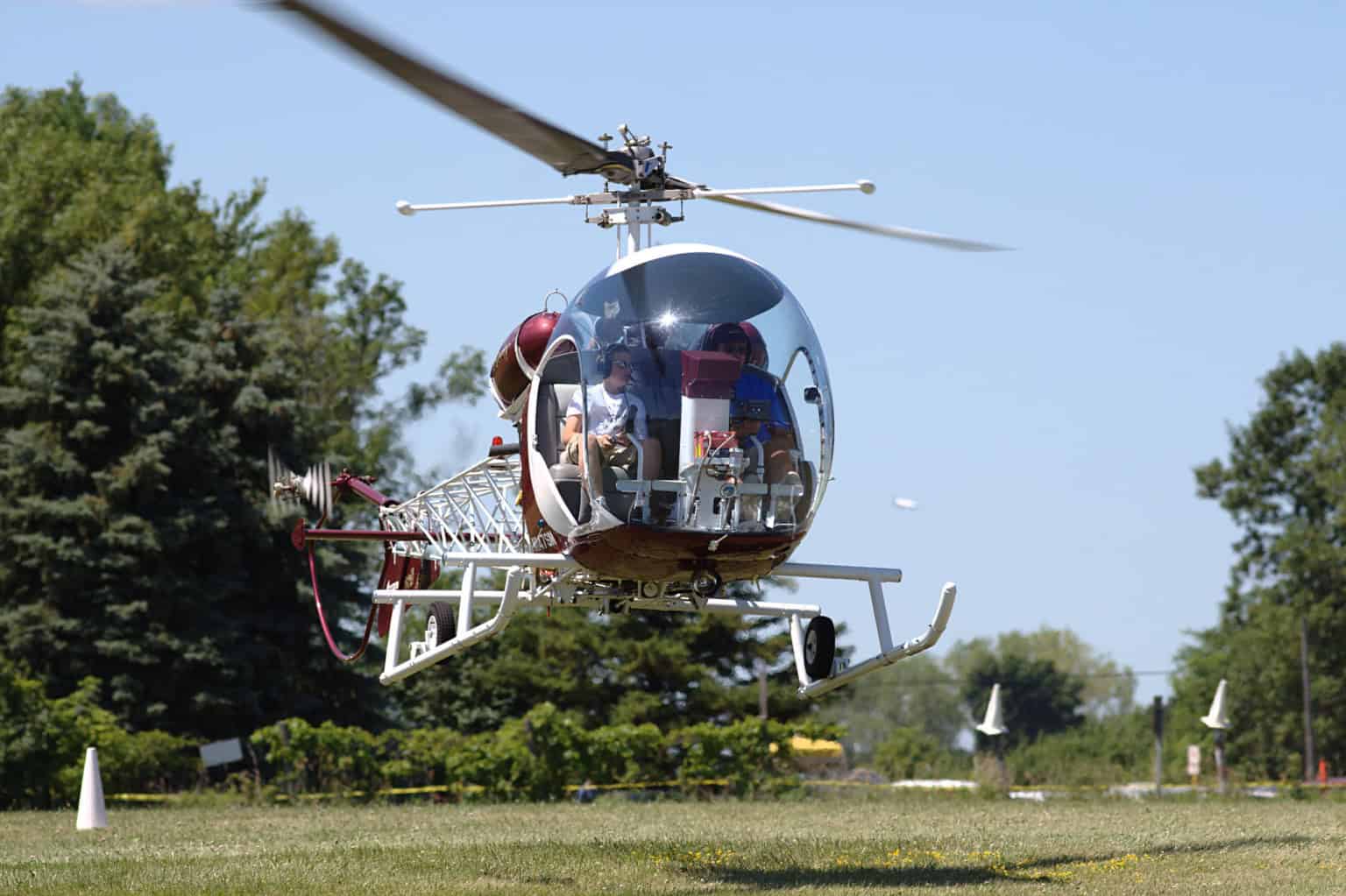
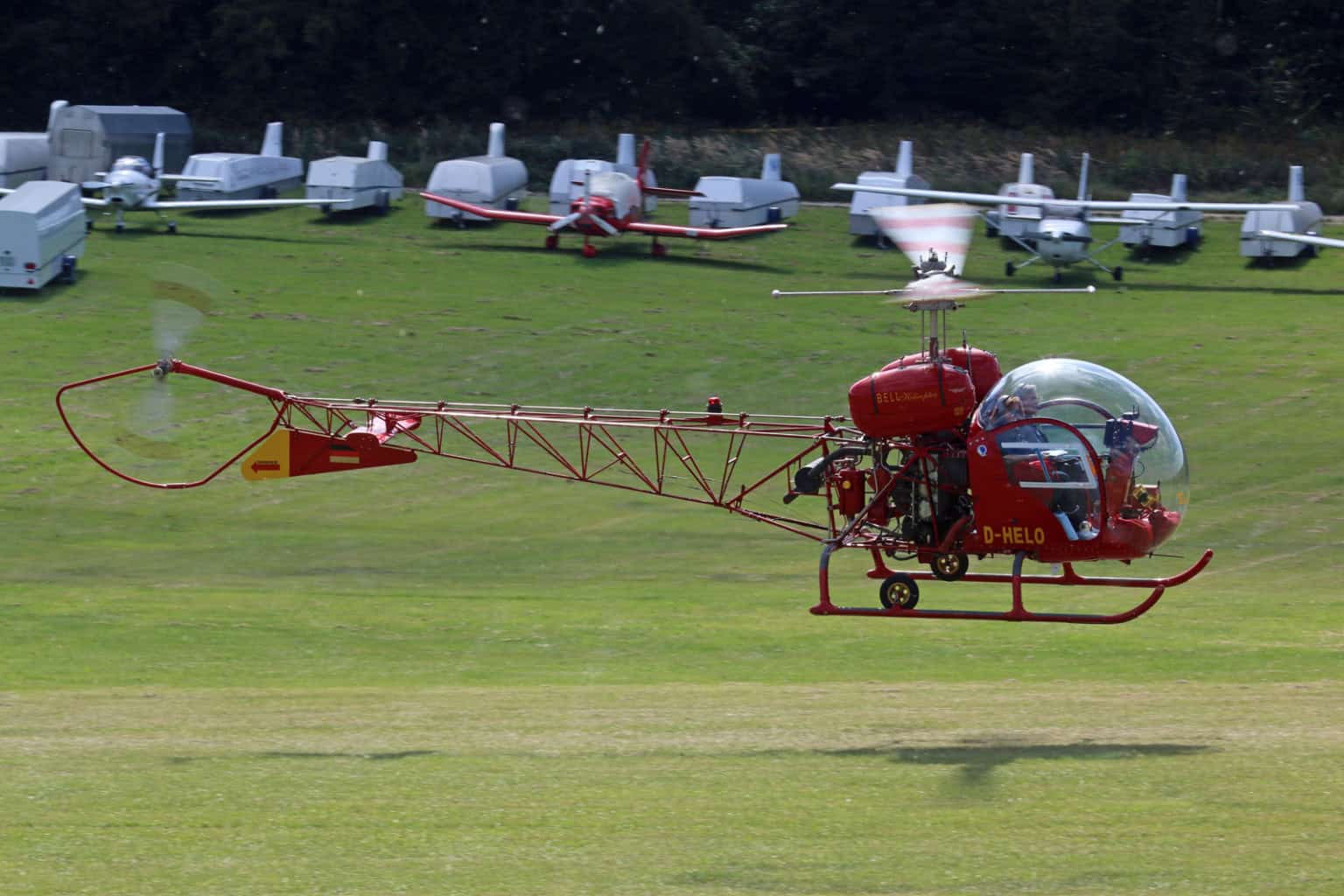

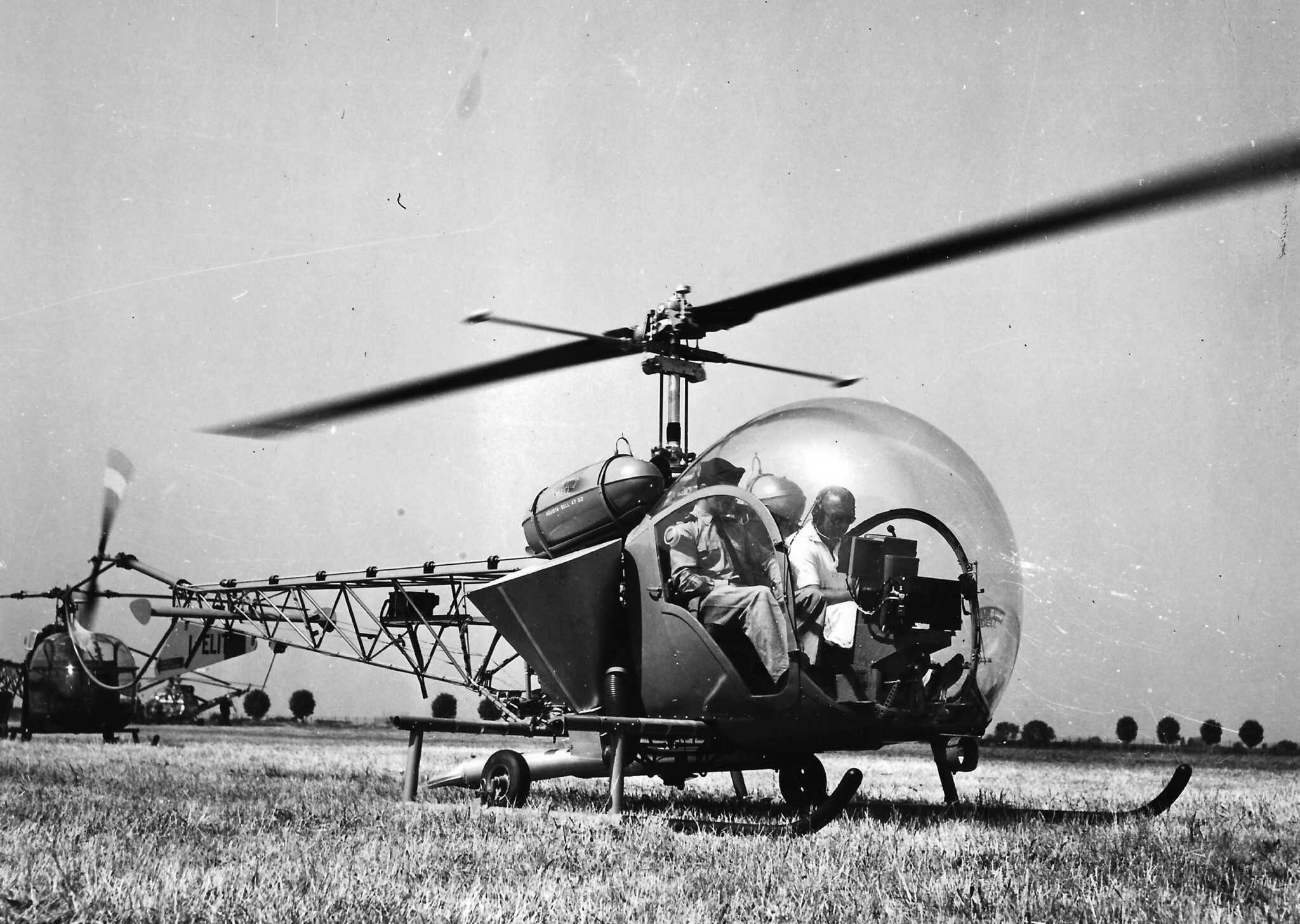
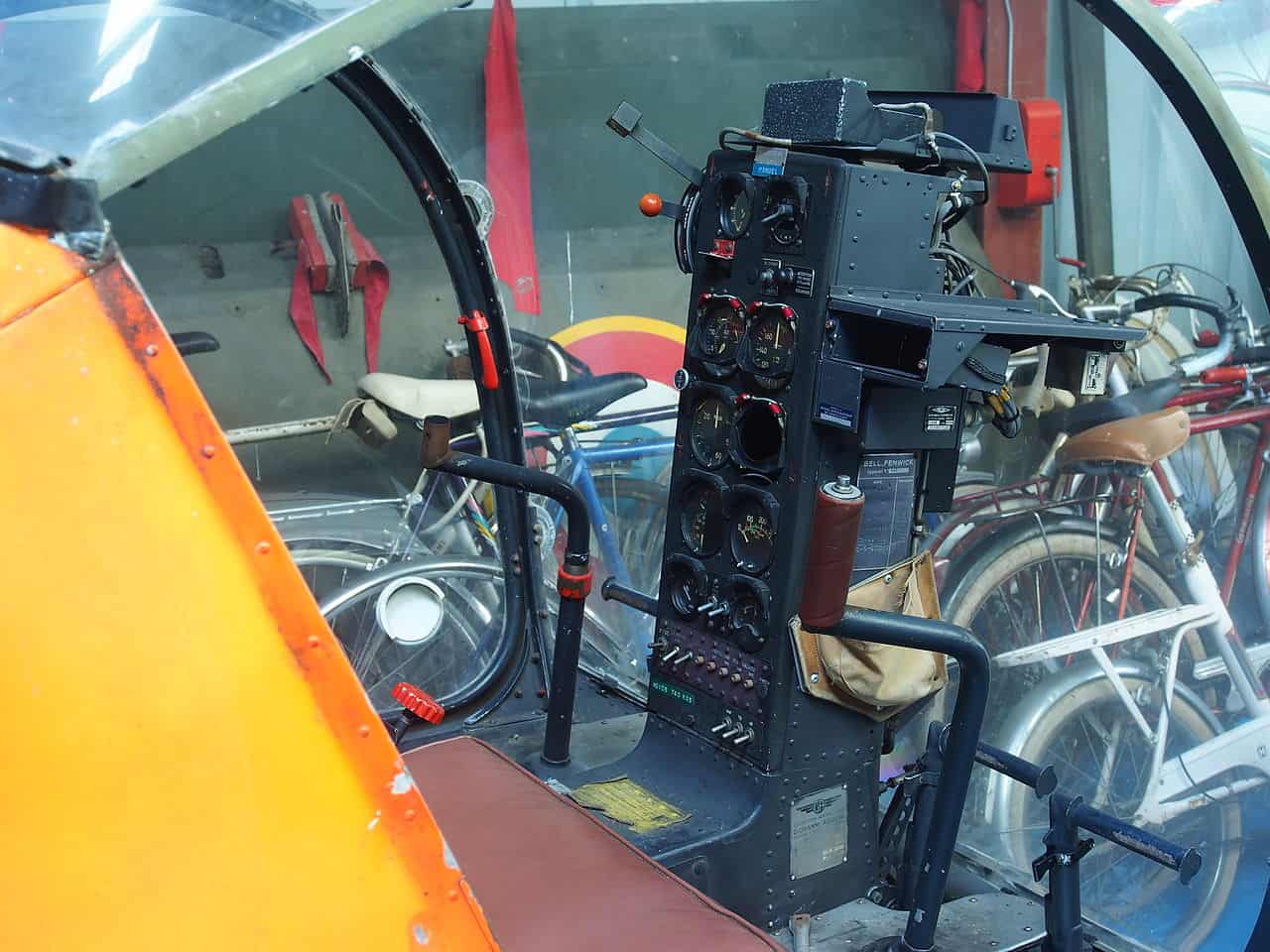
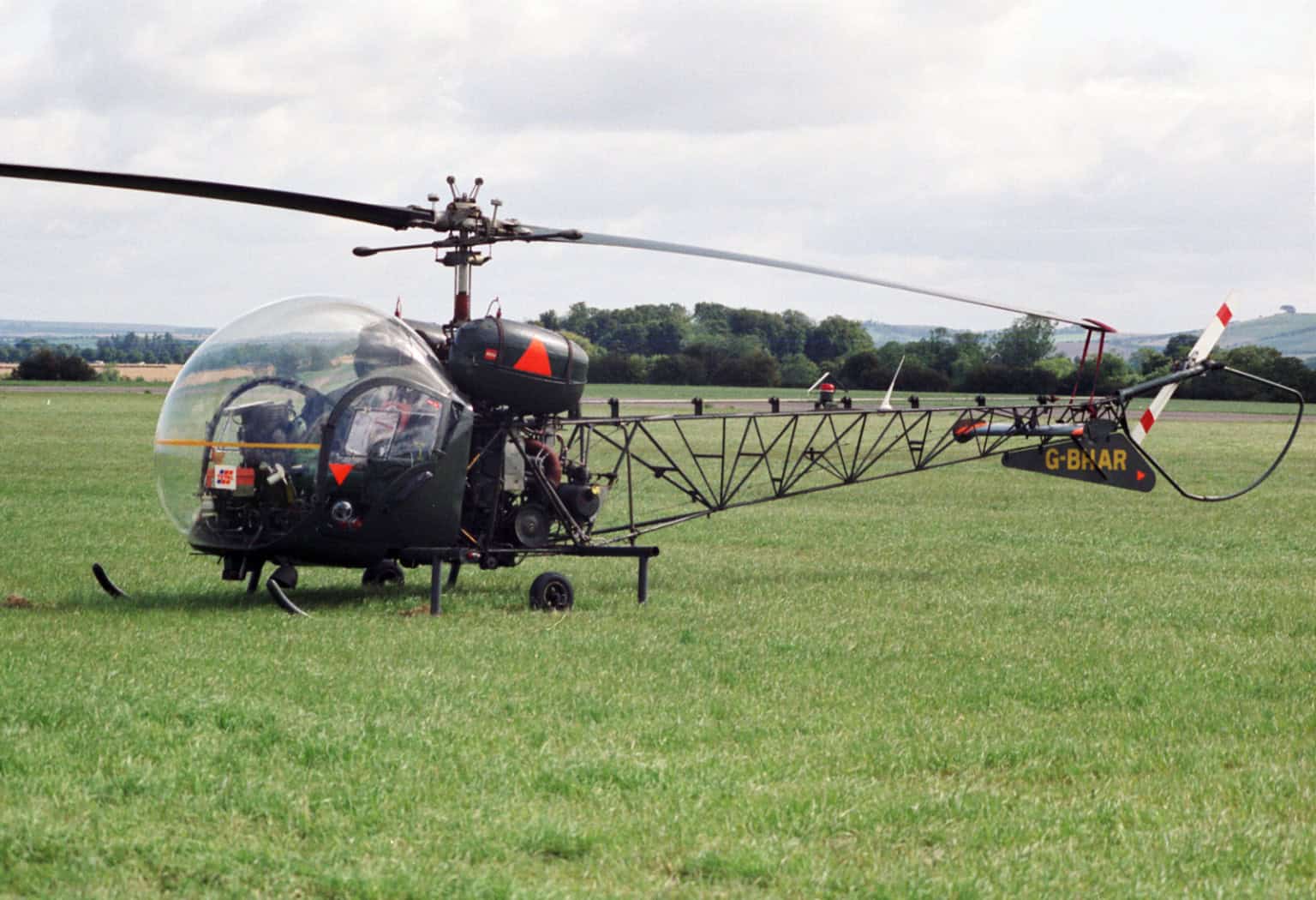
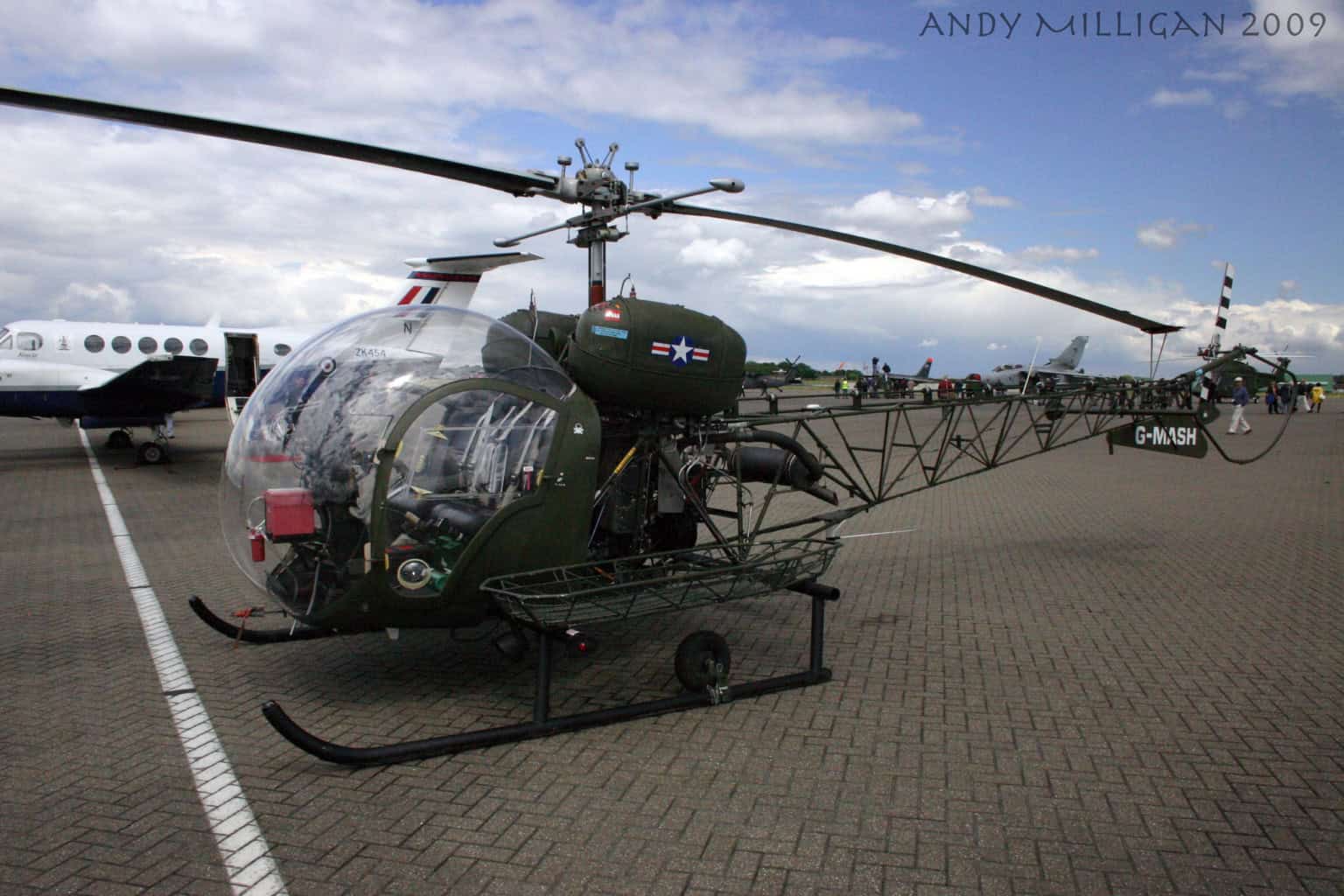
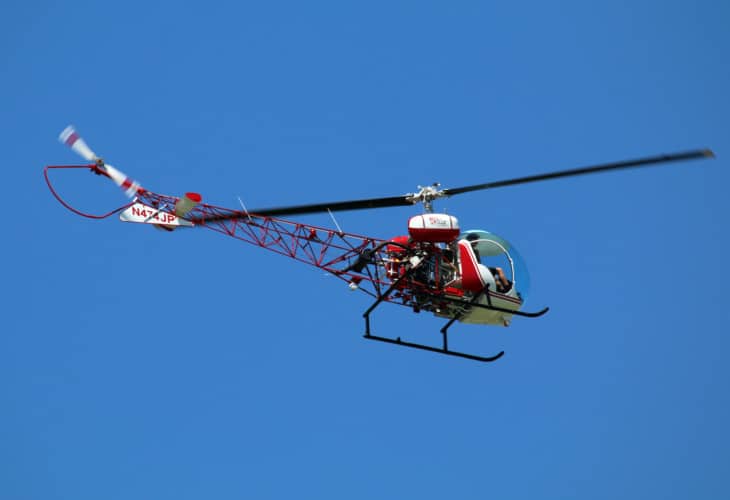
The Bell 47 is a single-engine, single-rotor light helicopter. It was the first helicopter in the world certified for civilian use, on March 8, 1946, and more than 5,600 were built between 1946 and 1974.
Its glass bubble canopy, exposed welded-tube tail boom and skid landing gear made it the helicopter most people picture. The full specification table for the aircraft is on this page.
The Bell 47 grew out of the Bell 30, the company’s first helicopter, designed by Arthur M. Young. The third Bell 30 prototype became the Bell 47, which first flew on December 8, 1945.
Certification came three months later, and the first civilian delivery went to Helicopter Air Transport on December 31, 1946.
Production ran for almost 30 years. Agusta in Italy, Kawasaki in Japan and Westland in the UK also built it under license.
The 47B was the early production model, equal to the military YR-13/HTL-1. A 47B-3 was offered to the US Postal Service as the Airmailer.
The 47D was the first model with a molded bubble canopy. The 47G of 1953 became the most common version, with three seats, twin saddle fuel tanks and many sub-variants.
The 47H was a three-seat enclosed-cabin “luxury” version, and few were built. The 47J Ranger was a four-seat version with a fully enclosed cabin and tail boom, and the 47K was its military two-seat trainer.

The US Army flew the Bell 47 as the H-13 Sioux from late 1946, and it served for about three decades.
In the Korean War it flew reconnaissance, search and rescue and medevac missions. Its open frame let crews carry a patient on an external litter, which is why the type is tied to the image of frontline helicopter medical evacuation.
The British Army, the Italian Carabinieri and the Peruvian Navy also operated it.

On July 3, 1958, KTLA in Los Angeles flew a Bell 47 fitted with a television camera, the first television news helicopter flight. Inventor John D. Silva was aboard.
When a vacuum tube in the microwave transmitter failed, Silva climbed onto the landing skid in mid-hover and fixed it.
On May 13, 1949, a Bell 47 set an altitude record of 18,550 ft (5,650 m). On September 21, 1950, one became the first helicopter to fly over the Alps.
On September 17, 1952, Elton J. Smith flew a piston helicopter 1,217 miles (1,959 km) from Hurst, Texas, to Buffalo, New York, a distance record that still stood in 2018.
NASA also used several Bell 47s to train astronauts for Apollo Lunar Module landings. Apollo 17 commander Gene Cernan crashed one into Florida’s Indian River in 1971, before his lunar flight.
The specification table for the aircraft is on this page, and it follows the common 47G-3B. Other variants differ in weights, seats and power.
The 280 hp Lycoming TVO-435-F1A is a six-cylinder, horizontally opposed, air-cooled piston engine. Other variants used Franklin or Lycoming engines of different outputs.
The wing span row holds the main rotor diameter, because a helicopter has no wing. The rotor is what sets the footprint a pilot needs to land.

Yes. As of April 2011, 1,068 were registered with the FAA in the US and 15 in the UK, and airworthy examples fly in the US, Austria and Australia.
Scott’s Helicopter Services received the type certificates in February 2010. A turboshaft version, the 47GT-6, stalled, and as of 2025 no new production models had appeared.
Prices for used aircraft vary widely with condition and variant. Look at an appraisal, the airframe logs and the engine hours rather than a headline number.
Yes. It became the first helicopter certified for civilian use on March 8, 1946.
Arthur M. Young designed the Bell 30, and the third Bell 30 prototype became the Bell 47.
It first flew on December 8, 1945.
More than 5,600 were built from 1946 to 1974, including licensed production in Italy, Japan and the UK.
The US Army flew it as the H-13 Sioux for reconnaissance, search and rescue and medevac, including in the Korean War.
No. Production ended in 1974. Scott’s Helicopter Services holds the type certificates, but no new production models had appeared as of 2025.
Sources and references used for research and fact-checking.