Light Helicopters
Bell 206 Jet Ranger
ICAO: B06
Bell Aircraft · Bell Helicopter · Bell Textron
Pioneers of rotorcraft innovation from the Huey to modern tiltrotors

AeroCorner features profiles for 31 Bell aircraft. This includes 12 Mid Size Helicopters, 8 Military Helicopters, 5 Light Helicopters, 3 Tilt Rotors, 2 Military Propellor Planes, and 1 Large Helicopter. Each profile includes performance data, photo galleries, dimensions, and operational history.
Bell Textron is a leading American aerospace manufacturer focused on civil and military helicopters, tiltrotor aircraft, and modern vertical lift technology. As a subsidiary of Textron Inc., the company develops and supports rotorcraft used in commercial transport, emergency services, offshore work, and global defense. Bell combines long standing helicopter expertise with ongoing research into high speed VTOL and advanced autonomous systems.
Bell Textron emphasizes reliable engineering, ease of operation, and mission adaptability. The company invests in modern design tools, composite construction, and cockpit systems that simplify flying and improve safety. Its aircraft continue to serve governments, businesses, and private operators around the world.
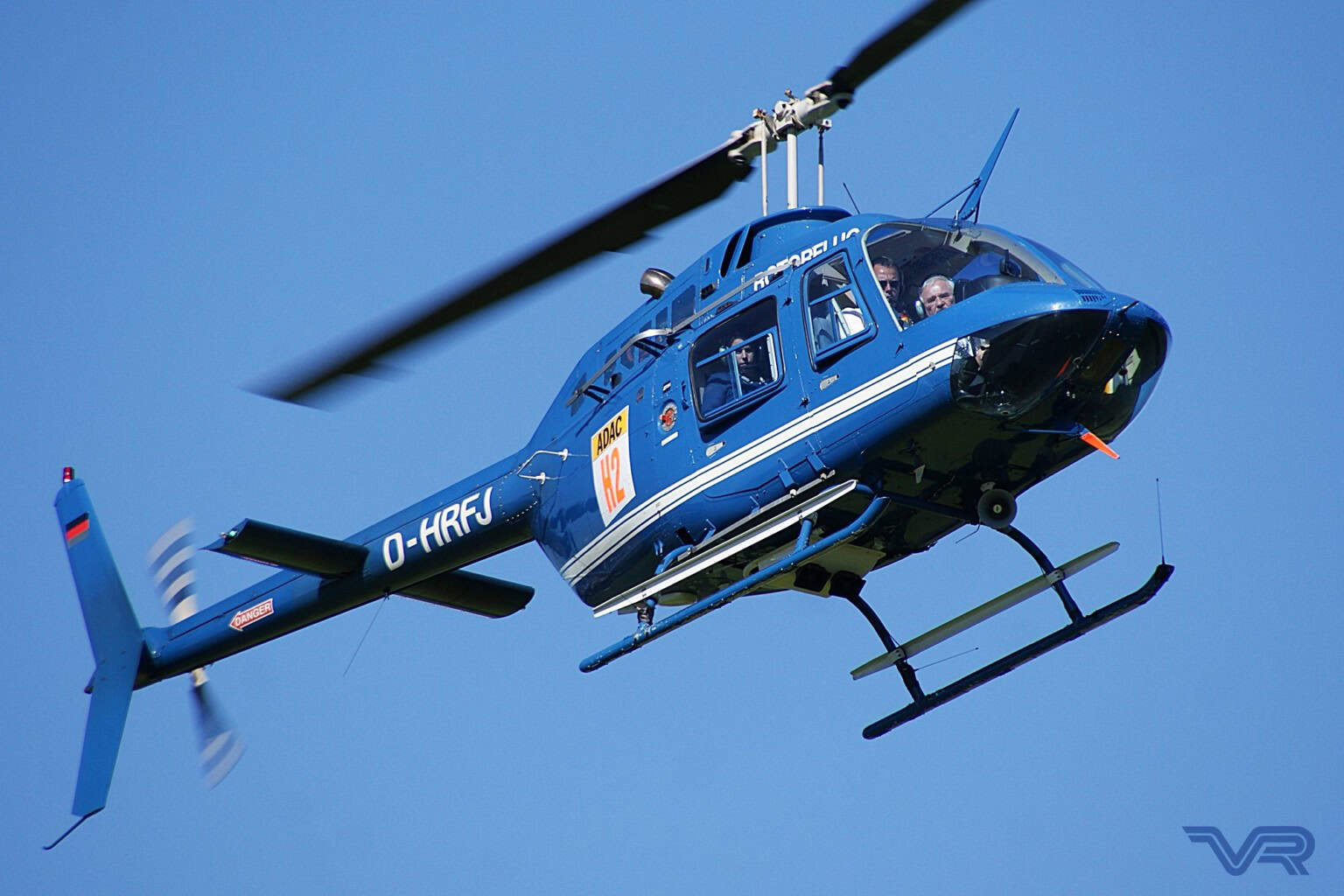
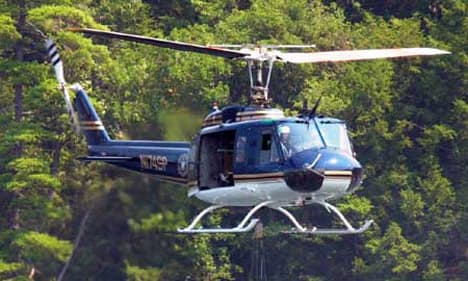
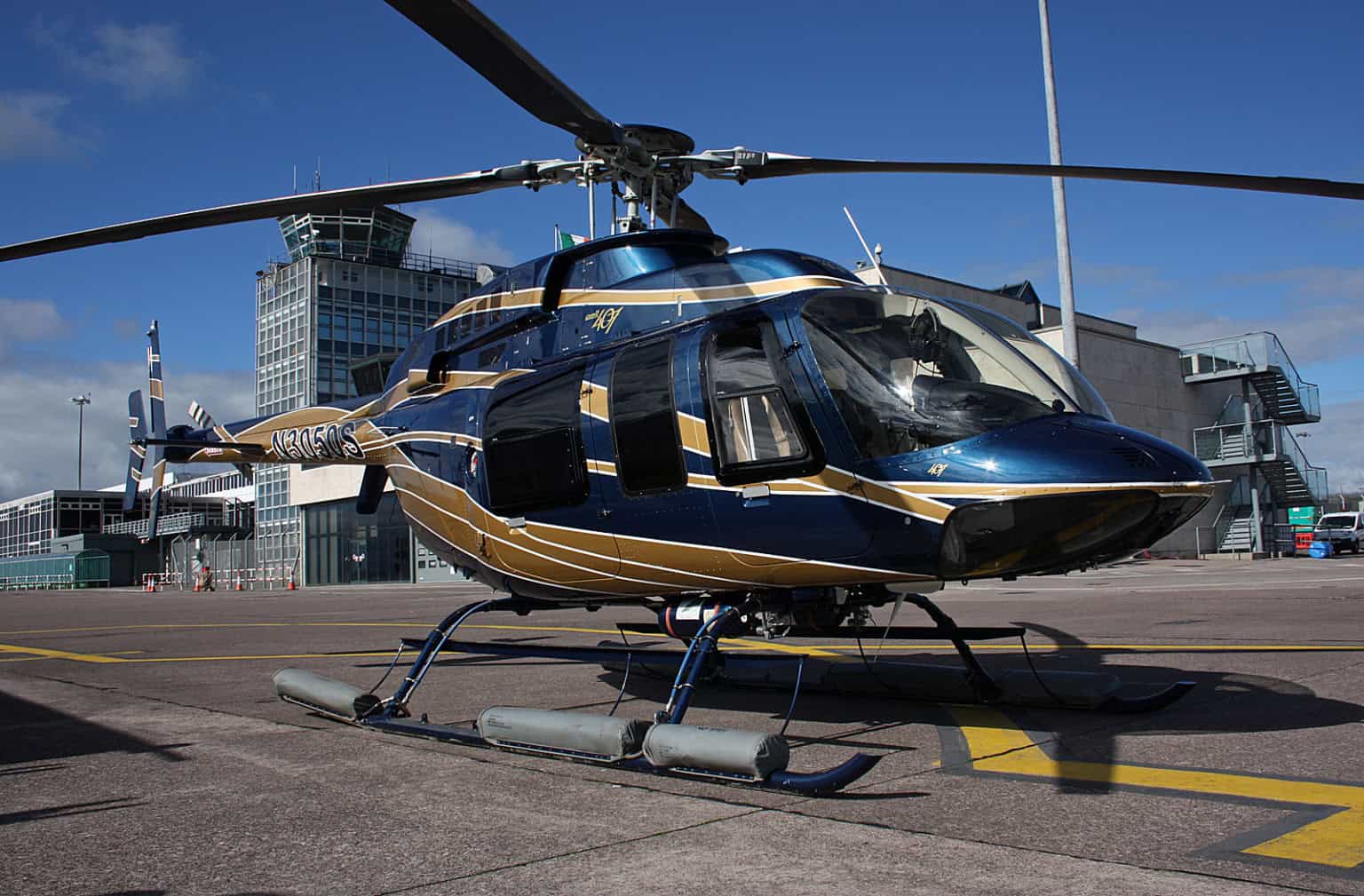
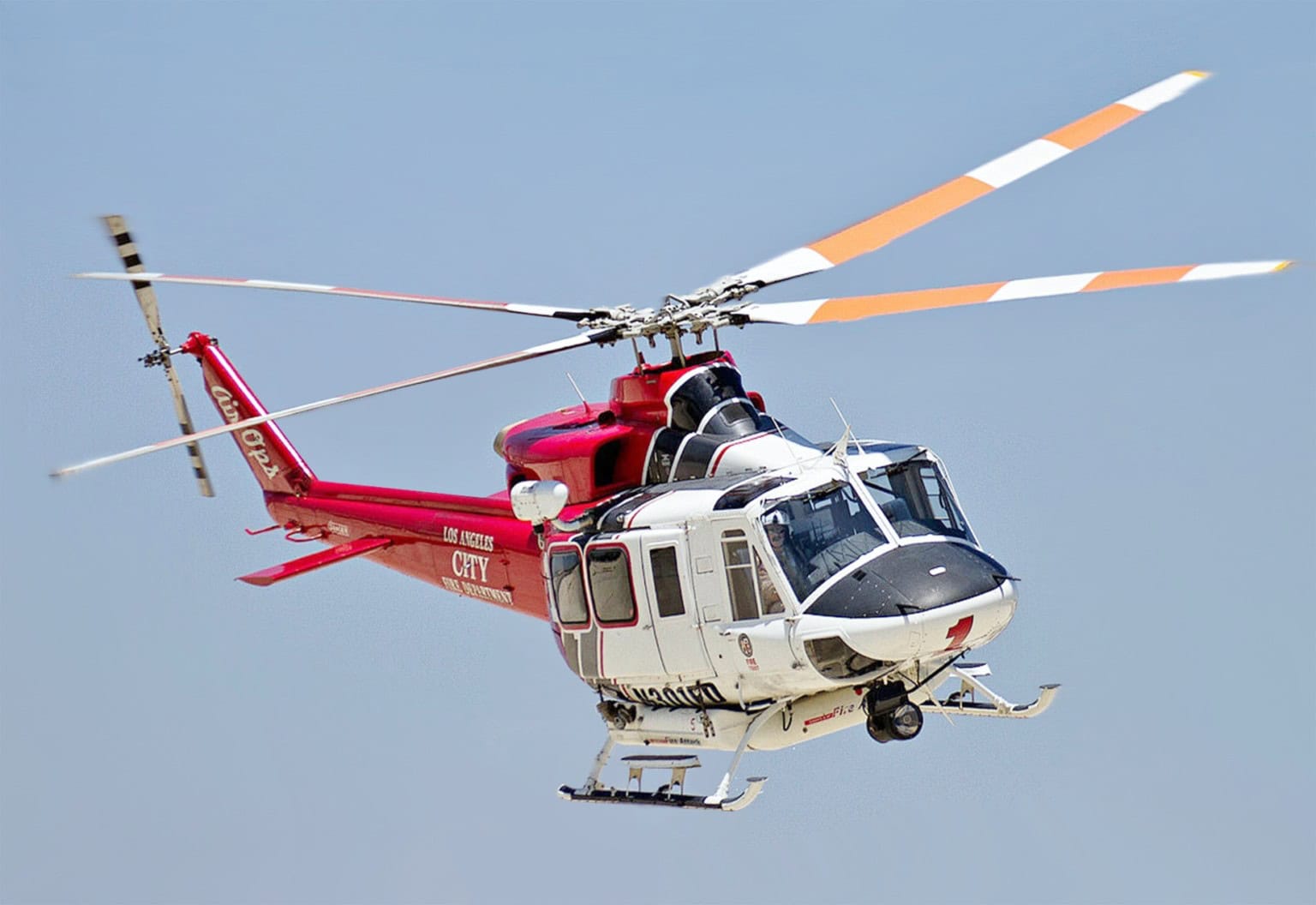
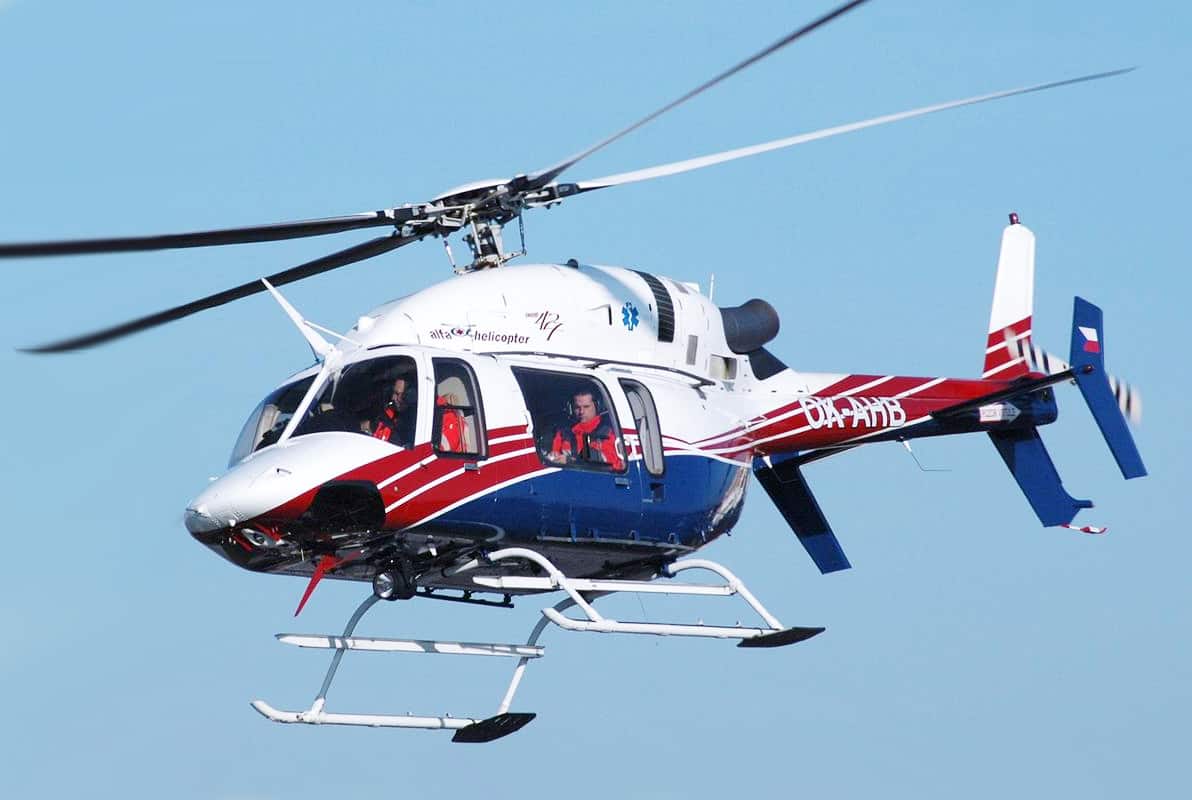
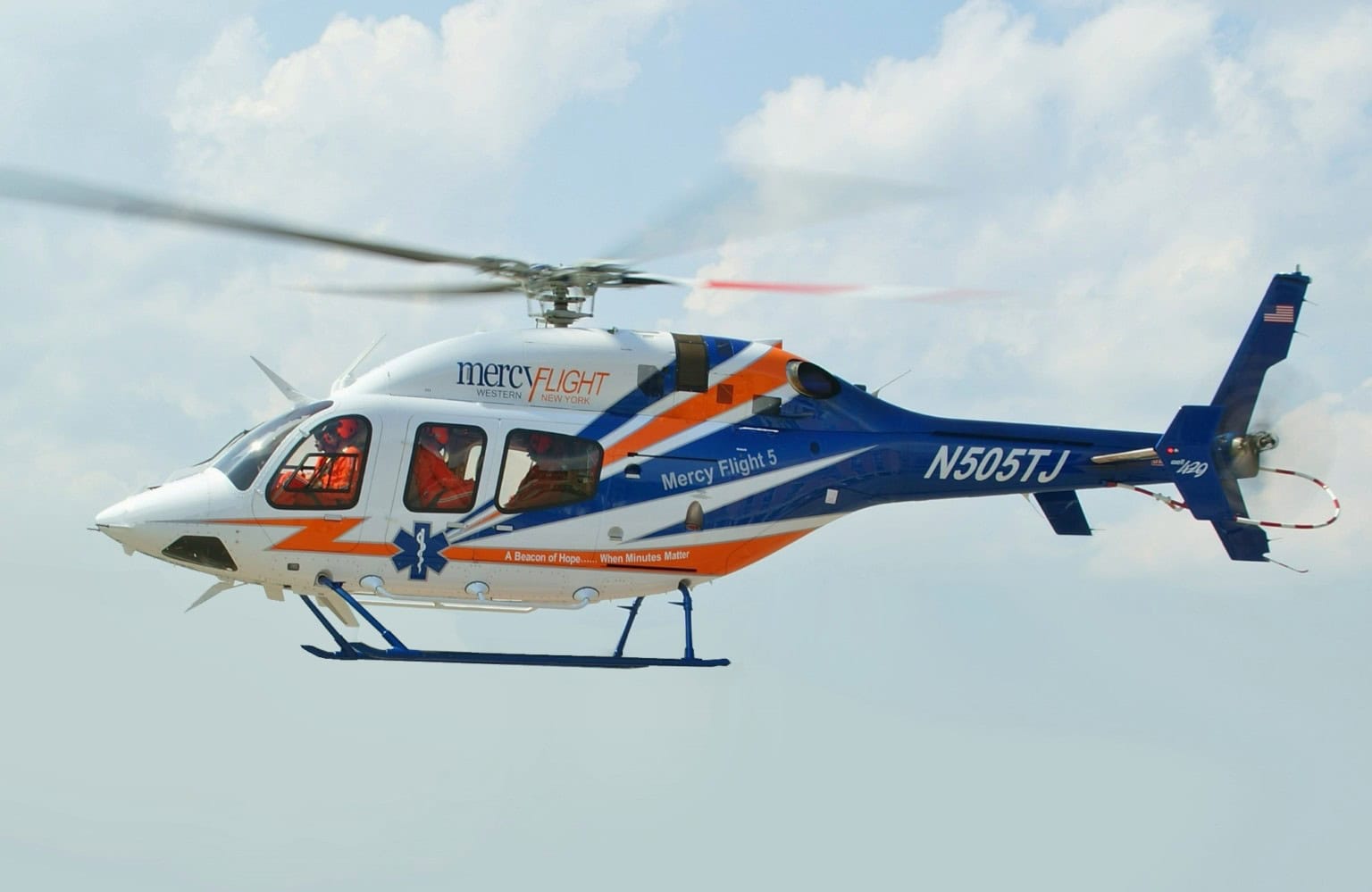

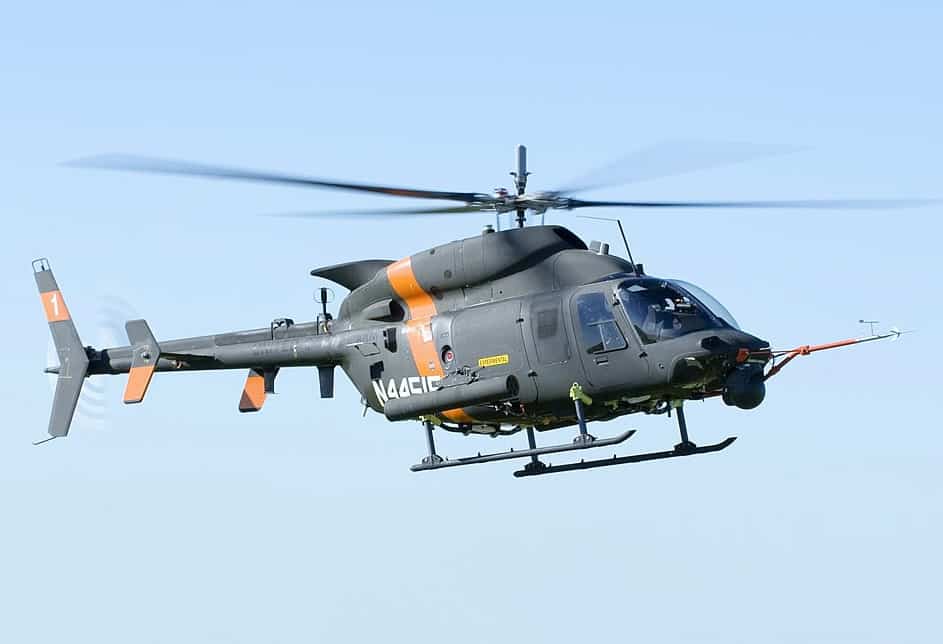
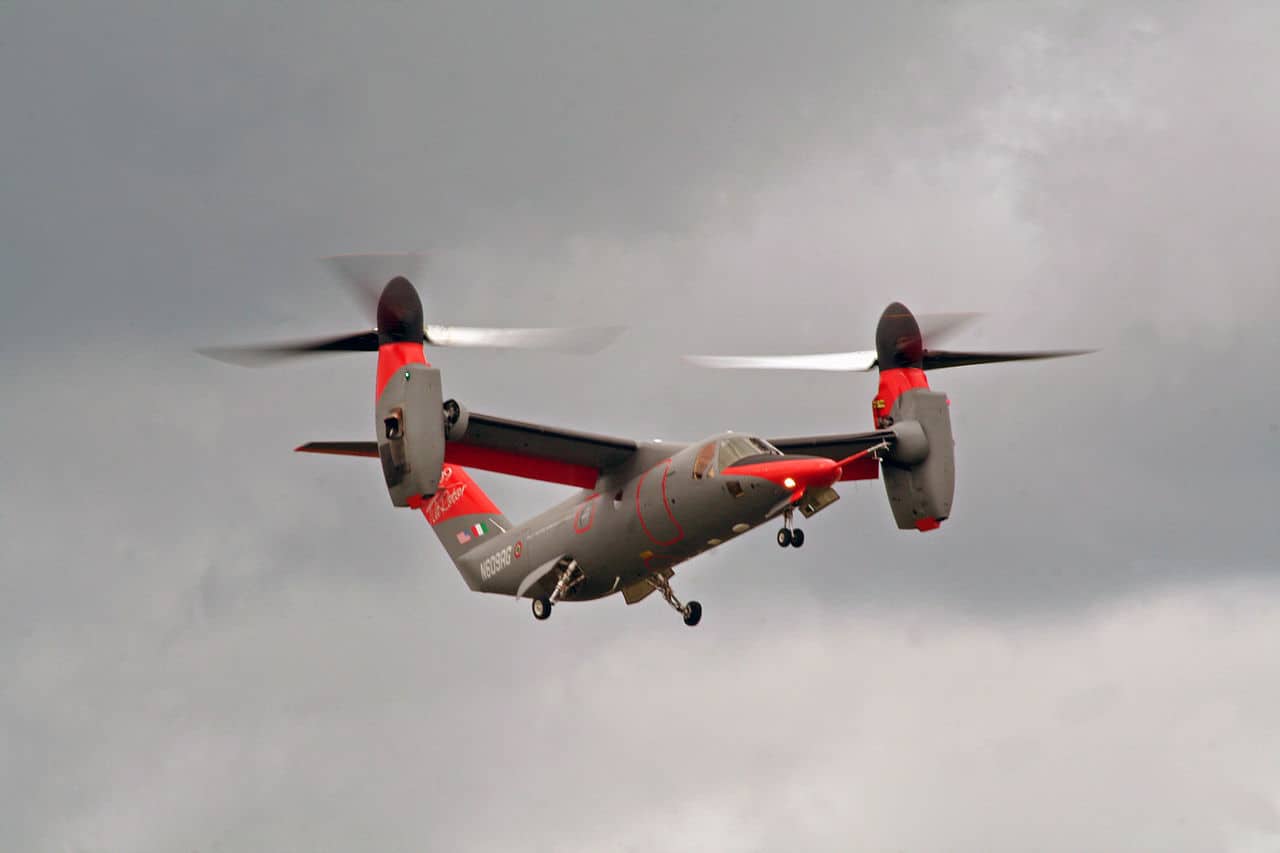
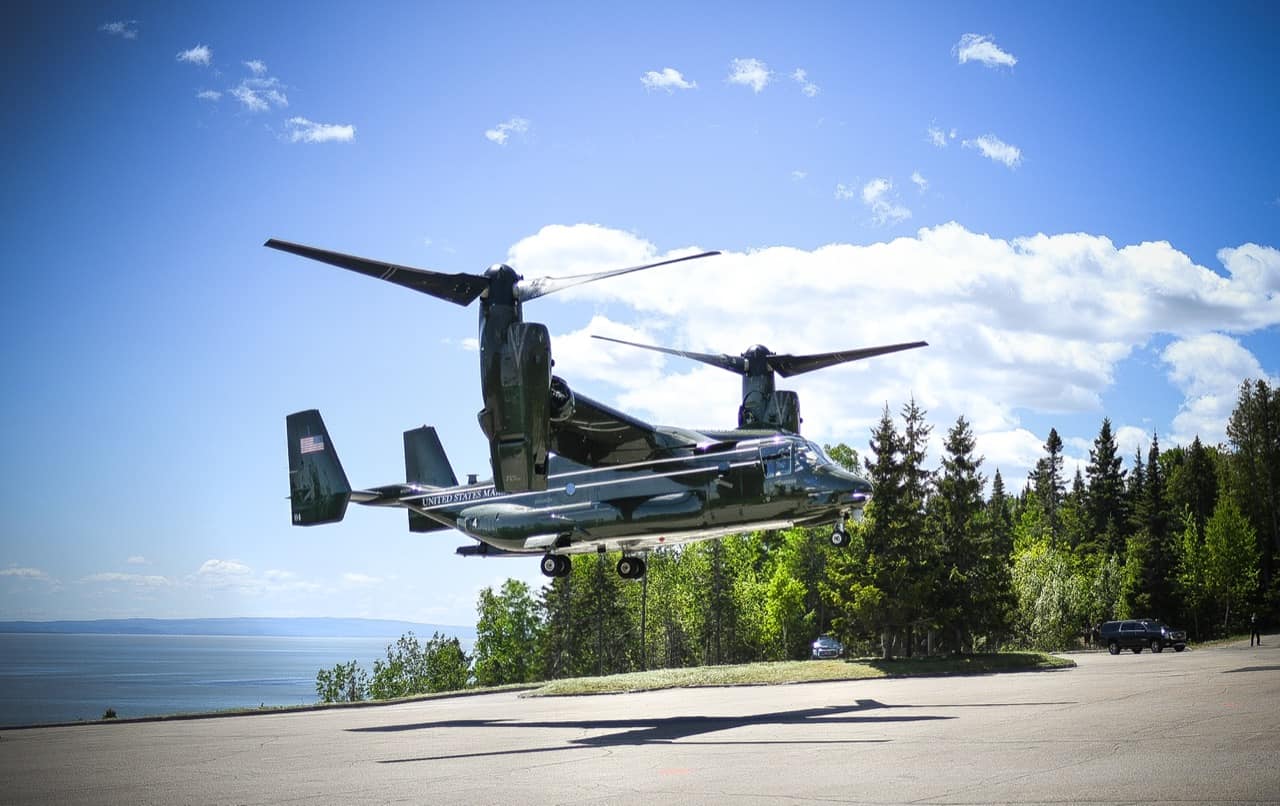
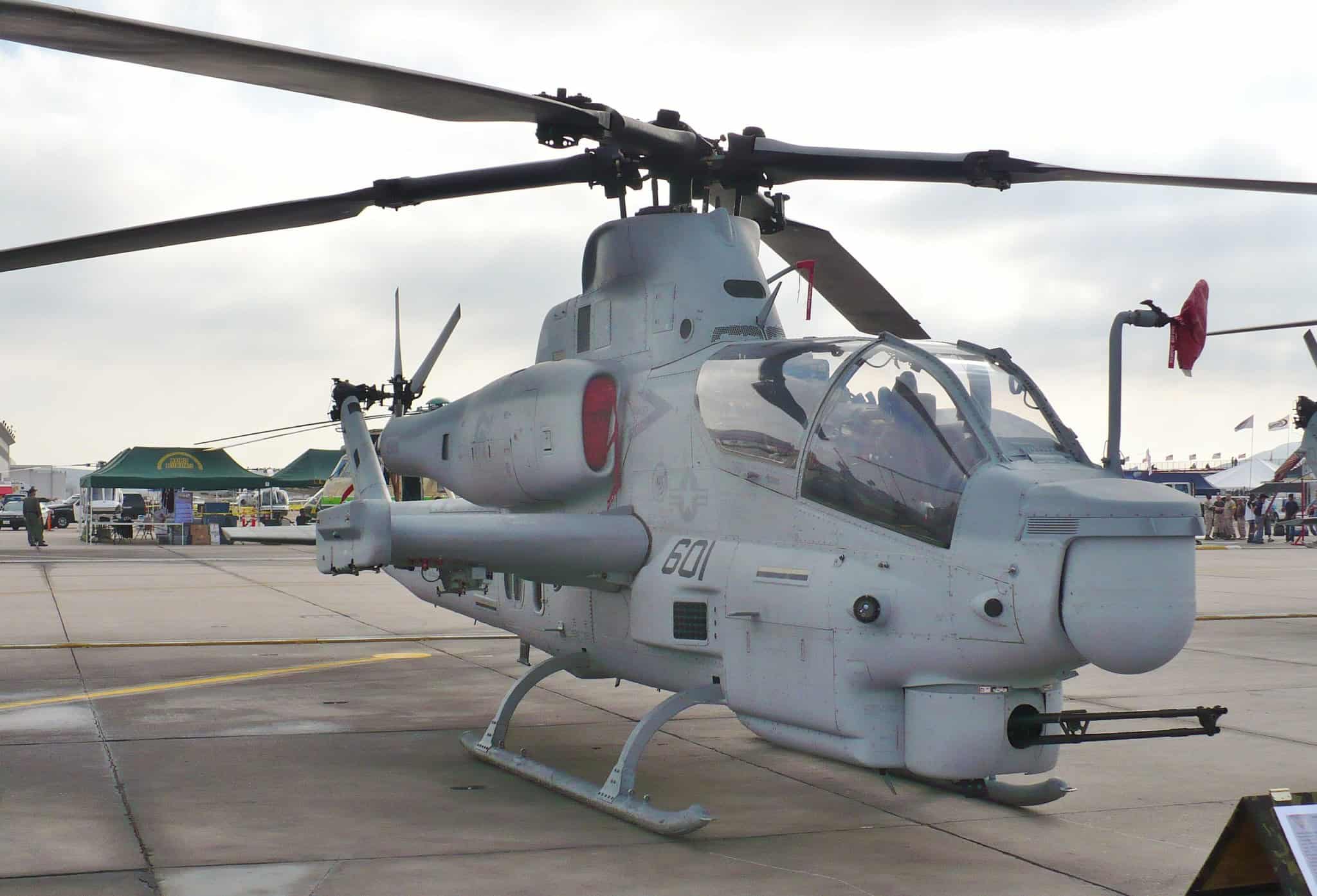

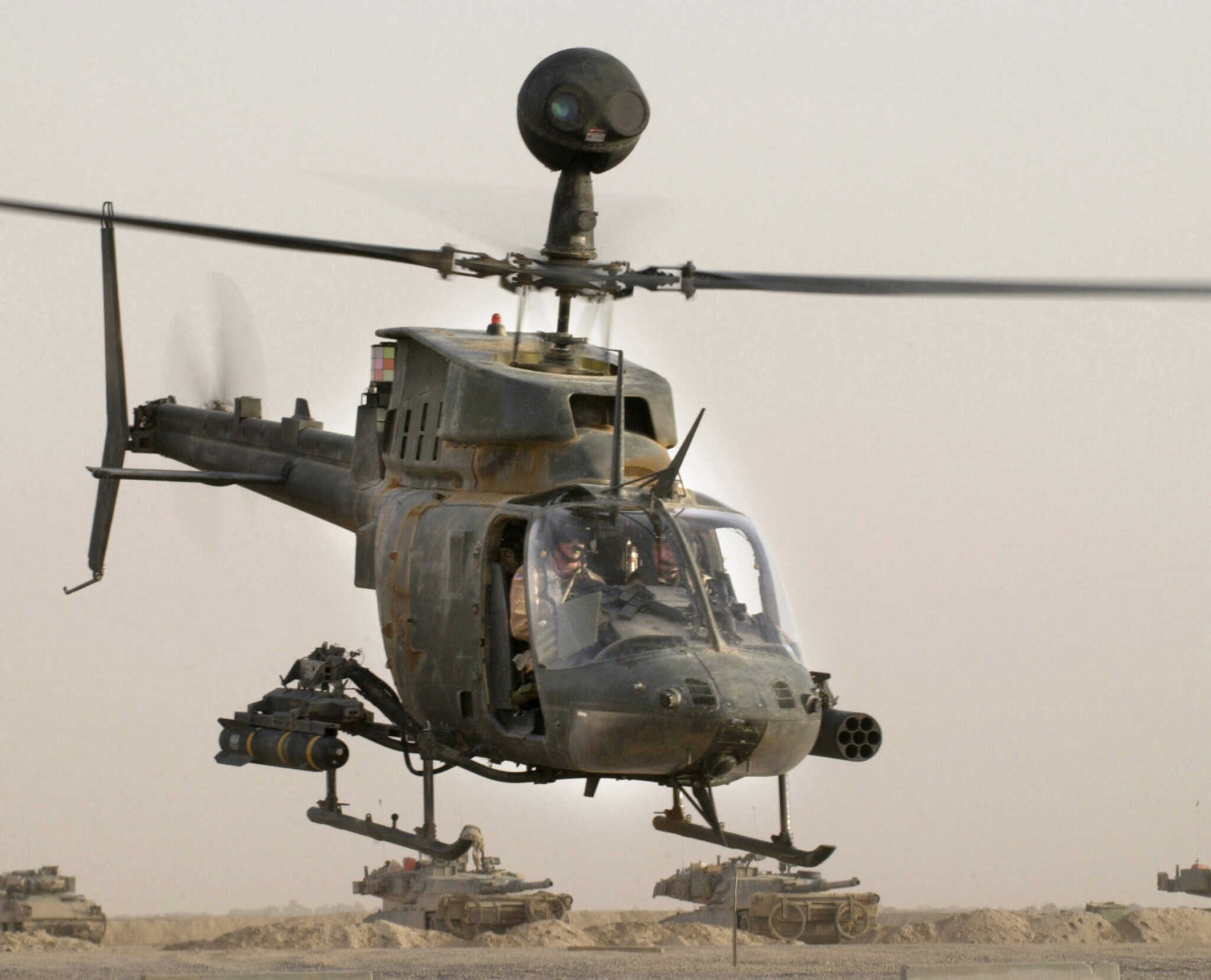
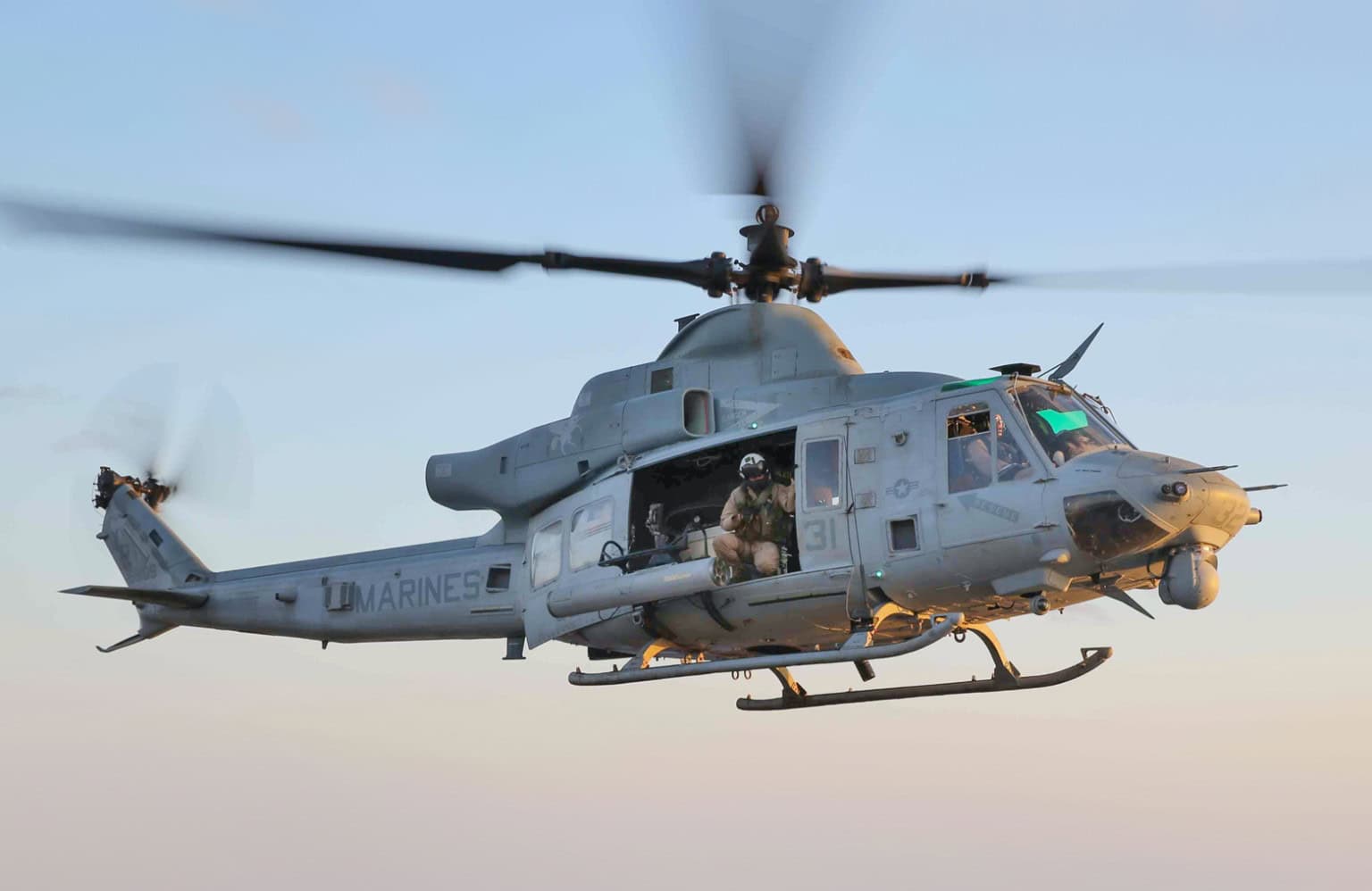
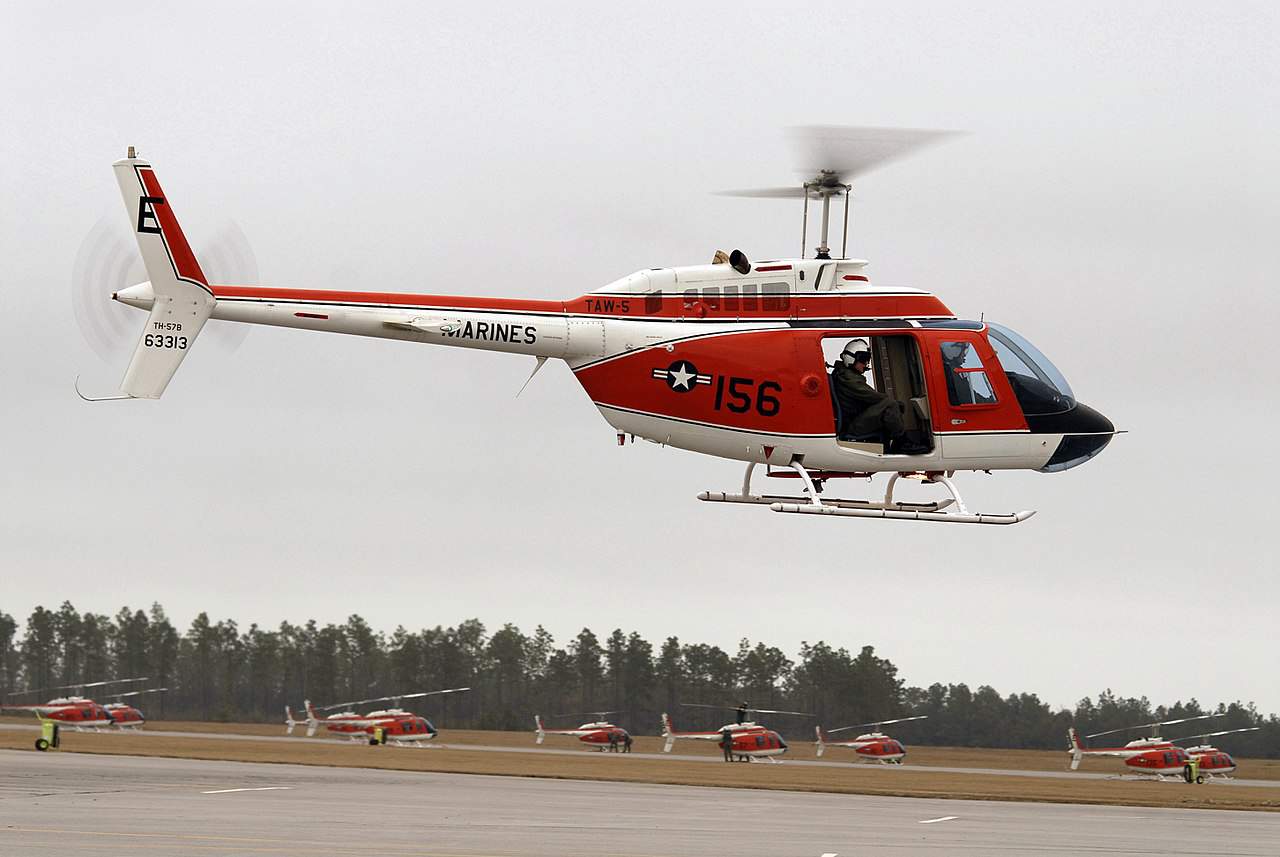
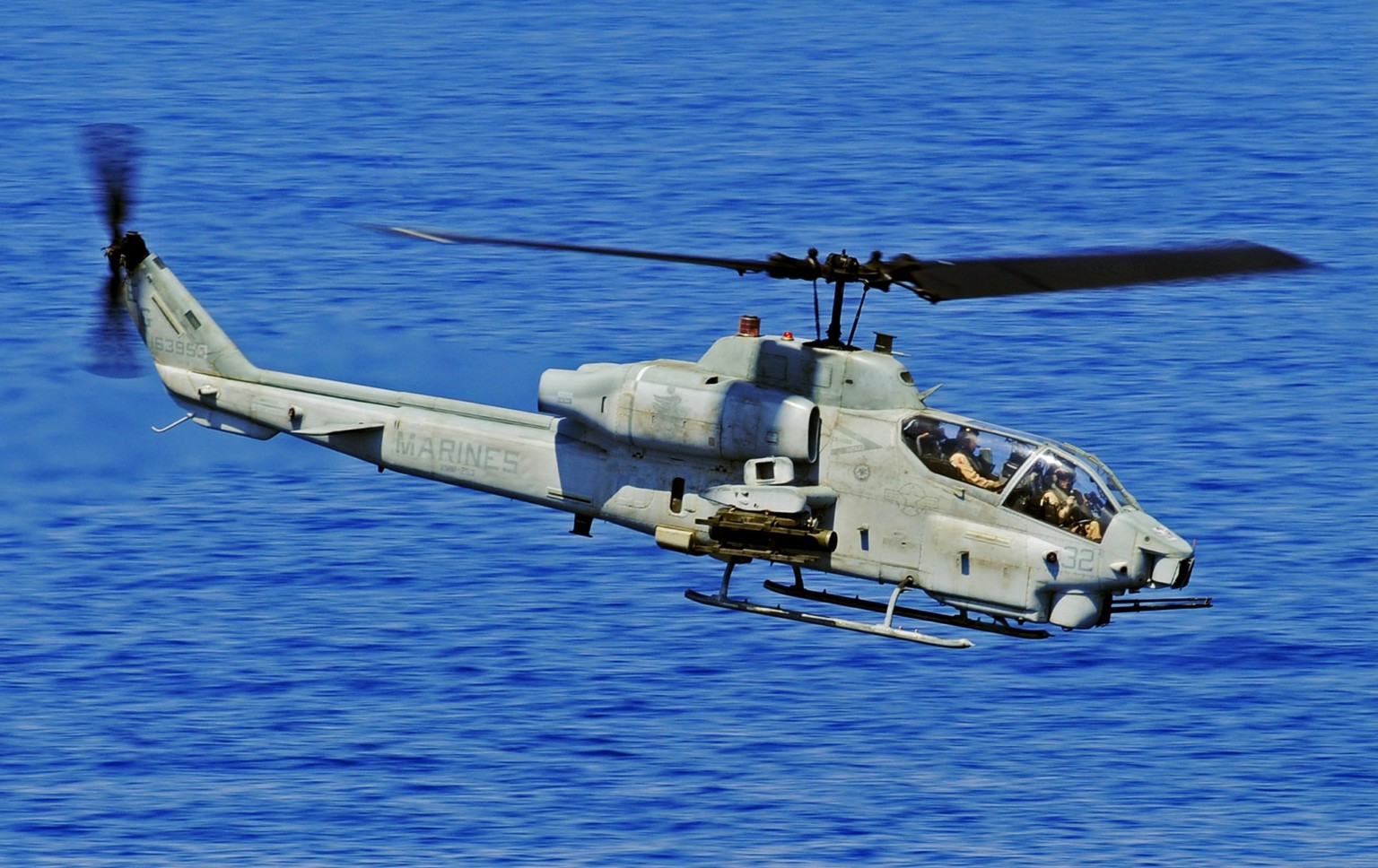
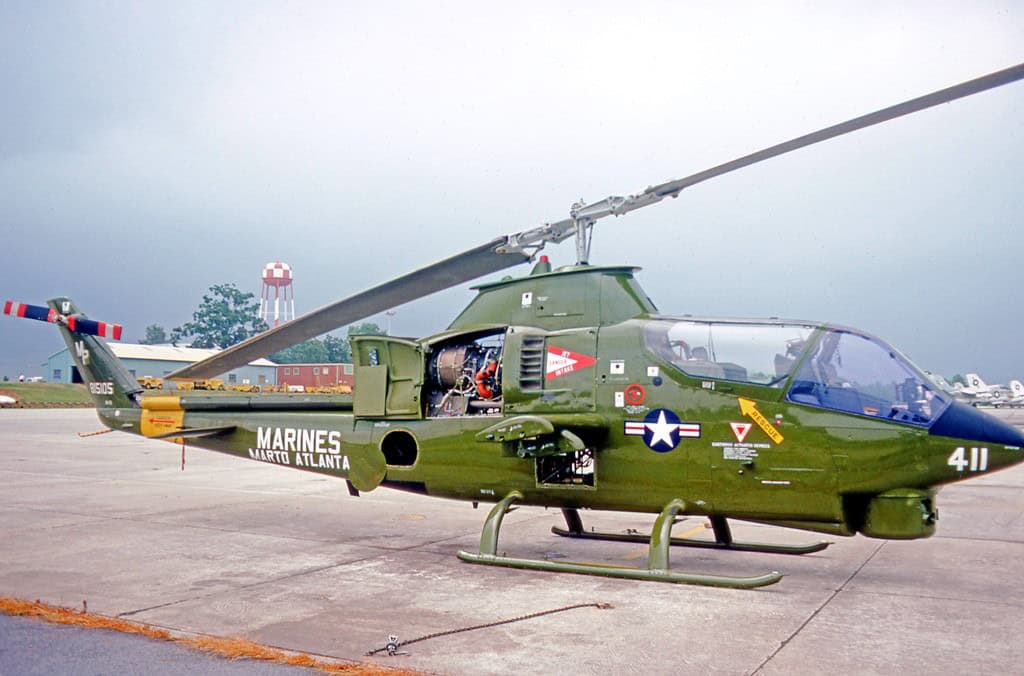
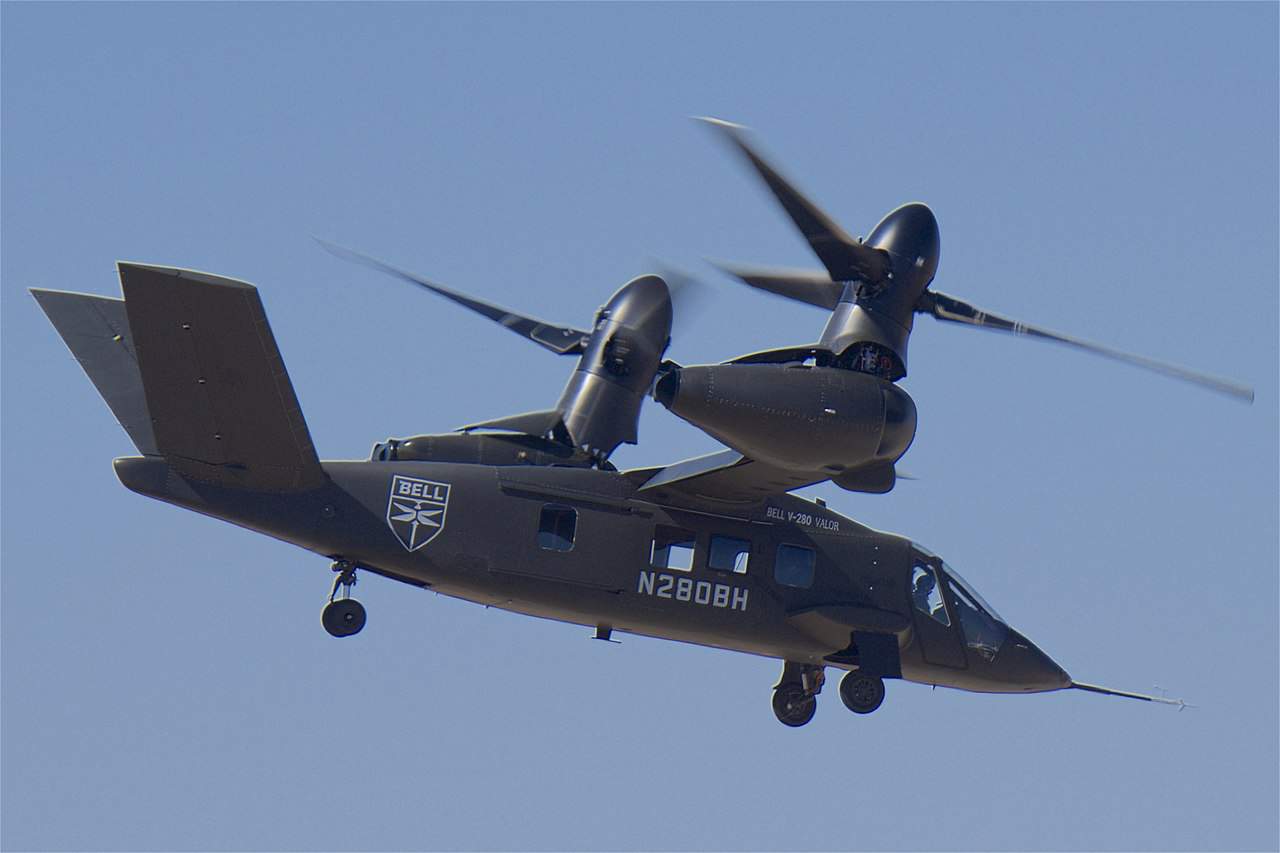

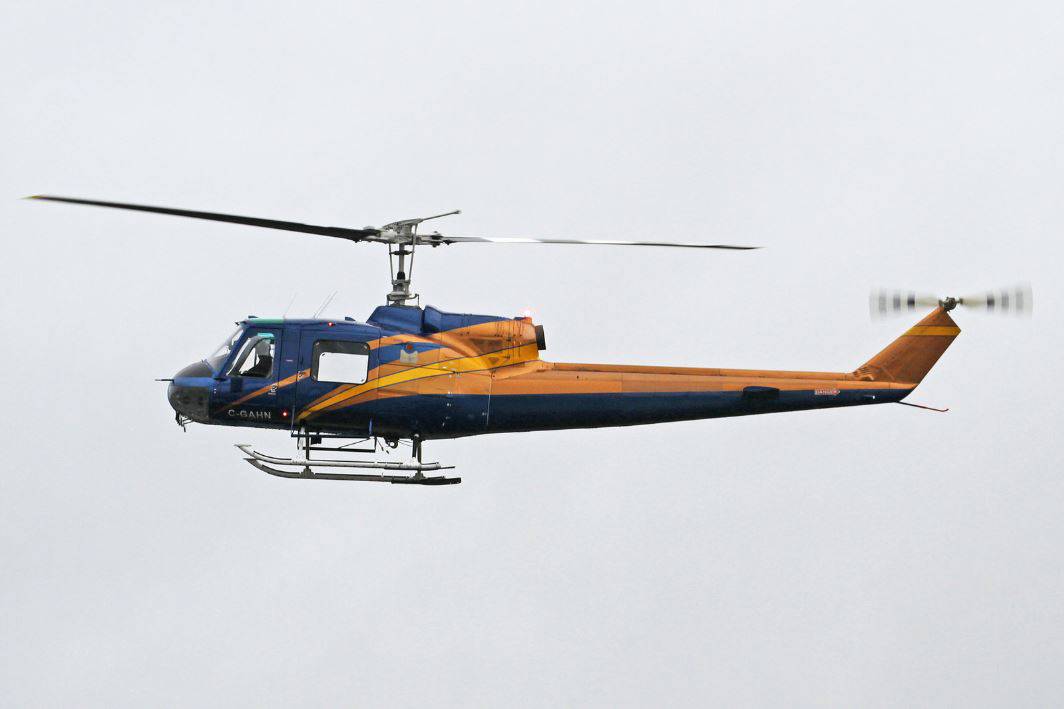
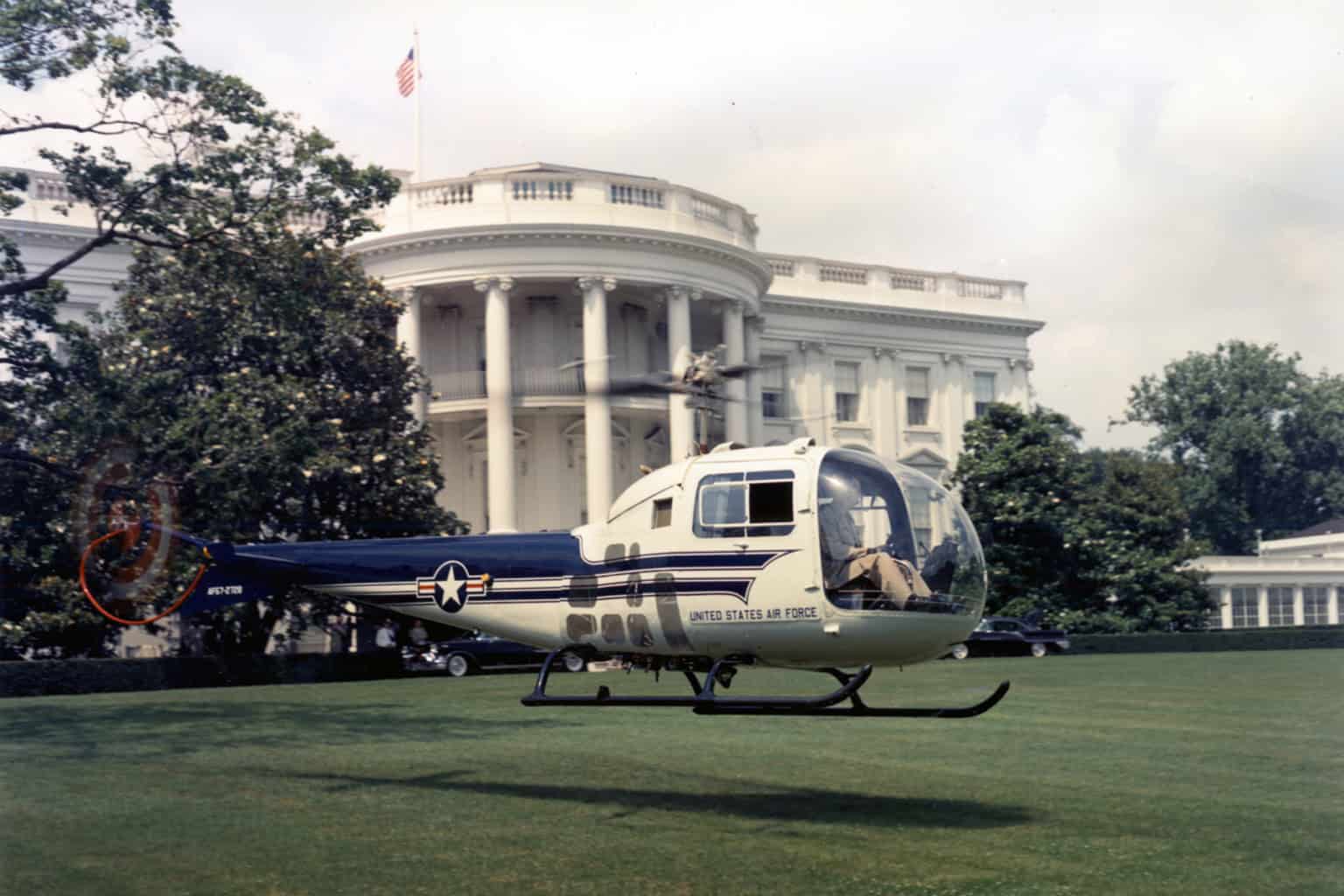

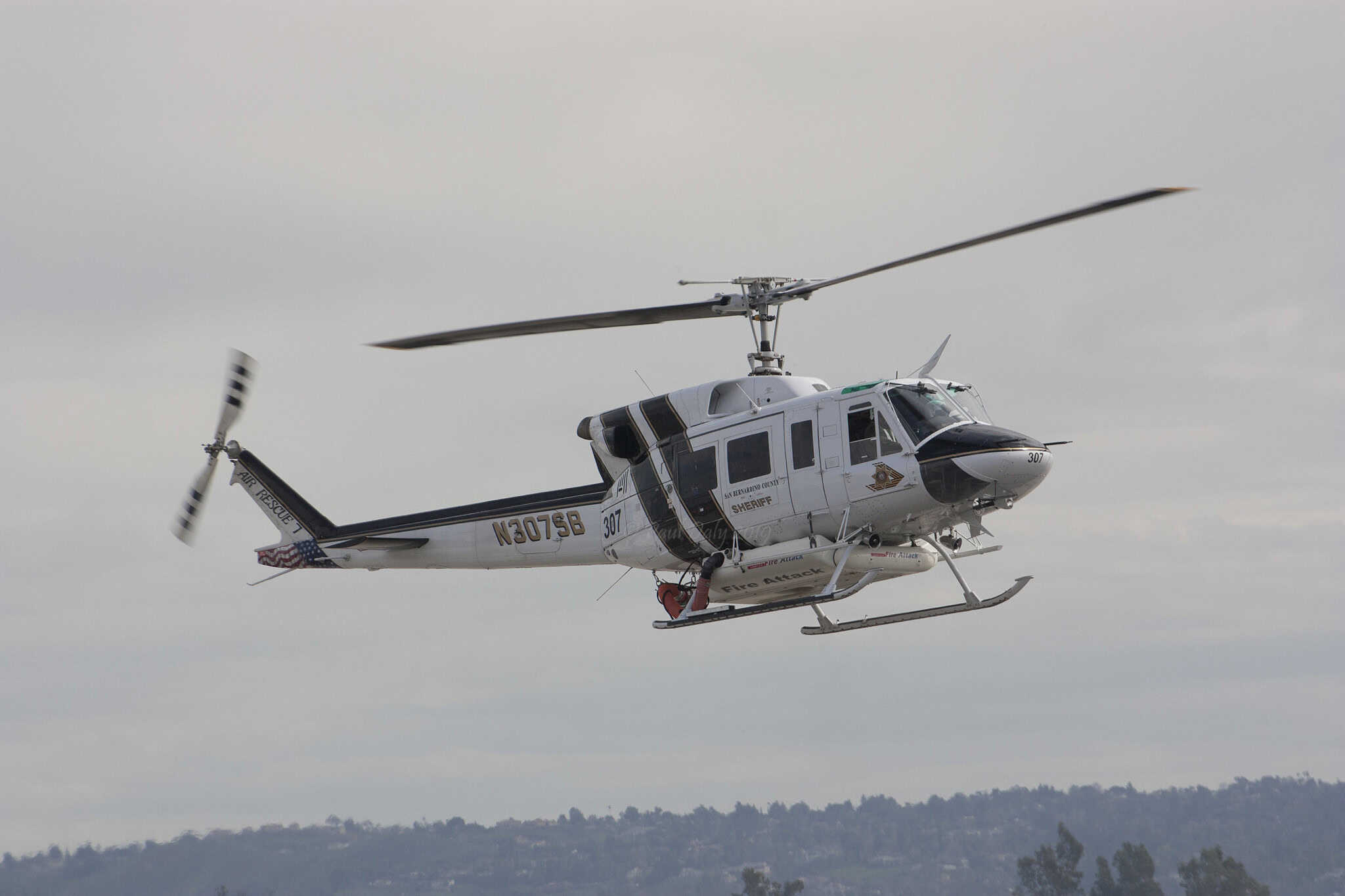
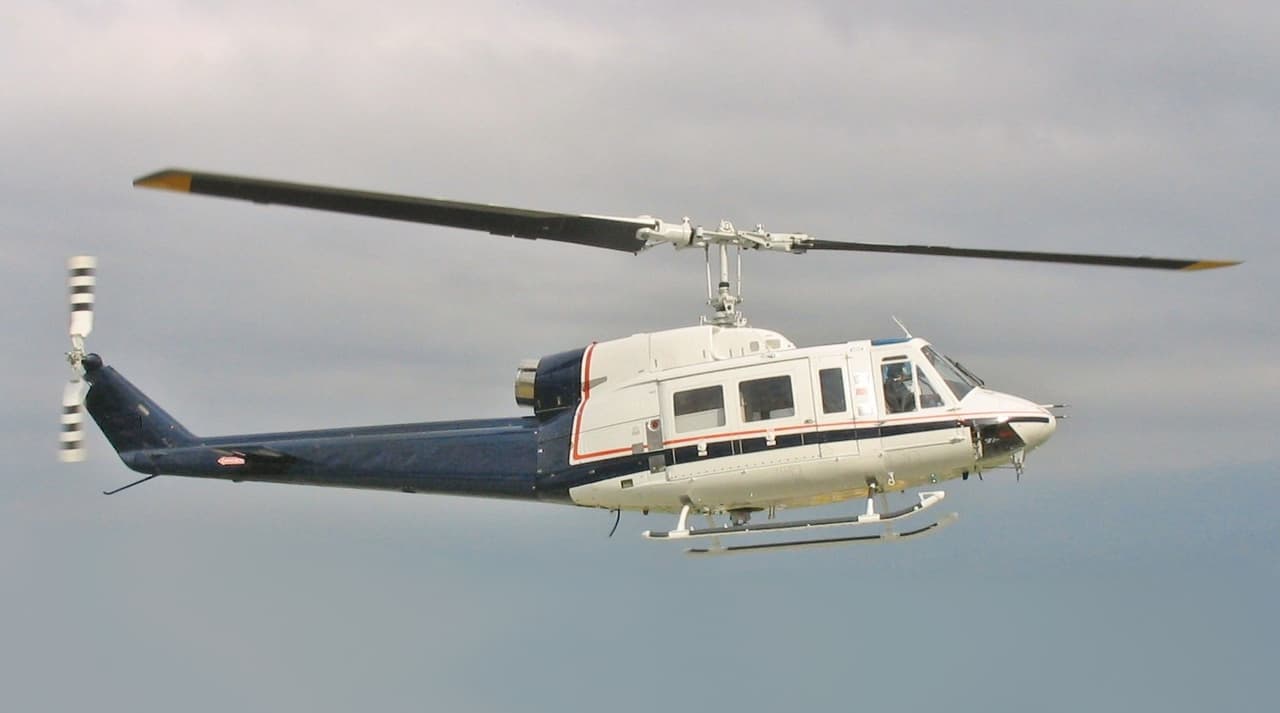

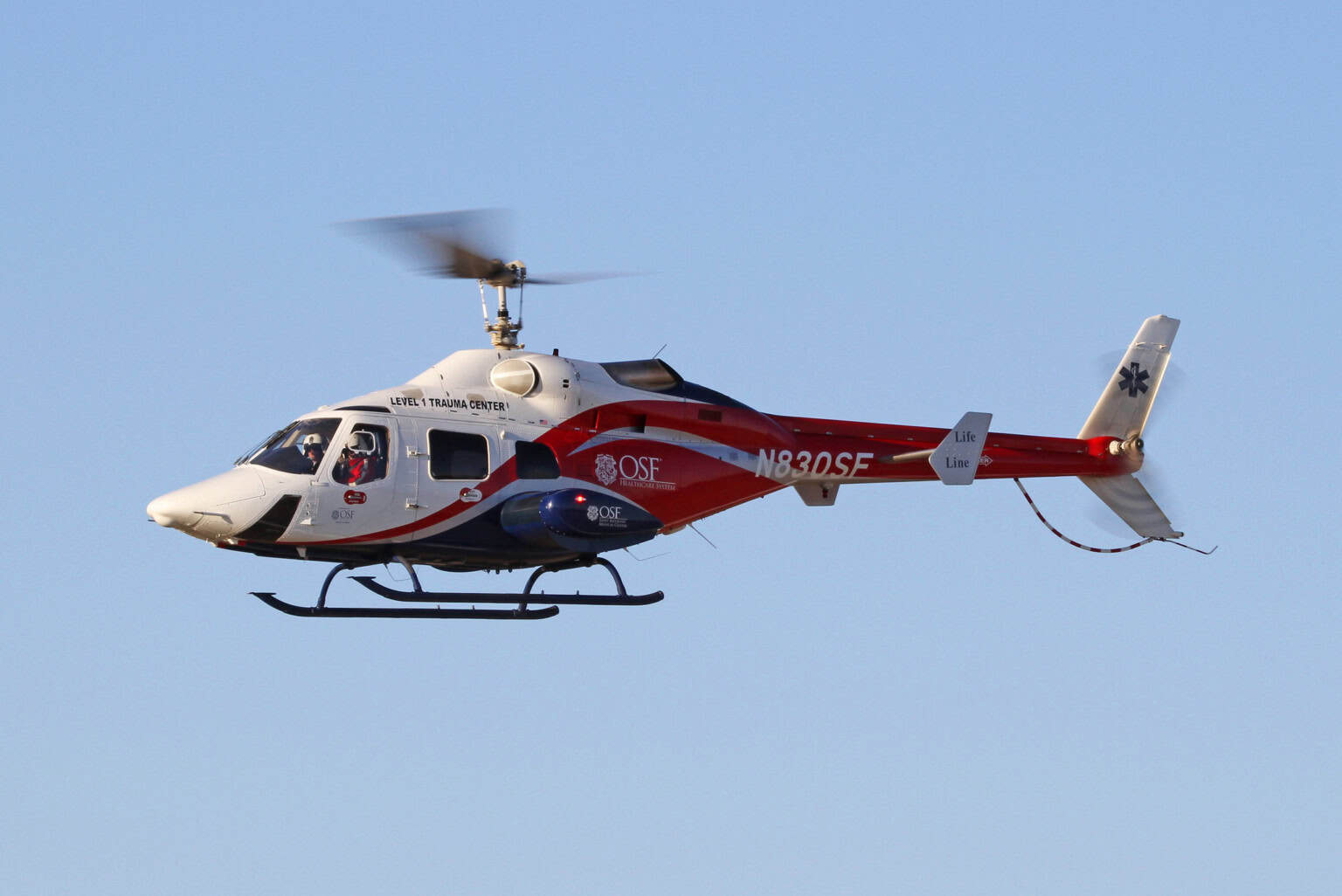
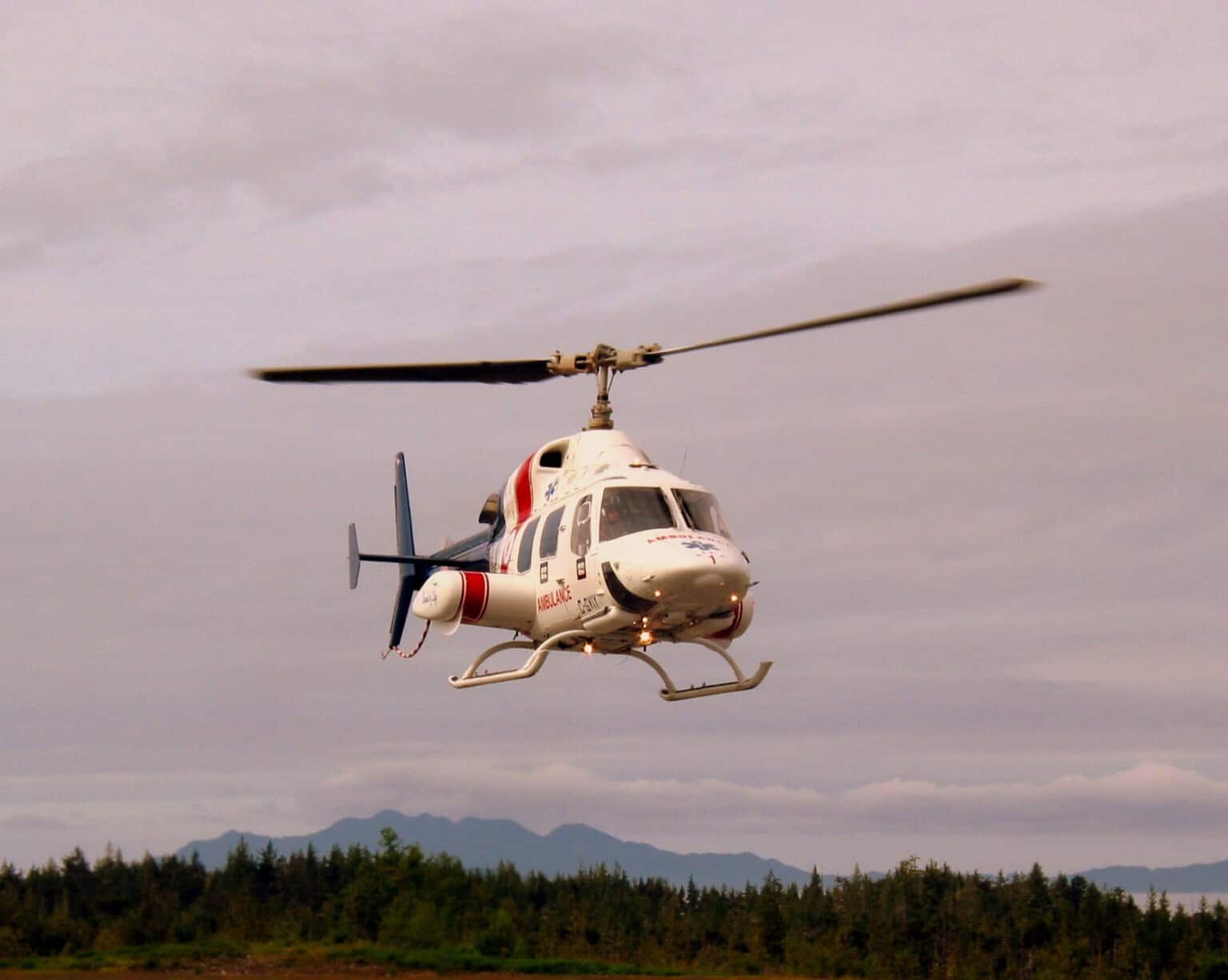
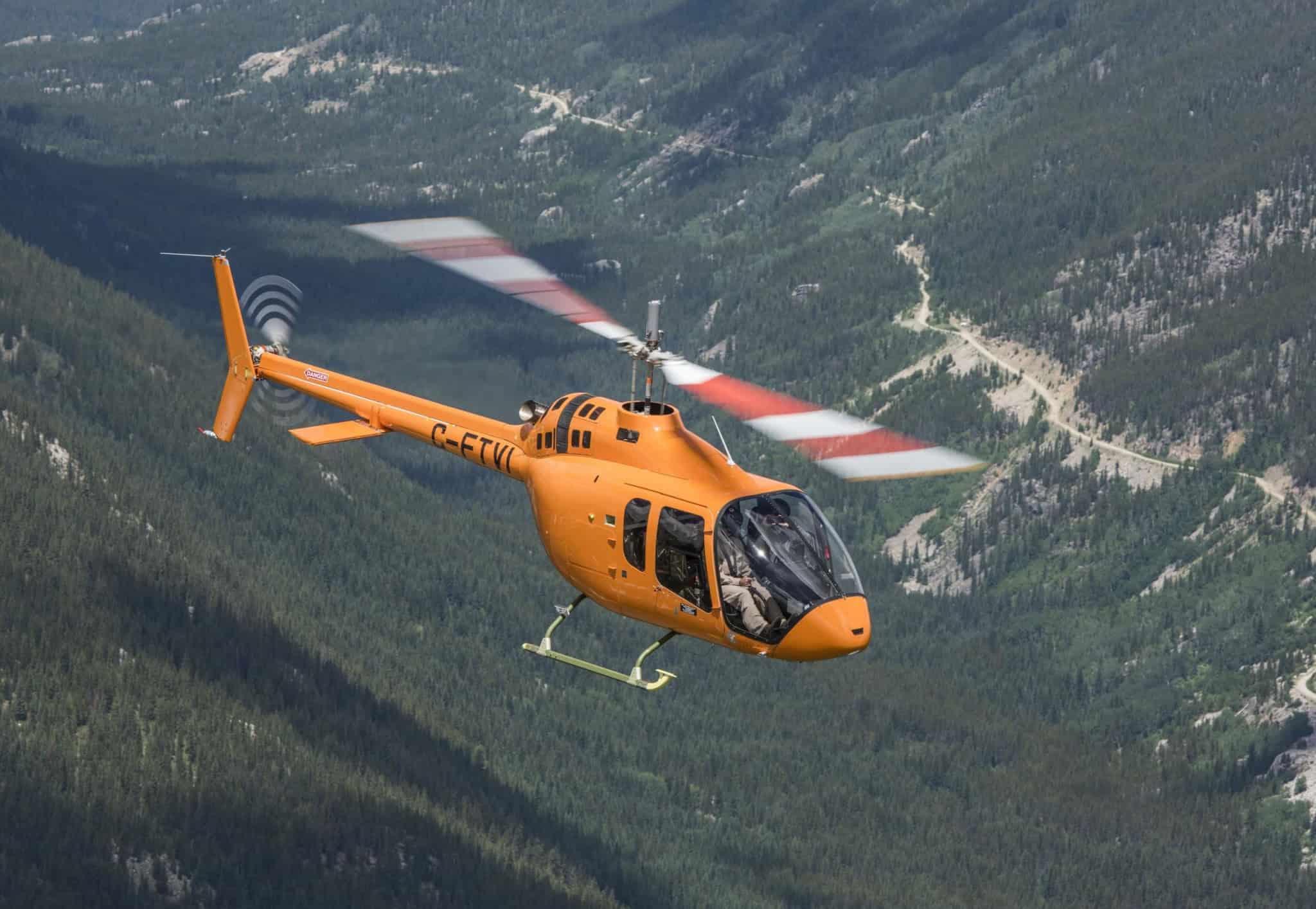
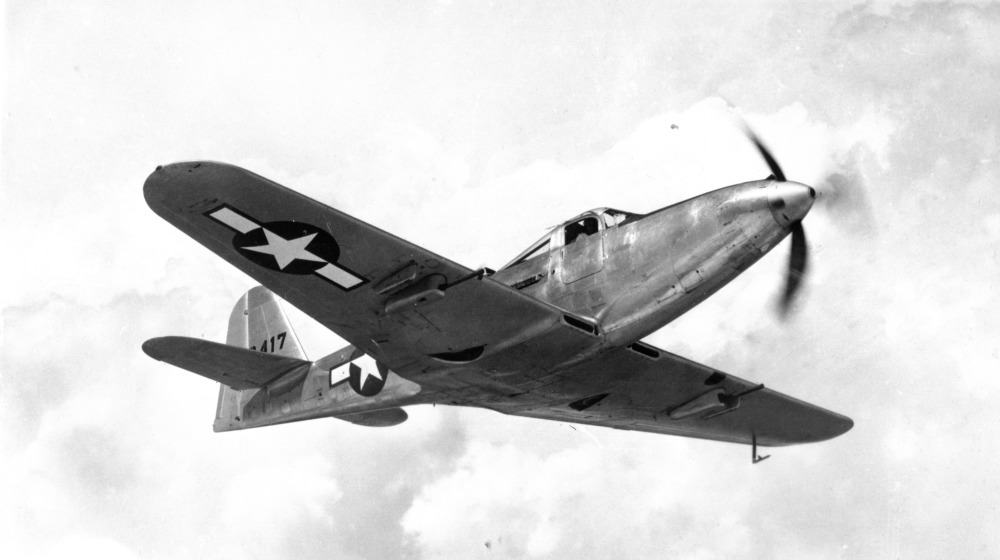
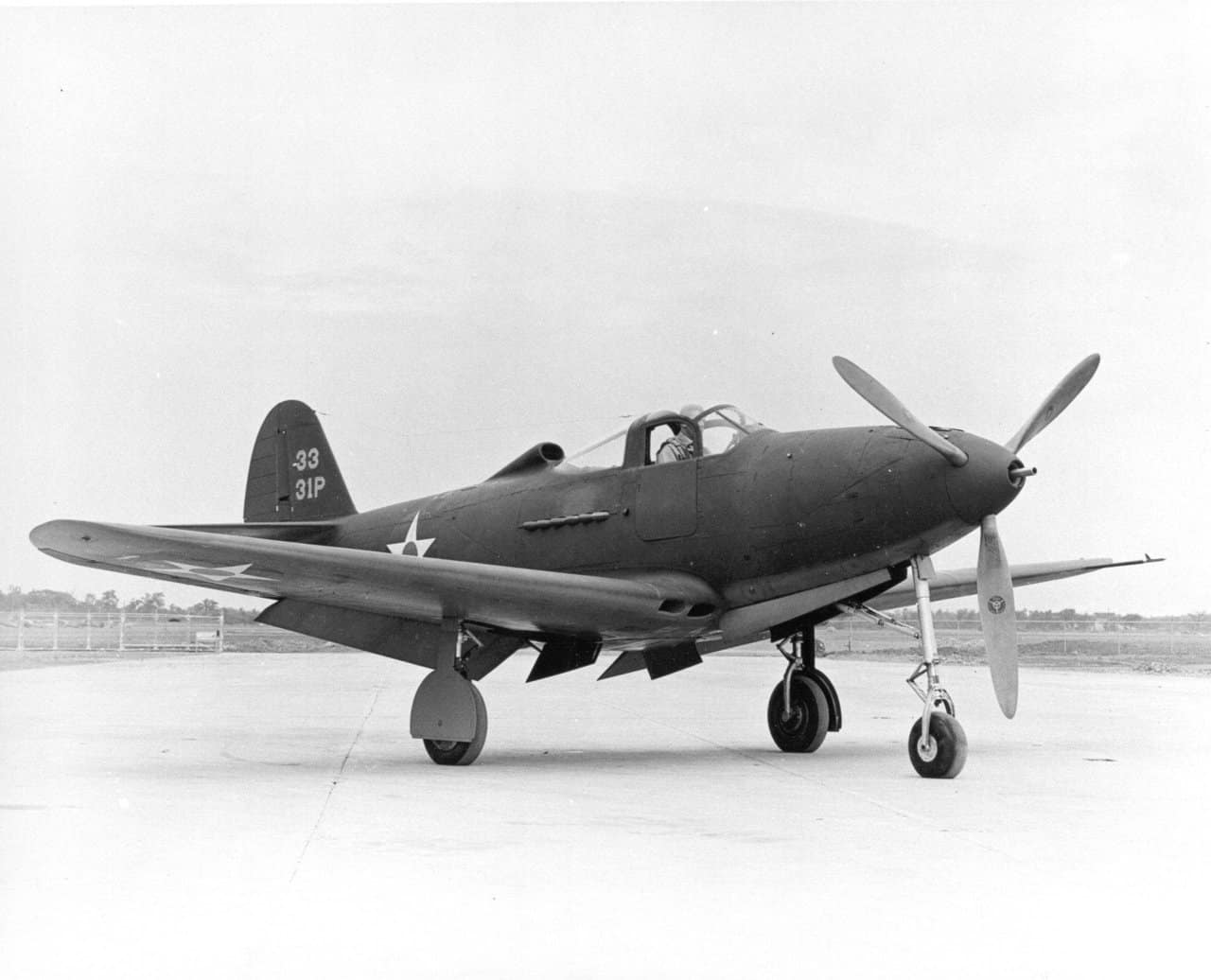
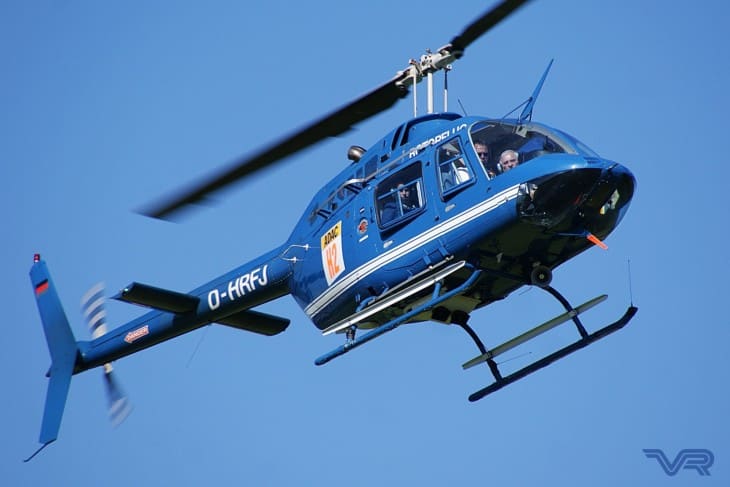
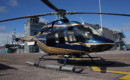
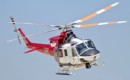
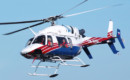
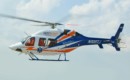
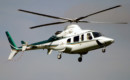
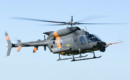
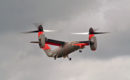
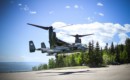
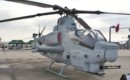
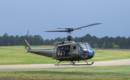
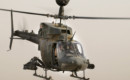
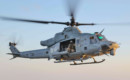
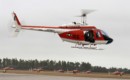
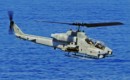
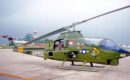
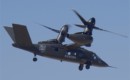
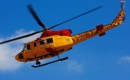
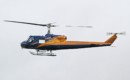
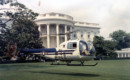
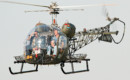
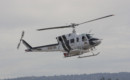
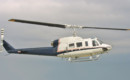
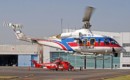
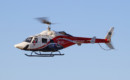
Bell Textron builds a wide range of civil helicopters including the Bell 505, 407, 412, and 429, as well as the developmental Bell 525. Its military programs include the AH 1Z, UH 1Y, and tiltrotor aircraft such as the V 22 Osprey and V 280 Valor. Bell provides global training, maintenance support, mission equipment, and fleet modernization programs.
Bell began in 1935 under founder Larry Bell. The company first produced experimental aircraft, then moved into helicopters after partnering with inventors who were refining rotorcraft technology. By the late 1940s, Bell was recognized as a leader in vertical flight, and its aircraft began appearing in civil and military fleets. Bell later joined Textron, gaining expanded resources for development and global certification.
The company started as Bell Aircraft, producing experimental fighters, research aircraft, and early jet designs. Bell Aircraft became known for high performance engineering, including the X 1 rocket plane that broke the sound barrier. As helicopters grew in importance, Bell shifted toward rotary wing development.
Helicopters became the dominant focus. The Bell 47 achieved large scale commercial success and established the company as a major rotorcraft builder. Production expanded into civil and military roles.
As part of Textron after acquisition, the company operated as Bell Helicopter. It produced several influential models and expanded international sales. The company focused on light and medium helicopters as demand grew in commercial and government markets.
The name reflected the company’s full integration into Textron. During this period Bell developed the AH 1 Cobra series, UH 1 variants, the Bell 206 family, the V 22 Osprey partnership, and multiple commercial platforms. Bell also invested heavily in advanced research and military tiltrotor programs.
The modern name update simplified branding and aligned the company with Textron’s unified identity. The shift marked a renewed focus on innovation, high speed VTOL, digital engineering, and modernized civil rotorcraft development.
Under Textron ownership, Bell expanded its research into digital flight systems, composite structures, and autonomous technologies. The company continues to participate in major military initiatives, including Future Vertical Lift programs. Commercial development remains focused on safety improvements, efficiency, and advanced pilot assistance.
Bell Textron operates production and support facilities in Texas, Canada, and additional locations throughout North America and Europe. These sites handle assembly, component manufacturing, testing, specialized mission equipment, and fleet support. Bell also maintains training centers and service networks worldwide.
Bell focuses on predictable handling, streamlined cockpit layouts, and efficient aerodynamics. Its helicopters are known for reliability and practical mission capability. Bell continues to explore new propulsion systems and improved lift technologies, including next generation tiltrotor concepts and digitally assisted flight.
Bell Textron works on emerging aviation fields such as autonomous VTOL, future air mobility, and experimental rotorcraft configurations. It collaborates with defense agencies and industry partners to test systems that may appear in future military and commercial aircraft.
The Bell 47 became one of the world’s first successful commercial helicopters and defined early civil rotorcraft operations.
Bell partnered with industry and the United States military to create the first operational tiltrotor, combining vertical lift with fixed wing performance.
The company introduced the V 280 as part of the Future Vertical Lift initiative, showcasing major advances in speed, range, and modern mission systems.
Bell Textron helped define helicopter development through influential models, tiltrotor innovation, and continuous research in vertical flight. The company remains a central contributor to the evolution of VTOL and future rotorcraft capabilities.