Military Helicopters
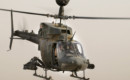
Bell OH-58D Kiowa Warrior
ICAO: B06
The iconic utility helicopter that defined modern air mobility.

The latest aviation news and stories sent to your inbox.
The Bell UH-1 Iroquois, commonly known as the Huey, became synonymous with helicopter operations during the Vietnam War. Introduced in the late 1950s, it transformed battlefield mobility. The aircraft served in military and civilian roles worldwide.

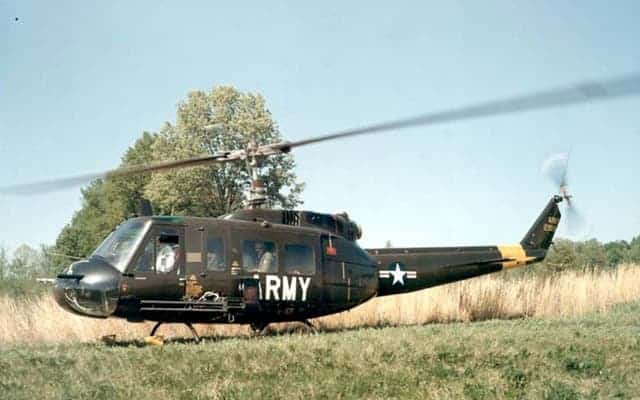

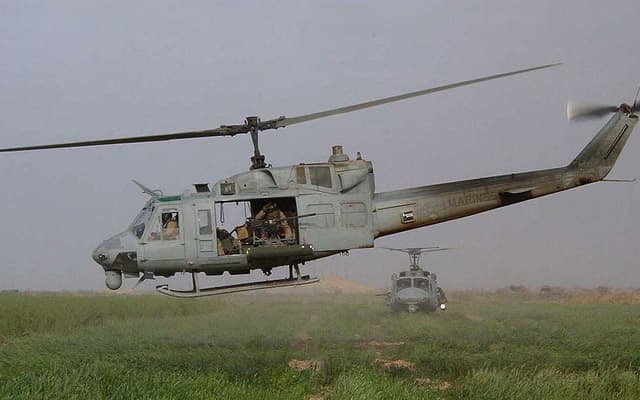
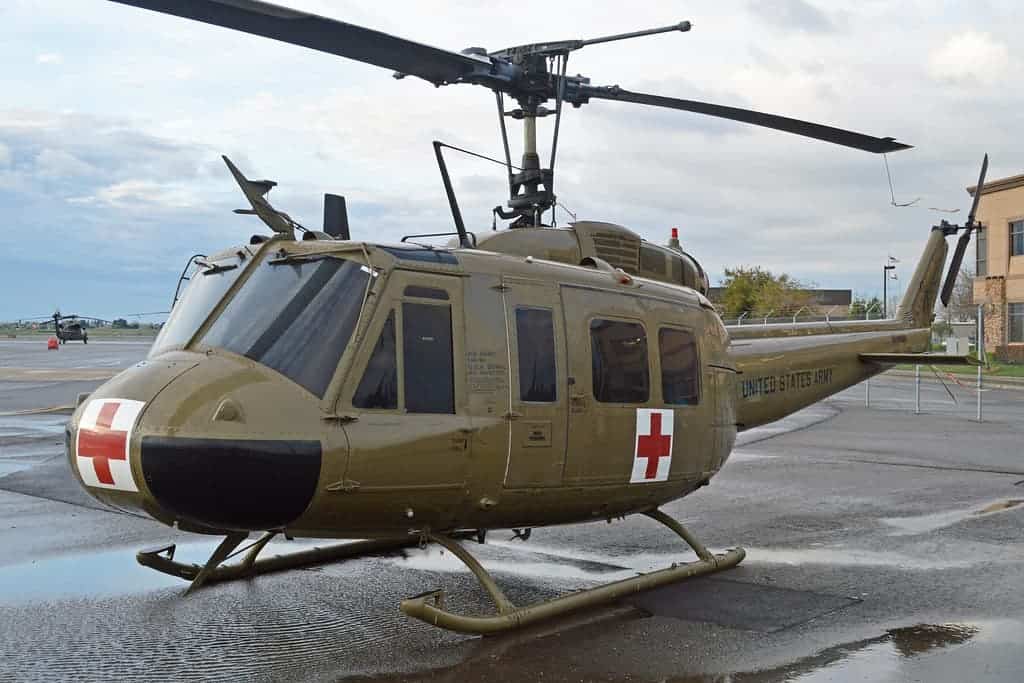
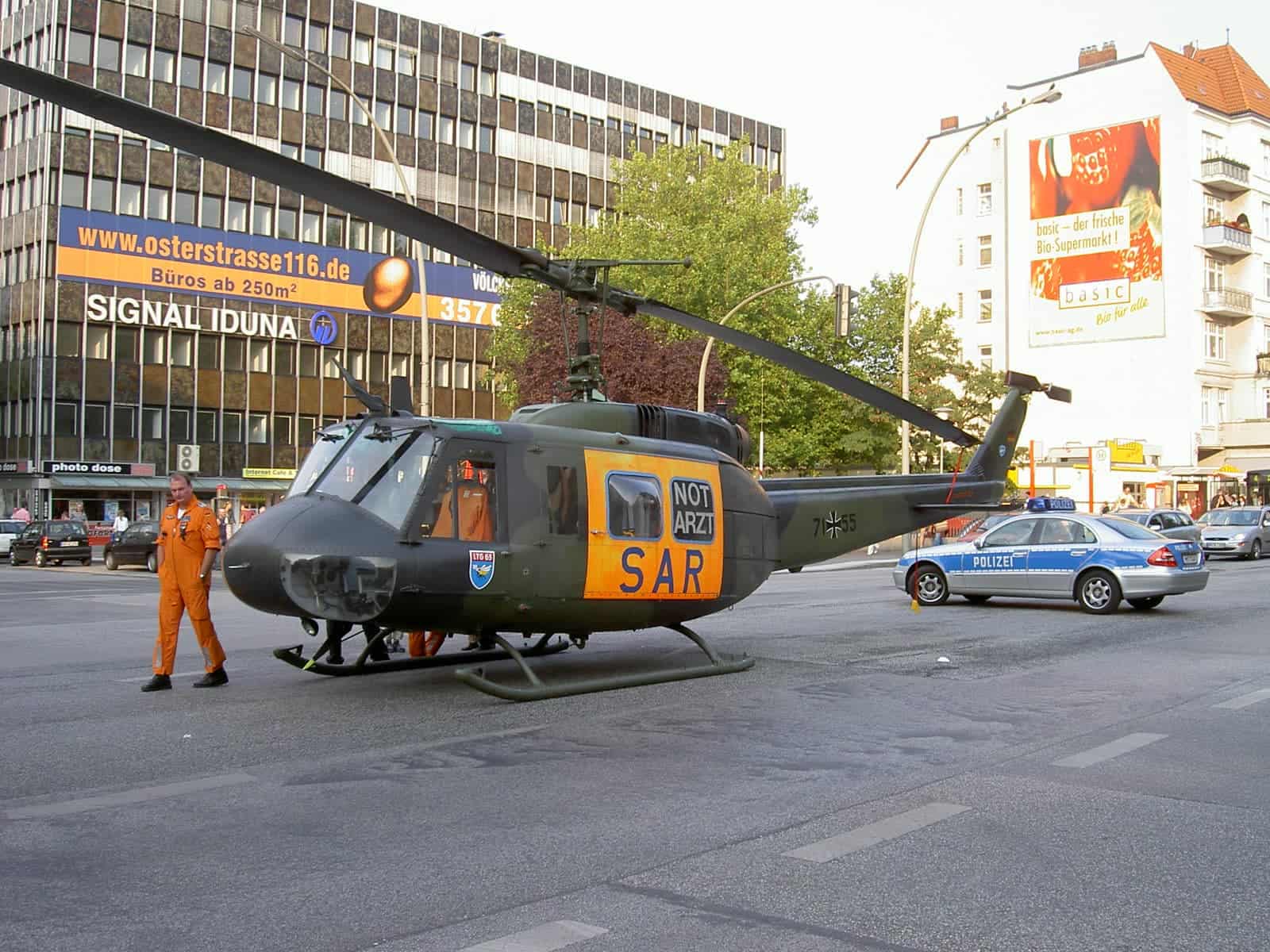

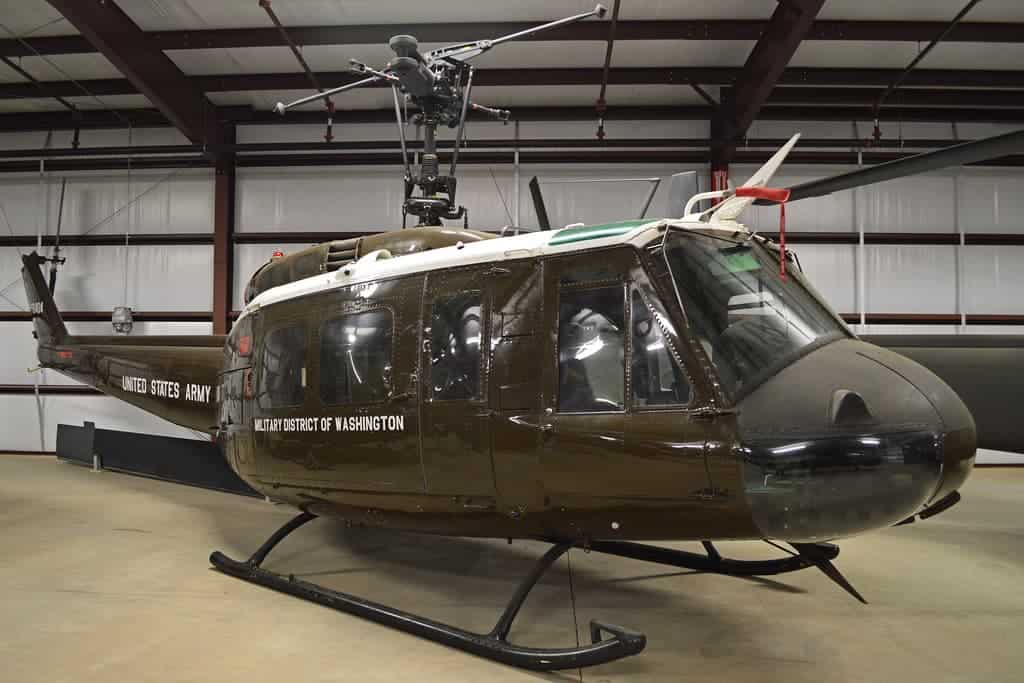
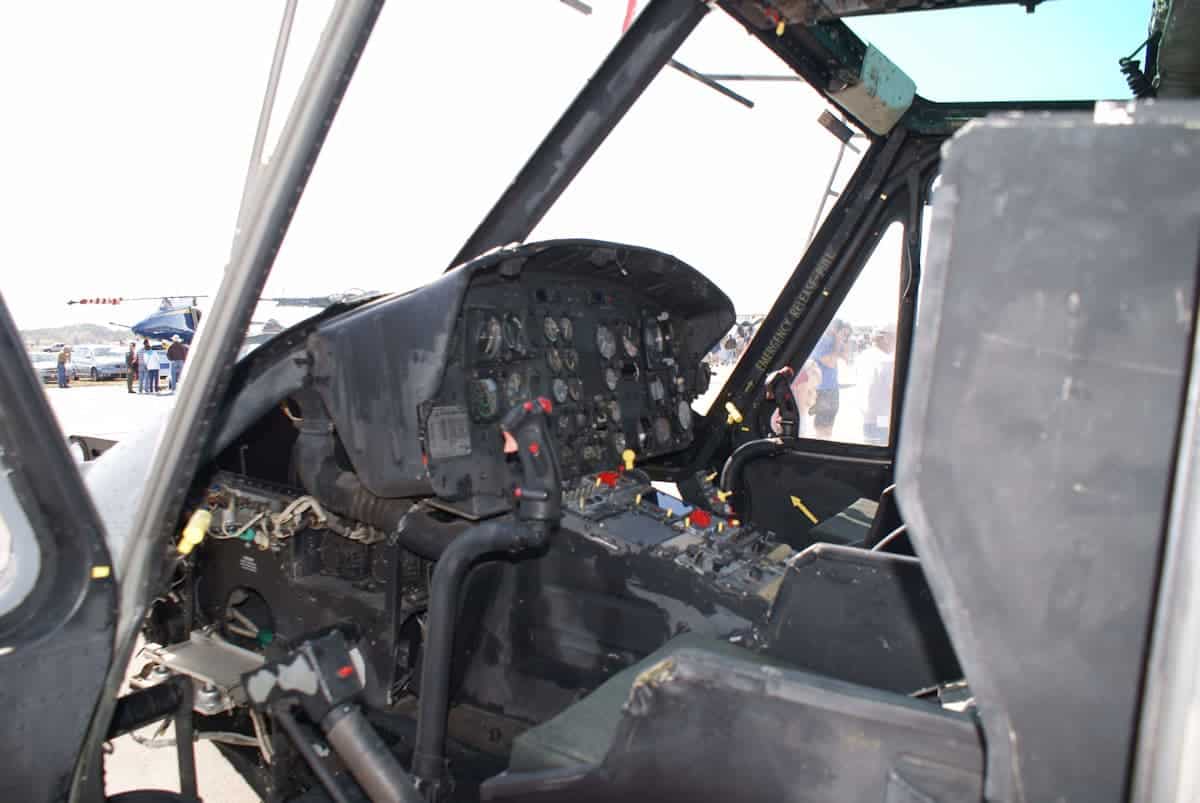


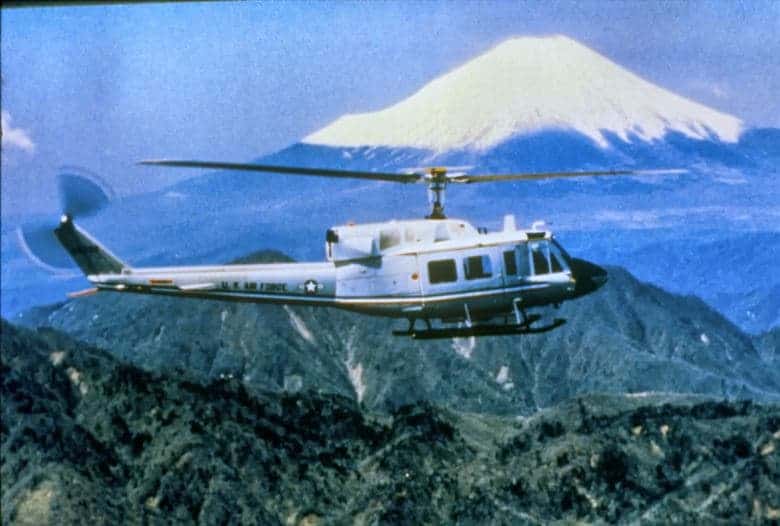
The UH-1 first flew in 1956 and entered service in 1959. It featured a single turboshaft engine and two-blade main rotor, offering improved performance over piston-powered predecessors. The helicopter was designed for troop transport and medical evacuation missions.
Powered by a Lycoming T53 turboshaft engine producing approximately 1,400 shaft horsepower depending on variant, the UH-1 cruises at around 120 knots (222 km/h). Maximum takeoff weight exceeds 9,500 pounds (4,309 kg). The cabin accommodates up to 14 personnel depending on configuration.
The Huey became one of the most recognizable helicopters in history. It served extensively in Vietnam and later conflicts. Numerous variants and upgrades extended its operational life across decades.