Military Helicopters
The armed reconnaissance helicopter built for next-generation battlefield scouting.
The latest aviation news and stories sent to your inbox.
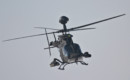
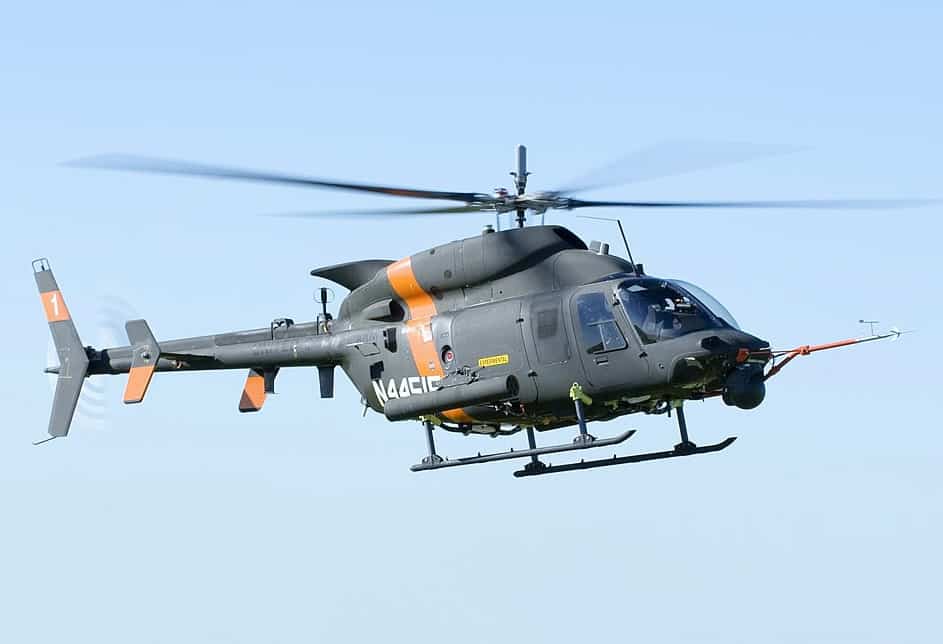
The Bell ARH-70 was developed as a light armed reconnaissance helicopter for the U.S. Army. Based on a commercial platform, it aimed to provide modern sensors and weapons at reduced cost. The program was canceled before full production.


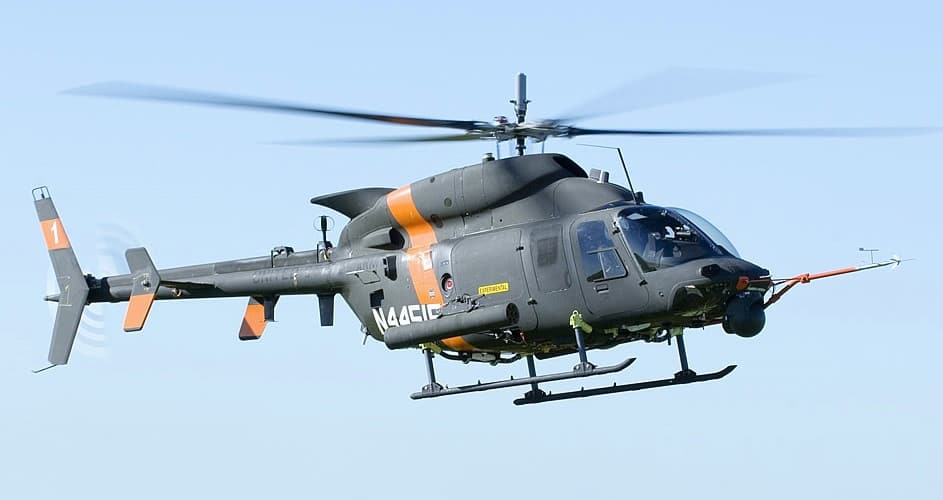
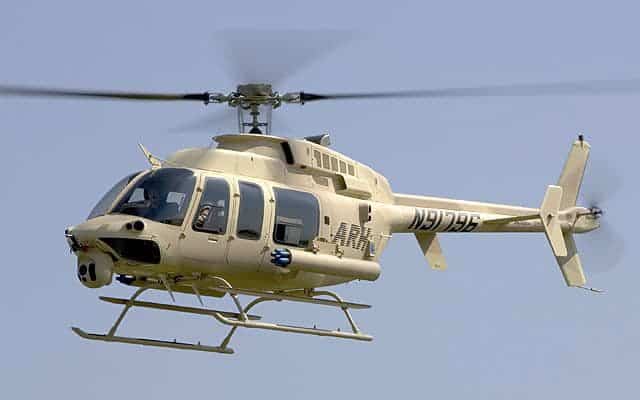
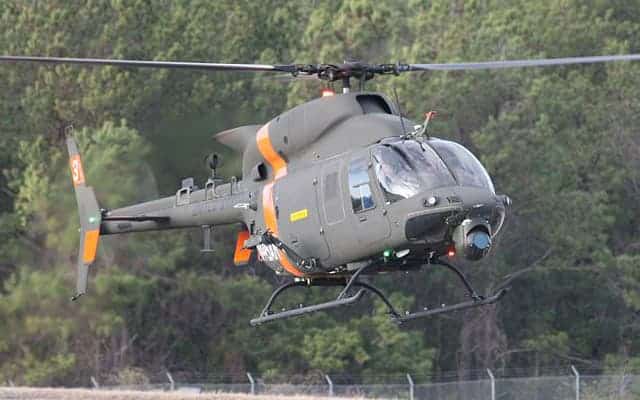
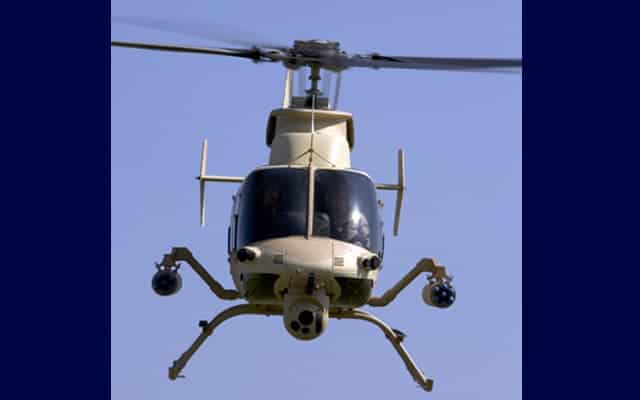
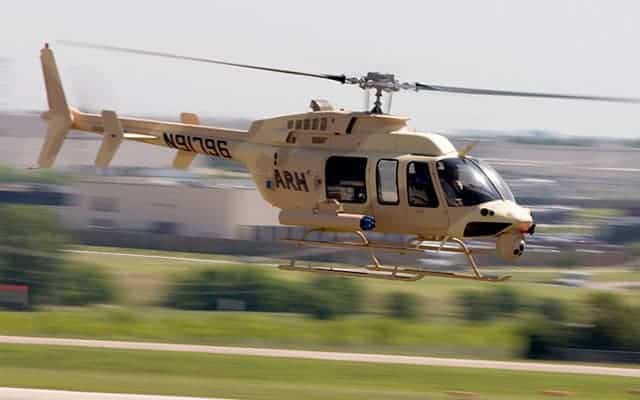
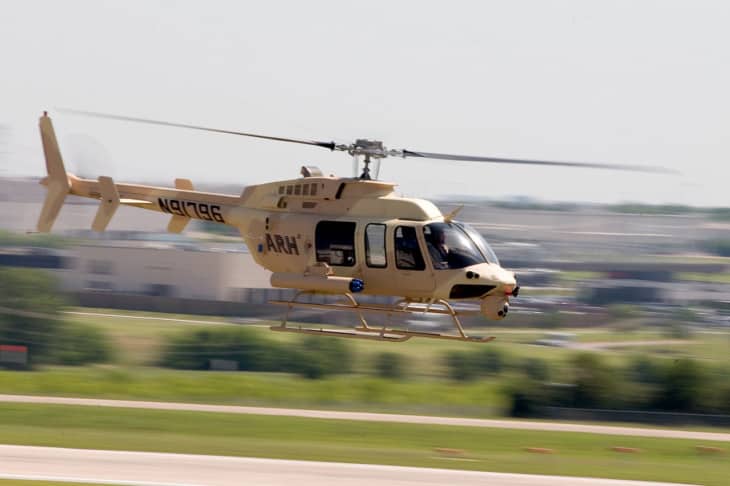
The ARH-70 first flew in 2006 as part of the U.S. Army’s Armed Reconnaissance Helicopter program. It was derived from the Bell 407 airframe and modified with military avionics, sensors, and survivability equipment. The aircraft featured a four-blade main rotor and conventional tail rotor configuration typical of Bell light helicopters.
Powered by a Honeywell HTS900 turboshaft engine producing approximately 970 shaft horsepower, the ARH-70 was projected to cruise at around 140 knots (260 km/h). Maximum takeoff weight was expected to exceed 5,500 pounds (2,495 kg). The helicopter was designed to carry light weapons and advanced reconnaissance systems.
Cost growth and changing operational requirements led to cancellation of the program in 2008. Although it did not enter service, the ARH-70 reflected efforts to rapidly field a modern scout helicopter. The concept influenced later reconnaissance and light attack developments.
Sources and references used for research and fact-checking.