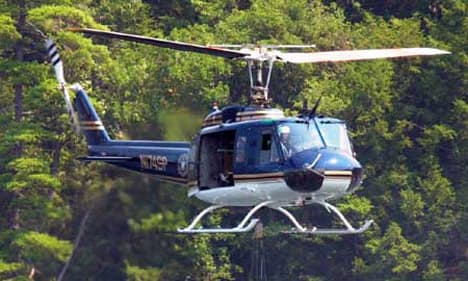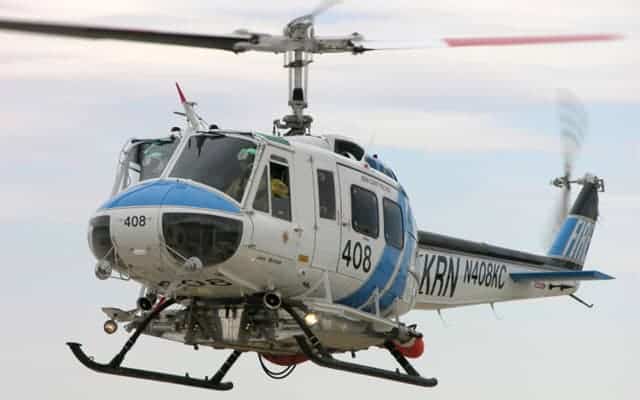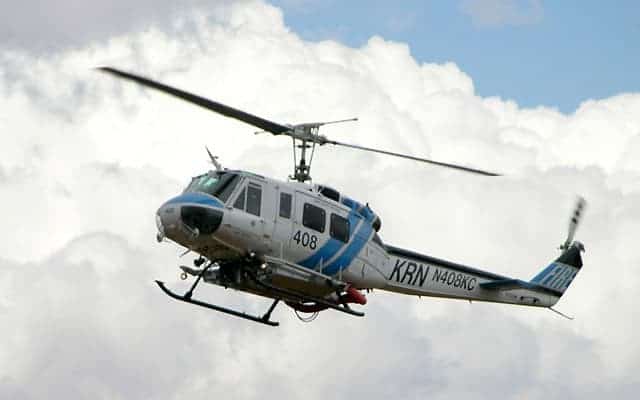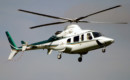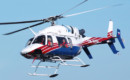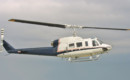
Bell 210

The utility helicopter built as an upgrade to the Huey lineage.

Overview

Bell United States ICAO: B210 1959–1980 $3.4 million

The Bell 210 was developed as a modernized derivative of the UH-1 family. Introduced in the 1990s, it combined updated engines and rotor systems with a proven airframe. The helicopter targeted utility and transport missions.

Live Fleet Activity (B210)

📡

Fetching live data…

Specifications

Units
Engine
1 × Lycoming T53-L-11A turboshaft
Engine type
Turboshaft
Power
1,100 shp · 820 kW
Avionics
Wing tips
No winglets
Seats
15
Crew
Cabin width
8 ft 0 in  ·  2.44 m
Cabin height
4 ft 1 in  ·  1.25 m
Cabin length
11 ft 4 in  ·  3.45 m
Exterior length
41 ft 8 in  ·  12.70 m
Tail height
14 ft 9 in  ·  4.50 m
Fuselage diameter
8 ft 6 in  ·  2.60 m
Wing span
48 ft 0 in  ·  14.63 m
Baggage volume
74 ft³  ·  2.1 m³
Gross weight
Empty weight
Max takeoff weight
9,500 lb  ·  4,300 kg
Max landing weight
Max payload
2,500 lb  ·  1,150 kg
Fuel capacity
210 gal · 800 L · 600 kg (Jet A)
Max cruise speed
111 kt  ·  128 mph  ·  206 km/h
Maximum speed
Cruise speed
Approach speed
Range
225 nm  ·  260 mi  ·  420 km
Fuel burn
1.07 nm/gal  ·  0.52 km/L
Ceiling
19,390 ft  ·  5,900 m
Rate of climb
1,755 ft/min  ·  9 m/s
Takeoff distance
Landing distance
(/) tap to zoom
(/)

Live fleet activity details

📡
Fetching live data…
Flight Airline Reg Alt Speed Heading V/S

Operational Context

Bell 210 — utility helicopter

The Bell 210 entered service in the early 2000s following development in the 1990s. It retained the basic Huey fuselage layout. Upgraded components improved reliability and performance.

A single turboshaft engine producing approximately 1,800 shaft horsepower powers the helicopter. Cruise speed approaches 130 knots (241 km/h). Maximum takeoff weight exceeds 10,000 pounds (4,536 kg).

The Bell 210 has served in transport and support roles. Its modernization extended the utility of the Huey design. The aircraft remains limited in production and service.