Mid Size Helicopters
Bell 214
ICAO: B214
The twin-engine helicopter built for executive and offshore missions.

The latest aviation news and stories sent to your inbox.
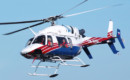
The Bell 430 is a twin-engine helicopter introduced in the mid-1990s. Designed for executive transport and offshore support, it offered increased performance over earlier models. Production concluded in the late 2000s.
Live Fleet Activity (B430)
Fetching live data…


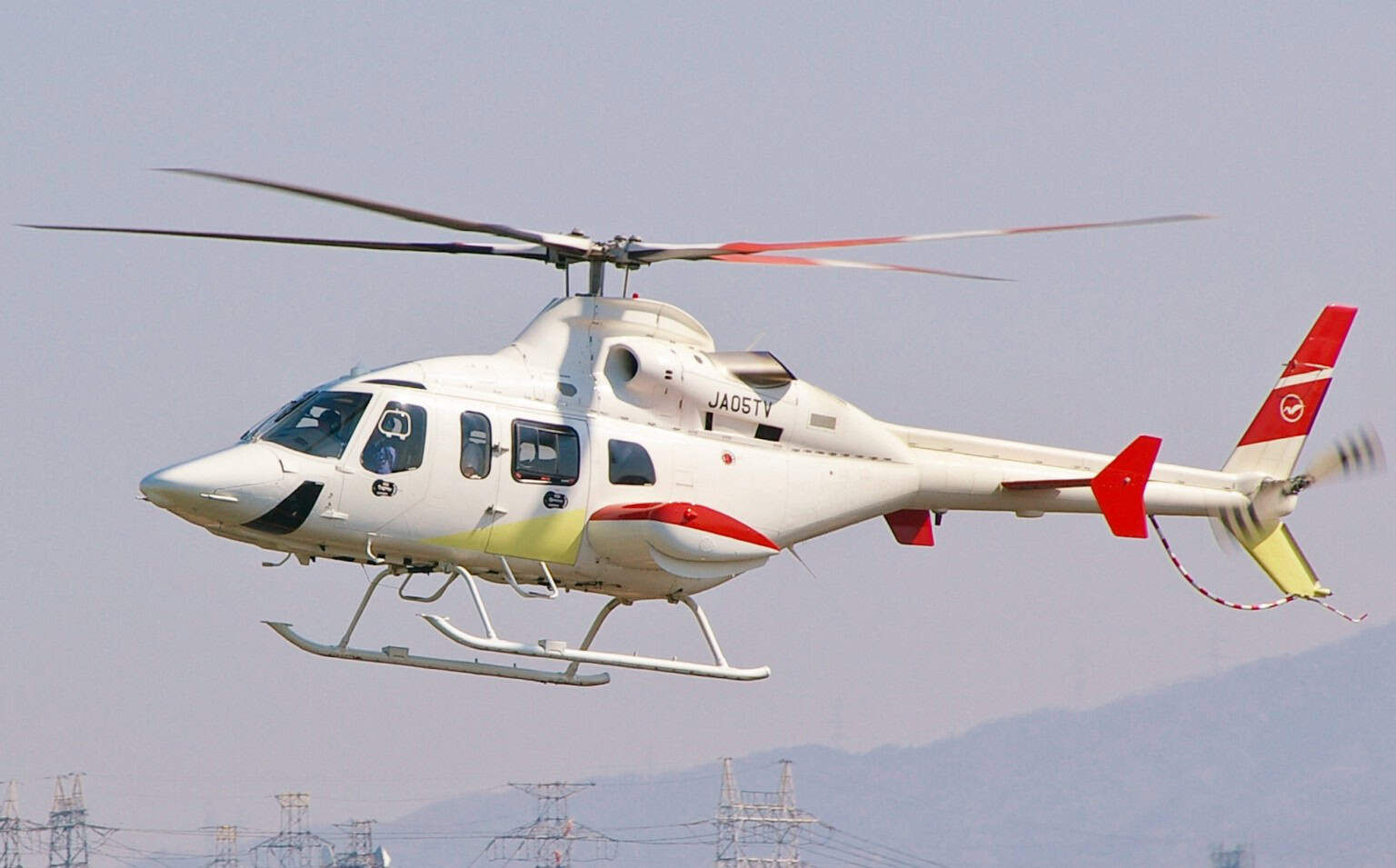


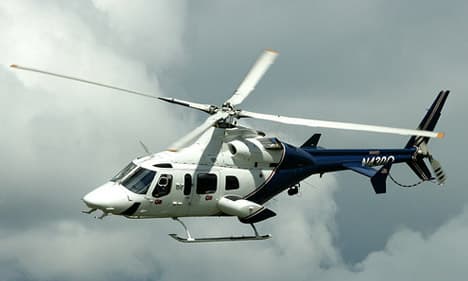
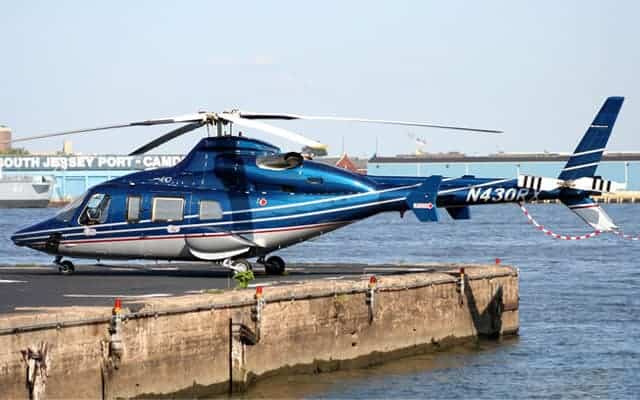
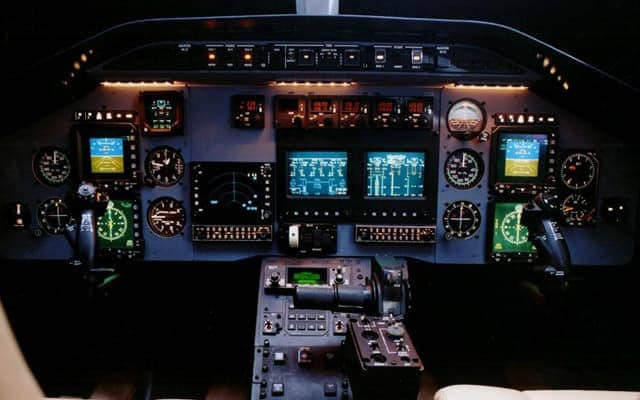
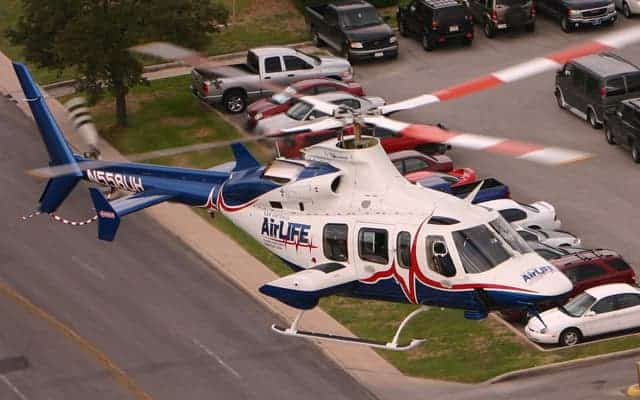

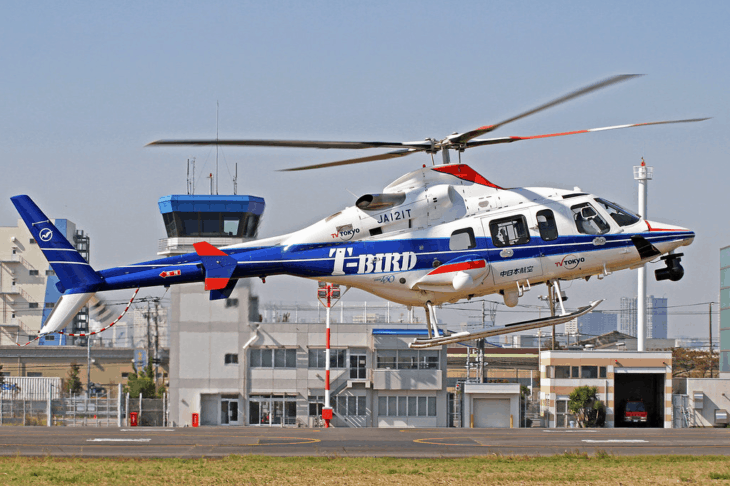
The Bell 430 first flew in 1994 and entered service in 1996. It features a four-blade rotor system and upgraded avionics. The helicopter was developed to provide improved range and cabin comfort.
Powered by two Rolls-Royce 250 turboshaft engines producing approximately 650 shaft horsepower each, the 430 cruises at around 150 knots (278 km/h). Maximum takeoff weight exceeds 9,000 pounds (4,082 kg). The cabin typically seats up to eight passengers.
The Bell 430 served corporate and offshore operators worldwide. Production ended as newer Bell models replaced it. The aircraft remains in service in select fleets.
Sources and references used for research and fact-checking.