Light Helicopters
Bell 206 Jet Ranger
ICAO: B06
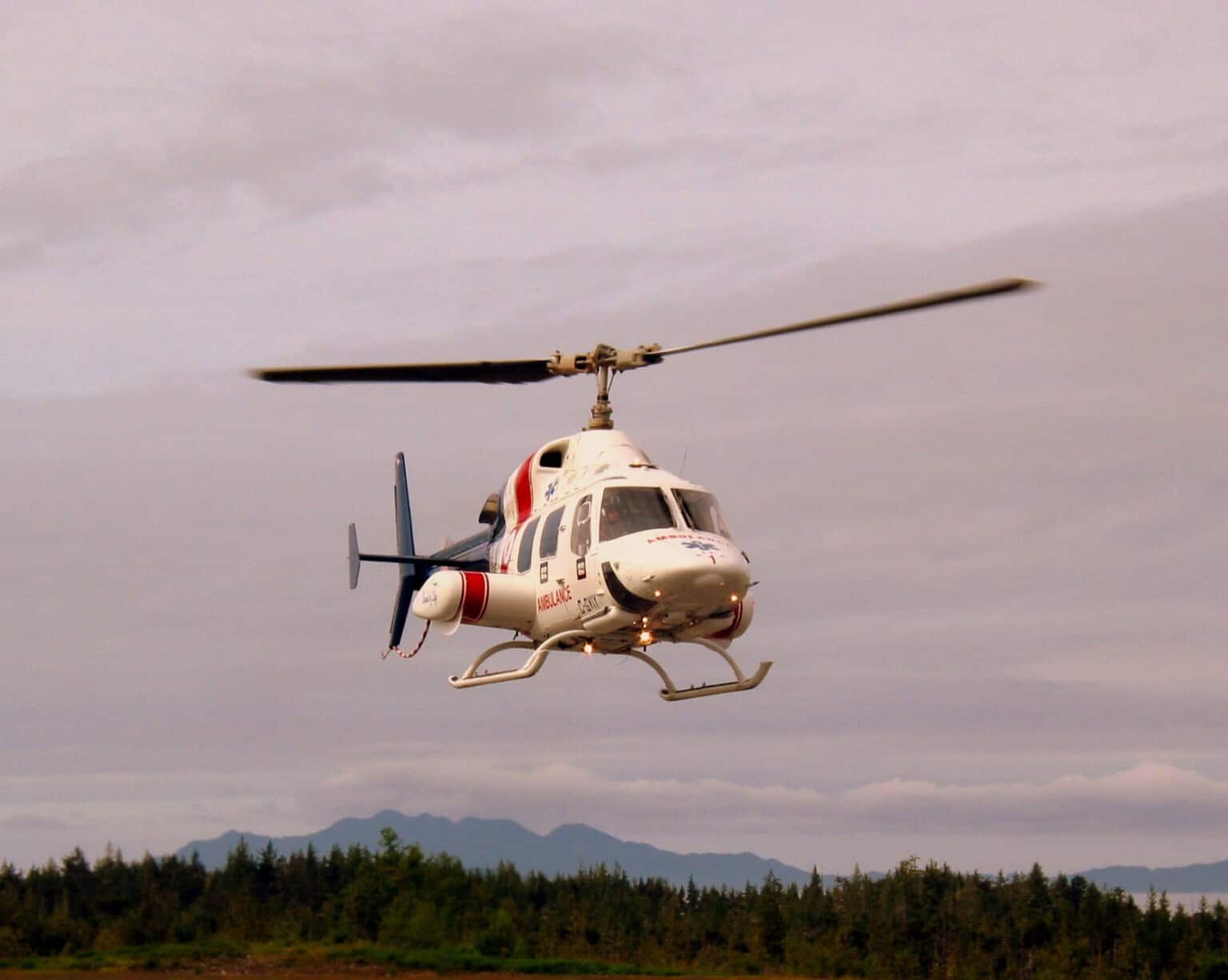
The Bell 222 was introduced in the late 1970s as a light twin-engine helicopter. Designed for corporate transport and offshore missions, it emphasized cabin comfort and smooth flight. The aircraft gained visibility through both commercial and media use.
The latest aviation news and stories sent to your inbox.
Bell 222 — twin-engine light helicopterThe Bell 222 first flew in 1976 and entered service in 1979. It featured a sleek fuselage and retractable landing gear. The design targeted executive and offshore operators.Two Lycoming turboshaft engines producing approximately 650 shaft horsepower each powered the helicopter. Cruise speed approached 150 knots (278 km/h). Maximum takeoff weight exceeded 7,800 pounds (3,538 kg).The 222 became popular in corporate transport and emergency roles. Production ended in the 1990s. The aircraft remains recognizable for its distinctive styling.
Live Fleet Activity (B222)
Fetching live data…
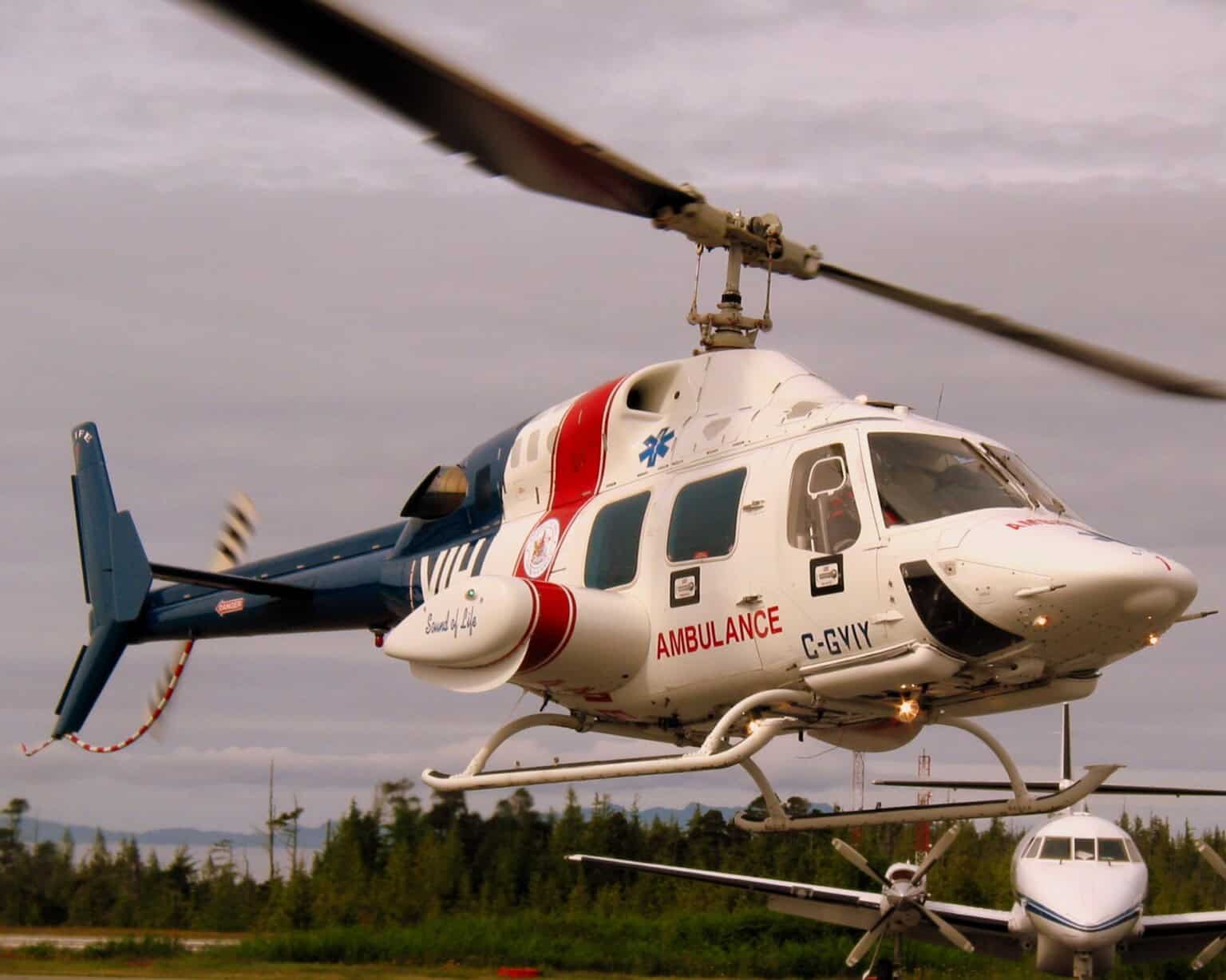

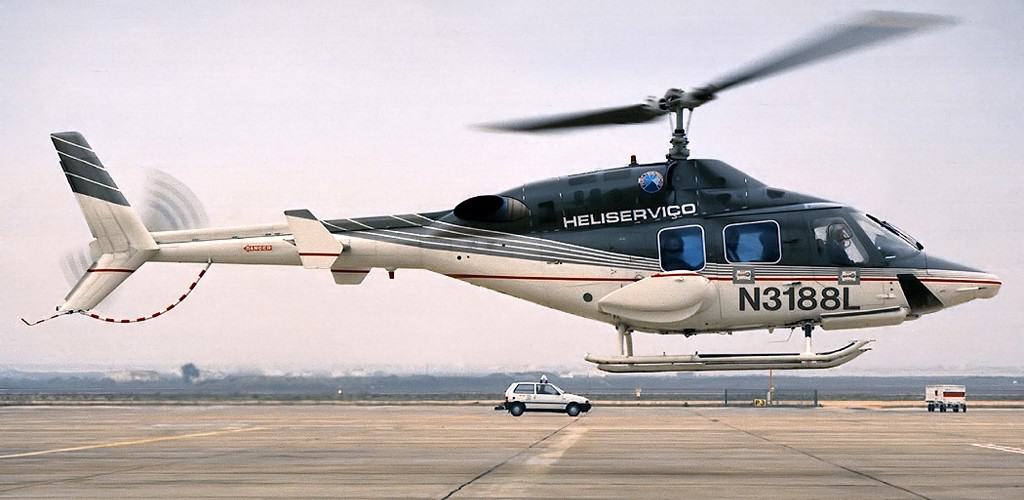
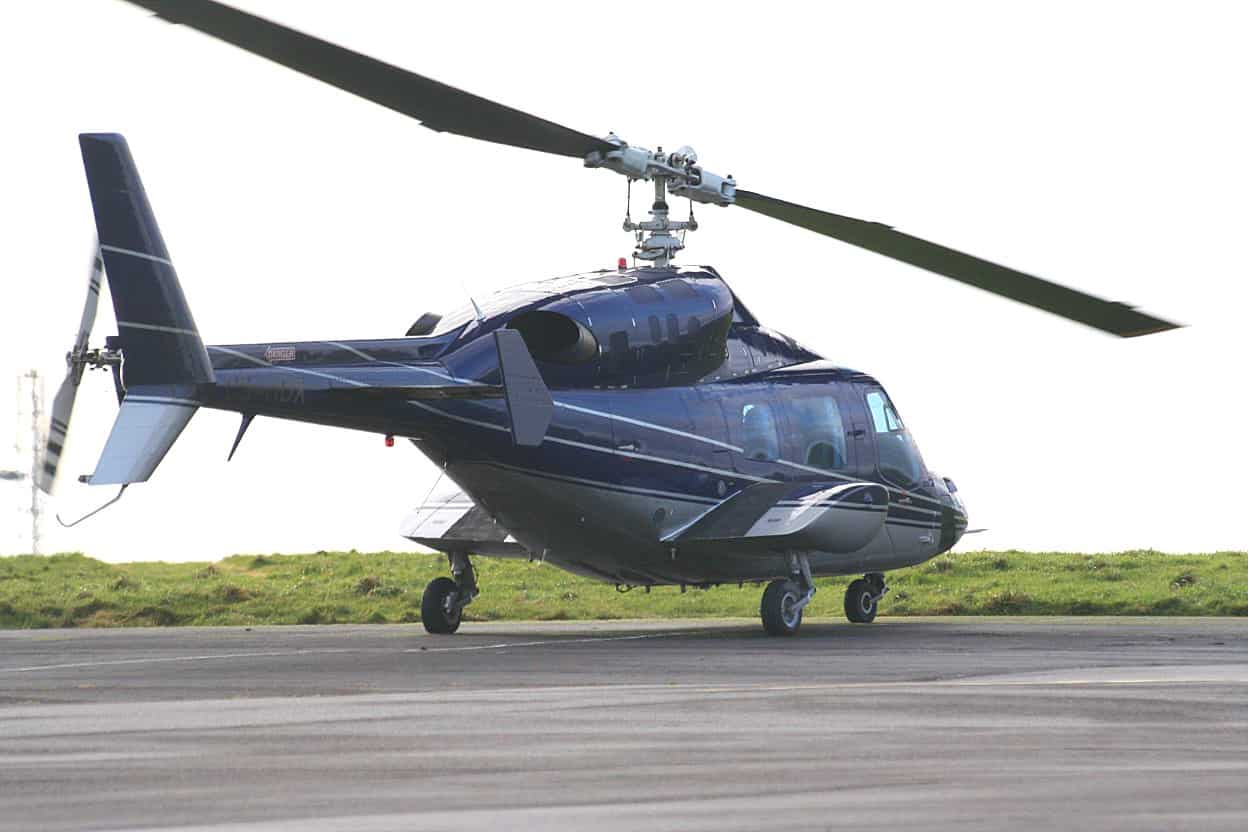
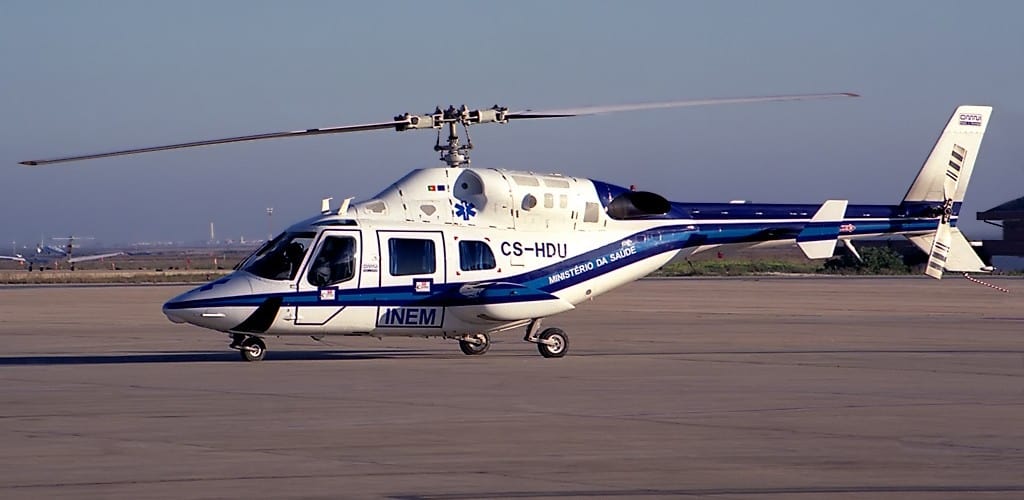
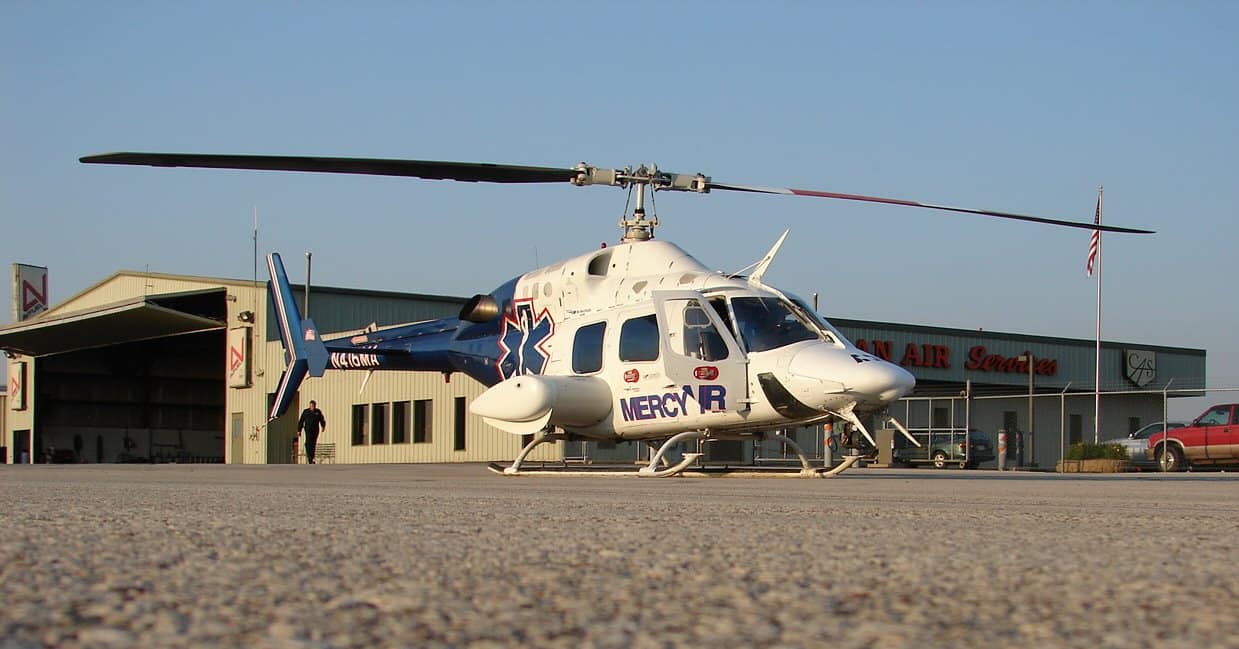
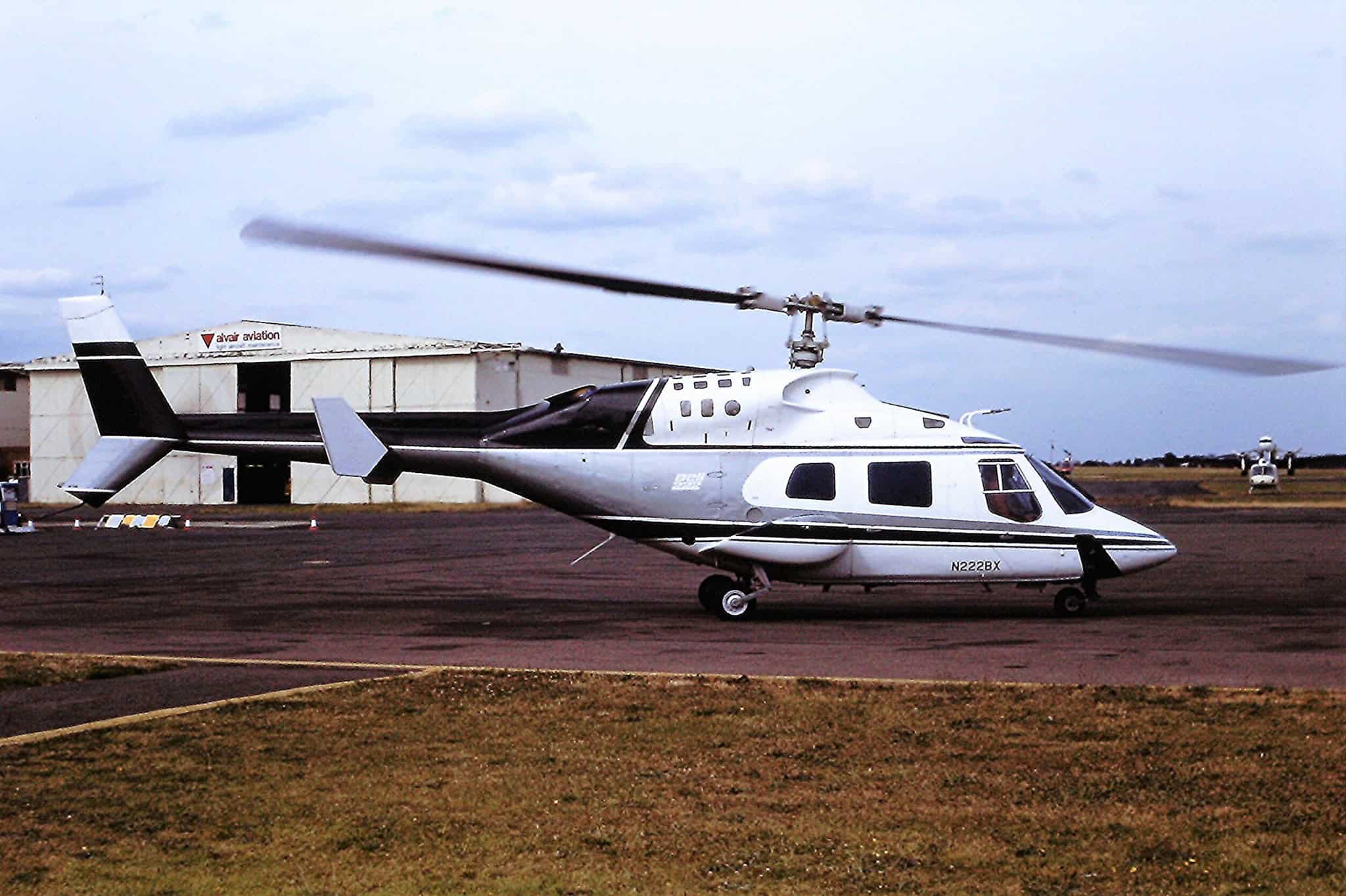
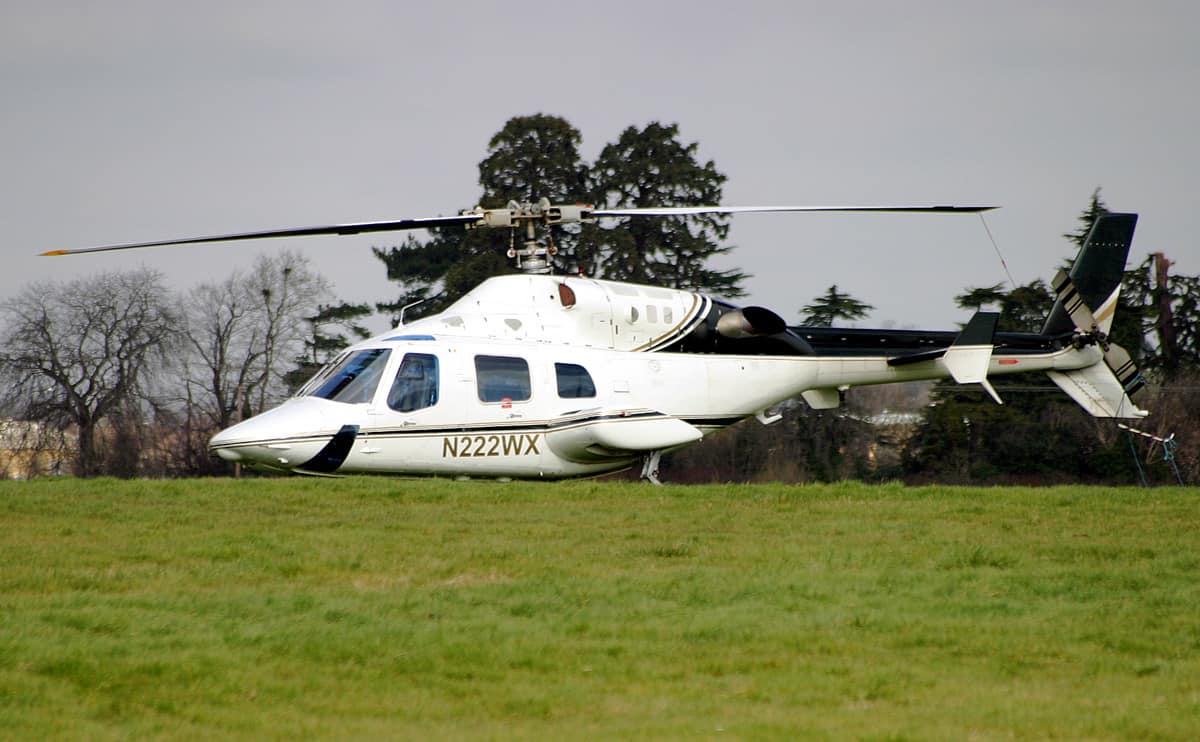
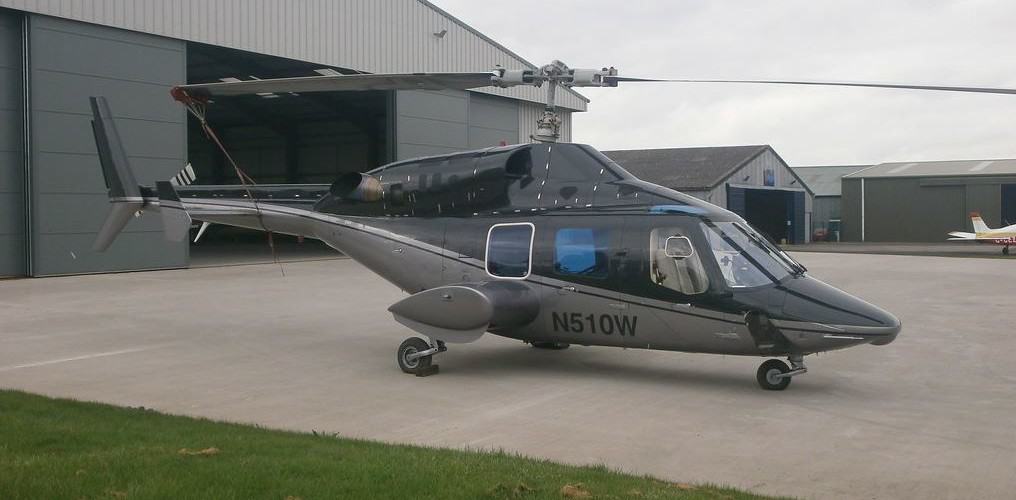

The manufacturing company Bell Helicopters started to develop a twin-turbine engine light helicopter in the late 1960s later designated as the new Bell 222. In January 1974, a model version was exhibited at a helicopter convention.
The Bell 222 was the first light commercial helicopter with twin engines constructed in the United States. In 1975, the manufacturing of 222 started. On August 13, 1976, the helicopter took its maiden flight. On August 16, 1979, it was awarded the Federal Aviation Administration (FAA) type certification, then on December 20, 1979, it was authorized for Visual Flight Rules (VFR) operation. On January 16, 1980, deliveries of 222 started. On May 15, 1980, the helicopter received its approval from the Federal Aviation Administration for single-pilot instrument flight rules (IFR) use.
The helicopter features numerous updated features such as dual hydraulic and electric systems, IFR avionics, sponsons lodging the retractable undercarriage, as well as introducing the use of Noda Matic vibration reduction system that the company had developed for the Bell 214ST.
The Bell 222 is fitted with two Lycoming/Honeywell LTS101-650 engines which produce a maximum of 592 shaft horsepower each. It is a turboshaft engine with a 1-stage low-pressure axial compressor and a 1-stage high-pressure centrifugal compressor, annular combustors, and 1-stage high-pressure turbine and 1-stage low-pressure turbine.
The helicopter’s engine exhaust stacks are situated at the back of the engines. The rotor system of the helicopter incorporates a two-bladed, slightly rigid high-kinetic energy main rotor and underslung rotor design to prevent the need for lead/lag hinges.
The rotor head is equipped with elastomeric bearings that consist of rubber and metal plates and is designed to meet the required stiffness for rotor hub bearing. The 222 is also designed with a pusher-type tail rotor with two blades attached on the left part of the tail boom.
The Bell 222 has a maximum speed of 139 knots and a travel range of 326 nautical miles. It can fly up to 20,000 feet and has a maximum takeoff weight of 3,670 kg.
Sources and references used for research and fact-checking.