
Mid Size Helicopters
MD Explorer
ICAO: EXPL
The NOTAR helicopter built for agility and reduced noise.
The latest aviation news and stories sent to your inbox.
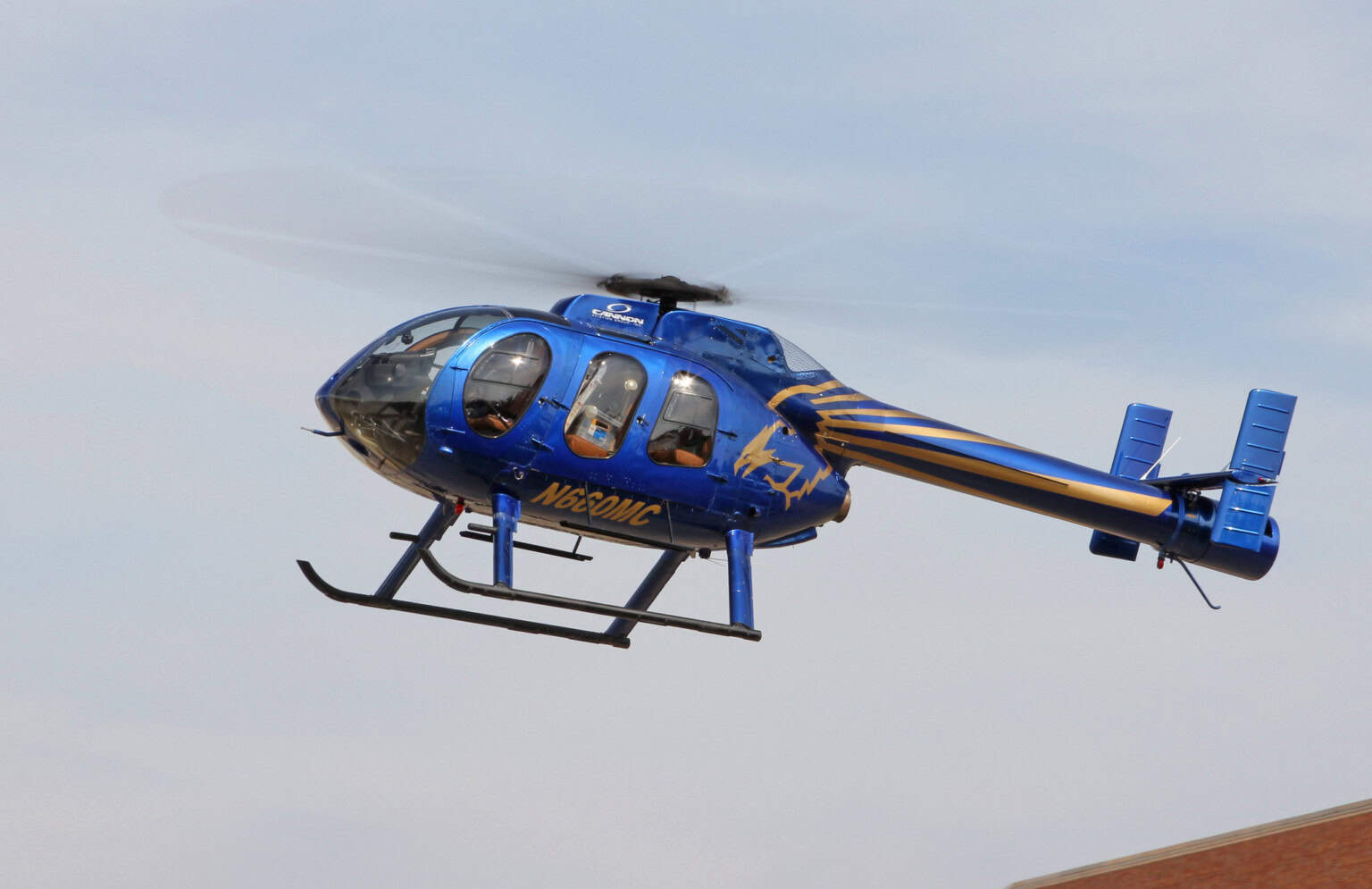
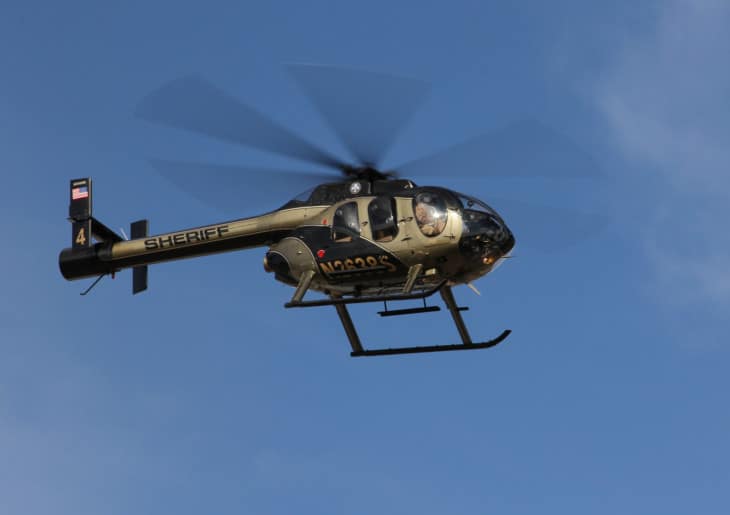
The MD 600N is a light utility helicopter that incorporates the NOTAR anti-torque system instead of a conventional tail rotor. Introduced in the 1990s, it emphasizes safety and low external noise. The aircraft is used in civil and law enforcement roles.
Live Fleet Activity (MD60)
Fetching live data…


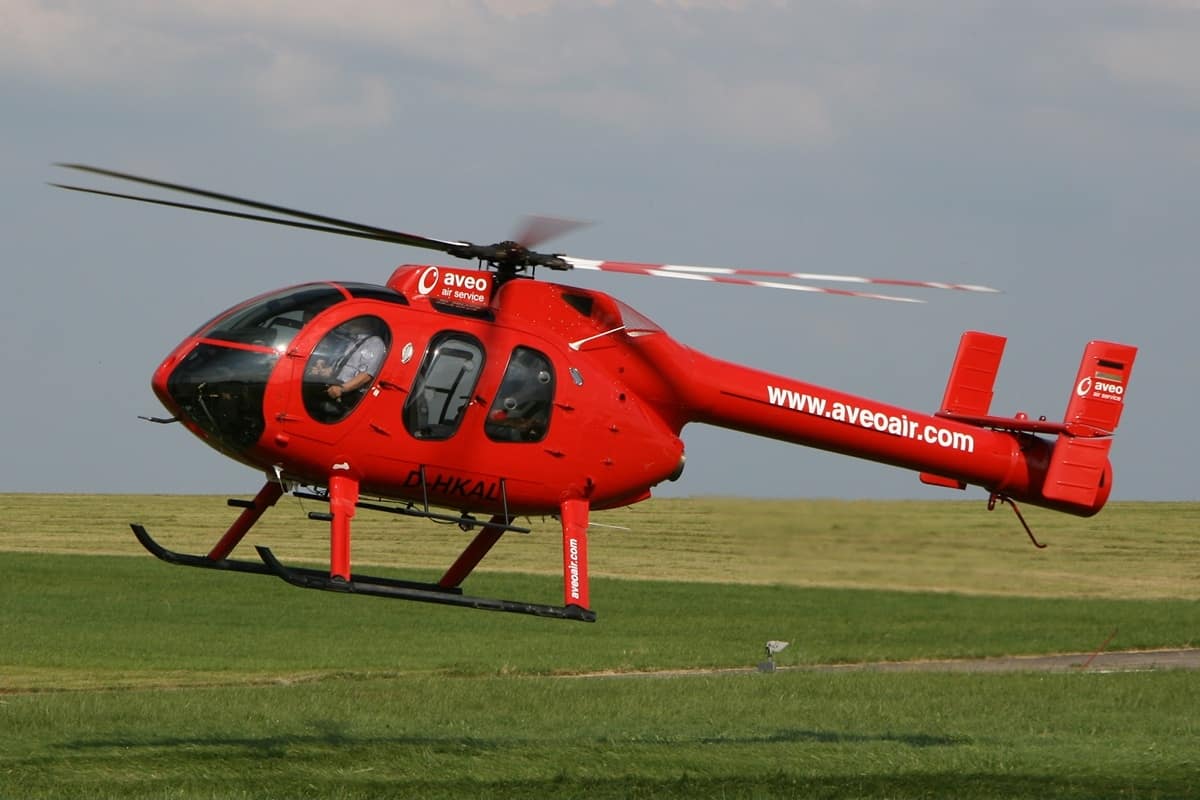
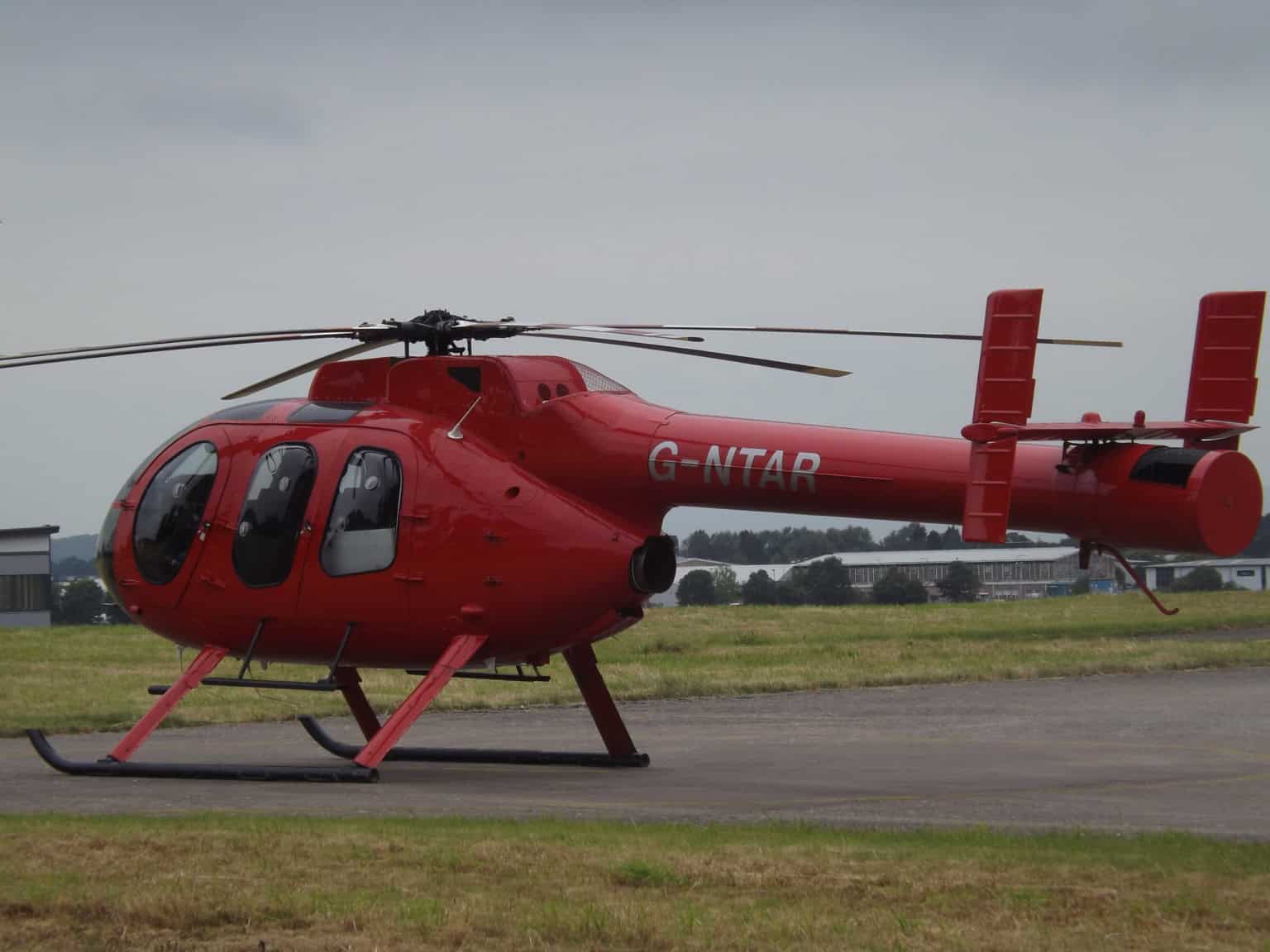
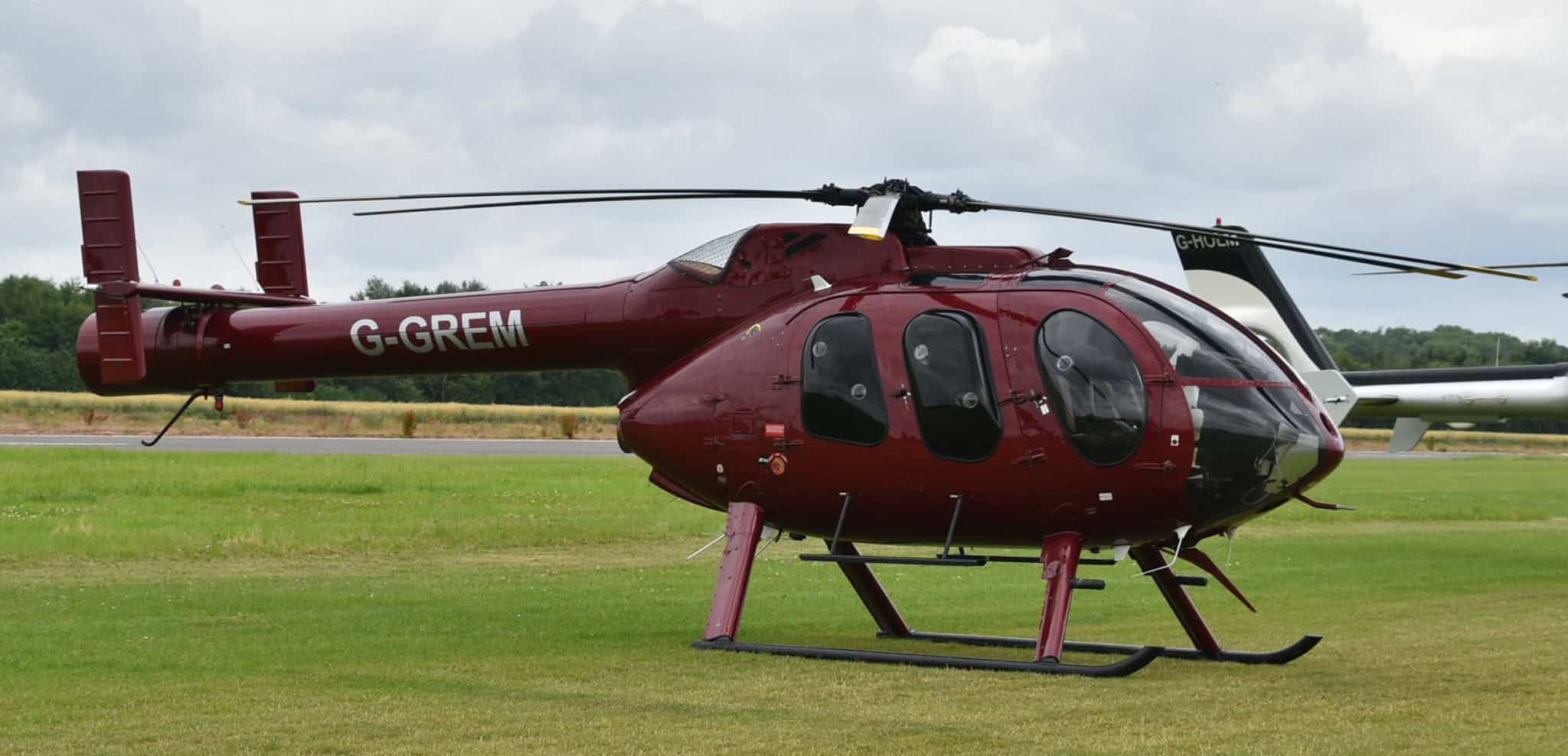
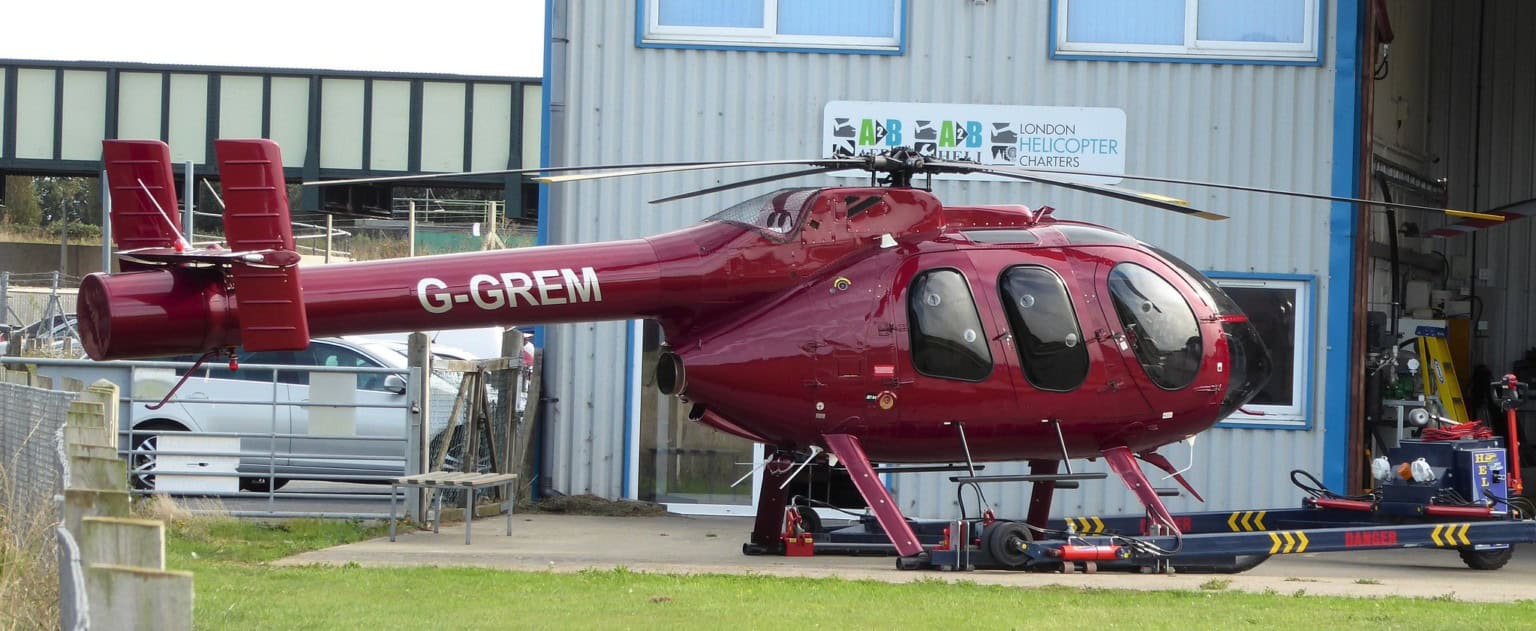

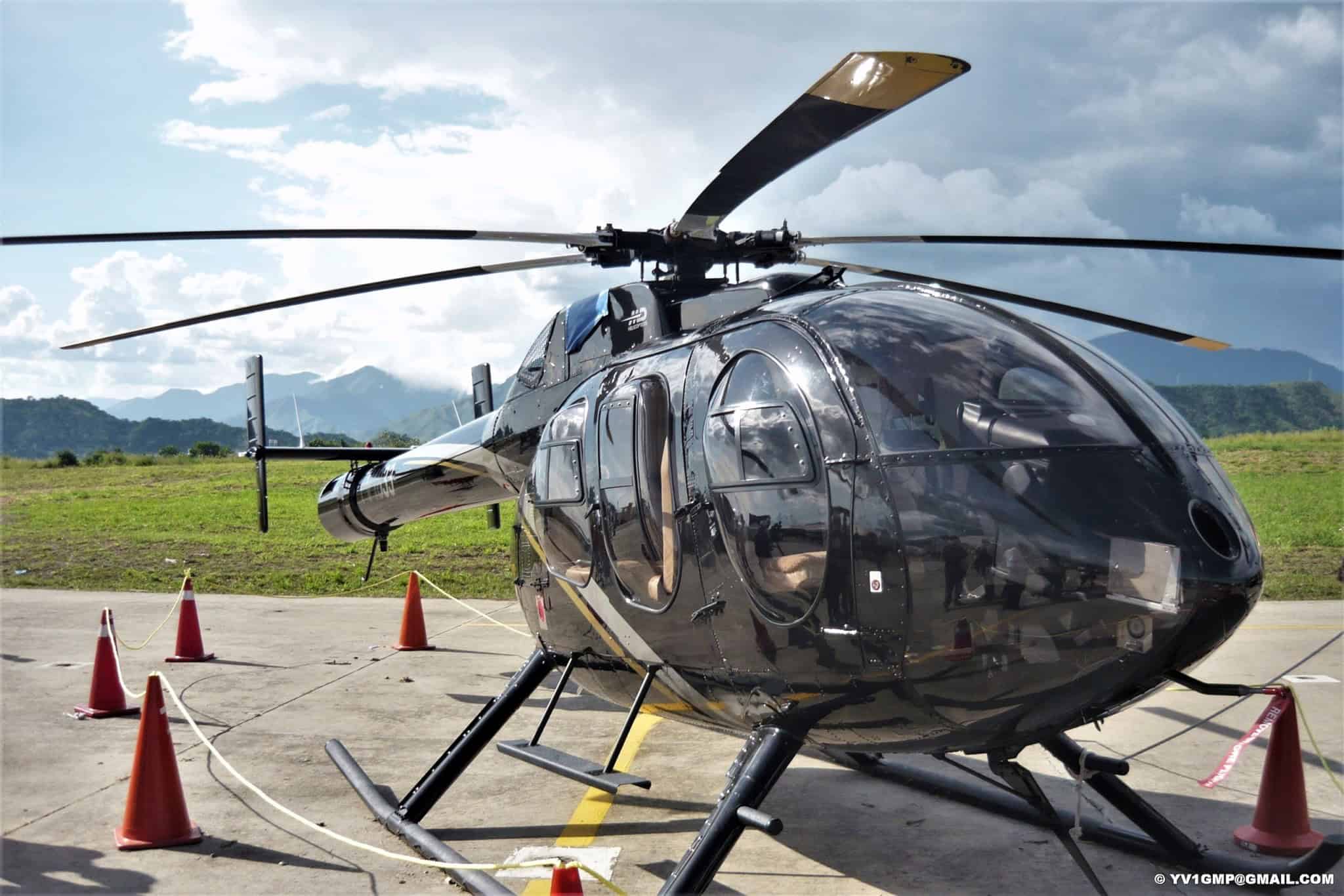
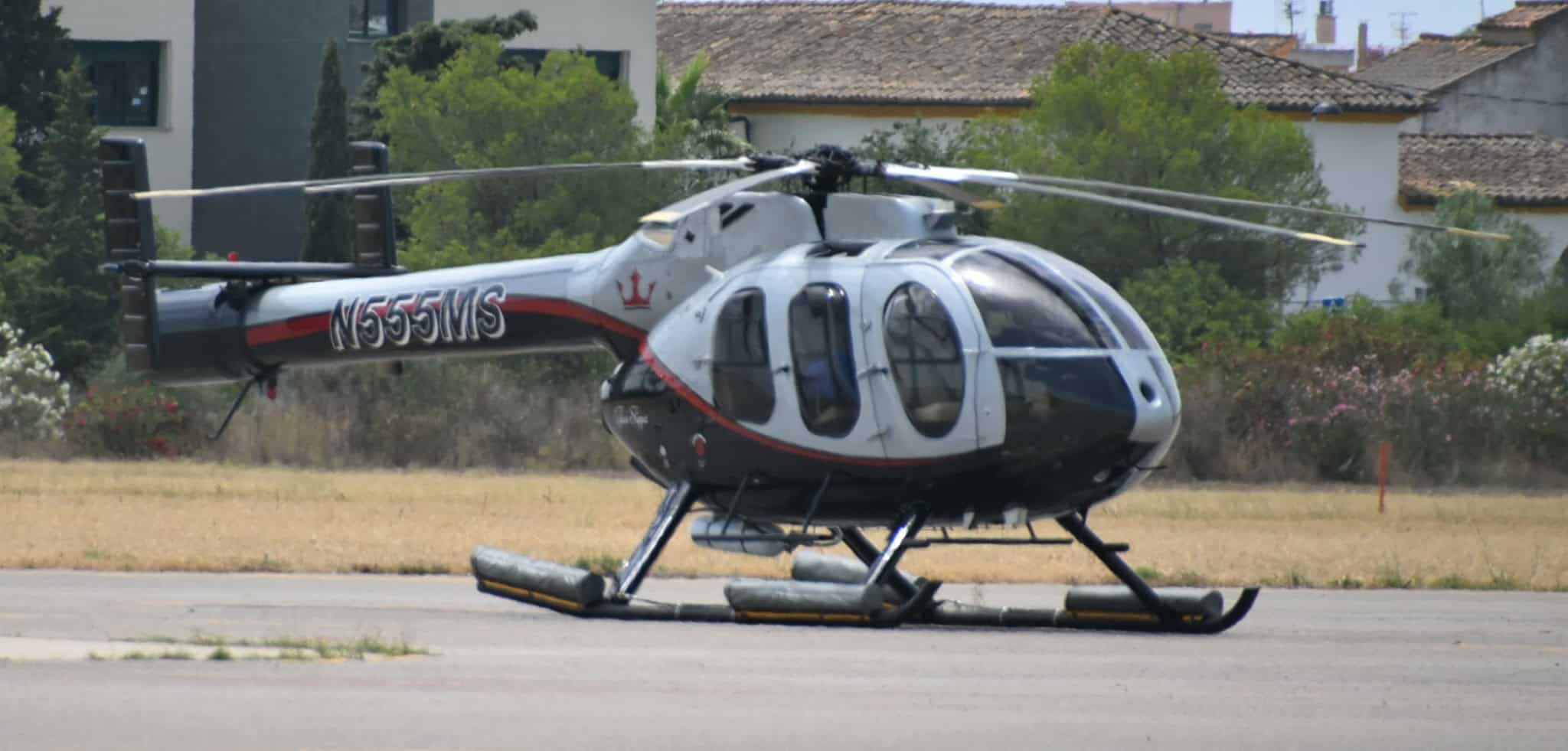
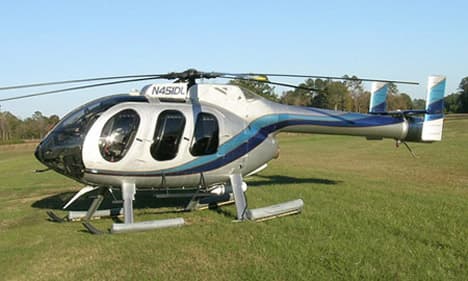
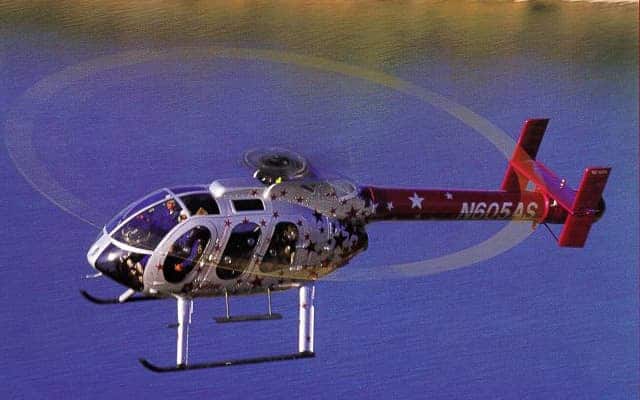
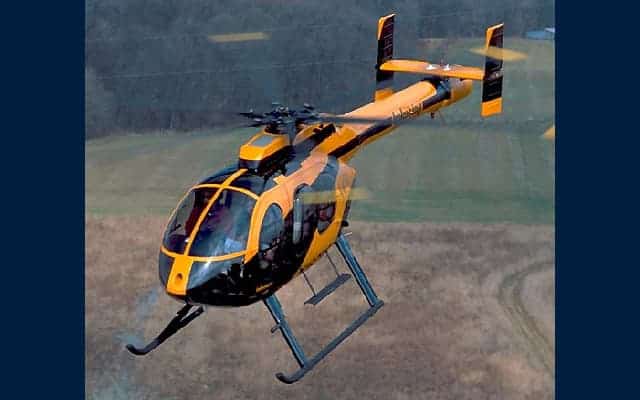

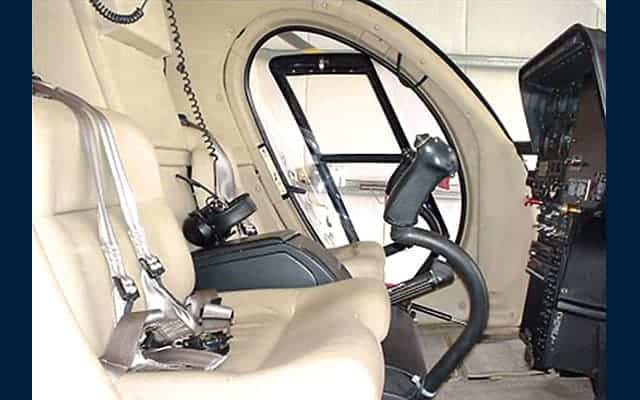
The MD 600N first flew in 1997 and entered service shortly thereafter. It builds upon earlier MD Helicopters designs while adopting the fan-driven NOTAR system for anti-torque control. The configuration reduces tail rotor hazards and improves ground safety.
A single turboshaft engine producing approximately 808 shaft horsepower powers the helicopter. Cruise speed approaches 140 knots (259 km/h). Maximum takeoff weight exceeds 4,100 pounds (1,860 kg).
The MD 600N has served in executive transport, police operations, and light utility roles. Its unique tail design distinguishes it from conventional helicopters. The aircraft continues to operate in specialized applications worldwide.
Sources and references used for research and fact-checking.