Mid Size Helicopters
MD 600N
ICAO: MD60
The NOTAR helicopter built for urban operations and low noise
The latest aviation news and stories sent to your inbox.
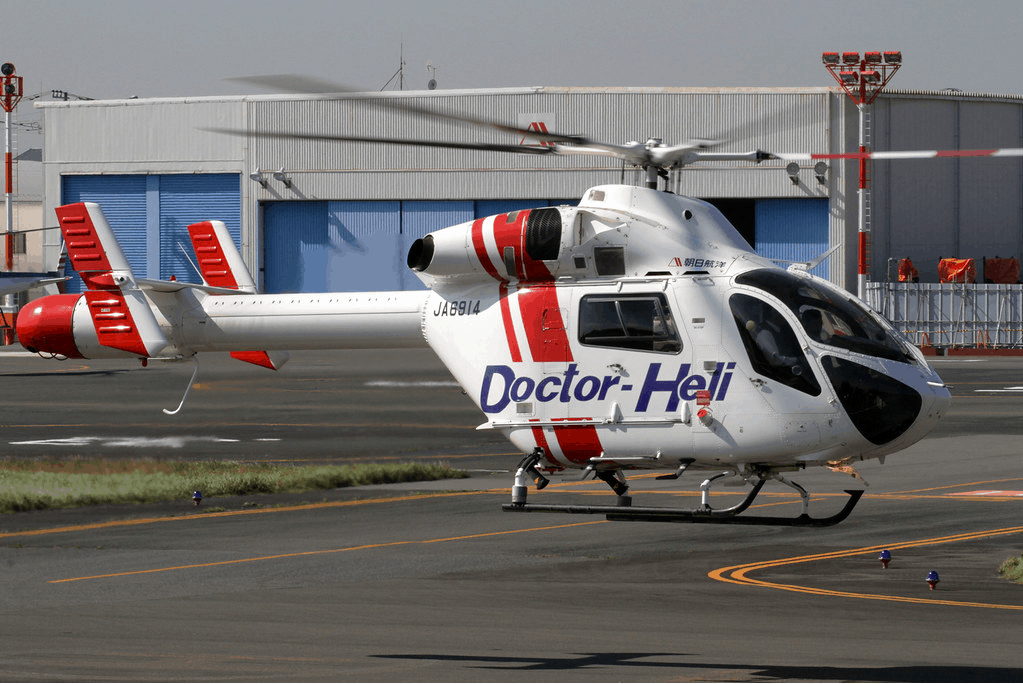
The MD Explorer, also known as the MD 902, is a twin-engine light helicopter featuring the NOTAR anti-torque system. Designed for safety and reduced noise, it has been widely used in law enforcement and emergency medical roles. The aircraft represents a distinctive approach to rotorcraft design.
Live Fleet Activity (EXPL)
Fetching live data…





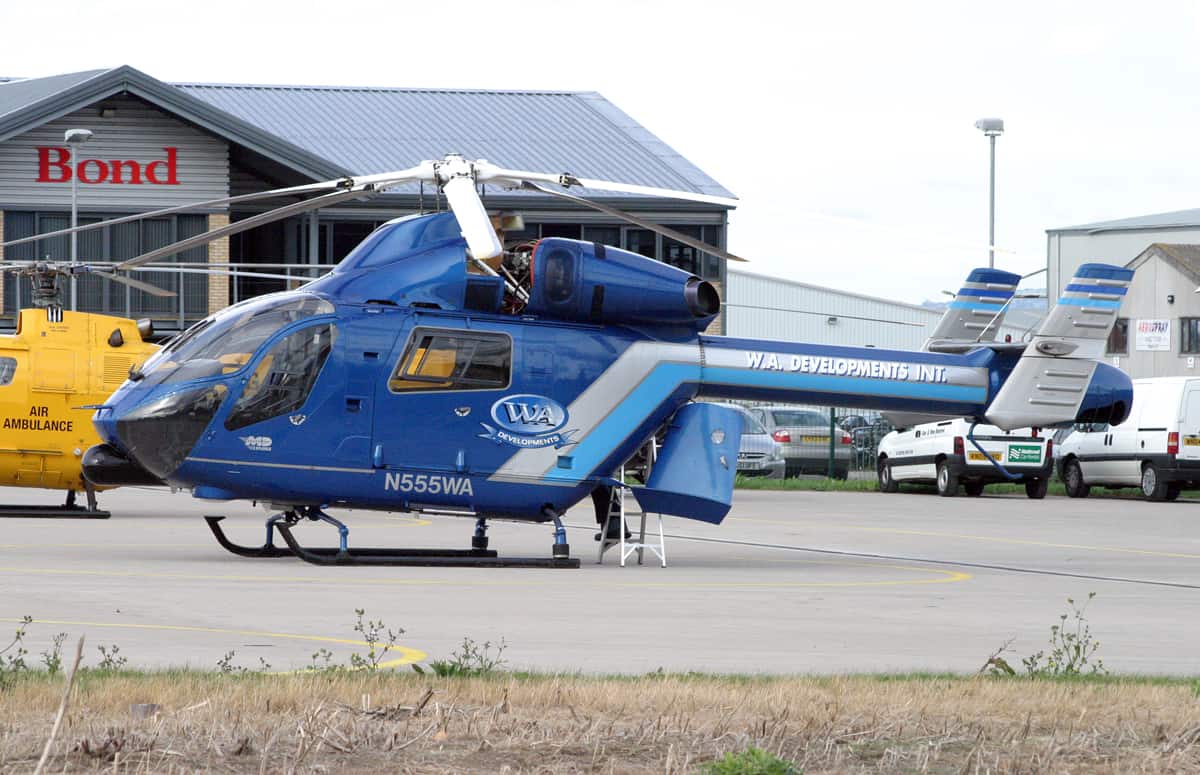

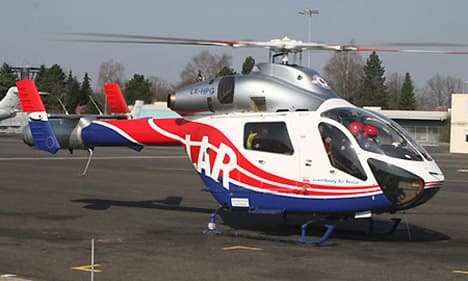
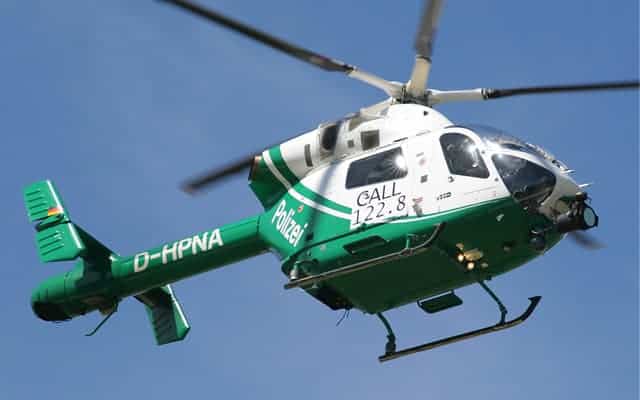
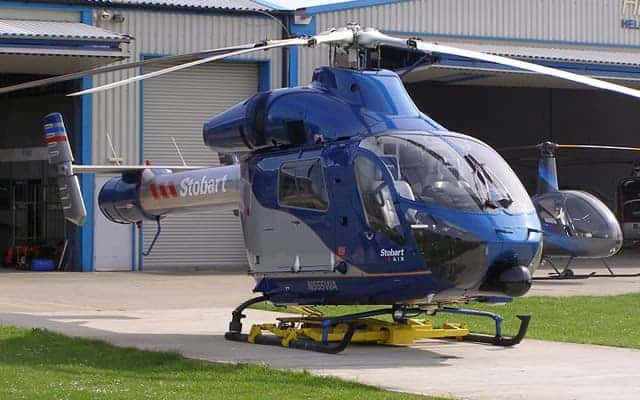
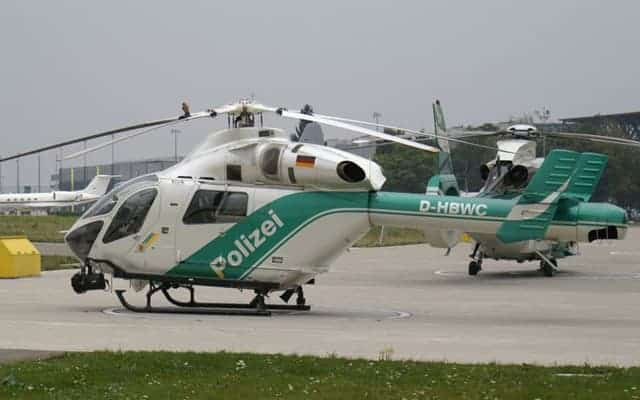
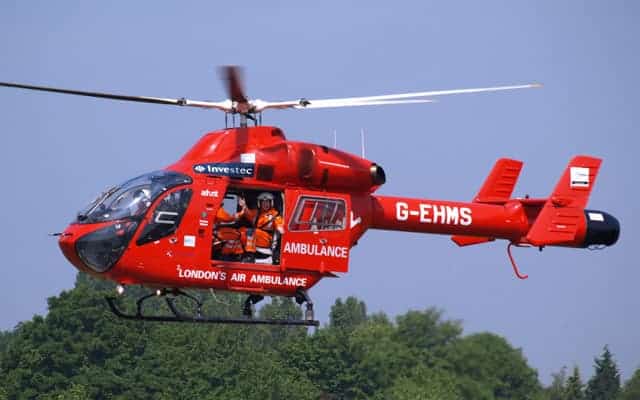
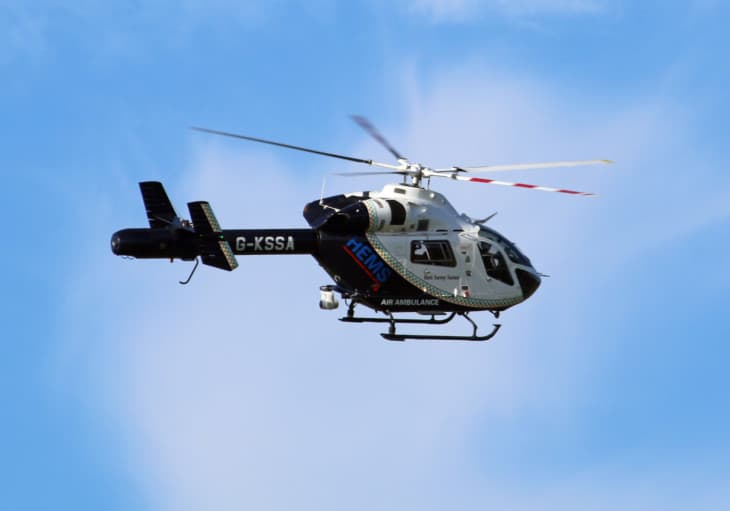
The MD Explorer was developed in the 1990s as a successor to earlier MD Helicopters models. It incorporated the NOTAR system, which eliminates the conventional tail rotor by using directed airflow for anti-torque control. The prototype first flew in 1992, and the aircraft entered service later in the decade.
Powered by two Pratt & Whitney Canada PW207E engines, the MD 902 cruises at approximately 135 knots (250 km/h). Maximum takeoff weight is about 6,250 pounds (2,835 kg). The absence of a tail rotor improves safety in confined urban environments and reduces external noise signature.
The Explorer has become a common platform for police departments, air ambulance providers, and corporate operators. Its cabin layout allows flexible mission equipment installation. The NOTAR system remains one of the most recognizable features in modern helicopter design.
Sources and references used for research and fact-checking.