

Mid Size Helicopters
Bell 214
ICAO: B214
The Polish utility helicopter derived from a classic light design
The latest aviation news and stories sent to your inbox.
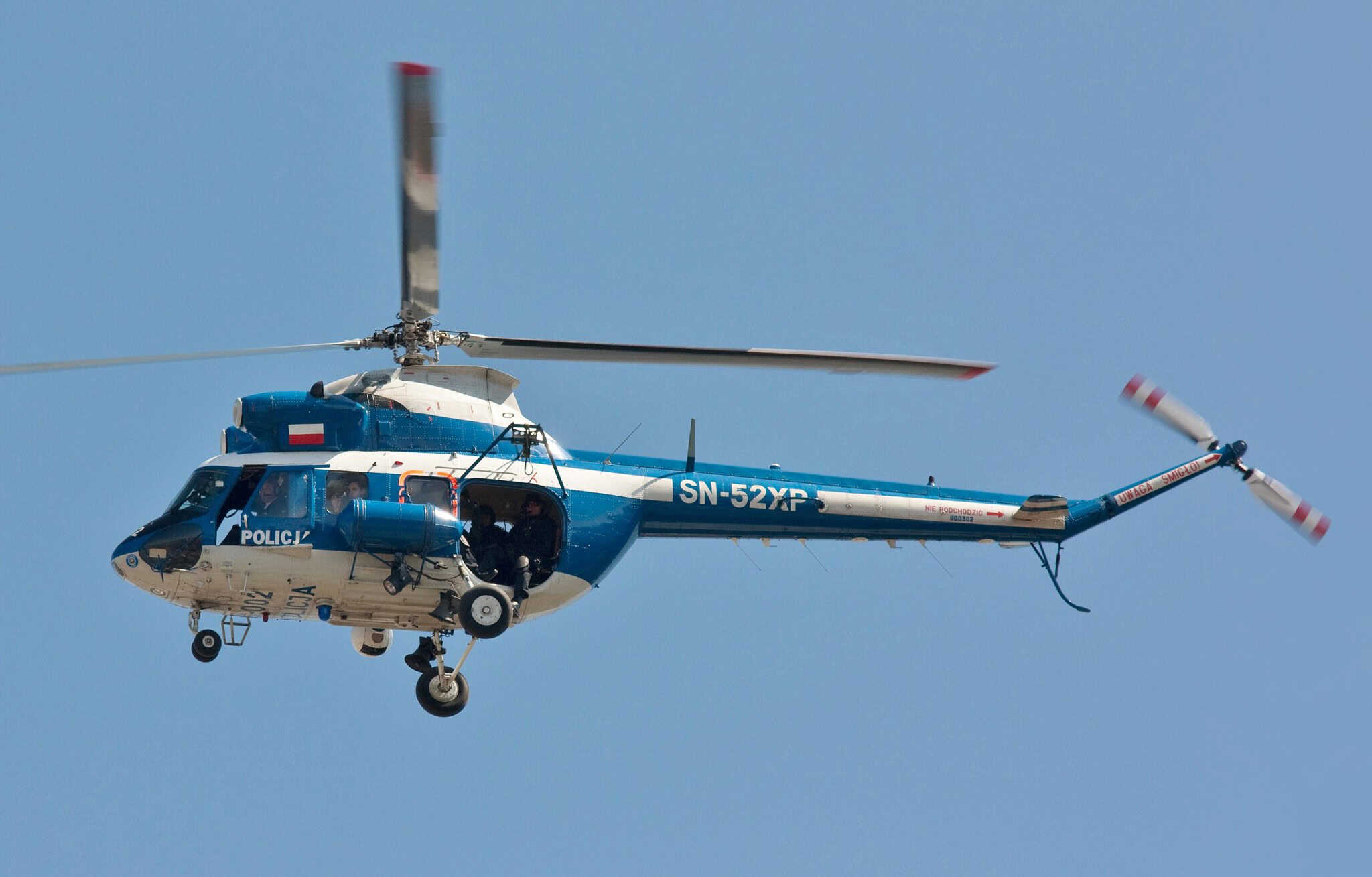
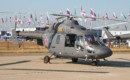
The PZL Kania is a light utility helicopter developed in Poland as an improved derivative of the Mil Mi-2. Designed for civil and government roles, it incorporated Western avionics and engine upgrades. The aircraft aimed to modernize a proven platform for export markets.


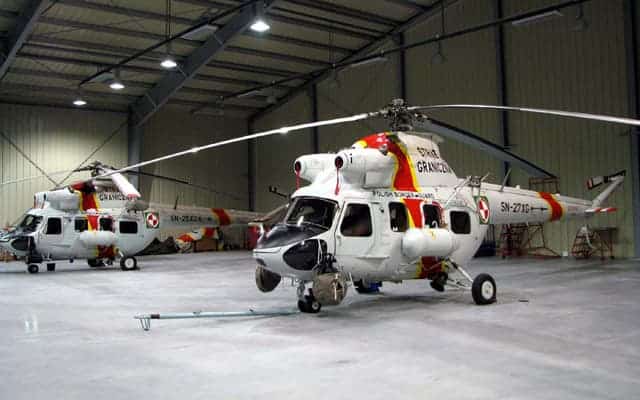

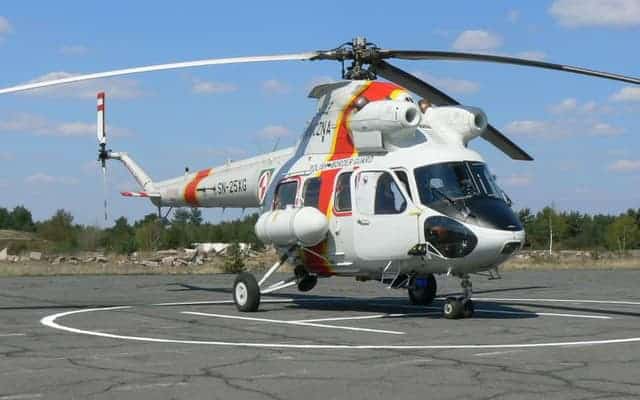
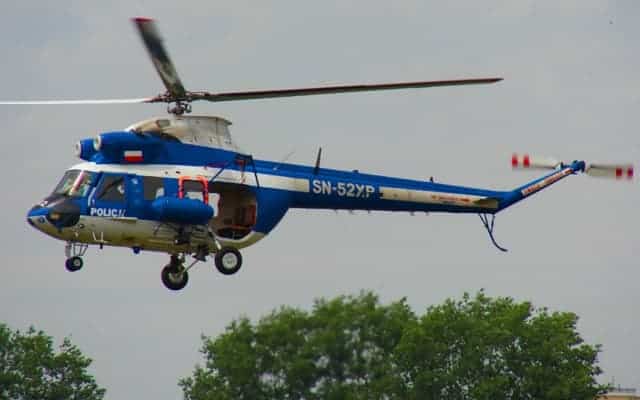
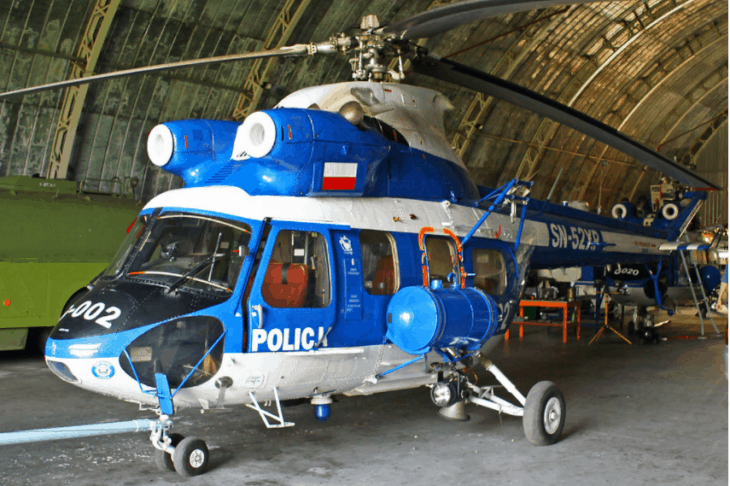
The Kania program began in the late 1970s at PZL Świdnik as a modernization of the Mi-2, which had been produced under license in Poland. The first prototype flew in 1979. Designers incorporated updated avionics, refined aerodynamics, and Western-sourced engines to improve performance and reliability.
Powered by Allison 250-C20B turboshaft engines producing approximately 420 shaft horsepower each, the Kania cruises at about 115 knots (210 km/h). Maximum takeoff weight is roughly 8,200 pounds (3,700 kg). The helicopter can carry up to eight passengers depending on configuration.
Despite technical improvements, production remained limited due to economic constraints and market competition. The Kania nevertheless demonstrated Polish efforts to expand domestic helicopter design capability. It remains a notable development in Poland’s rotary-wing history.
Sources and references used for research and fact-checking.
.jpg)