Mid Size Helicopters
Bell 214
ICAO: B214
The light twin helicopter built for training and utility missions.
The latest aviation news and stories sent to your inbox.
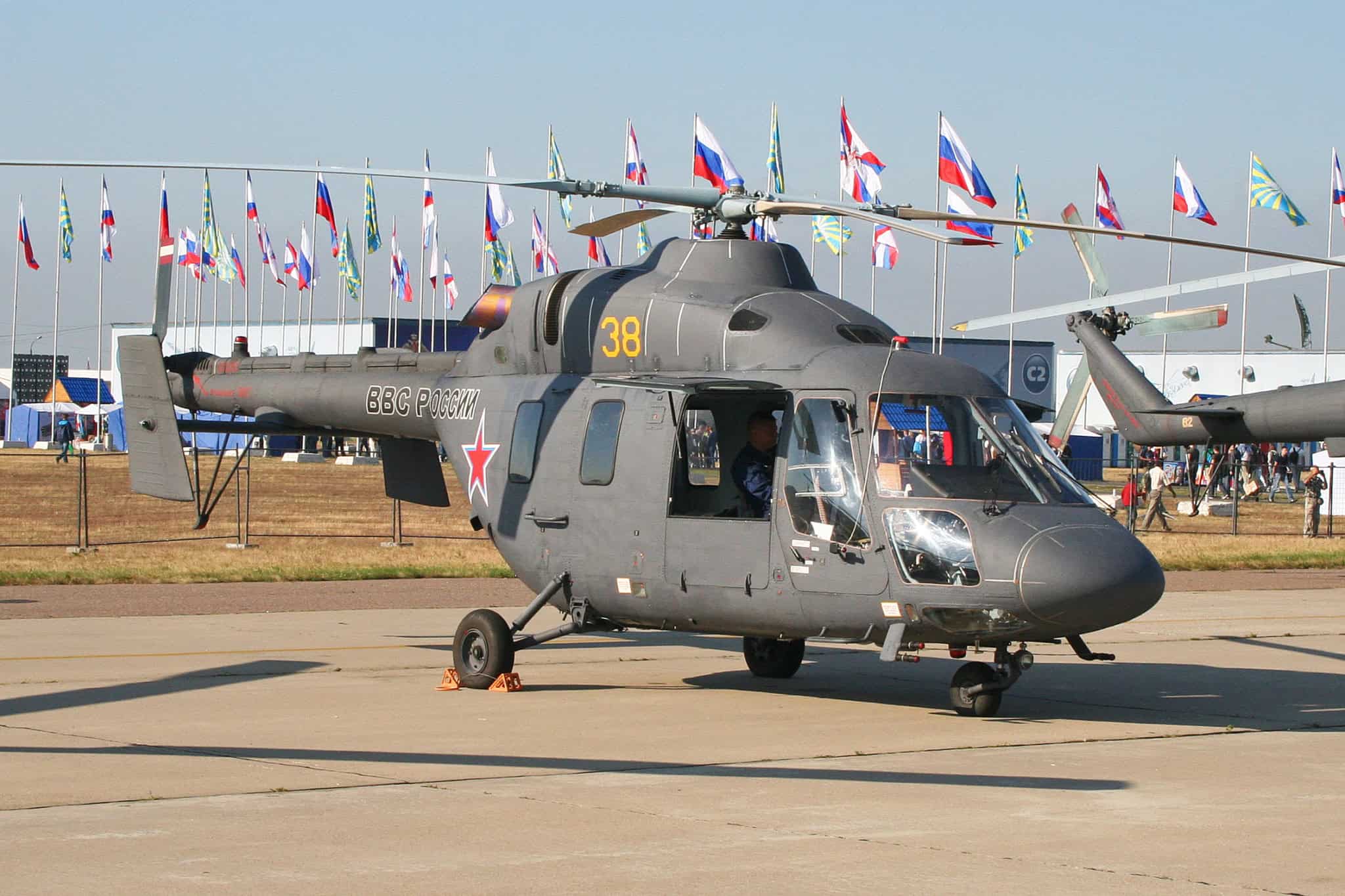
The Kazan Ansat is a Russian-designed light twin-engine helicopter introduced in the 2000s. Developed for civil and military roles, it emphasizes modern avionics and modular cabin layouts. The aircraft is used for training and medical missions.
Live Fleet Activity (ANST)
Fetching live data…


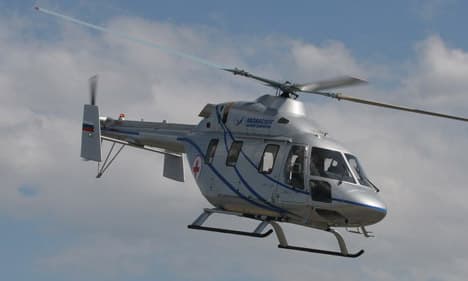
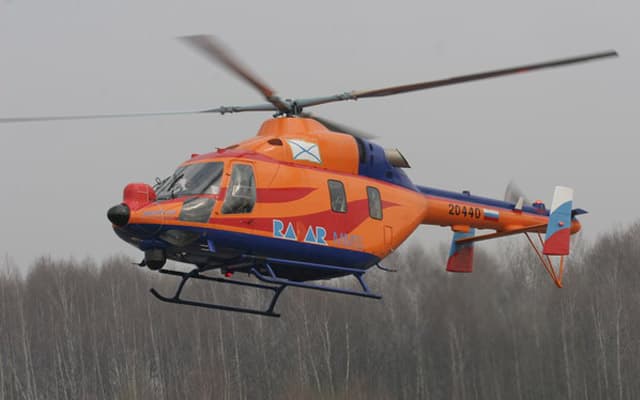
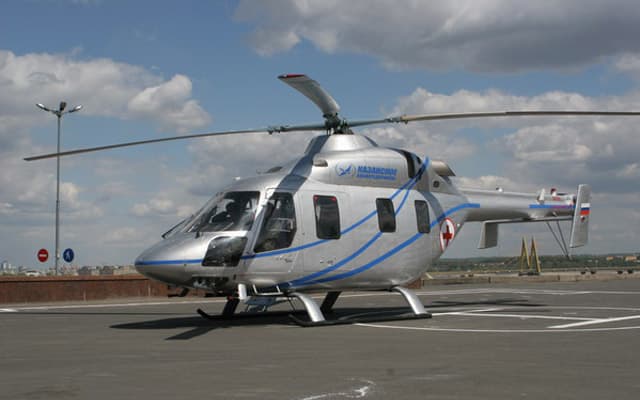
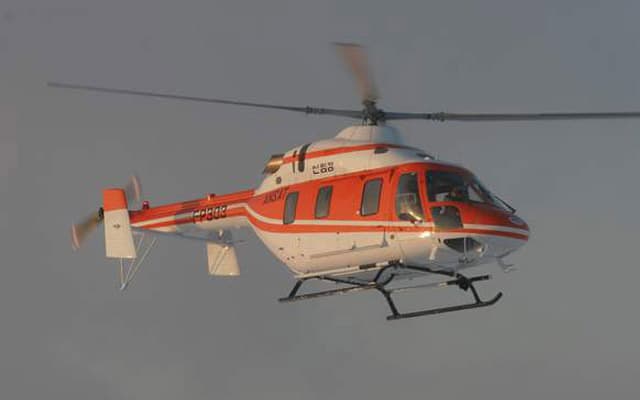
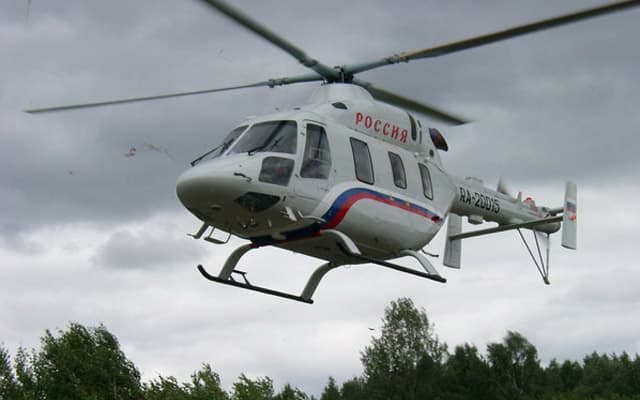
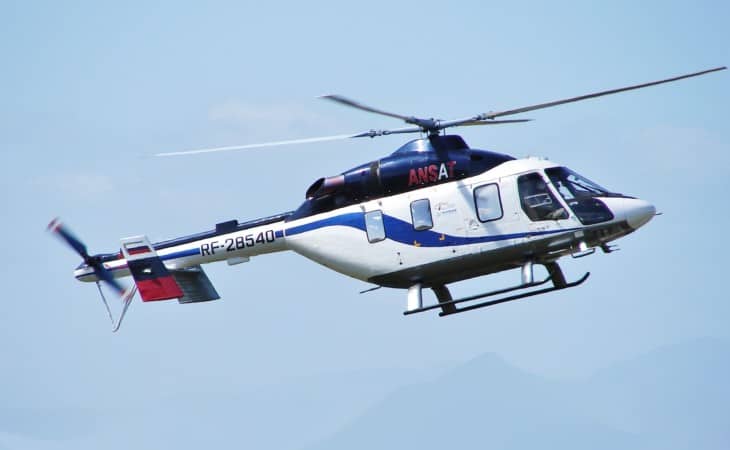
The Ansat first flew in 1999 and entered service in the 2000s. It features a conventional main rotor and tail rotor configuration. The helicopter was designed with a digital flight control system and adaptable cabin.
Two turboshaft engines producing approximately 630 shaft horsepower each power the helicopter. Cruise speed approaches 135 knots (250 km/h). Maximum takeoff weight exceeds 7,900 pounds (3,600 kg).
The Ansat serves in pilot training, air ambulance, and transport roles. Modernized variants include upgraded avionics and systems. The helicopter represents Russia’s effort to modernize light rotorcraft production.
Sources and references used for research and fact-checking.