McDonnell Douglas · United States · ICAO: DC94 · 1965–1982 ·
$5.2 million (1972)

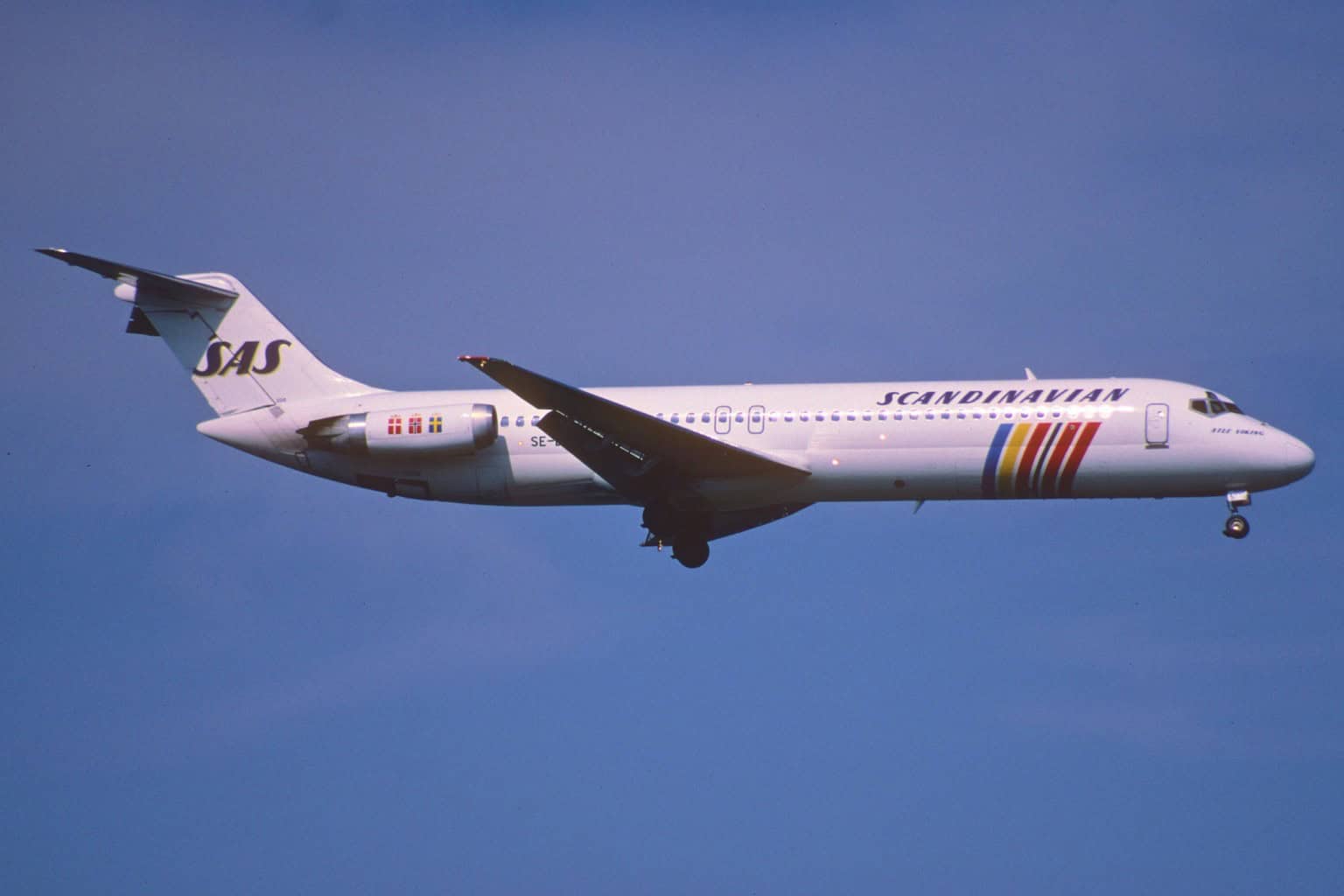
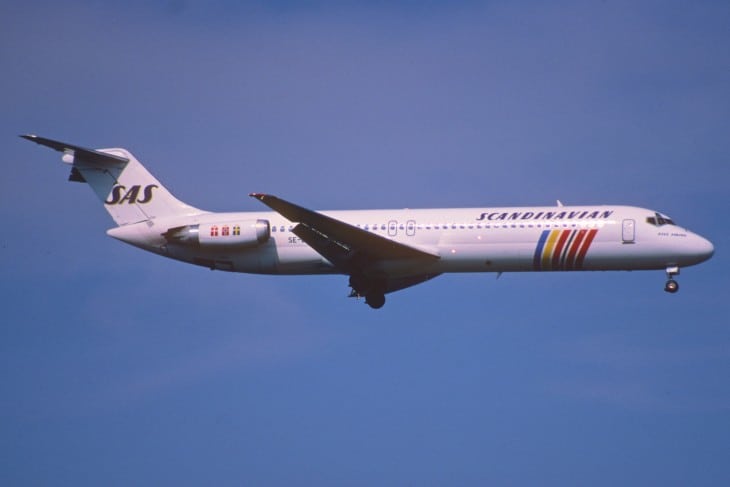
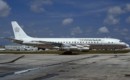
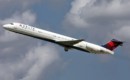
The DC-9-40 is a narrow-body jet aircraft built by McDonnell Douglas in response to a Scandinavian Airlines System (SAS) requirement. The aircraft is powered by more powerful Pratt and Whitney engines and can accommodate up to 125 passengers in a single-class configuration.

Live Fleet Activity
Fetching live data…
DC94s in the air: --
No aircraft of this type are airborne right now.
Average speed: -- kt (-- mph / -- km/h)
Region with most activity: --
Last updated: --
Engine:
2× JT8D-17
Engine type:
Turbofan
Thrust:
2 × 16,000 lbf  ·  71 kN
Wing Tips:
No winglets
Seats:
125
Cabin width:
10 ft 3 in · 3.12 m
Cabin height:
ft 9 in · 2.05 m
Cabin length:
80 ft 9 in · 24.60 m
Exterior length:
125 ft 7 in · 38.28 m
Tail height:
28 ft 7 in · 8.70 m
Fuselage diameter:
10 ft 12 in · 3.35 m
Wing span / rotor:
93 ft 4 in · 28.44 m
Baggage volume:
1,021 ft³  ·  28.9 
Max takeoff weight:
114,000 lb  ·  51,500 kg
Max landing weight:
102,000 lb  ·  46,300 kg
Max Payload:
31,700 lb  ·  14,400 kg
Fuel capacity:
3,700 gal  ·  13,900 L  ·  11,100 kg  (Jet A)
Max cruise speed:
485 kt  ·  558 mph  ·  898 km/h
Approach speed (Vref):
131 kt  ·  151 mph  ·  243 km/h
Range:
1,200 nm  ·  1,380 mi  ·  2,220 km
Ceiling:
35,000 ft  ·  10,700 m
Rate of climb:
3,000 ft/min  ·  15 m/s
Takeoff distance:
6,550 ft  ·  2,000 m
Landing distance:
4,900 ft  ·  1,500 m

On November 28, 1967, the first flight of the McDonnell Douglas D-9-40 occurred. The DC-9-40 is a further lengthened version of the McDonnell Douglas DC-9 single-aisle airliner. In response to a request from the Scandinavian Airlines System (SAS) who needed a larger capacity development of the DC-9, McDonnell Douglas came up with the DC-9-40. In comparison with the previous series DC-9-30, the fuselage of the latter aircraft is 2-meter longer, increasing seating capacity in a single-class configuration up to 125 passengers. Other versions include the DC-9-10 and DC-9-20.

The Series 40 was powered by Pratt and Whitney JT8D engines. The JT8D is a low-bypass turbofan engine with a rated thrust range of 14,500 lbf to 16,000 lbf. It is an axial-flow front turbofan incorporating the dual-spool design. There are two coaxially-mounted independent rotating assemblies in the engine such as the first rotating assembly for the low-pressure compressor (LPC) which composed of the first six stages driven by the second downstream turbine, and the second rotating assembly which is in-charged for the high-pressure compressor (HPC) section that has seven stages and is driven by the first upstream single-stage turbine.

The DC-9-40 has an exterior length of 38.28 meters, an exterior height of 4.7 meters, a tail height of 8.7 meters, and a fuselage diameter of 3.35 meters. It has a wingspan of 28.44 meters, a wing area of 93 square meters, and a wheelbase of 17.1 meters. The cabin height is 2.05 meters, the cabin width is 3.12 meters, and the cabin length is 24.6 meters.

The aircraft has a maximum cruising speed of 485 knots and a long-range cruising speed of 443 knots. It can fly up to 35,000 feet, can climb at a rate of 3,000 feet per minute, and has a travel range of 1,200 nautical miles. It has a maximum takeoff distance of 2,000 meters and a maximum landing distance of 1,500 meters.

On March 12, 1968, the DC-9-40 first entered service with Scandinavian Airlines System. There were 71 DC-9-40s produced in total.

Want More of This?
We'll send you our latest and best content straight to your inbox
Featured Image