Mid Size Passenger Jets
McDonnell Douglas MD-90
ICAO: MD90
The largest member of the DC-9 series.
The latest aviation news and stories sent to your inbox.
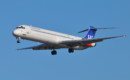
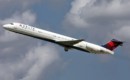
The DC-9-50 series is the largest version of the DC-9 narrow-body jet airliner which first flew in 1974. It features several improvements such as a stretched fuselage, new cabin interior, and more powerful Pratt and Whitney engines.
Live Fleet Activity (DC95)
Fetching live data…


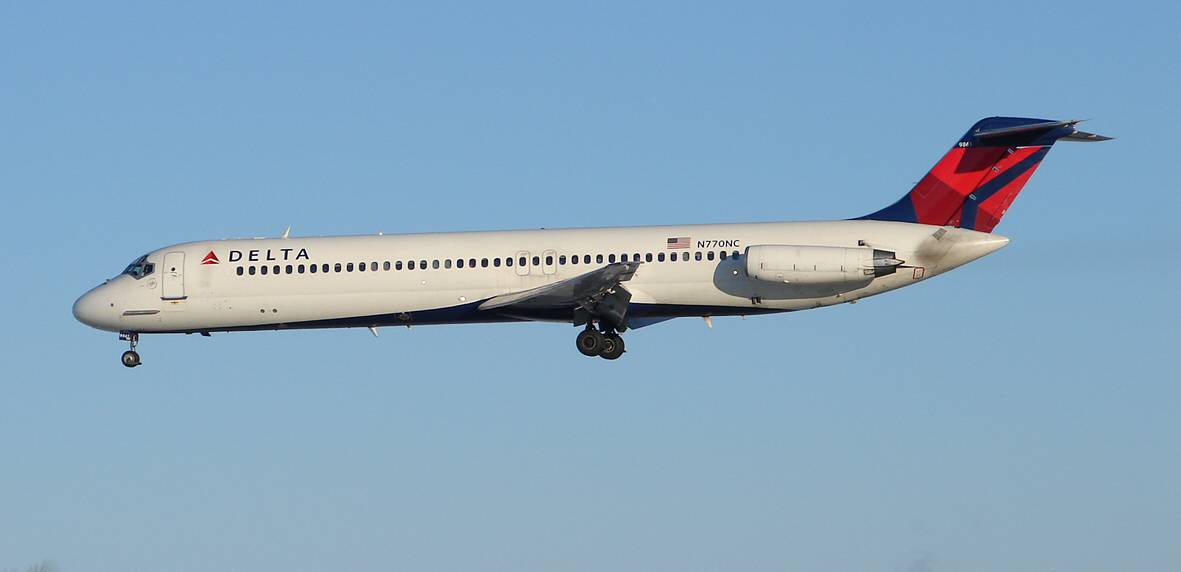

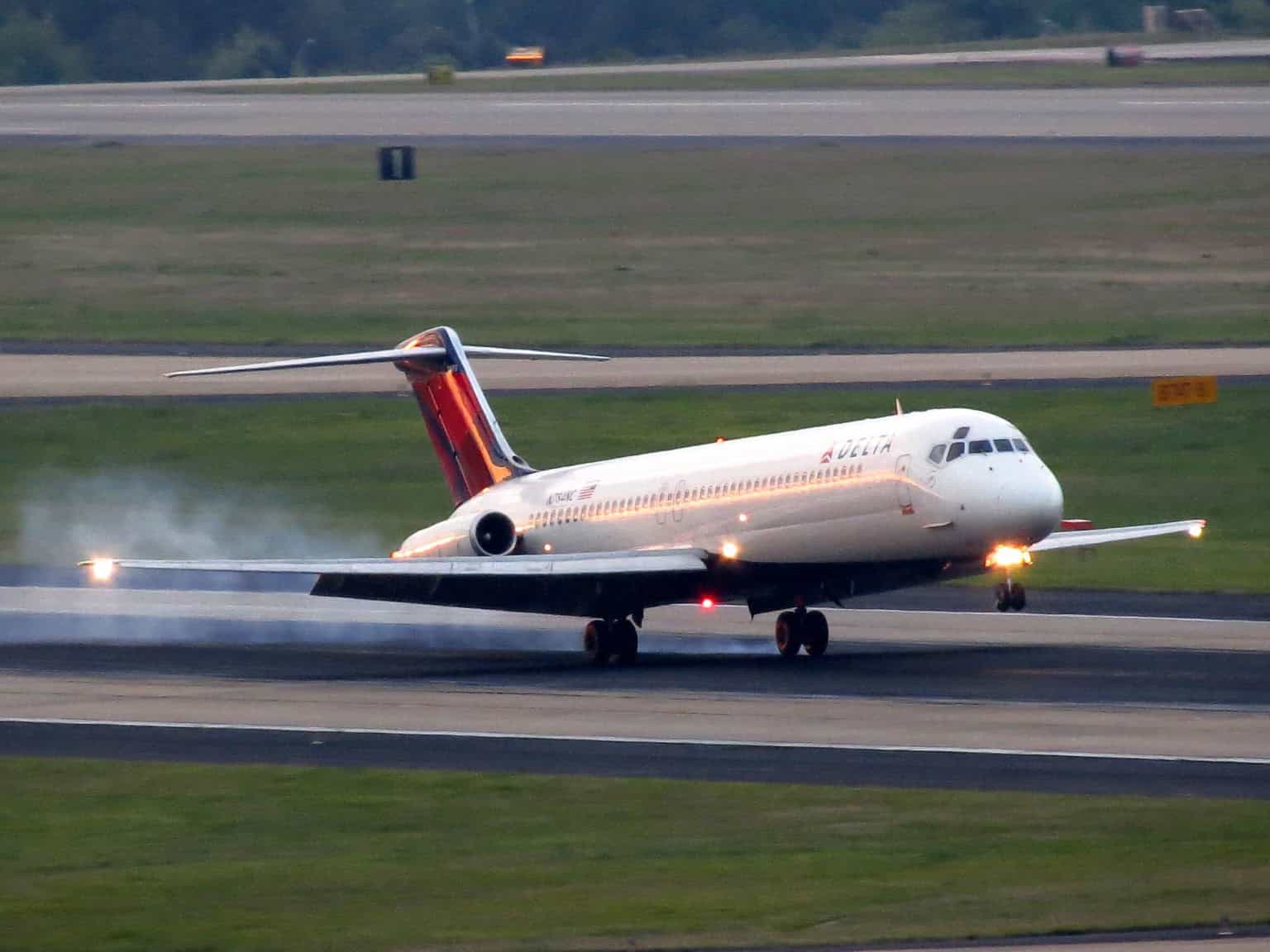

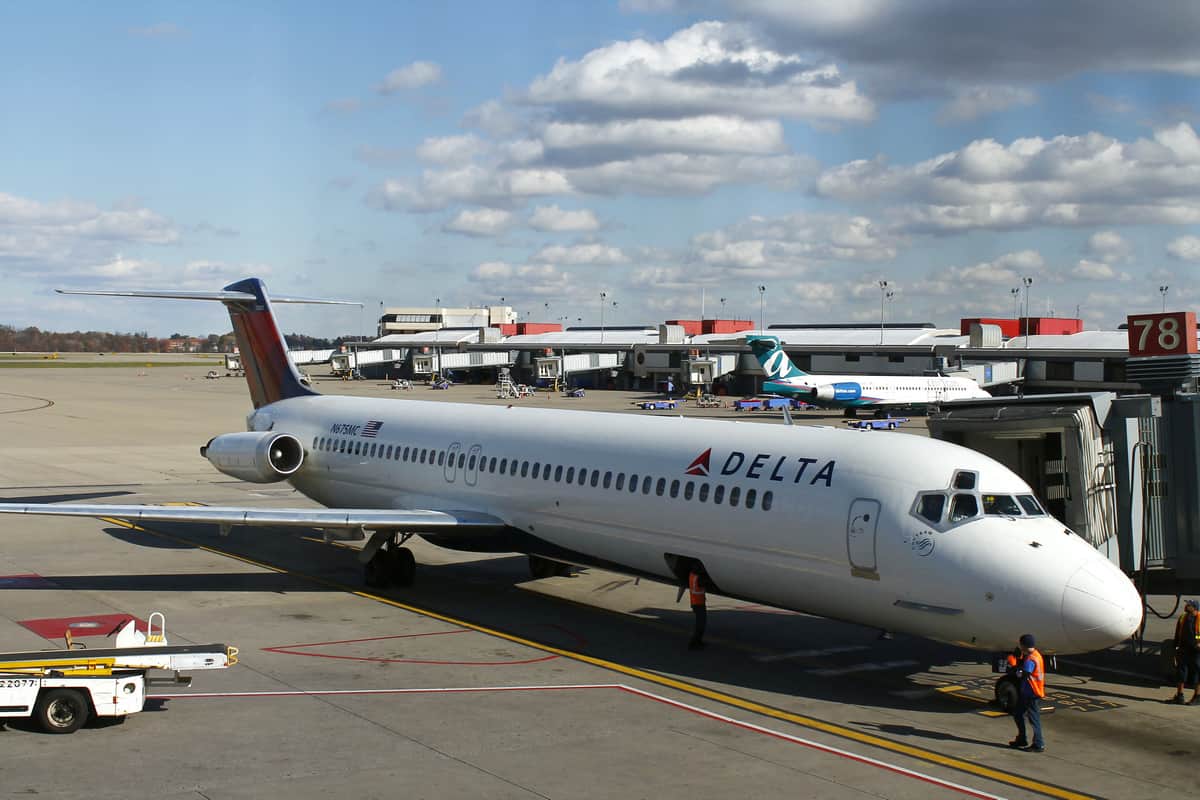

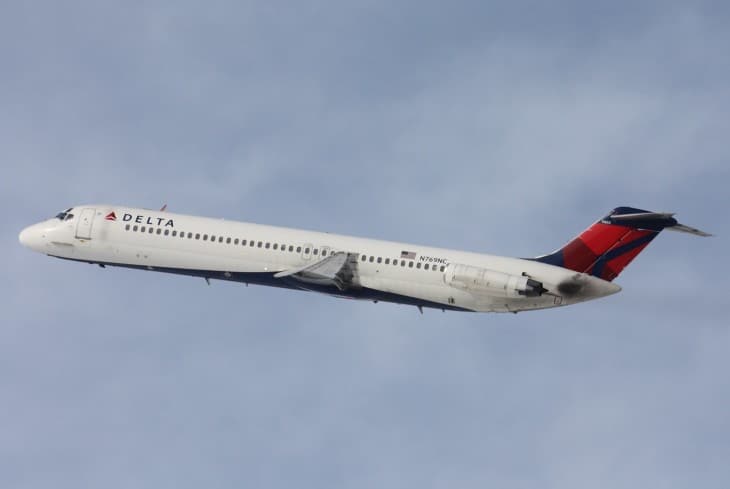
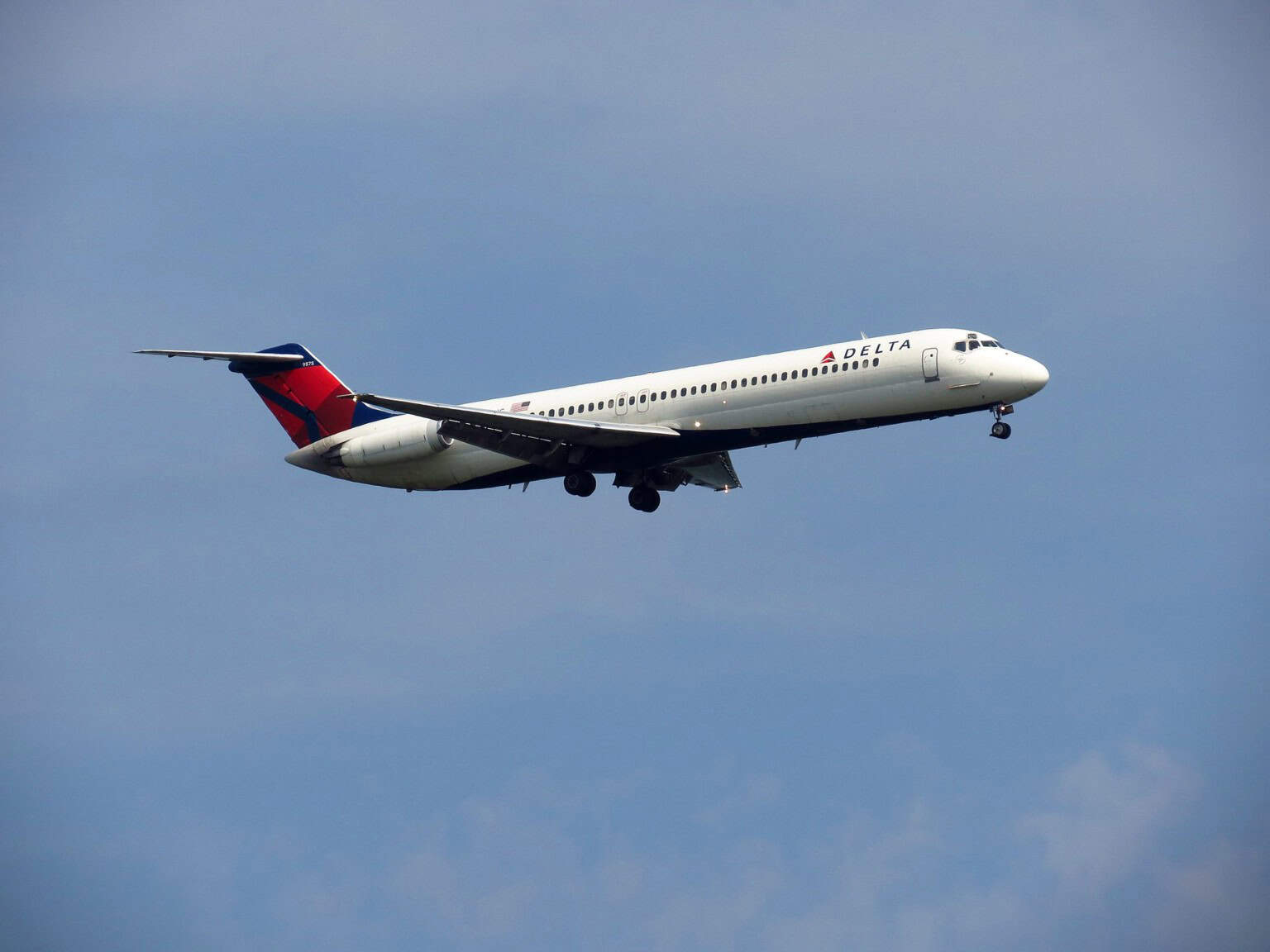
In mid-1973, the final variant of the DC-9 airliner was launched. The DC-9-50 is the last and largest member of the DC-9/MD-90/717 family to bear the DC-9 designation and to enter airline service. The aircraft features a 2.49-meter longer fuselage than the former DC-9-40 or 4.34-meter longer compared with the DC-9-30 and can accommodate up to 139 passengers. In 1974, the DC-9-50 conducted its first flight.
In August 1975, the DC-9-50 entered revenue service with Easter Airlines. The aircraft introduced several particular improvements such as a new look in the cabin interior and more powerful Pratt and Whitney engines.
The new cabin interior was designed to create more productive use of the space available and to allow the impression of a roomier interior. Other enhancements were incorporated including an improved anti-skid braking system that helps to detect when the wheel is beginning to skid and interferes with the braking instantly to let the wheel grip again before reapplying the brake on the specific wheel. Quieter engines compared with the former DC-9-40 were also installed.
The DC-9-50 is powered by two Pratt and Whitney JT8D-15 or -17 turbofan engines with a rated thrust of 16,000 to 16,500 lbf. It has an axial-flow, 1-stage fan, 6-stage low-pressure, 7-stage high-pressure compressor, nine can-annular combustors, and a 1-stage high-pressure, 3-stage low-pressure turbine.
The aircraft has an exterior length of 40.72 meters, a height of 8.8 meters, and a fuselage diameter of 3.34 meters. It has a wingspan of 28.45 meters and a wheelbase of 18.60 meters. The cabin is 2.05-meter high, 3.11-meter wide, and 28.3-meter long.
The DC-9-50 has a maximum cruise speed of 485 knots and a travel range of 1,300 nautical miles. It has a service ceiling of 35,000 feet and a rate of climb of 2,000 feet per minute. It has a takeoff and landing distance of 2,100 meters and 1,500 meters respectively. The maximum takeoff weight is 54,885 kg while the maximum landing weight is 49,895 kg.
Sources and references used for research and fact-checking.