Mid Size Passenger Jets
McDonnell Douglas MD-90
ICAO: MD90
One of the classic and definitive airliners of the early jet age
The latest aviation news and stories sent to your inbox.
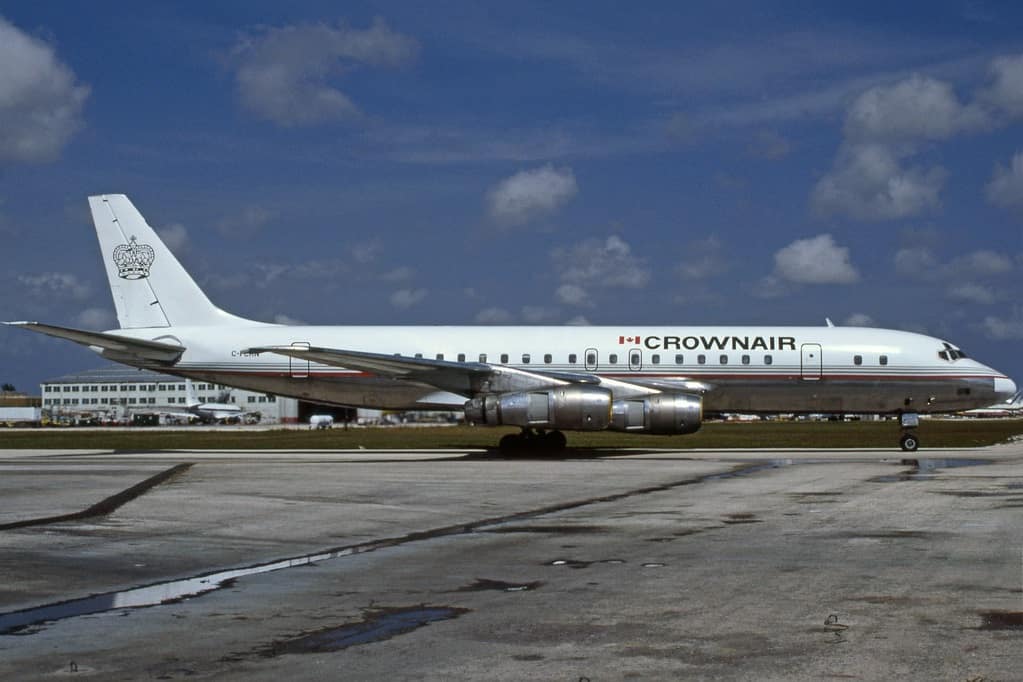
The DC-8-52 is one of the versions of the DC-8 narrow-body airliner built by the Douglas Aircraft Company. It is powered by Pratt and Whitney JT3D-3B engines with a maximum rated thrust of 18,000 lbf each.
Live Fleet Activity (DC85)
Fetching live data…
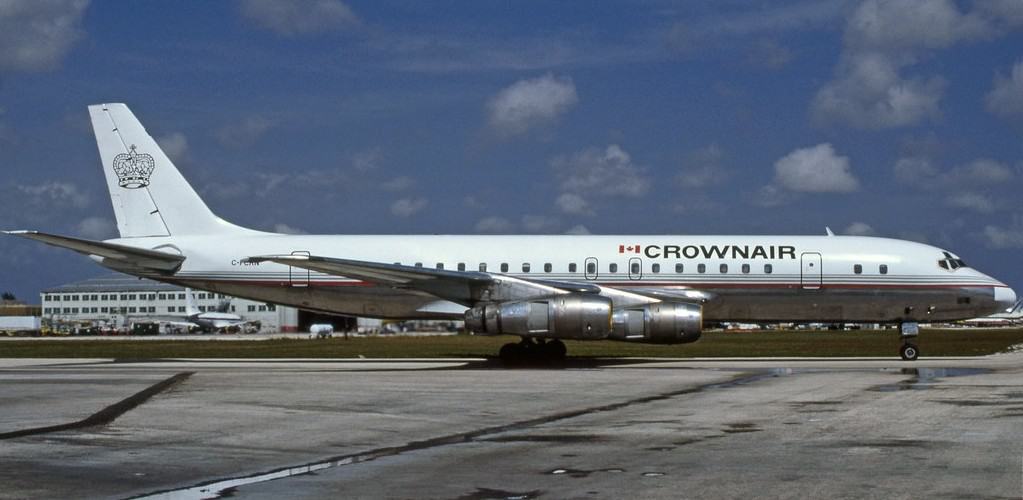

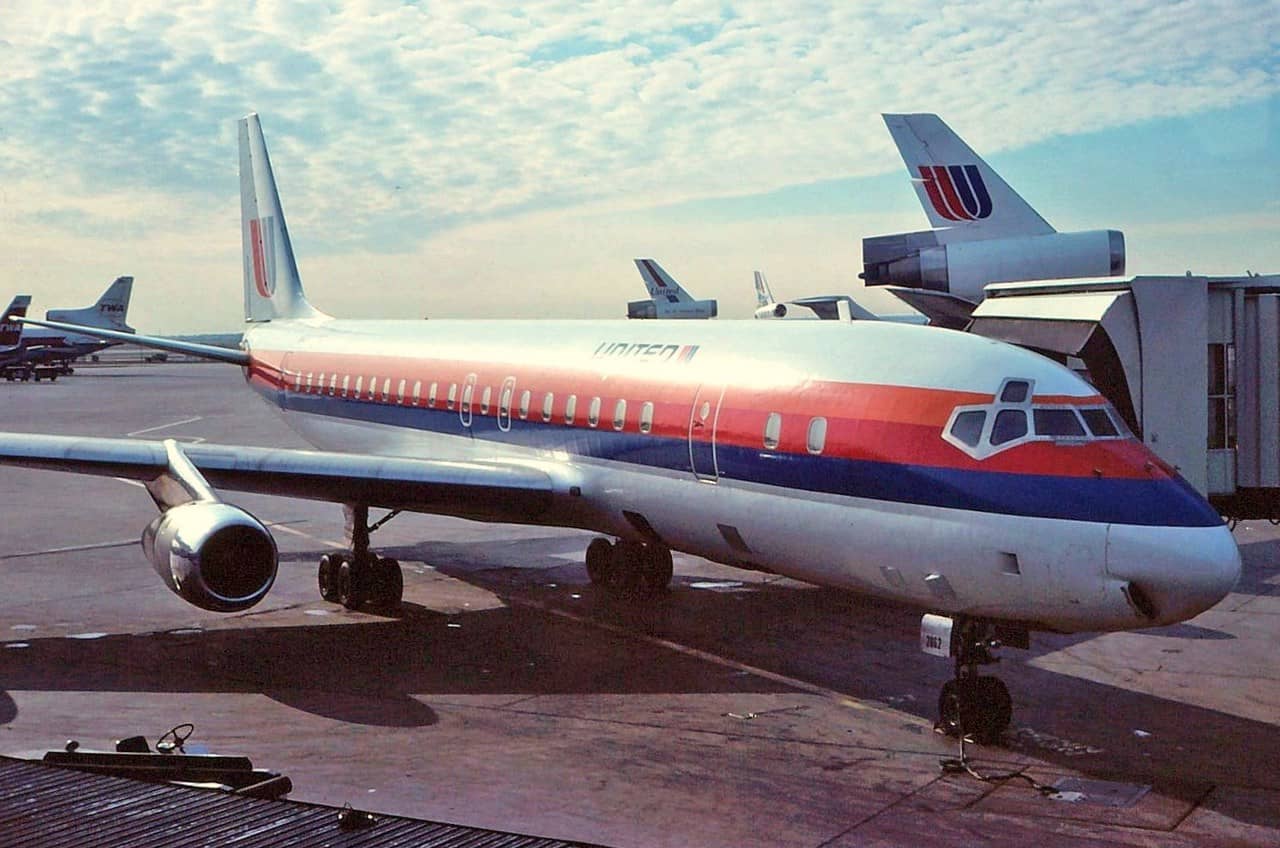

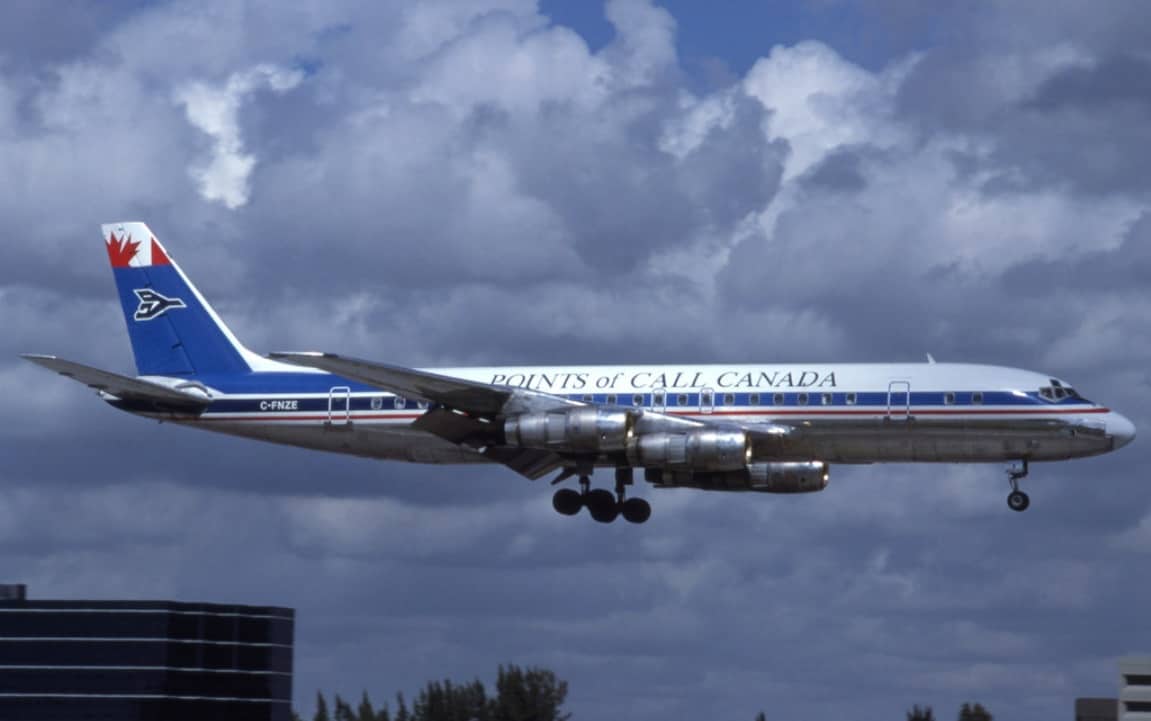
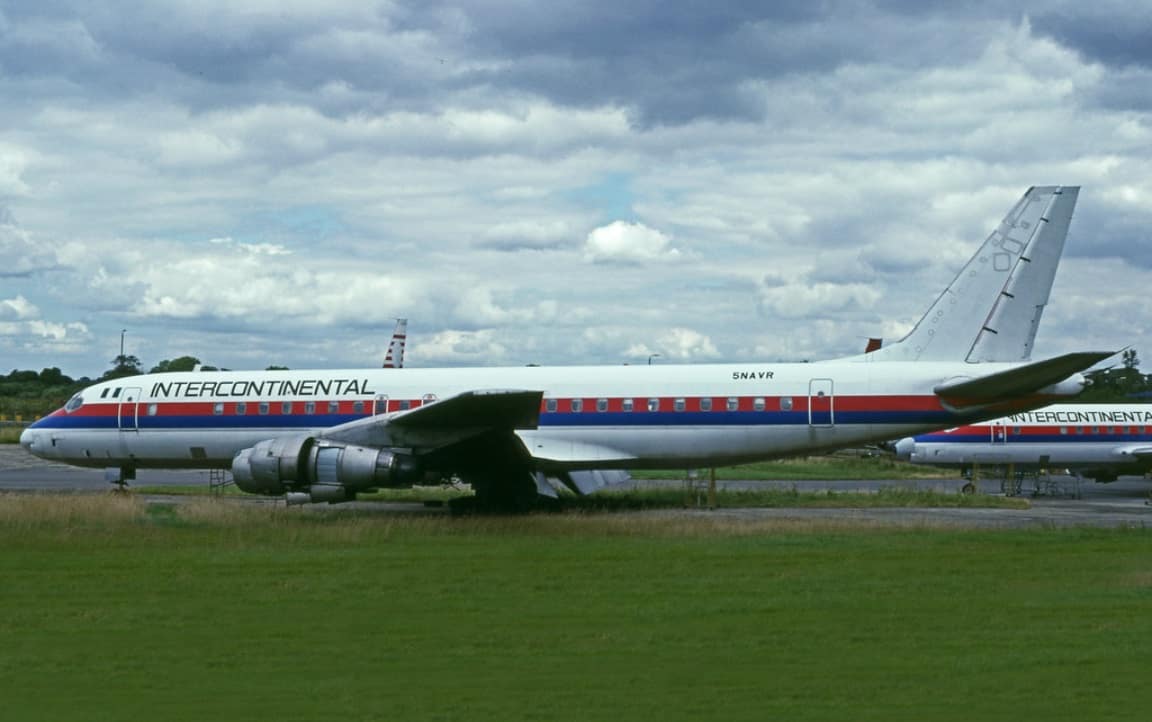

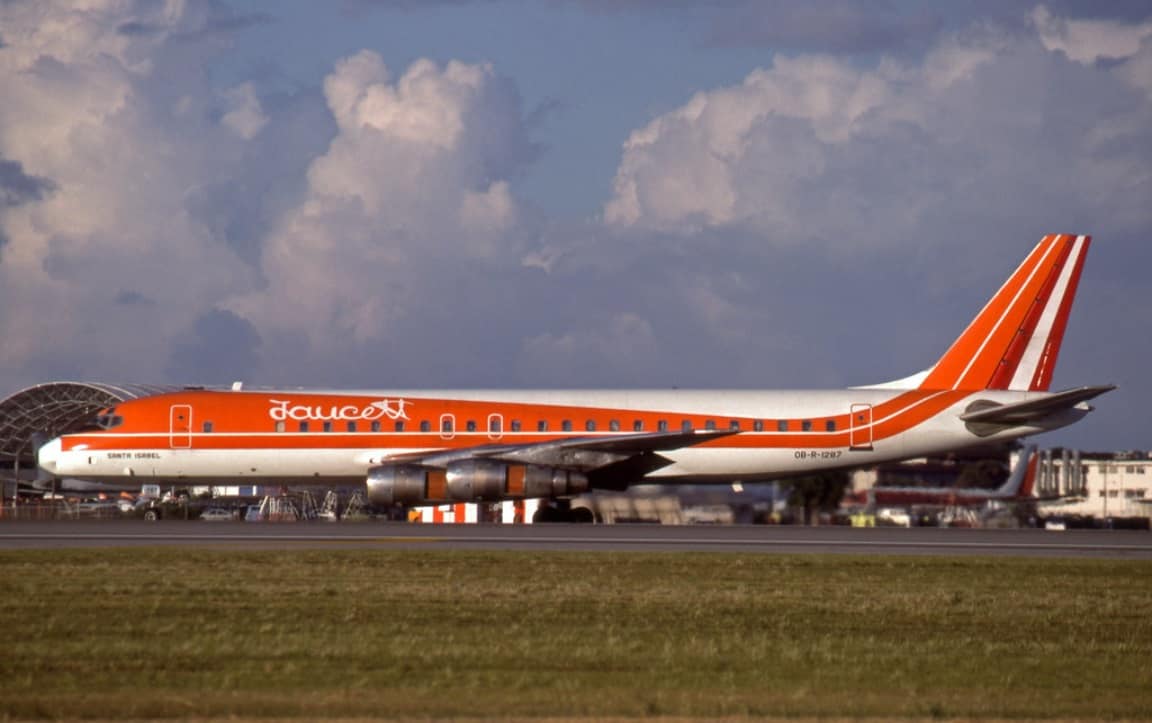

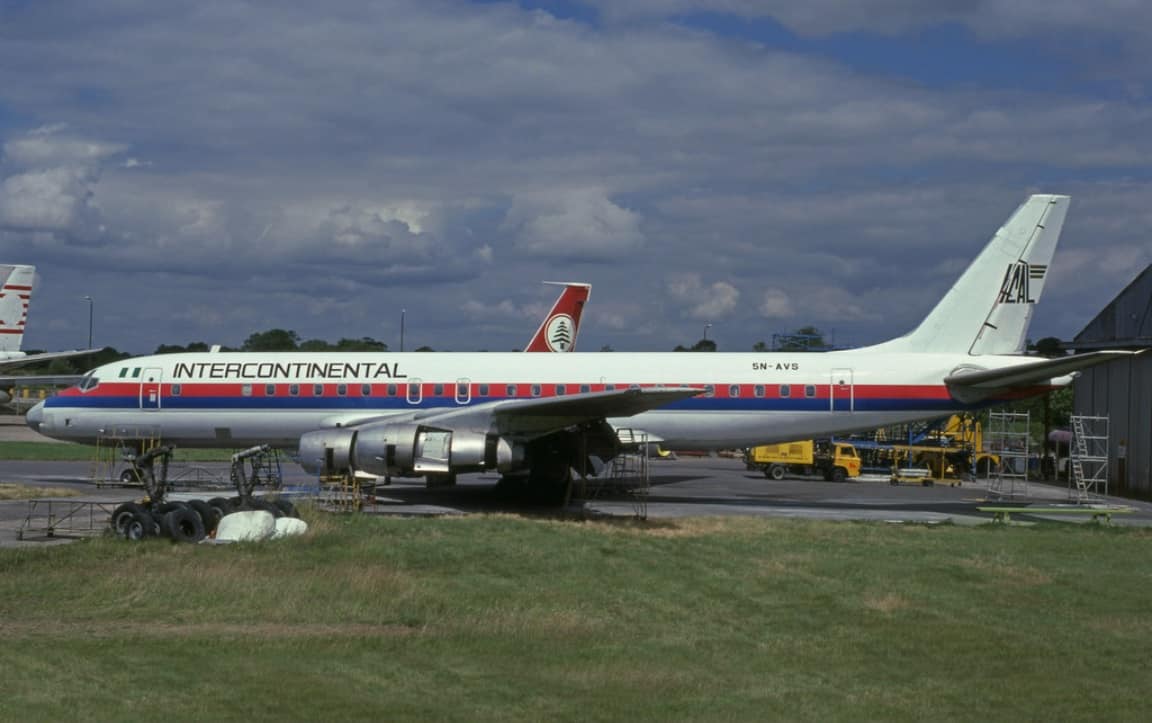
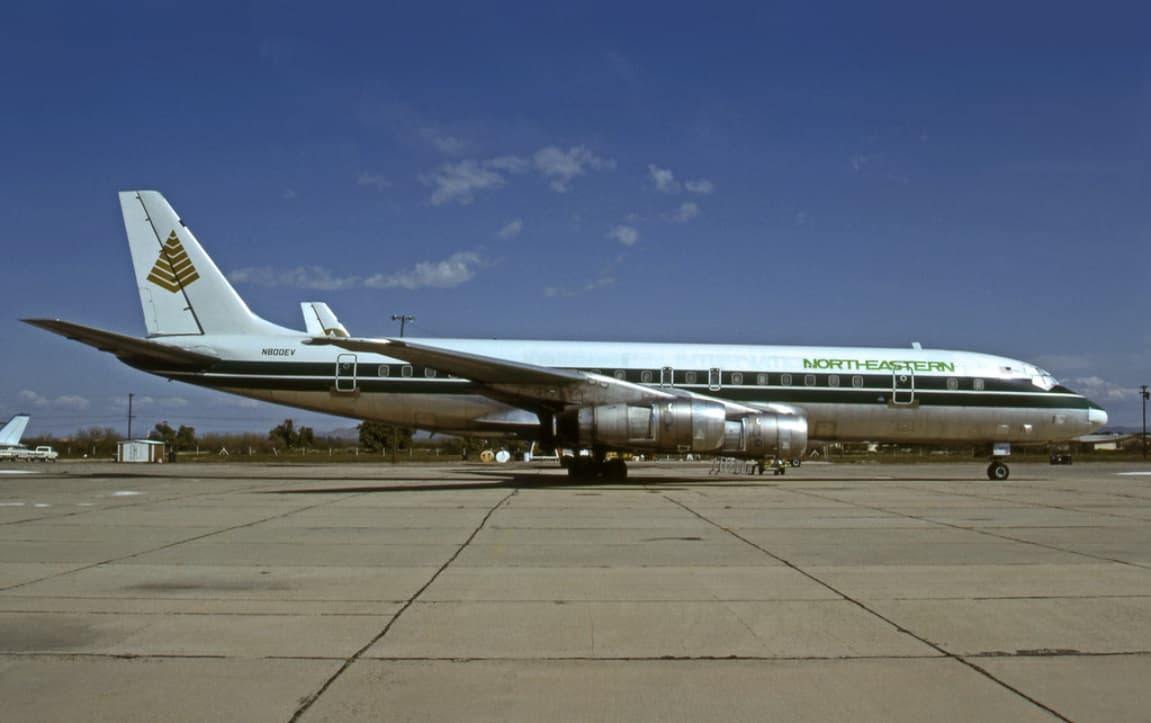
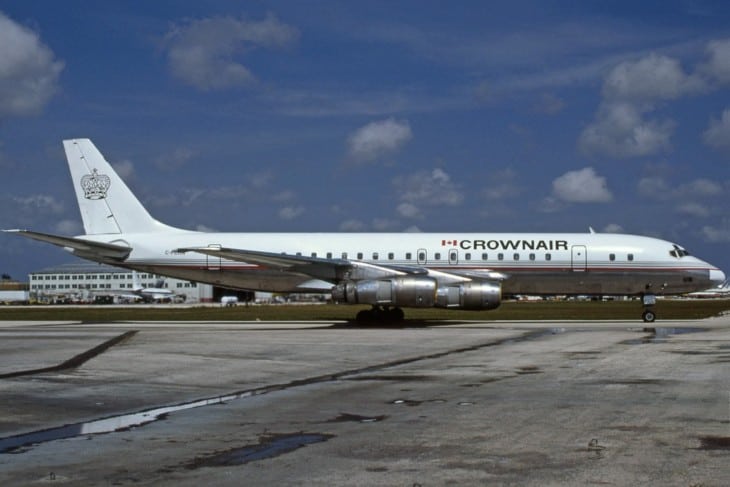
Developed and built in the 1950s, the Douglas DC-8 is one of the classic and definitive airliners of the early jet age. The Douglas DC-8, which also became well-known as the McDonnell Douglas DC-8 afterward, was the prestige intercontinental airliner of its day. The airliner was designed to compete with the Boeing 707 after Douglas lost a contest to build a new tanker for the United States Air Force. This was the company’s first attempt to enter the jet airliner market and it has been very successful.
In July 1955, the Douglas company announced that it would be producing four versions of the airliner. The differences between these versions would be entirely about fuel capacity and a selection of engines. The wingspan and wing area, together with the fuselage length, remained the same for all.
The DC-8-52 came out of the Series 50 of the DC-8. The short-fuselage DC-8 is powered with the same engine that powered the most of the Boeing 707s, the JT3D. Twenty earlier DC-8s were transformed into this type. In 1961, the DC-8-52 received its type certification, together with the DC-8-51 and the DC-8-53.
The DC-8-52 is powered by four Pratt and Whitney JT3D-3B turbofan engines. Each engine produces a maximum thrust of 18,000 lbf. It is an early turbofan engine with an axial-flow, two-stage fan, six-stage low pressure and seven-stage high-pressure compressor, cannular combustors, and axial flow, single-stage high-pressure and three-stage low-pressure turbine. The -52 has a maximum cruise speed of 483 knots and has a travel range of 5,855 nautical miles. It can fly up to 35,000 feet and has a climb rate of 1,300 feet per minute.
The aircraft has an exterior length of 45.9 meters, a tail height of 13.0 meters, and a fuselage diameter of 3.73 meters. The wheelbase is 20.62 meters and the wingspan is 43.4 meters. It can accommodate up to 189 passengers in flight. It has a cabin length of 39 meters, a cabin width of 3.51 meters, and a cabin height of 2.2 meters.
Sources and references used for research and fact-checking.