

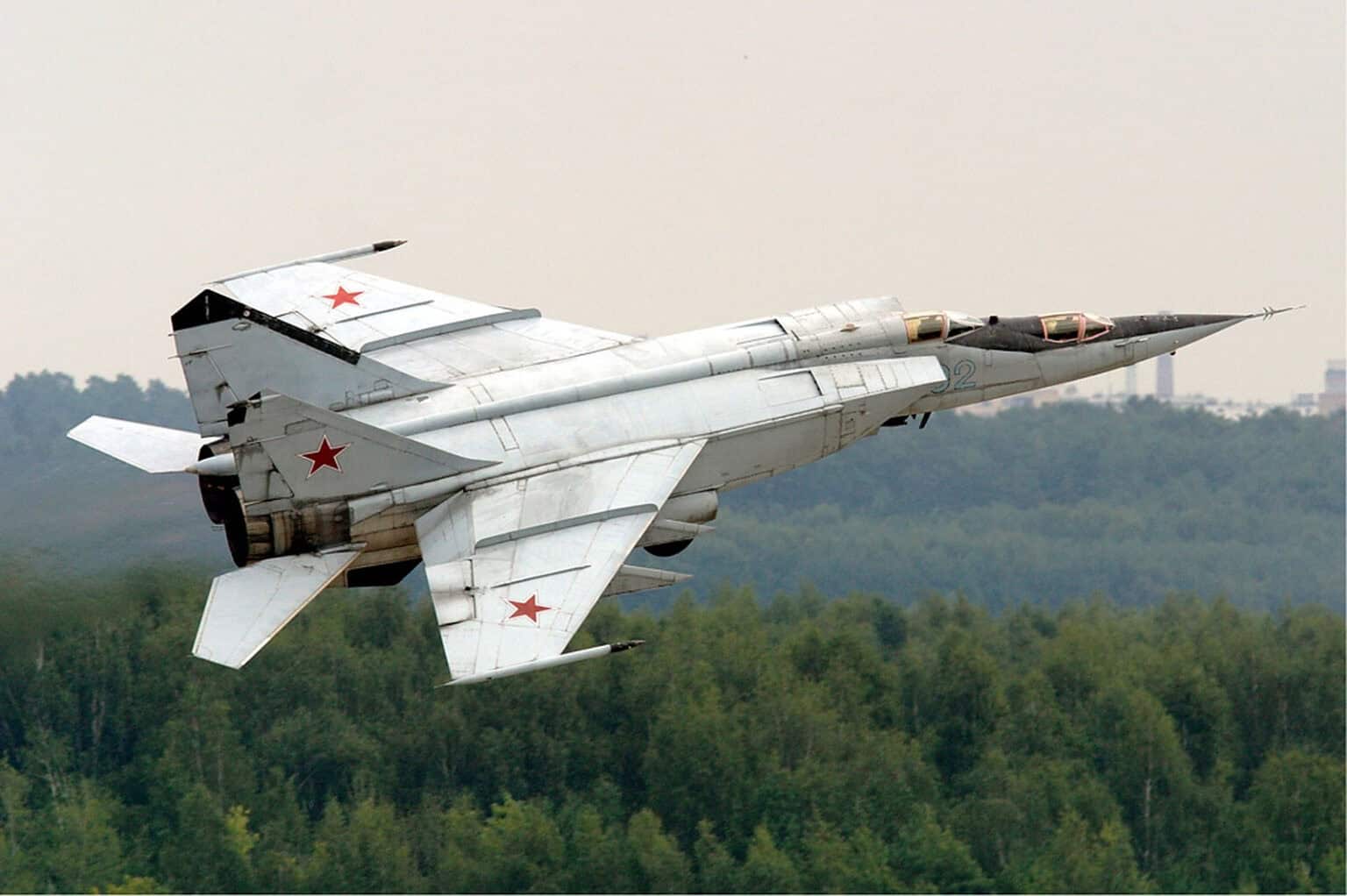
The fastest fighter jet in the world is the Mikoyan-Gurevich MiG-25 Foxbat, cleared to Mach 2.83, about 1,864 mph (3,000 km/h) in the thin air above 40,000 feet. No fighter that has ever entered squadron service has been allowed to fly faster.
The Foxbat could actually go quicker than that. Soviet crews pushed it to roughly Mach 3.2 over Israeli territory in 1971, and the engines were wrecked in the process. That gap between what an airframe can survive once and what a squadron is allowed to do every day is the whole story of this list.
Below are the fastest fighter jets ever flown by an air force, ranked by verified maximum speed at altitude and current as of 2026. Every figure is a Mach number first, because a fighter’s top speed in mph depends entirely on how high it is when it gets there.
| # | Fighter | Country | Max speed | At 40,000 ft | Status in 2026 |
|---|---|---|---|---|---|
| 1 | MiG-25 Foxbat | USSR / Russia | Mach 2.83 | 1,864 mph (3,000 km/h) | Limited service |
| 2 | MiG-31 Foxhound | Russia | Mach 2.83 | 1,864 mph (3,000 km/h) | In front-line service |
| 3 | F-15 Eagle | United States | Mach 2.5 | 1,650 mph (2,655 km/h) | In service |
| 4 | Su-27 Flanker | USSR / Russia | Mach 2.35 | 1,553 mph (2,500 km/h) | In service |
| 5 | MiG-23 Flogger | USSR | Mach 2.35 | 1,553 mph (2,500 km/h) | Mostly retired |
| 6 | F-14 Tomcat | United States | Mach 2.34 | 1,544 mph (2,485 km/h) | Iran only |
| 7 | F-106 Delta Dart | United States | Mach 2.3 | 1,525 mph (2,455 km/h) | Retired 1988 |
| 8 | MiG-29 Fulcrum | USSR / Russia | Mach 2.3 | 1,522 mph (2,450 km/h) | In service |
| 9 | F-22 Raptor | United States | Mach 2.25 | 1,500 mph (2,414 km/h) | In service |
| 10 | Su-35 Flanker-E | Russia | Mach 2.25 | 1,490 mph (2,400 km/h) | In service |
| 11 | F-4 Phantom II | United States | Mach 2.23 | 1,473 mph (2,370 km/h) | Limited service |
| 12 | F-104 Starfighter | United States | Mach 2.2 | 1,452 mph (2,336 km/h) | Retired 2004 |
| 13 | Mirage 2000 | France | Mach 2.2 | 1,451 mph (2,336 km/h) | In service |
| 14 | F-105 Thunderchief | United States | Mach 2.1 | 1,392 mph (2,240 km/h) | Retired 1984 |
| 15 | F-16 Fighting Falcon | United States | Mach 2.05 | 1,353 mph (2,178 km/h) | In service |
How this ranking works
Entries are ranked by published maximum speed at altitude, in clean configuration, for aircraft that reached squadron service with an air force. Prototypes that flew faster but never served are listed separately further down, and fast aircraft that are not fighters are excluded and explained. Where a demonstrated speed differs from the cleared operational limit, the operational limit is used for the ranking and the demonstrated figure is noted.
Why a Mach Number Is Not a Speed
This is the single reason fighter speed lists disagree with each other, and it is worth ninety seconds of your time.
Mach 1 is not a fixed number of miles per hour. At sea level it is about 761 mph (1,225 km/h). Above roughly 36,000 feet, where the air is far colder, it drops to about 660 mph (1,062 km/h) and stays there.
So Mach 2.5 is either 1,900 mph or 1,650 mph depending on which speed of sound you multiply by. Fighters only reach their top Mach numbers high up, so the 660 figure is the correct one. Plenty of published specs use the sea-level number anyway.
Lockheed Martin’s own F-35 page is a clean example. It lists Mach 1.6 and about 1,200 mph side by side, which only works out if you use the sea-level speed of sound, at an altitude where the F-35 cannot reach Mach 1.6 at all.
The tell for a bad speed list
If a list gives a fighter’s top speed in mph without saying at what altitude, it is not telling you anything. The U.S. Air Force gets this right on its own F-15 fact sheet, which states the speed as Mach 2.5 at 45,000 feet rather than a bare mph number.
1. Mikoyan-Gurevich MiG-25 Foxbat: Mach 2.83
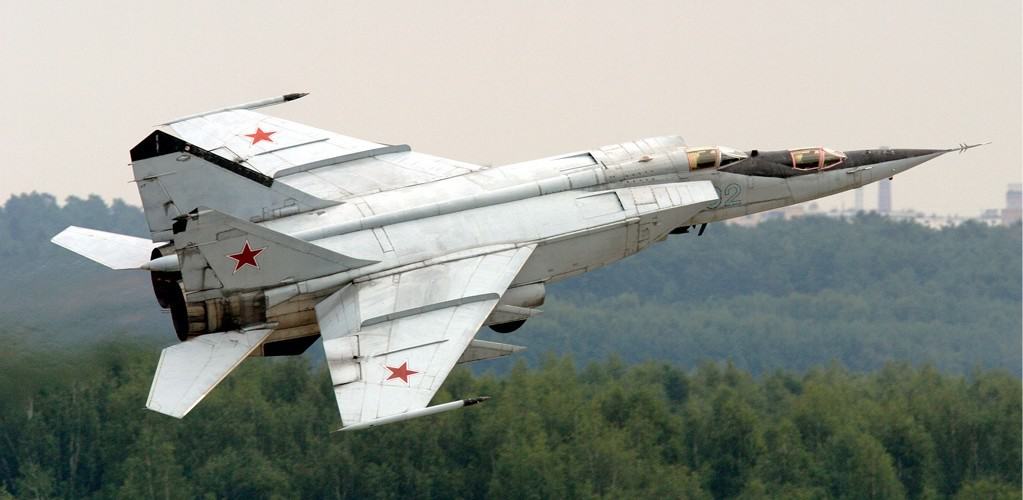
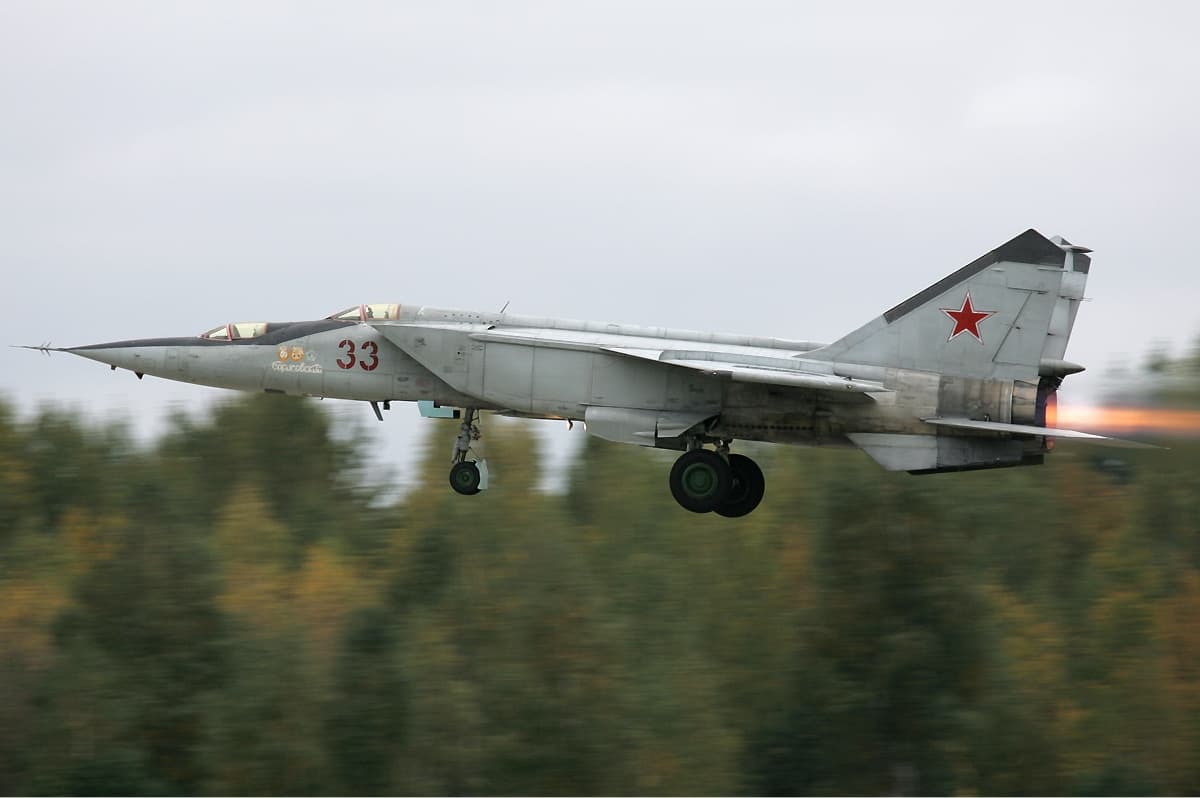


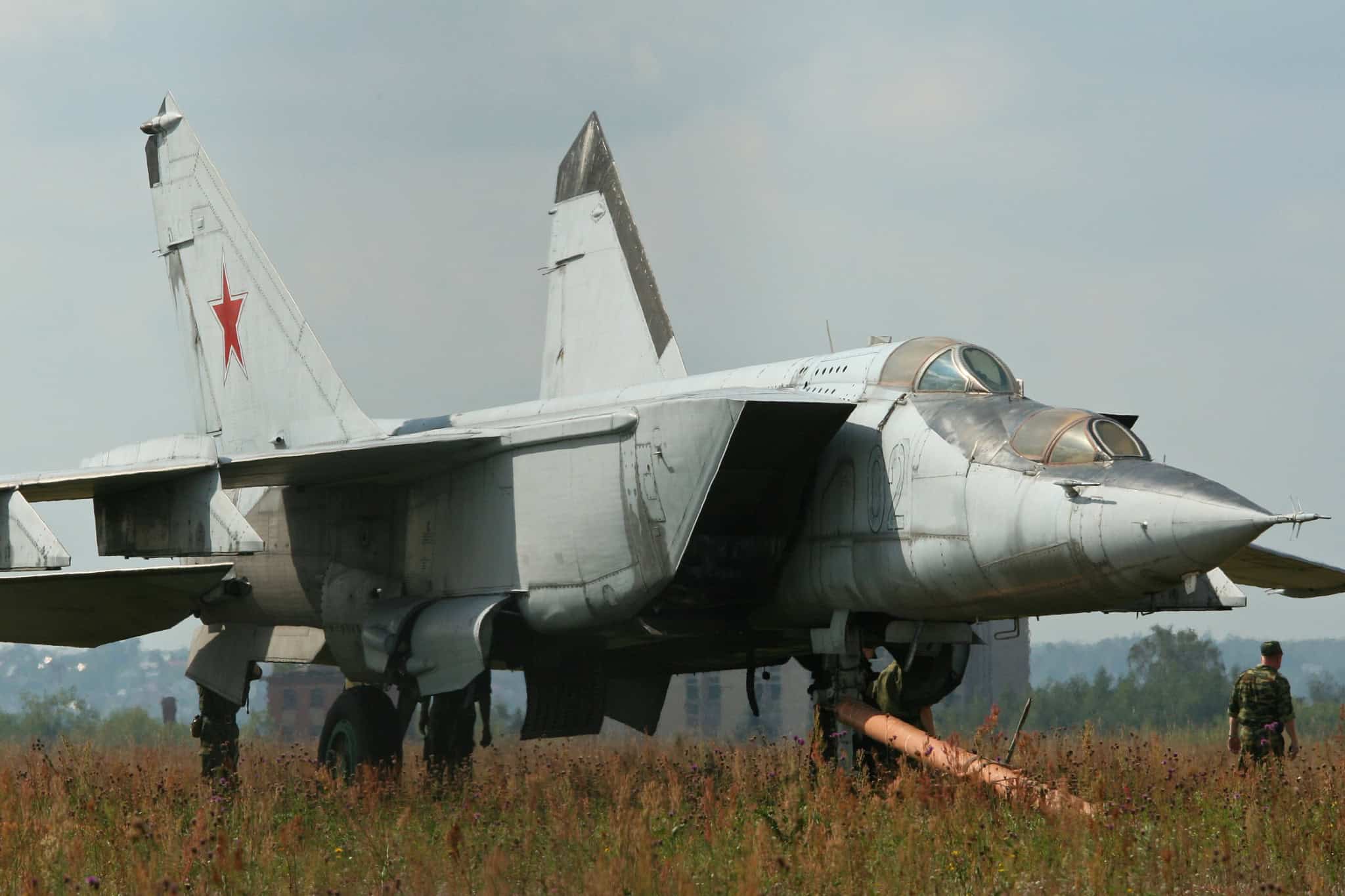
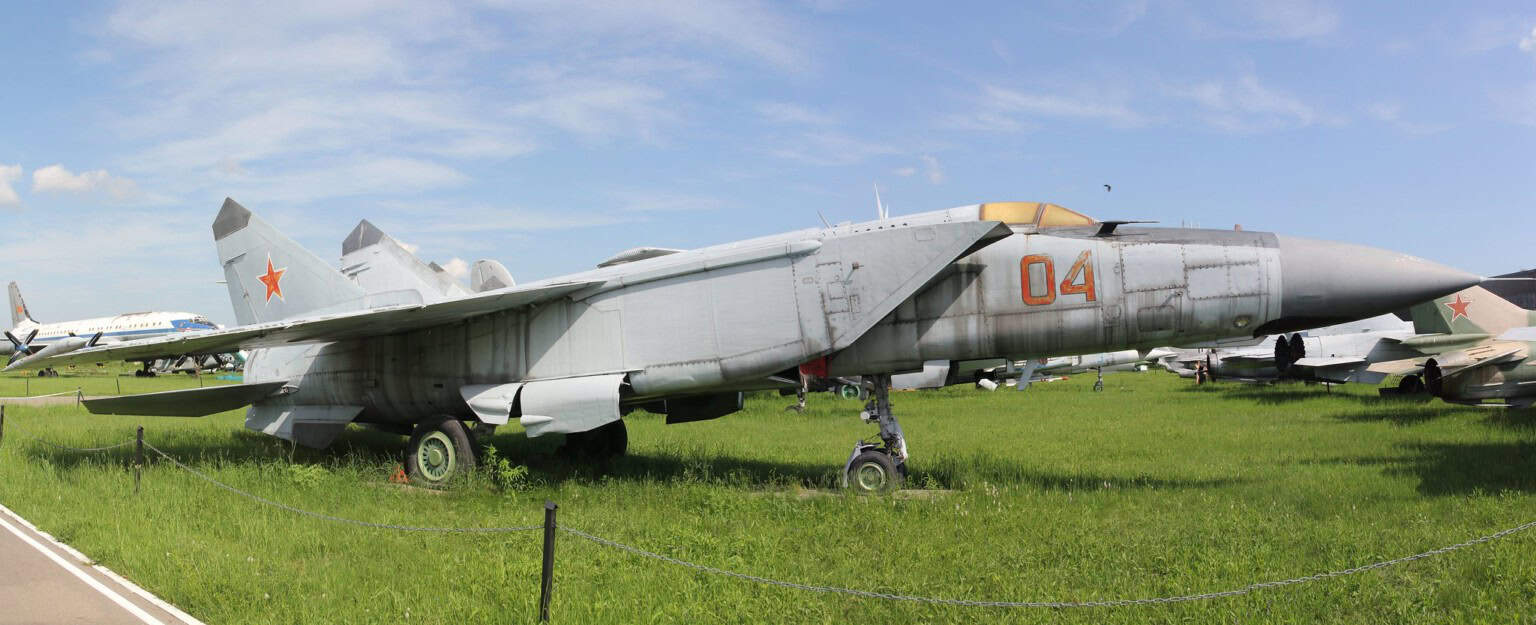
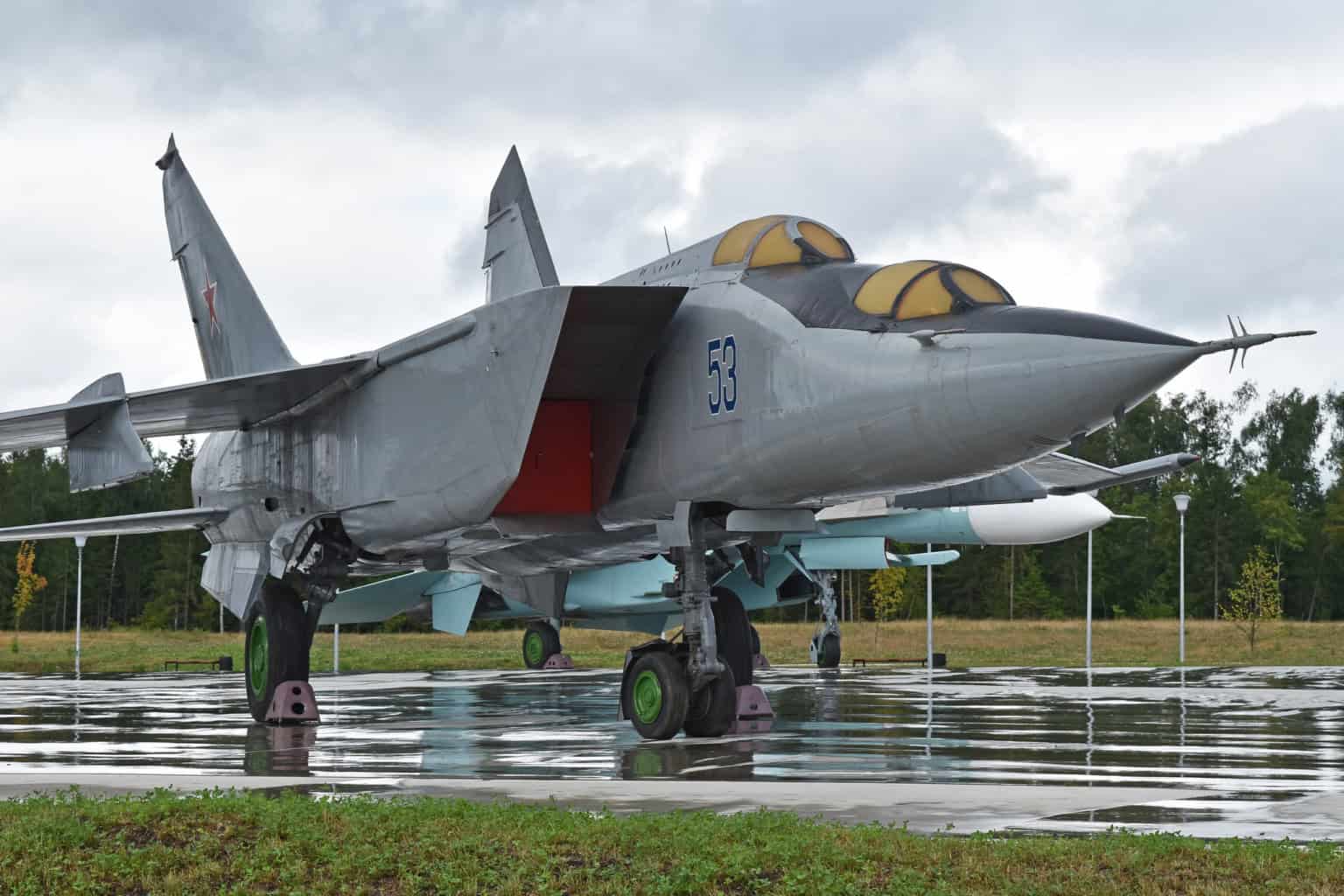


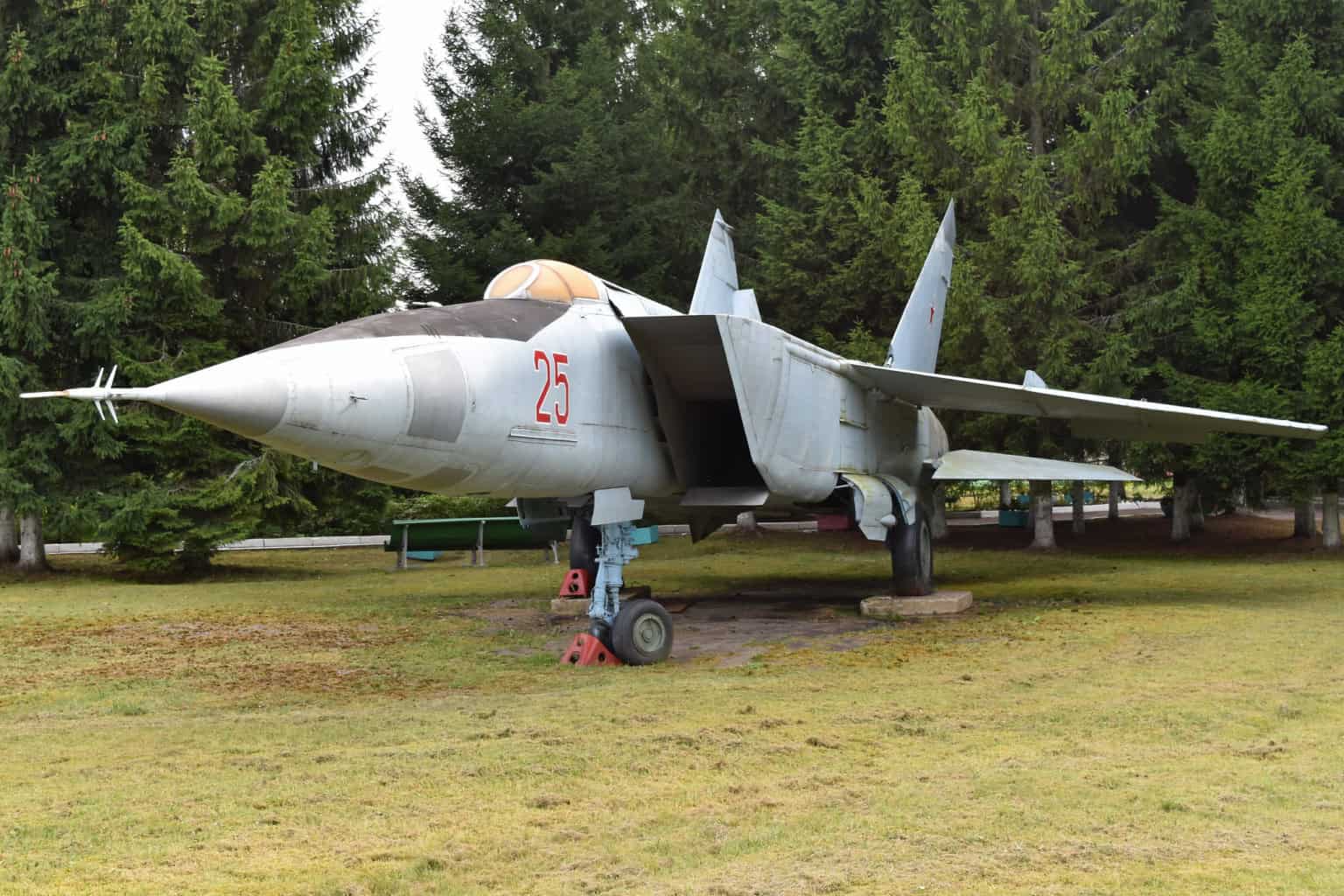
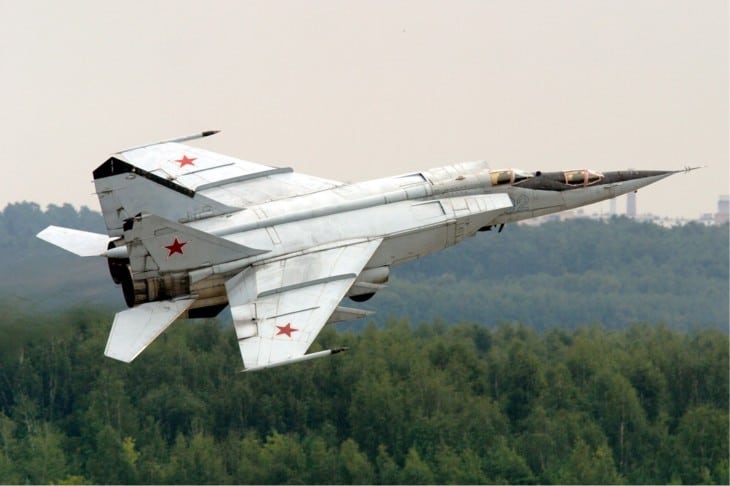
- Maximum speed: Mach 2.83, about 1,864 mph (3,000 km/h) at altitude
- Demonstrated: roughly Mach 3.2, at the cost of the engines
- Service ceiling: 67,900 ft with four missiles
- First flight 1964, in service 1970, 1,186 built
The MiG-25 was built to catch a bomber that was cancelled before the Foxbat ever flew. The result was an interceptor optimized for one thing: getting very high, very fast, in a straight line.
Its two Tumansky R-15 engines had enough thrust to push it past Mach 3. The problem was that above Mach 2.83 they tended to overspeed and overheat, and could be damaged beyond repair. Soviet crews were therefore held to Mach 2.83.
In 1971, Soviet-flown MiG-25s ran reconnaissance passes over Israeli-held territory at about Mach 3.2. Israeli F-4 Phantoms could not climb to them and surface-to-air missiles could not catch them. The engines on at least one aircraft were finished afterwards.
Western intelligence assumed from those speeds that the Soviets had built a superb dogfighter, a belief that survived until Viktor Belenko defected to Japan with one in 1976. The airframe turned out to be largely steel rather than titanium, and it was heavy, thirsty and clumsy in a turn.
That is why the MiG-25 tops a speed ranking and appears nowhere near the top of a list of the best fighter jets in the world. Only Algeria still flies the type in any numbers.
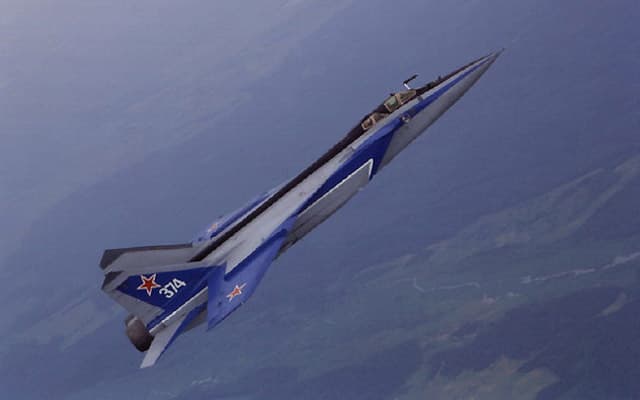
2. Mikoyan MiG-31 Foxhound: Mach 2.83
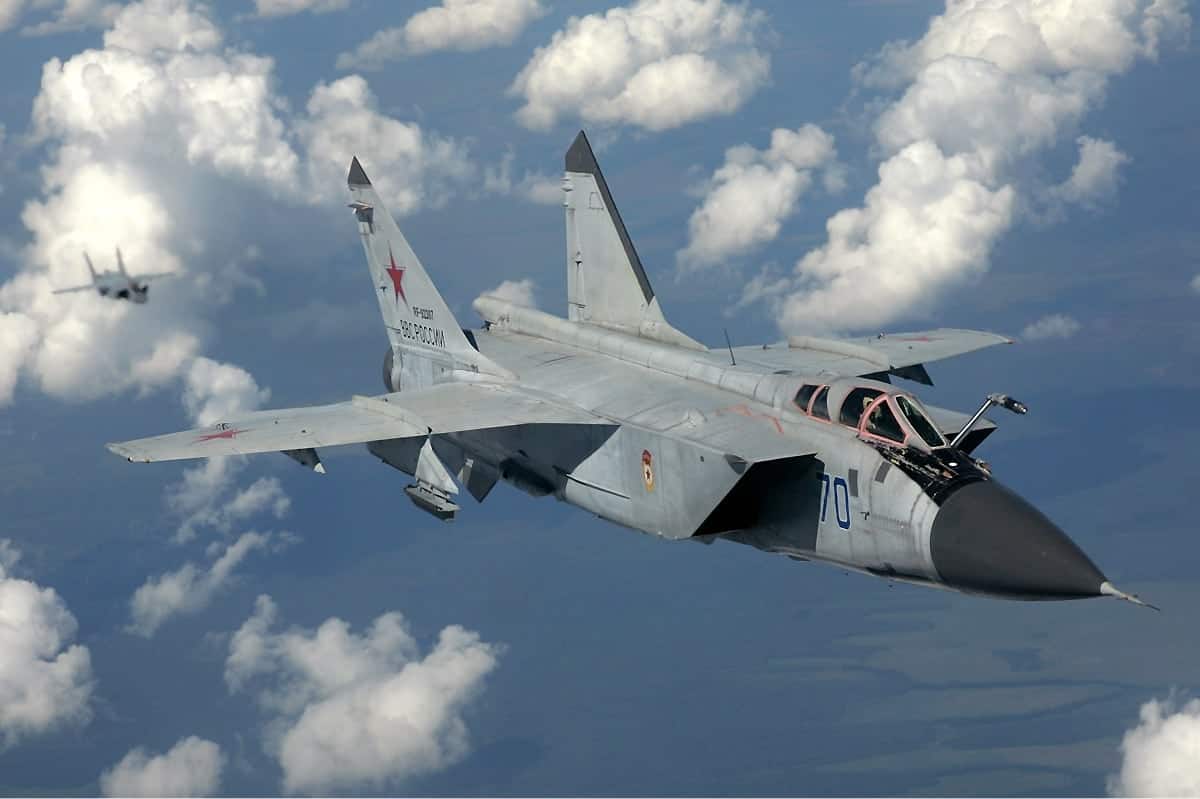
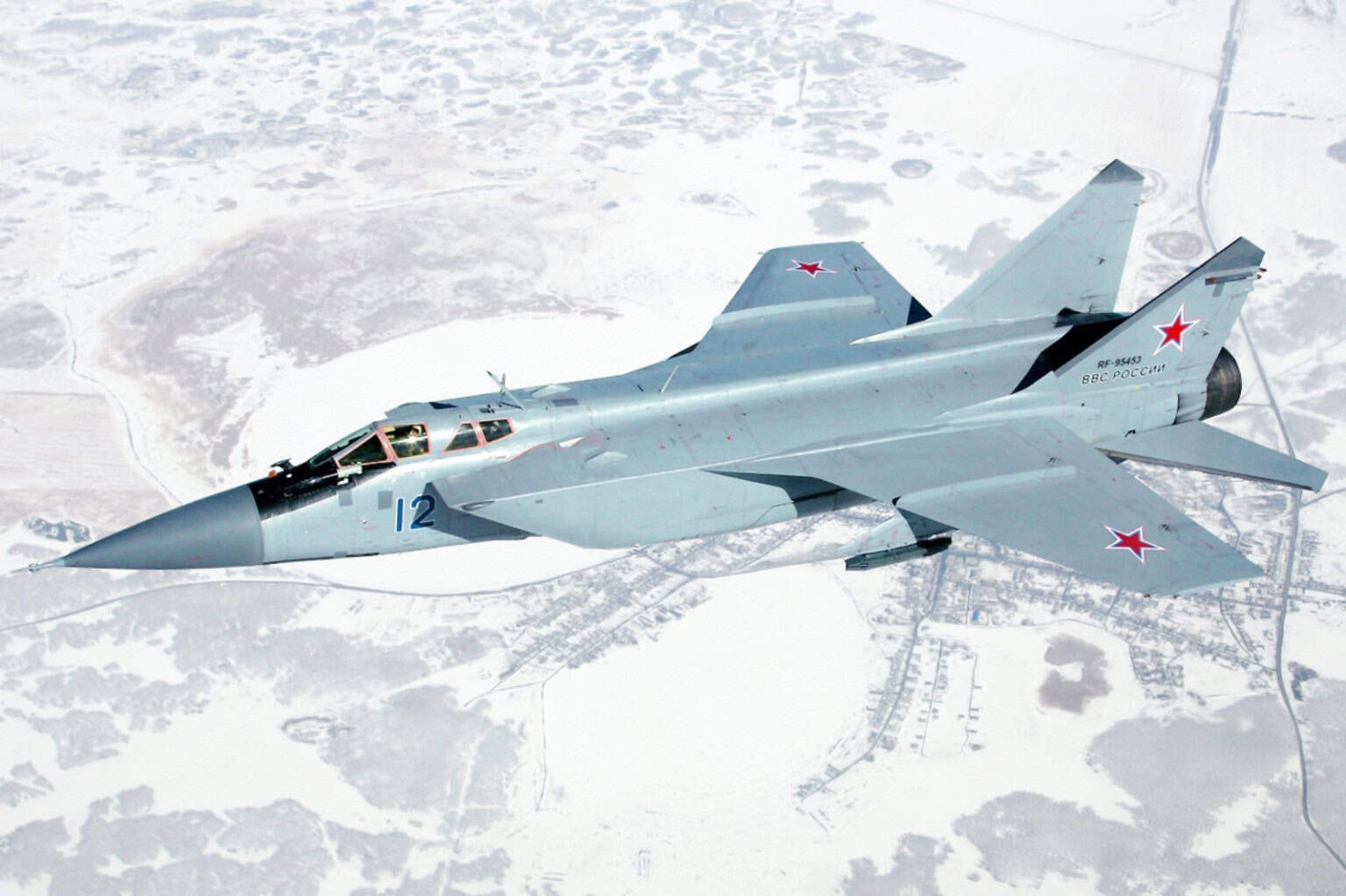
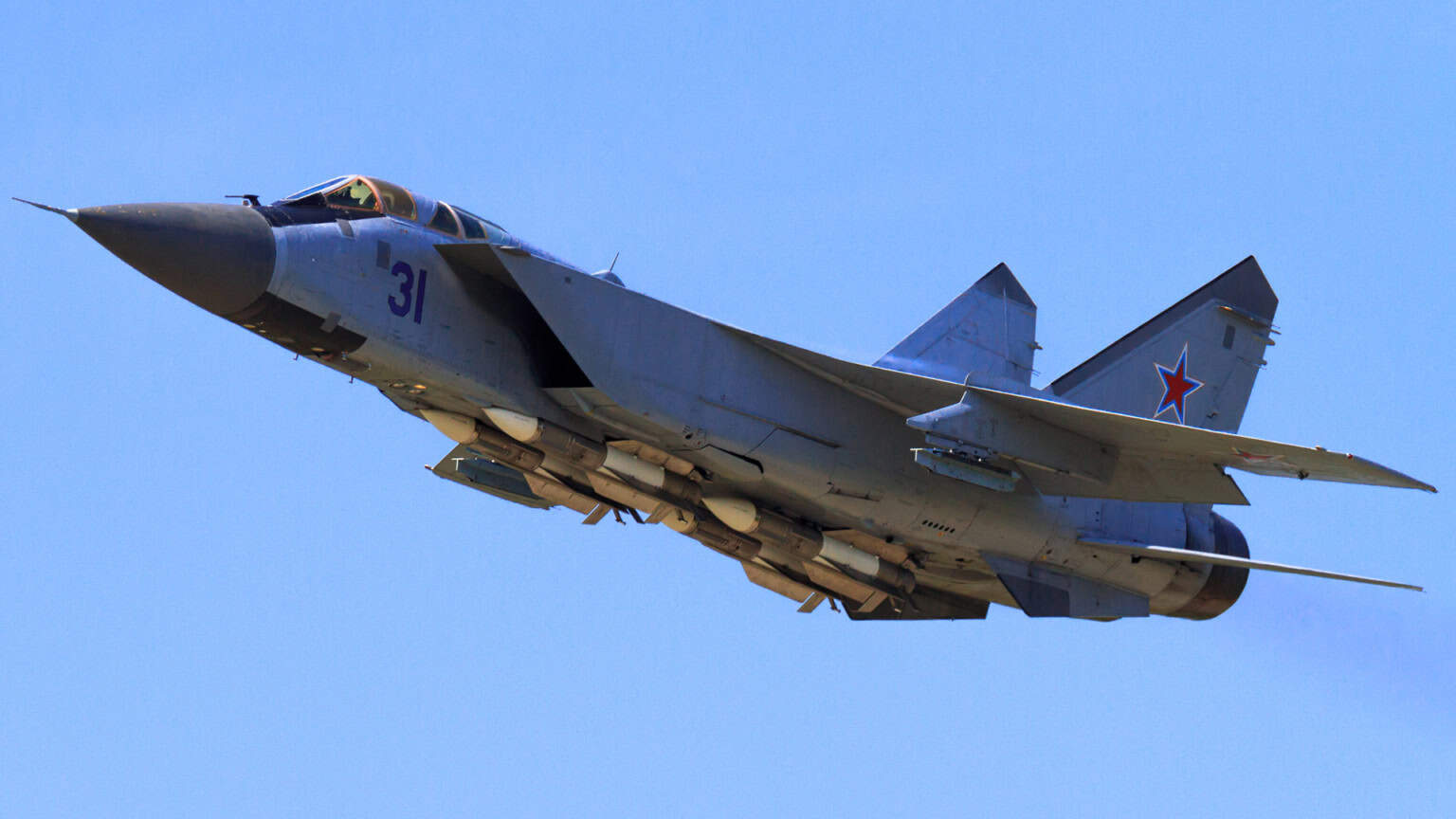


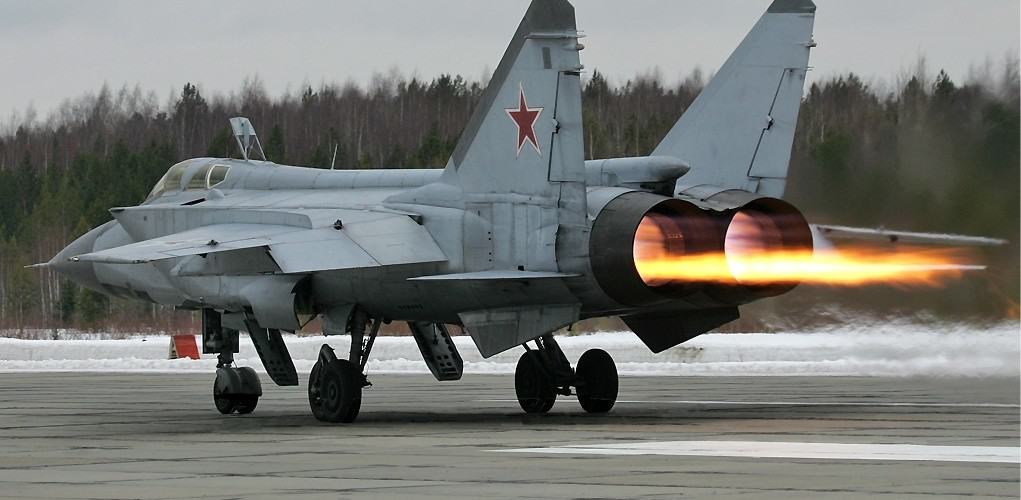


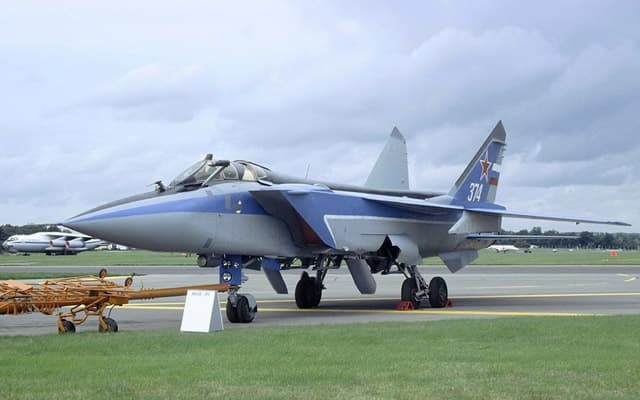
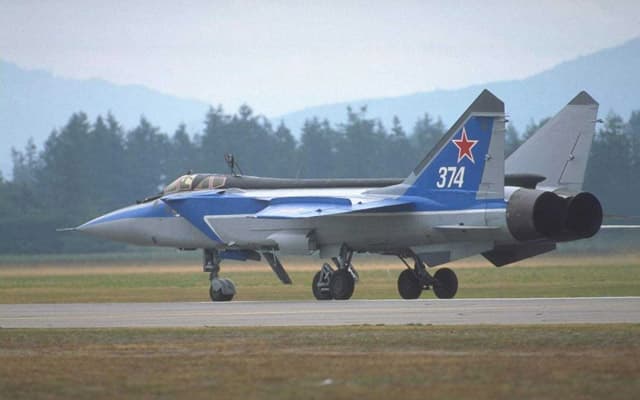
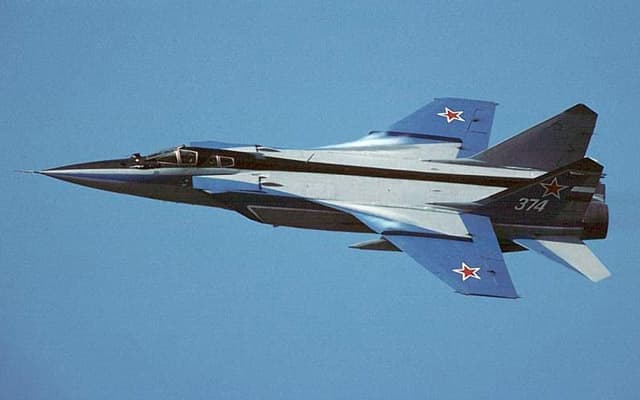
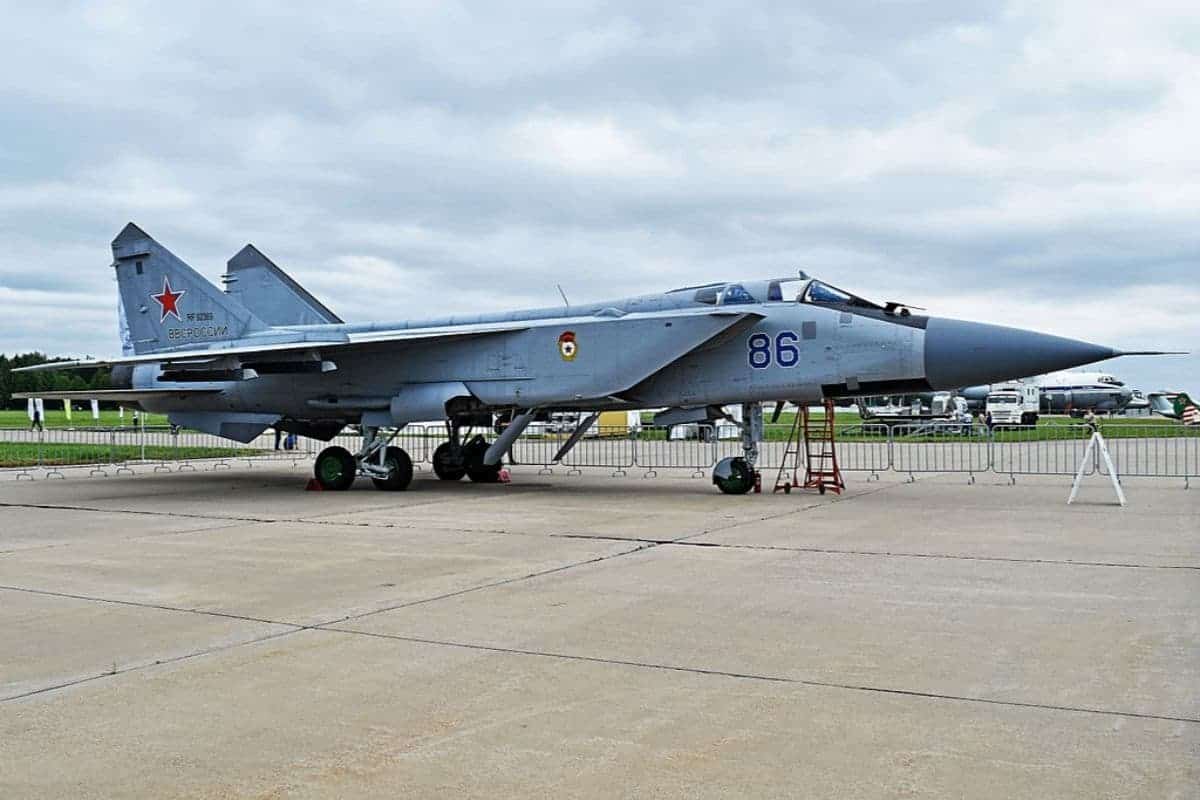
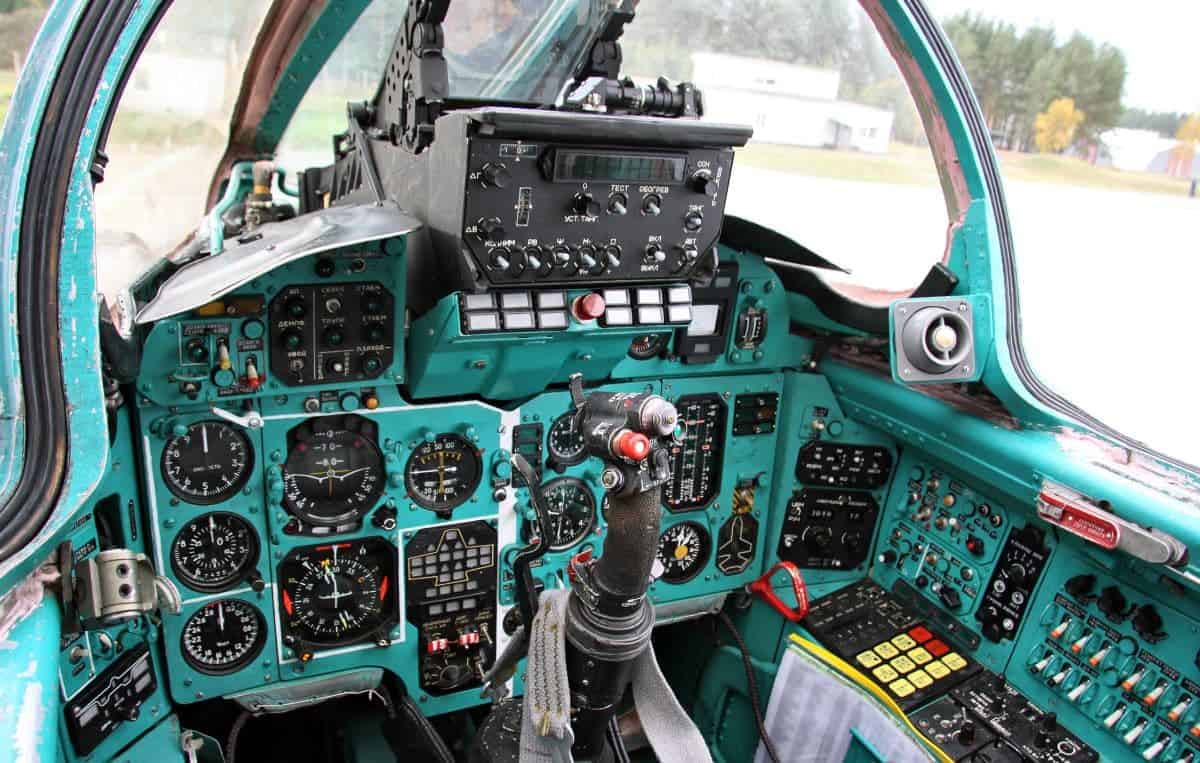
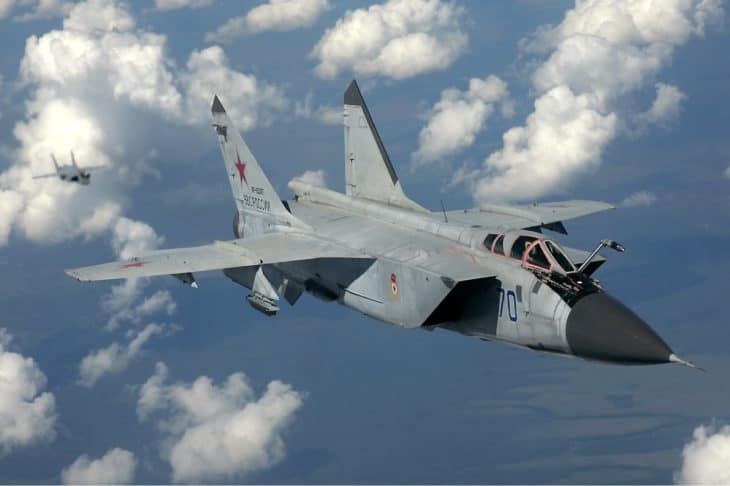
- Maximum speed: Mach 2.83, about 1,864 mph (3,000 km/h) at 70,500 ft
- Maximum speed low down: Mach 1.23, about 930 mph (1,500 km/h)
- Service ceiling: above 82,000 ft
- First flight 1975, in service 1981, 519 built
The MiG-31 is the Foxbat done properly. It kept the speed and the altitude, then added a genuinely modern radar, a second crew member and an airframe strong enough to fly the profiles the MiG-25 could not.
Its Zaslon radar was the first phased-array set fitted to a fighter anywhere in the world. A flight of four Foxhounds can sweep a corridor several hundred miles wide, which is exactly what you want over Siberia.
The pair of speeds in the list above matter more than the headline. At 70,500 feet the MiG-31 does Mach 2.83, but down in dense air it is limited to about Mach 1.23 by the sheer force of the air hitting the airframe.
With the MiG-25 down to a handful of Algerian aircraft, the Foxhound is the fastest fighter jet in front-line service anywhere in the world in 2026. Russia also uses it as the launch aircraft for the Kinzhal air-launched ballistic missile, a job that needs exactly the speed and altitude it has.
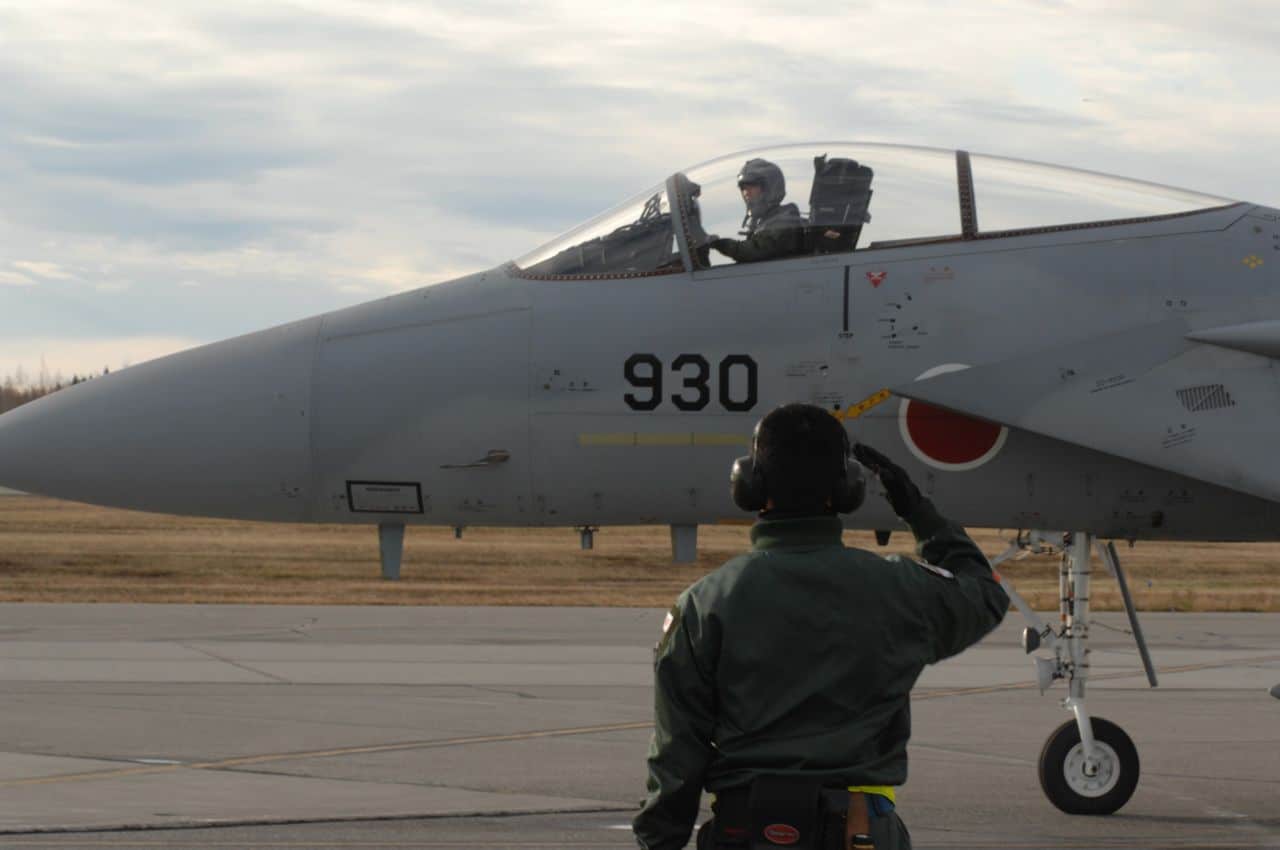
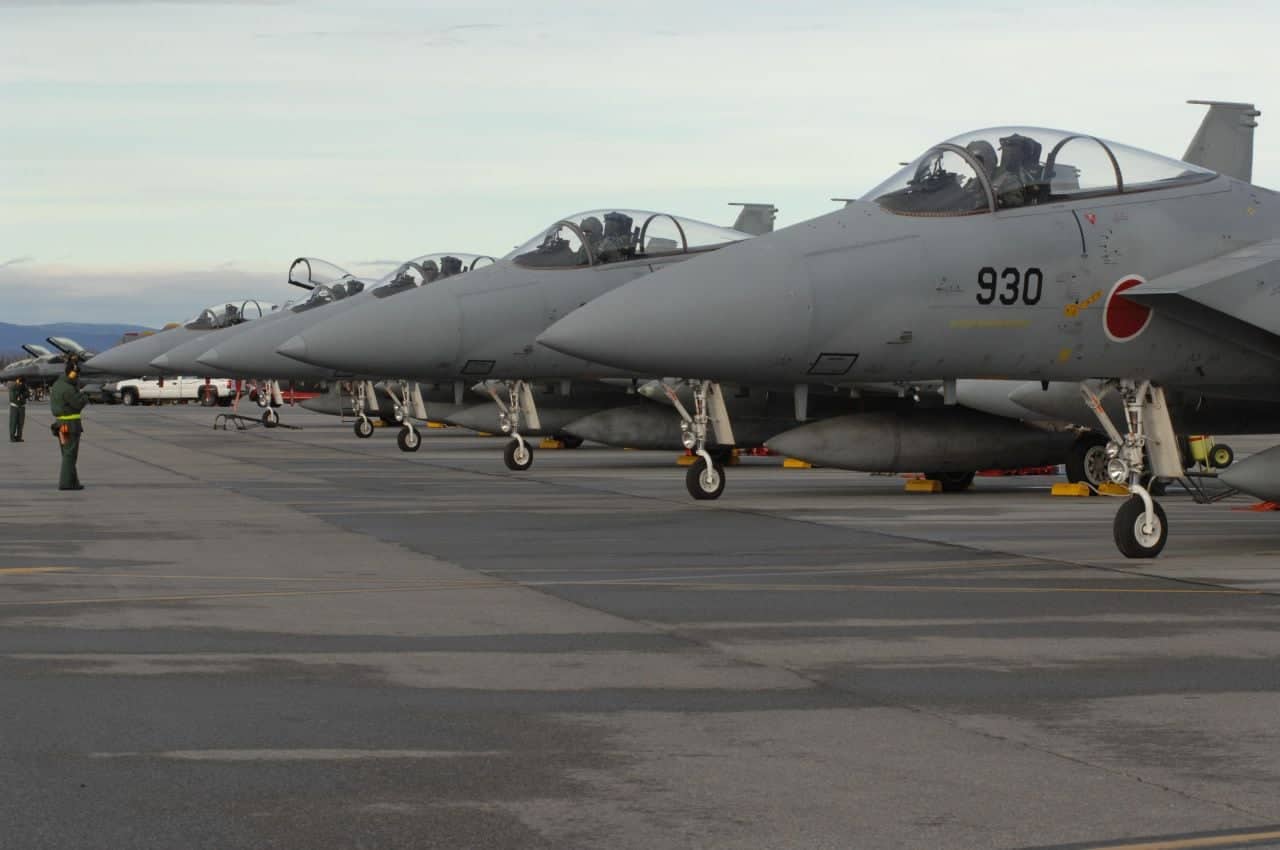
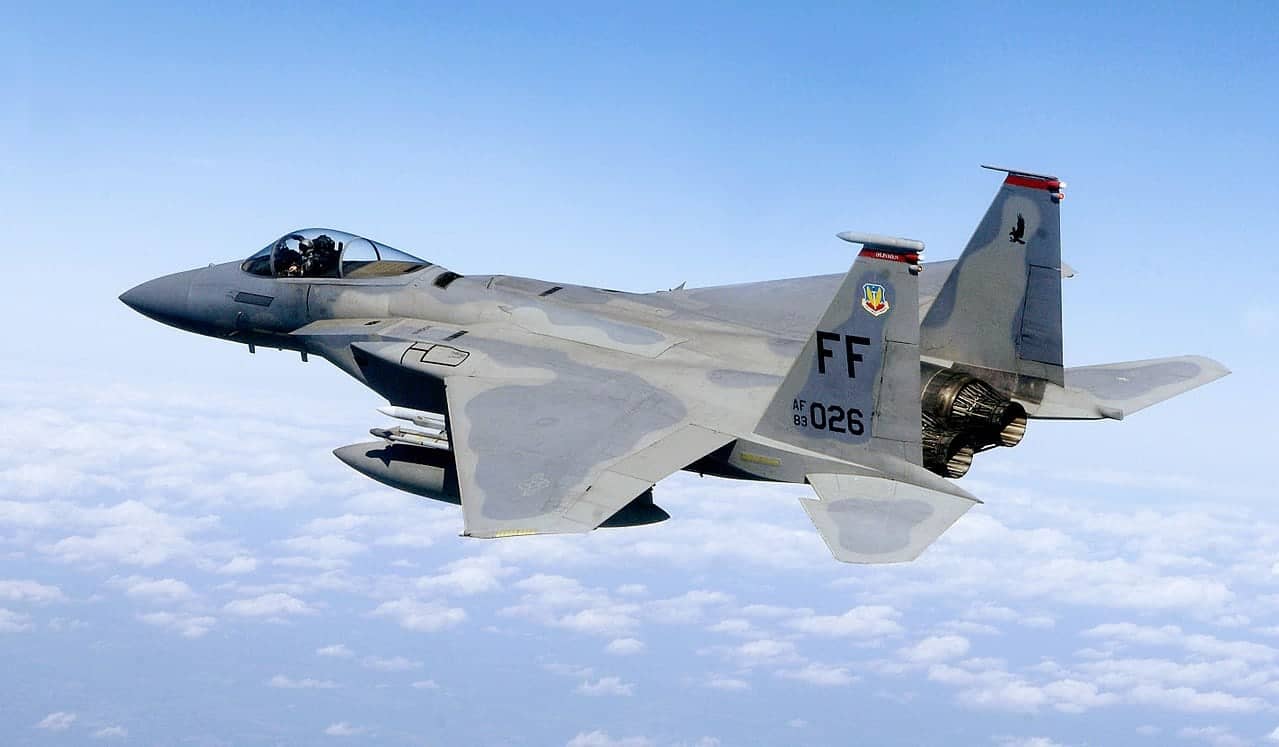
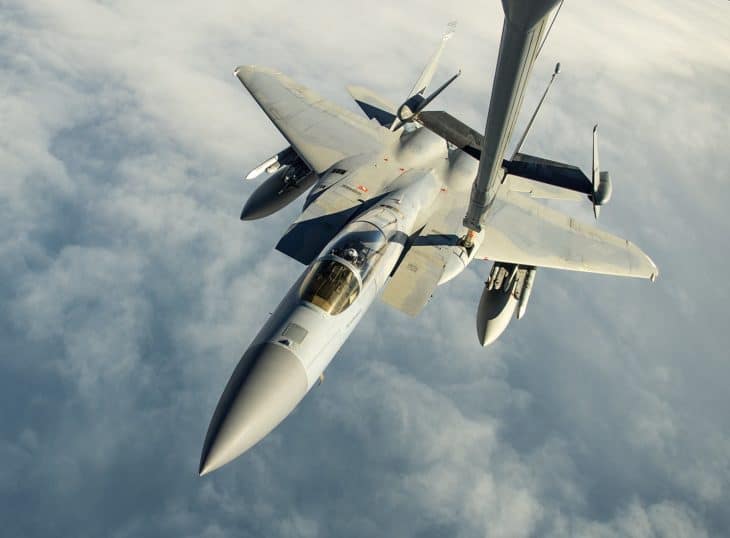
3. McDonnell Douglas F-15 Eagle: Mach 2.5
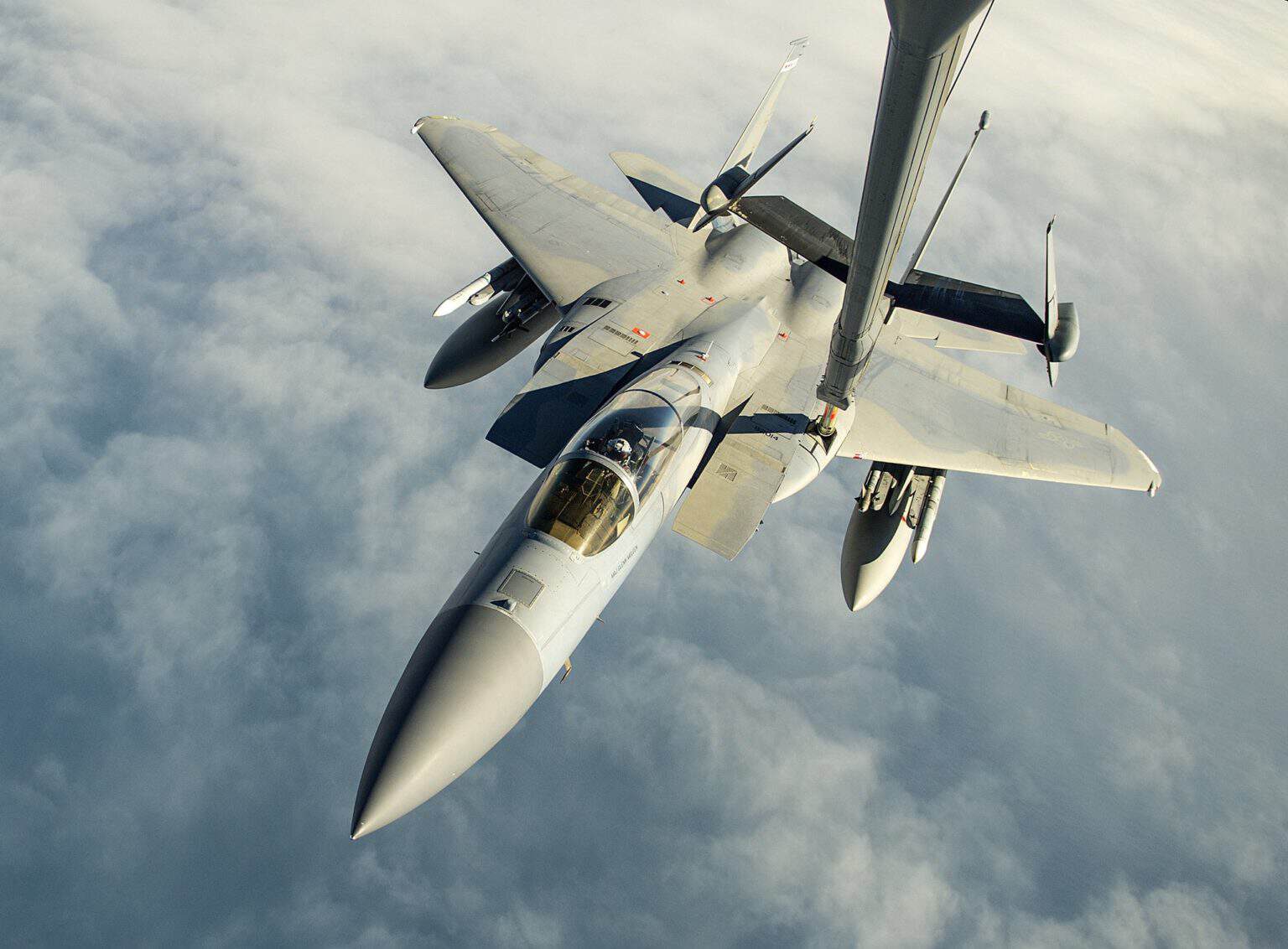
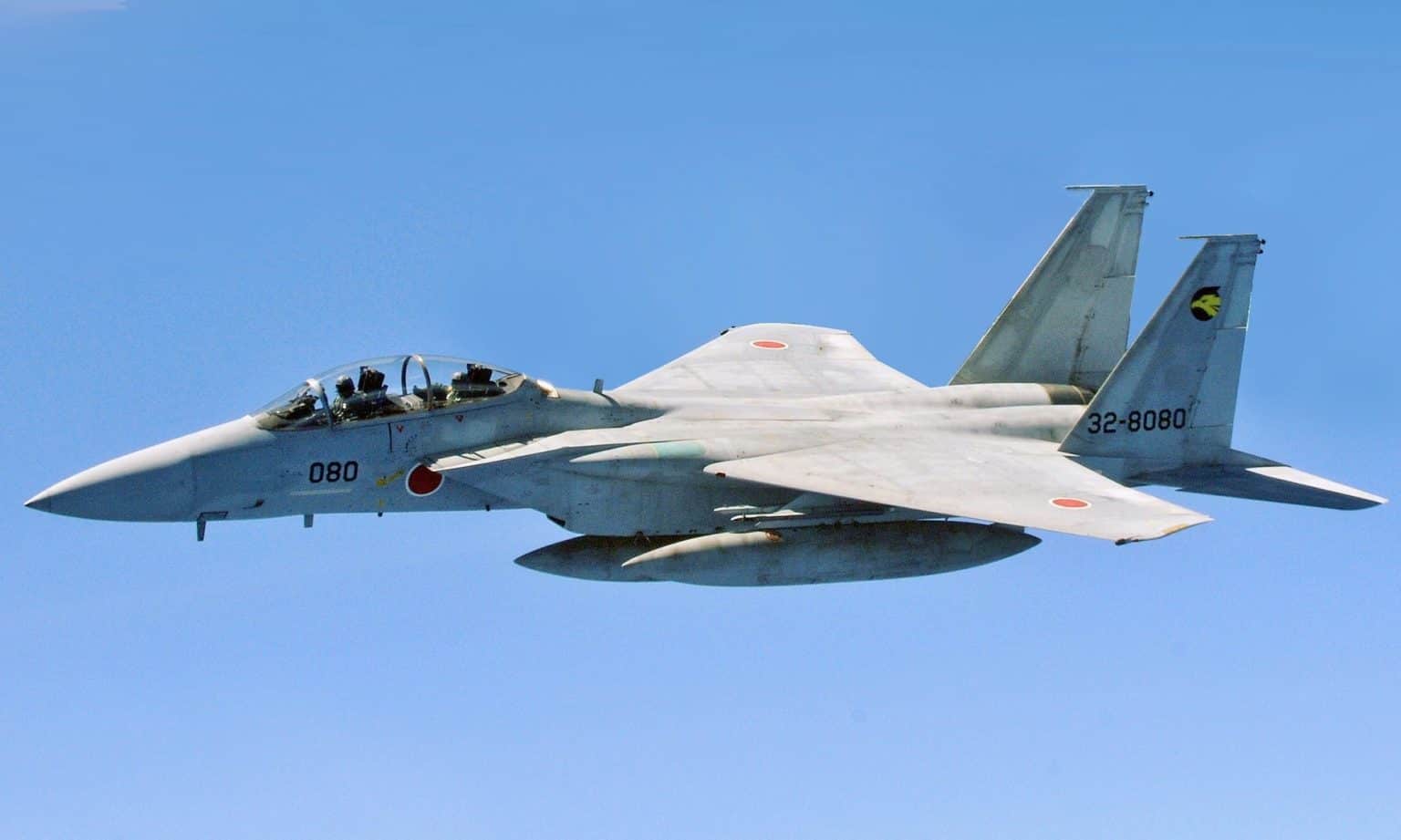
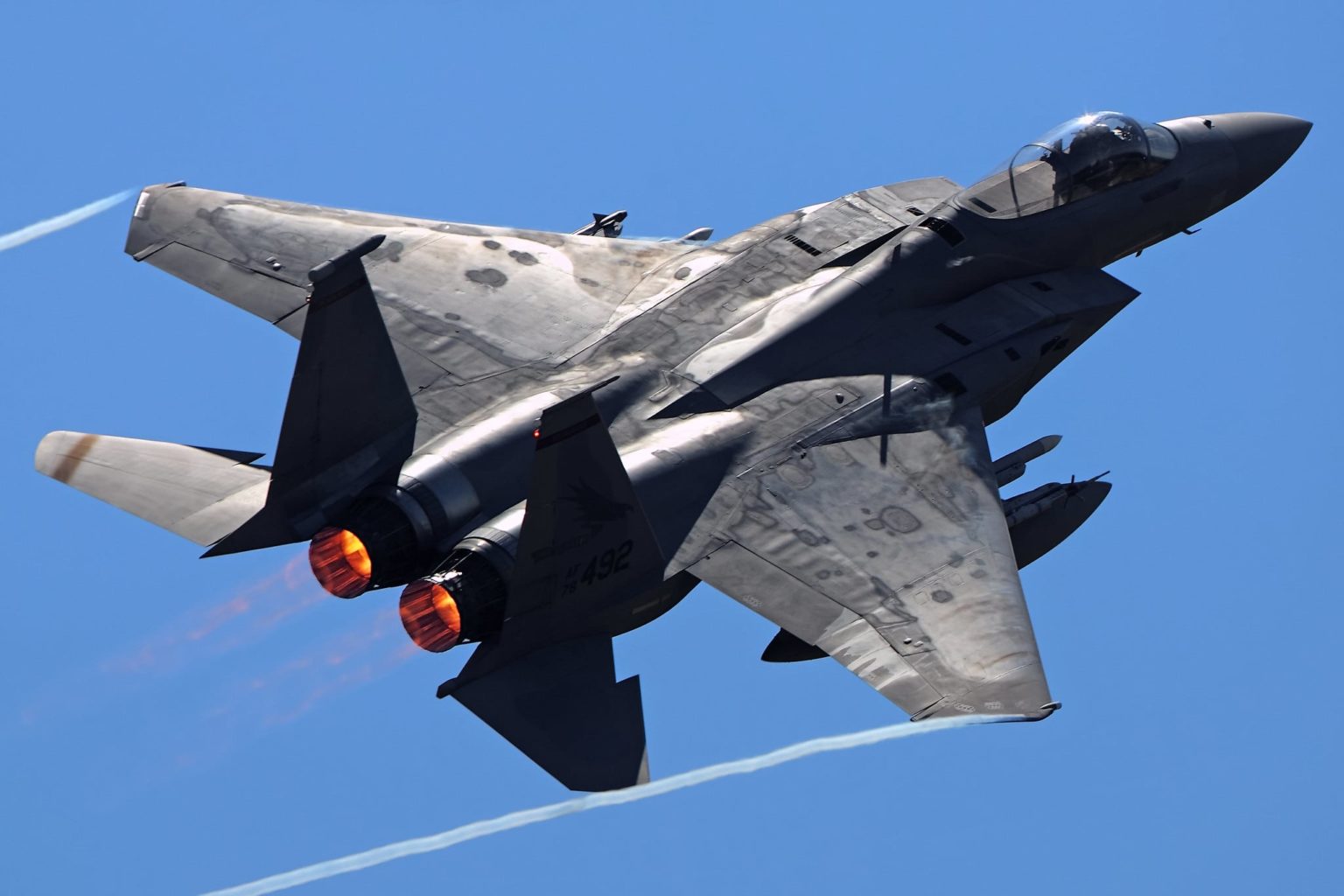
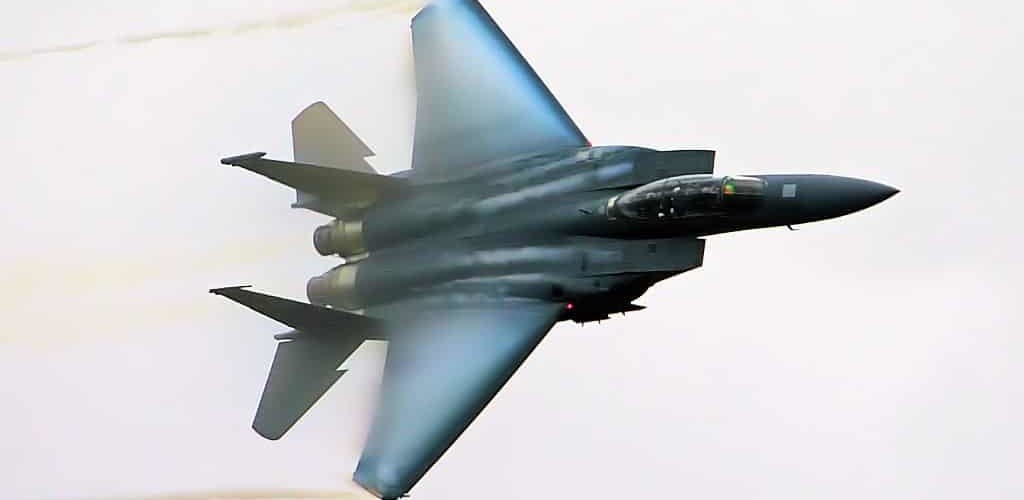


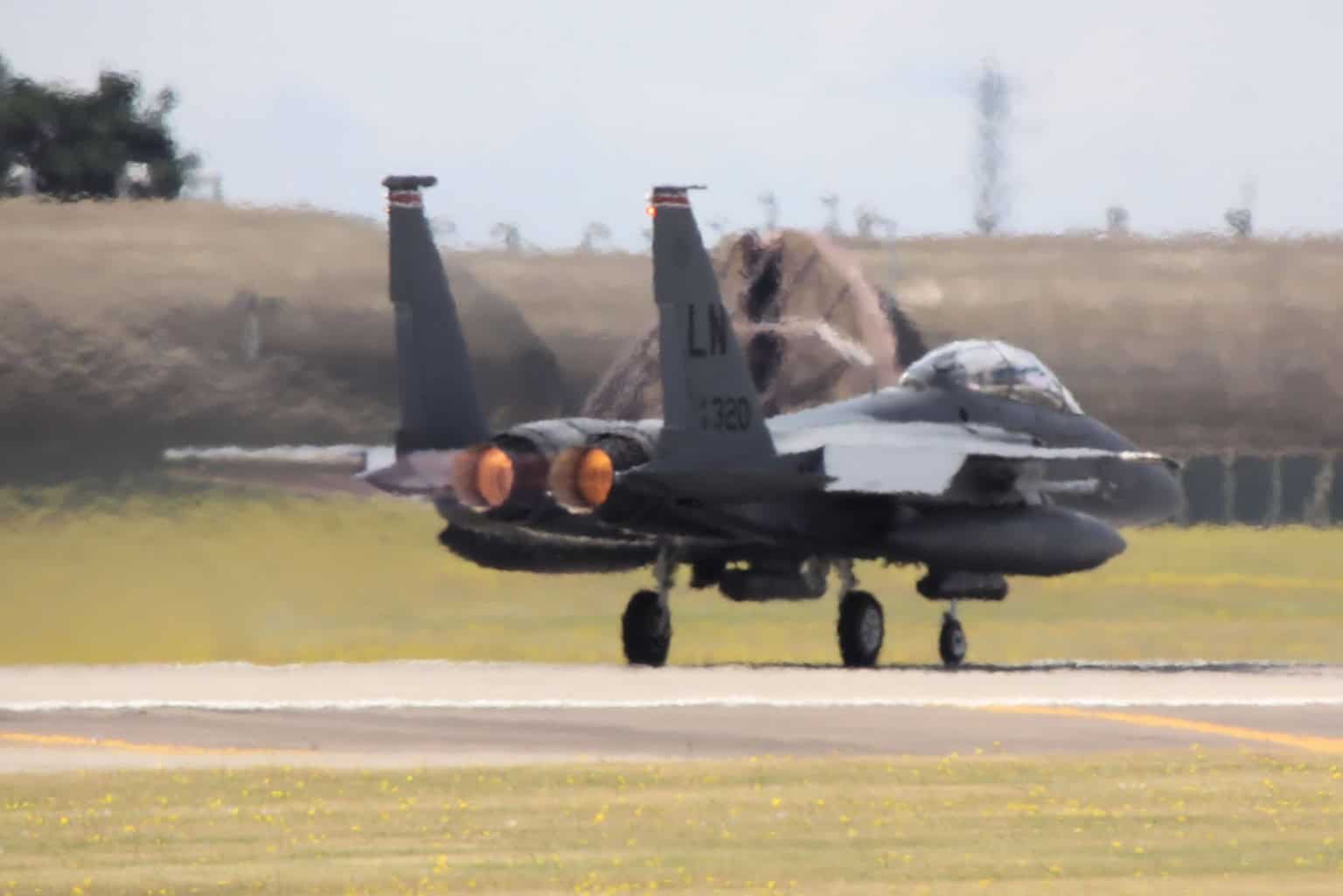
- Maximum speed: Mach 2.5, about 1,650 mph (2,655 km/h) at altitude
- With conformal fuel tanks fitted: Mach 2.0, about 1,320 mph (2,124 km/h)
- Combat record: 104 air-to-air victories, no losses in air combat
- First flight 1972, in service 1976, still in production as the F-15EX
The F-15 is the fastest fighter the West has ever put into service, and it was designed that way on purpose. The Foxbat panic of the late 1960s is a direct ancestor of the Eagle.
Unlike the MiG-25, it is fast and agile. Its thrust-to-weight ratio is above one, meaning a clean F-15 can accelerate while pointing straight up, and it reaches 30,000 feet in about a minute.
The second line in the list is the interesting one. Bolt conformal fuel tanks onto an F-15E and the same aircraft drops from Mach 2.5 to Mach 2.0, losing over 300 mph of top speed to a pair of fuel tanks that never come off.
The line is still open. The U.S. Air Force more than doubled its planned F-15EX Eagle II buy to 267 aircraft in its 2027 budget request, so a 1972 design will be delivering new airframes into the 2030s.
4. Sukhoi Su-27 Flanker: Mach 2.35
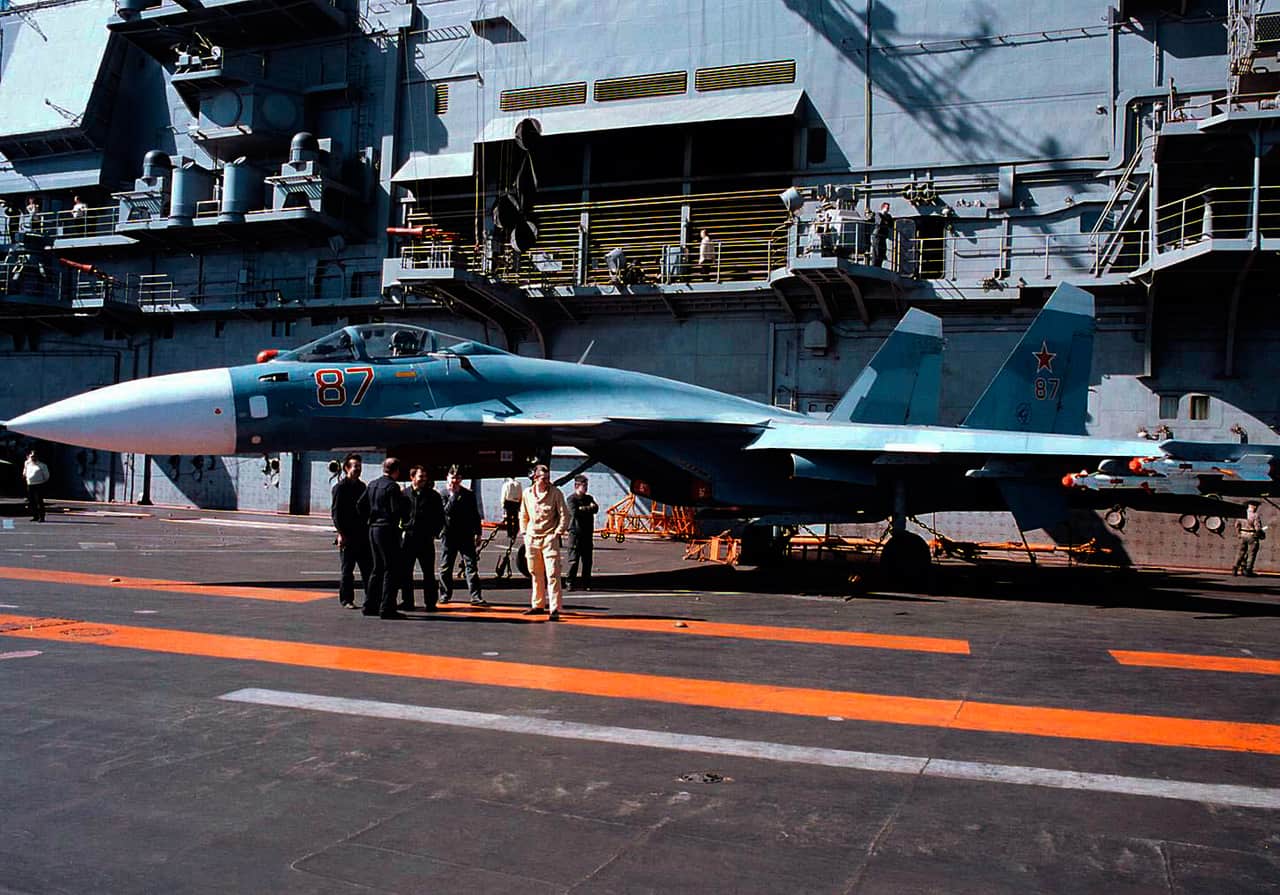
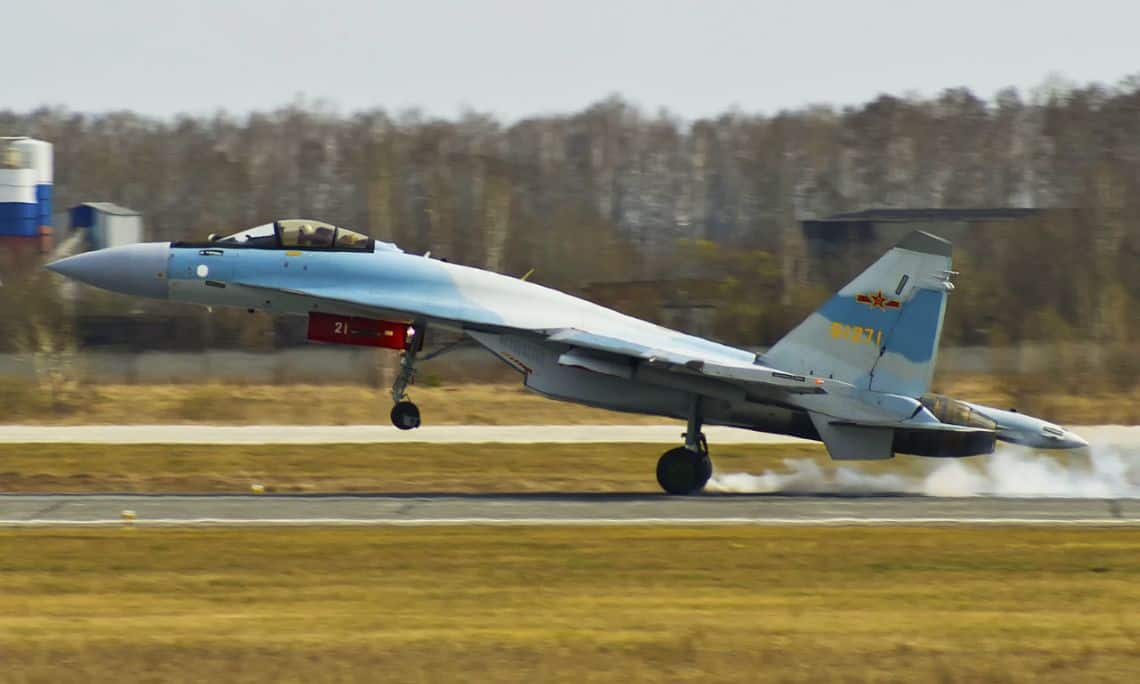
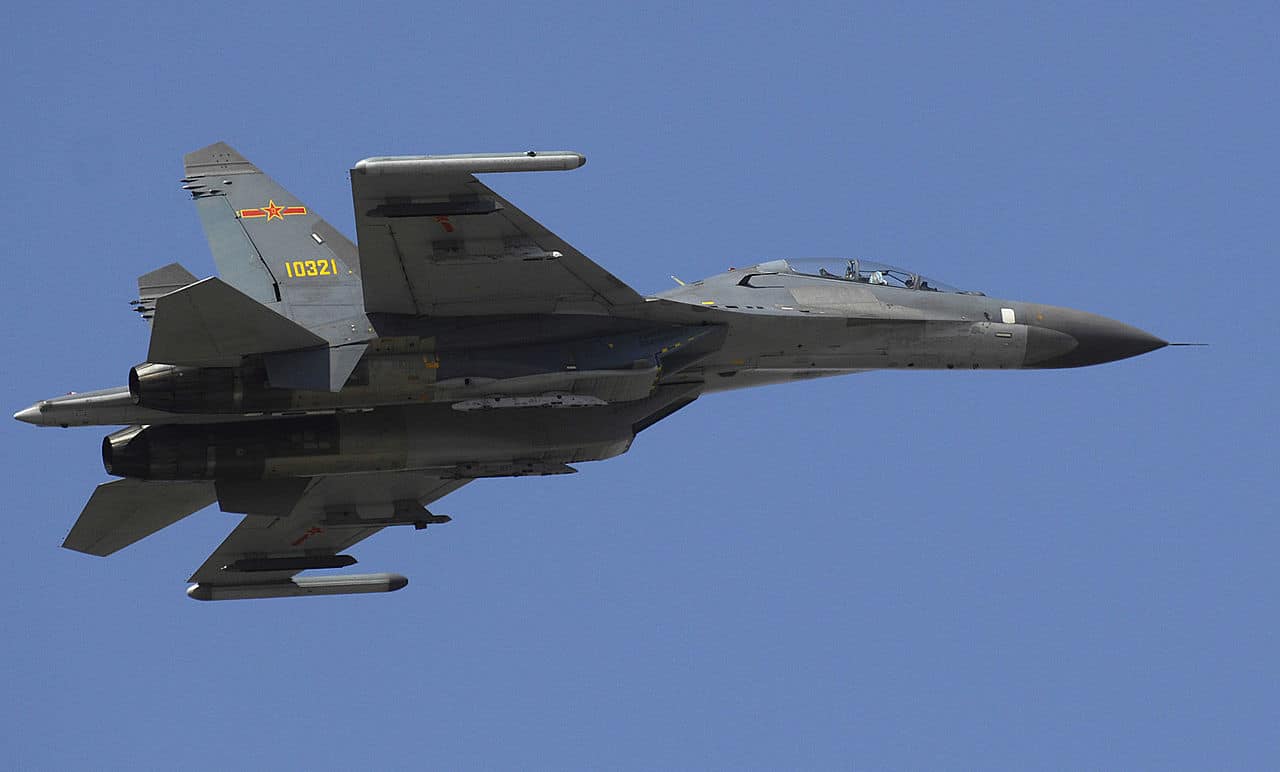


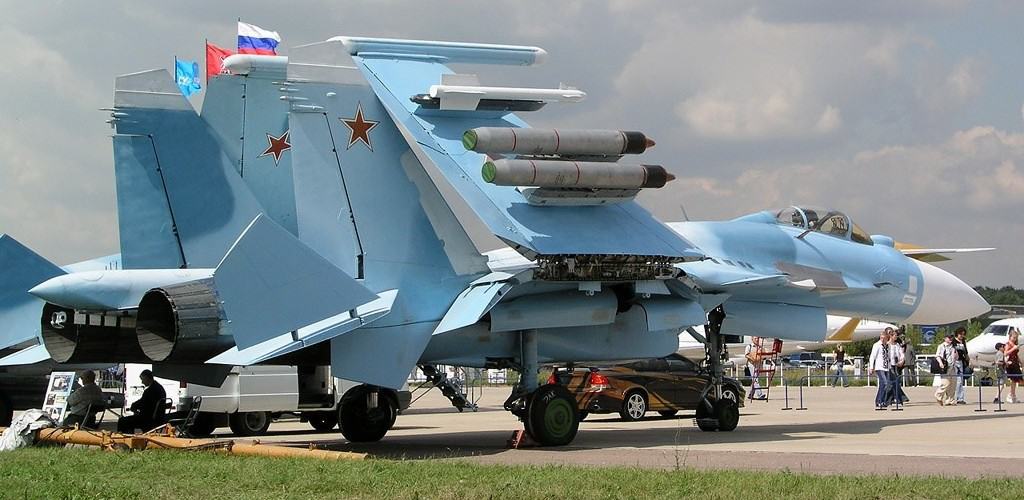
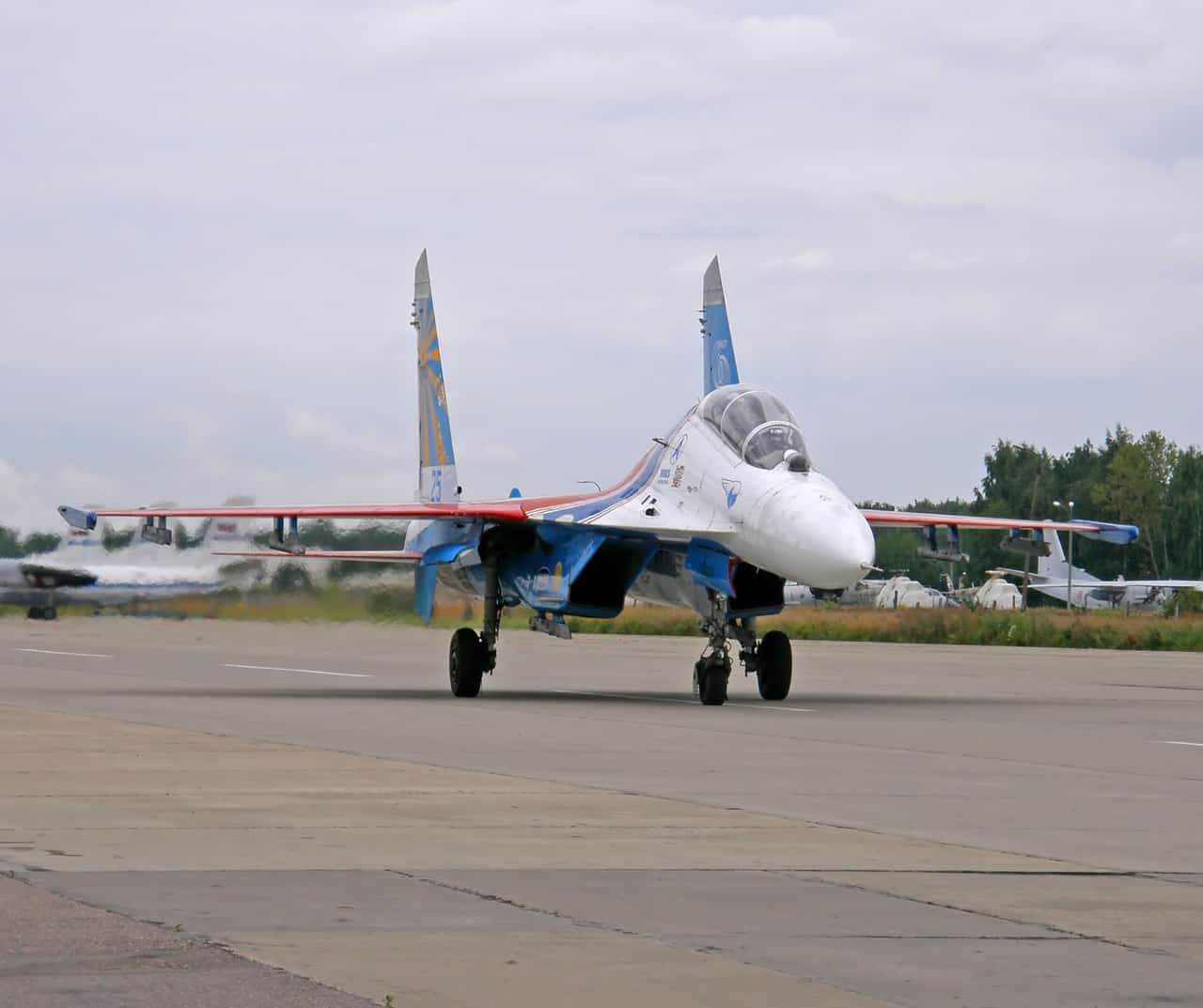
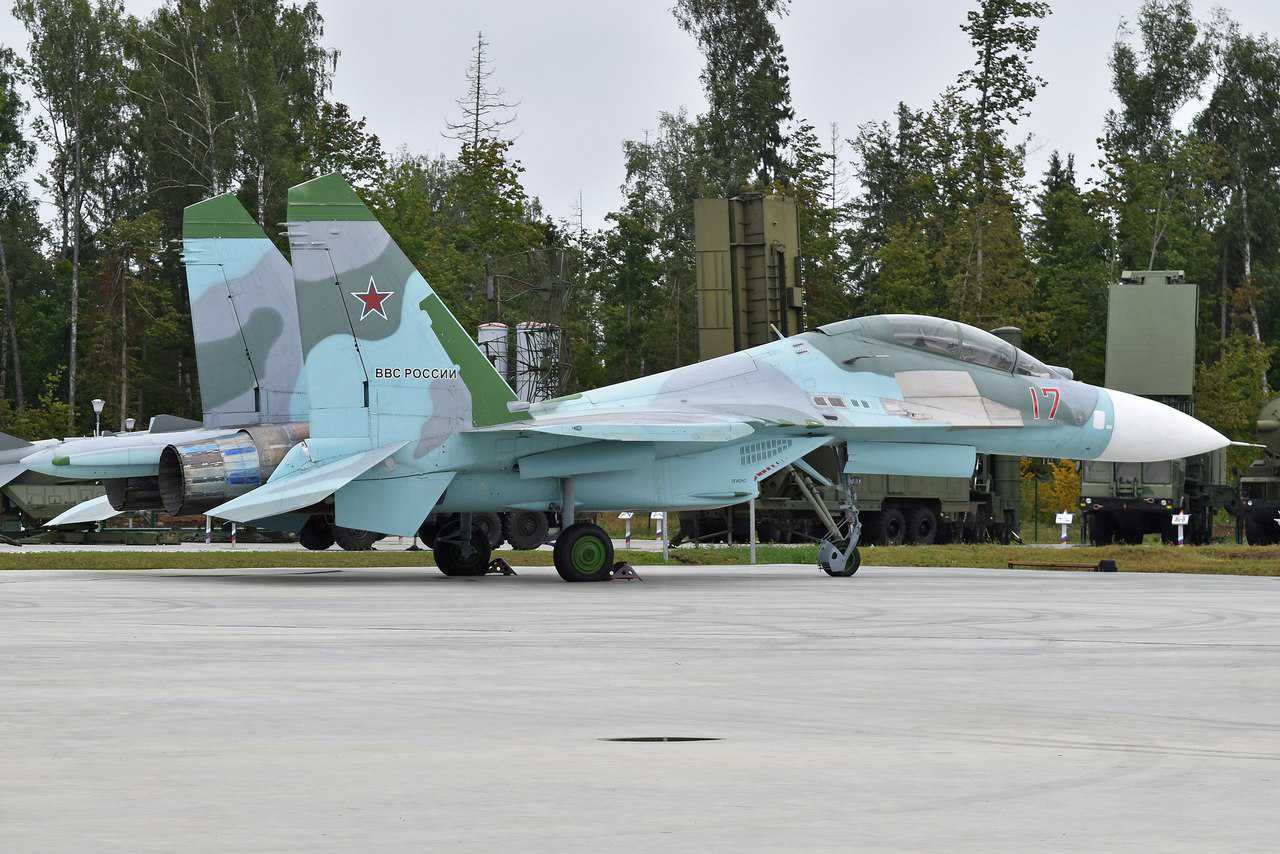
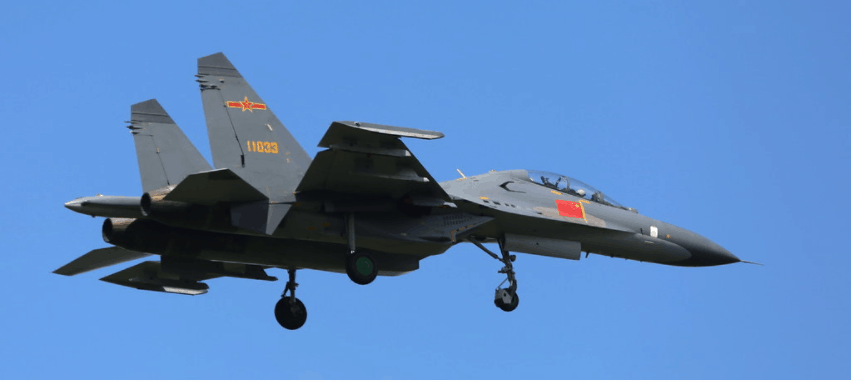

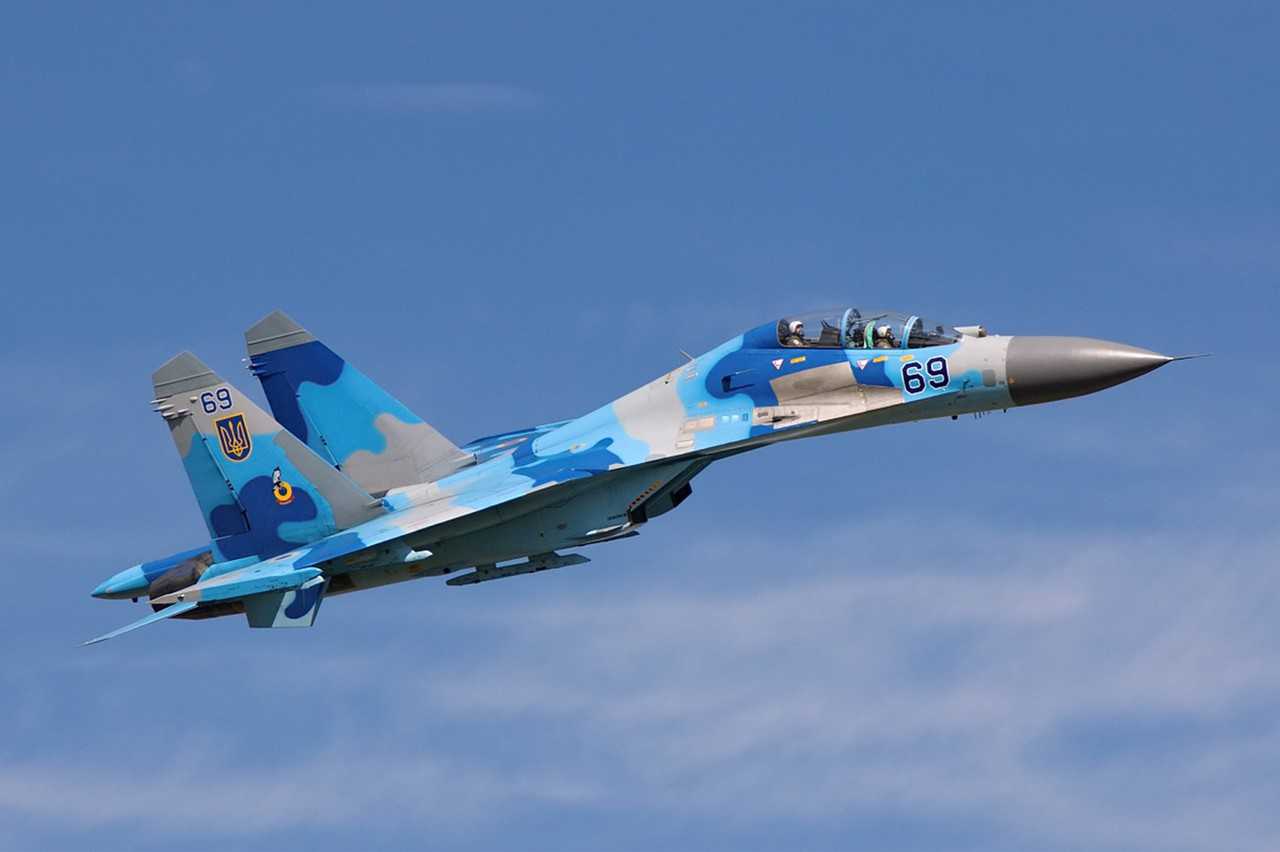
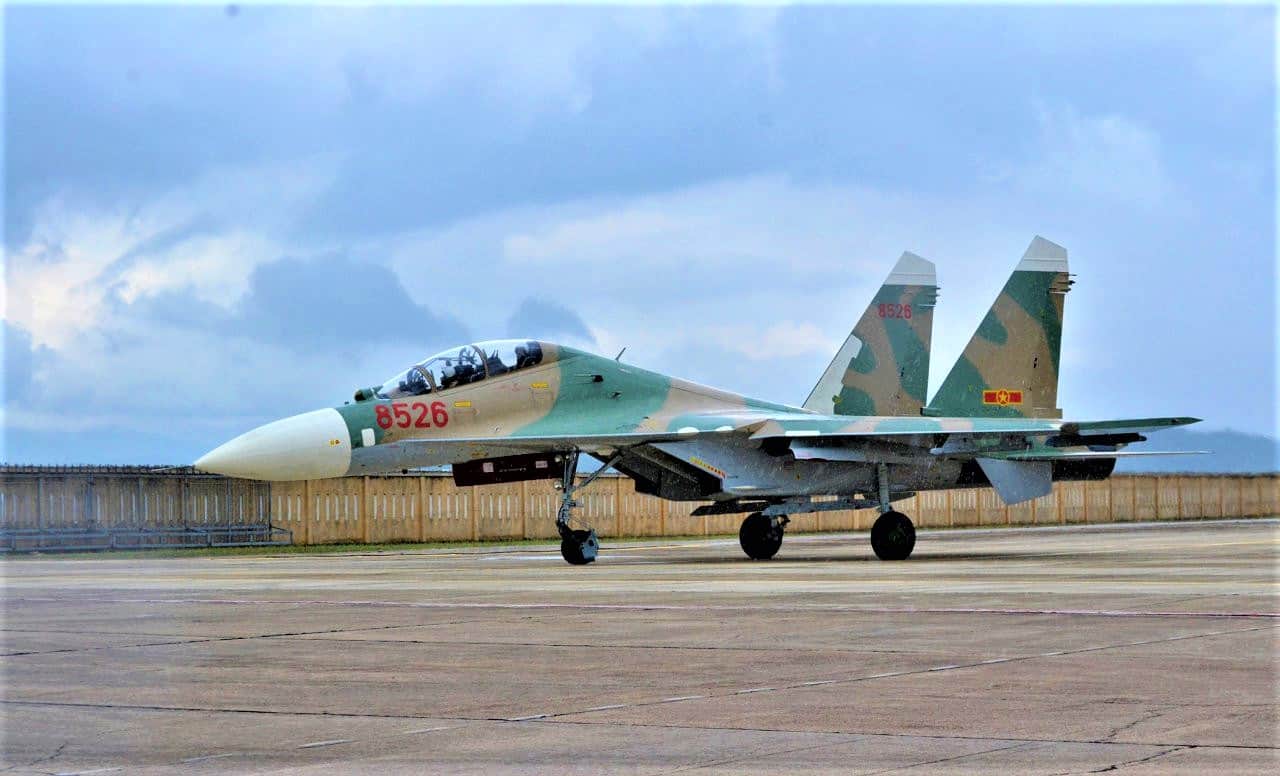


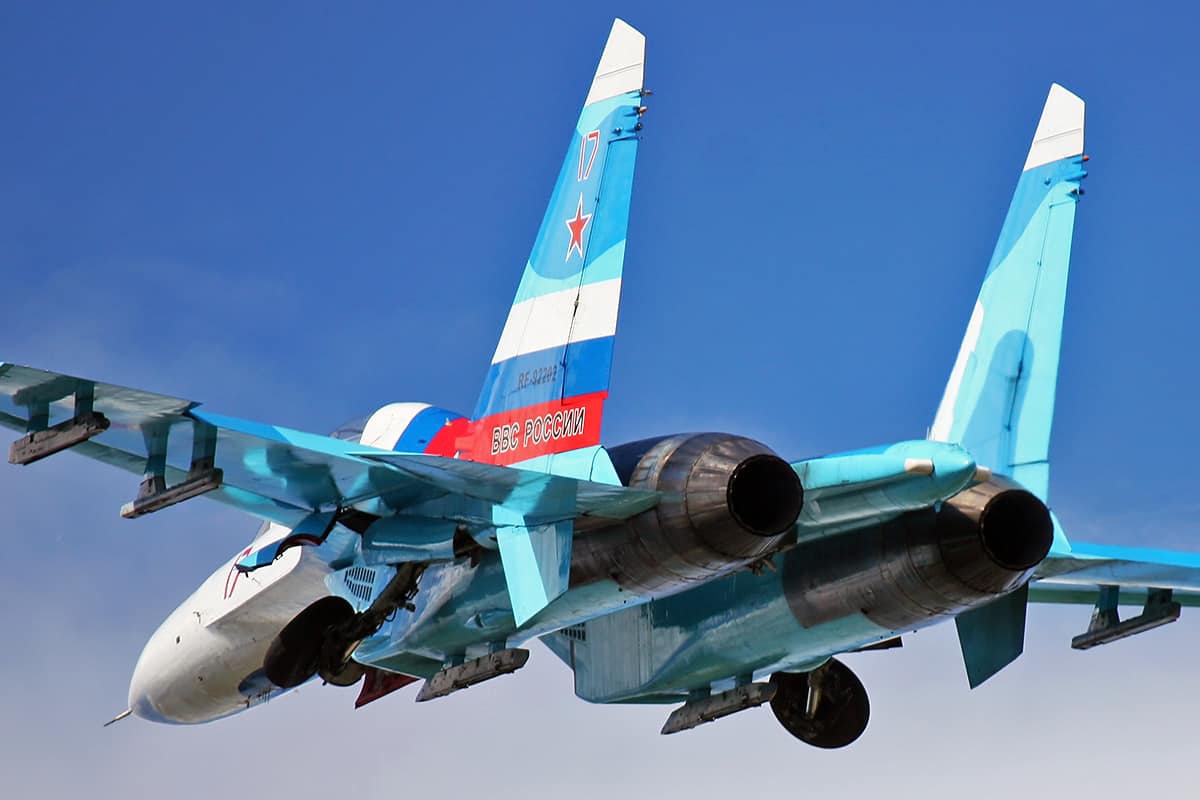
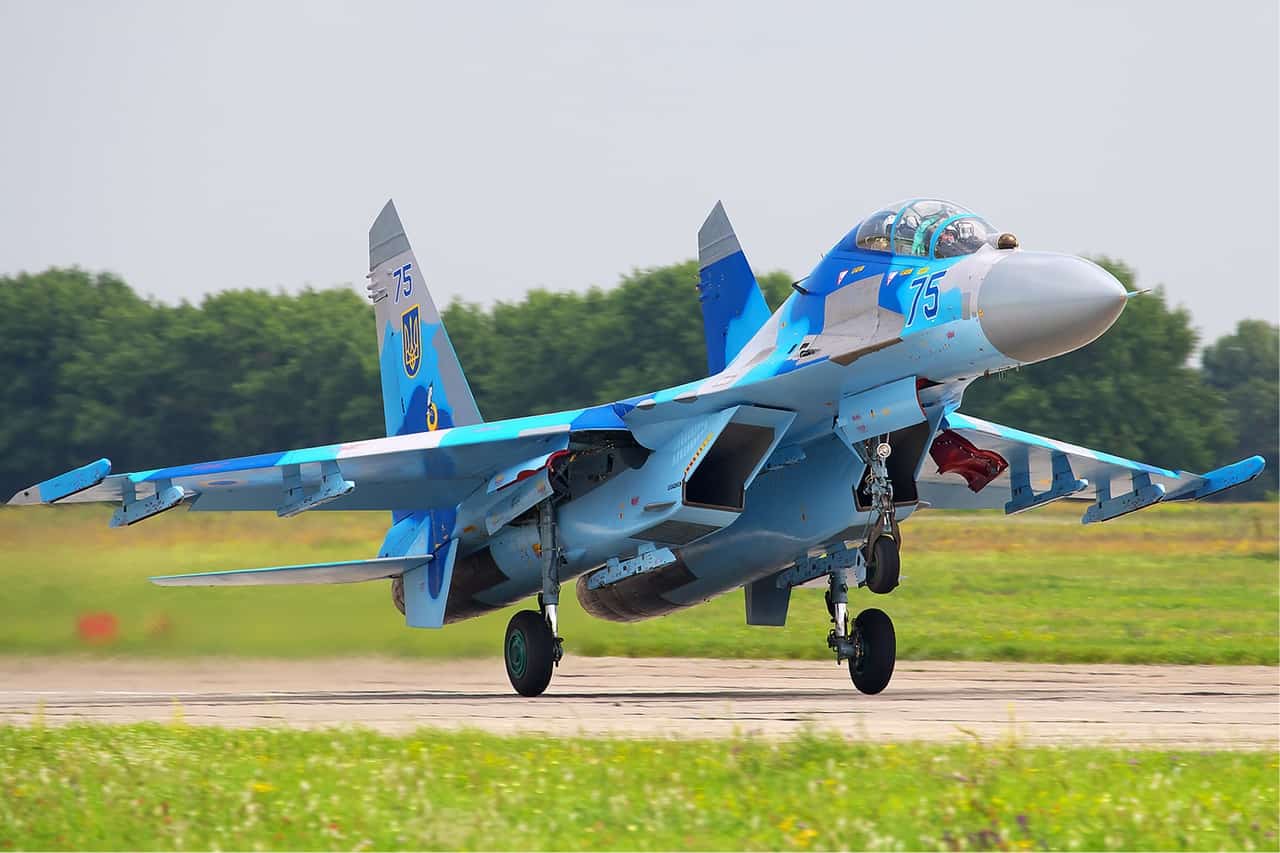
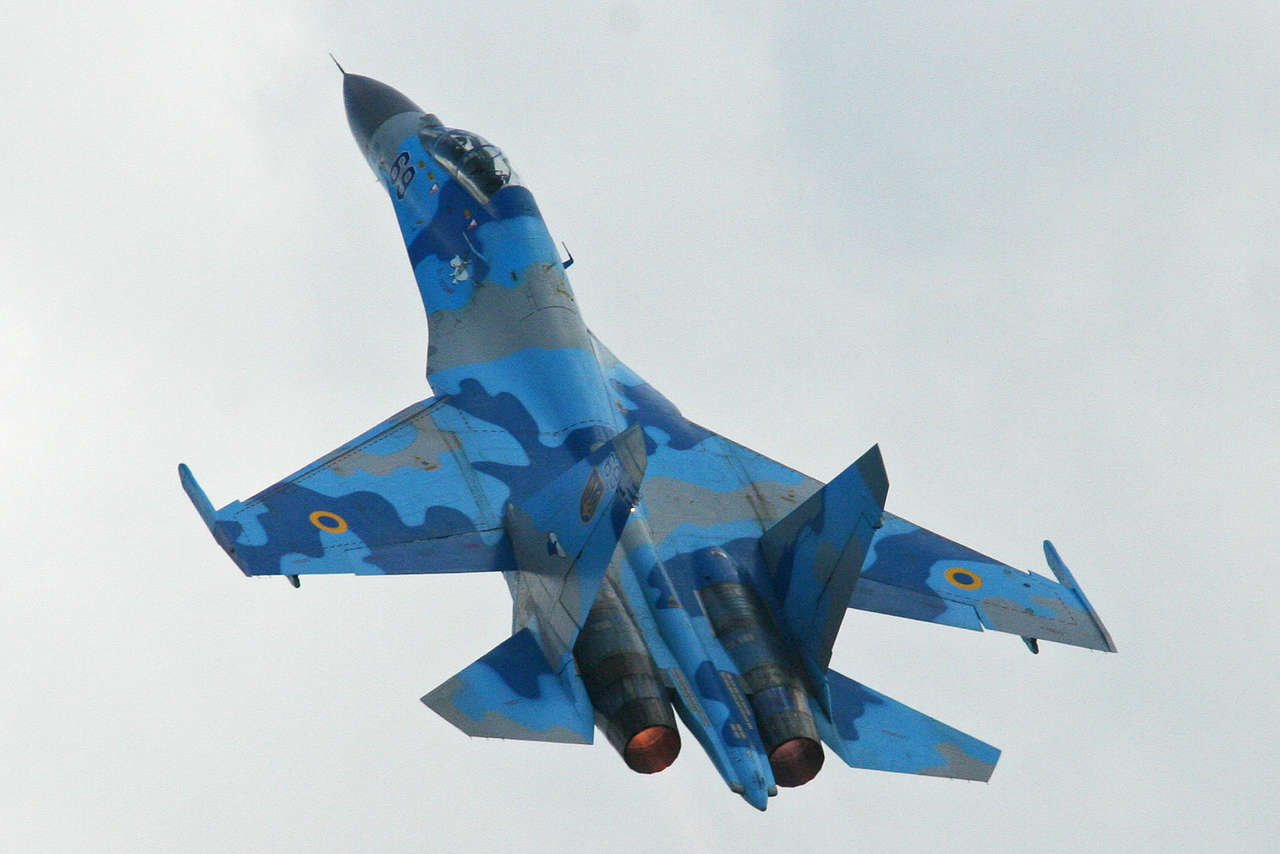
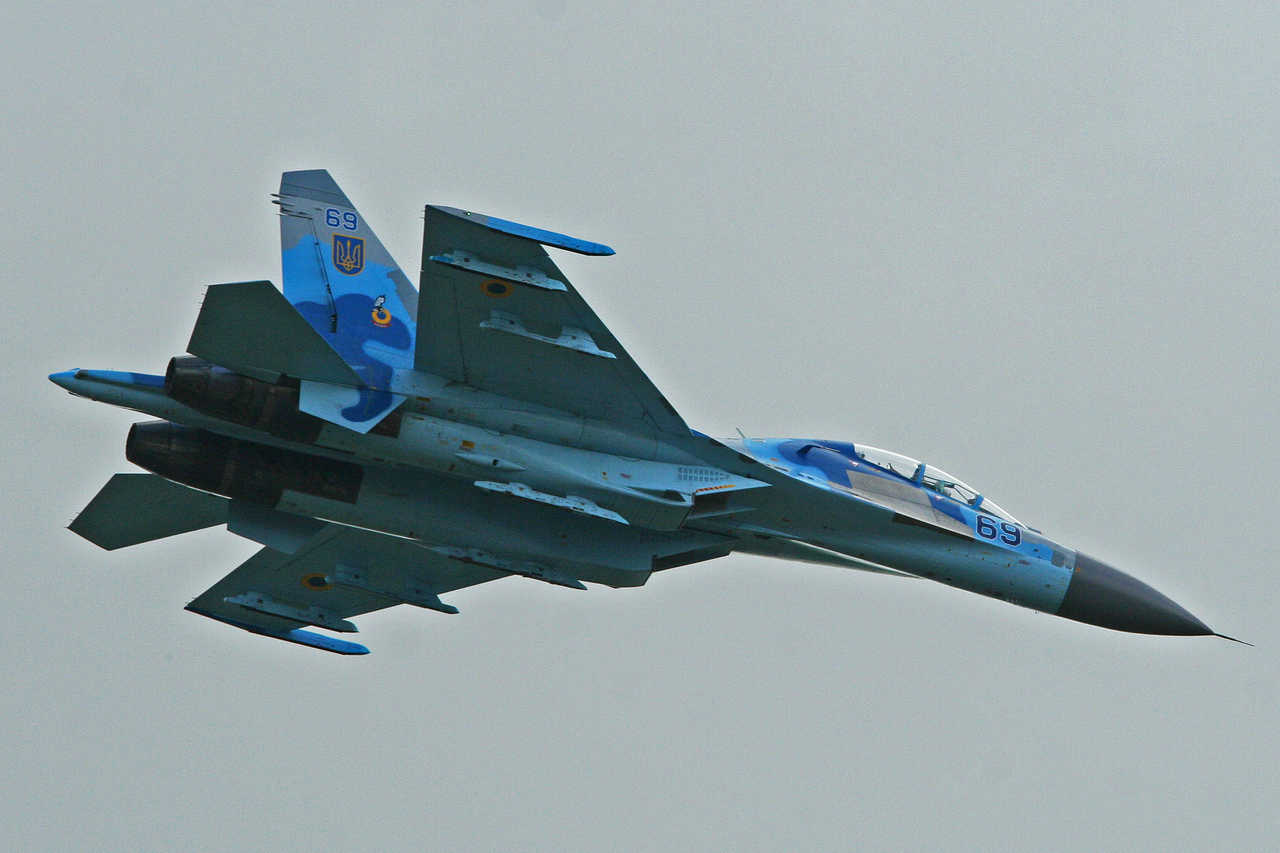
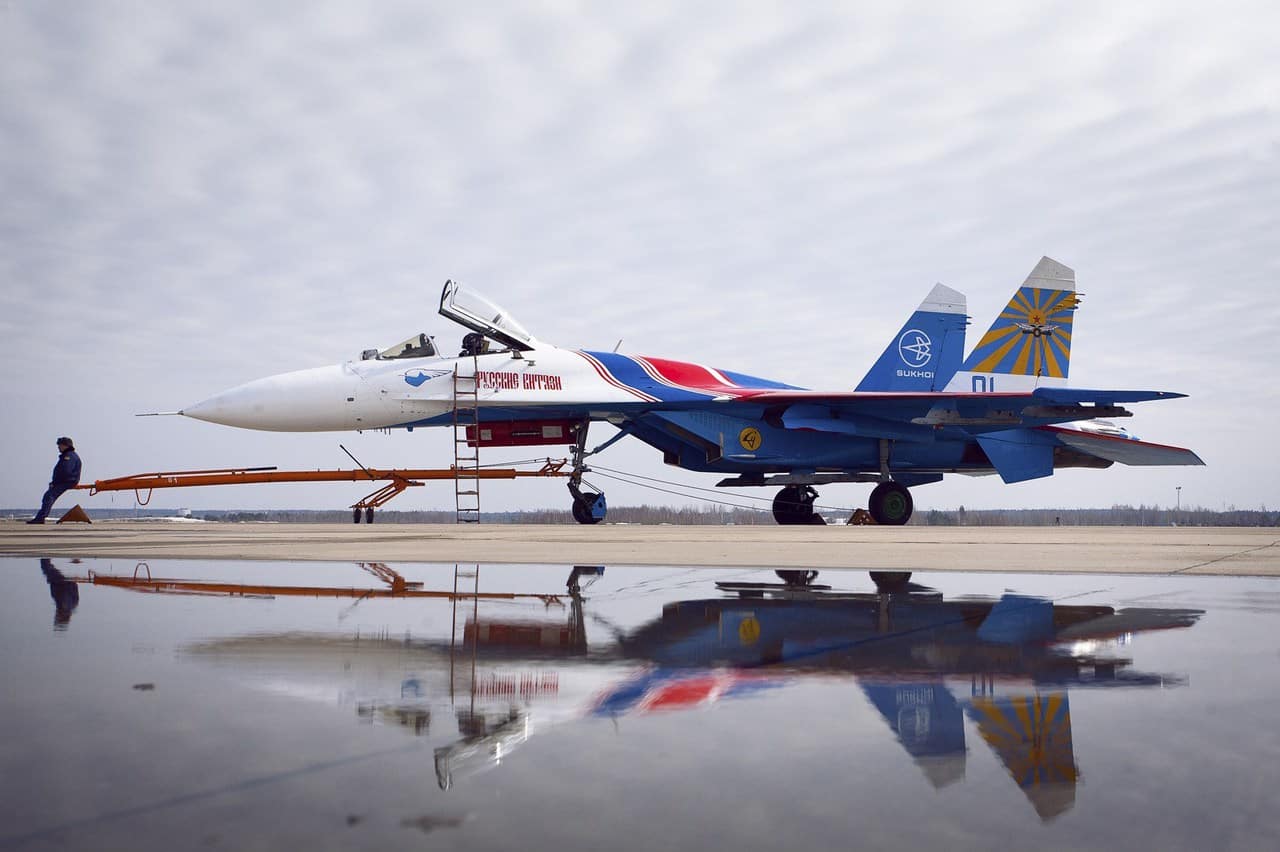


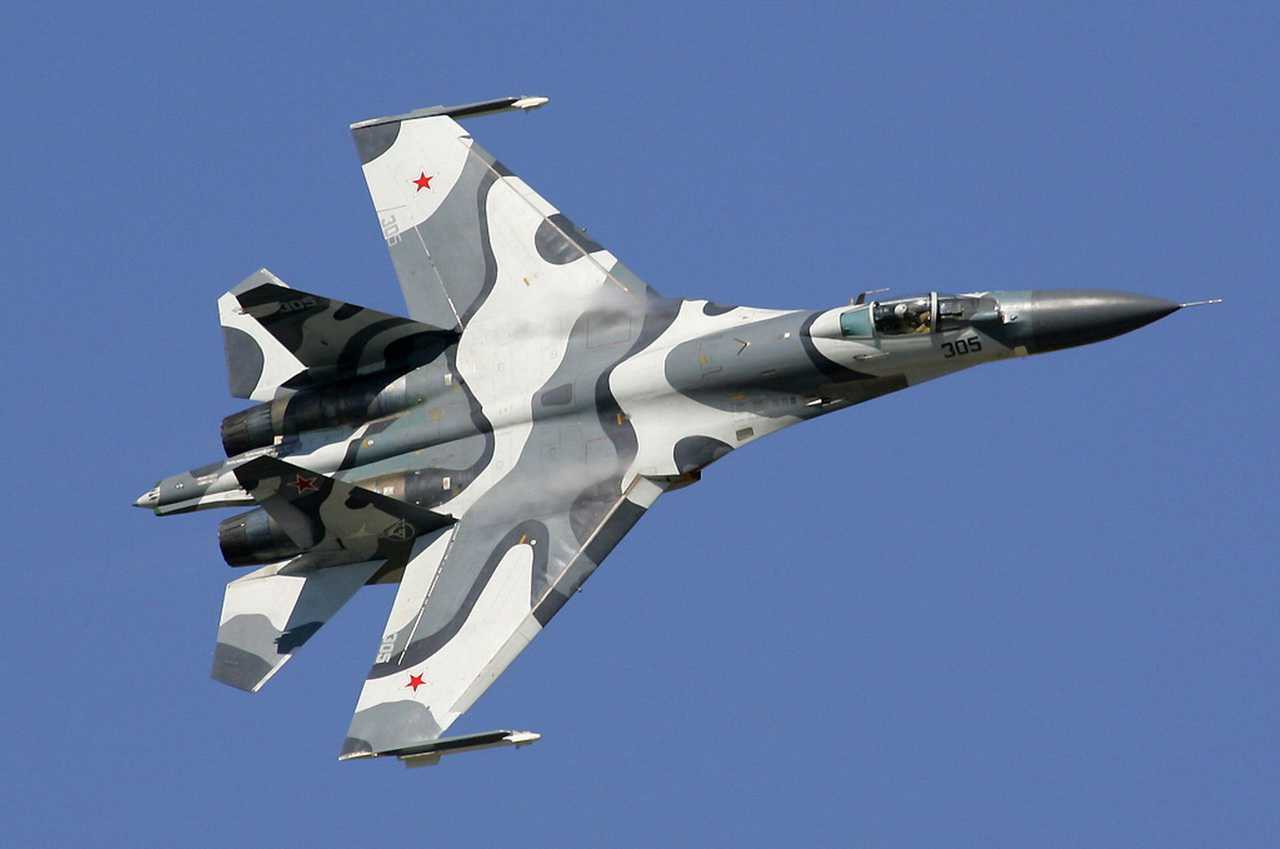

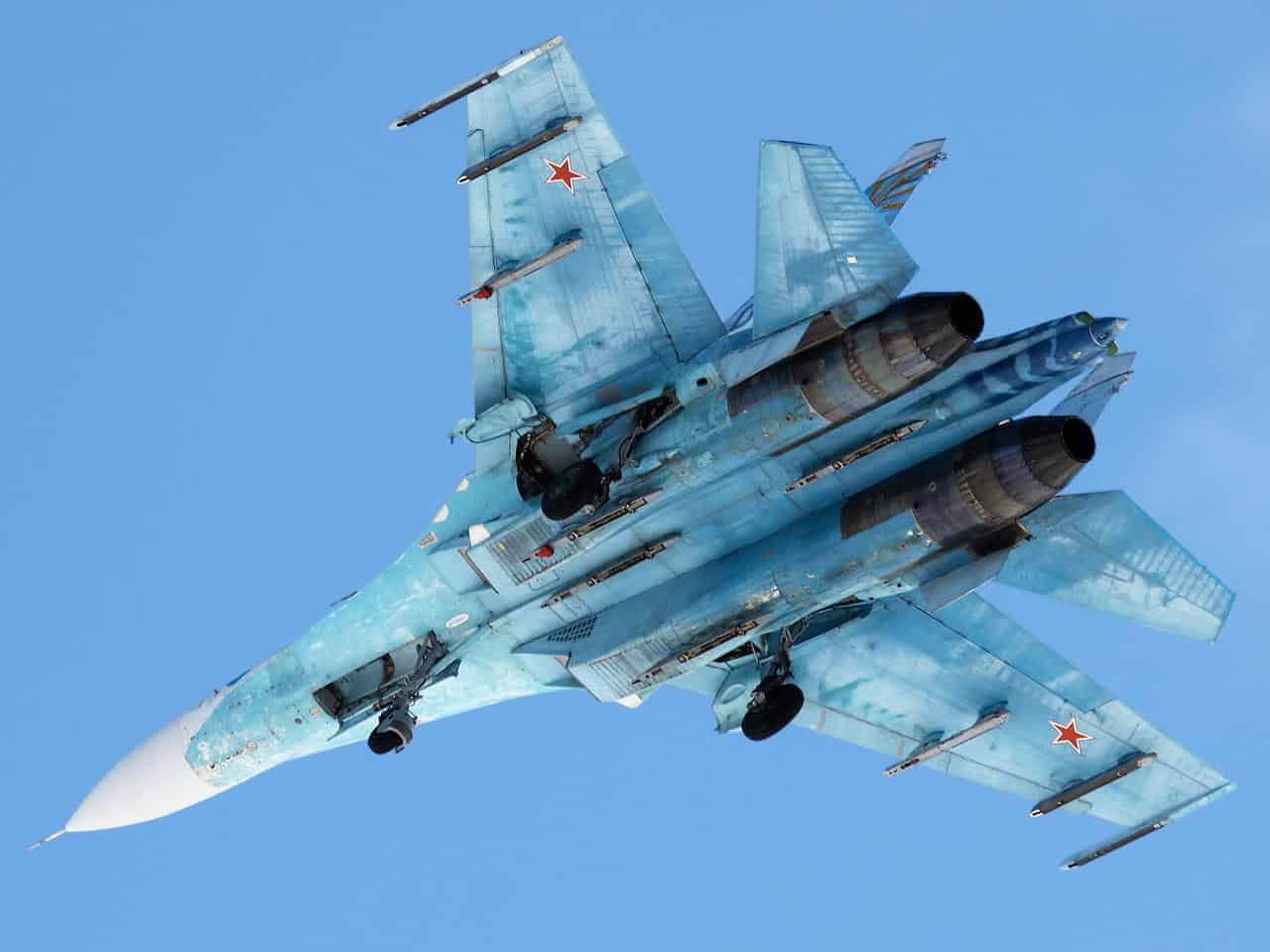

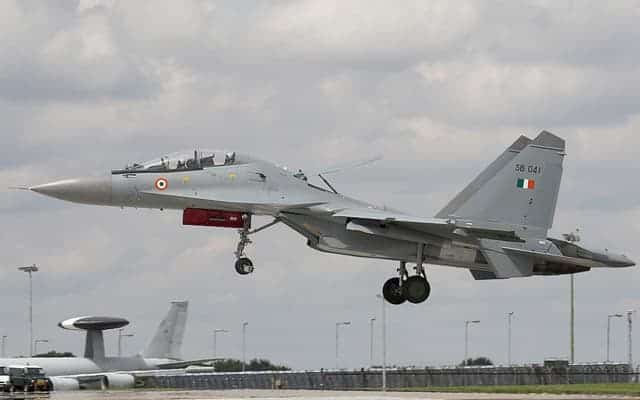

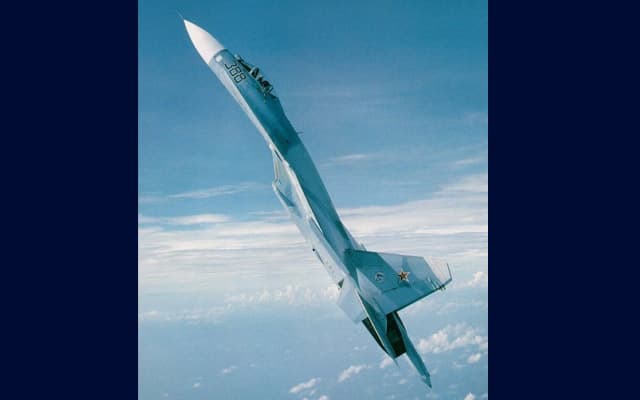
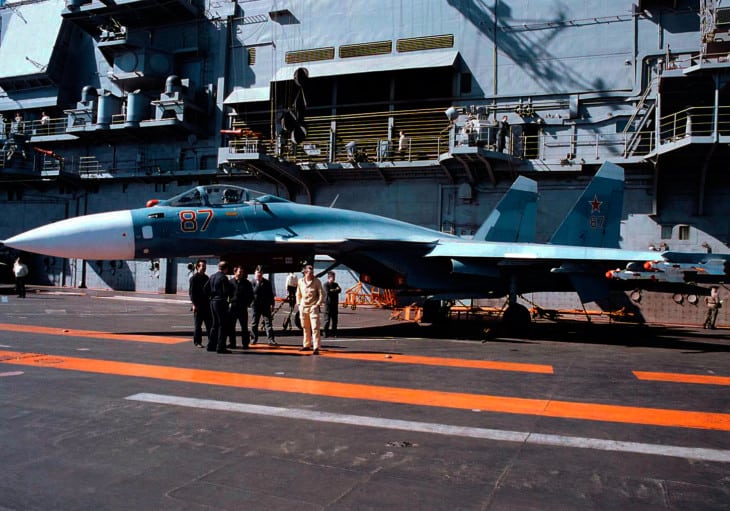
- Maximum speed: Mach 2.35, about 1,553 mph (2,500 km/h) at altitude
- First flight 1977, in service 1985, 680 built
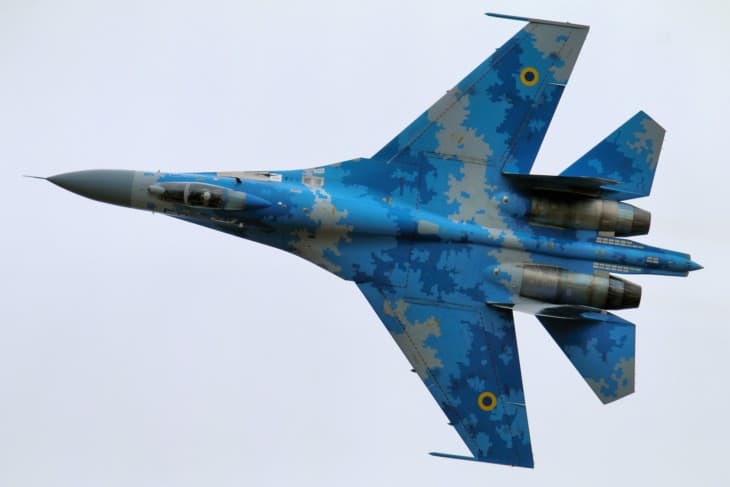
The Su-27 was the Soviet answer to the F-15, and it is the fastest fighter still flying in large numbers on both sides of a shooting war. Russia and Ukraine both operate the type.
It was the first Soviet aircraft with fly-by-wire controls, which is what makes the Cobra maneuver possible: the nose comes up past 90 degrees while the aircraft keeps travelling in the direction it was already going.
Almost every fast Russian fighter since is a Flanker underneath. The Su-30, Su-33, Su-34 and Su-35 are all developments of this airframe, which is why so many Russian fighter jets cluster around the same top speed.
5. Mikoyan-Gurevich MiG-23 Flogger: Mach 2.35


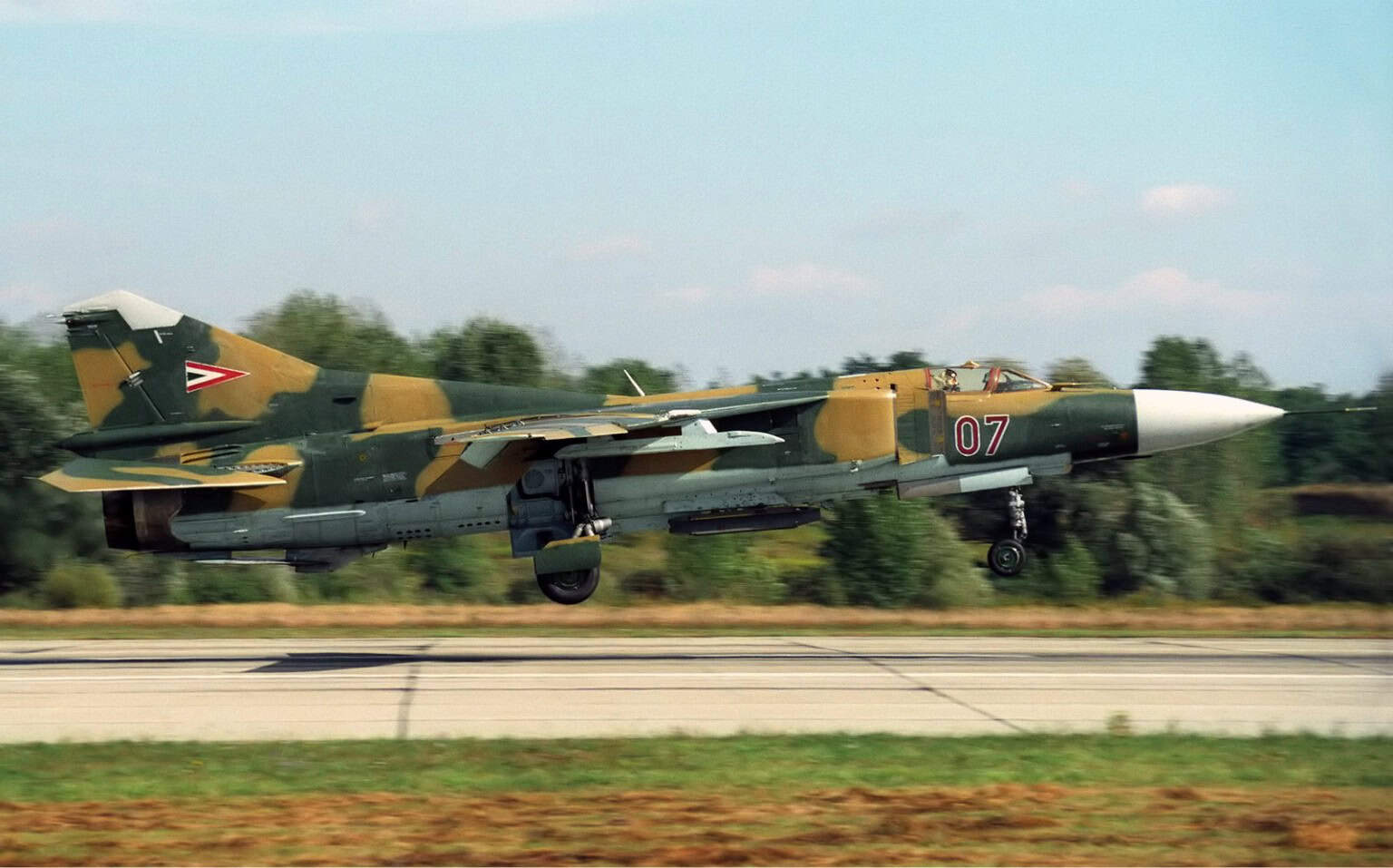


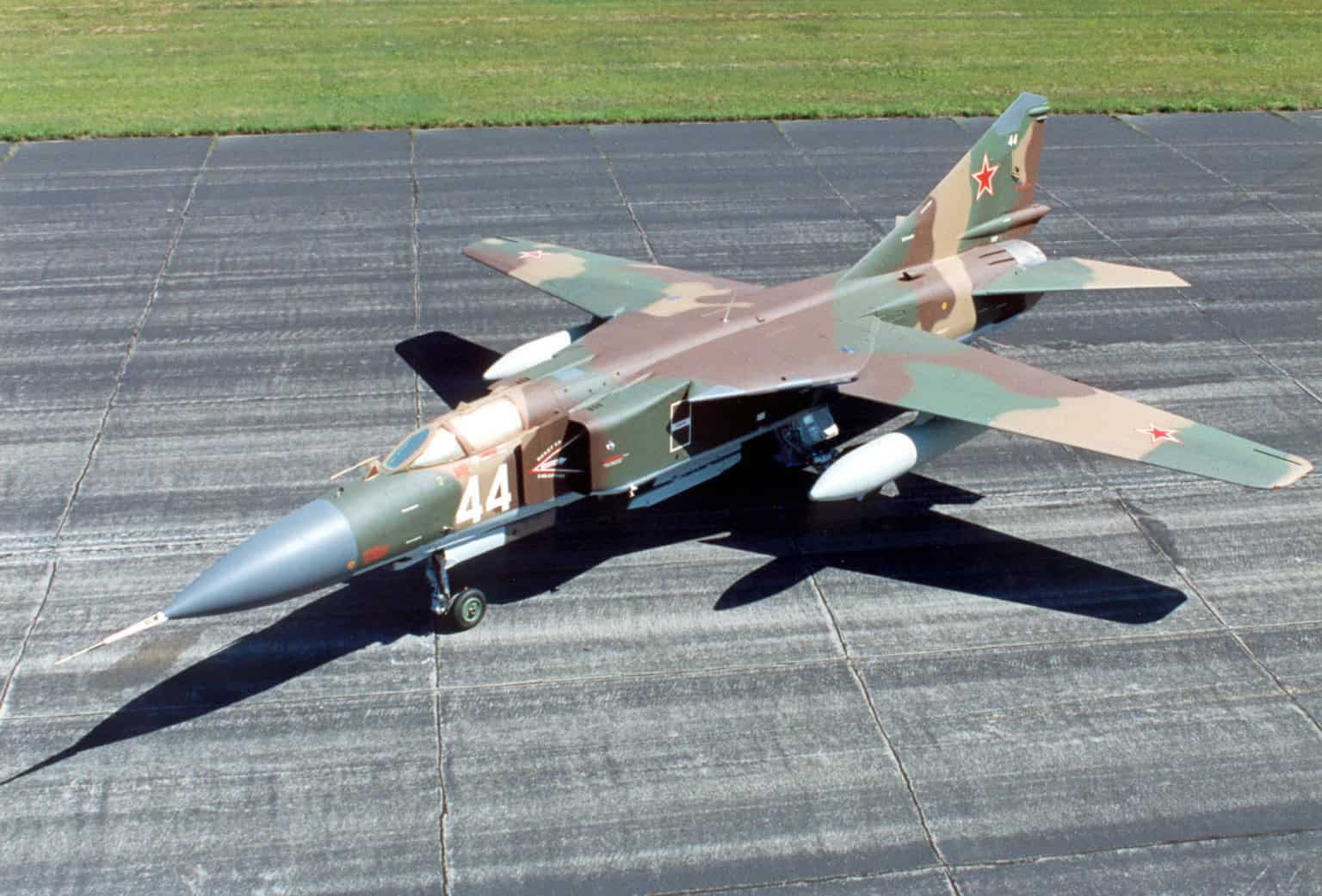

- Maximum speed: Mach 2.35, about 1,553 mph (2,500 km/h) at altitude
- In service 1970, around 5,000 built
The MiG-23 is the fastest fighter most people have never heard of. It is a swing-wing single-engine machine built in enormous numbers, and it is quicker flat out than an F-22.
The variable-geometry wings are the reason. Swept fully back, the wing is short and thin and gives very little drag, which is ideal for a supersonic dash and poor for almost everything else.
Its reputation suffered because it was exported widely and flown badly, and it lost repeatedly to Israeli F-15s and F-16s in the 1982 Lebanon war. Raw speed is a poor predictor of who wins a fight.
6. Grumman F-14 Tomcat: Mach 2.34
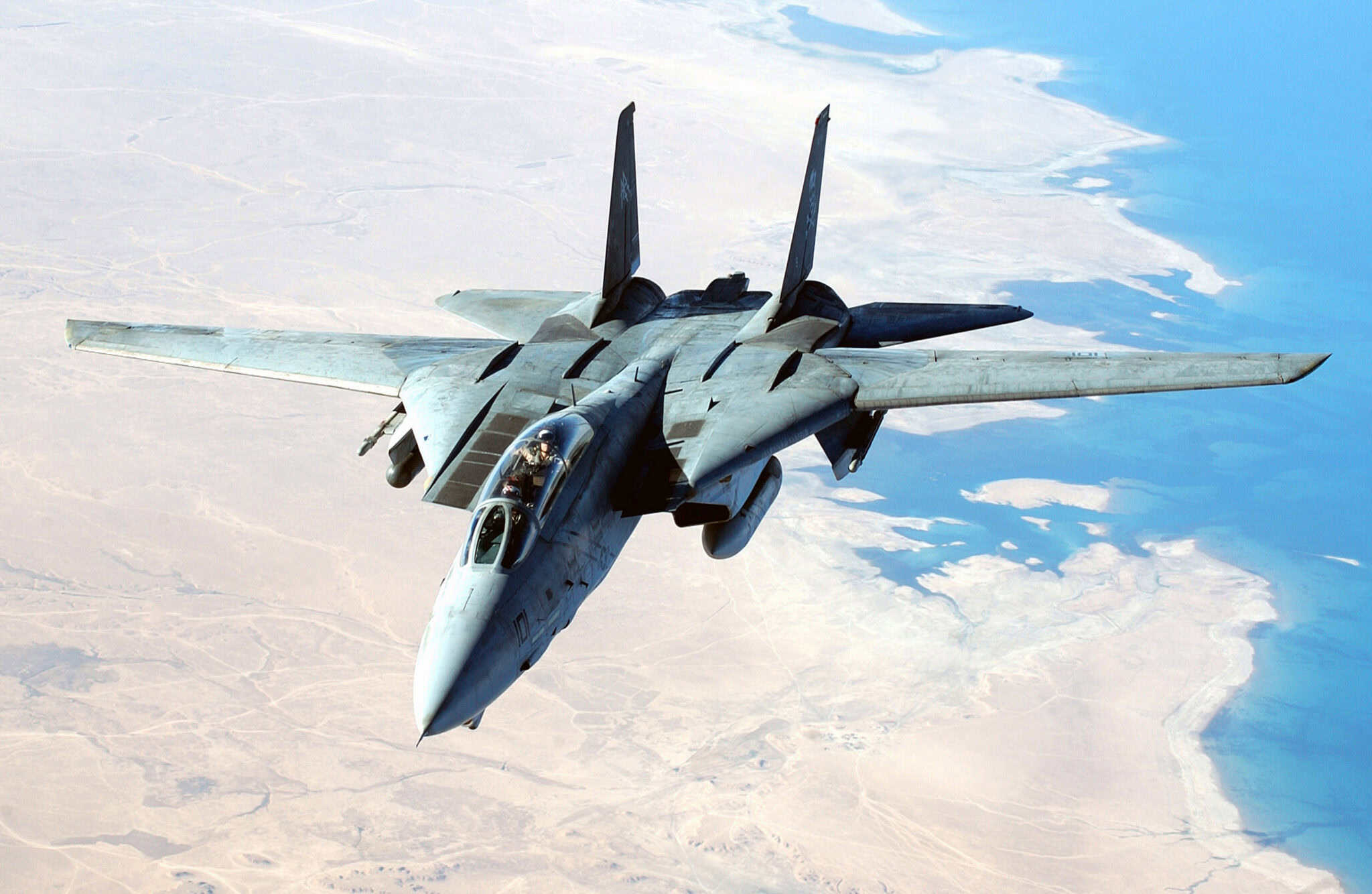


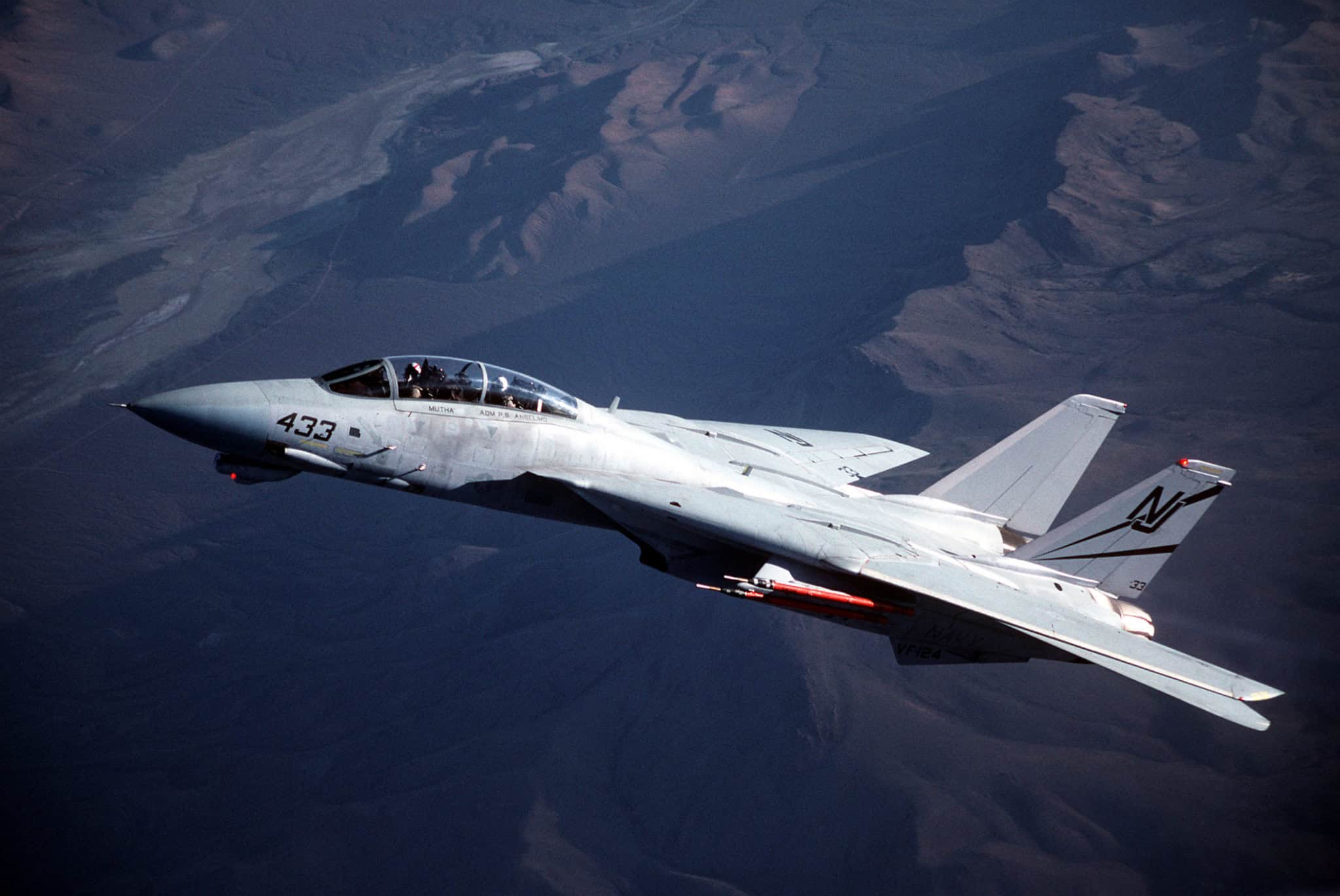


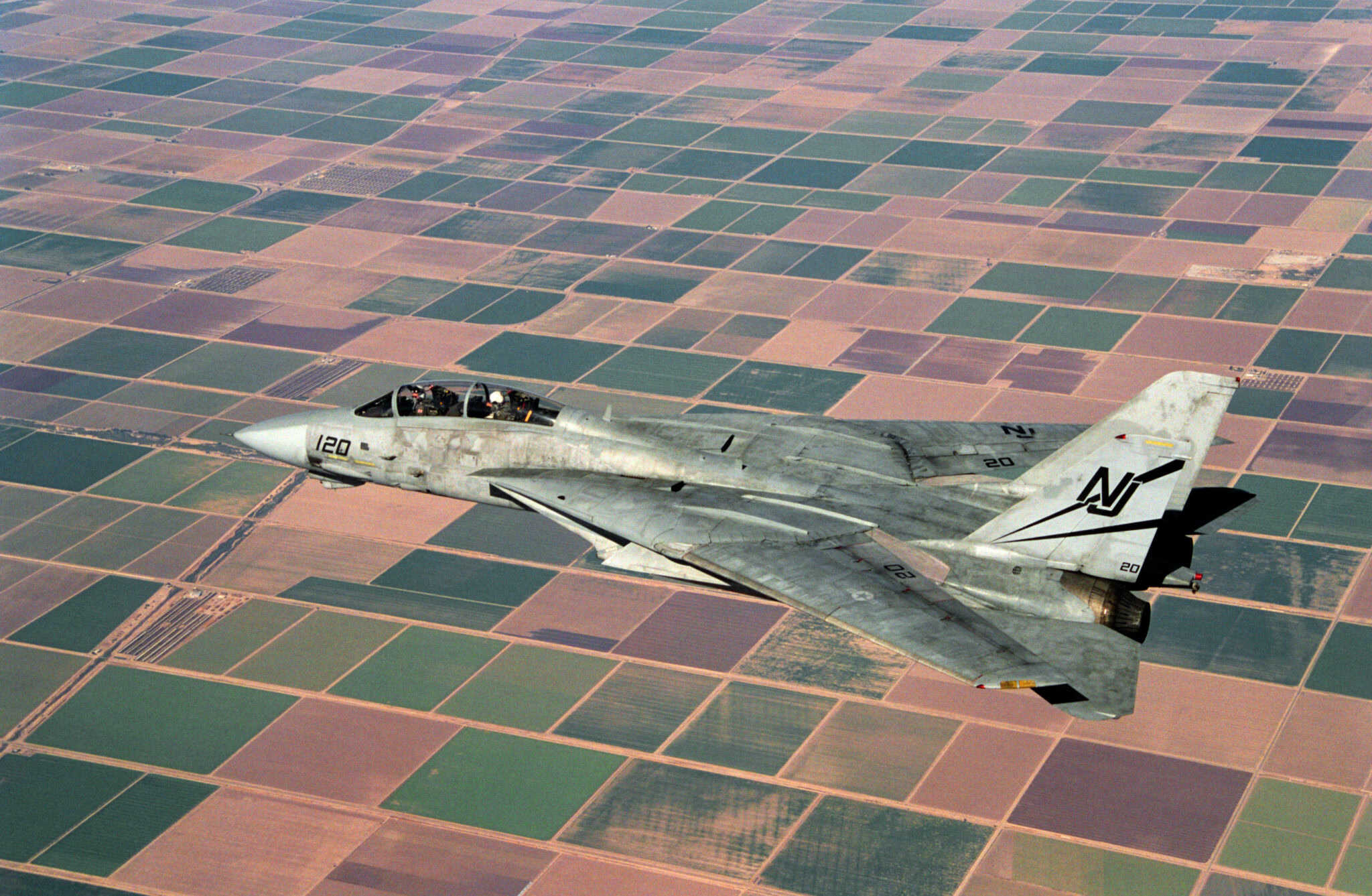


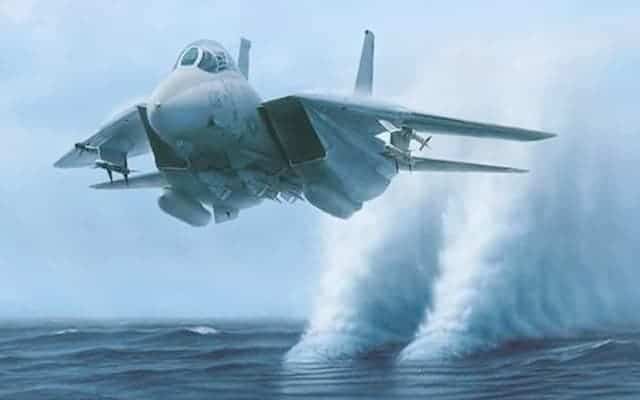
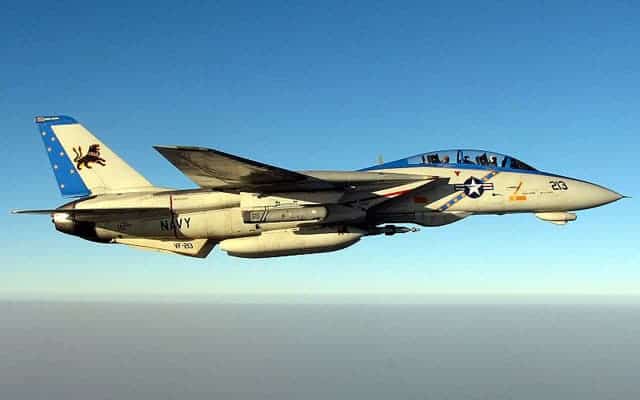
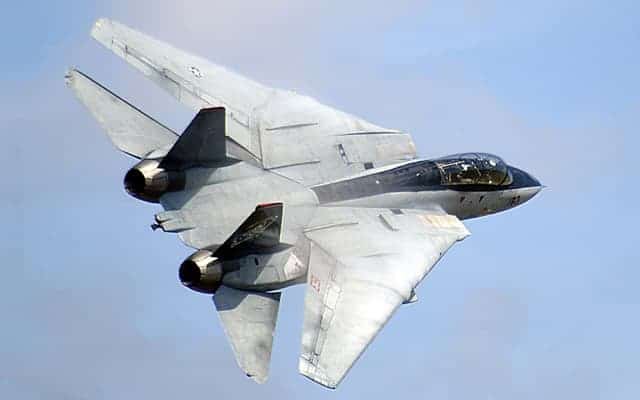
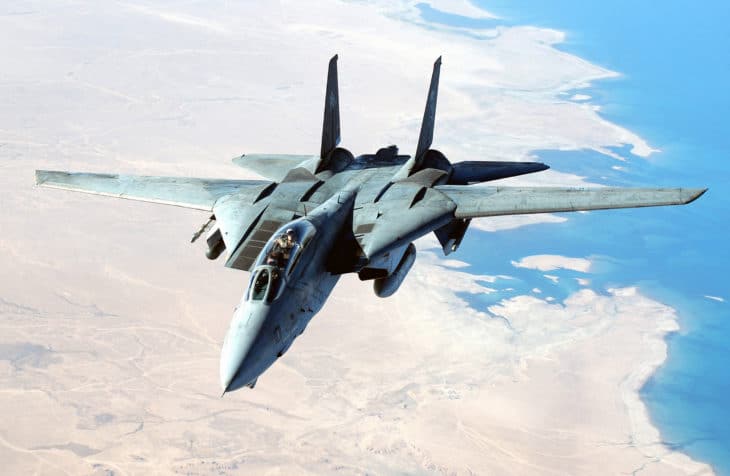
- Maximum speed: Mach 2.34, about 1,544 mph (2,485 km/h) at altitude
- First flight 1970, in service 1974, 712 built
- Retired by the U.S. Navy on 22 September 2006
The Tomcat is the fastest fighter ever flown off an aircraft carrier. It was built to intercept Soviet bombers hundreds of miles from the fleet, which required both speed and the enormous AIM-54 Phoenix missile.
Like the MiG-23 it used swing wings, but the F-14 moved them automatically as speed changed, so the pilot never had to think about it.
The U.S. Navy retired the type in 2006 and shredded most of the airframes specifically to stop spare parts reaching Tehran. Iran received 80 Tomcats under the Shah in the 1970s and remains the only operator flying them today.
7. Convair F-106 Delta Dart: Mach 2.3


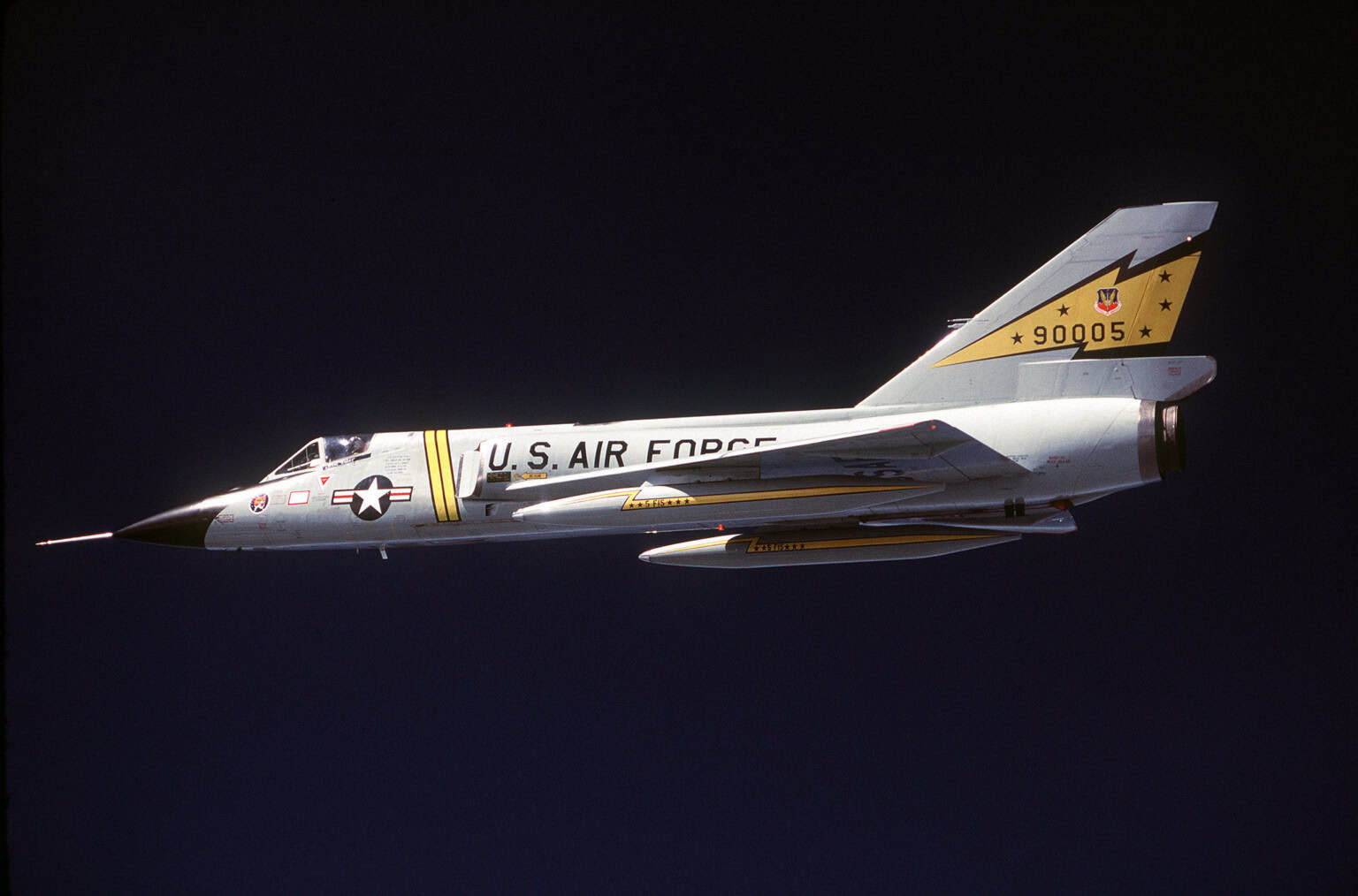
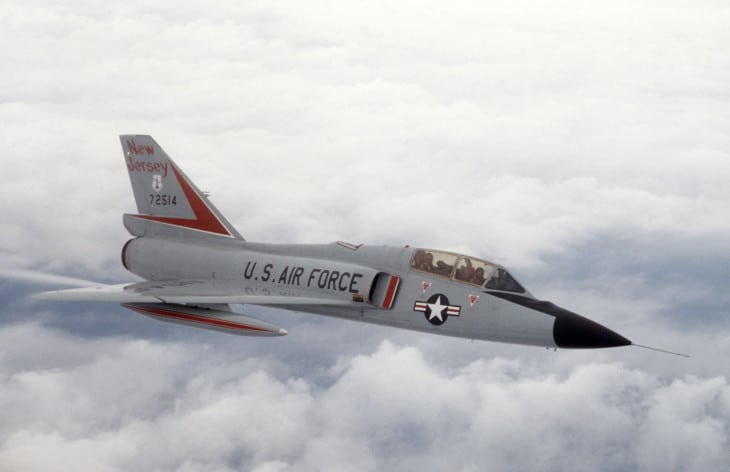
- Maximum speed: Mach 2.3, about 1,525 mph (2,455 km/h) at 40,000 ft
- World absolute speed record: 1,525.95 mph (2,455 km/h), 15 December 1959
- In service 1959, retired from the Air National Guard in 1988
On 15 December 1959, Major Joe Rogers flew an F-106A over an eleven-mile course at 40,000 feet and set a world absolute speed record of 1,525.95 mph. It remains the fastest speed ever recorded by a single-engine production jet.
The flight was the point of Project Firewall, a joint Convair and Air Force effort to take the record back from a Soviet prototype that had managed 1,491.26 mph two months earlier.
The Delta Dart was not a brief experiment. It guarded North American airspace for nearly thirty years, from 1959 until the last Air National Guard aircraft stood down in 1988, and it never fired a shot in anger.
8. Mikoyan MiG-29 Fulcrum: Mach 2.3
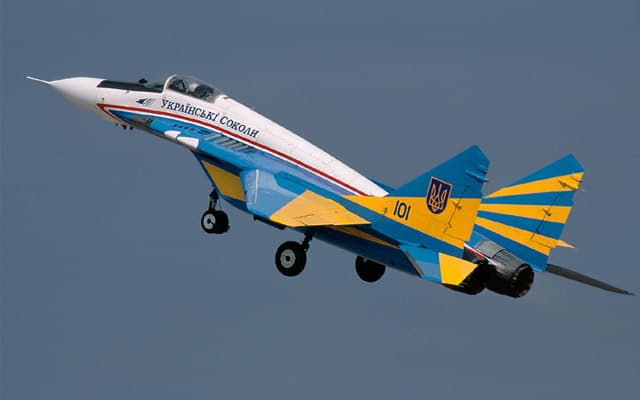
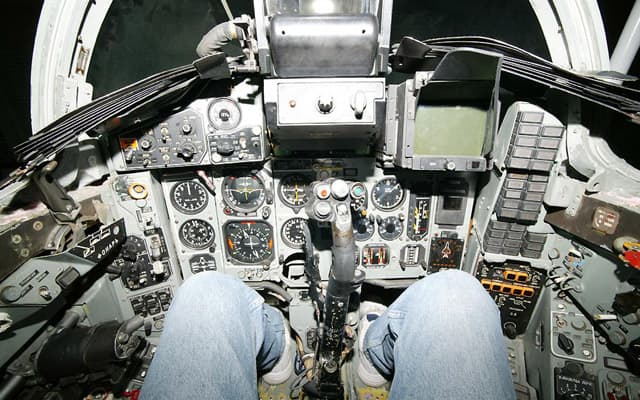

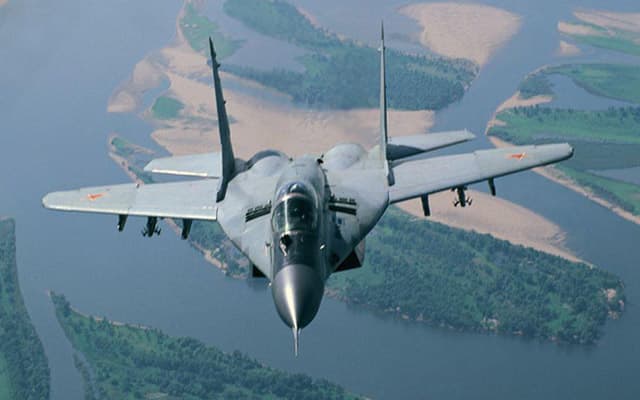
- Maximum speed: Mach 2.3, about 1,522 mph (2,450 km/h) at altitude
- In service 1983, over 1,600 built
The MiG-29 was designed as the smaller, cheaper partner to the Su-27, in the same way the F-16 partners the F-15. It ended up faster than either American jet.
Its party trick was the helmet-mounted sight paired with the R-73 missile, which let a Fulcrum pilot shoot at a target simply by looking at it. Western air forces spent most of the 1990s catching up after German Fulcrums inherited from the East showed what it could do.
Its weakness was never speed but endurance. Internal fuel is modest, so a Fulcrum flown hard does not stay airborne long.
9. Lockheed Martin F-22 Raptor: Mach 2.25

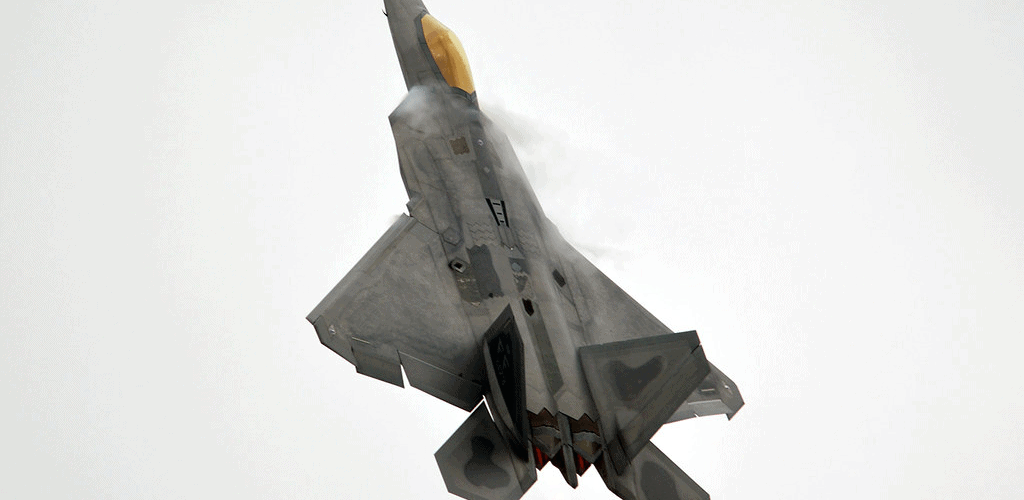
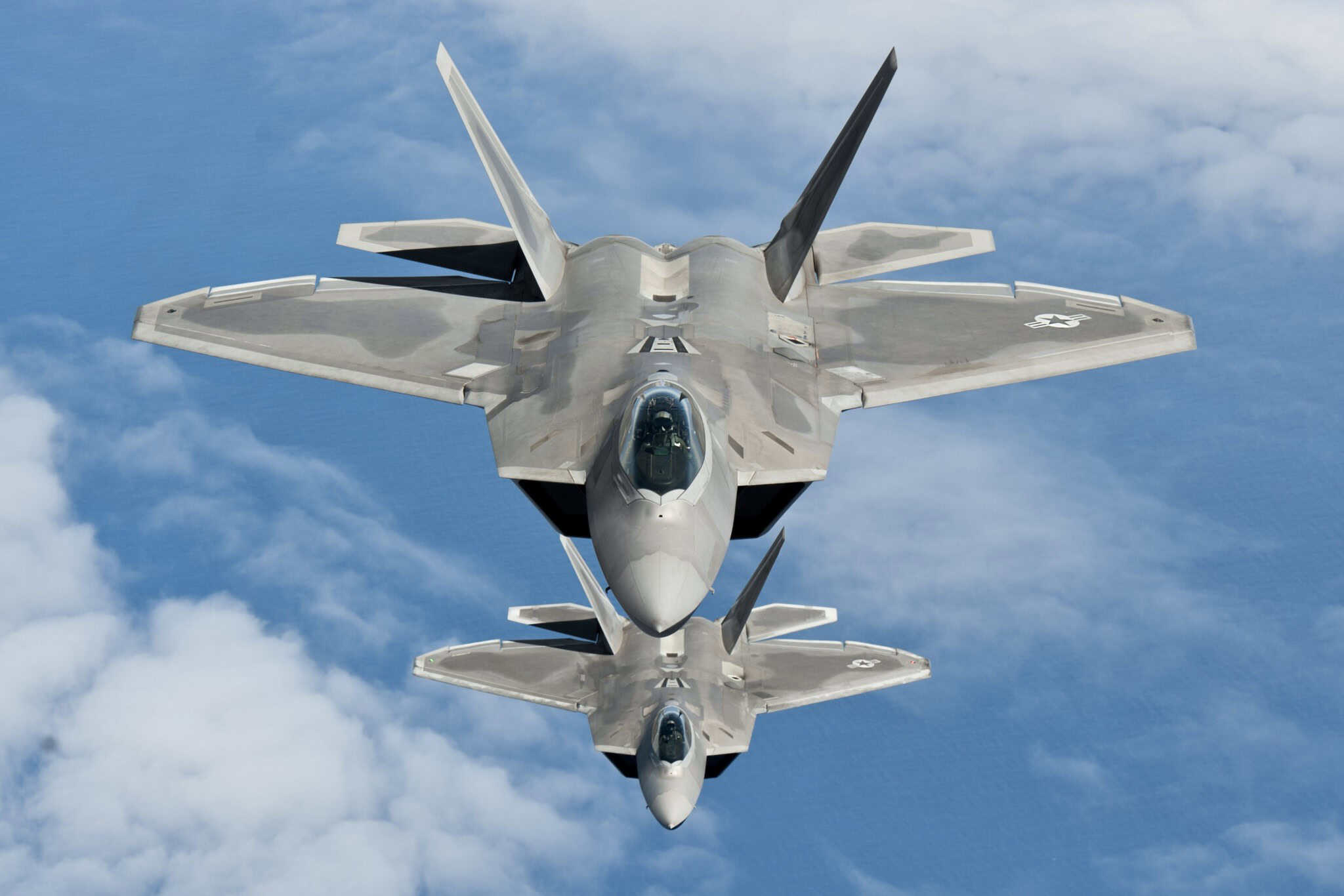


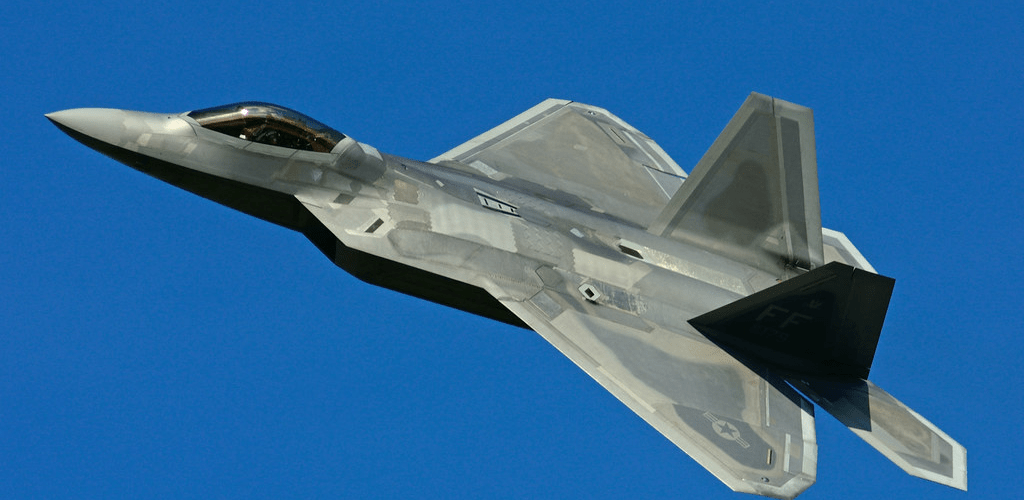


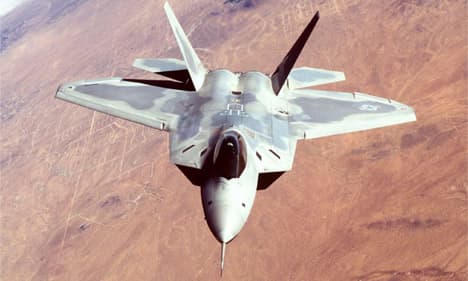

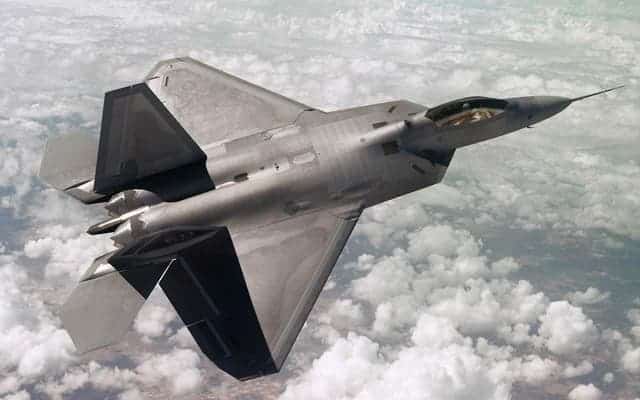

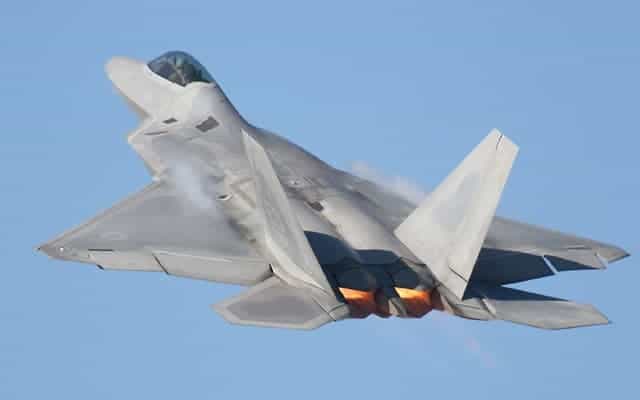
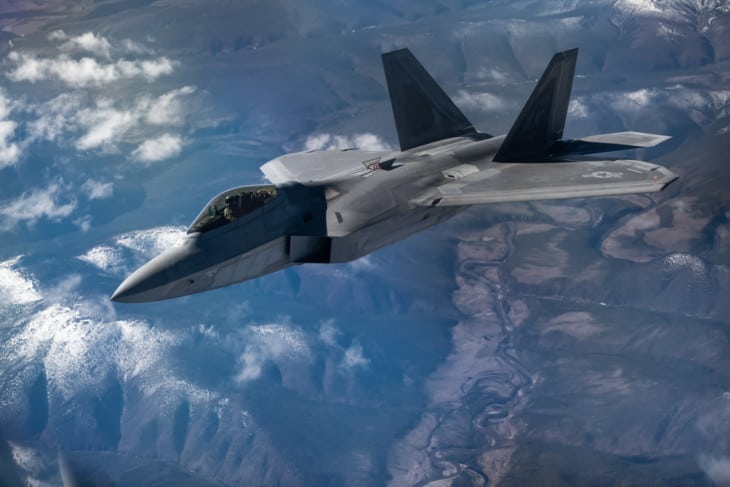
- Maximum speed: Mach 2.25, about 1,500 mph (2,414 km/h) at altitude
- Supercruise: Mach 1.76, about 1,162 mph (1,870 km/h), no afterburner
- First flight 1997, in service 2005, 195 built, production ended 2011
The F-22 is slower flat out than an F-15 built twenty-five years earlier, and that is not a design failure. Stealth requires internal weapons bays, which means a fatter fuselage and more drag.
What the Raptor has instead is supercruise. It sustains about Mach 1.76 without lighting the afterburners, so it can cross a threat area supersonic while burning fuel at subsonic rates.
That is worth more in combat than a higher number on a spec sheet. An F-15 can beat Mach 2.25 for a few minutes; an F-22 can hold Mach 1.76 for as long as its fuel lasts.
Treat the Mach 2.25 figure with a little caution. The Air Force describes the F-22 only as a Mach 2 class aircraft, and the precise ceiling has never been published.
10. Sukhoi Su-35 Flanker-E: Mach 2.25


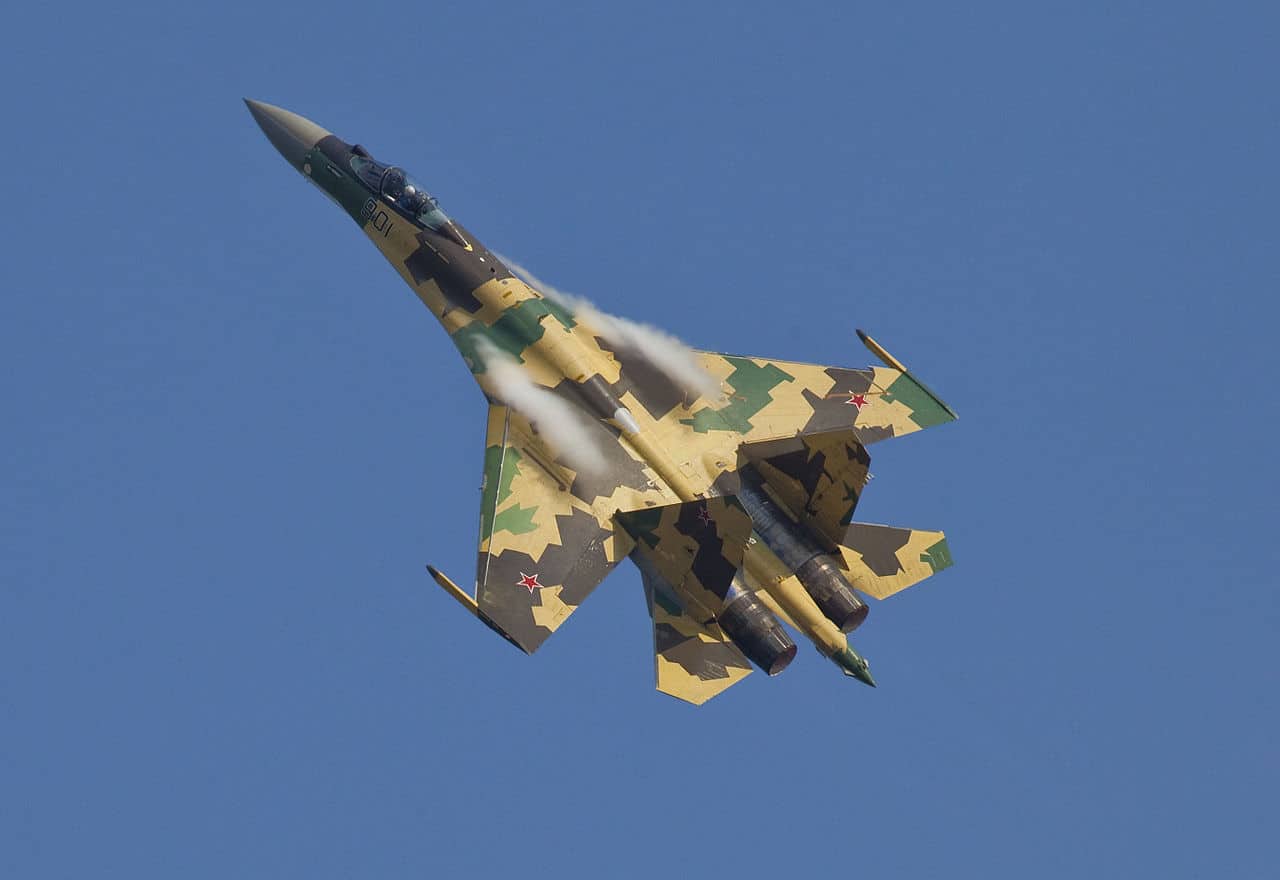
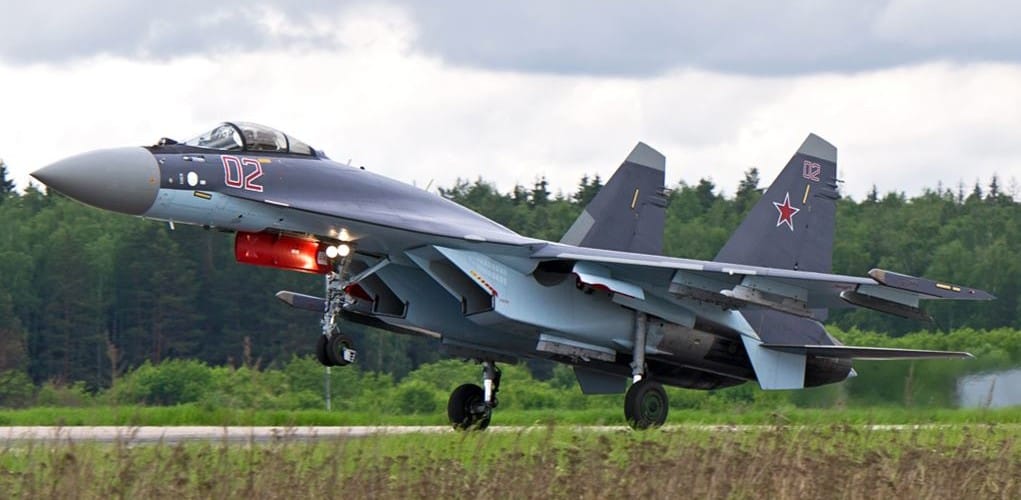


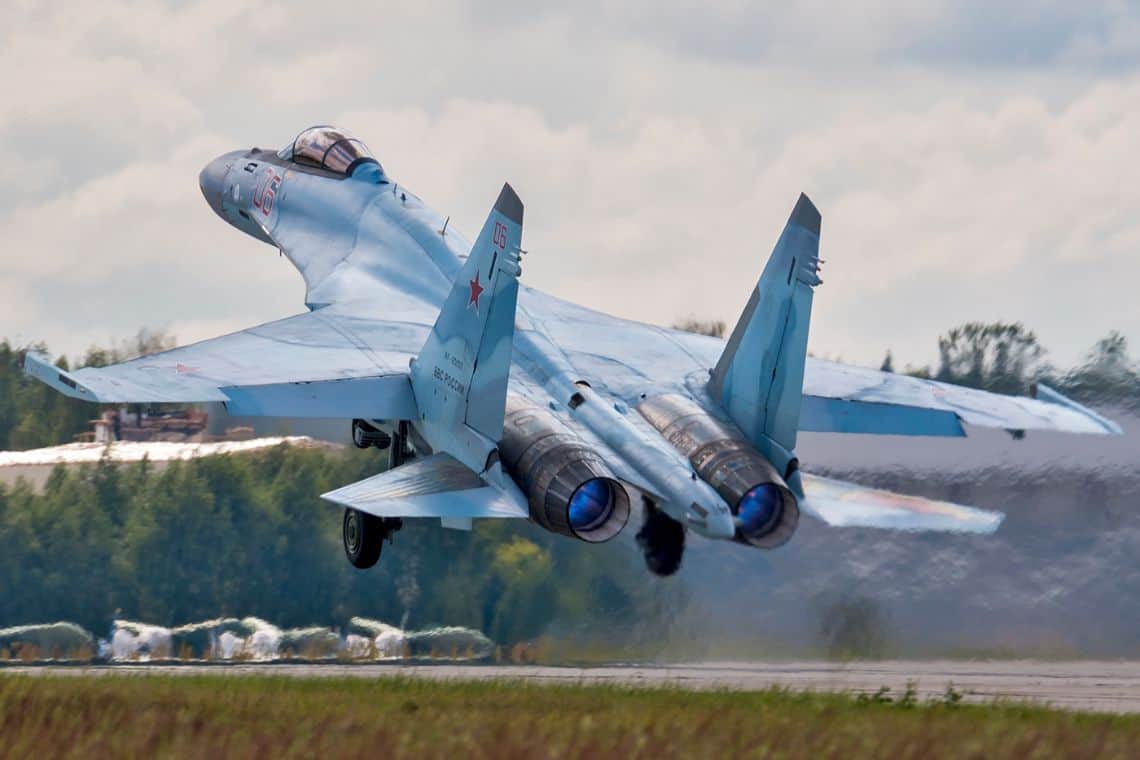
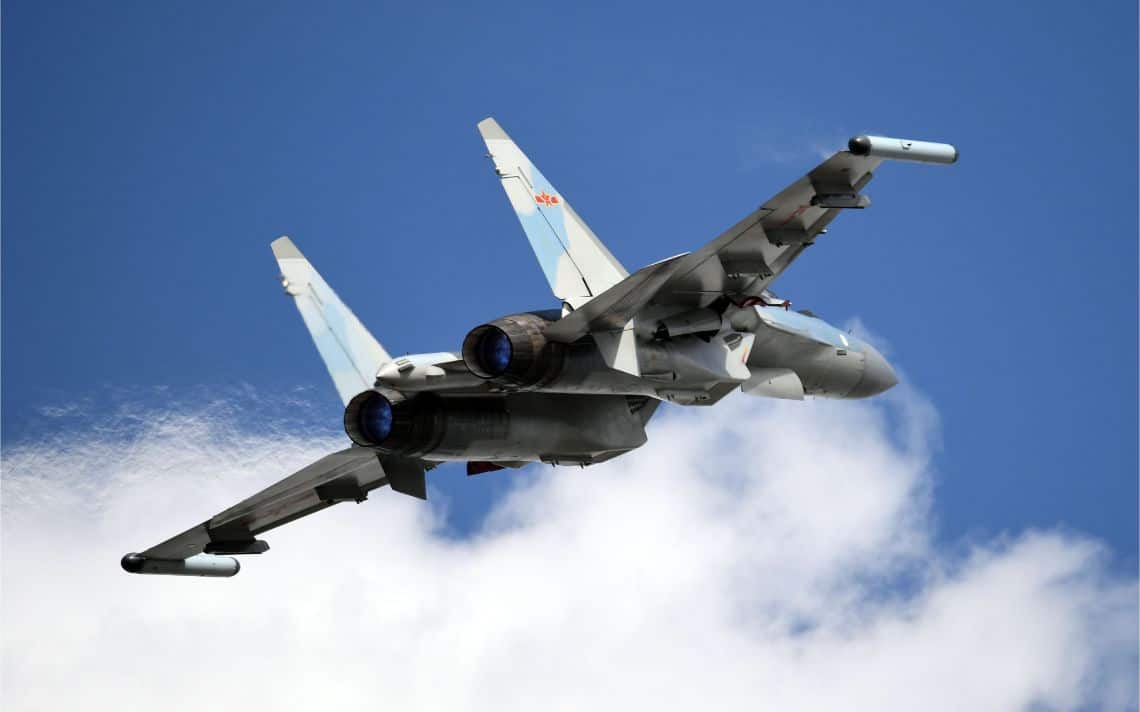
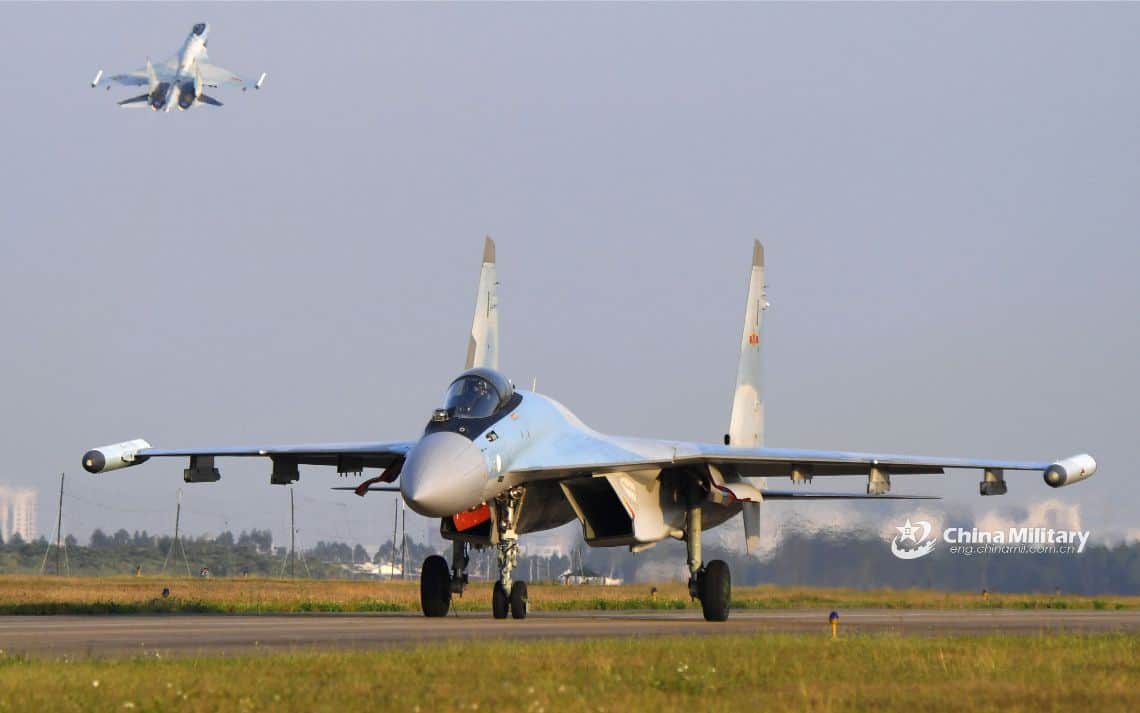
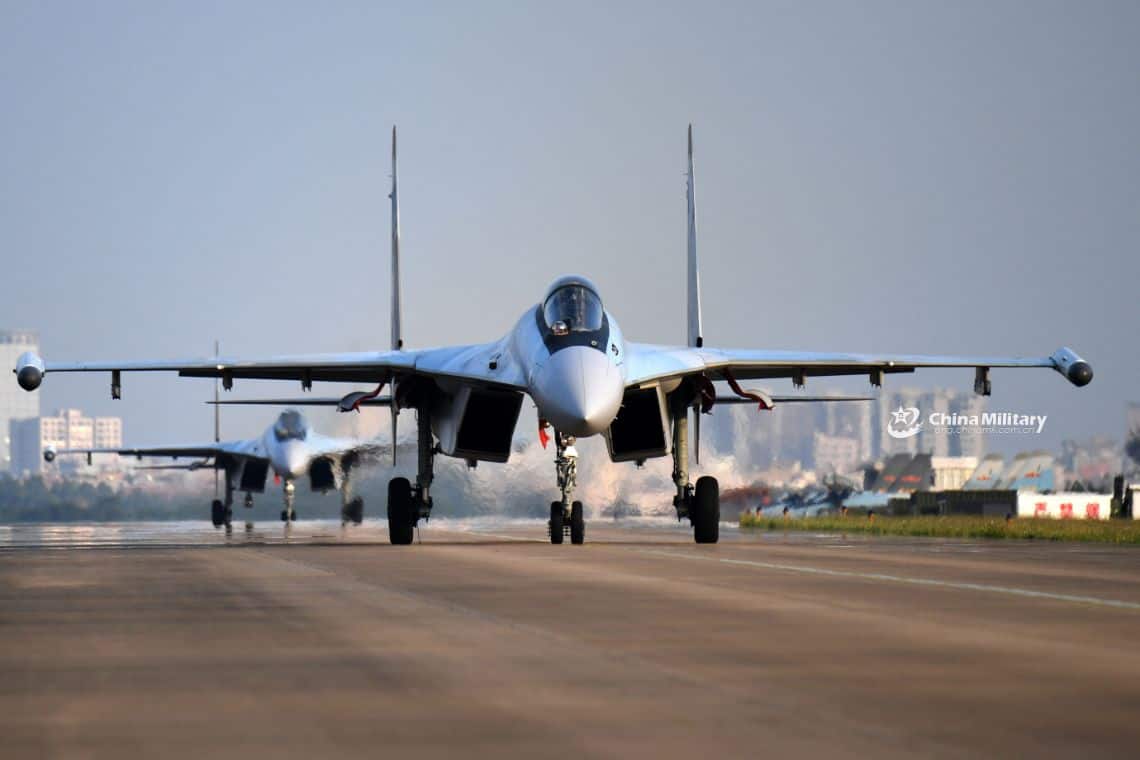

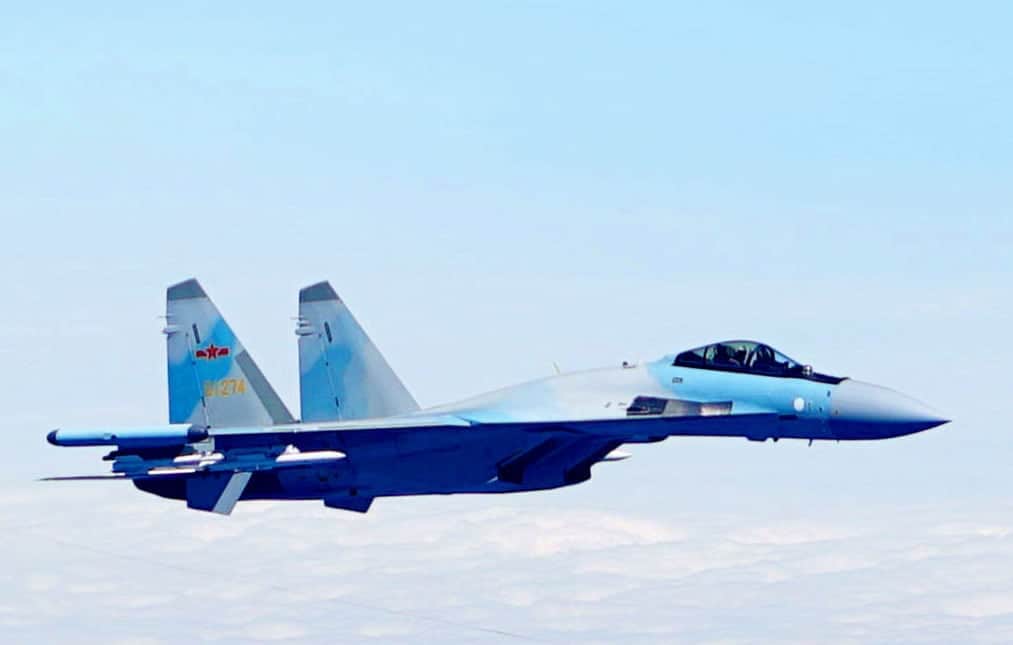
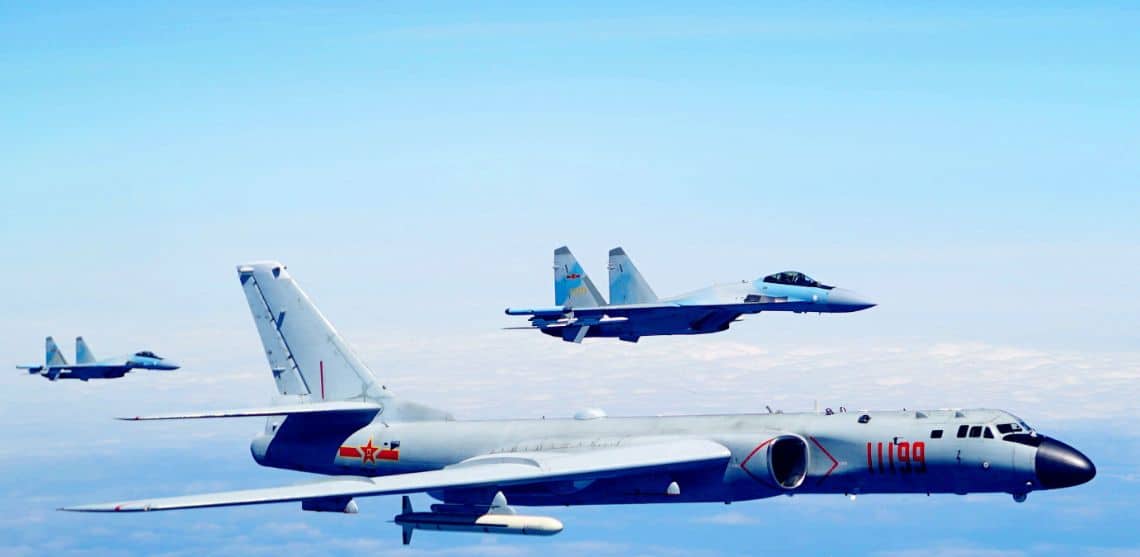
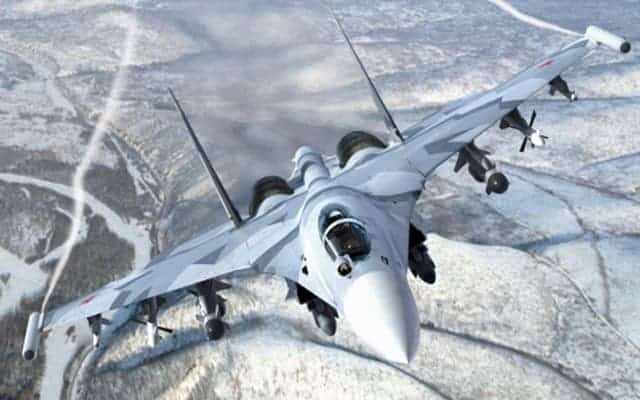
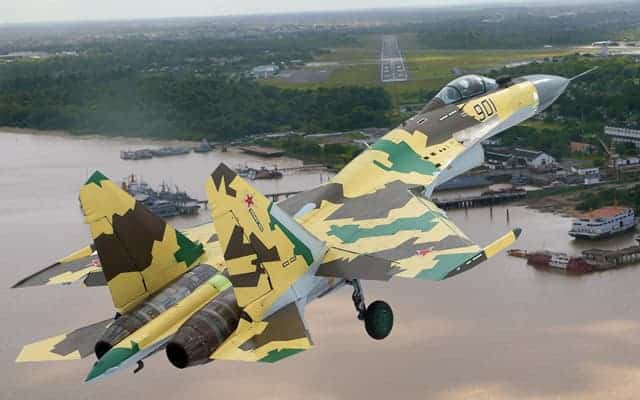

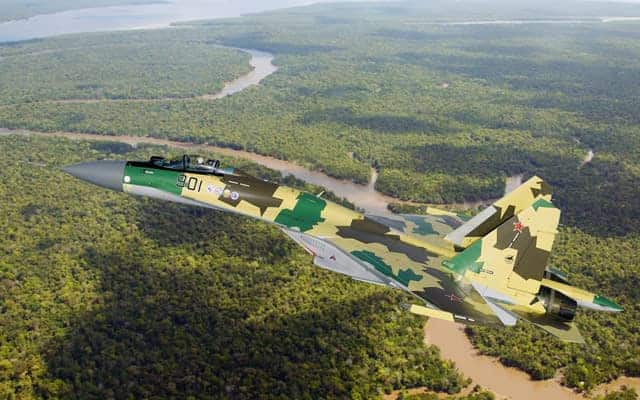
- Maximum speed: Mach 2.25, about 1,490 mph (2,400 km/h) at altitude
- Cruise: about 727 mph (1,170 km/h), with Mach 1.1 supercruise claimed
The Su-35S is the most heavily upgraded Flanker in service, with thrust-vectoring nozzles that let it point its nose almost anywhere at low speed.
It gives up a little top-end speed to the original Su-27 because it carries more equipment and more fuel, which is the recurring trade in this list: capability costs Mach.
11. McDonnell Douglas F-4 Phantom II: Mach 2.23


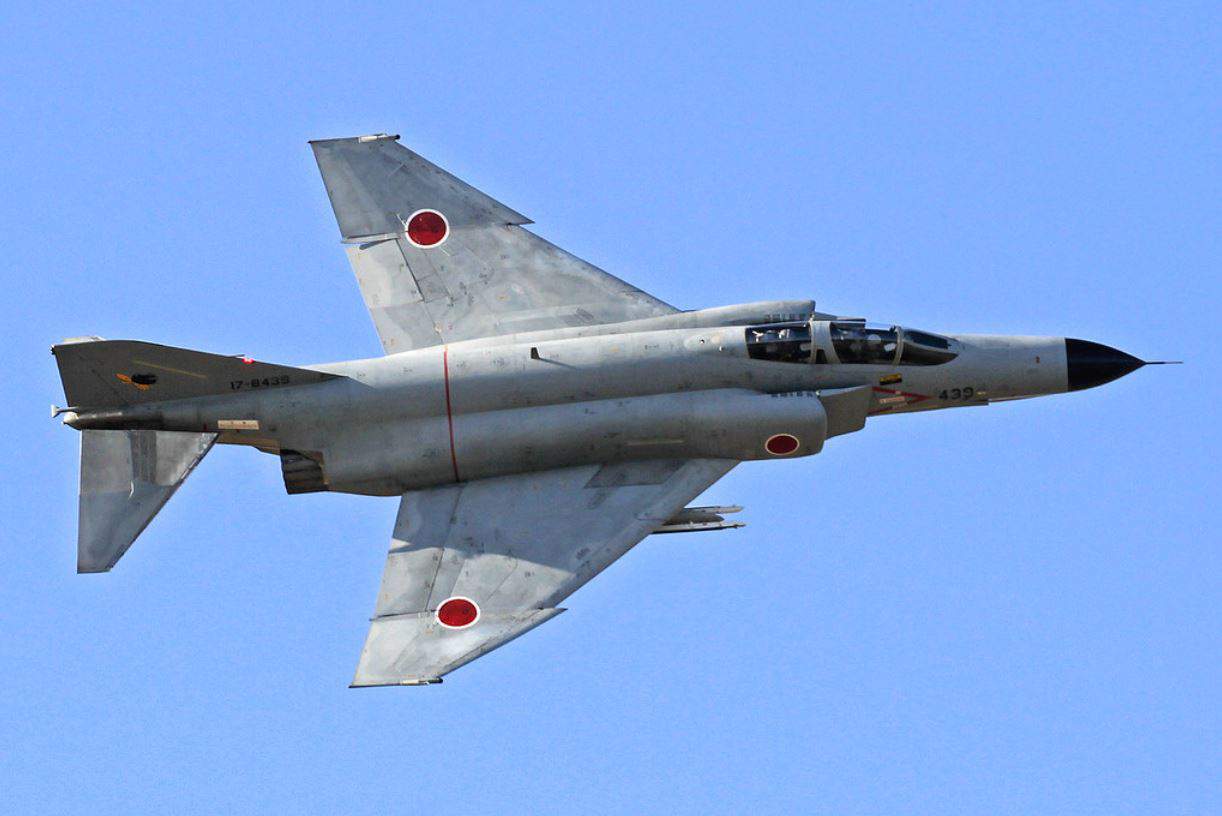


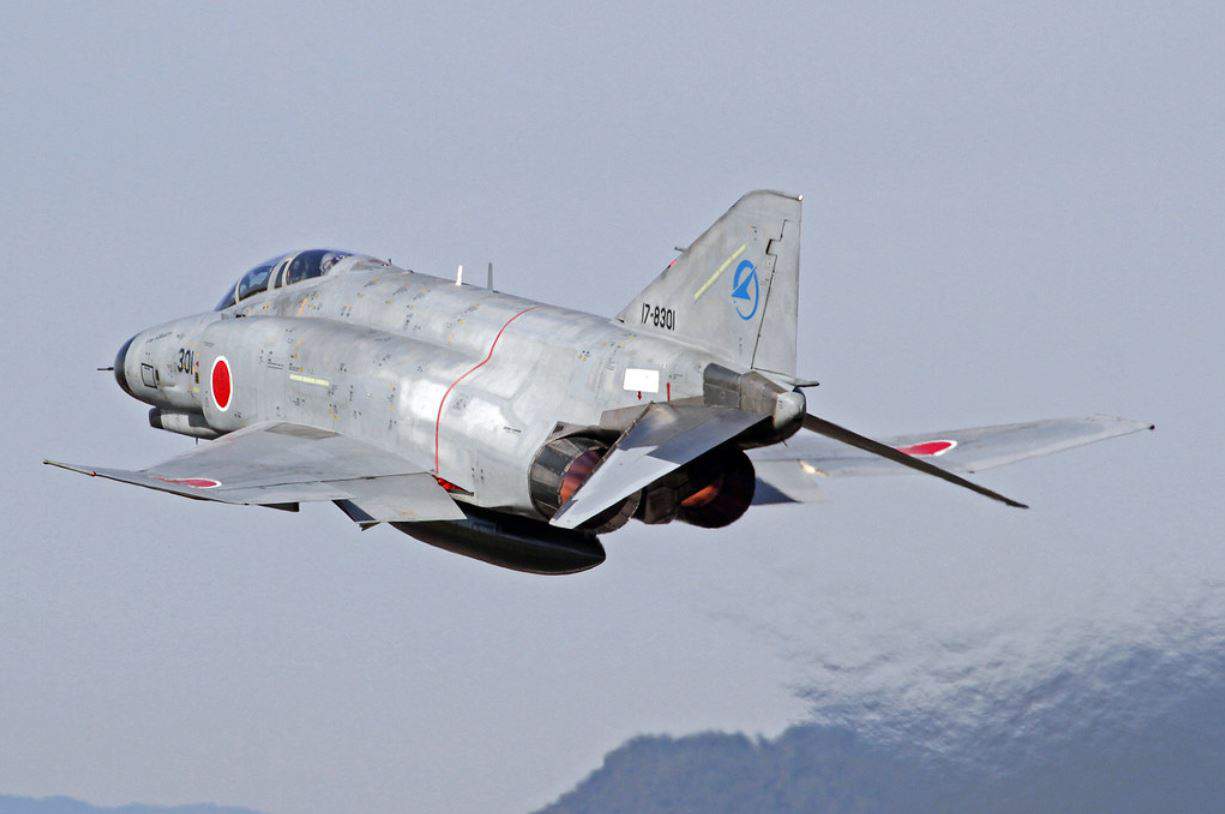

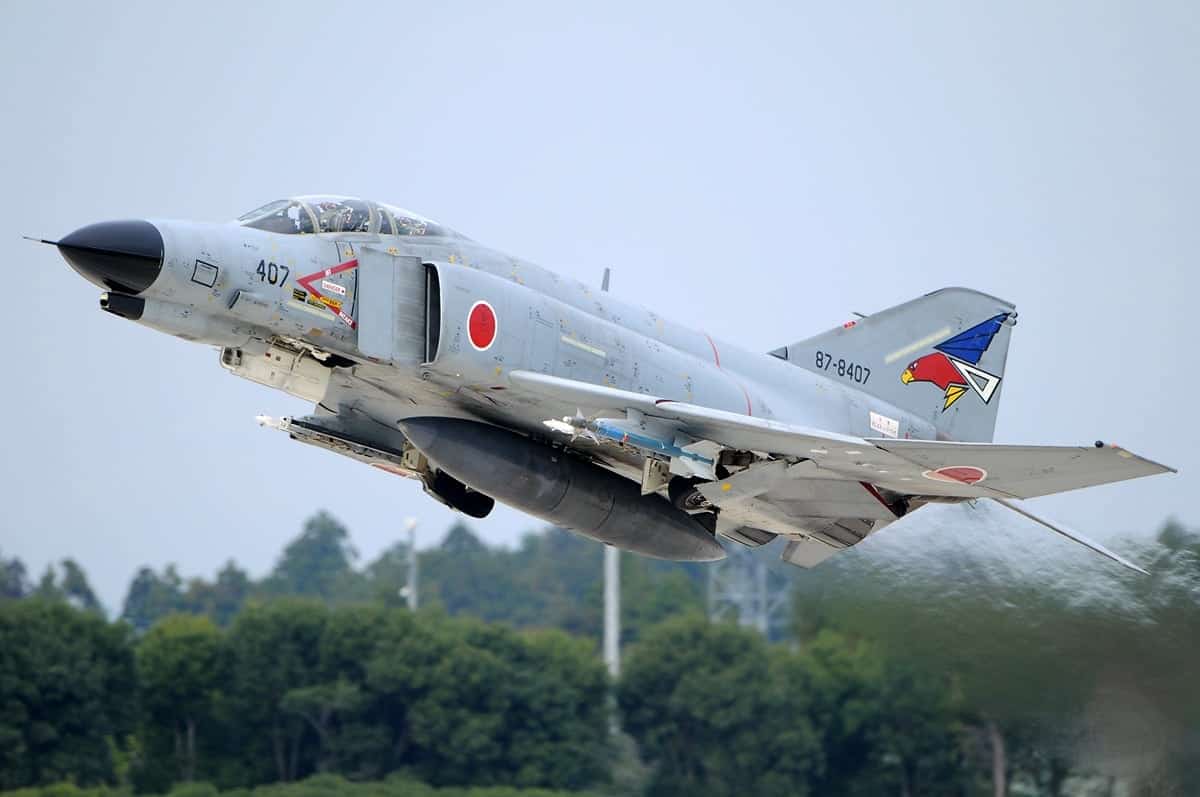
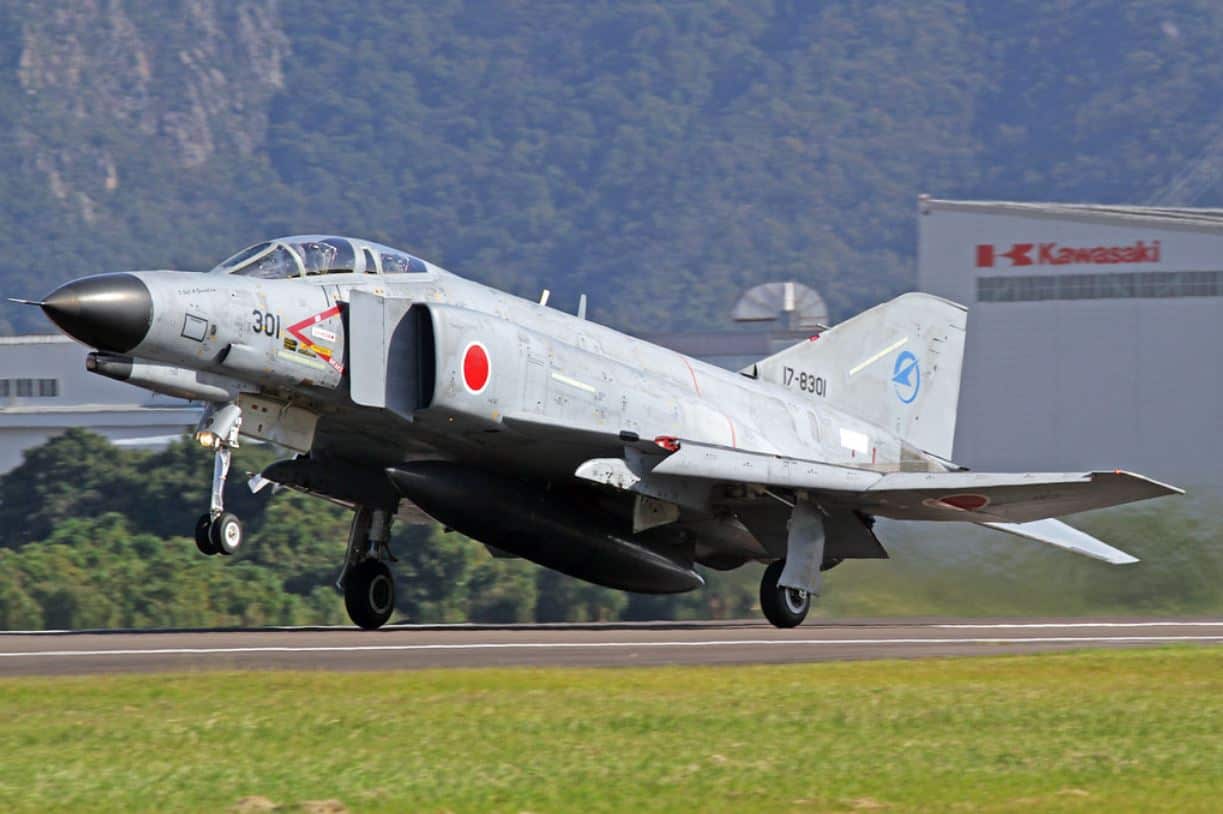
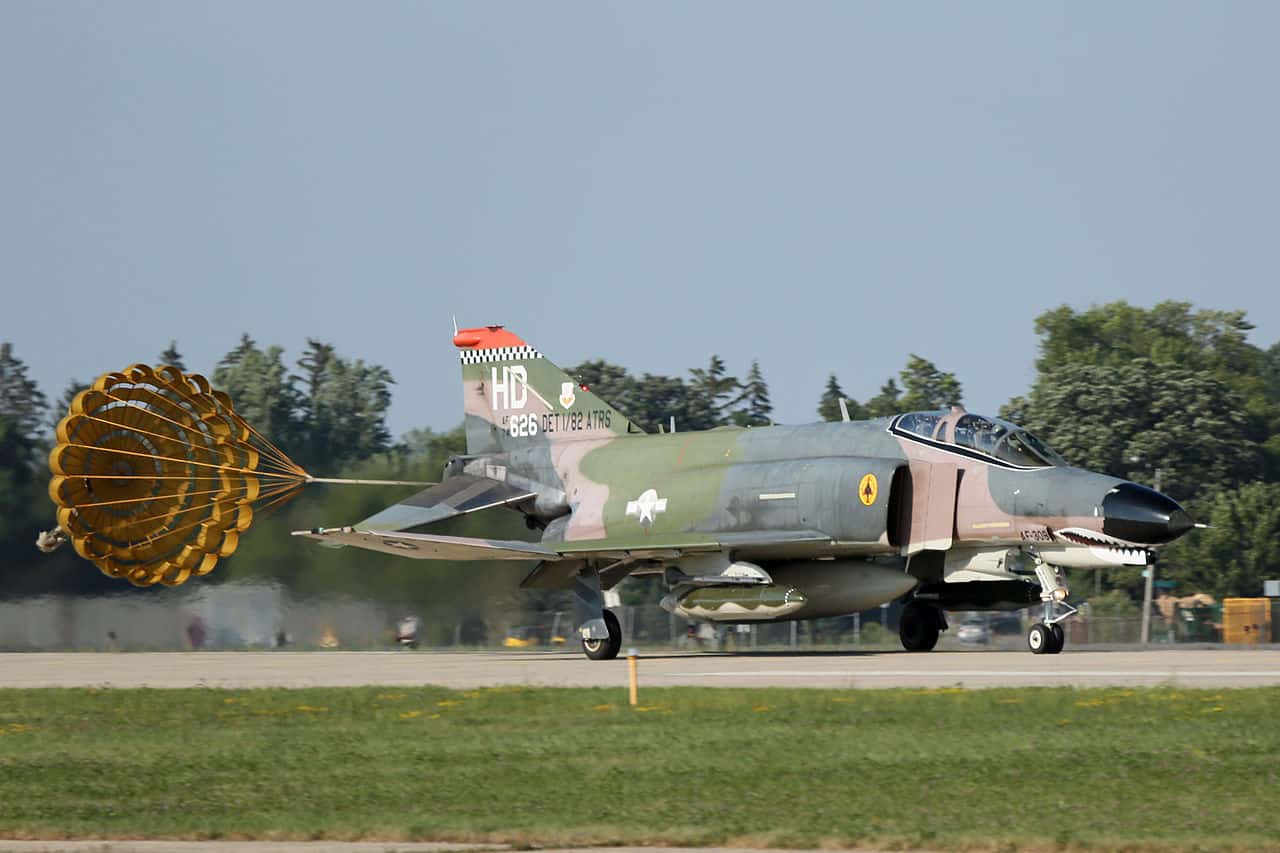
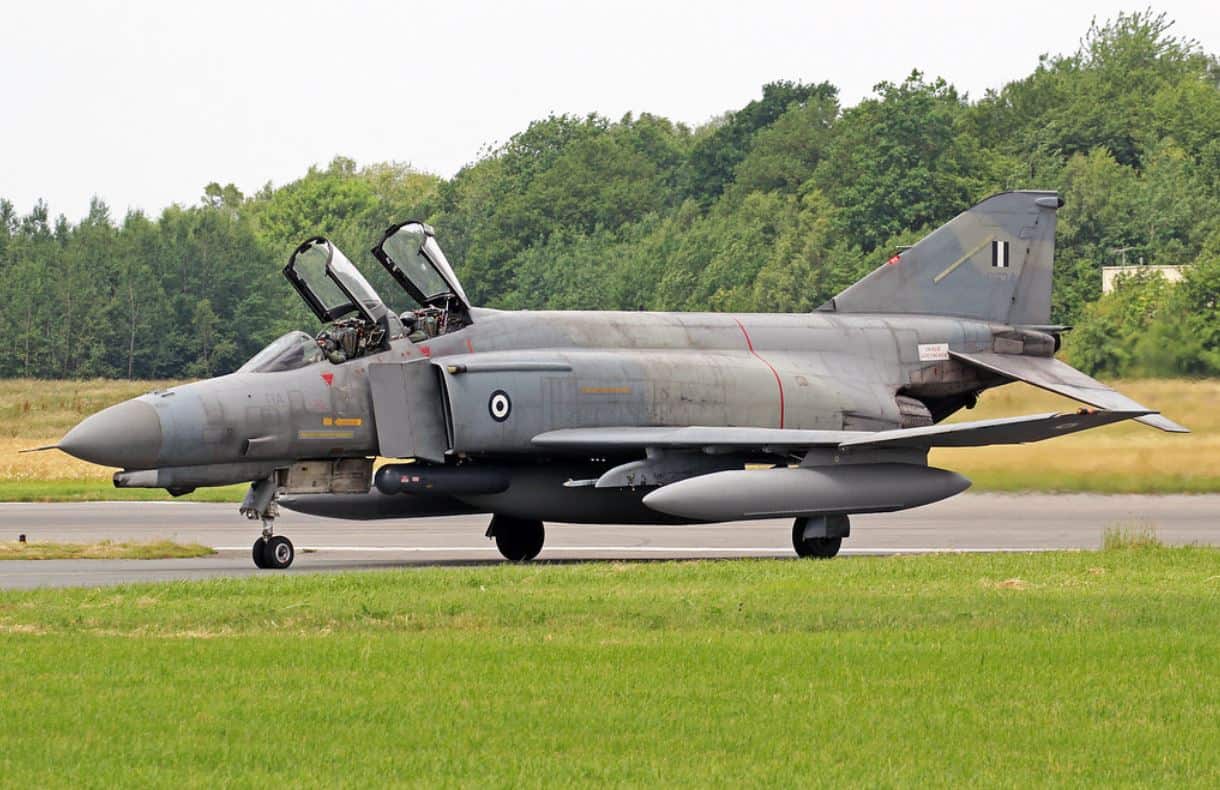
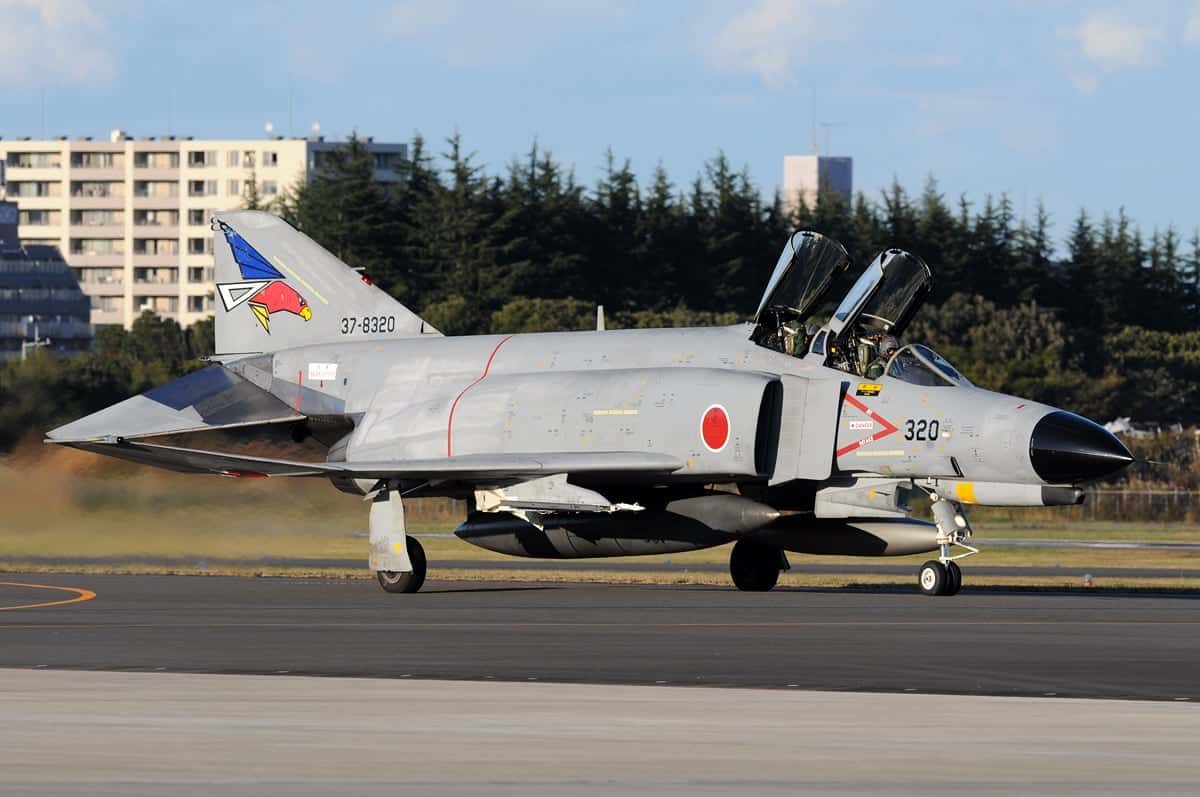
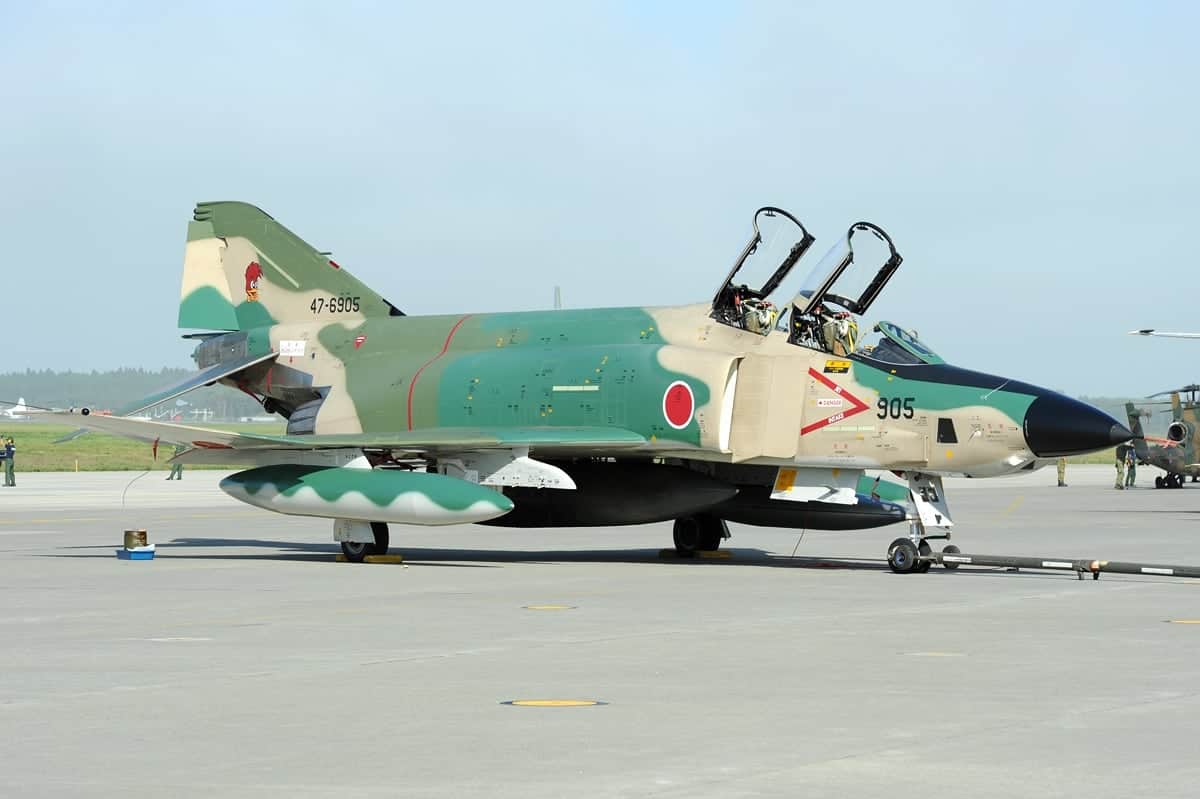
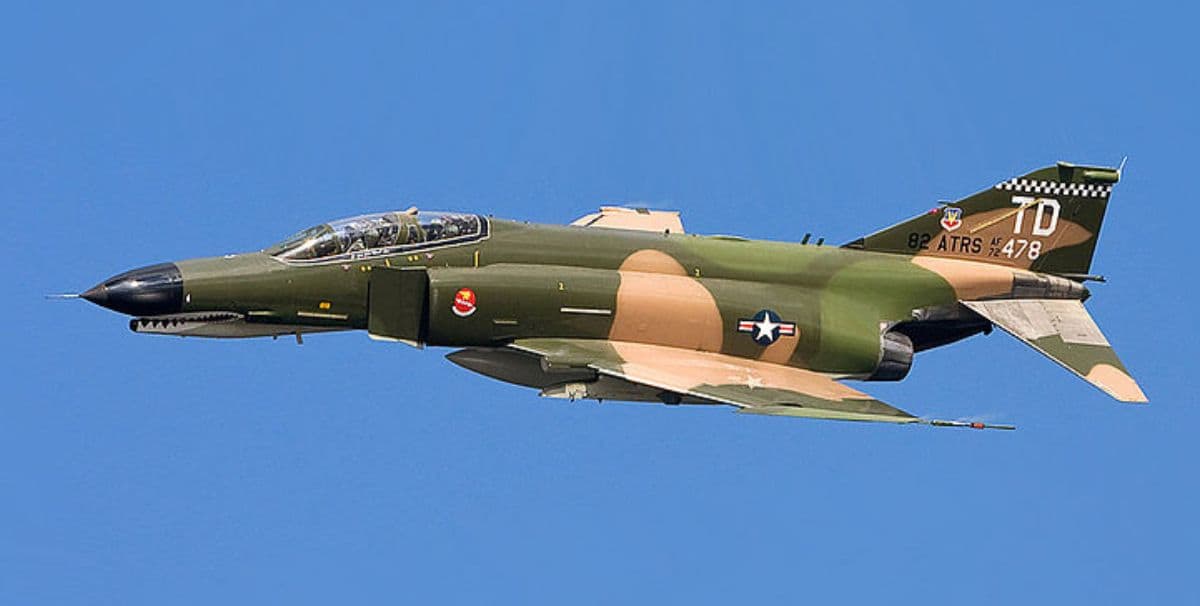

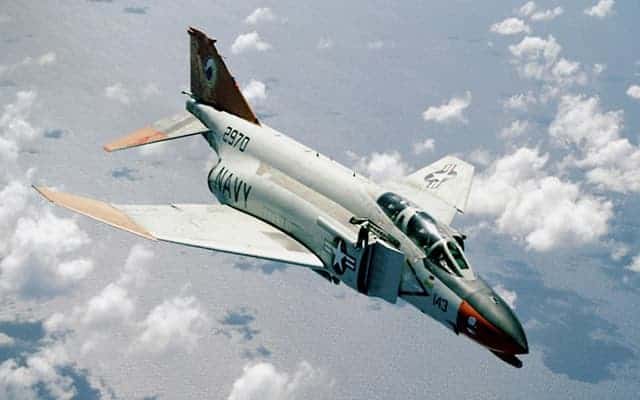
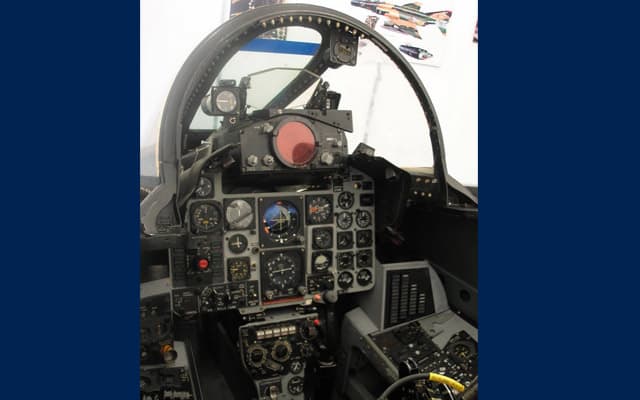
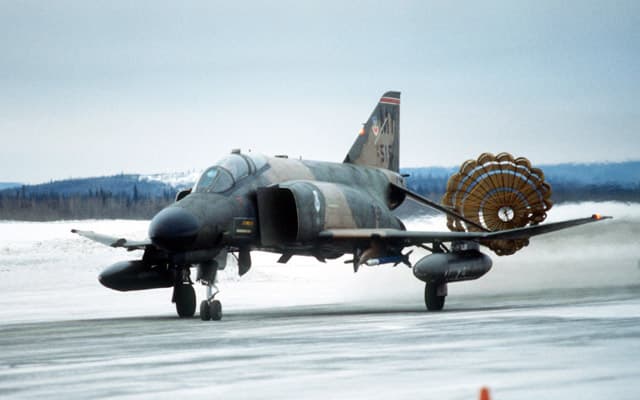
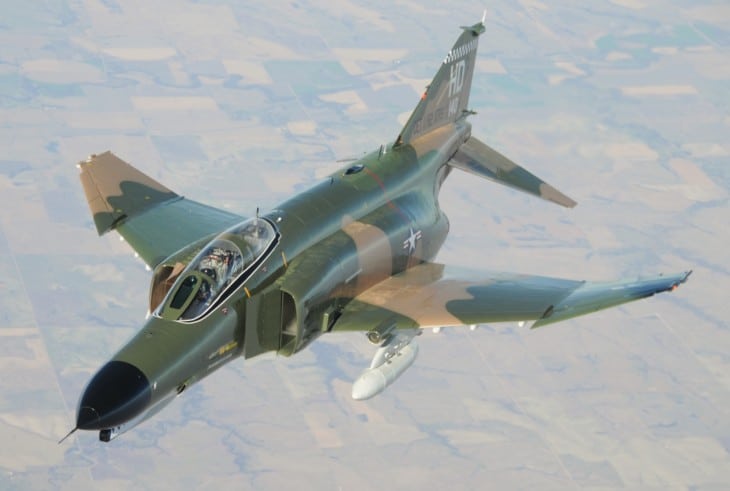
- Maximum speed: Mach 2.23, about 1,473 mph (2,370 km/h) at 40,000 ft
- In service December 1960, 5,195 built, still in limited service
The Phantom is the aircraft that made Mach 2 ordinary. It set fifteen world records in the early 1960s, including an absolute speed record and a sustained altitude record, and then went on to serve three American services at once.
It was fast, ugly and enormous, and it entered service without a gun because the designers assumed missiles had made dogfighting obsolete. Vietnam corrected that assumption, and later Phantoms got a cannon.
Nearly seventy years after its first flight in 1958, the F-4 is still flying. Iran and Turkey both keep Phantoms on strength, which makes it comfortably the oldest fighter design on this list still in operational use.
12. Lockheed F-104 Starfighter: Mach 2.2


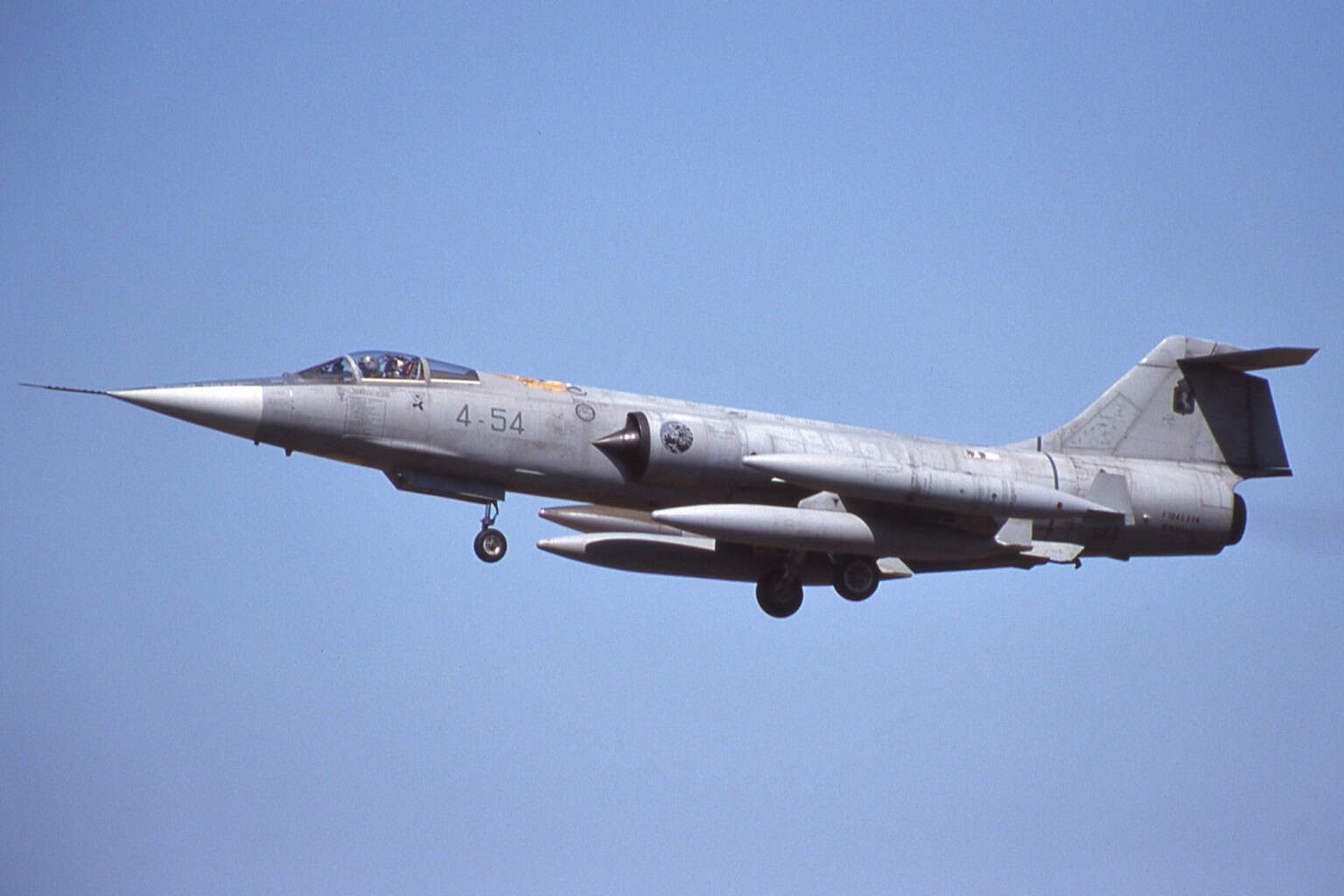


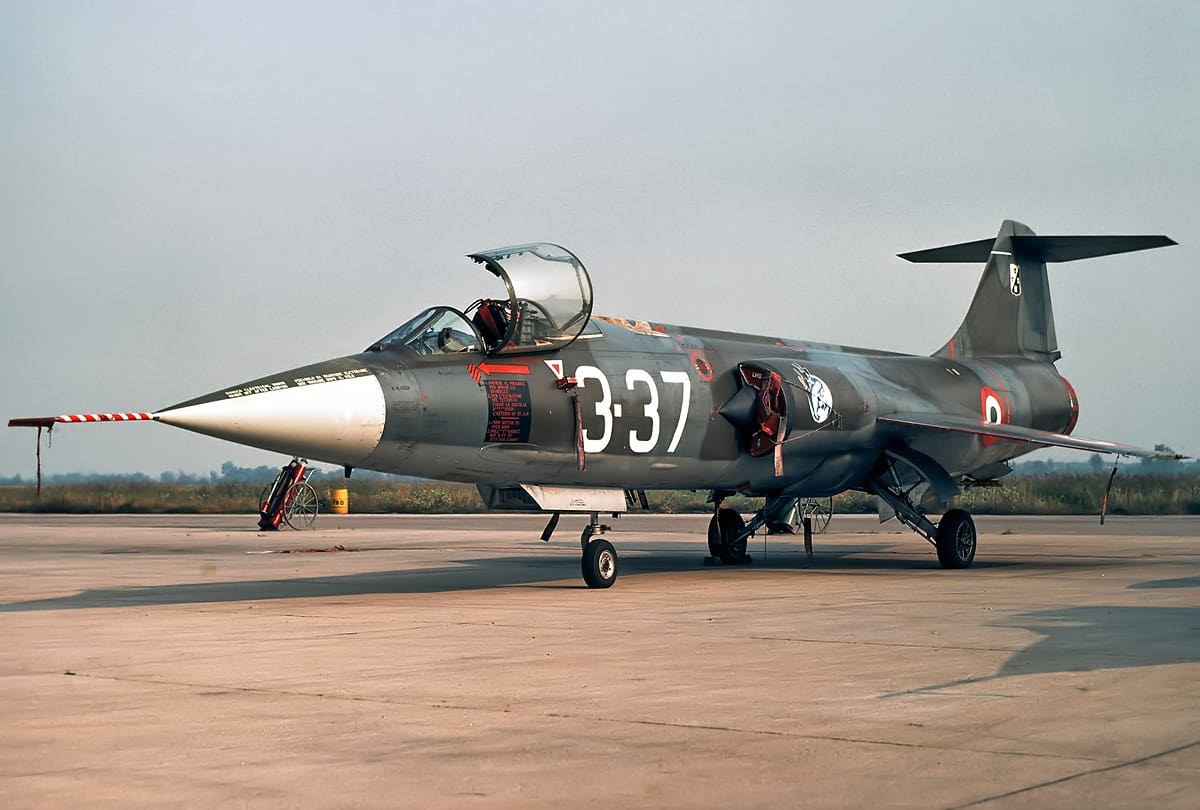


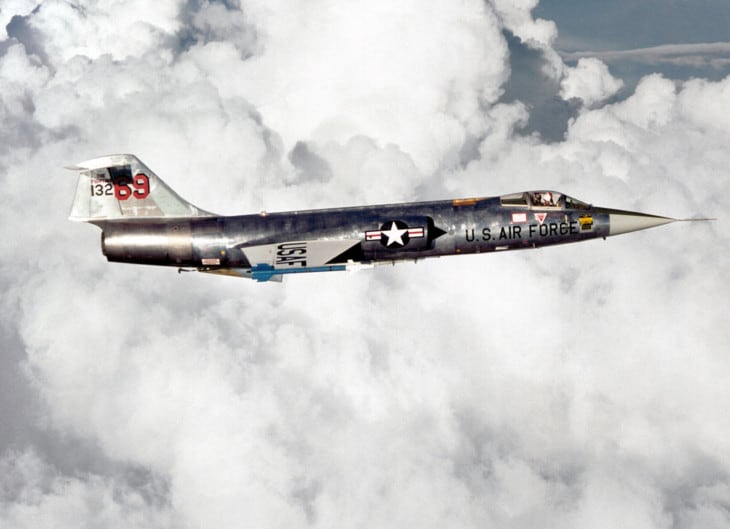
- Maximum speed: Mach 2.2, about 1,452 mph (2,336 km/h) at altitude
- In service 1958, retired by Italy in 2004
The Starfighter was the first fighter to hold the world speed and altitude records at the same time, and its wings were so thin that ground crews fitted protective covers to stop people cutting themselves on the leading edges.
It was designed as a pure point interceptor and then sold to European air forces as a low-level strike aircraft, a job it was badly suited to. West Germany lost 292 of its 916 Starfighters and 116 pilots.
The nickname that followed it around, the Widowmaker, is the clearest illustration in aviation that speed and safety are unrelated.
13. Dassault Mirage 2000: Mach 2.2

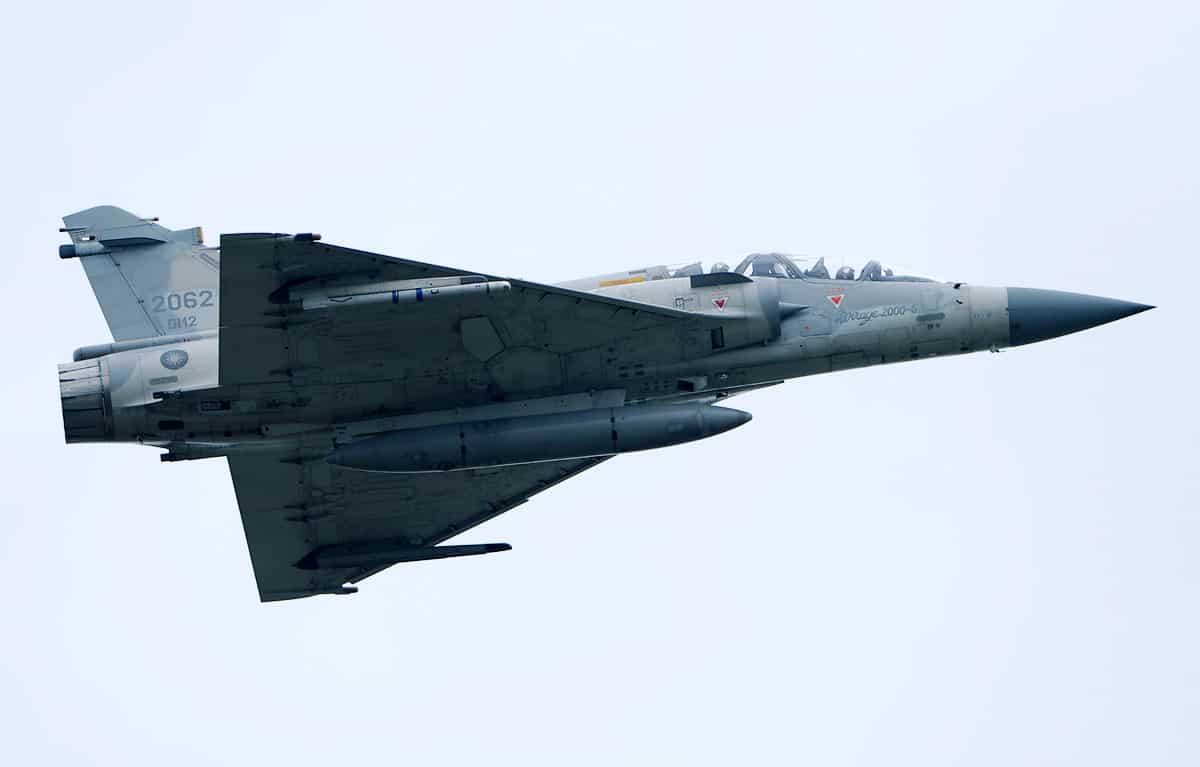


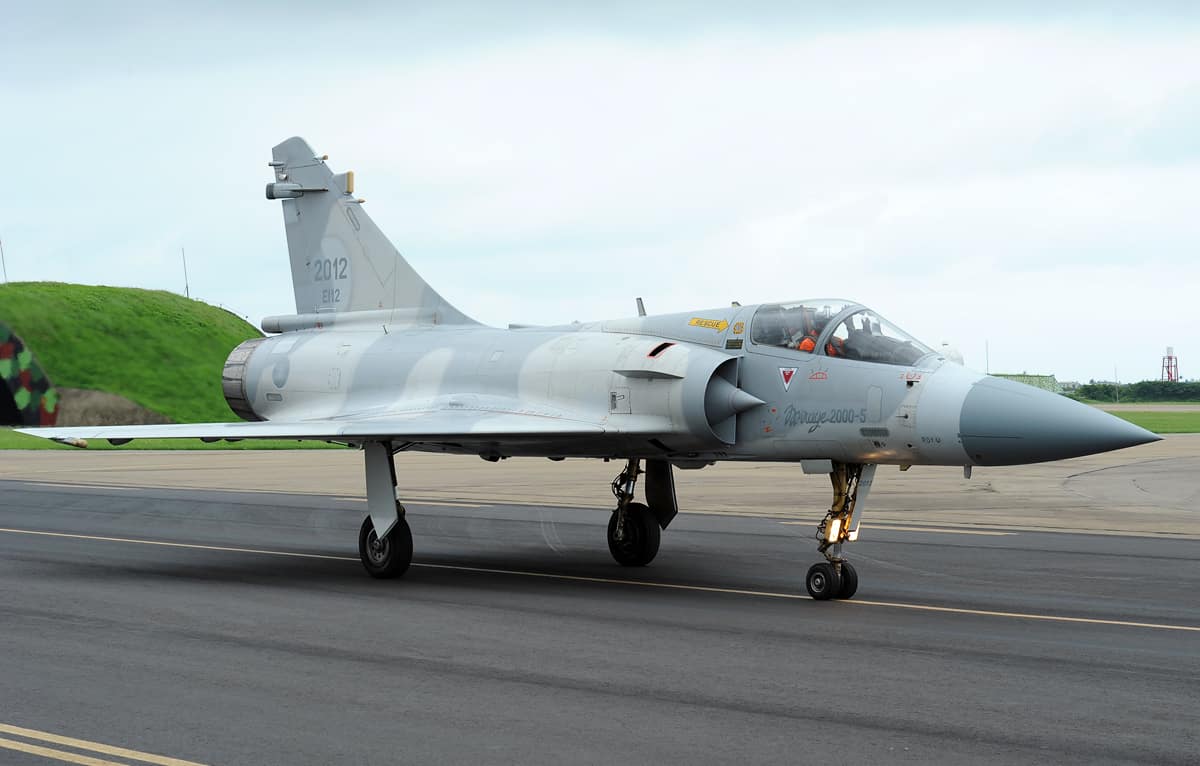
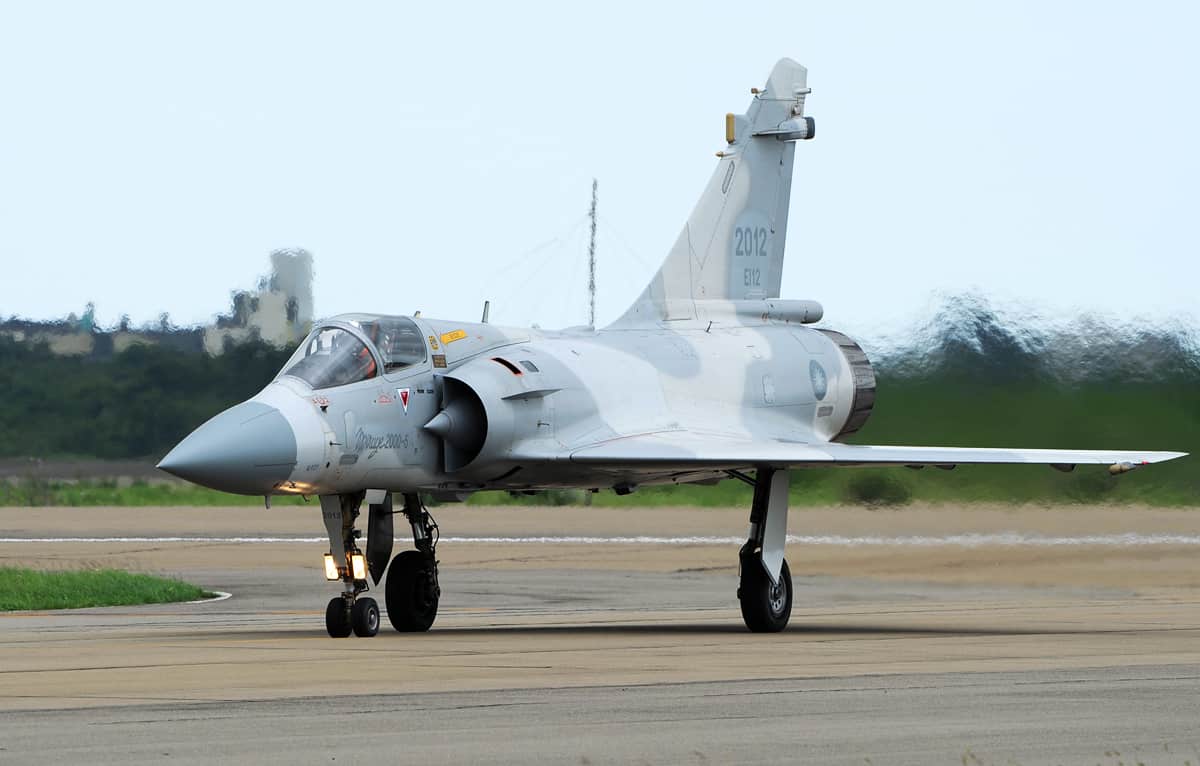


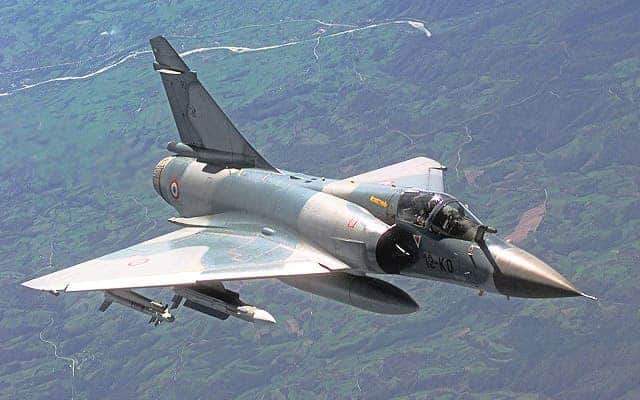
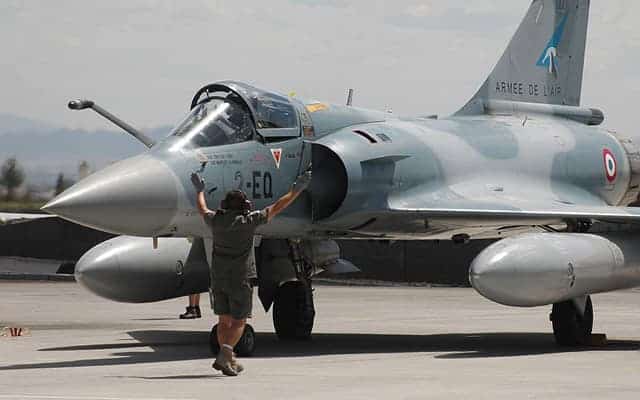
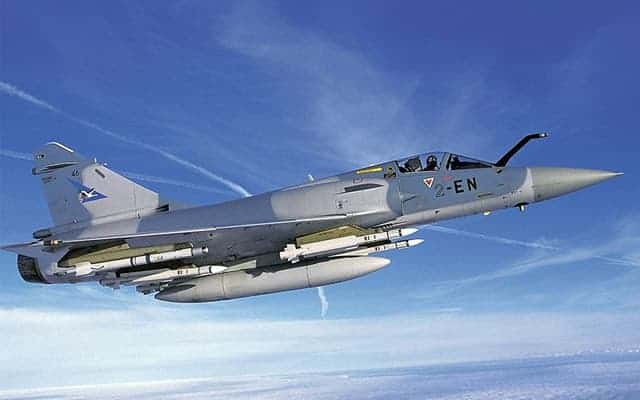
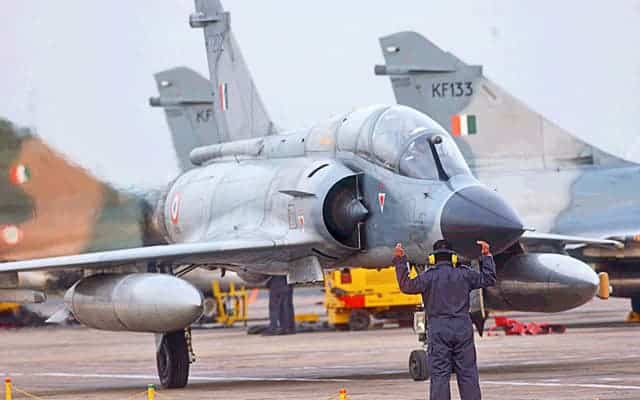
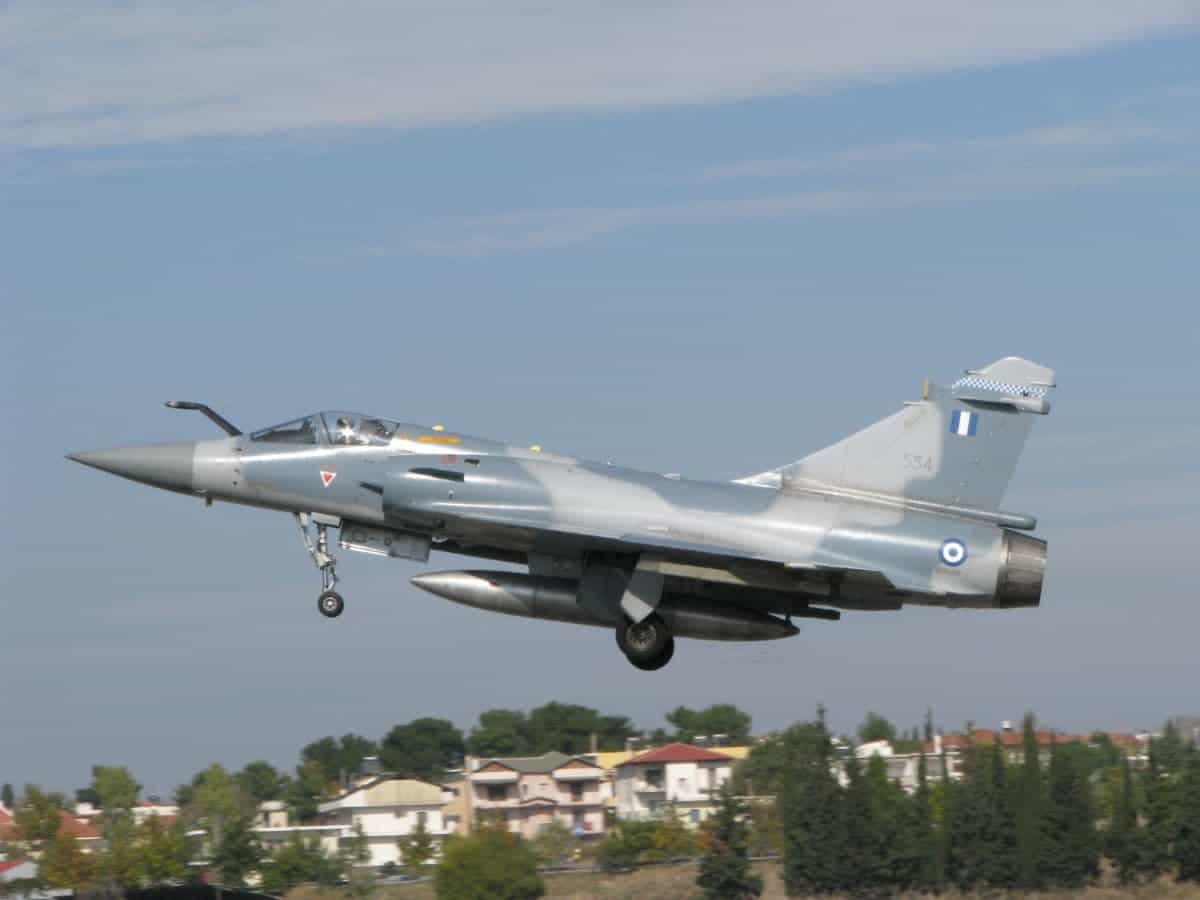
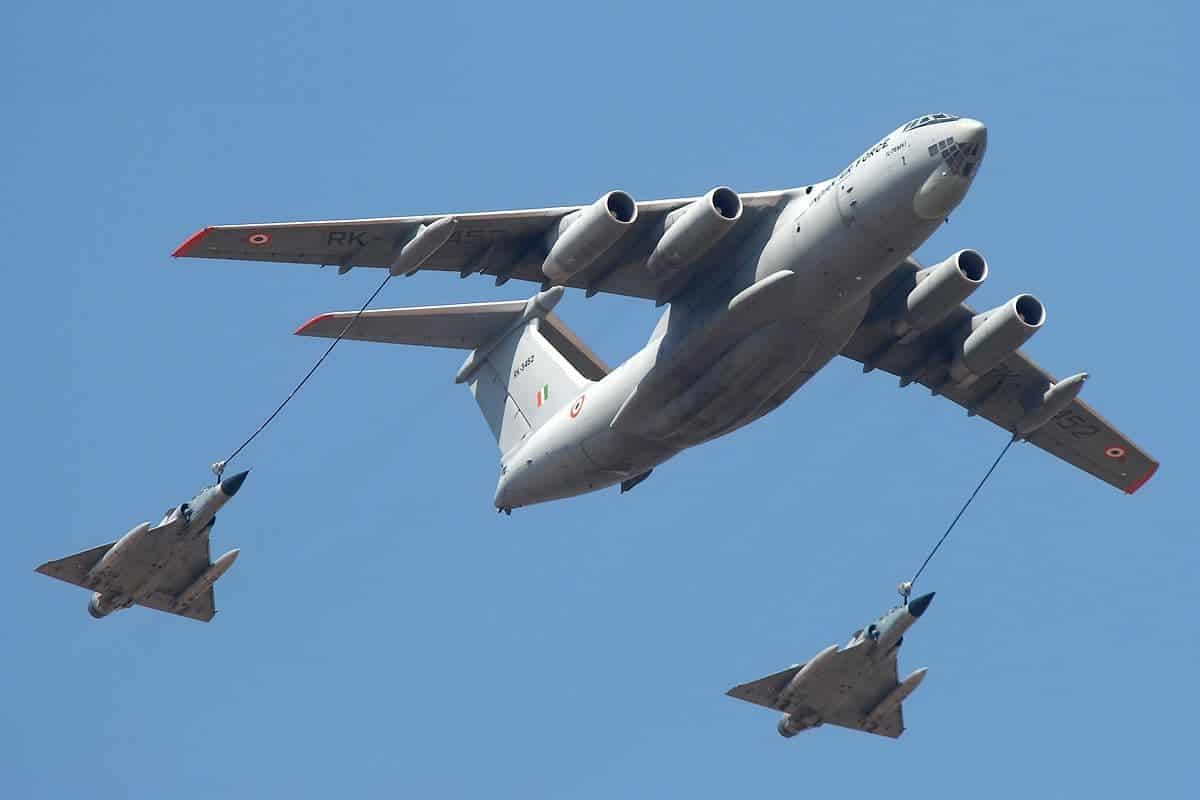
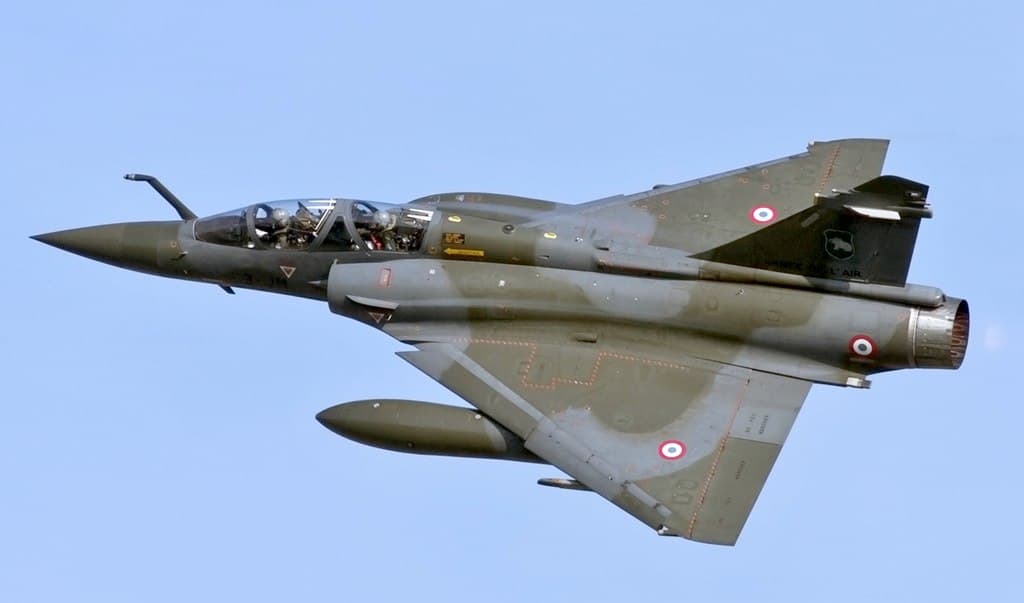
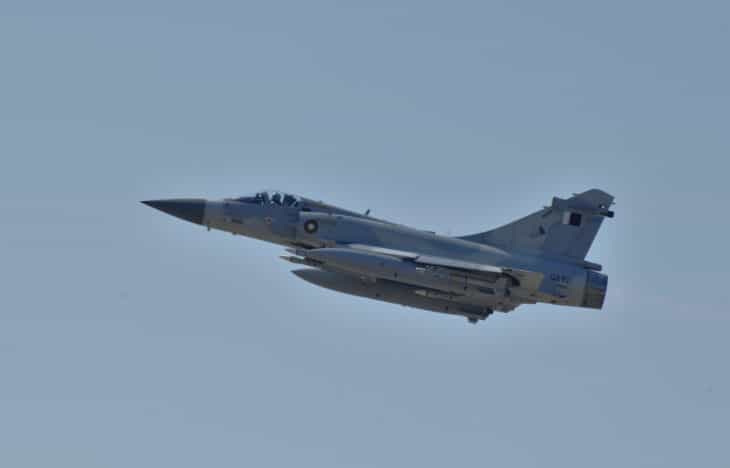
- Maximum speed: Mach 2.2, about 1,451 mph (2,336 km/h) at high altitude
- First flight 1978, in service 1984, around 600 built
The Mirage 2000 is the fastest French fighter, and it is quicker than the Rafale that replaced it. Its delta wing is superb at high speed and high altitude and demanding at low speed, which is the classic delta trade.
France still flies the type alongside the Rafale, and it serves with India, Egypt, the UAE, Greece and Taiwan among others. Ukraine received its first Mirage 2000-5F aircraft from France in February 2025.
14. Republic F-105 Thunderchief: Mach 2.1
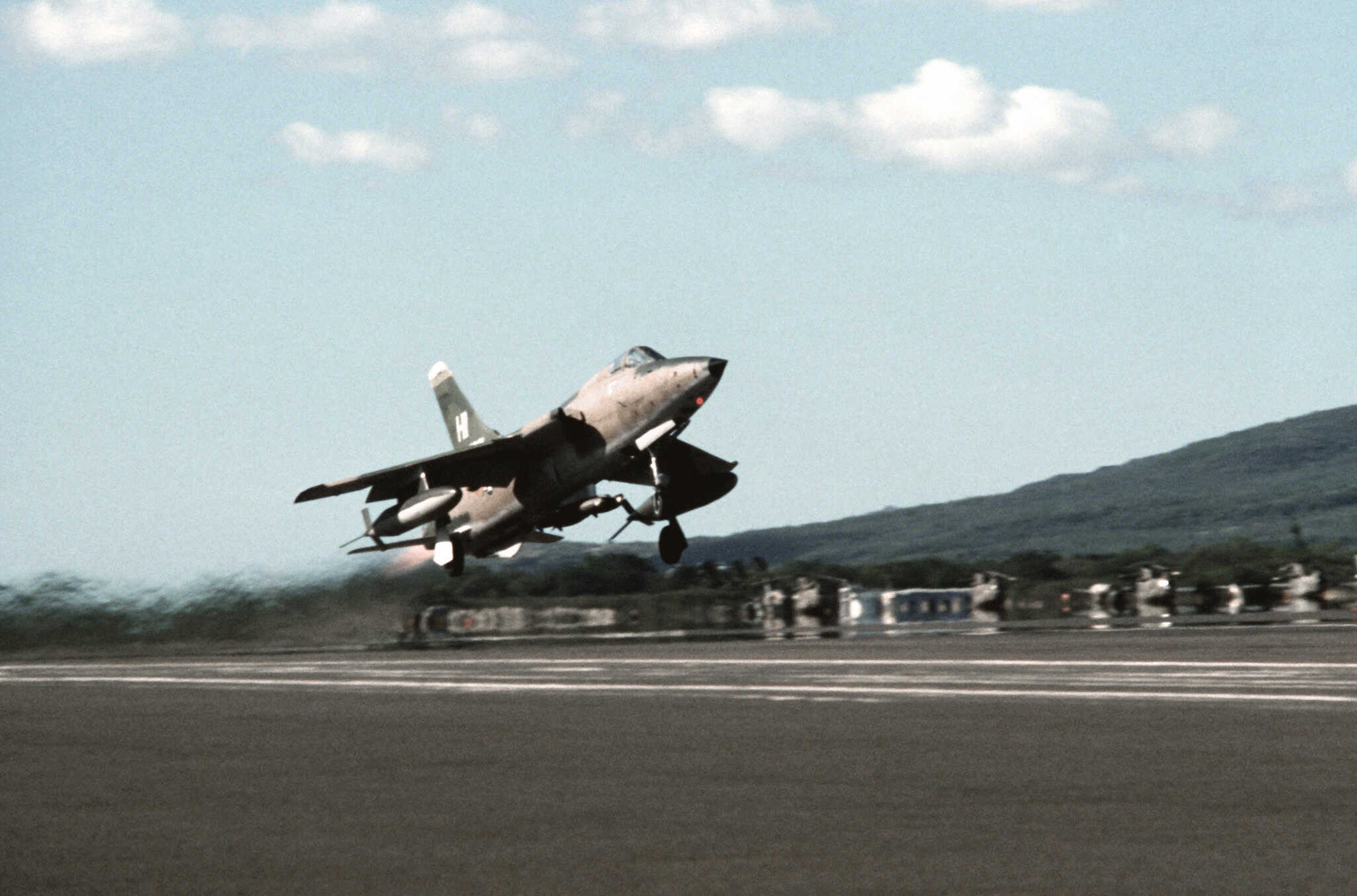


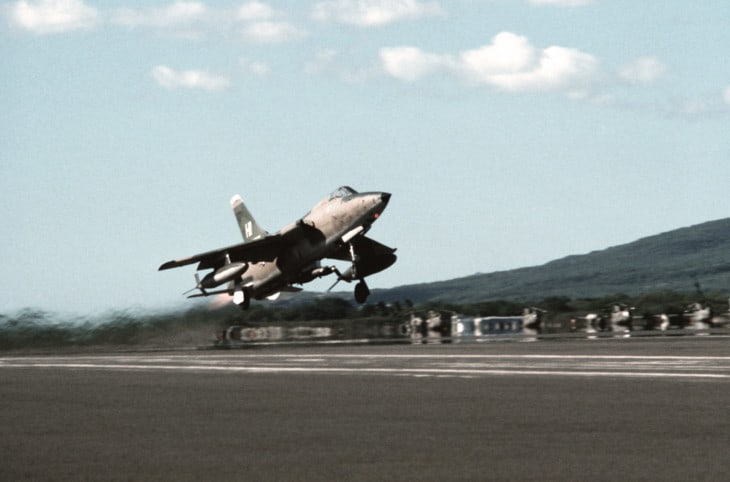
- Maximum speed: Mach 2.1, about 1,392 mph (2,240 km/h) at 35,000 ft
- In service 1958, retired 25 February 1984
The Thud was the largest single-engine, single-seat combat aircraft ever built, and it was designed to carry a nuclear bomb in an internal bay at very low level and very high speed.
It ended up flying conventional bombing missions over North Vietnam instead, where its size and its single engine made it painfully vulnerable. Roughly half of all F-105s built were lost.
The Wild Weasel crews who hunted surface-to-air missile sites in modified two-seat F-105Gs flew what is still one of the most dangerous missions the Air Force has ever asked of anyone.
15. General Dynamics F-16 Fighting Falcon: Mach 2.05
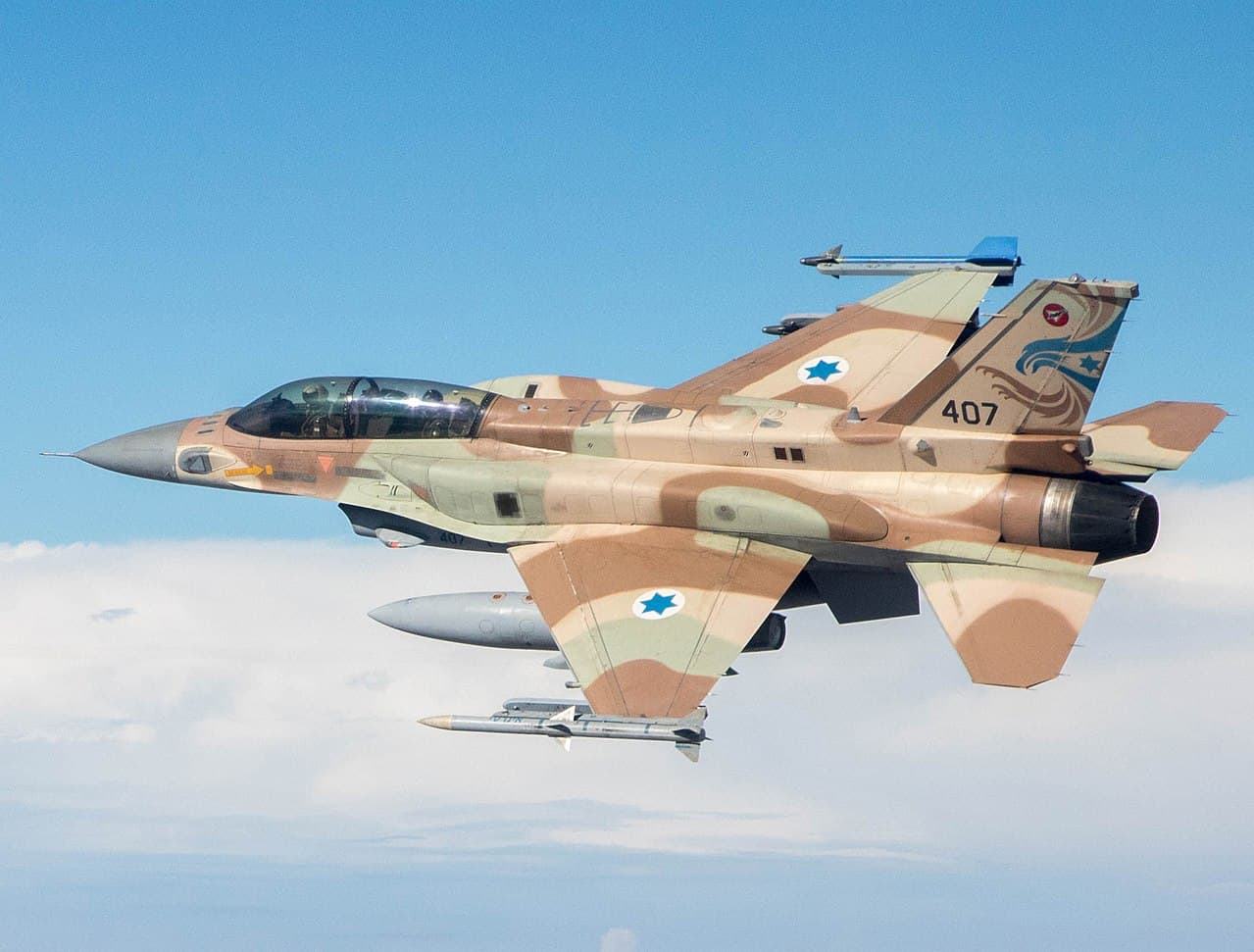
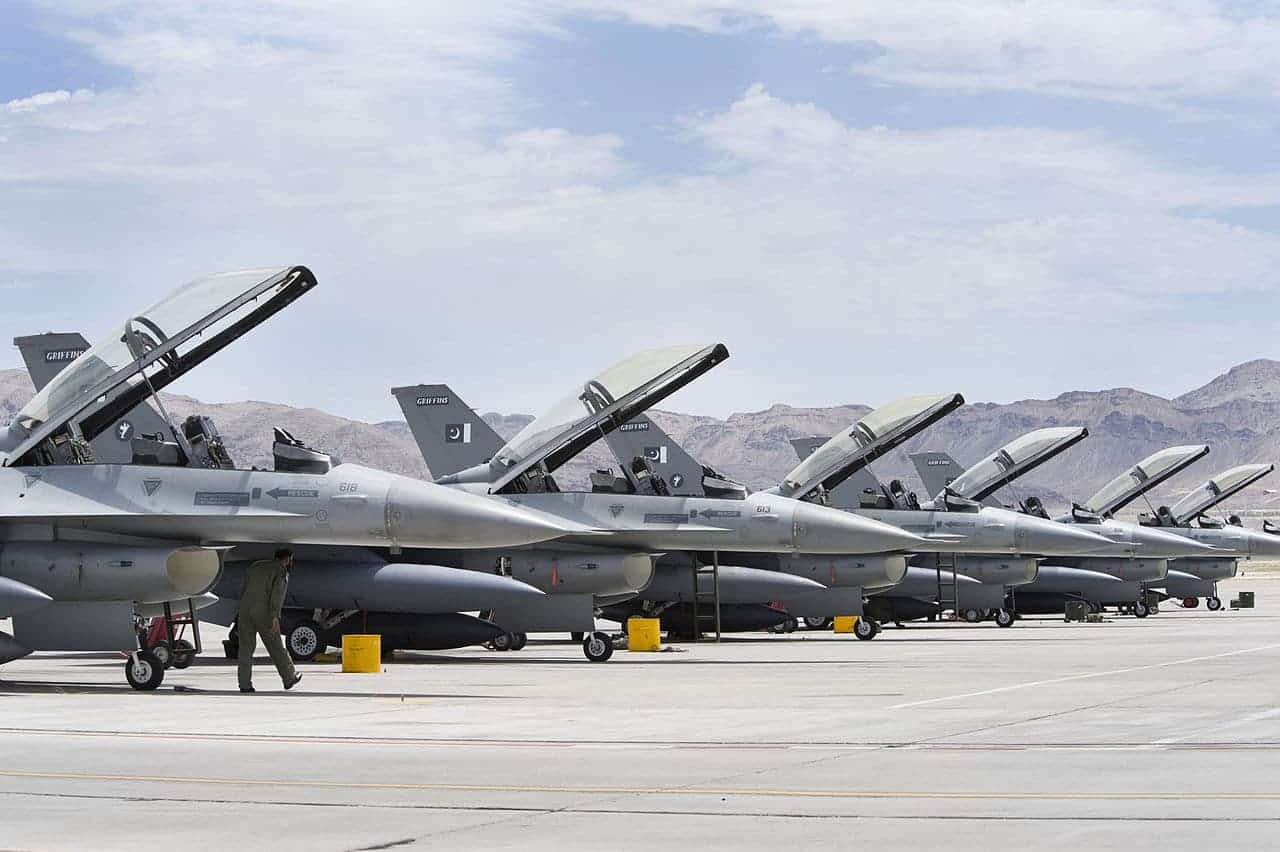
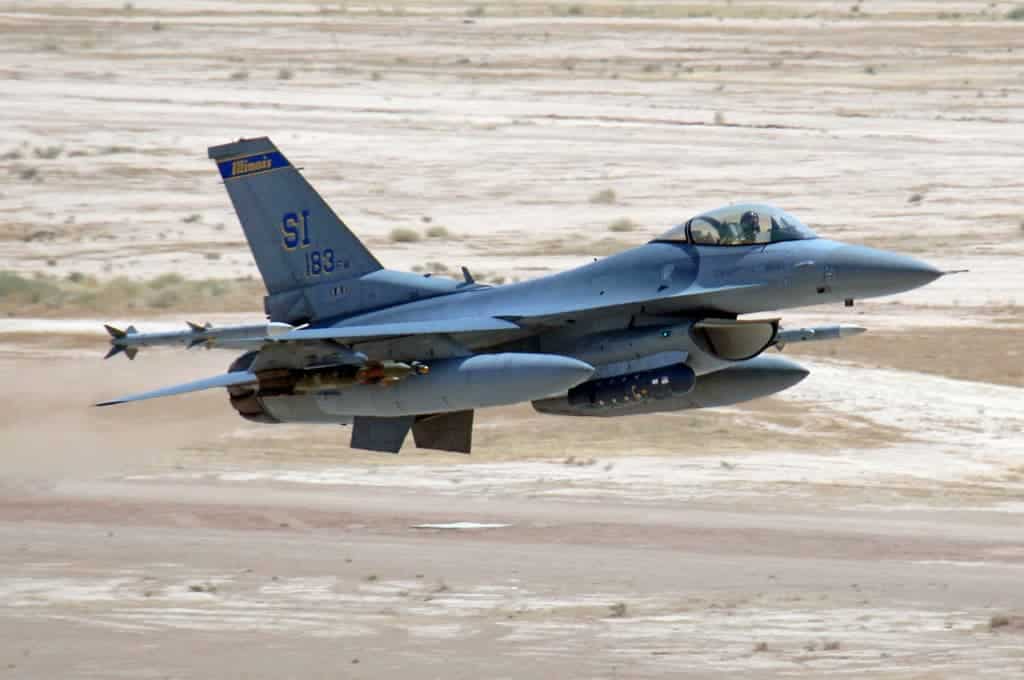
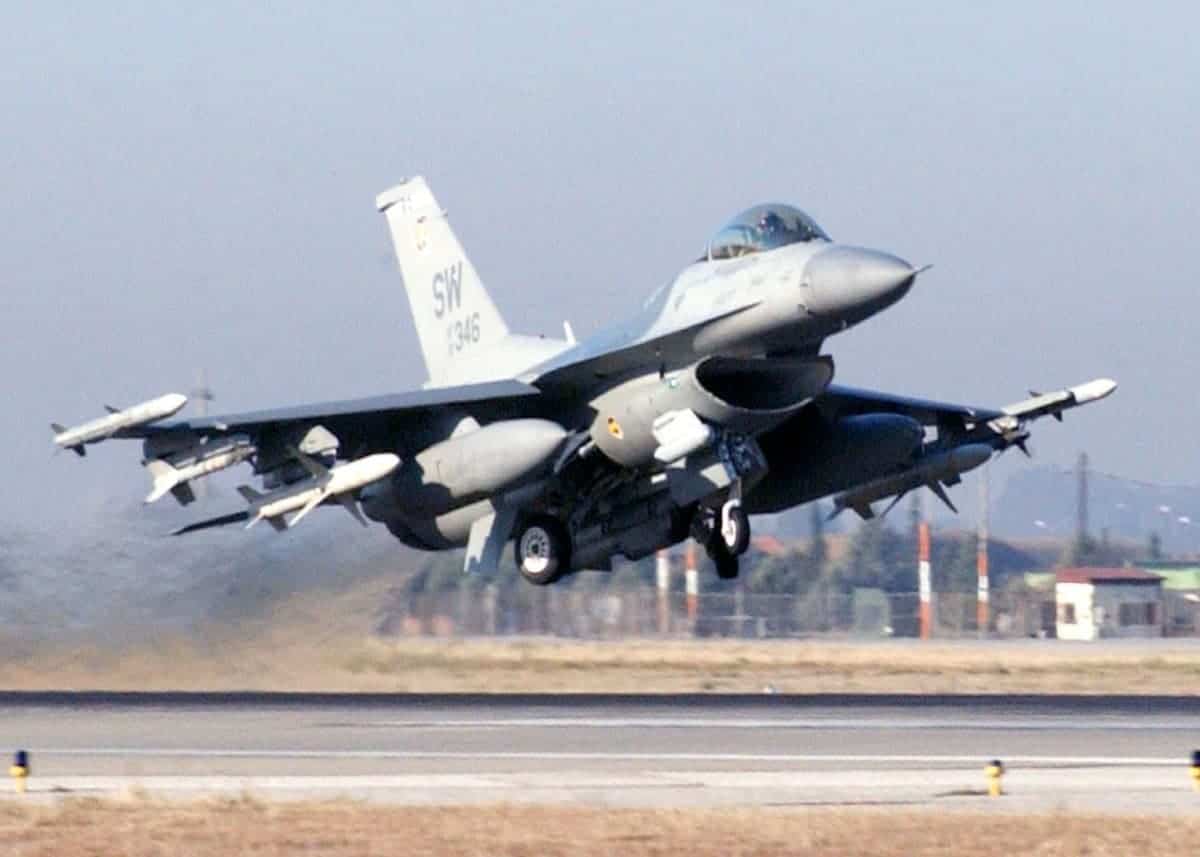
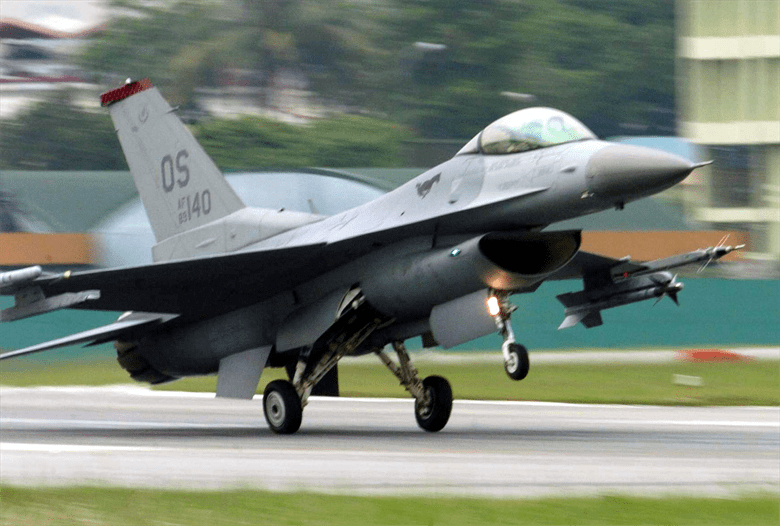
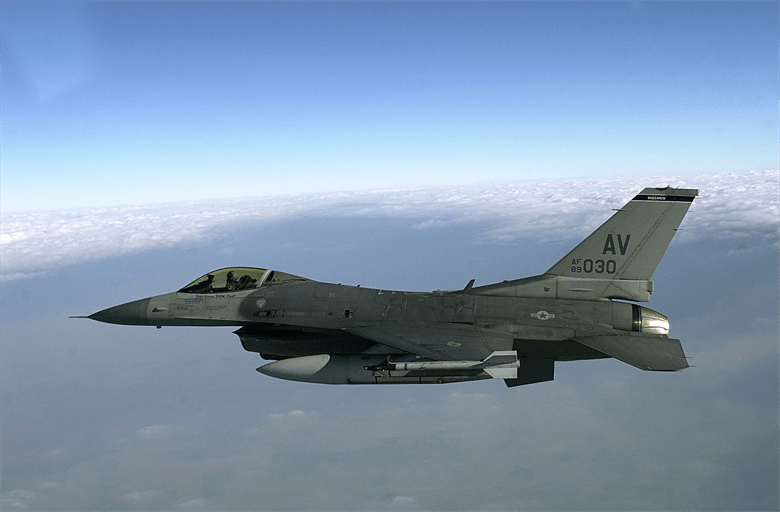

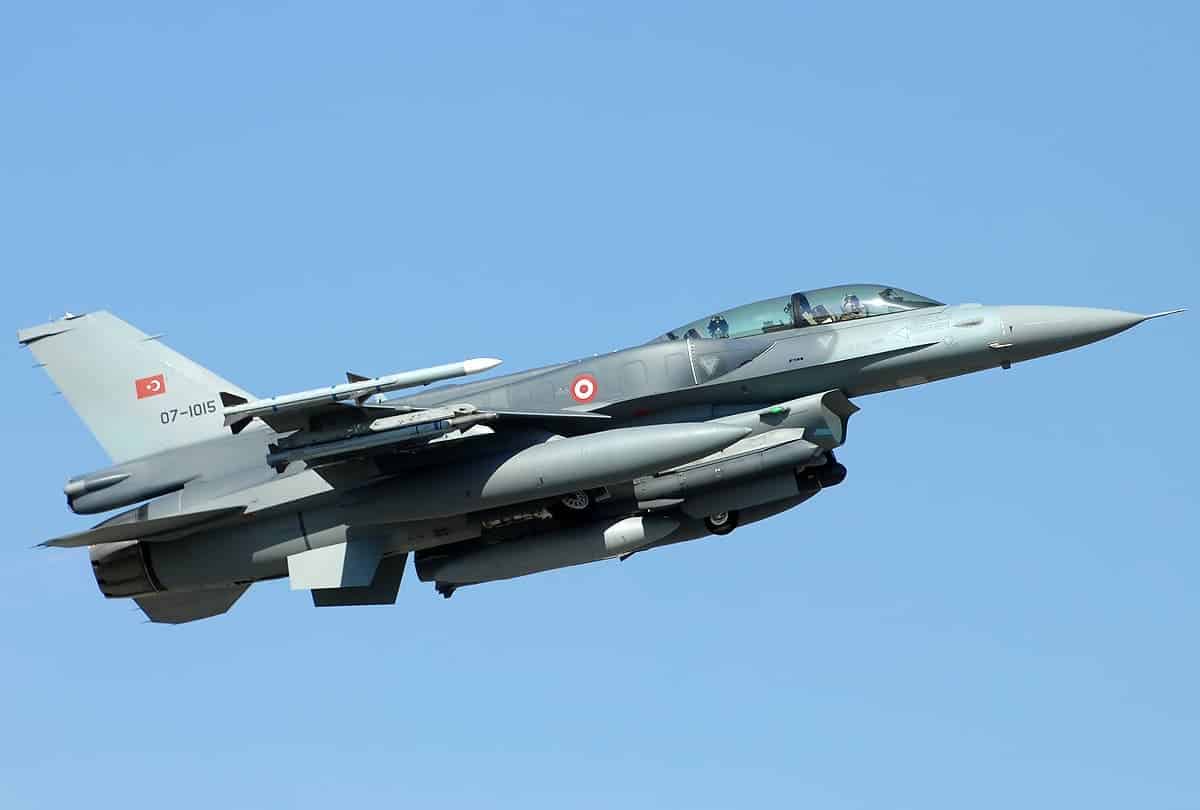

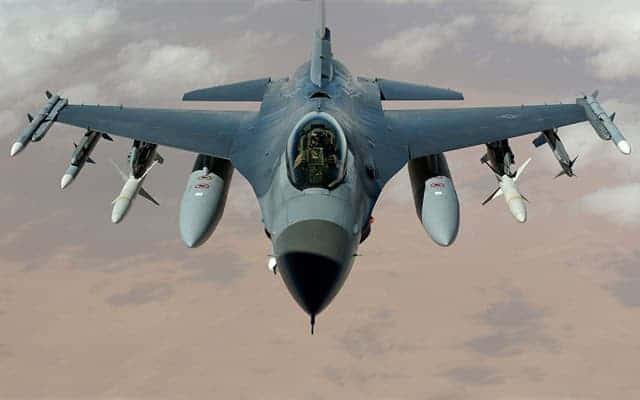

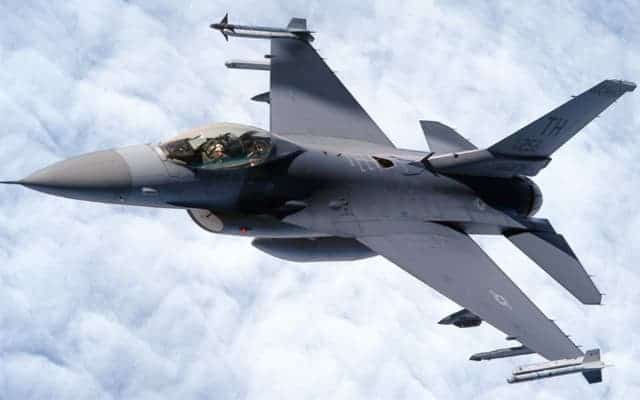
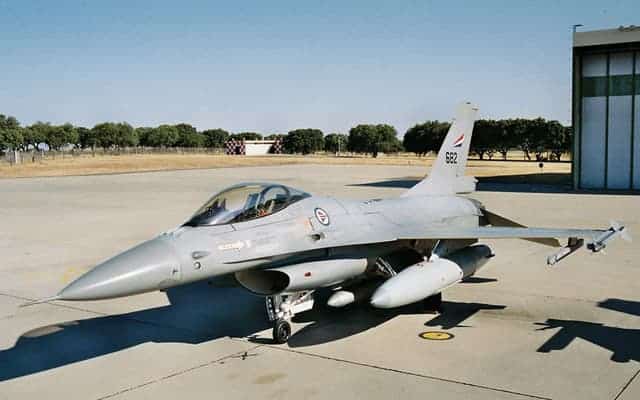
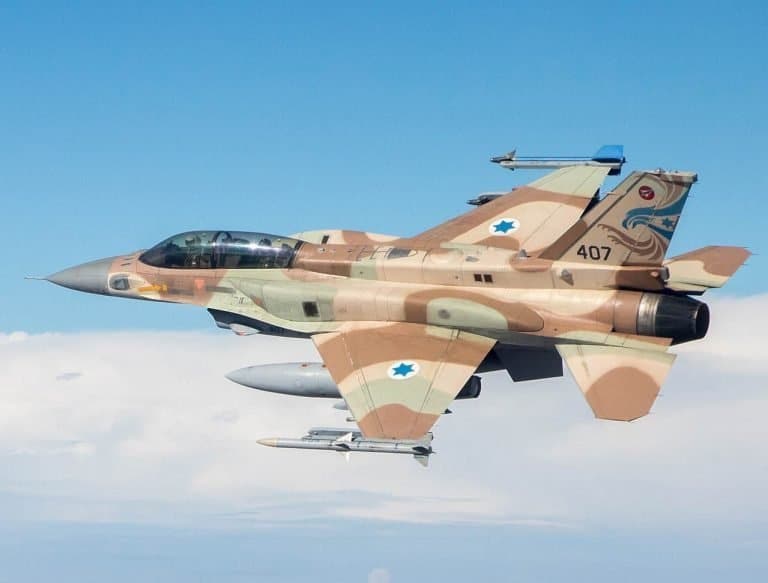
- Maximum speed: Mach 2.05, about 1,353 mph (2,178 km/h) at 40,000 ft, clean
- In service 1978, over 4,600 built, still in production
The F-16 makes the list because of that last word: clean. The Mach 2.05 figure applies to an aircraft carrying nothing under its wings, which is not how an F-16 goes to work.
Hang two fuel tanks, four missiles and a targeting pod on it and the practical limit falls to somewhere around Mach 1.6. Every published fighter top speed in this article carries the same asterisk.
It is also the answer to a question a lot of people ask: the F-16 is faster than the F-35 that is replacing it, by roughly 300 mph.
Every Fighter Jet Top Speed, Compared
The fighters below did not make the ranking but are the ones people most often look up. The same rule applies throughout: Mach number first, mph converted at 40,000 feet.
| Fighter | Country | Max speed | At 40,000 ft | Generation |
|---|---|---|---|---|
| MiG-21 Fishbed | USSR | Mach 2.05 | 1,353 mph (2,175 km/h) | 2nd |
| Panavia Tornado ADV | UK / Germany / Italy | Mach 2.2 | 1,452 mph (2,336 km/h) | 3rd |
| Sukhoi Su-30 | Russia | Mach 2.0 | 1,320 mph (2,120 km/h) | 4th |
| Eurofighter Typhoon | Europe | Mach 2.0 | 1,320 mph (2,125 km/h) | 4.5 |
| Saab JAS 39 Gripen | Sweden | Mach 2.0 | 1,320 mph (2,100 km/h) | 4.5 |
| Sukhoi Su-57 Felon | Russia | Mach 2.0 | 1,327 mph (2,135 km/h) | 5th |
| Chengdu J-20 | China | Not published | Estimated Mach 2 | 5th |
| KAI KF-21 Boramae | South Korea | Mach 1.81 | 1,195 mph (1,923 km/h) | 4.5 |
| Dassault Rafale | France | Mach 1.8 | 1,188 mph (1,912 km/h) | 4.5 |
| F/A-18E/F Super Hornet | United States | Mach 1.8 | 1,185 mph (1,907 km/h) | 4.5 |
| Chengdu J-10 | China | Mach 1.8 | 1,188 mph (1,912 km/h) | 4th |
| F-35 Lightning II | United States | Mach 1.6 | 1,056 mph (1,700 km/h) | 5th |
| F-117 Nighthawk | United States | Mach 0.92 | 607 mph (977 km/h) | Attack, not a fighter |
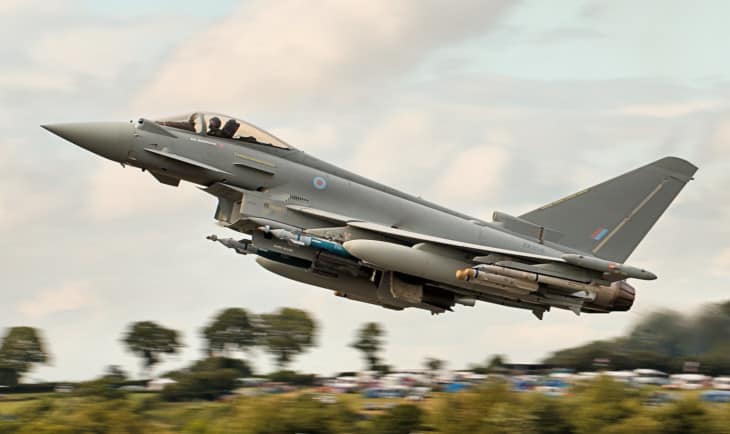
The Typhoon deserves a note. Some references quote 2,495 km/h for it, measured at 36,000 feet, while Eurofighter itself publishes Mach 2. The table uses the manufacturer’s figure.
China publishes nothing. Every J-20 and J-35 speed you will find online is an estimate derived from engine data and photographs, which is worth remembering when you read a head-to-head comparison of American and Chinese fighters.
How Fast Do Fighter Jets Actually Fly?
Almost never at the speeds above. A fighter’s published maximum is a clean-configuration number that a test pilot reaches in a shallow dive with the afterburners lit, and most squadron pilots go their whole careers without seeing it.
A typical transit cruise is around 500 to 600 mph (800 to 970 km/h), or roughly Mach 0.8 to 0.9. That is airliner speed, because it is the speed that uses the least fuel.
A supersonic dash is short by design. Afterburners can burn fuel four or five times faster than dry thrust, so a fighter holding Mach 1.8 is measuring its remaining flight time in minutes rather than hours.
Down at sea level, none of the numbers in this article apply. Dense air produces enormous drag and structural loads, so most fighters are limited to somewhere around 800 mph (1,290 km/h) low down, and the MiG-31 drops from Mach 2.83 to Mach 1.23.
Combat loads cost more speed than you would think
An F-15E fitted with conformal fuel tanks falls from Mach 2.5 to Mach 2.0, losing more than 300 mph to a pair of tanks. Add missiles, bombs, a targeting pod and drop tanks to any fighter here and its practical limit lands somewhere near Mach 1.5, no matter what the spec sheet says.
How Fast Are Stealth Fighters?
Slower than the generation before them, without exception. The F-22 does Mach 2.25, the Su-57 Mach 2.0, the F-35 Mach 1.6, and the J-20 is estimated at about Mach 2.
Every one of those is beaten by the F-15 of 1976. Carrying weapons internally means a deeper fuselage, and shaping an airframe to scatter radar energy rarely produces the shape that goes fastest.
The extreme case is the F-117 Nighthawk, the first operational stealth aircraft, which tops out at Mach 0.92 and cannot go supersonic at all. Its faceted surfaces were dictated by the computing power available in the 1970s, and they are aerodynamically dreadful.
The trade was deliberate. A modern stealth fighter wins by being seen late rather than by outrunning what sees it.
Is the F-35 Slower Than the F-16 and the F-15?
Yes, and by a wide margin in both cases. The F-35 is limited to Mach 1.6, the F-16 reaches Mach 2.05, and the F-15 reaches Mach 2.5.
In round numbers at 40,000 feet, that is about 1,056 mph for the F-35 against 1,353 mph for the F-16 and 1,650 mph for the F-15. The newest aircraft is the slowest of the three by roughly 600 mph.
The F-35 also carries a documented supersonic limitation the others do not. Flutter testing in 2011 blistered the stealth coatings and damaged the tail structure on the B and C models, and the fix was a stopwatch rather than an engineering change.
The F-35B is now limited to 80 cumulative seconds at Mach 1.2, or 40 seconds at Mach 1.3. The carrier-based F-35C gets 50 seconds at Mach 1.3. The program office closed the issue in December 2019 with no plan to correct it.
None of that has hurt it in exercises, because a fight that starts beyond visual range is decided by sensors and missiles rather than by acceleration. Speed stopped being the deciding factor somewhere around the fourth of the five generations of fighter aircraft.
The Fastest Fighter Jet by Country
| Country | Fastest fighter | Max speed | Fastest currently in service |
|---|---|---|---|
| Russia | MiG-25 Foxbat | Mach 2.83 | MiG-31 Foxhound |
| United States | F-15 Eagle | Mach 2.5 | F-15 Eagle and F-15EX |
| France | Mirage 2000 | Mach 2.2 | Mirage 2000 |
| Europe (joint) | Tornado ADV | Mach 2.2 | Eurofighter Typhoon |
| China | J-20 (estimated) | About Mach 2 | J-20 |
| Sweden | JAS 39 Gripen | Mach 2.0 | JAS 39 Gripen |
| South Korea | KF-21 Boramae | Mach 1.81 | F-15K, at Mach 2.5 |
The American answer surprises people. The fastest fighter the United States has ever fielded is not the F-22 or the F-35 but the F-15, a design that first flew in 1972 and is still rolling off the line in Missouri.
The pattern holds almost everywhere. The fastest American fighter jets and the fastest Russian ones alike are Cold War designs, and nothing built since has been asked to beat them.
The Prototypes That Flew Faster Than Any Fighter in Service
Two interceptor prototypes beat everything in the ranking above, and neither reached a squadron. They are listed separately because a ranking that mixes service fighters with one-off test airframes tells you nothing useful.
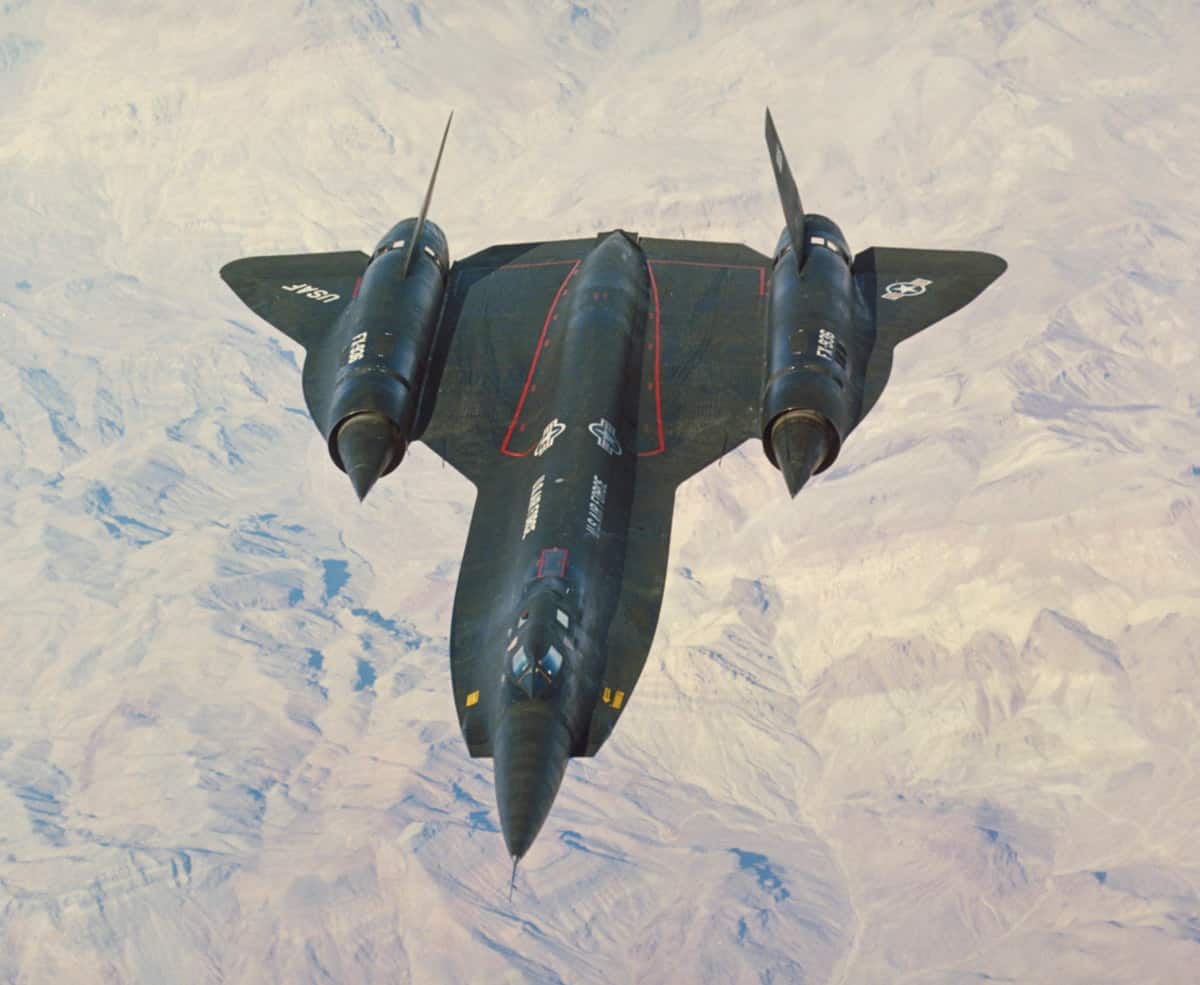

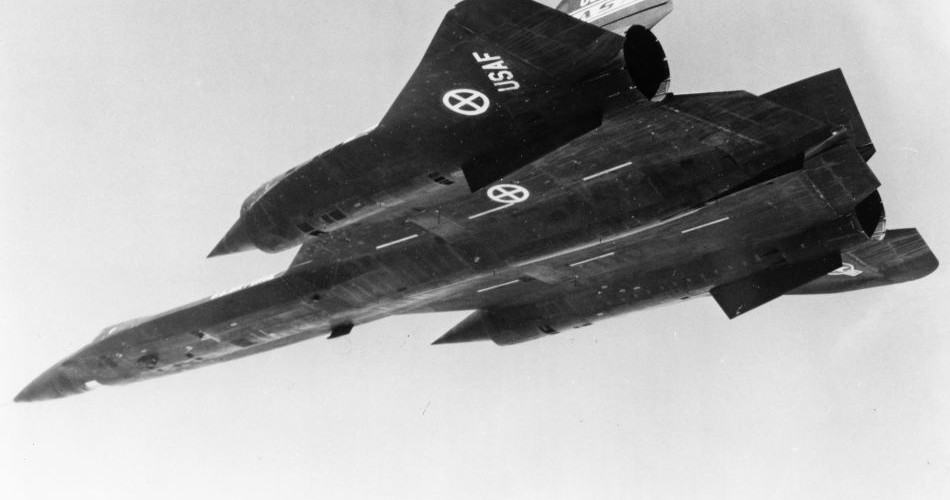

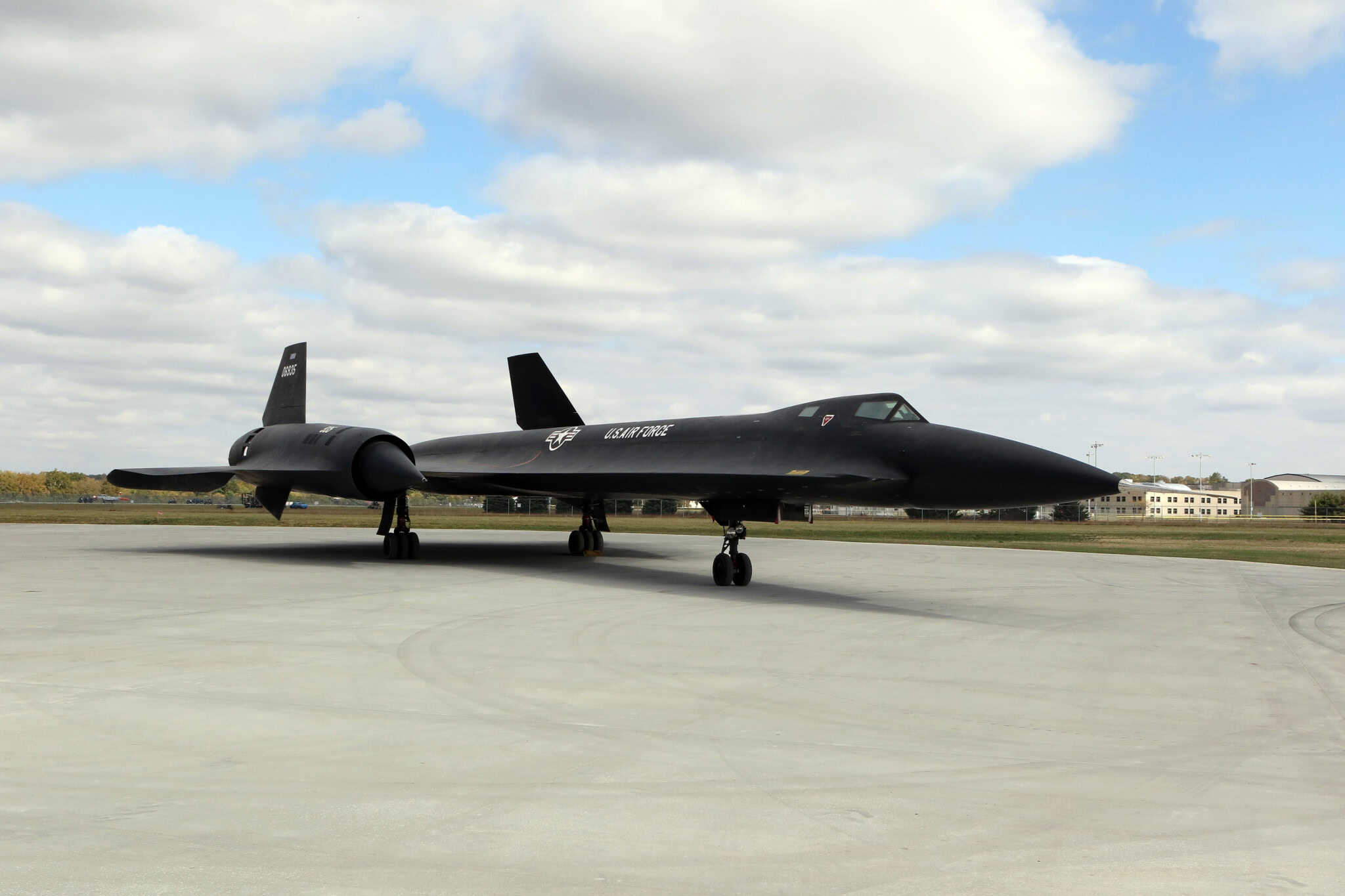

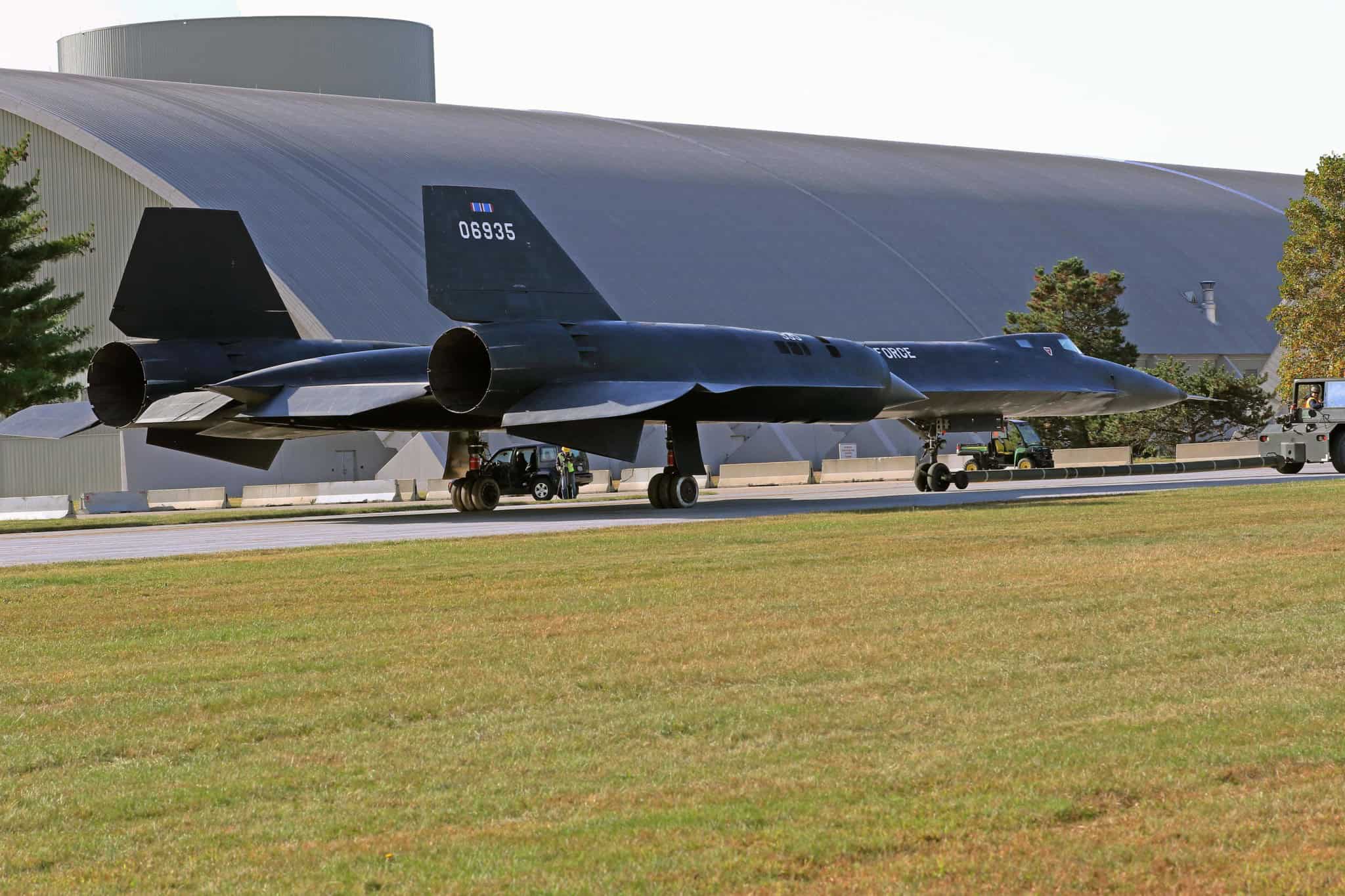


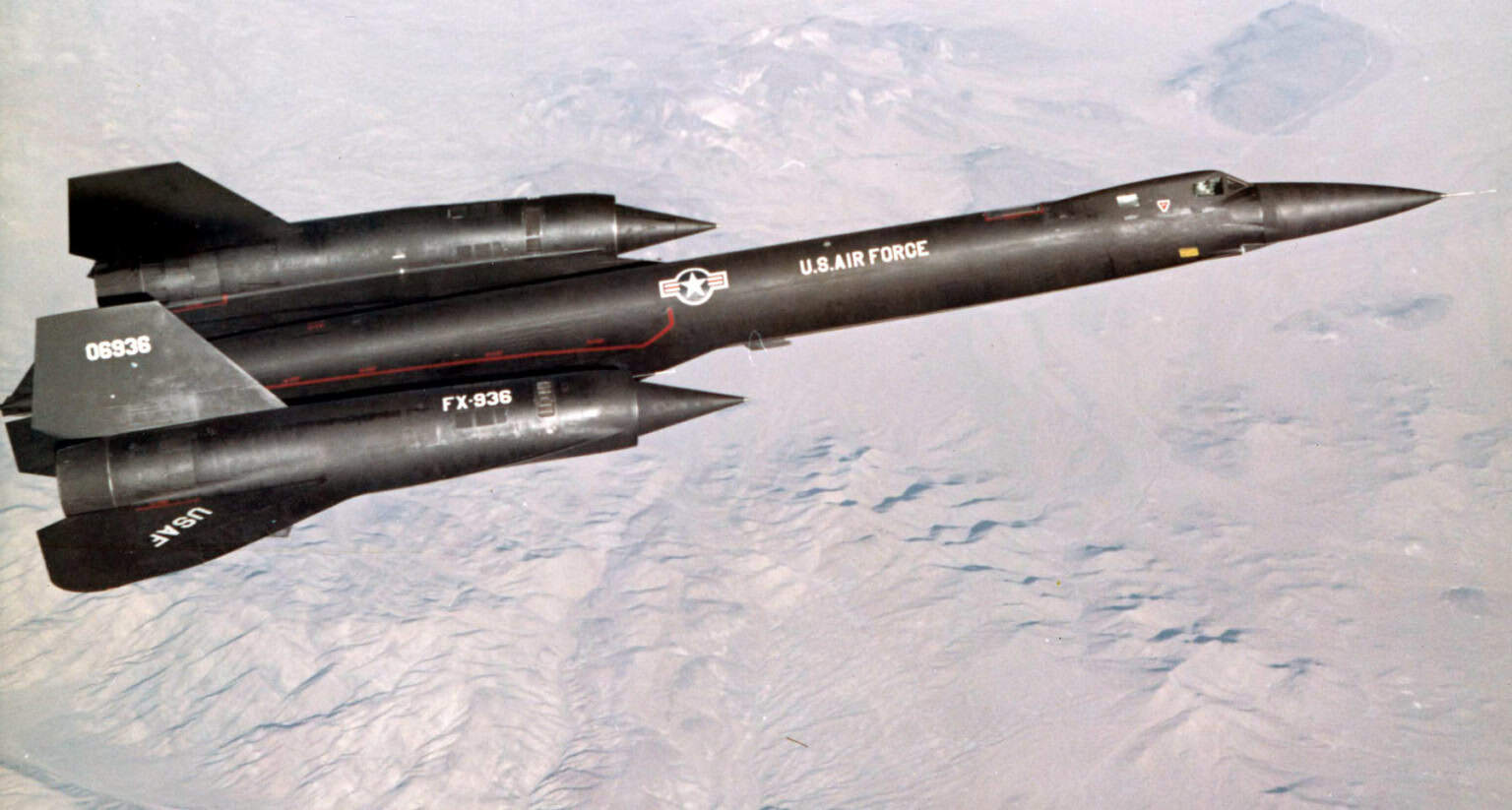
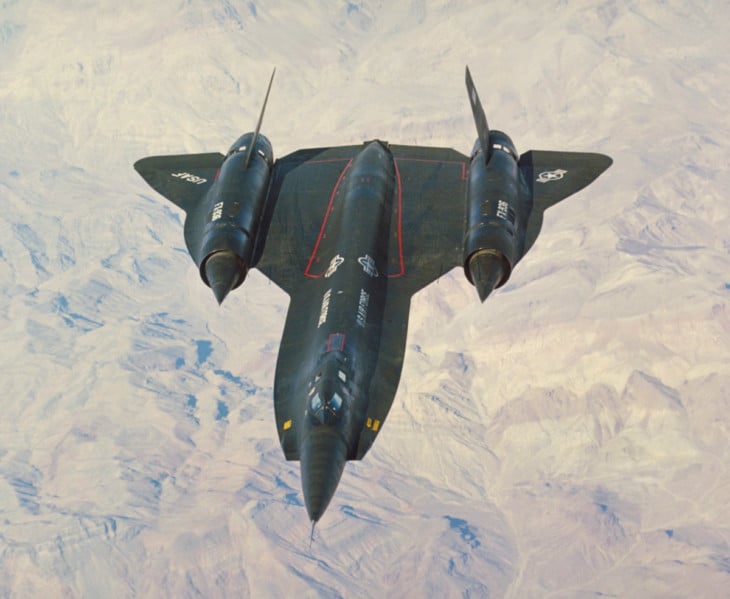
The Lockheed YF-12 reached Mach 3.2, about 2,275 mph (3,661 km/h), at 80,000 feet. It was an interceptor version of the aircraft that became the SR-71, armed with three enormous AIM-47 missiles, and it set an official world speed record of 2,070 mph in May 1965.
Three were built. The program was cancelled in 1968 in favour of ground-based missiles, and the surviving airframes went to NASA as research aircraft.
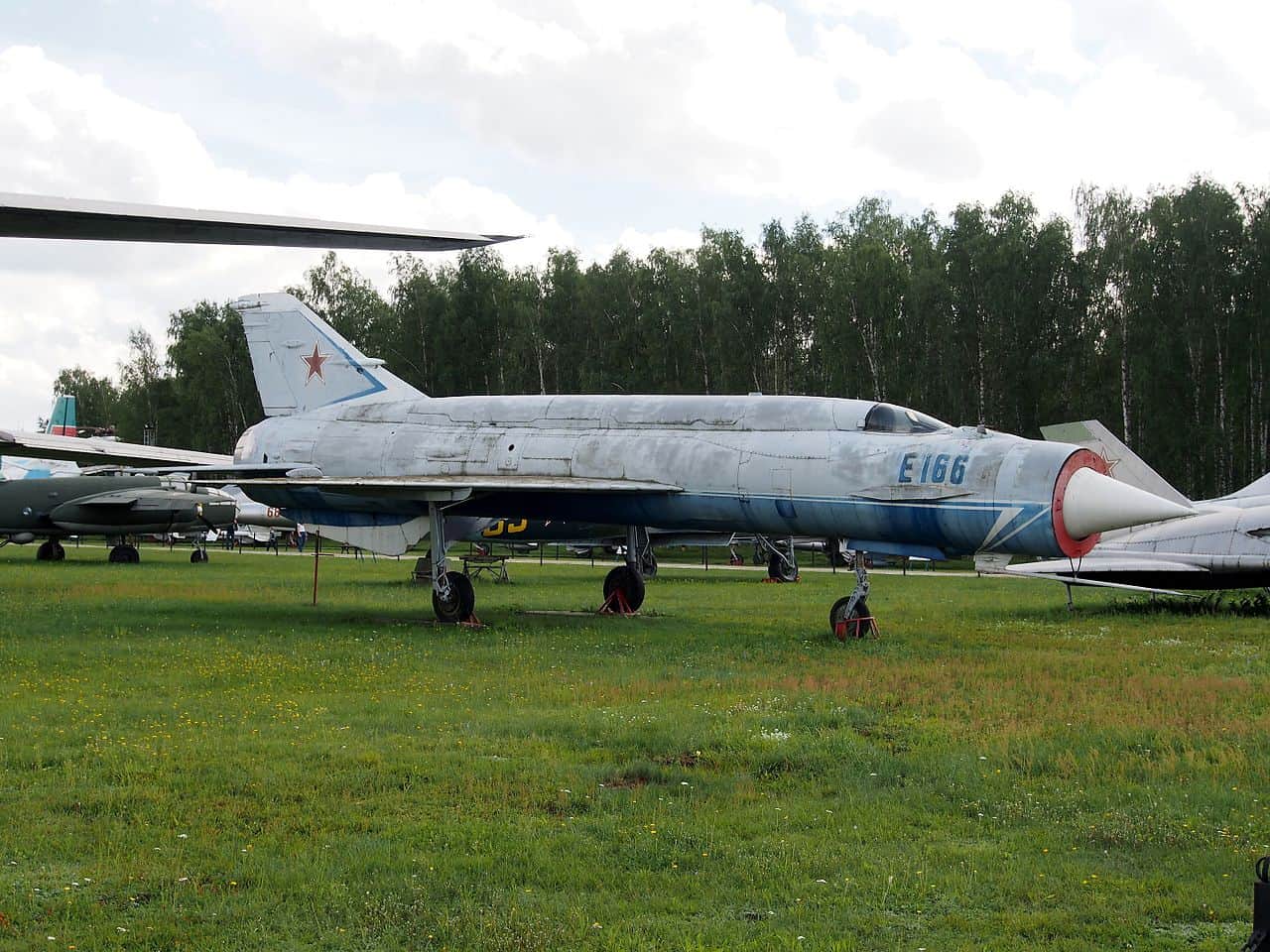


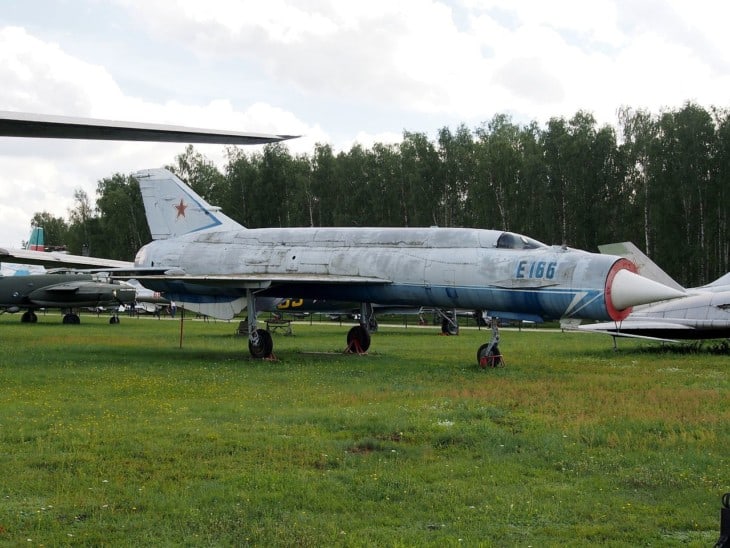
The Soviet Mikoyan-Gurevich Ye-152 was the aircraft the F-106 took the record back from. Registered with the world governing body under the cover designation Ye-166, it was flown to 2,681 km/h, about 1,666 mph, by Georgy Mosolov on 7 July 1962.
It never entered production. The single-engine design proved unreliable at sustained supersonic speed, and the work fed into the MiG-25 instead.
The Fast Aircraft That Are Not Fighter Jets
Most lists of the fastest fighter jets are not lists of fighters at all. Four aircraft turn up on almost every one of them, and none of them is a fighter.
The Lockheed SR-71 Blackbird is a reconnaissance aircraft. It is unarmed, and its entire tactic was to outrun missiles rather than fight, which it did at Mach 3.3.
The North American X-15 is a rocket-powered research aircraft that was dropped from a bomber and reached Mach 6.7. It has no more business in a fighter ranking than a spacecraft does.
The North American XB-70 Valkyrie was a strategic bomber prototype, and the General Dynamics F-111 Aardvark was a strike bomber that kept an F designation for political reasons. The F-111 was fast, at Mach 2.5, but it never carried an air-to-air missile in service.
An F in the designation does not mean fighter
The F-111 Aardvark was a bomber, the F-117 Nighthawk was a subsonic attack aircraft, and the SR-71 was unarmed. American designations reflect budget politics as much as role, which is why so many speed lists quietly rank a bomber first.
If you want those aircraft ranked properly, they belong in a list of the fastest military aircraft in the world, where the SR-71 takes first place. For everything ever flown, including rocket planes and airliners, see the fastest aircraft in the world.
Will Anything Beat the MiG-25?
Probably not, and no air force is trying. The MiG-25 first flew in 1964, and its record has stood for more than fifty years because the requirement that produced it disappeared.
Interceptors existed to chase high-flying bombers. Once the threat became low-flying cruise missiles and ballistic missiles, Mach 3 stopped being useful, and stealth, sensors and missile range absorbed the development money instead.
Nothing in development changes that. Neither the United States nor China has published a speed figure for any of the sixth-generation fighter programs, and the design emphasis is on range, sensor fusion and controlling uncrewed aircraft rather than on top speed.
The fastest fighter jet in the world is therefore likely to remain a Soviet interceptor from 1964 for a long time yet.
FAQ about the Fastest Fighter Jets
Sources and references used for research and fact-checking.
- U.S. Air Force, F-15 Eagle Fact Sheet
- Dassault Aviation, Rafale Specifications and Performance Data
- Boeing, F/A-18 Super Hornet
- Lockheed Martin, F-35 Lightning II
- Defense News, The Pentagon will have to live with limits on F-35's supersonic flights
- This Day in Aviation, 15 December 1959: Major Joe B. Rogers, F-106A World Absolute Speed Record
- This Day in Aviation, Mikoyan-Gurevich E-166
Get the Newsletter
The latest aviation news and stories sent to your inbox.
About the Author

Tim is the owner and lead editor of AeroCorner since 2019, overseeing aviation content covering aircraft, airlines, airports, and the broader aviation industry. Through years of researching, writing, editing, and publishing aviation-focused content, he has developed extensive practical knowledge of commercial aviation and air travel. Based in Asia and a frequent traveler himself, Tim also brings firsthand passenger experience to AeroCorner’s coverage. Outside of publishing, he has also explored aviation firsthand through hands-on flight training in New Zealand.