

Table of Contents
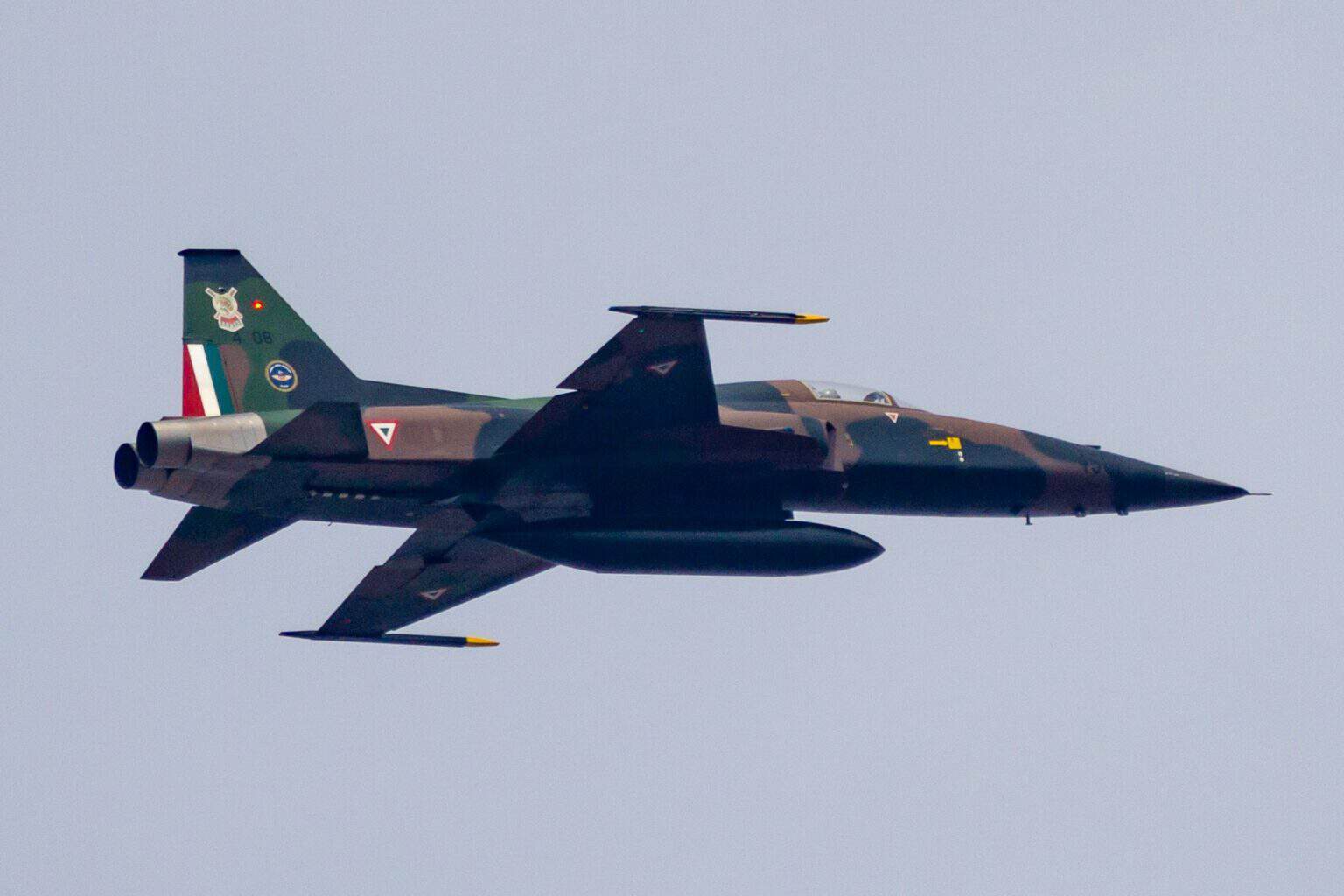
The Mexican Air Force flies more than 300 aircraft, but only three of them are fighter jets. Its entire supersonic force is a trio of Northrop F-5 Tiger IIs delivered in 1982, and its commander said in April 2026 that he wants 12 new combat jets by 2028.
Its Spanish name is the Fuerza Aérea Mexicana, or FAM. It is not a separate ministry: it sits inside Mexico’s defense ministry, SEDENA, alongside the Army, and most of its work is chasing drug flights, moving troops and flying disaster relief.
This guide ranks every aircraft type it flies by its weight in Mexican air power as of October 2026. It then covers the fighter replacement, the new C-130Js, the only Mexican squadron ever sent to fight overseas and how strong the force really is.
| Rank | Aircraft | Role | Fleet | Status |
|---|---|---|---|---|
| 1 | Northrop F-5E/F Tiger II | Air defense, interception | 3 | 12 replacement jets sought by 2028 |
| 2 | Beechcraft T-6C+ Texan II | Light attack, interception, training | 55 | Equips six patrol squadrons |
| 3 | Pilatus PC-7 | Light attack, advanced training | 62 | In service since 1978 |
| 4 | Embraer 145 AEW and surveillance fleet | Early warning, reconnaissance | 3 Embraers, plus Citations and King Airs | 3 King Air 360s being bought |
| 5 | Elbit Hermes 900 | Strategic surveillance drone | Not disclosed | More strategic drones being bought |
| 6 | Sikorsky UH-60M Black Hawk | Assault and utility helicopter | 18 | 7 to 11 more being bought |
| 7 | Airbus H225M Caracal | Transport helicopter | 12 | 4 on order |
| 8 | Mil Mi-17 | Transport helicopter | 23 | Being replaced by Black Hawks |
| 9 | Bell 407, Bell 412, Bell 206, MD 530F, AW109 | Light and armed helicopters | 17, 9, 19, 13, 4 | In service |
| 10 | C-130 Hercules and C-130J-30 | Heavy airlift | 3 legacy | 2 C-130J-30s ordered, first due about 2028 |
| 11 | Airbus C295 and C-27J Spartan | Medium and light airlift | 6 and 4 | In service |
| 12 | Boeing 737 and government fleet | Troop and VIP transport | Several 737s | Presidential 787 sold in 2023 |
| 13 | Grob G 120TP, Cessna 182, PT-17 | Pilot training, liaison, display | 24, about 25, 5 | In service |
How this ranking works
Aircraft are ranked by their weight in Mexican air power in October 2026: the fighters and armed turboprops first, then the radar planes and drones that find targets, then helicopters, airlifters, transports and trainers. Counts come from FlightGlobal’s World Air Forces 2026 directory, which lists only aircraft in day-to-day use and leaves out drones and most VIP jets. The Mexican Navy flies its own separate fleet and is not counted here.
1. Northrop F-5E/F Tiger II: Mexico’s Last Three Fighters
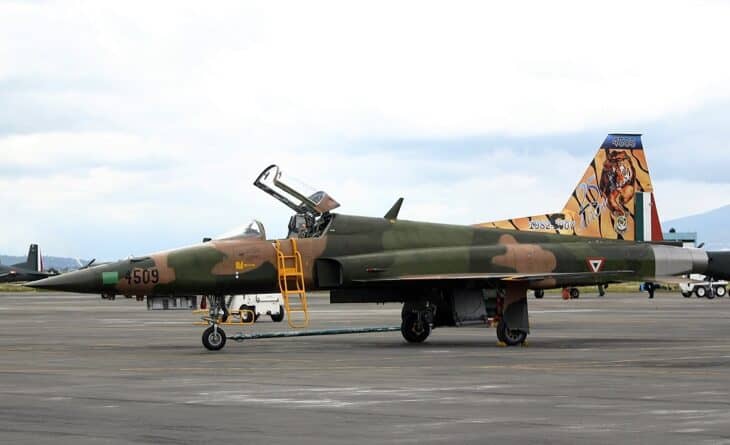

The Northrop F-5 Tiger II is the only supersonic jet Mexico flies. The FAM received 12 in 1982, 10 single-seat F-5Es and two two-seat F-5Fs, and formed Air Squadron 401 to fly them.
Accidents and age wore the fleet down. One F-5E was lost in 1983, and high costs and a lack of parts led the FAM to retire all but three in late 2017.
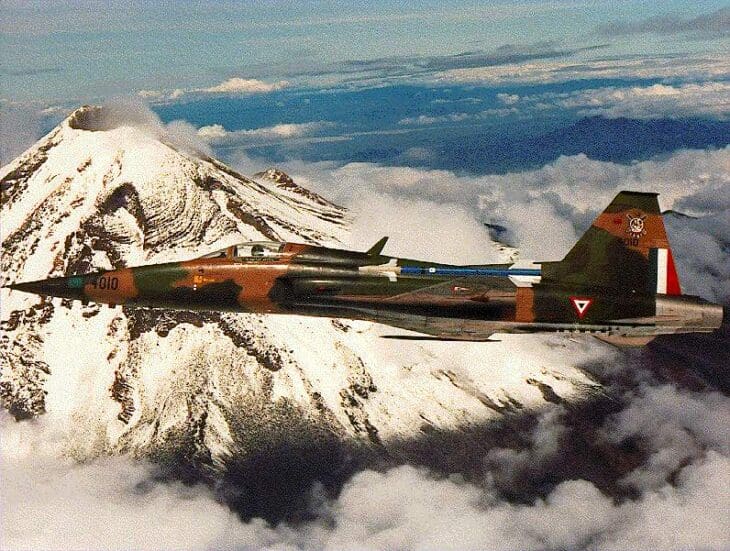

Three remain. FlightGlobal counted two F-5Es and one F-5F in day-to-day use in its 2026 directory, El Universal reported in June 2026 that only three are airworthy, and three F-5s flew in a fleur-de-lis formation over Mexico City in the Independence Day parade on September 16, 2026.
Squadron 401 flies from Military Air Base No. 1 at Santa Lucía, north of Mexico City, the base that now also houses Felipe Ángeles International Airport. Its mission is defending national airspace and intercepting aircraft that enter it illegally.
The rescue that never quite happened
In February 2023, the FAM commander at the time, General José Gerardo Vega Rivera, told Mexican television the force would soon have six F-5s flying again and expected to recover three more later. Three years on, the count is still three.
2. Beechcraft T-6C+ Texan II: The Real Front Line
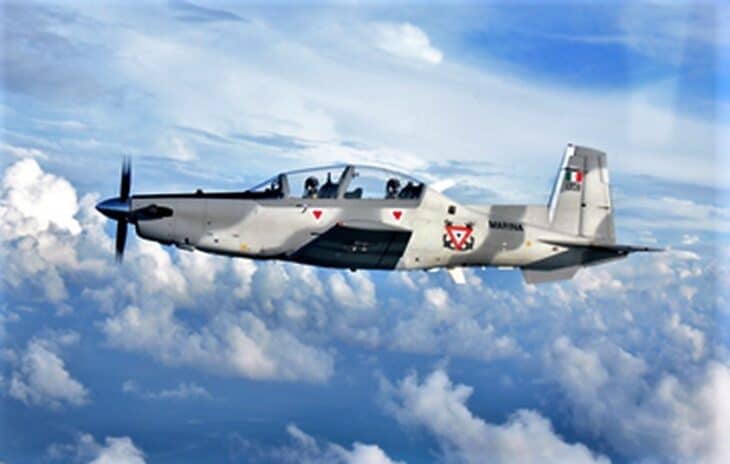
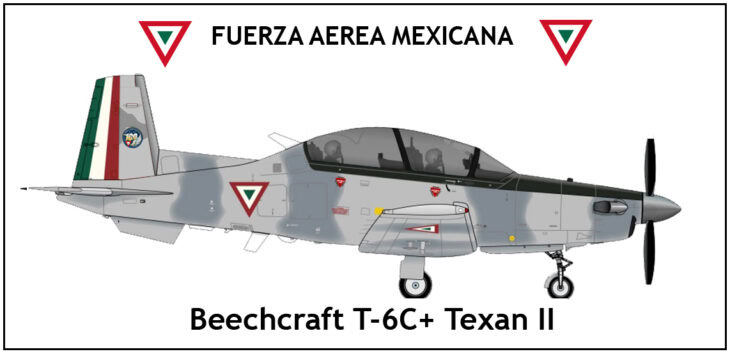

With three fighters, the aircraft that actually chases intruders is a turboprop. FlightGlobal counts 55 Beechcraft T-6C+ Texan IIs, the largest single fleet in the FAM.
Built as a trainer, the T-6C+ is classed in Mexico as a light attack aircraft. It equips six patrol and support squadrons, at Cozumel, Tuxtla Gutiérrez, El Ciprés, Hermosillo, Santa Gertrudis and Ciudad Ixtepec.
Their listed missions are intercepting, identifying and following illicit aircraft, patrol, visual reconnaissance and fire support. The intruders are usually small Cessna-type planes, the kind most often used for smuggling.
3. Pilatus PC-7: The Old Trainer Still Carrying Weapons
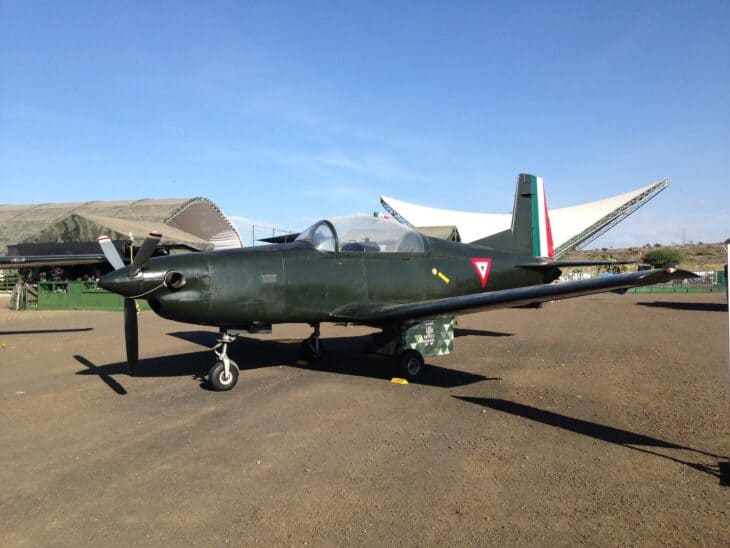

The Swiss-built Pilatus PC-7 arrived in Mexico in 1978 and is still the FAM’s second-largest fleet. FlightGlobal lists 32 in a combat role and 30 more as trainers, 62 in all.
The T-6C+ was bought to replace it, according to Janes, but the PC-7 has not gone. The Military Aviation School flies 33 of them as its advanced trainer, and at the September 2026 parade they appeared in a new yellow paint scheme that echoes the first PC-7s delivered in 1978.
4. Embraer 145 AEW and the Surveillance Fleet
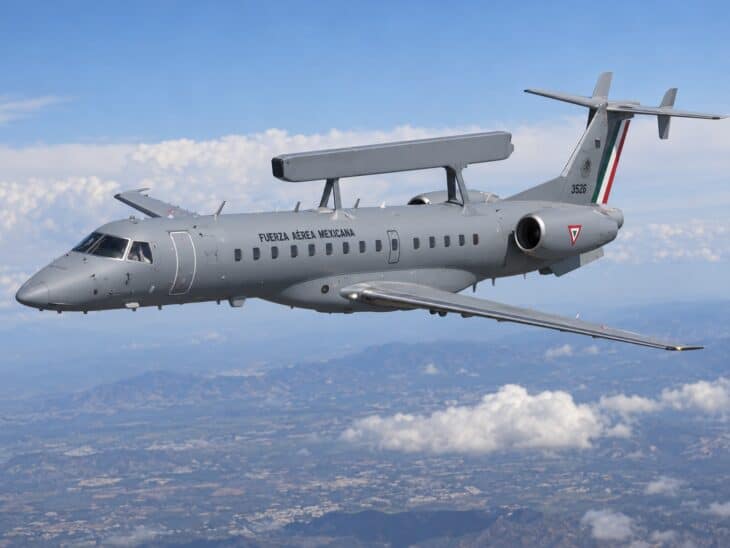
Mexico’s airborne radar is a single Embraer 145 early warning jet, an Embraer ERJ 145 regional airliner fitted with Saab’s Erieye radar. FlightGlobal lists one in the early warning role and two more as patrol and remote sensing aircraft.
They fly with Air Squadron 701 at Mérida, on the Yucatán Peninsula, alongside Cessna Citation jets used for reconnaissance. Saab has worked with SEDENA on updating the Erieye early warning system, El Imparcial reported in June 2026.
Air Squadron 702 at Santa Lucía flies Beechcraft King Air 350 surveillance planes, in the 350ER and 350i versions. The FAM commander told Janes in April 2026 that three newer King Air 360s are being bought.
5. Elbit Hermes 900: The Long-Endurance Drones
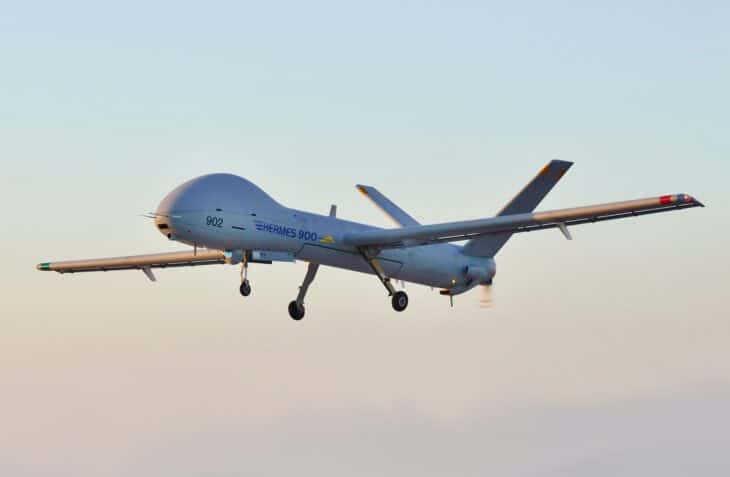

Mexico’s main drone is the Israeli Elbit Hermes 900, flown by Air Squadron 602 at Atlangatepec, Tlaxcala. Its mission is watching and tracking targets for long periods in support of troops on the ground, and Infodefensa puts its endurance at up to 25 hours.
It replaced the smaller Hermes 450 and the Mexican-built S-45 Balaam, both retired. Air Squadron 601 at the same base flies smaller tactical drones: two Sapphire and three Arcturus aircraft.
The FAM does not publish how many Hermes 900s it has, and FlightGlobal’s directory does not count drones. Janes reported in April 2026 that more strategic-level drones are being bought, without naming a type. Our ranking of the best military drones in the world shows what the top of that market looks like.
6. Sikorsky UH-60M Black Hawk: The Growing Helicopter Fleet
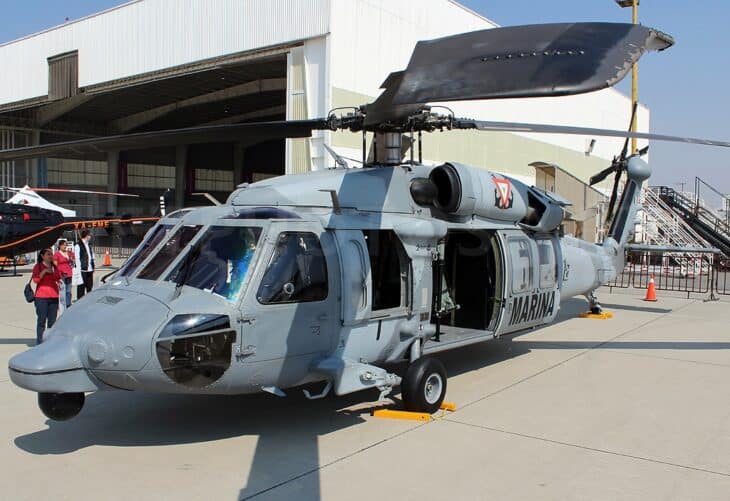
The UH-60M Black Hawk carries troops into places that are hard to reach by road. FlightGlobal counted 18 Black Hawks in day-to-day use, with seven more on order.
More are coming. Luz Noticias reported in February 2026 that the FAM was seeking $369 million for seven UH-60Ms, about $52.7 million each, for Squadrons 107 and 108. In April, the commander told Janes the force was buying 11.
7. Airbus H225M Caracal: The Twin-Engine Transports
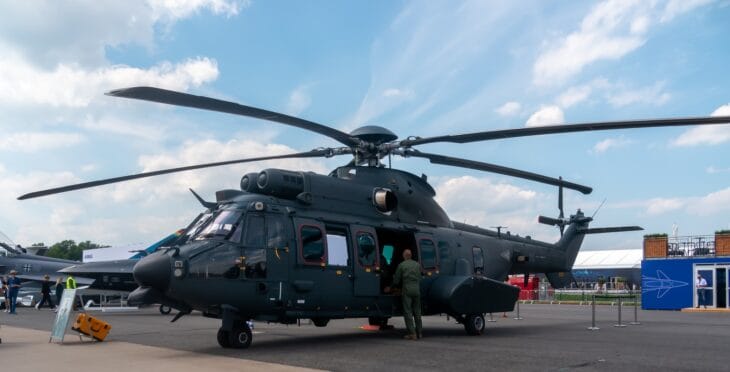

The FAM flies 12 Airbus H225Ms, the military transport known as the EC725 Caracal before Airbus renamed it. FlightGlobal lists four more on order.
The first two of the original 12 went to Air Squadron 101.
8. Mil Mi-17: The Russian Helicopters Being Phased Out
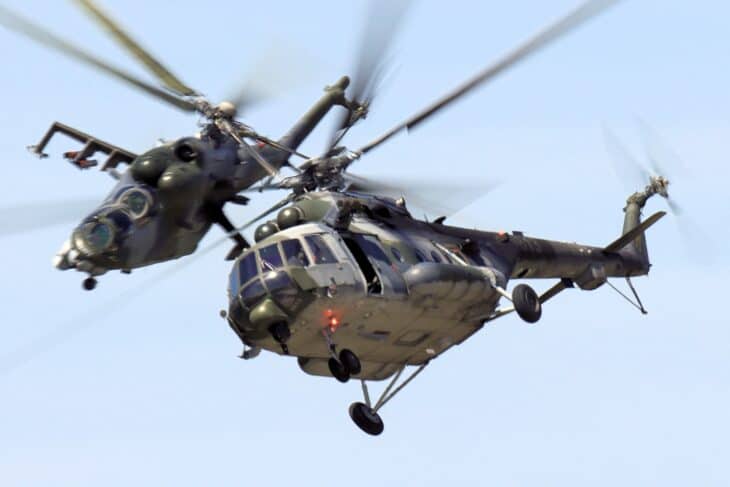

FlightGlobal still counts 23 Russian-built Mi-17s in FAM service, a member of the Mil Mi-8 Hip family.
Janes says the UH-60M has been replacing them since Mexico began buying Black Hawks. The National Guard also flies Mi-17s, and one of them dropped 15 paratroopers to open the September 2026 parade.
9. Bell, MD and AgustaWestland: The Light Helicopters
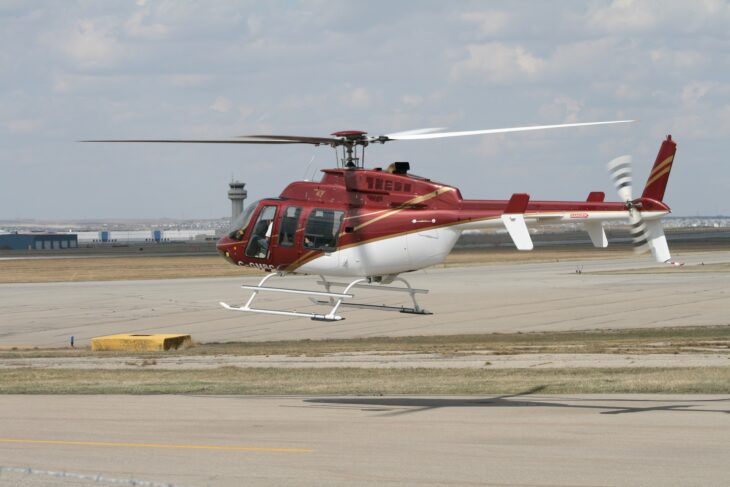

The FAM’s light helicopters fly its most specialized missions. FlightGlobal counts 17 Bell 407s, nine Bell 412s, 19 Bell 206s for liaison and training, 13 MD 530Fs and four AW109s.
Squadron 111 at Zapopan, near Guadalajara, flies Bell 407GXs fitted to spray herbicide on drug crops, which also fly as armed escorts. Squadron 112 at Santa Lucía flies the MD 530F as a light attack helicopter for reconnaissance, fire support and escort.
The AW109SPs fly with Squadron 304 in Mexico City, moving commanders and officials. Our guide to the types of military helicopters explains how these roles differ.
10. C-130 Hercules: Three Left, Two New Ones Coming
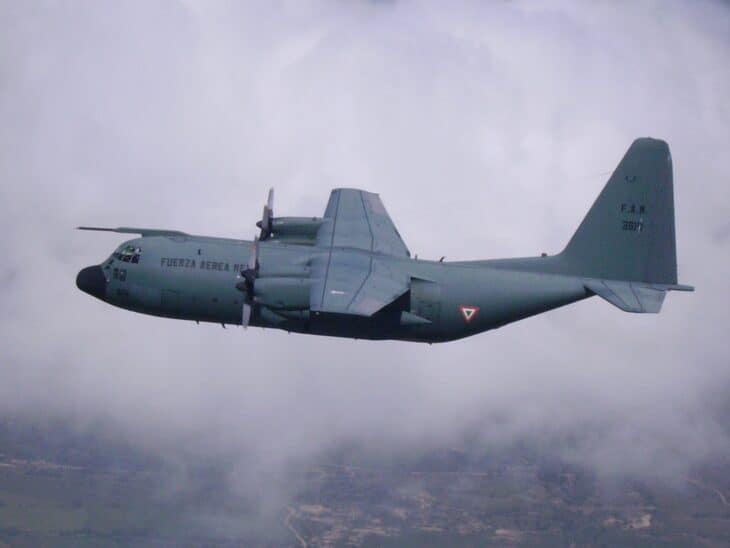

Mexico has flown the Hercules for more than five decades. It once had a sizable fleet, starting with 10 C-130As in the 1980s, but only three legacy airframes remain: one civilian-model L-100-30 and two former Royal Air Force C-130K-30s with Squadron 302 at Santa Lucía.
The replacement is the C-130J-30 Super Hercules, the stretched version with a cargo hold 15 feet longer. Lockheed Martin announced Mexico’s first on January 21, 2026, calling it the first Latin American operator of the type, and a second followed on September 23.
The first is expected in late 2027 or early 2028. Mexico picked the Hercules after Embraer demonstrated its C-390 at Santa Lucía in July 2024 and Airbus offered the A400M, keeping five decades of C-130 experience and infrastructure.
11. Airbus C295 and C-27J Spartan: Medium and Light Airlift
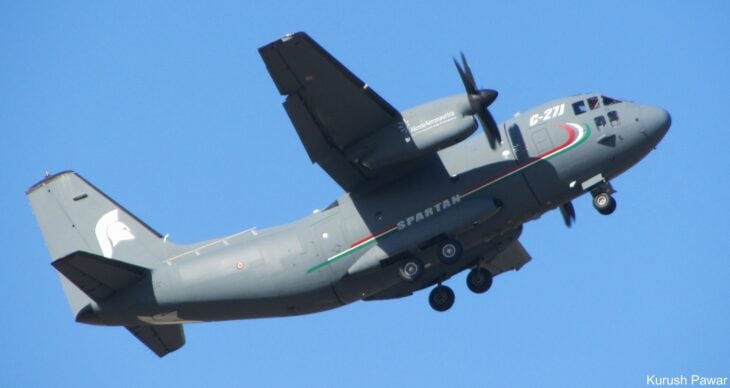

Until the C-130Js arrive, most of the cargo moves on smaller turboprops. Squadron 301 at Santa Lucía flies six Airbus C295s as medium transports.
Squadron 302 adds four Leonardo C-27J Spartans, a twin-turboprop tactical transport. FlightGlobal also lists two Turbo Commanders, two King Air 90s and a single Pilatus PC-6 Porter for light transport.
12. Boeing 737s and the Government Fleet
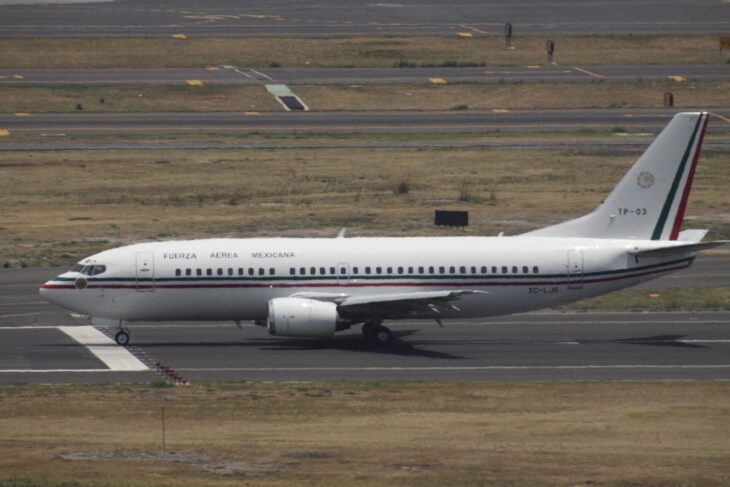

Squadron 502 at Santa Lucía flies Boeing 737-800s and one older 737-200 to move troops and personnel. A separate unit in Mexico City, the Special Air Transport Unit, flies government officials.
Its most famous jet is gone. President Andrés Manuel López Obrador refused to fly the presidential Boeing 787-8, called TP-01, and in April 2023 his government sold it to Tajikistan for the equivalent of $92 million, saying the money would build two hospitals.
13. Grob G 120TP, Cessna 182 and the Stearmans: Where Pilots Start
FAM pilots train at the Military Aviation School, at the Air Force Academy campus on Military Air Base No. 5 in Zapopan, Jalisco. They start on about 25 Cessna 182s, move to 24 German-built Grob G 120TP turboprops, then finish on the PC-7.
Cessna 182s also fly reconnaissance and liaison with four squadrons across the country. The school also keeps five Boeing-Stearman PT-17 biplanes for display flights.
The Fighter Replacement: 12 Jets by 2028
On April 25, 2026, at the Tulum Air Show, FAM commander General Román Carmona Landa told Janes the force had formally begun replacing the F-5. He called it “Mexico’s highest capability, but it’s an older technology.”
The goal is 12 new combat jets by 2028, able to fly air defense, reconnaissance and ground attack. He named four options: the F-16 in its Block 70/72 form, the Saab Gripen E, and two lighter jets, the Korean KAI FA-50 and the Italian Leonardo M-346 in its FA attack version.
No choice had been announced by early October 2026. Saab has presented the Gripen to FAM commanders, and sources told El Universal each Gripen would cost more than $100 million.
Mexico’s neighbors have moved first. Argentina took 24 used F-16s from Denmark in late 2025, Peru ordered 12 new F-16 Block 70/72s for $3.2 billion in early 2026, and Brazil and Colombia have bought 36 and 17 Gripens.
Isn't 2028 too soon?
Probably. Two years is very little time to pick a fighter, sign a contract, build the jets and train pilots on them, and as of June 2026 the only known step was a market analysis. Mexico came close once before: in 2006 its Navy appeared to pick 10 Sukhoi Su-27s, then dropped the plan in February 2007 over cost.
Escuadrón 201: The Aztec Eagles of World War II
Mexico’s air force traces its founding to February 5, 1915, when revolutionary leader Venustiano Carranza created the Military Aviation Arm. It marks Air Force Day on February 10, and turned 111 in 2026.
Its proudest unit is Escuadrón 201, the Aztec Eagles. Mexico declared war on the Axis on May 22, 1942, after losing oil tankers in the Gulf of Mexico, and the squadron trained in the US before shipping to the Pacific.
In 1945, flying the Republic P-47D Thunderbolt, it flew combat missions over Luzon in the Philippines and over Formosa, now Taiwan. Five of its pilots were killed in action, and it remains the only Mexican military unit ever to fight overseas. Our guide to American fighter planes of WW2 covers the P-47 it flew.
What about the Navy, the National Guard and Mexicana?
None of them are in the FAM count. The Mexican Navy runs its own air arm, with 138 aircraft in FlightGlobal’s 2026 directory, including Black Hawks, C295s and 13 T-6C+ Texans. The National Guard moved under the defense ministry on October 1, 2024, and flies its own helicopters. Mexicana de Aviación, the state airline relaunched on December 26, 2023, is managed by the defense ministry but is a civil airline, not an Air Force unit.
How Strong Is the Mexican Air Force?
By numbers, it is large: a 2026 fleet guide from Mexico Aeroespacial counts 333 aircraft, 212 airplanes and 121 helicopters, spread over 19 air bases and 30 squadrons. FlightGlobal counts 286 crewed aircraft in day-to-day use.
By combat power, it is small. The World Directory of Modern Military Aircraft ranks it 64th in the world in 2026, with 325 aircraft and a score of 19.4, just below the Royal Netherlands Air Force, which has fewer than 230 aircraft.
That gap is a choice. Mexico spent about $14.8 billion on defense in 2025, second in Latin America after Brazil, but its threats are cartels, drug flights and disasters, not foreign air forces, and its fleet of helicopters, turboprops and radar planes reflects that.
Our rankings of the largest air forces in the world and the best air forces in the world show the difference between size and strength.
Its air defense reflects that. It rests on the three F-5s, the armed T-6C+ turboprops, the Embraer radar jet and ground radars, including the Mexican-built TPS-Camazot 220, which the Army activated in February 2026 and which can spot a Cessna-sized plane about 137 miles (220 km) away.
FAQ
Sources and references used for research and fact-checking.
- FlightGlobal, World Air Forces 2026 directory
- Janes, Tulum Air Show 2026: Mexican Air Force seeks to acquire new combat aircraft to replace F-5 fleet
- Zona Militar, Faced with the urgent need to replace its F-5E/F Tiger II fighters, the Mexican Air Force is evaluating options
- Forecast International, Mexico's Strategic Push to Modernize its Air Force
- El Imparcial, Sedena analiza renovar la Fuerza Aérea Mexicana con 12 aviones de combate para 2028
- Infodefensa, México pondrá en vuelo nueve cazas F-5 y adquirirá nuevas aeronaves de transporte
- Infodefensa, La Fuerza Aérea Mexicana estrena nuevos esquemas de pintura en el Desfile Militar 2026
- Mexico Aeroespacial, Flota y escuadrones de la Fuerza Aérea Mexicana en 2026
- Infodefensa, Ante la baja de sus sistemas aéreos, México opera los VANT Hermes 900
- Luz Noticias, Fuerza Aérea y Guardia Nacional alistan compra de 7 helicópteros Blackhawk
- Lockheed Martin, Lockheed Martin Welcomes Mexico to the C-130J Super Hercules Fleet
- Air Data News, Mexico orders second C-130J-30 to rebuild depleted Hercules fleet
- Air Data News, Mexico sells presidential Boeing 787 to Tajikistan government
- Wikipedia, Mexican Air Force
- Wikipedia, Mexican Expeditionary Air Force
- World Directory of Modern Military Aircraft, World Air Power Rankings 2026
- Luz Noticias, Ejército activa Camazot, el radar móvil 3D
- Publimetro, Entra en vigor la reforma que transfiere la Guardia Nacional a la Sedena
- Wikipedia, Mexicana de Aviación (2023-present)
Get the Newsletter
The latest aviation news and stories sent to your inbox.
About the Author

Tim is the owner and lead editor of AeroCorner since 2019, overseeing aviation content covering aircraft, airlines, airports, and the broader aviation industry. Through years of researching, writing, editing, and publishing aviation-focused content, he has developed extensive practical knowledge of commercial aviation and air travel. Based in Asia and a frequent traveler himself, Tim also brings firsthand passenger experience to AeroCorner’s coverage. Outside of publishing, he has also explored aviation firsthand through hands-on flight training in New Zealand.