Military Helicopters
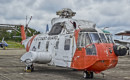
Sikorsky HH-3F Pelican
ICAO: HH3F
The utility helicopter that became a backbone of modern military aviation
The latest aviation news and stories sent to your inbox.
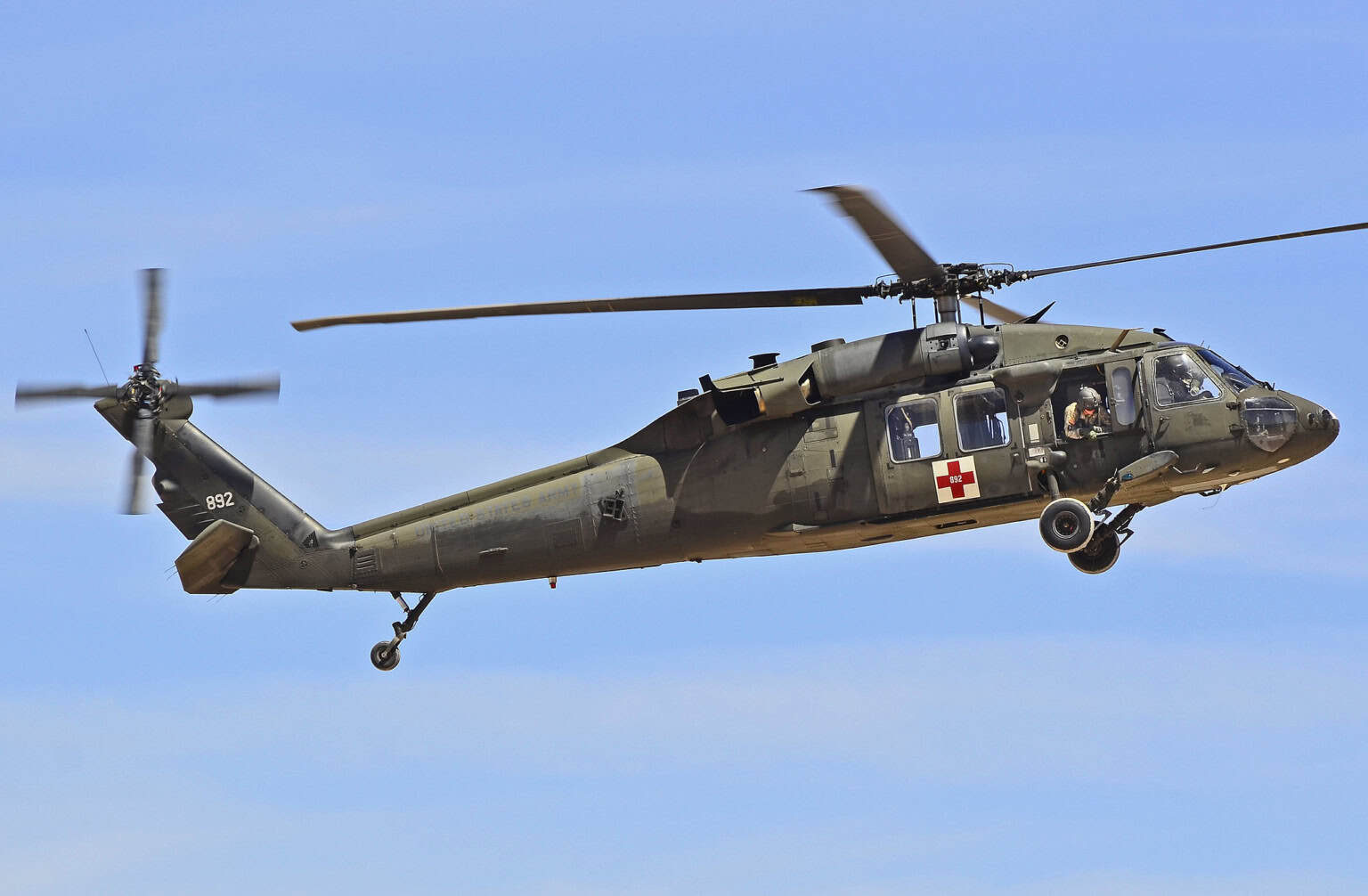
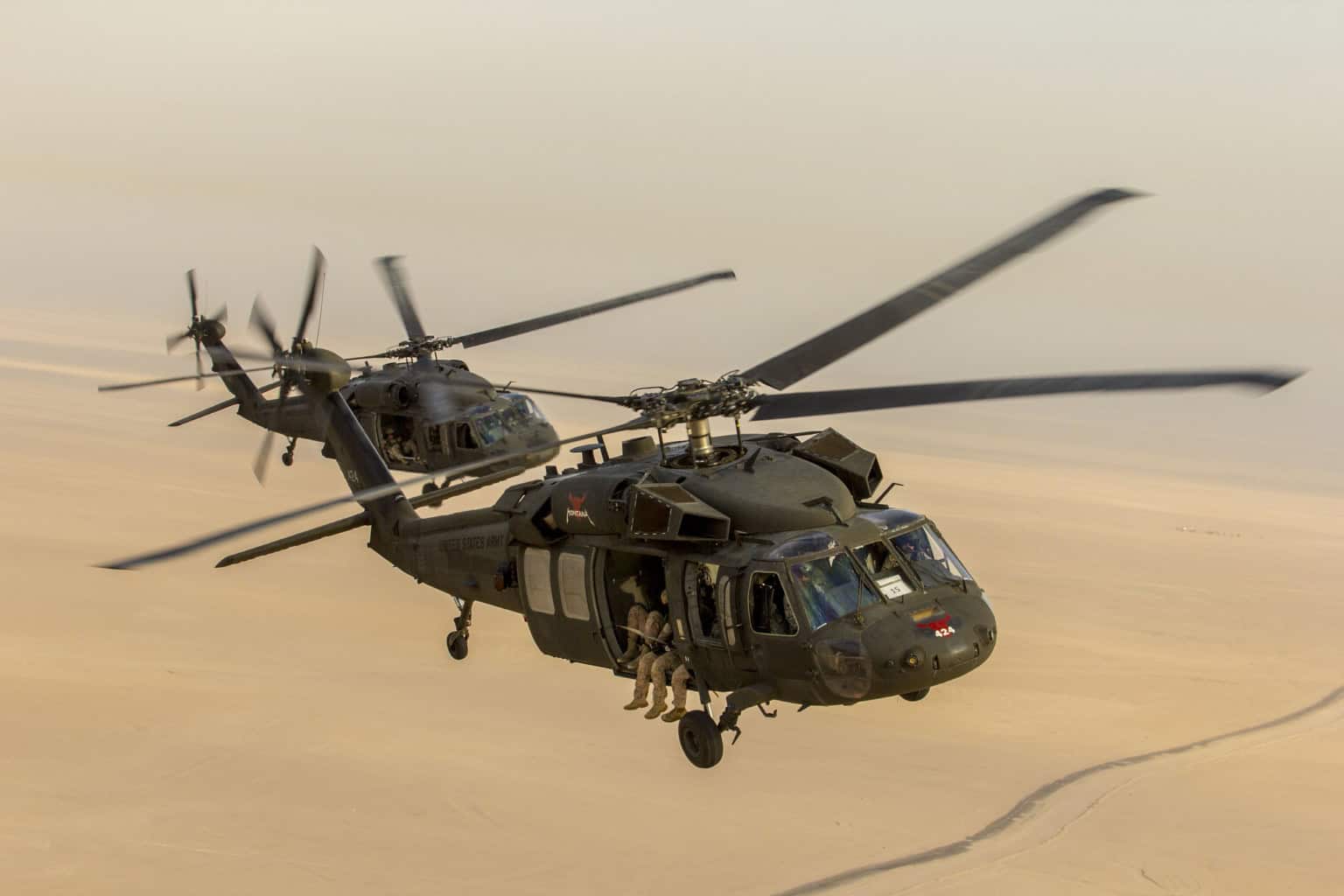
The Sikorsky UH-60 Black Hawk is a twin-engine utility helicopter developed for the United States Army. Designed for troop transport, medevac, and logistical missions, it has become one of the most widely used military helicopters in the world. Its versatility has led to numerous variants.

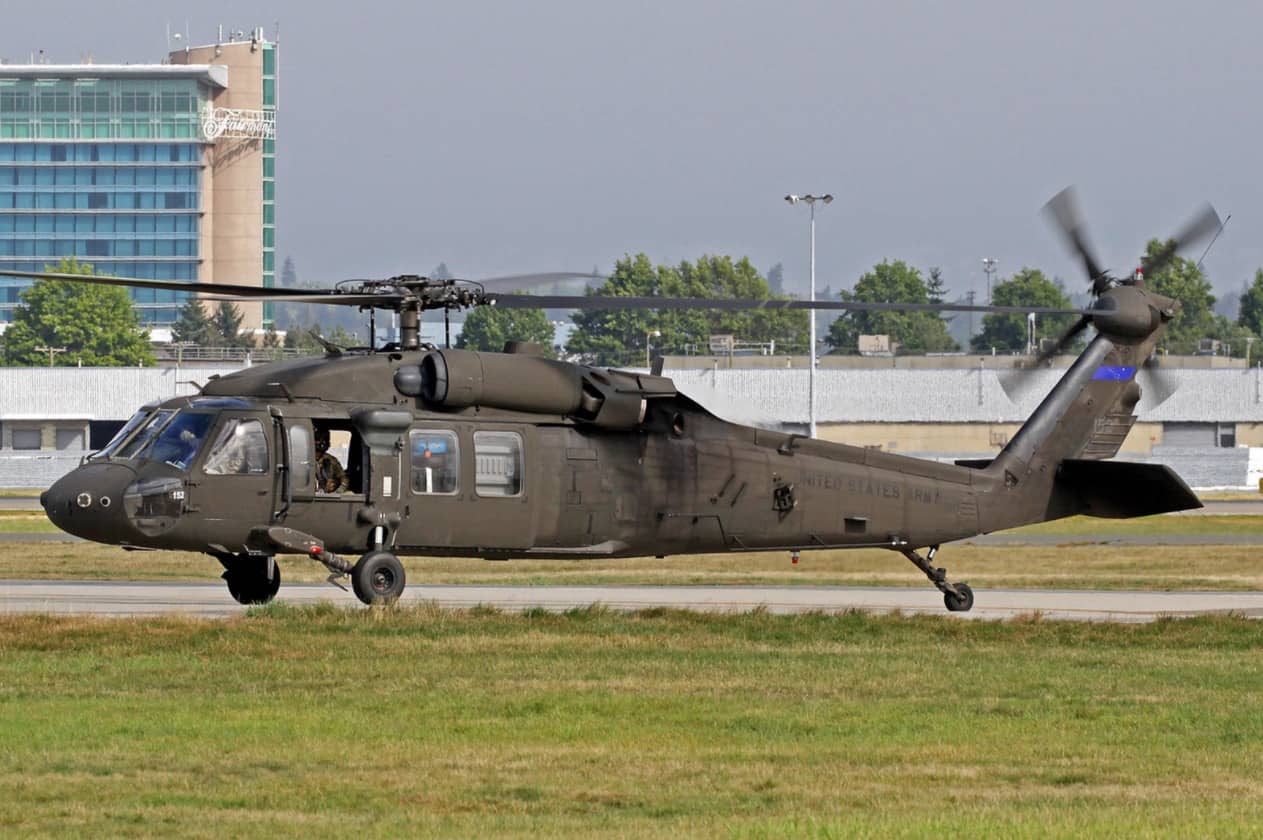


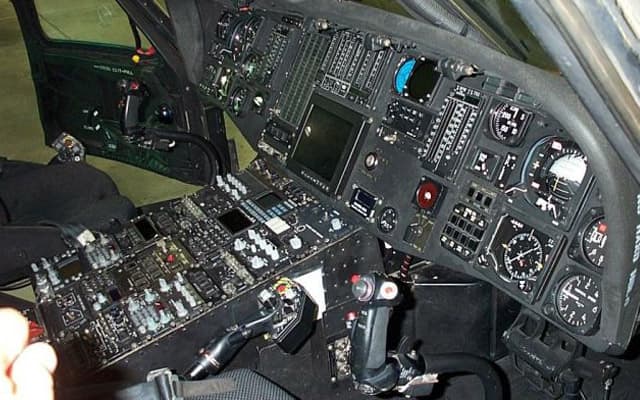
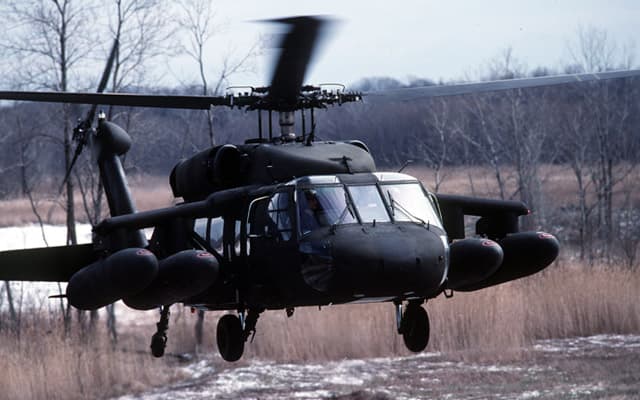
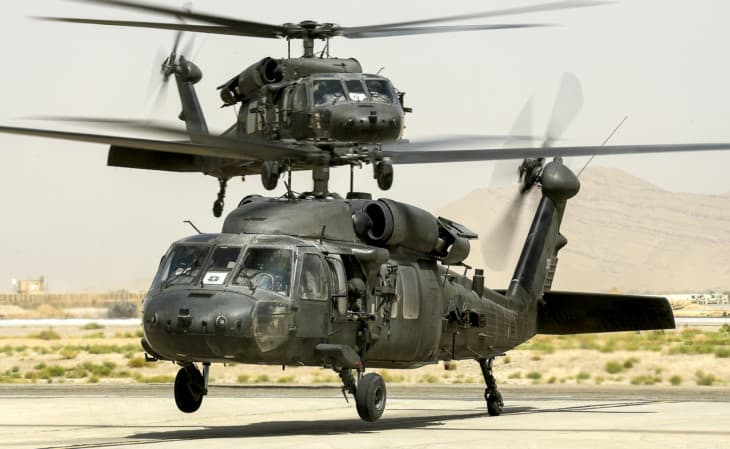
The UH-60 program began in the 1970s under the U.S. Army’s Utility Tactical Transport Aircraft System competition. The prototype first flew in 1974, and the helicopter entered service in 1979. It replaced the UH-1 Huey with improved lift, survivability, and twin-engine redundancy.
Powered by two General Electric T700 turboshaft engines, the Black Hawk can cruise at around 150 knots (280 km/h). It typically carries 11 fully equipped troops and has a maximum takeoff weight exceeding 22,000 pounds (10,000 kg) depending on variant. The design emphasizes crashworthiness, ballistic tolerance, and modular adaptability.
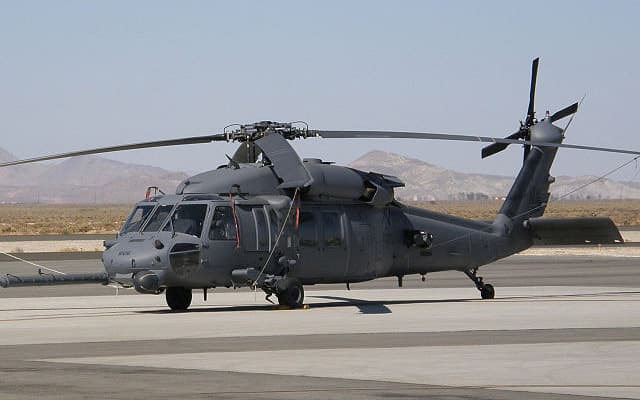
The UH-60 has served in conflicts from the 1980s to the present day and is operated by numerous countries. Specialized versions include medevac, command, and naval adaptations. Its longevity and adaptability have cemented its role as a central platform in modern military aviation.