Military Trainers
Alenia Aermacchi M-346
ICAO: M346
The primary trainer built for modern digital cockpit instruction.
The latest aviation news and stories sent to your inbox.
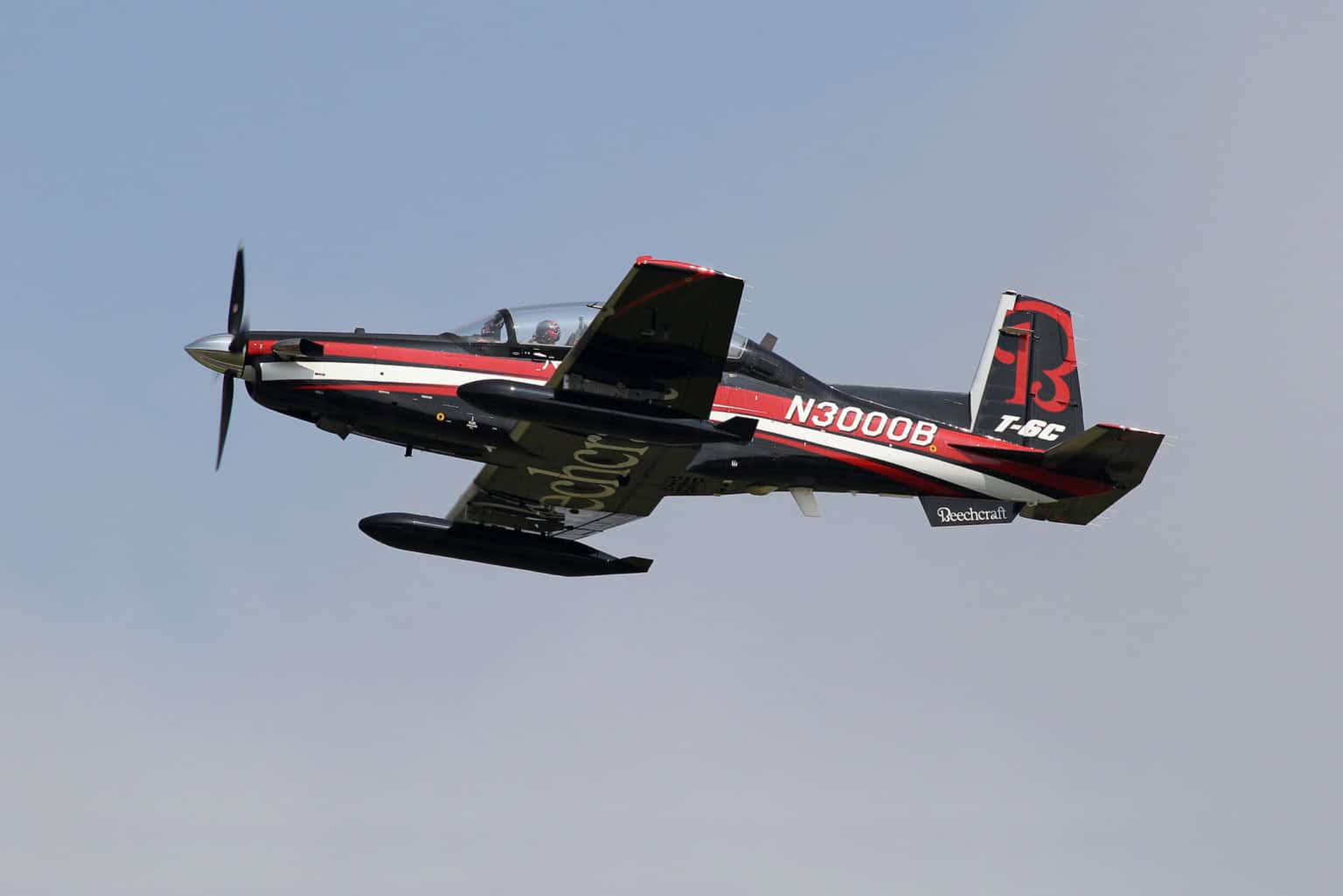
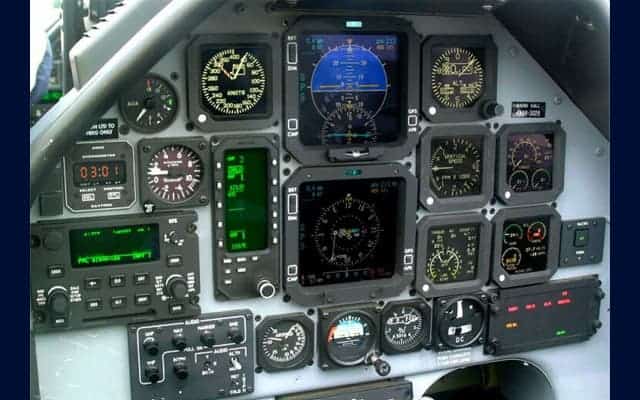
The Beechcraft T-6C is a turboprop military trainer developed from the Pilatus PC-9 design. Equipped with advanced avionics and training systems, it prepares pilots for modern combat aircraft. The aircraft is widely used in U.S. and allied training programs.
Live Fleet Activity (T6C)
Fetching live data…

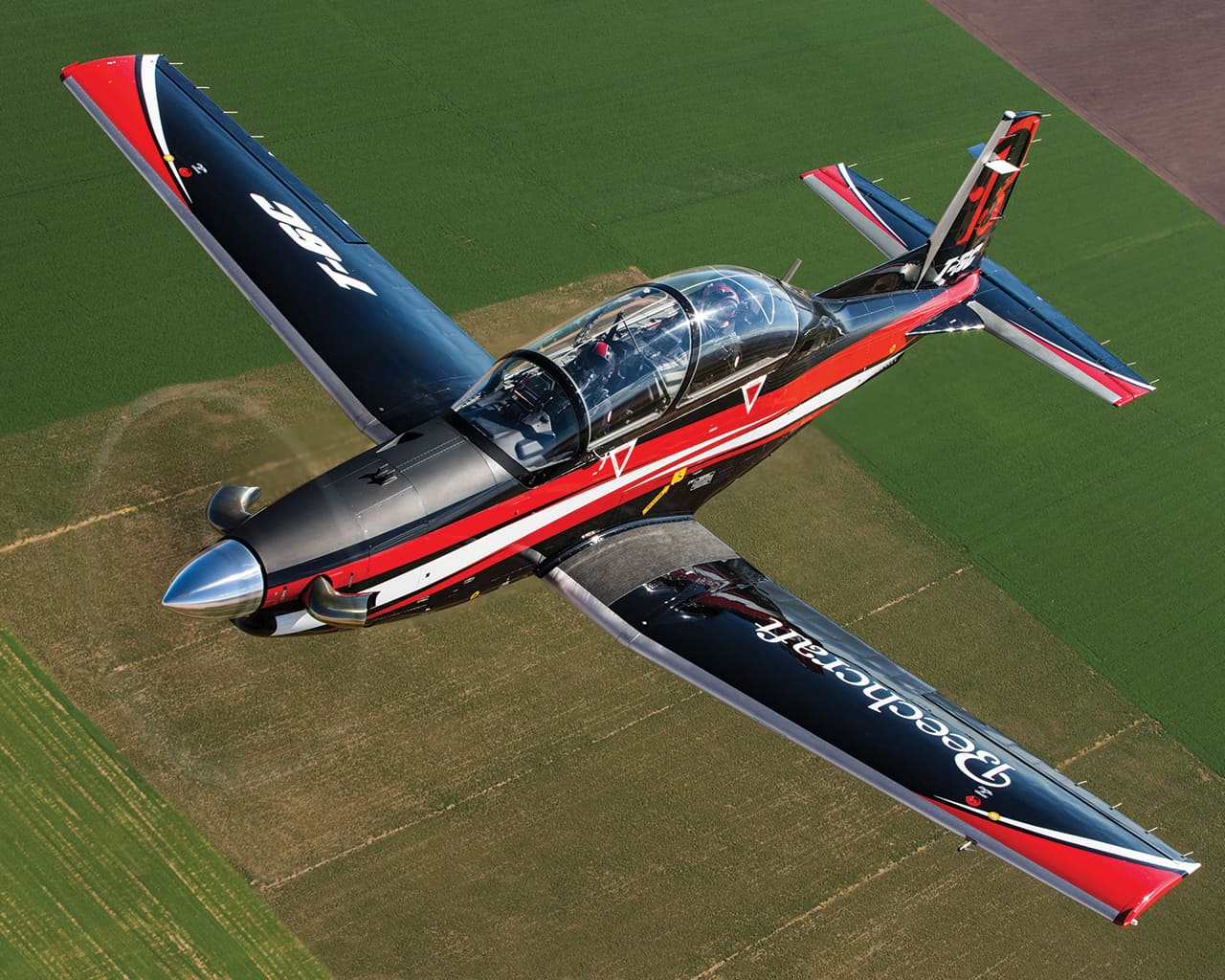

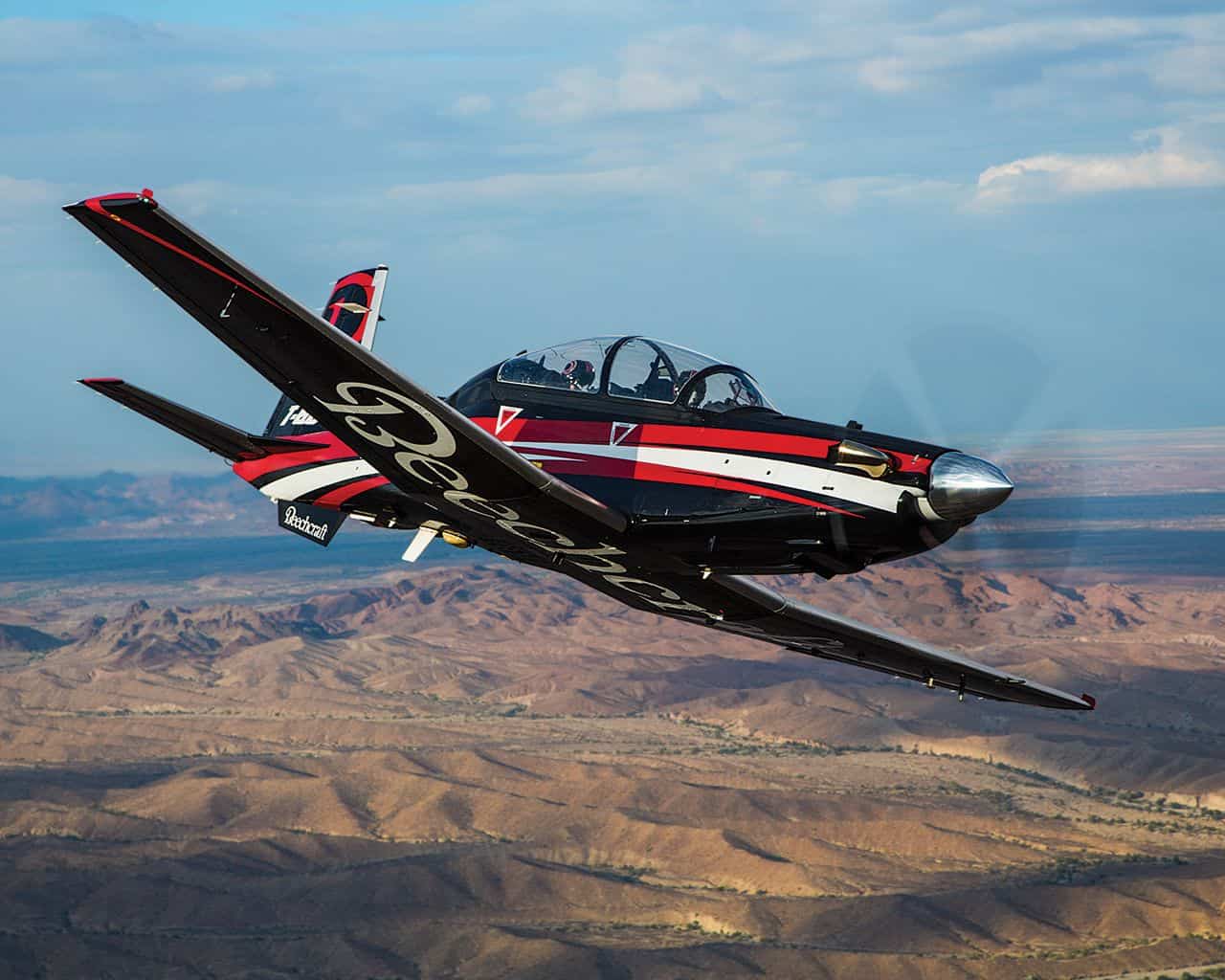


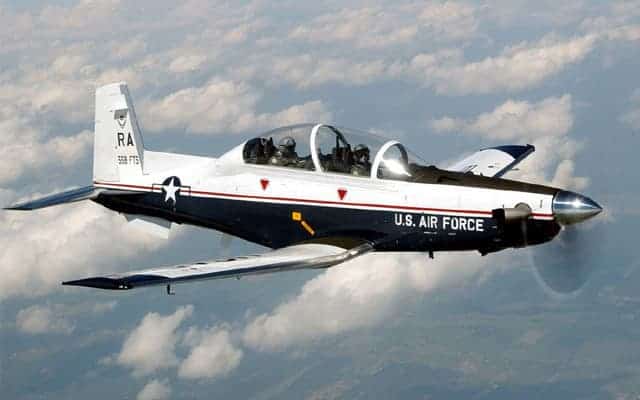
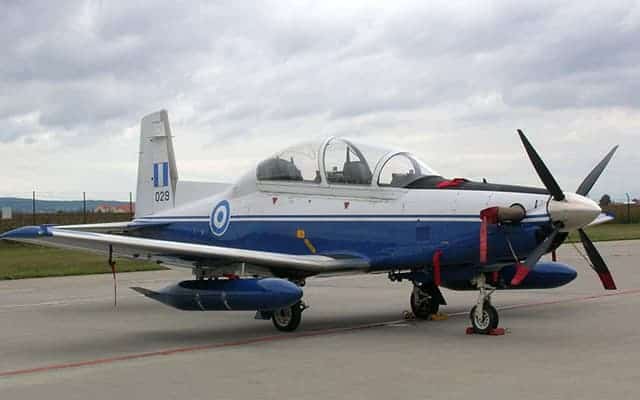
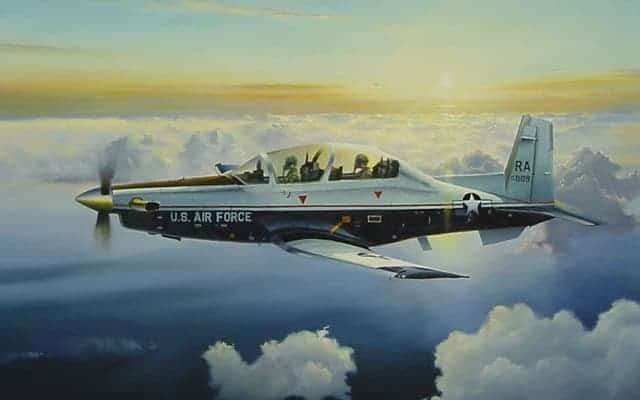
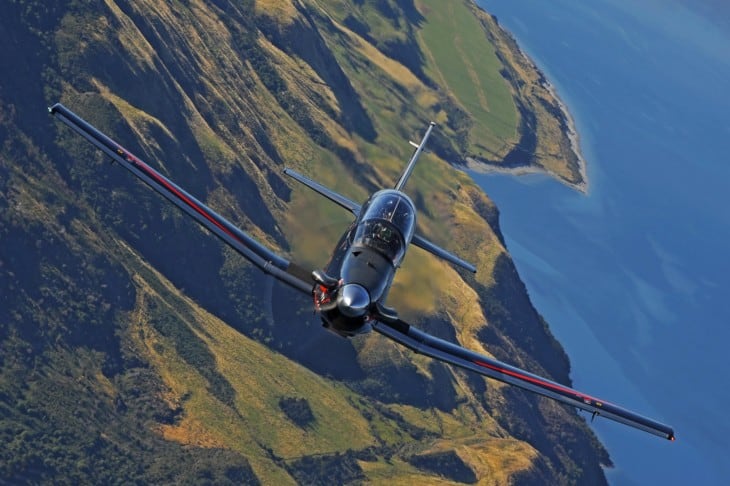
The T-6 program began in the 1990s to replace aging primary trainers. The aircraft first entered service in the early 2000s and has since become a standard trainer for multiple air forces. The T-6C variant features upgraded avionics and weapons simulation capability.
Powered by a Pratt & Whitney Canada PT6A-68 turboprop engine producing approximately 1,100 shaft horsepower, the T-6C cruises at around 320 knots (590 km/h). Maximum takeoff weight is roughly 6,500 pounds (2,950 kg). The cockpit includes digital displays and hands-on-throttle-and-stick controls.
The T-6C provides foundational training in instrument flying, formation, and basic tactics. Its modern systems mirror those found in frontline aircraft. The type remains central to military pilot development pipelines.
Sources and references used for research and fact-checking.