

Table of Contents
The most important spy plane ever flown is the Lockheed U-2. Its photographs of Soviet missiles in Cuba in October 1962 set off the Cuban Missile Crisis, and 71 years after its first flight it is still flying missions in 2026.
The SR-71 Blackbird is faster and far more famous, but fame is not the measure here. This list ranks spy planes by impact: what the intelligence they gathered changed, how long they served, and how much they shaped the aircraft that came after them.
It covers manned jets, a Second World War fighter, signals-intelligence airliners, and the drones that are taking over the job. Every status is current as of September 2026.
| Rank | Spy plane | Country | Defining moment | Status (2026) |
|---|---|---|---|---|
| 1 | Lockheed U-2 Dragon Lady | US | Found Soviet missiles in Cuba, 1962 | In service |
| 2 | Lockheed SR-71 Blackbird | US | Mach 3 overflights, none lost to enemy fire | Retired 1998 (USAF) |
| 3 | Supermarine Spitfire PR | UK | Found the Bismarck, May 1941 | Retired 1954 |
| 4 | Boeing RC-135 Rivet Joint | US, UK | In every sizeable US conflict since Vietnam | In service |
| 5 | Lockheed A-12 Oxcart | US (CIA) | Found the captured USS Pueblo, 1968 | Retired 1968 |
| 6 | Vought RF-8A Crusader | US | 160,000 low-level images of Cuba | Retired |
| 7 | Northrop Grumman RQ-4 Global Hawk | US | Nonstop drone flight to Australia, 2001 | In service (9 left) |
| 8 | Boeing RB-47 Stratojet | US | Overflew the Soviet Union, 1954 | Retired 1967 |
| 9 | Lockheed EP-3E Aries II | US | Hainan Island collision, 2001 | Retired 2025 |
| 10 | Lockheed Martin RQ-170 Sentinel | US | Watched the bin Laden raid, 2011 | In service |
| 11 | Mikoyan MiG-25R Foxbat | USSR | Untouchable over Sinai, 1971 | Retired by India, 2006 |
| 12 | Ilyushin Il-20 Coot | USSR, Russia | Shot down by its own ally, 2018 | In service |
How this ranking works
A spy plane here is an aircraft built or modified mainly to collect intelligence: photographs, radar imagery, or intercepted signals. Each one is scored on three things: how much its intelligence changed real events, how long it served, and how far its design influenced later aircraft. Battle-management jets such as the E-3 AWACS and E-8 JSTARS are left out because they direct fights rather than spy, and armed drones such as the MQ-9 Reaper are left out because they are hunter-killers first.
1. Lockheed U-2 Dragon Lady
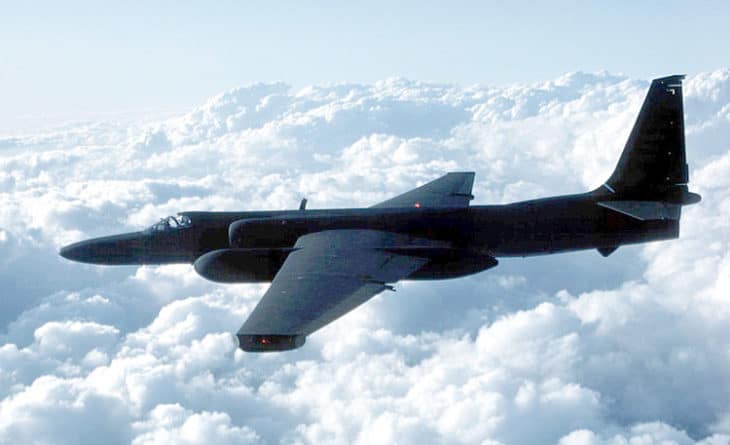
Few aircraft have changed more history with a camera. On October 14, 1962, Maj. Richard Heyser spent less than seven minutes over Cuba in a CIA U-2, and analysts in Washington found Soviet SS-4 missile transporters on his film.
That discovery started the Cuban Missile Crisis. Two years earlier, on May 1, 1960, a Soviet surface-to-air missile had brought down Francis Gary Powers in a U-2 over the Soviet Union, the most famous spy-plane loss of the Cold War.

Kelly Johnson’s Skunk Works built the U-2 Dragon Lady in complete secrecy, and it first flew in August 1955. The current U-2S cruises at 410 mph (660 km/h), routinely works above 70,000 feet, and can fly more than 7,000 miles (11,300 km) without refueling.
What puts it ahead of the Blackbird is endurance. The SR-71 retired in 1998, while the U-2 is still one of the oldest military planes in service, with 23 aircraft averaging more than 40 years old.
The Air Force asked to retire all 23 by the end of fiscal 2027. In June 2026 a draft House spending bill pushed back, capping retirements at two and adding $81 million to restore four aircraft, so the fight over its future is not over.
It needs a sports car to land
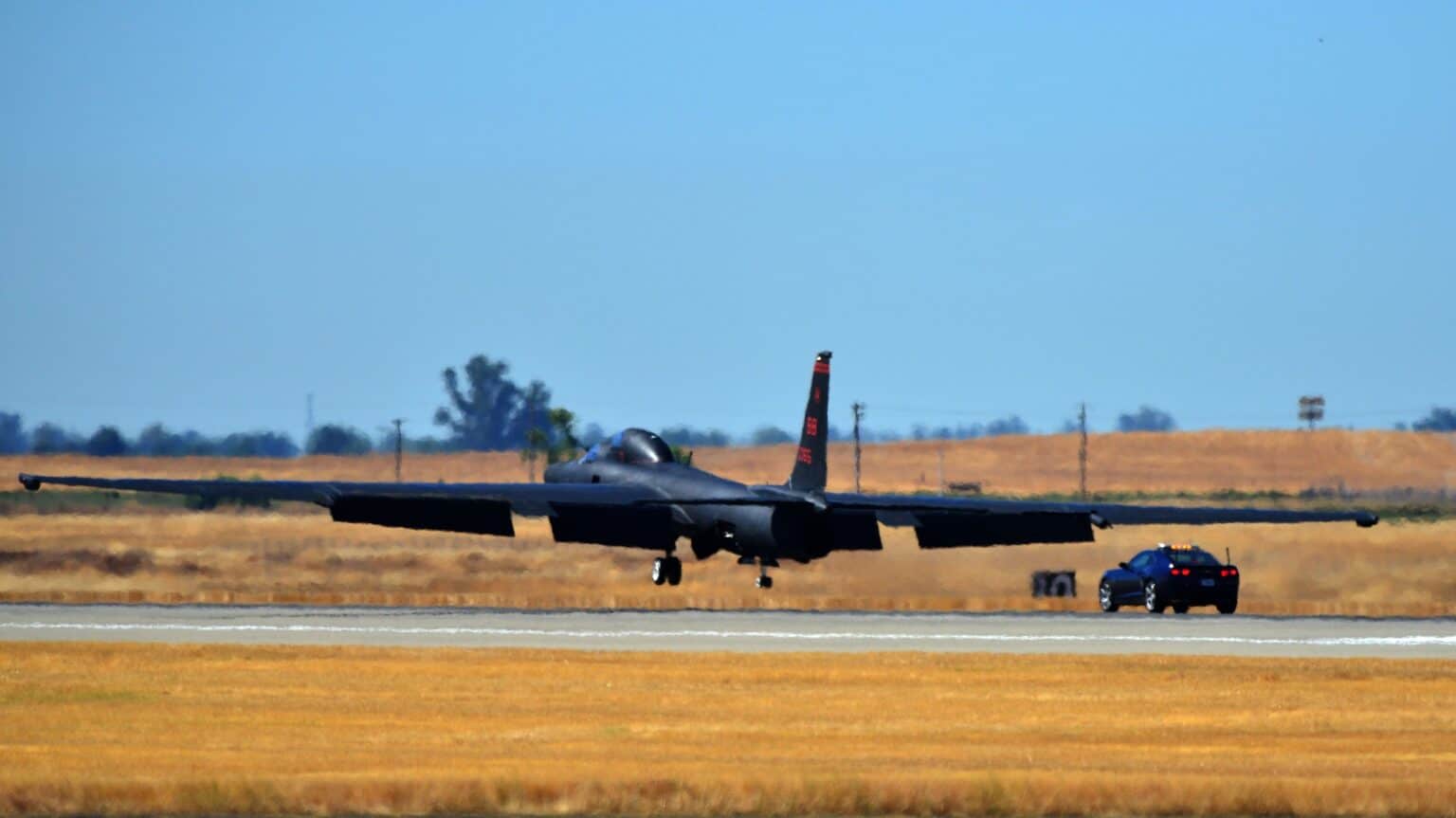
The U-2 is so hard to land, with its bicycle-style landing gear and long nose blocking the pilot’s view, that a second U-2 pilot chases every landing in a high-performance car, calling out height and runway alignment over the radio. The Air Force calls it the most difficult aircraft in the world to fly.
2. Lockheed SR-71 Blackbird

The SR-71 is the most famous spy plane ever built, and its records still stand. On July 28, 1976, an SR-71A set the absolute world speed record for an air-breathing aircraft at 2,193.2 mph (3,529.6 km/h), and that same month an SR-71 set an absolute altitude record of 85,069 feet.
Its defense was speed. Lockheed built 32 Blackbirds and 12 were lost in accidents, but not one was lost to enemy action, a story told in full in how many SR-71 Blackbirds were lost.
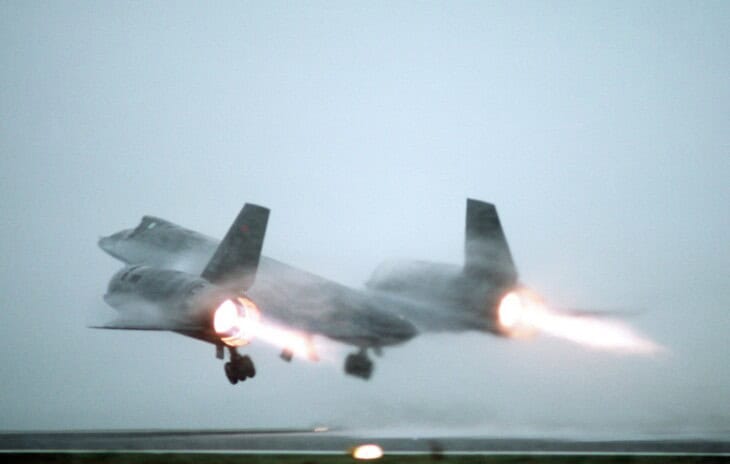
On its delivery flight to the Smithsonian on March 6, 1990, an SR-71 flew from Los Angeles to Washington in 1 hour, 4 minutes and 20 seconds, averaging about 2,124 mph (3,418 km/h). The Air Force retired the type for good in 1998, and NASA flew its last one in 1999.
The SR-71 Blackbird ranks second, not first, because its intelligence never set off a crisis the way the U-2’s did. It was the ultimate spy plane technically, and a short-lived one.
3. Supermarine Spitfire PR
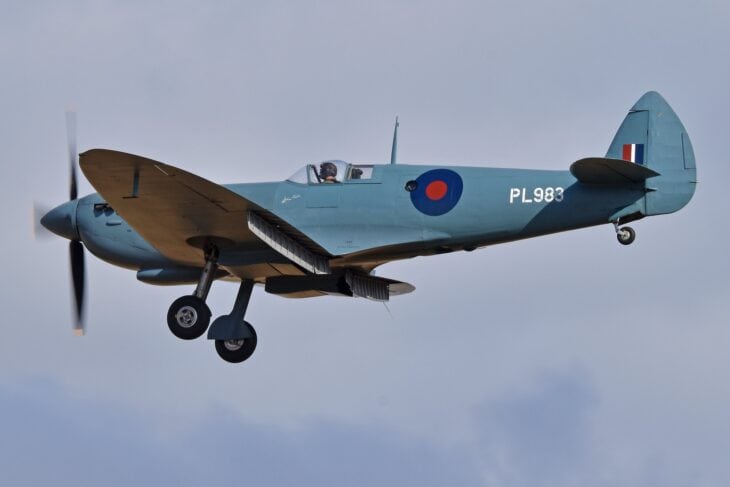
The Spitfire is remembered as a fighter, but its unarmed photo-reconnaissance versions may have mattered as much. Inspired by Sidney Cotton, the RAF stripped out the guns and radio, filled the space with cameras and fuel, and relied on speed and height instead of firepower.
On May 21, 1941, Flying Officer Michael Suckling took Spitfire X4496 from Wick in Scotland and found the German battleship Bismarck anchored in the Grimstadfjord near Bergen. Churchill had the photos published as “the pictures that sank the Bismarck,” and the ship was sunk on May 27, six days later.
Another PR Spitfire photographed a German Würzburg radar at Bruneval on the French coast, which set up the British commando raid on the site, Operation Biting. The late-war photo Spitfire, the PR Mk XIX, was built in 225 examples and stayed in front-line RAF service until April 1954.
4. Boeing RC-135 Rivet Joint
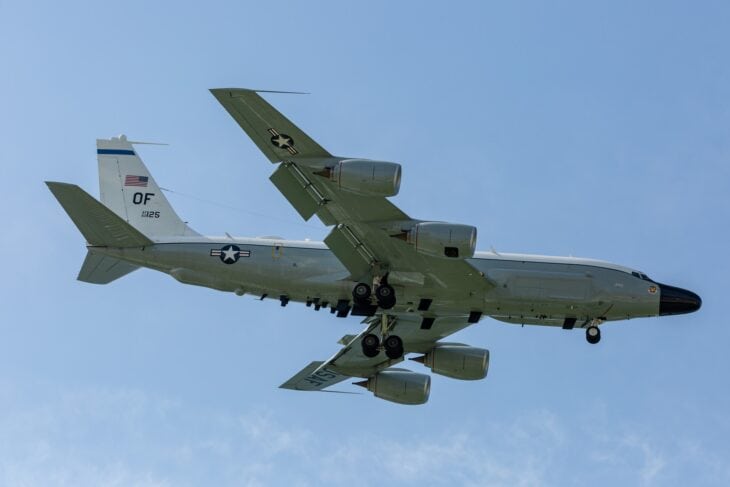

The RC-135 is the least glamorous plane on this list and possibly the hardest-working. Versions of it have flown since 1961, and the Rivet Joint is the Air Force’s standard airborne signals-intelligence aircraft.
It is a heavily modified C-135 that carries more than 30 people, including electronic warfare officers and intelligence operators. They detect, identify and locate radio and radar signals across the spectrum and pass what they find to commanders in near real time.
According to the Air Force, the RC-135 fleet has been present in every sizeable US conflict since Vietnam. By August 2010 the Rivet Joint had marked 20 years of unbroken presence in the Middle East, the longest of any aircraft in the Air Force inventory, and Britain bought three of its own as the RC-135W Airseeker from 2013.
5. Lockheed A-12 Oxcart
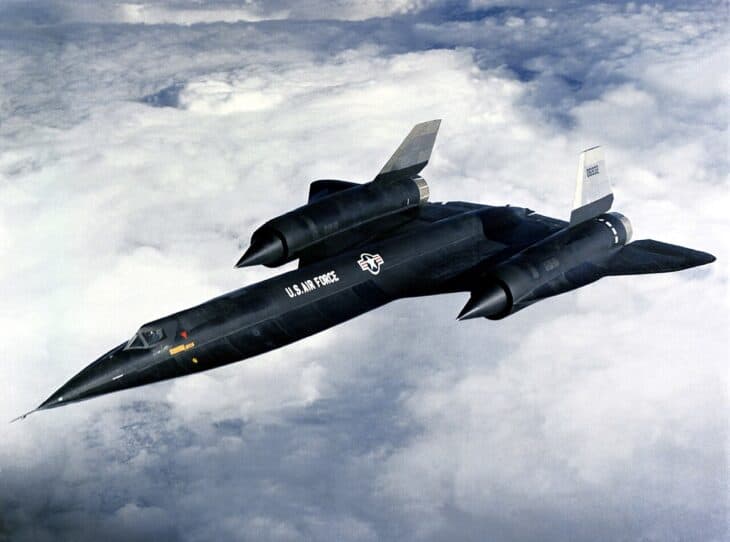
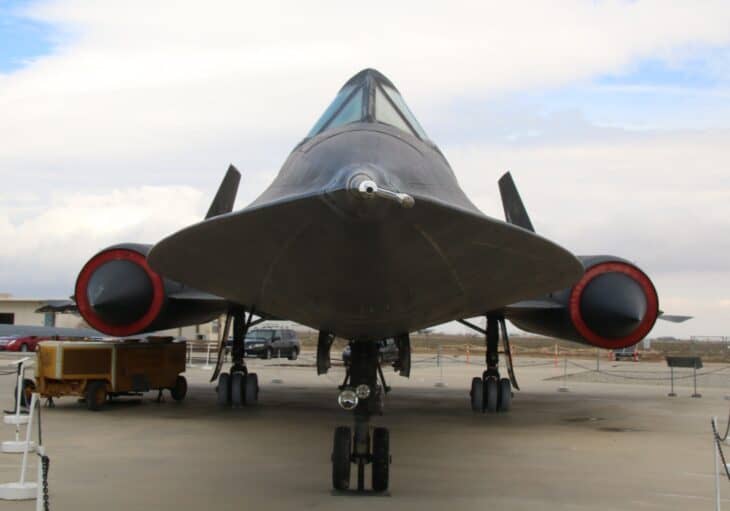
Before the SR-71 there was the A-12, a single-seat Mach 3 spy plane flown by the CIA. It first flew on April 26, 1962, and only 13 were built, six of which were lost.
From May 31, 1967, A-12s flew Operation Black Shield out of Kadena Air Base on Okinawa, photographing North Vietnam. In January 1968 an A-12 overflight found the captured spy ship USS Pueblo in North Korea’s Wonsan Bay.
.jpg)
The program ended with a final flight on June 21, 1968, handing the job to the Air Force’s two-seat SR-71. The same design also produced three YF-12A interceptor prototypes.
The Blackbird was not the fastest of its family
The CIA’s A-12 reached Mach 3.2 to 3.3 and held an altitude advantage of 2,000 to 5,000 feet over the SR-71 at the same Mach number. The more famous Blackbird traded some performance for a second crew member and heavier sensors.
6. Vought RF-8A Crusader
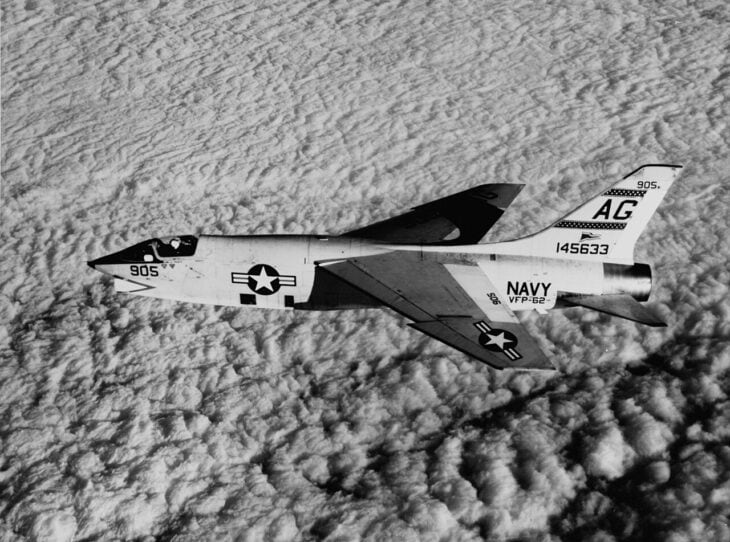
The U-2 found the missiles in Cuba, but the Navy’s RF-8A Crusaders showed them up close. From October 23, 1962, pairs of unarmed RF-8As flew low over the island twice a day from Key West, then raced the film to Jacksonville for developing and on to the Pentagon.

.jpg)
Over about six weeks the Crusaders brought back 160,000 images, confirming the Soviet missiles and then watching them leave. The pilots received the Distinguished Flying Cross.
The photo Crusader had already made history once. On July 16, 1957, Maj. John Glenn flew an F8U-1P from California to New York in 3 hours, 23 minutes and 8.3 seconds, the first supersonic transcontinental flight.
7. Northrop Grumman RQ-4 Global Hawk
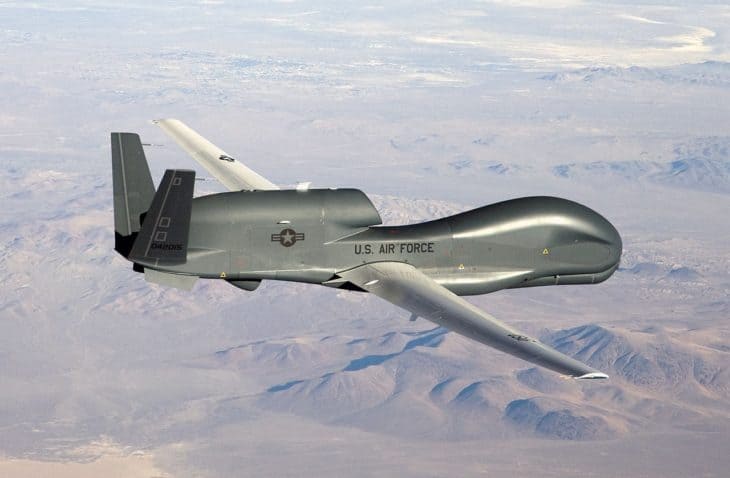
The Global Hawk proved a drone could do the U-2’s job without a pilot. It first flew on February 28, 1998, and on April 24, 2001 it flew nonstop from Edwards Air Force Base to Australia, 8,214 miles (13,220 km), a distance record for an unmanned aircraft.
It works at up to 60,000 feet and once stayed airborne for 33.1 hours. In June 2019, Iran shot down a Navy RQ-4A test version near the Strait of Hormuz with a surface-to-air missile, claiming it had entered Iranian airspace, which the US denied.
The Air Force is down to nine RQ-4s from a peak of 33, and Congress has barred it from retiring any until the end of fiscal 2030. Its successors in the best military drones in the world all build on what it proved.
8. Boeing RB-47 Stratojet
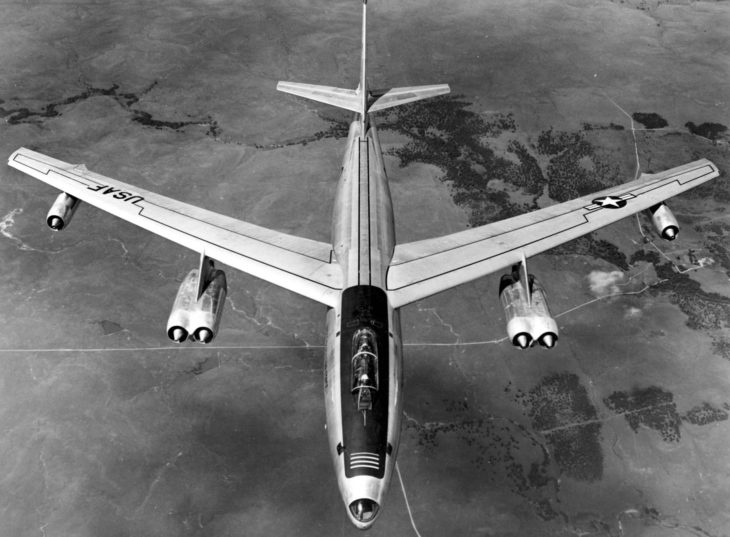
Before the U-2 existed, the US spied on the Soviet Union with converted bombers. Boeing built 240 camera-carrying RB-47Es and 32 electronic-intelligence RB-47Hs, variants of the B-47 Stratojet bomber.
On May 8, 1954, Capt. Hal Austin flew an RB-47E straight over the Soviet Union near Murmansk, was chased and hit by MiG-17s, and still made it back to RAF Fairford. Not every crew was that lucky: in April 1955 an RB-47 vanished after MiG-15s intercepted it off Kamchatka.
On July 1, 1960, just two months after Powers, a MiG-19 shot down an RB-47H in international airspace over the Barents Sea. Four crew died and two were captured and released in 1961, and the last RB-47H retired on December 29, 1967.
9. Lockheed EP-3E Aries II
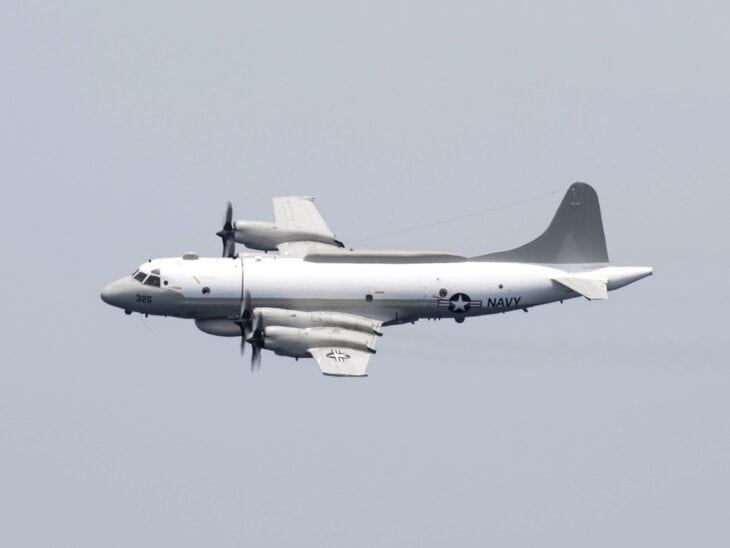

The EP-3E, a signals-intelligence version of the P-3 Orion patrol plane, is on this list mainly for one day. On April 1, 2001, a Chinese J-8II fighter collided with an EP-3E over the South China Sea, and the Chinese pilot, Wang Wei, was killed.
The crippled EP-3E made an unauthorized emergency landing at Lingshui airfield on Hainan Island with 24 crew aboard. China held them for 10 days, then sent the aircraft back in July 2001, taken apart and flown out in two Antonov An-124 freighters.
The crew went home only after the US sent China a letter expressing regret. The Navy retired its last EP-3E in February 2025 and handed the job to the MQ-4C Triton drone.
10. Lockheed Martin RQ-170 Sentinel
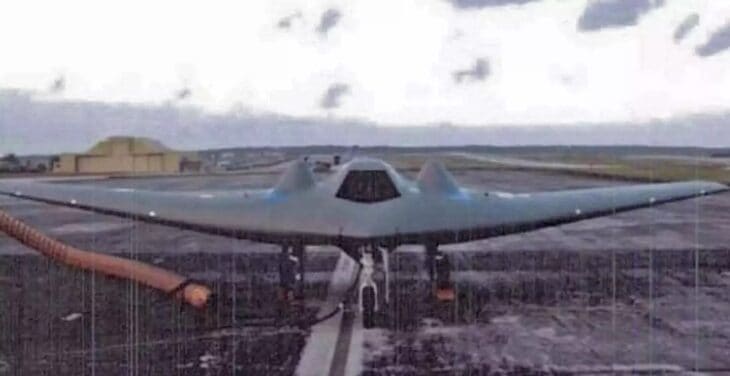

The RQ-170 is a stealthy flying-wing drone that the Air Force admitted to only after grainy photos appeared of it at Kandahar in December 2009. The nickname stuck: the Beast of Kandahar.
The Washington Post reported that an RQ-170 watched the May 2, 2011 raid on Osama bin Laden’s compound, feeding live video to President Obama’s national security team. Seven months later, on December 4, 2011, one came down inside Iran near Kashmar.
Iran said its electronic warfare unit brought it down, and US officials acknowledged losing the drone. Iran later claimed to have copied it, and its Shahed 171 is modeled on the captured airframe, making the RQ-170 one of the few stealth aircraft an adversary has held in its hands.
11. Mikoyan MiG-25R Foxbat
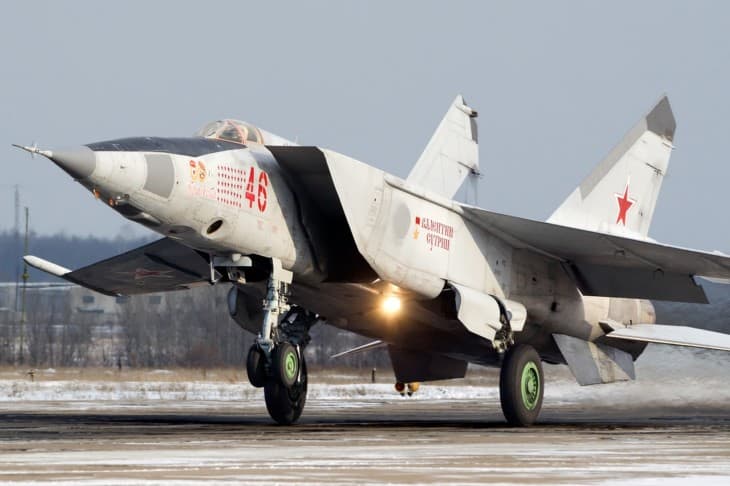

The Soviet Union’s best answer to the Blackbird was a reconnaissance version of its fastest interceptor. In 1971 and 1972, Soviet-flown MiG-25Rs based in Egypt made pairs of high-speed runs over Israeli-held Sinai at 56,000 to 75,000 feet.
Israeli F-4 Phantoms tried to catch them, including on November 6, 1971, and failed. The MiG-25 Foxbat was redlined at Mach 2.8, fast enough and high enough to make interception close to impossible.
India flew MiG-25Rs as well, and in May 1997 one reportedly flew faster than Mach 3 over Pakistani territory after a reconnaissance run, drawing a formal Pakistani protest. India retired its fleet in 2006.
12. Ilyushin Il-20 Coot
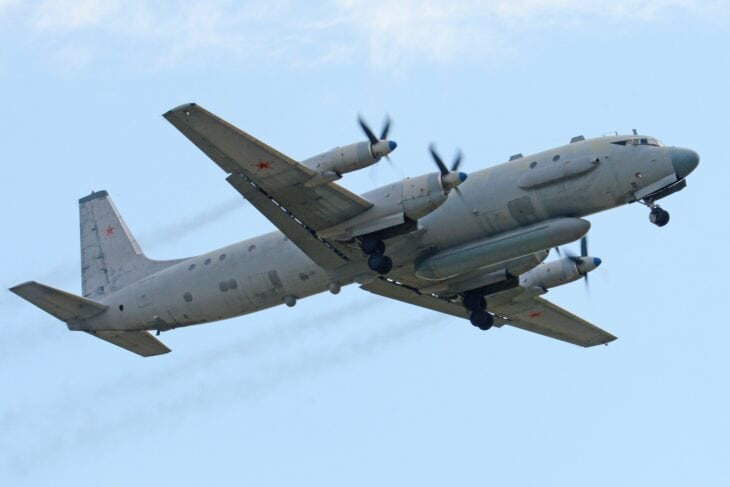
The Il-20, known to NATO as the Coot-A, is Russia’s signals-intelligence airliner, built on the Il-18 turboprop. It first flew on March 21, 1968, and only 19 were built, yet NATO fighters have intercepted it again and again over the Baltic.
On September 17, 2018, a Syrian S-200 missile battery shot down a Russian Il-20M over the eastern Mediterranean, killing all 15 aboard. Russia’s own ally had fired the missile.
It is still busy. On August 20, 2026, Finland said an Il-20 was suspected of flying about 4.7 nautical miles into Finnish airspace south of the island of Utö for roughly three minutes, and an investigation is underway.
Near misses
The Lockheed D-21 was a Mach 3.3 drone launched from B-52s against China’s Lop Nor nuclear test site between 1969 and 1971. It was brilliant engineering, but all four operational missions failed, so it misses the list on impact.
The US Army’s new HADES, a converted Bombardier Global 6500 business jet, is too new to rank. Flight testing was scheduled for summer 2026 and service entry is expected in 2027, as covered in our look at the Army’s HADES spy plane.
Haven't satellites and drones made spy planes obsolete?
Not yet, and 2026 proves it. The Air Force has tried to retire the U-2 repeatedly, and Congress keeps stopping it because nothing else can yet move a heavy sensor anywhere in the world at short notice. Congress has also barred the Global Hawk from retirement until 2030, and the Army is buying a brand-new manned spy jet. Satellites follow predictable orbits that an adversary can plan around, and a spy plane can be sent where it is needed and kept there.
FAQ
Sources and references used for research and fact-checking.
- U.S. Air Force, U-2S/TU-2S fact sheet
- Wikipedia, Lockheed U-2
- Wikipedia, Richard S. Heyser
- Air and Space Forces Magazine, 2027 Budget: U-2 to Retire, Air Force to Buy Over $30B in Aircraft
- Air and Space Forces Magazine, U-2 Would Avoid Chopping Block Under Draft Spending Bill
- Wikipedia, Lockheed SR-71 Blackbird
- Smithsonian National Air and Space Museum, Lockheed SR-71 Blackbird
- Wikipedia, Eldon W. Joersz
- Wikipedia, Lockheed A-12
- Wikipedia, Supermarine Spitfire (early Merlin-powered variants)
- Wikipedia, Supermarine Spitfire (Griffon-powered variants)
- Caithness at War, Site 12. Sink the Bismarck
- KBismarck.com, Operation Rheinübung: Bismarck's Atlantic Sortie
- Wikipedia, Operation Biting
- Wikipedia, Boeing RC-135
- U.S. Air Force, RC-135V/W Rivet Joint fact sheet
- Wikipedia, Vought F-8 Crusader
- Wikipedia, Northrop Grumman RQ-4 Global Hawk
- Air and Space Forces Magazine, Air Force Plans Contract That Could Keep RQ-4s Flying Into 2030s
- Wikipedia, Boeing B-47 Stratojet
- Wikipedia, Hainan Island incident
- Seapower Magazine, Navy Retires Last EP-3E Electronic Reconnaissance Aircraft
- Wikipedia, Lockheed Martin RQ-170 Sentinel
- Wikipedia, Mikoyan-Gurevich MiG-25
- Wikipedia, Ilyushin Il-20M
- AeroTime, Russian Il-20 suspected of flying nearly 9 km into Finnish airspace
- Wikipedia, Lockheed D-21
Get the Newsletter
The latest aviation news and stories sent to your inbox.
About the Author

Tim is the owner and lead editor of AeroCorner since 2019, overseeing aviation content covering aircraft, airlines, airports, and the broader aviation industry. Through years of researching, writing, editing, and publishing aviation-focused content, he has developed extensive practical knowledge of commercial aviation and air travel. Based in Asia and a frequent traveler himself, Tim also brings firsthand passenger experience to AeroCorner’s coverage. Outside of publishing, he has also explored aviation firsthand through hands-on flight training in New Zealand.