

Table of Contents
The fastest aircraft ever flown by a crew lost more than a third of its fleet across 24 years of service. Every one of those losses was self-inflicted.
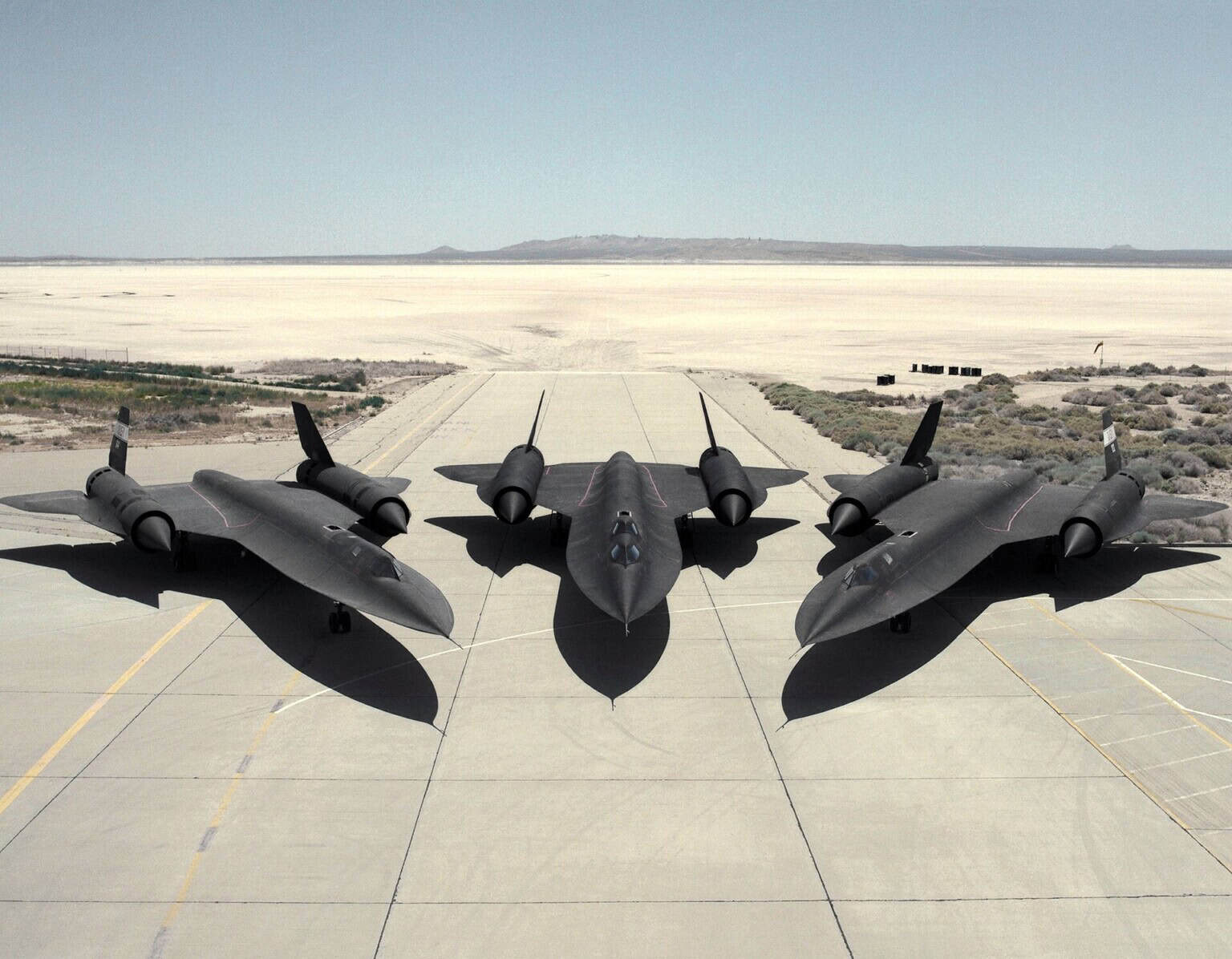
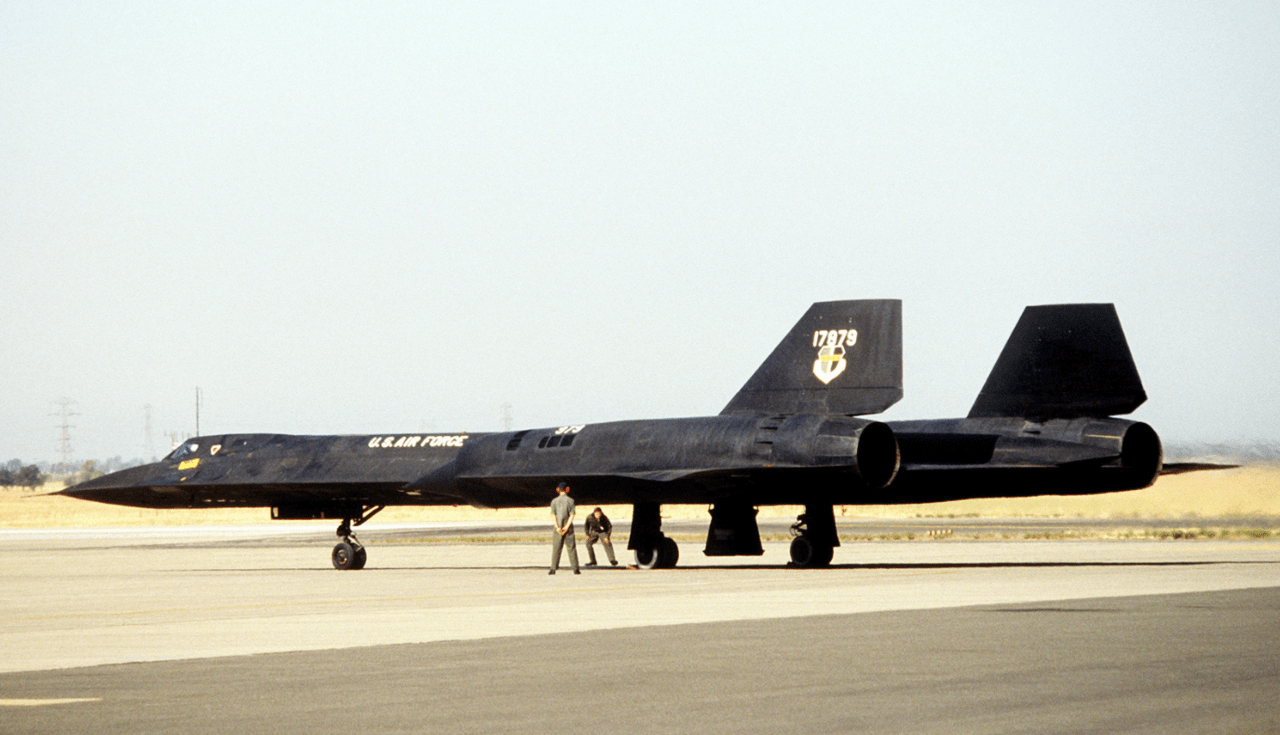
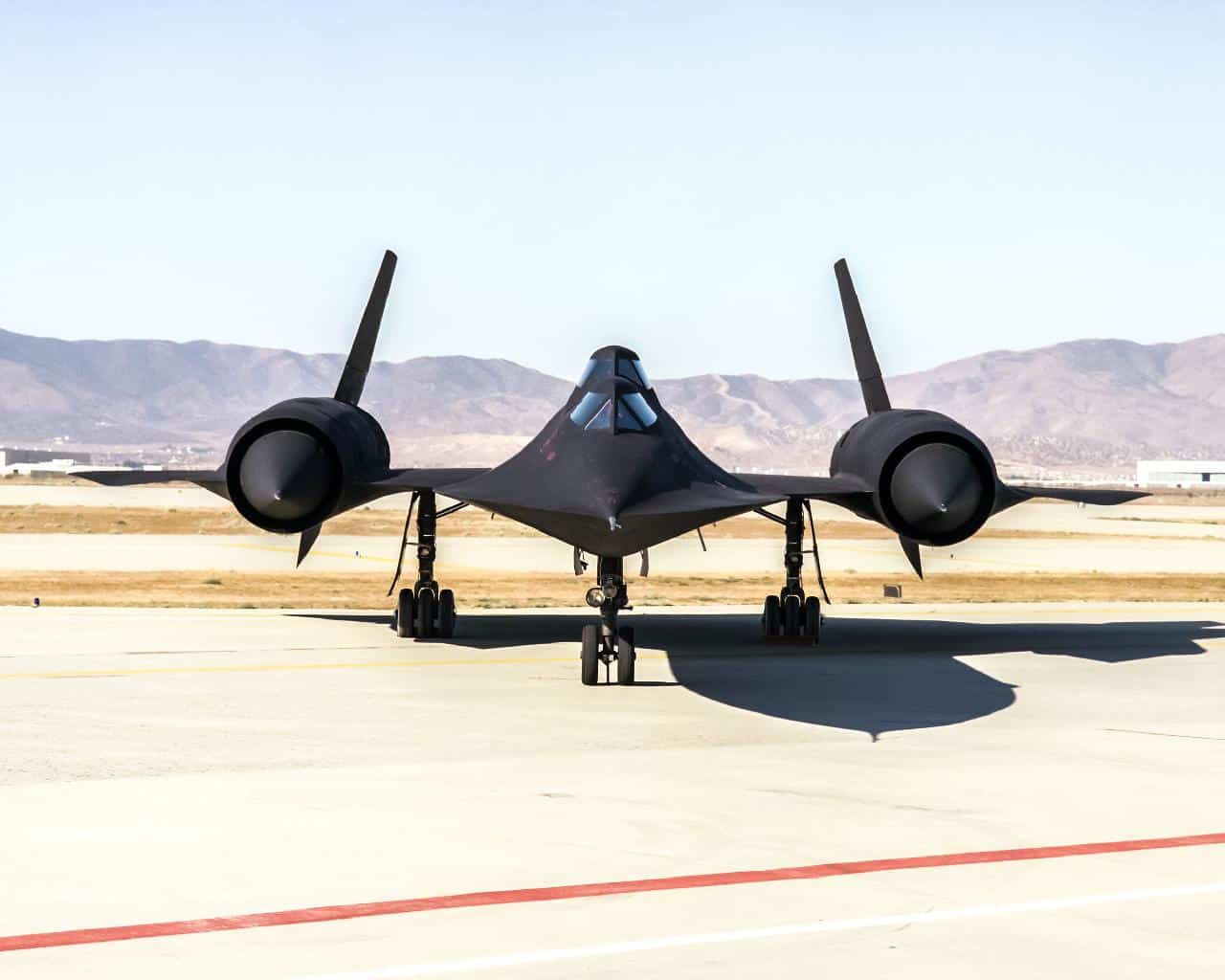
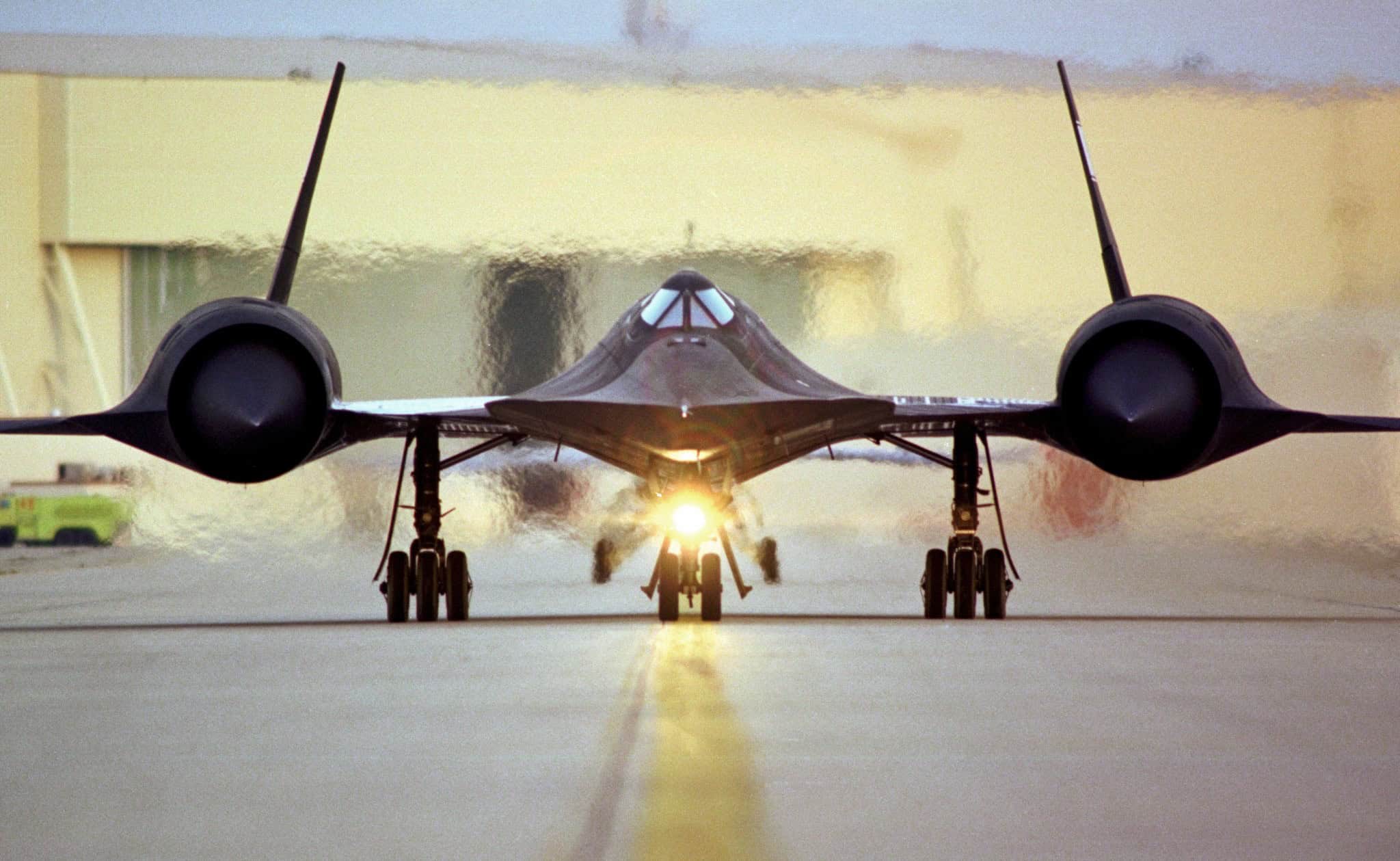
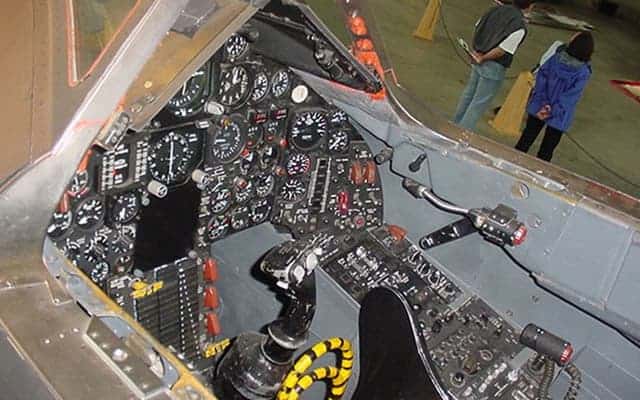
Thirty-two SR-71s were built. Twelve were destroyed. None was shot down.
The aircraft no interceptor could catch and no missile could reach wrecked 37 percent of its own fleet without help from the Soviet Union, North Vietnam or anyone else. A blown tire on takeoff. An engine inlet that failed at Mach 3 and threw the airplane sideways. A collision with the tanker that was refueling it. A thunderstorm.
Only one crew member died in all twelve accidents, which is its own kind of remarkable.
The thing that kept killing Blackbirds was the Blackbird
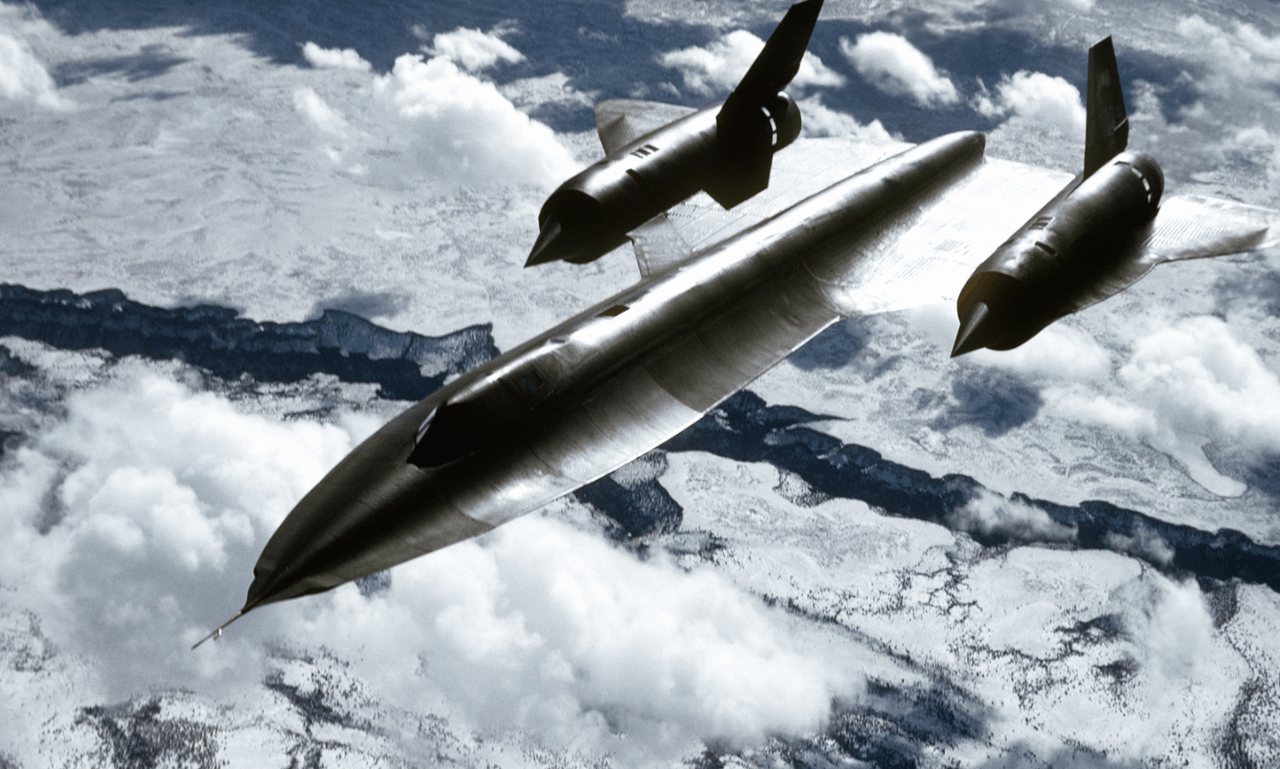
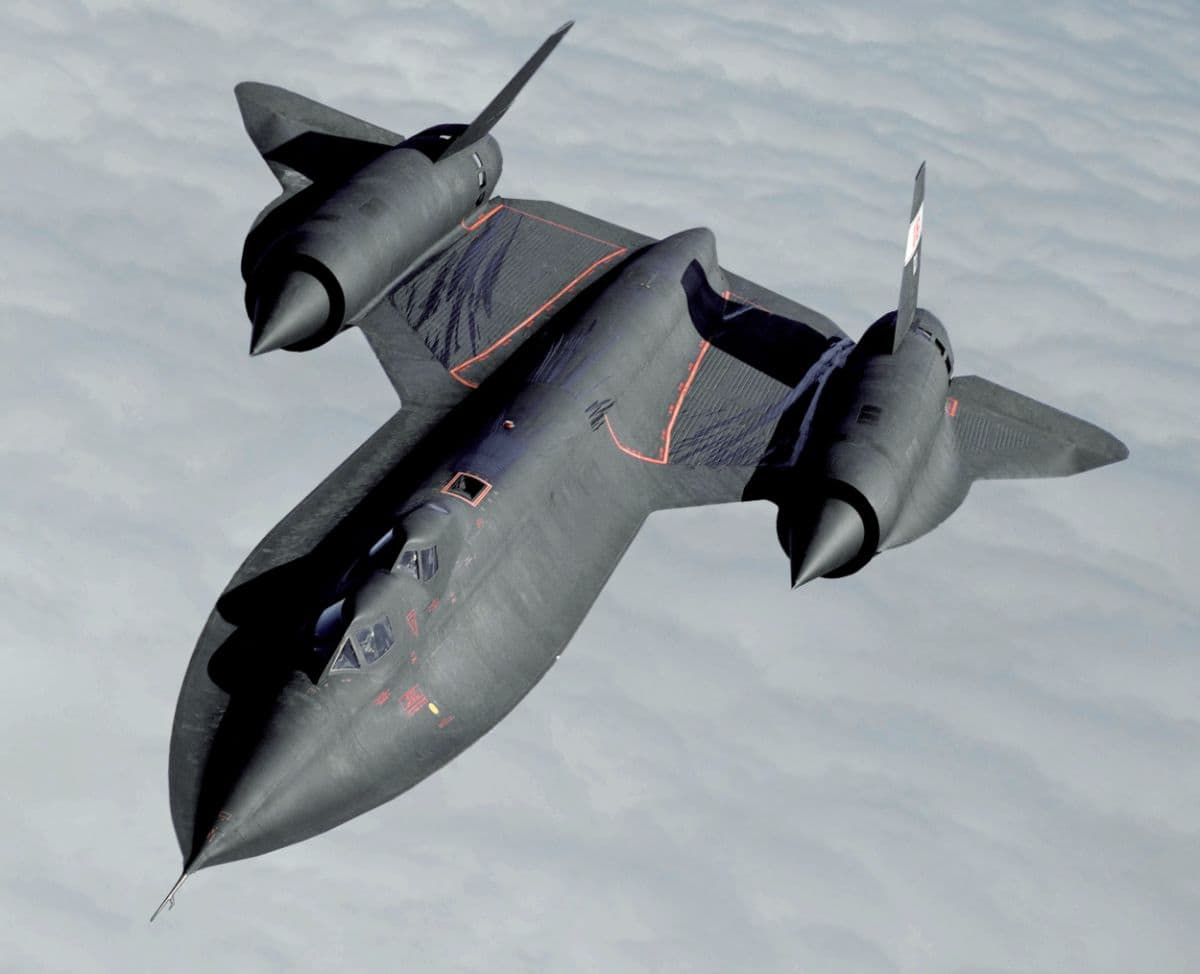
The Lockheed SR-71 Blackbird cruised at Mach 3.2 above 85,000 feet, which meant its airframe ran hot enough to require a titanium structure and a fuel that would not boil at cruise. Nothing about it had margin. It was built to sit permanently at the edge of what the materials allowed.
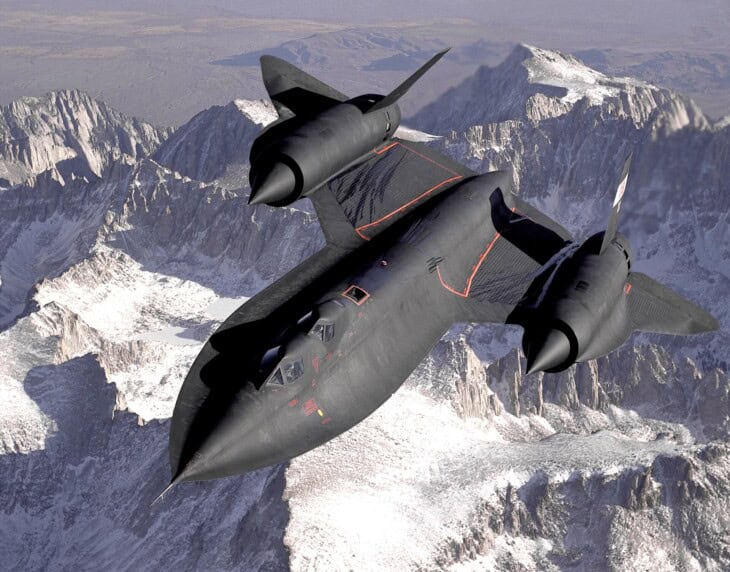
The signature failure was the inlet unstart. Each engine needed a shock wave held in exactly the right place inside its intake, and when that shock wave popped forward, the engine lost thrust instantly while the other one kept pushing.
At three times the speed of sound, the resulting yaw was violent enough to slam crews against the canopy. Four of the twelve losses trace to inlet or engine failures of this kind.
The first loss showed what that looked like at the extreme. On January 25, 1966, Lockheed test pilot Bill Weaver was flying with the center of gravity deliberately shifted aft to study high-Mach drag when the aircraft departed controlled flight at Mach 3.18 and disintegrated around him.
Weaver was thrown clear of the wreckage without ever touching the ejection handle, and survived. His reconnaissance systems officer, Lockheed flight test specialist Jim Zwayer, suffered a broken neck during the breakup and was killed. He remains the only fatality in the SR-71’s entire accident record.
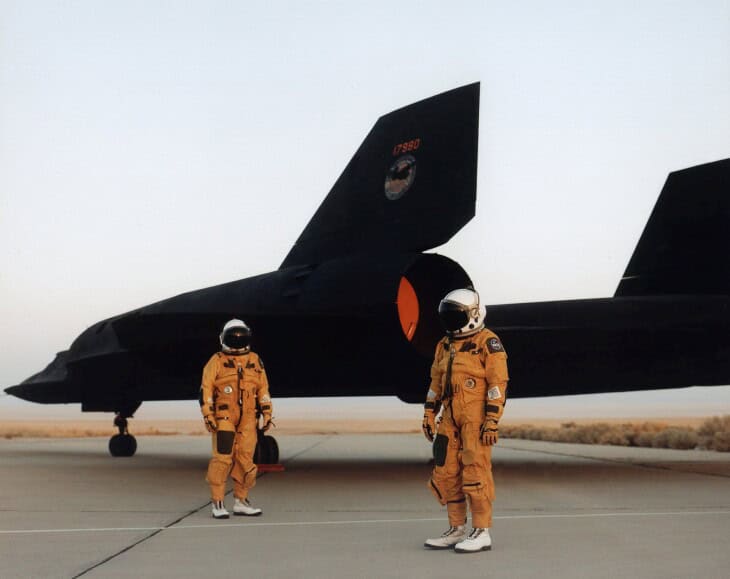
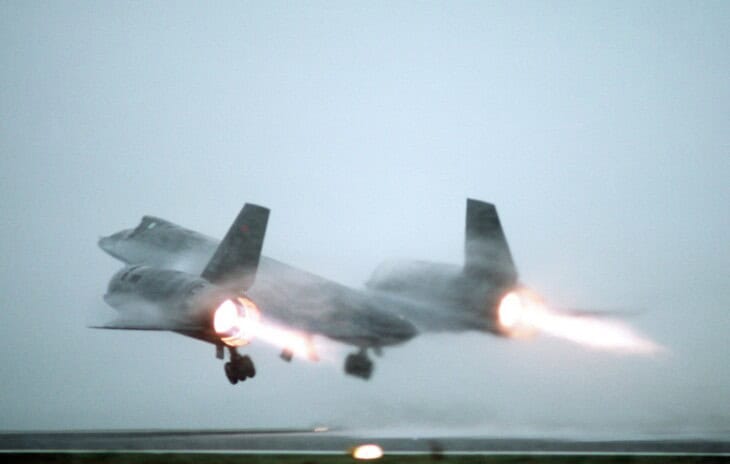
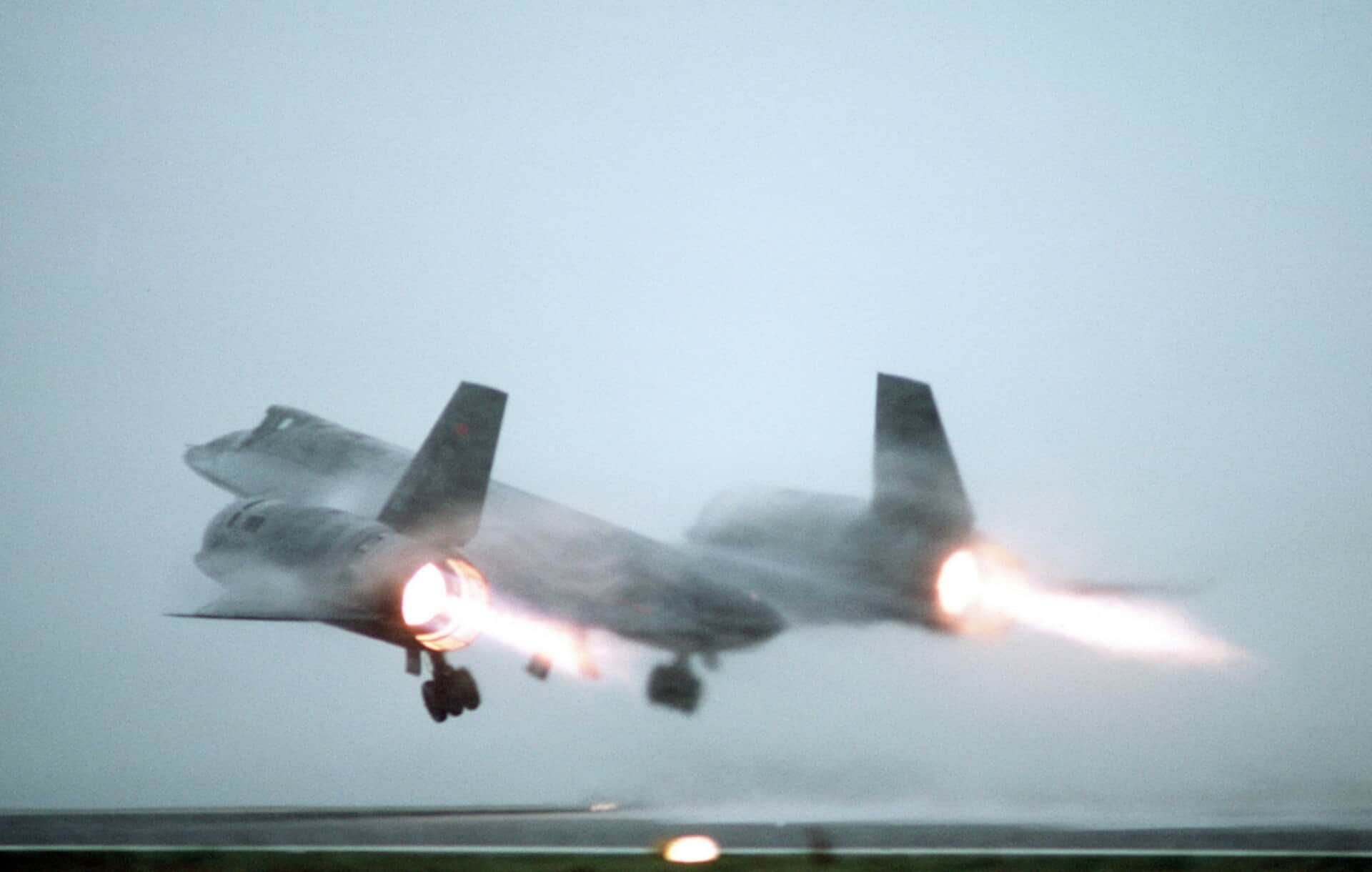
The rest of the list is more mundane and no less final. Two aircraft were lost to tire failures during takeoff at maximum gross weight, one of them burning at Beale Air Force Base in October 1968. One collided with a KC-135Q tanker over Texas in June 1970.
One flew into a thunderstorm near Thailand in May 1970 and flamed out. One exploded in flight over California in December 1969 for reasons the investigation never settled. The last, in April 1989, seized an engine and was ditched near the Philippines.
17,300 sorties, and the closest a missile ever got was 150 yards
The fleet flew 17,300 sorties in total and 3,551 of them were operational missions over hostile territory, the rest being training and test flights. Total time in the air came to 53,490 flight hours, of which 11,008 were flown on mission.
Roughly 800 surface-to-air missiles were fired at SR-71s over Vietnam. None hit. The closest documented miss was about 150 yards (137 m).
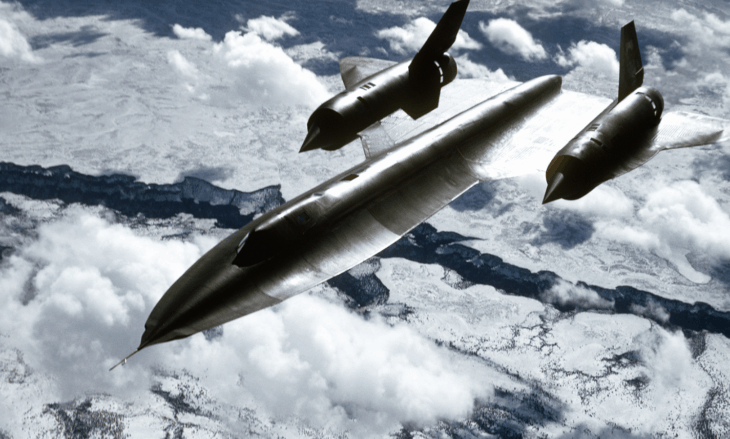
A much-repeated figure puts the lifetime total above 4,000 missiles, but that number comes from program veterans rather than any documented tally, so treat the roughly 800 over Vietnam as the count that can actually be sourced. The claim that holds in every version is the narrow one: no SR-71 was ever lost to enemy action.
The standard evasive maneuver was one word
If the crew detected a surface-to-air missile launch, the procedure was to accelerate. The aircraft was unarmed and carried no way to defeat a missile, so the entire defense was to outrun it. It worked every time it was used.
The performance behind that is not an estimate. On July 28, 1976, one SR-71 set an absolute speed record of 2,193.167 mph (3,529.6 km/h) and another reached 85,069 feet in sustained horizontal flight on the same day.
Both records still stand 50 years later, and no crewed air-breathing aircraft has come close to either. They remain the top entries on any honest list of the fastest aircraft in the world.
The final operational flight made the point one more time. On March 6, 1990, Lieutenant Colonels Ed Yielding and Joseph Vida flew from California to Washington, DC, covering 2,299.7 miles (3,701 km) in 64 minutes and 20 seconds at an average of 2,144.8 mph (3,451 km/h), then parked the aircraft at the Smithsonian.
The Air Force accepted the attrition because it knew the alternative
Losing 12 of 32 aircraft would end most programs. This one was tolerated because the SR-71 existed precisely to solve the problem that had already happened.
In May 1960, a Soviet S-75 battery shot down a Lockheed U-2 Dragon Lady over Sverdlovsk and captured its pilot, Francis Gary Powers. Overflight of the Soviet Union by a subsonic aircraft was finished as a concept that afternoon.
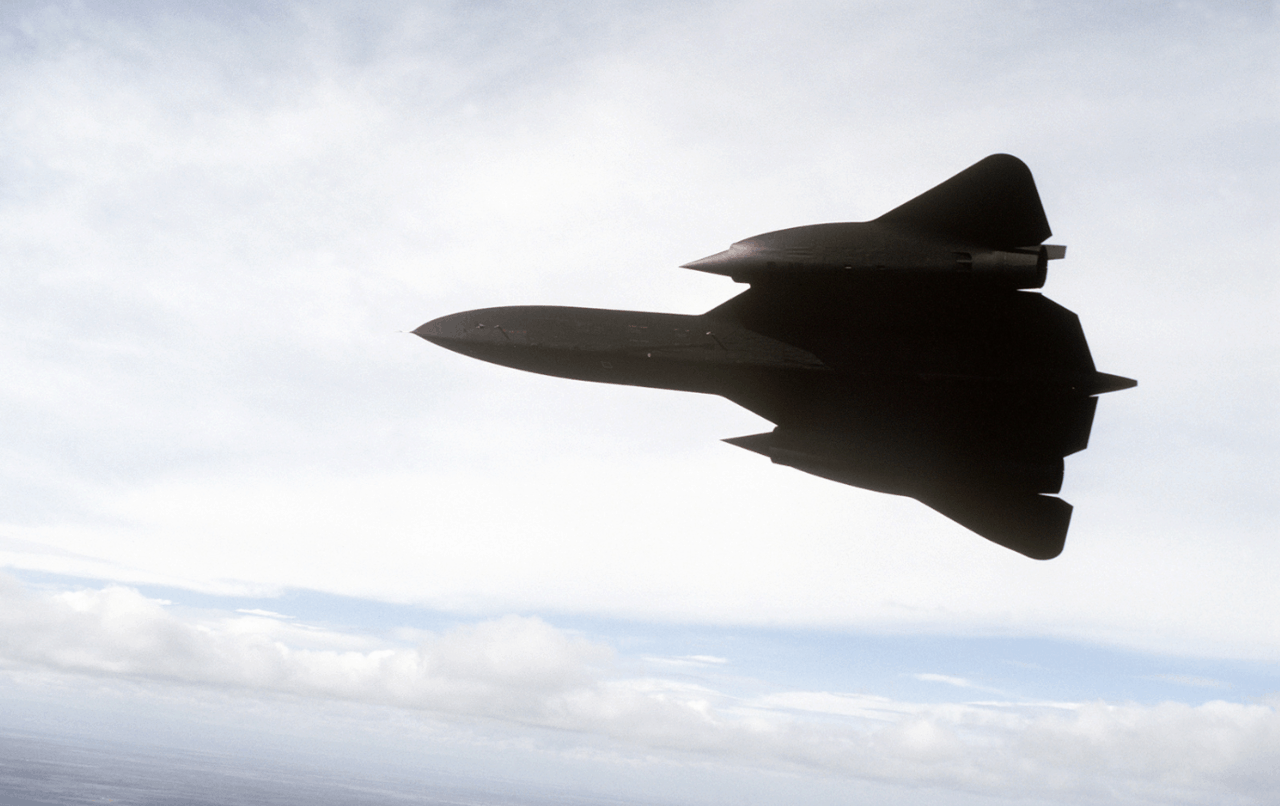
The answer was an aircraft that flew higher and more than three times faster, with a shape and coatings designed to cut its radar return decades before the word stealth entered service vocabulary. Those choices place it near the start of the lineage that runs to today’s best stealth aircraft.
That capability had a running cost. The engines drank JP-7 at about 38,000 pounds (17,200 kg) per hour at Mach 3, the tanks leaked on the ground because the panels only sealed once heat expansion closed them at speed, and almost every mission required aerial refueling within minutes of takeoff.
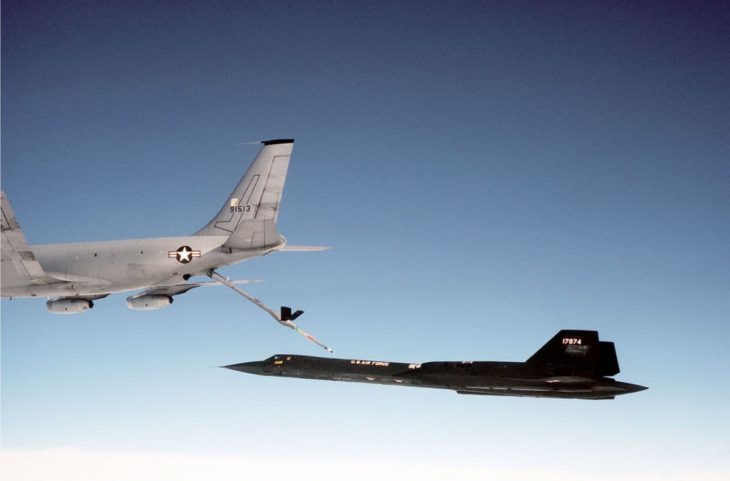
An aircraft operated permanently at its structural and thermal limit will break sometimes. The Air Force decided that losing airframes to physics was an acceptable trade against losing them, and their crews, to enemy fire. The record says the trade held.
Nothing has taken the job back
The Air Force retired the SR-71 in 1990, reactivated a small number in the mid-1990s under congressional pressure, and flew the type for the last time in 1998. NASA kept two as research aircraft until 1999. The full Blackbird program history covers the A-12 and YF-12 aircraft that came before it.
The aircraft it was built to replace is still flying. The U-2 was scheduled for retirement in 2026, and Congress has repeatedly blocked it, most recently limiting the Air Force to retiring two airframes and funding the restoration of four more.
The mission itself moved to satellites and to uncrewed aircraft. The classified Northrop Grumman RQ-180, a flying wing with a roughly 130-foot wingspan, was photographed operating from Greece in April 2026 after years as a rumor.
Lockheed’s proposed hypersonic successor, the SR-72, has been publicly dark since 2013, and everything written about its status since is speculation.
So the numbers have not moved in half a century. Twelve airframes lost, none to an enemy, and two absolute records nobody has touched since the summer of 1976.
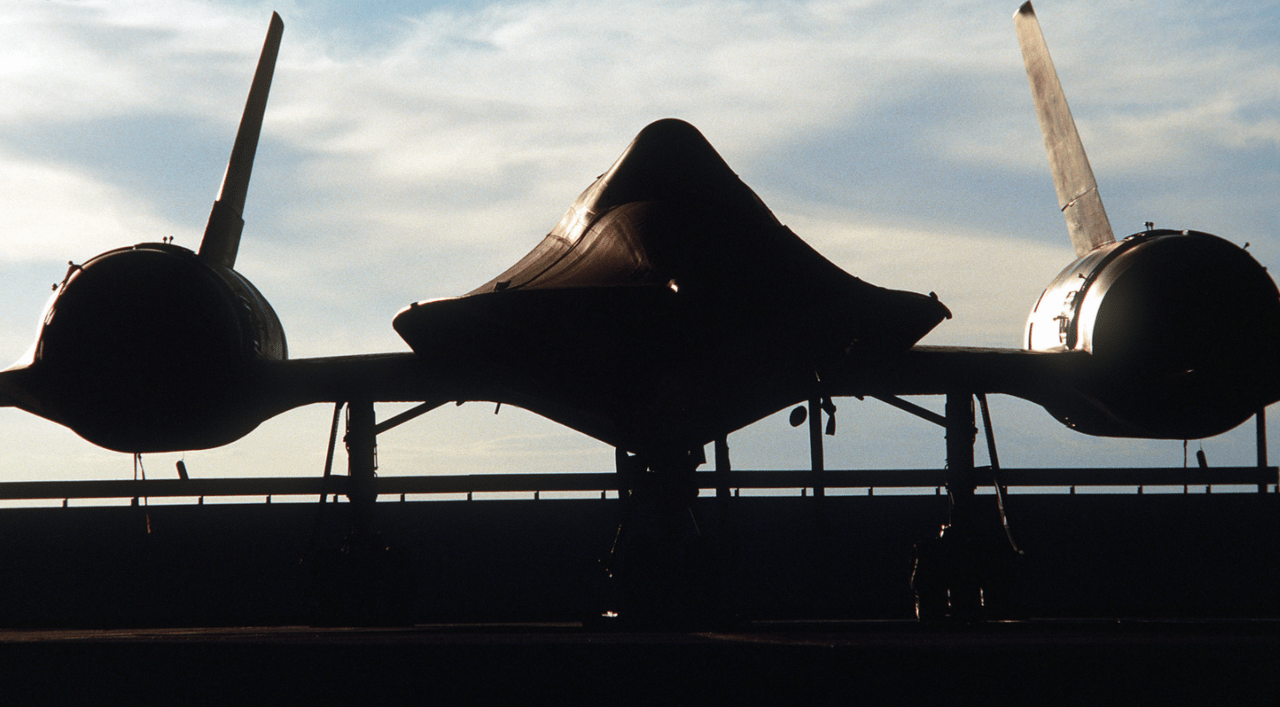
Lockheed SR-71 Blackbird photo gallery:











Sources and references used for research and fact-checking.
- Wikipedia, Lockheed SR-71 Blackbird
- The Aviationist, A Look at the Dozen SR-71 Blackbird Losses
- Smithsonian National Air and Space Museum, Setting Records: SR-71 Blackbird
- The Aviation Geek Club, Bill Weaver, the SR-71 pilot who bailed out after his Blackbird disintegrated while flying at Mach 3
- Air & Space Forces Magazine, USAF Will Retire the U-2 in 2026
- The War Zone, U-2 Retirement Moves Forward With Defense Secretary Decision
Get the Newsletter
The latest aviation news and stories sent to your inbox.
About the Author
Tim is the owner and lead editor of AeroCorner since 2019, overseeing aviation content covering aircraft, airlines, airports, and the broader aviation industry. Through years of researching, writing, editing, and publishing aviation-focused content, he has developed extensive practical knowledge of commercial aviation and air travel. Based in Asia and a frequent traveler himself, Tim also brings firsthand passenger experience to AeroCorner’s coverage. Outside of publishing, he has also explored aviation firsthand through hands-on flight training in New Zealand.