

Table of Contents
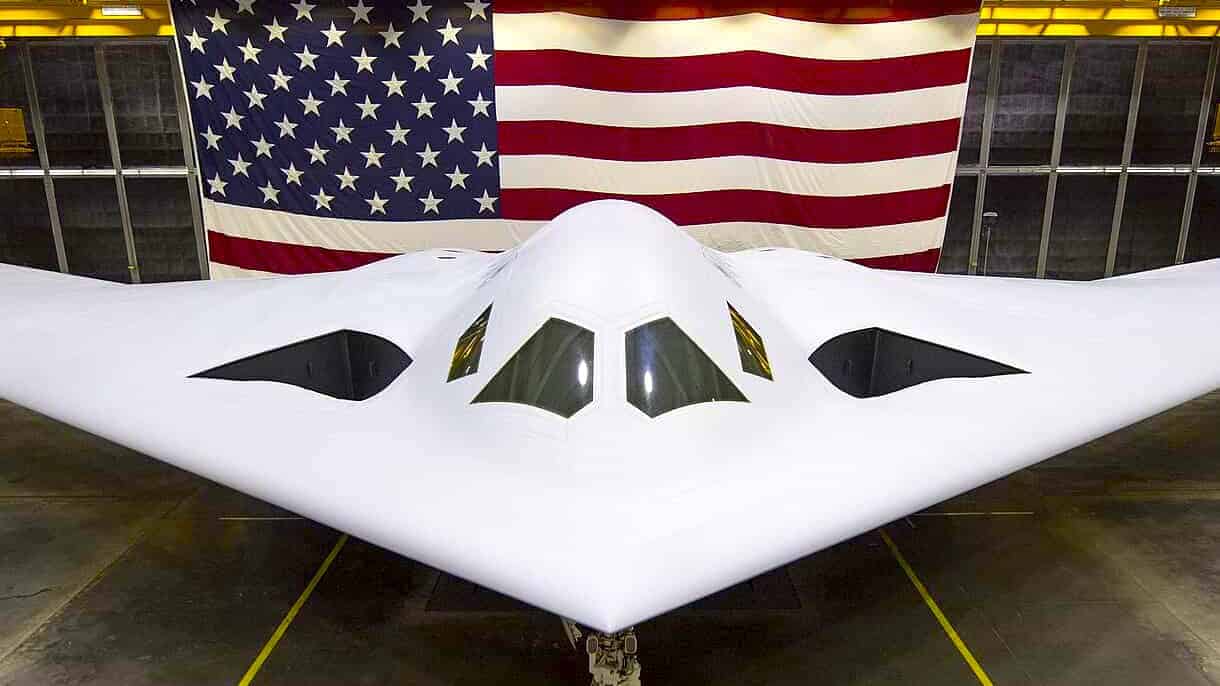
The most advanced stealth aircraft flying today is the Northrop Grumman B-21 Raider, the newest low-observable bomber on Earth and the first designed from the ground up with everything the United States learned from the B-2 and the F-35. Among aircraft already in frontline service, the Lockheed Martin F-22 Raptor is the stealthiest fighter ever fielded.
This list ranks the best stealth aircraft in the world by low observability: how hard each one is to detect, track, and target, driven mostly by its radar cross-section. It spans every type that stealth touches, from air-superiority fighters to strategic bombers, not just fighter jets.
One honest warning up front. Real radar cross-section numbers are classified, so every figure below is an open-source estimate used only to show the rough order of magnitude. The ranking is built on design generation, shaping, and operational maturity, current as of 2026.
| Rank | Aircraft | Type | Est. radar cross-section | Status |
|---|---|---|---|---|
| 1 | B-21 Raider | Strategic bomber | Classified (most advanced) | Flight test |
| 2 | F-22 Raptor | Air-superiority fighter | ~0.0001 m² (est.) | In service |
| 3 | B-2 Spirit | Strategic bomber | ~0.1 m² (est.) | In service |
| 4 | F-35 Lightning II | Multirole fighter | ~0.0015 m² (est.) | In service |
| 5 | F-117 Nighthawk | Attack aircraft | ~0.003 m² (est.) | Retired (limited flying) |
| 6 | Chengdu J-20 | Air-superiority fighter | Est. higher, disputed | In service |
| 7 | Su-57 Felon | Multirole fighter | Est. highest of group | Limited service |
How this ranking works
Stealth means low observability, and radar cross-section (RCS) is the biggest part of it, alongside infrared, acoustic, visual, and electronic signatures. Because no government publishes real RCS values, we rank by design generation, how completely the signature is managed across all angles, how modern the radar-absorbent materials are, and operational maturity as the tiebreaker. Pure research aircraft and unmanned drones are excluded so the list compares like with like.
1. Northrop Grumman B-21 Raider


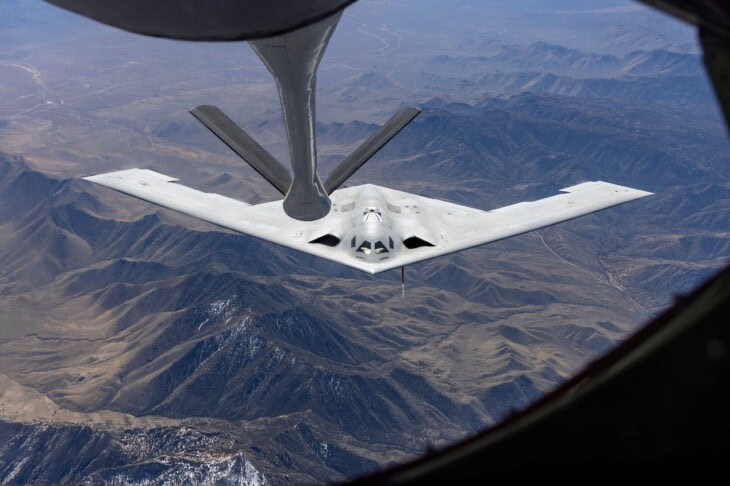
The B-21 Raider is the most advanced stealth aircraft in the world, and it is barely off the drawing board. It first flew on November 10, 2023, and has been in flight test at Edwards Air Force Base ever since, with the first operational aircraft heading for Ellsworth Air Force Base in South Dakota.
What puts it at number one is that it is a clean-sheet design built on 30 years of lessons from the B-2, with a new generation of radar-absorbent coatings that are far easier to maintain. Where the B-2 needed climate-controlled hangars and constant re-treatment, the Raider is meant to be far more sustainable in the field, which is a stealth advantage in its own right.
The honest caveat is that it is not operational yet, with an in-service date expected in the late 2020s. It ranks first on pure stealth, not on a combat record, and the Air Force plans to buy at least 100 of them.
A bomber that shares DNA with a fighter
The B-21 is widely reported to borrow open-systems avionics and sensor-fusion thinking from the F-35 program, which is unusual for a bomber. It is being designed as a networked node in a wider system, not just a single stealthy airframe, which is why it edges ahead of everything already flying.
2. Lockheed Martin F-22 Raptor
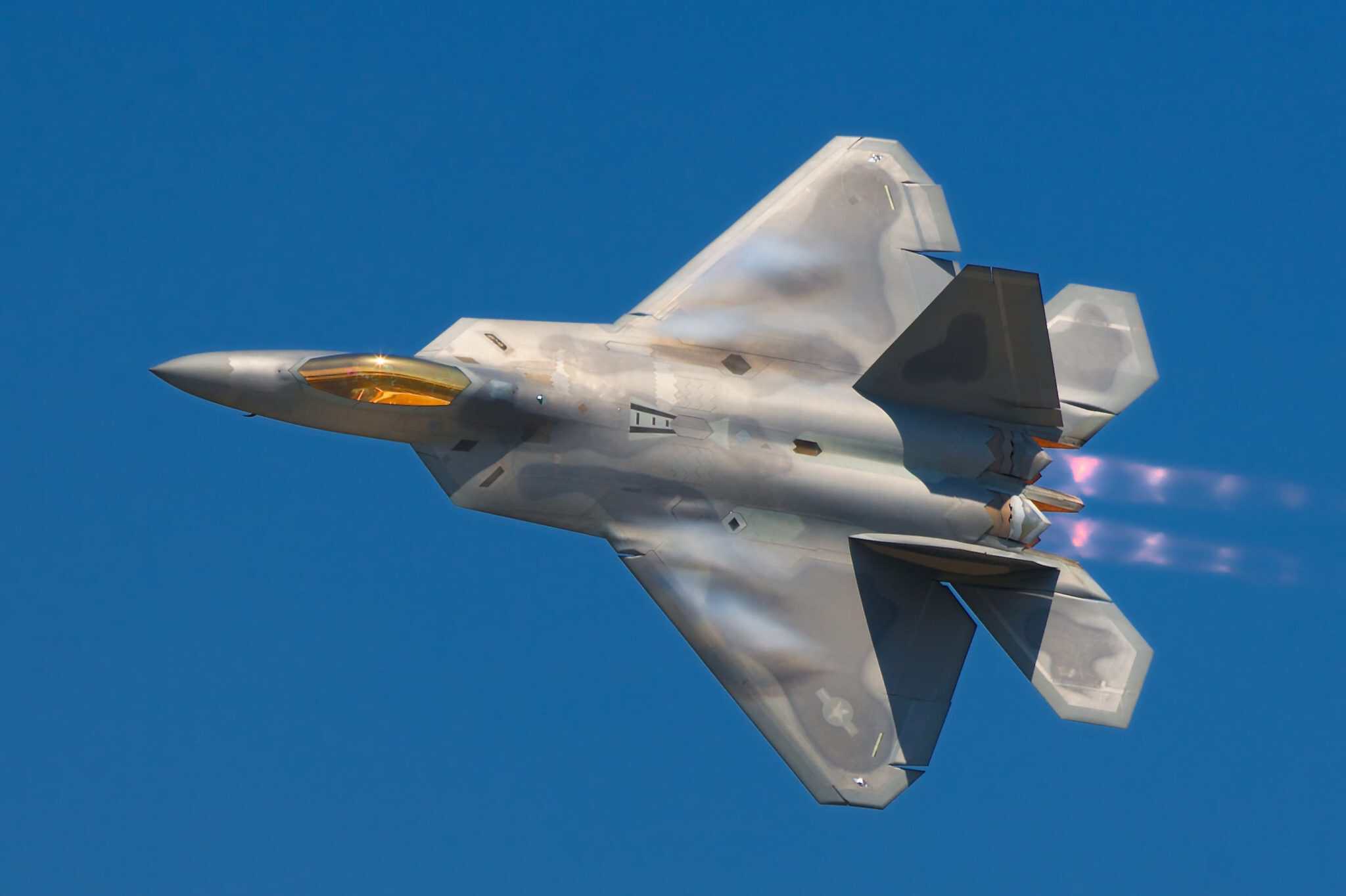

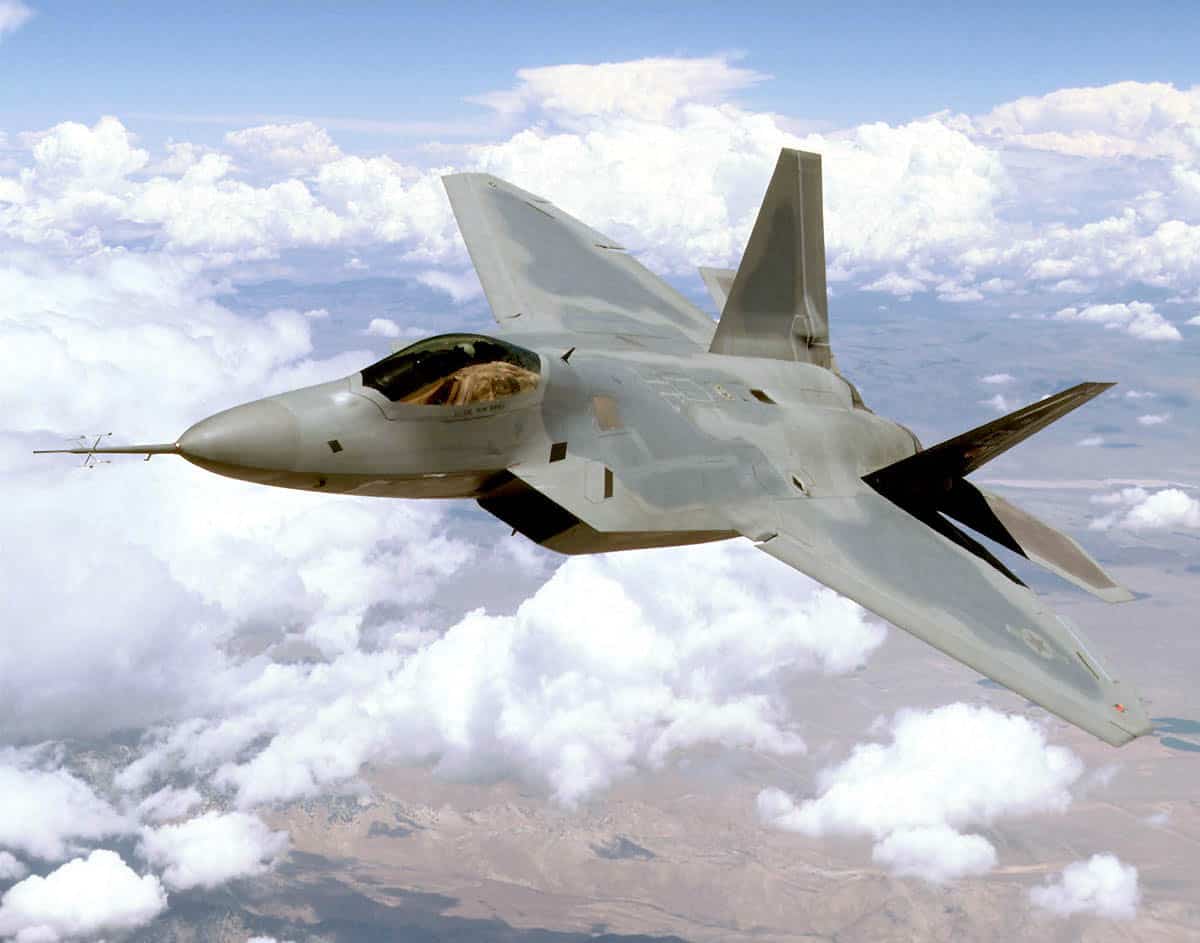
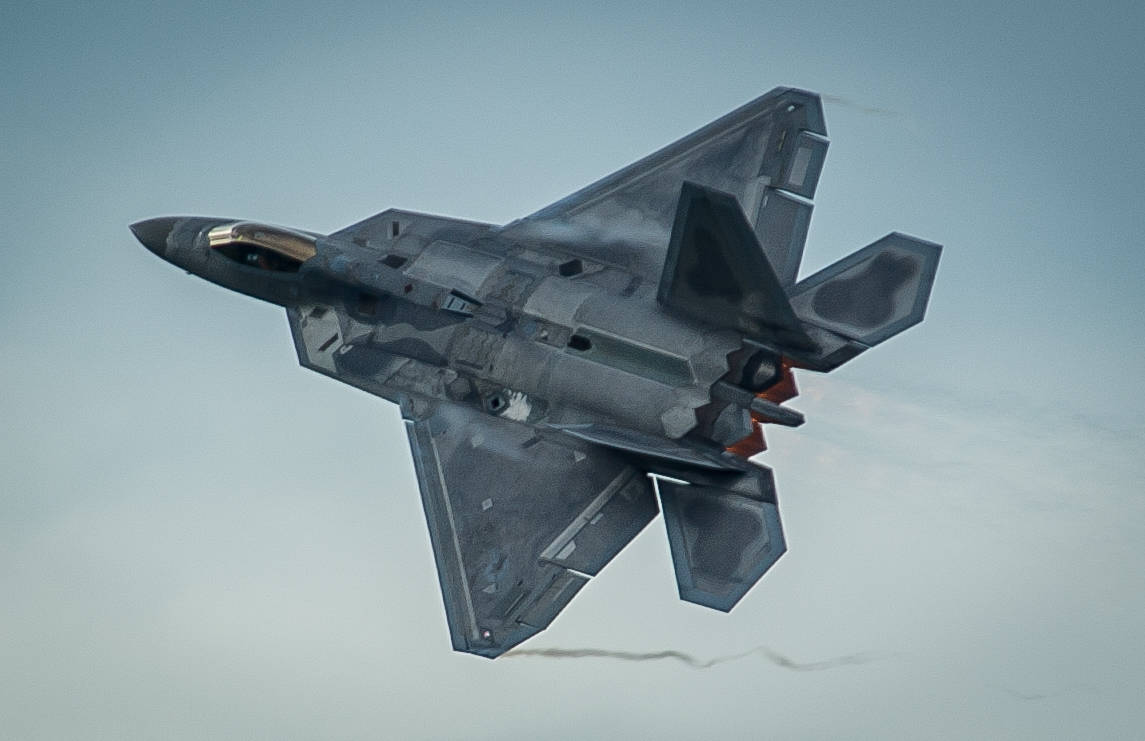


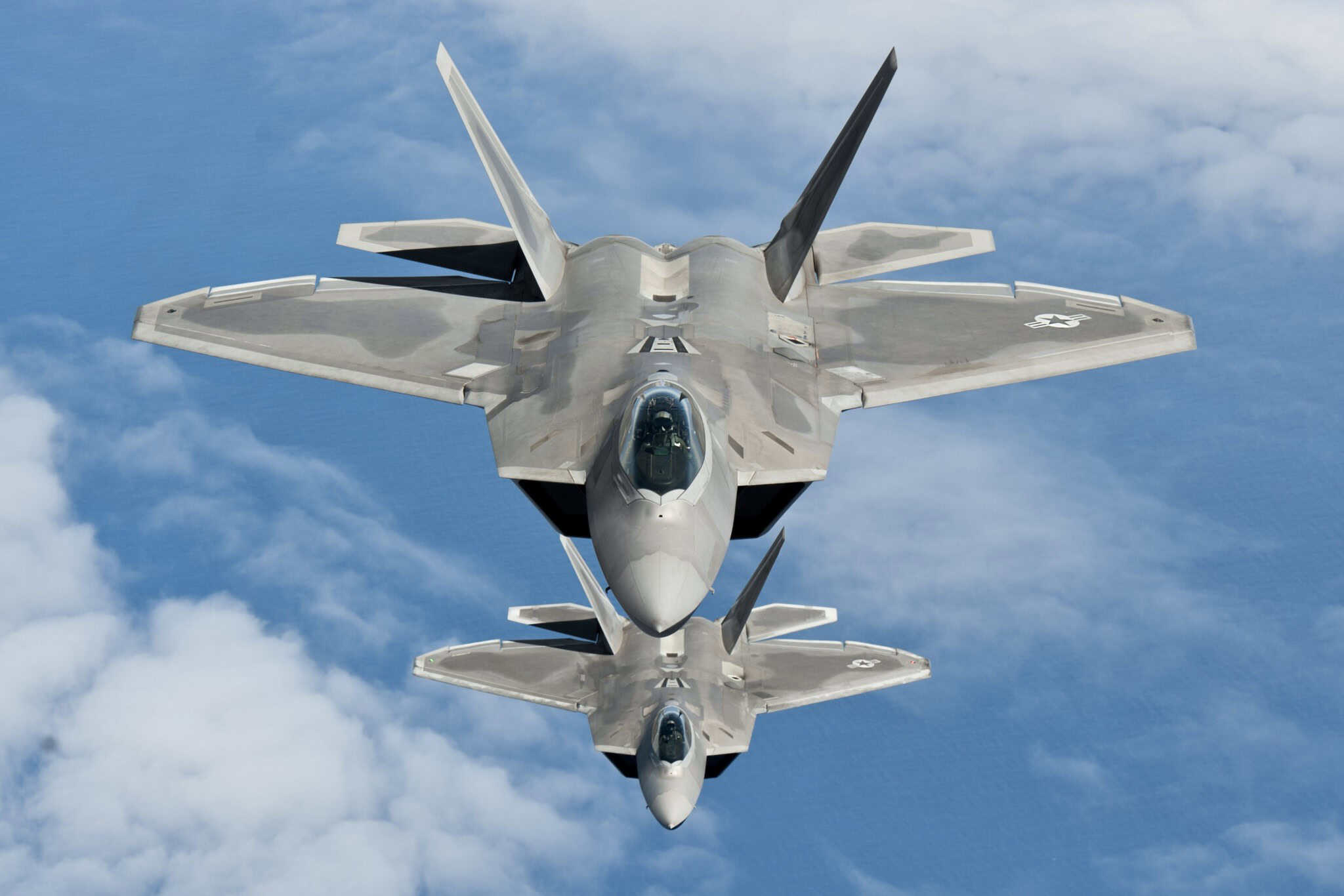

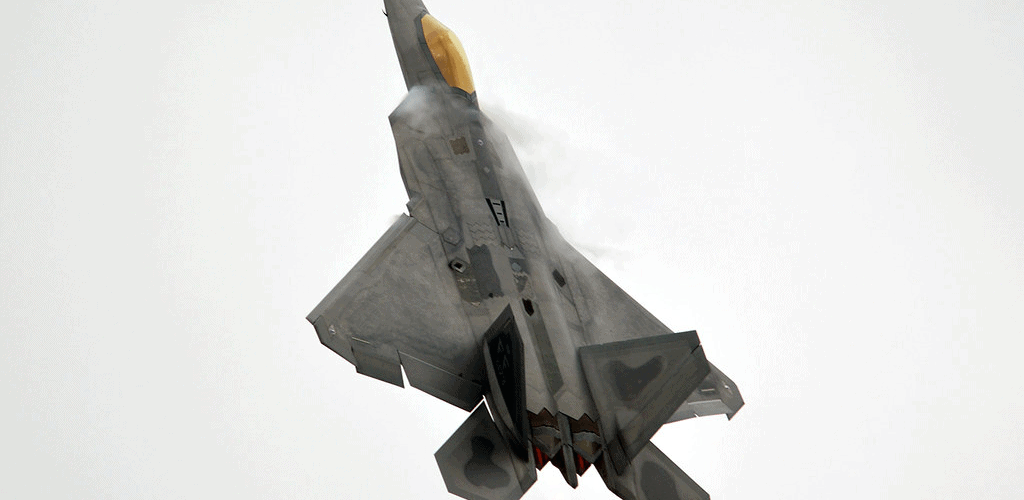


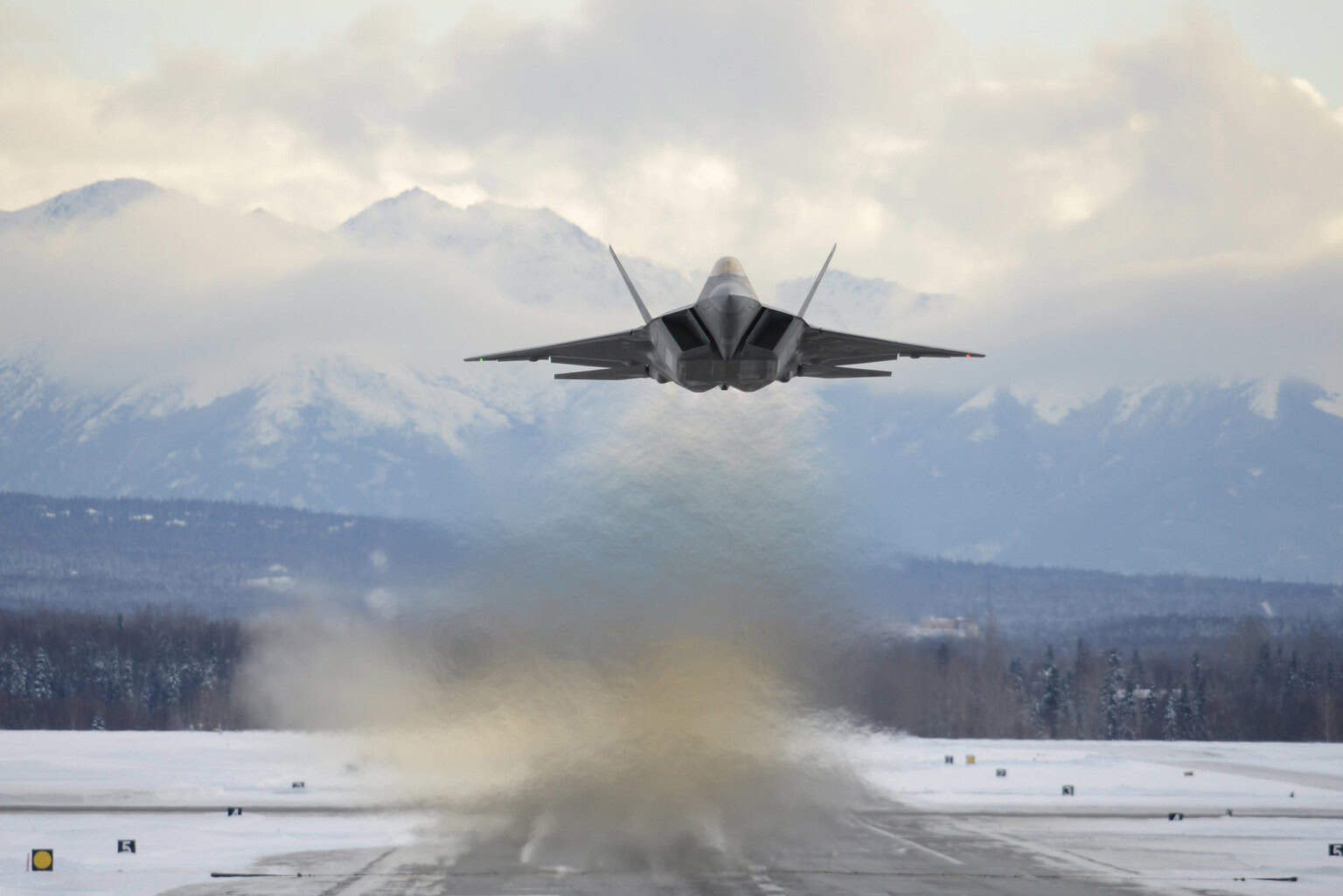


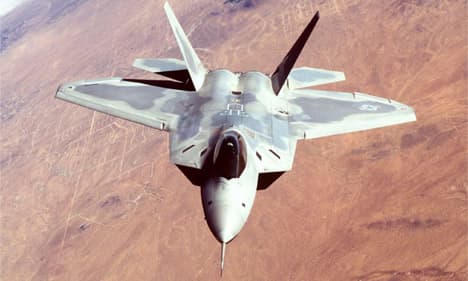

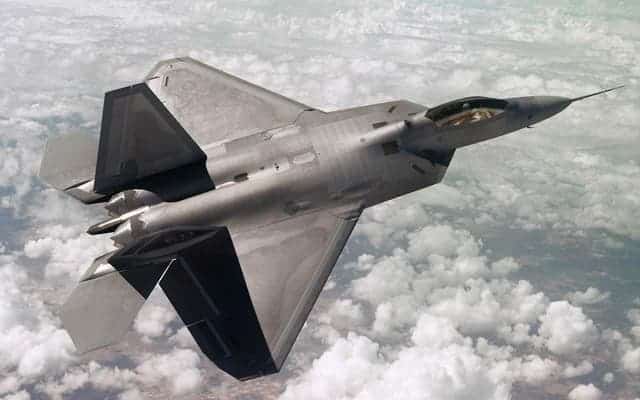

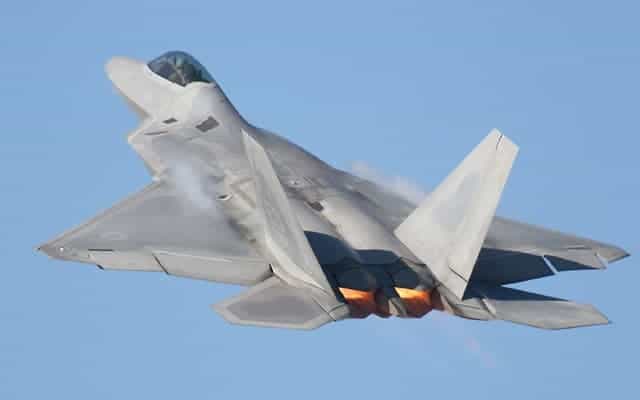
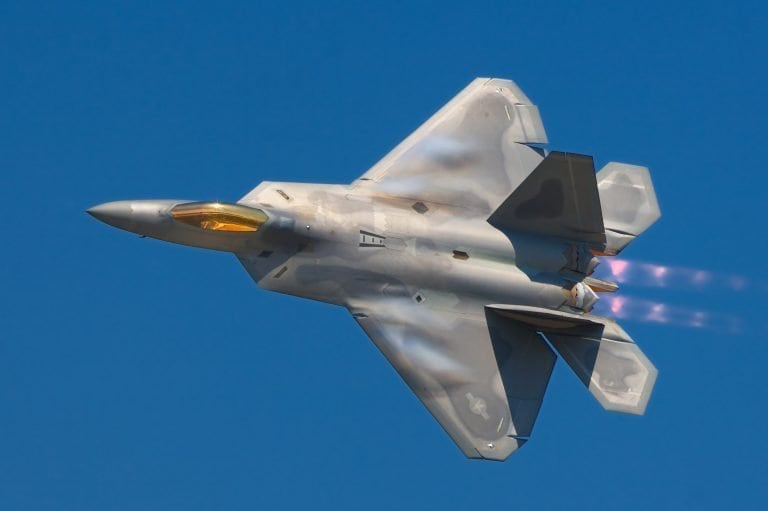
The Lockheed Martin F-22 Raptor is the stealthiest fighter jet ever put into service, and it has held that title since it entered service in 2005. Its all-aspect stealth, meaning it is shaped to hide from radar from the front, sides, and rear, is still the benchmark other fighters are measured against.
Its estimated radar cross-section is often described as roughly the size of a marble or a bumblebee, on the order of 0.0001 m², though that figure is an estimate. Combined with supercruise, the ability to fly above Mach 1.8 without afterburner, the Raptor can reach and leave a fight before slower jets even know it is there.
The catch is scarcity. Only 195 were built before production ended in 2011, and the type was never exported, so it sits below the newer B-21 purely on how modern the stealth technology is. For a full head-to-head of the world’s top fighters, see our ranking of the best fighter jets in the world.
3. Northrop Grumman B-2 Spirit


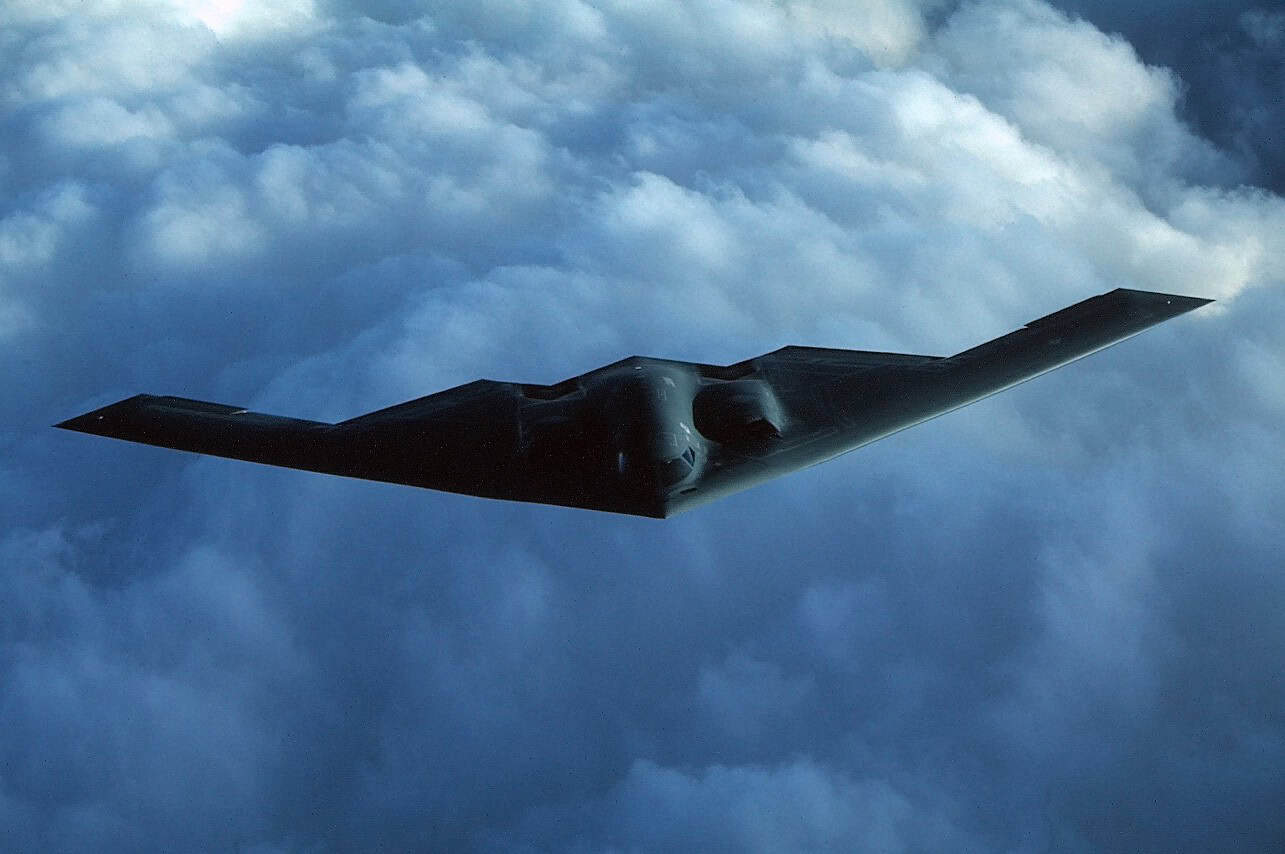

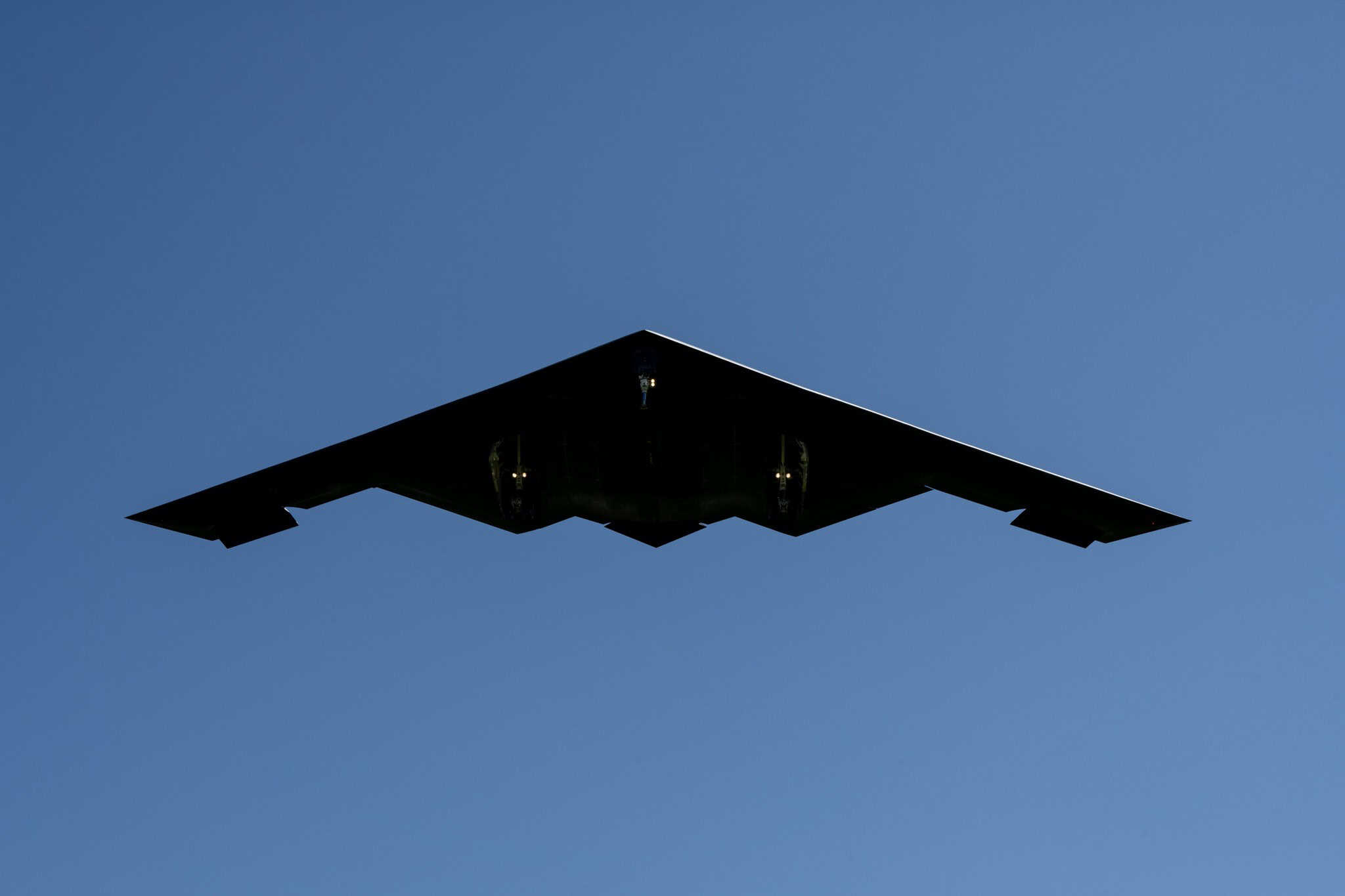
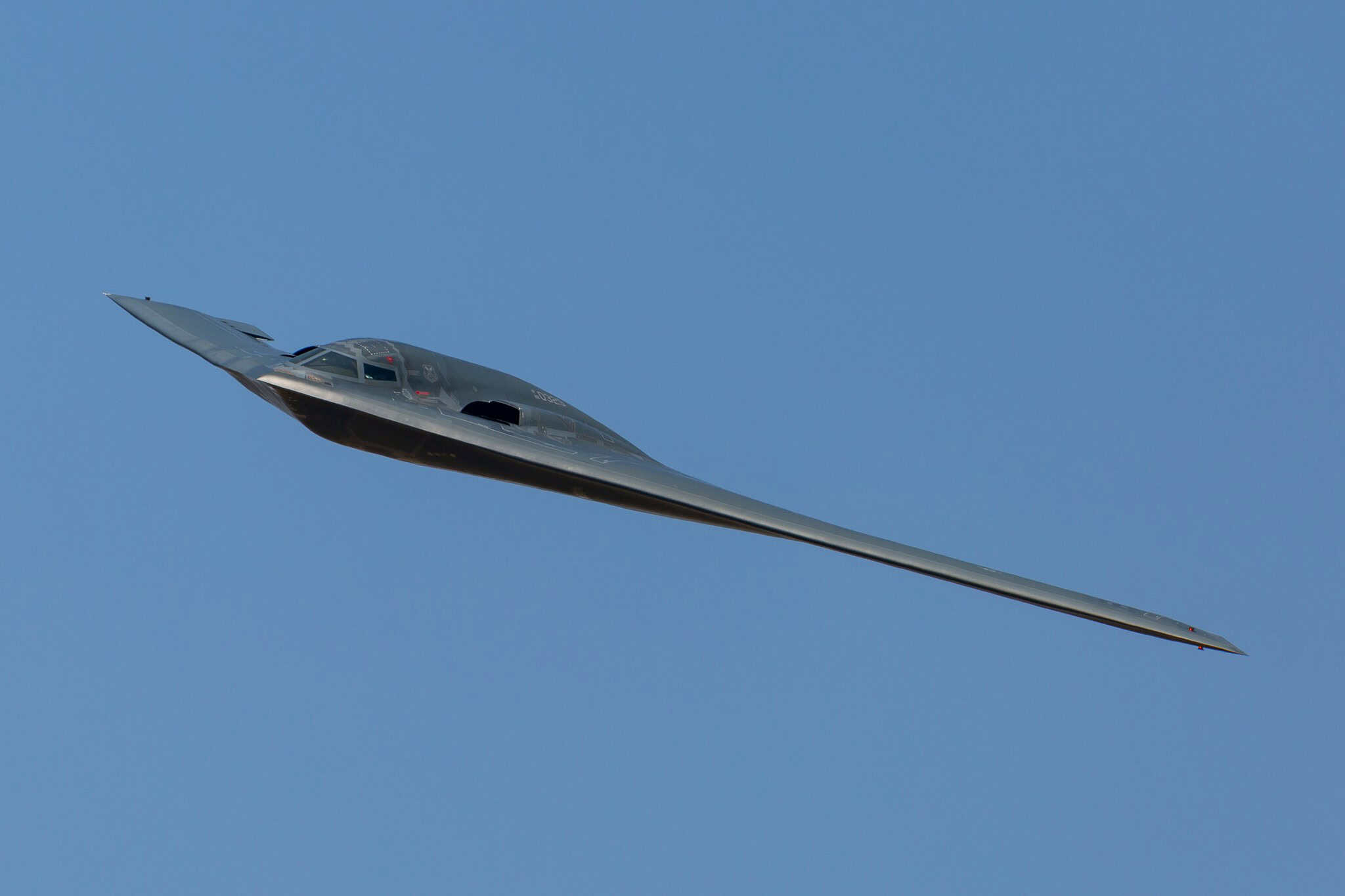


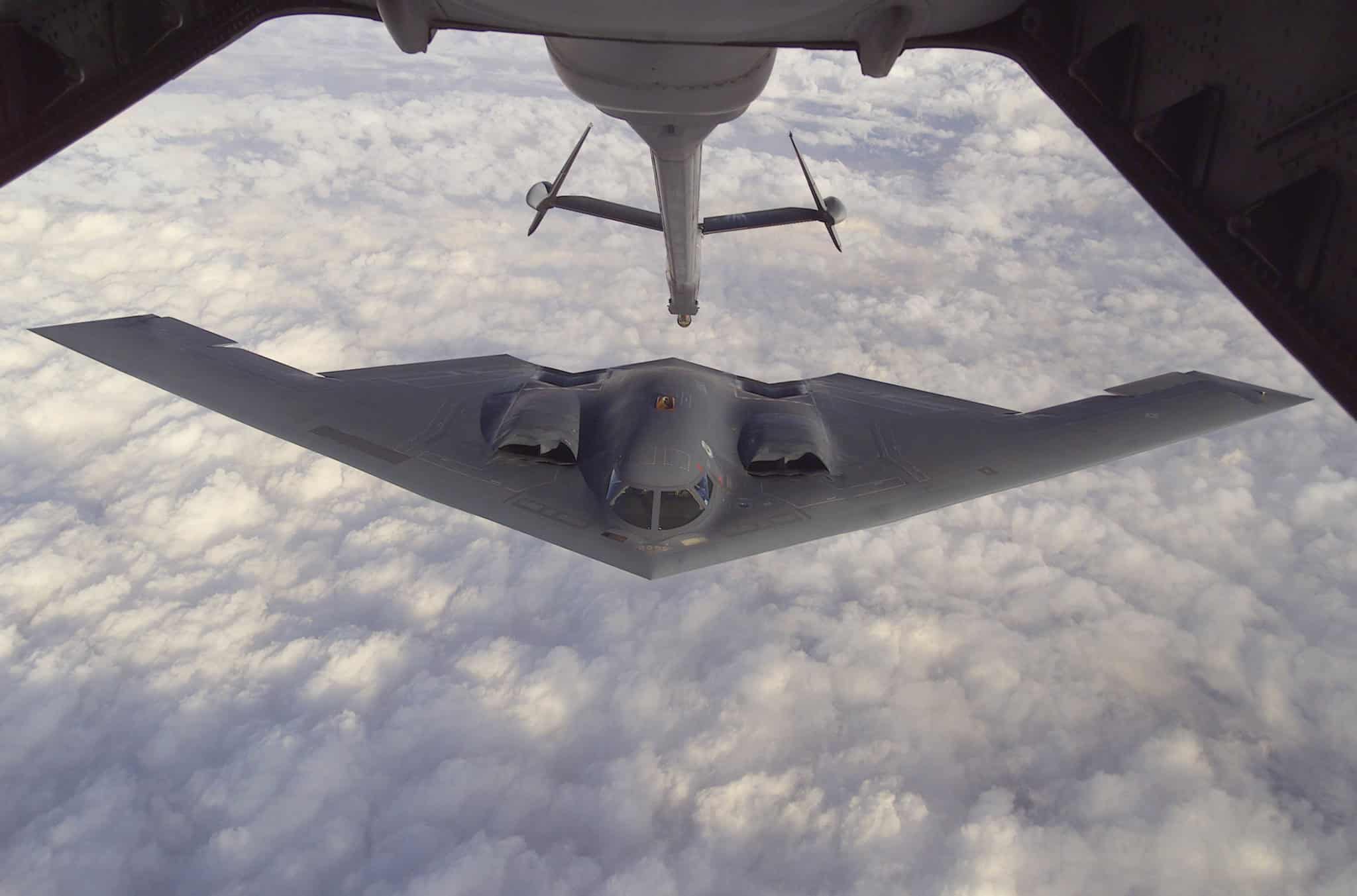

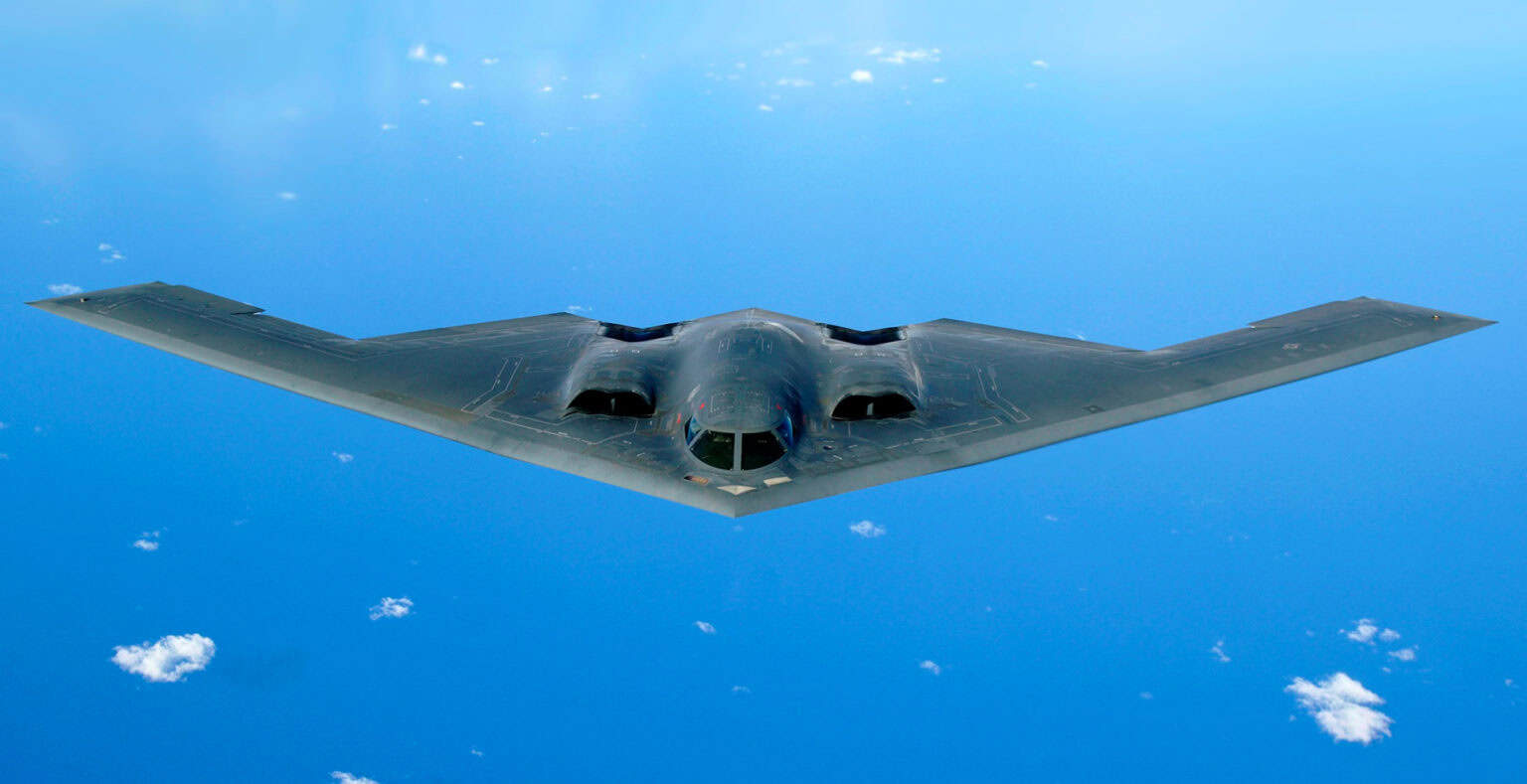
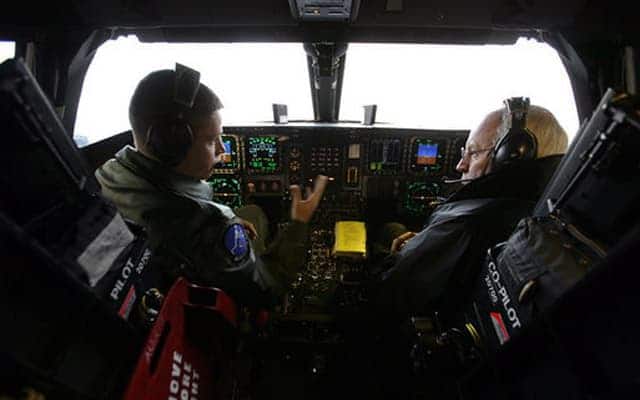
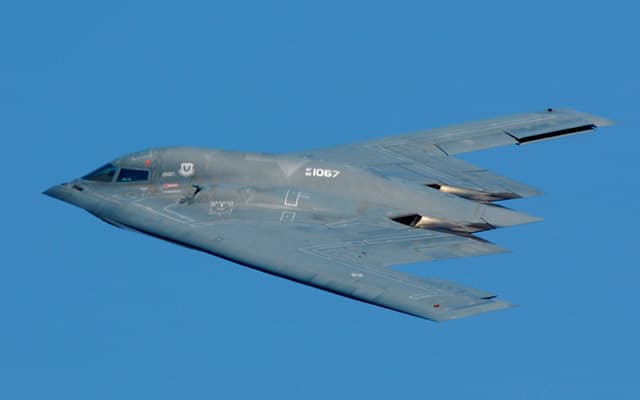


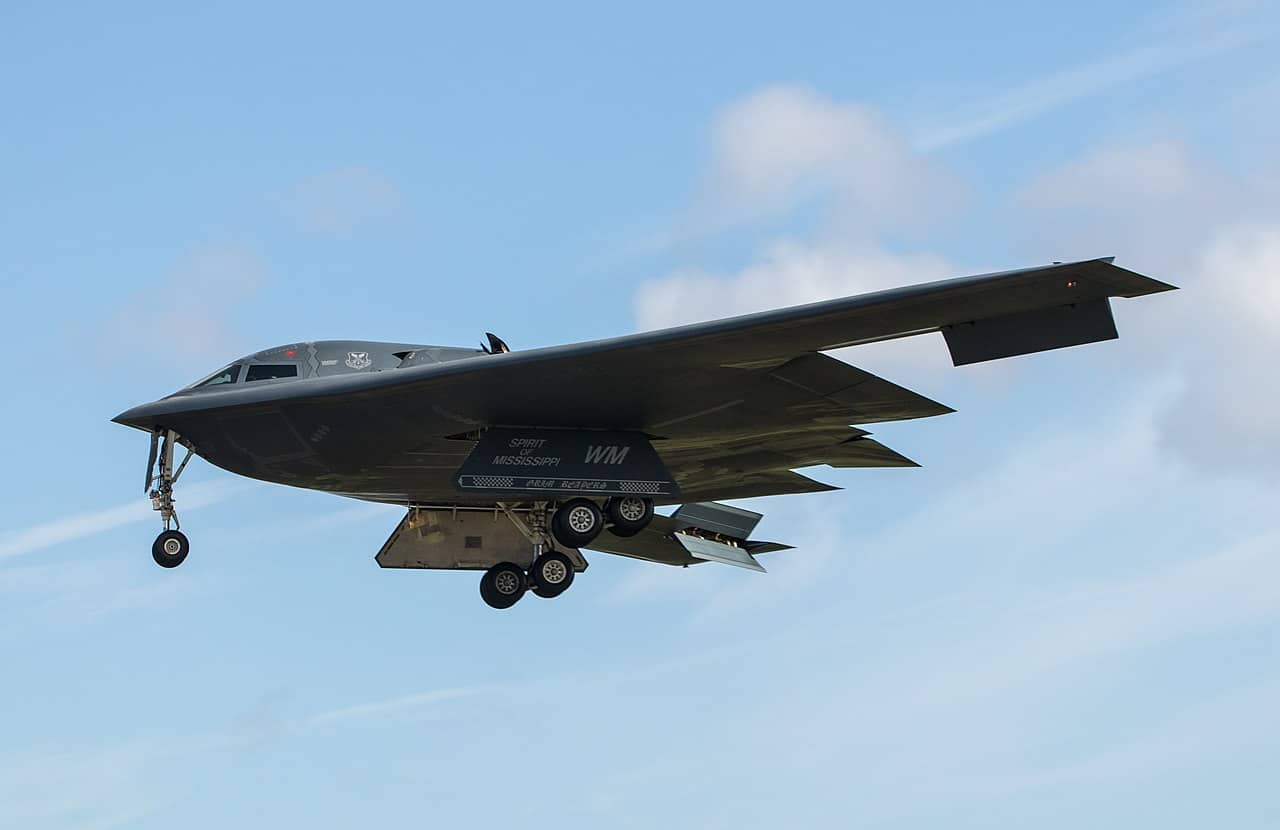

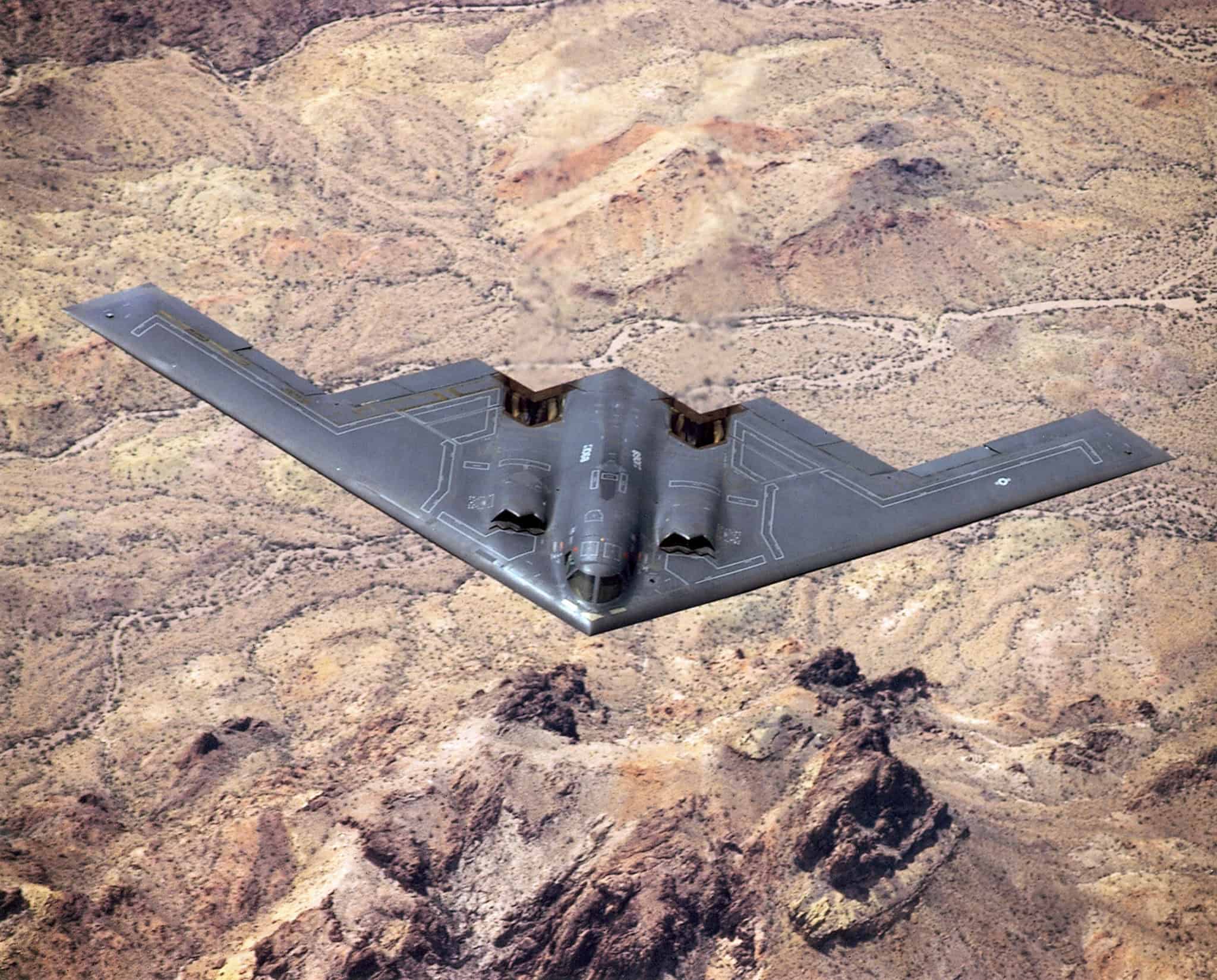


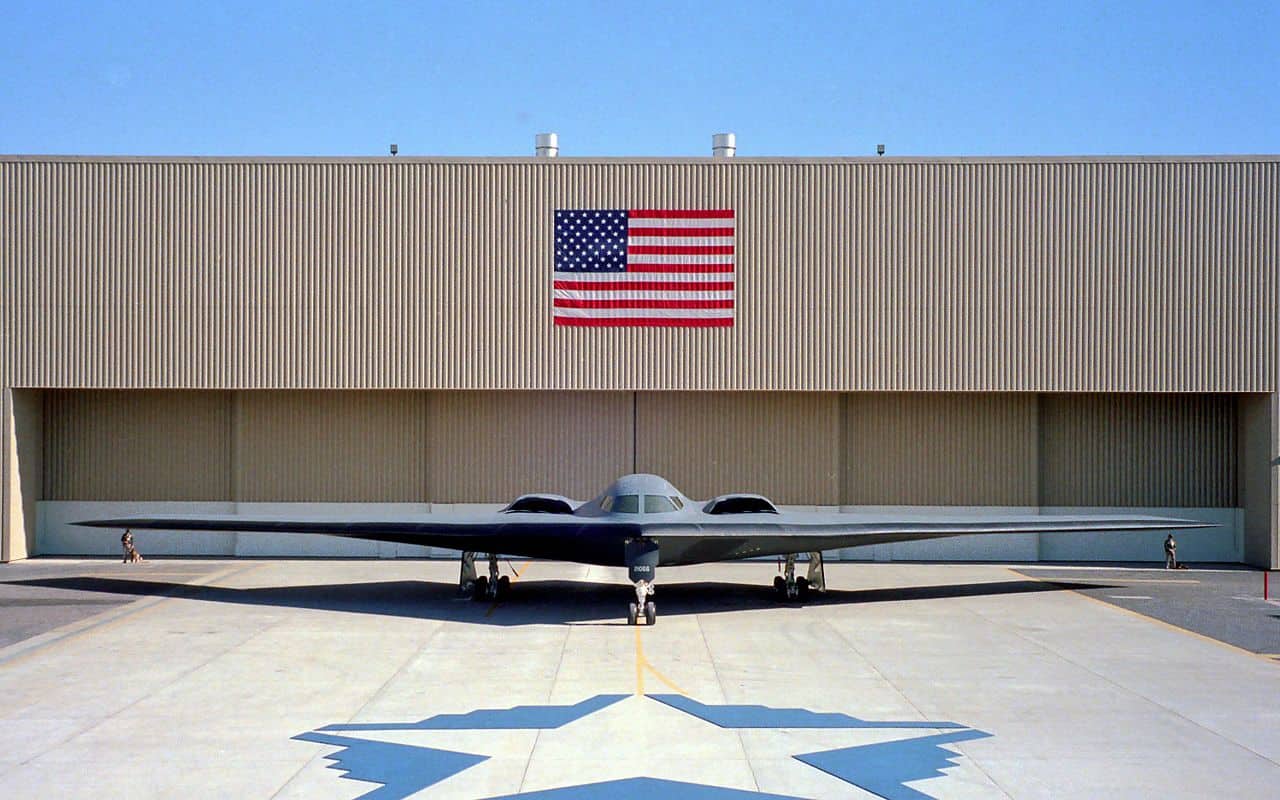
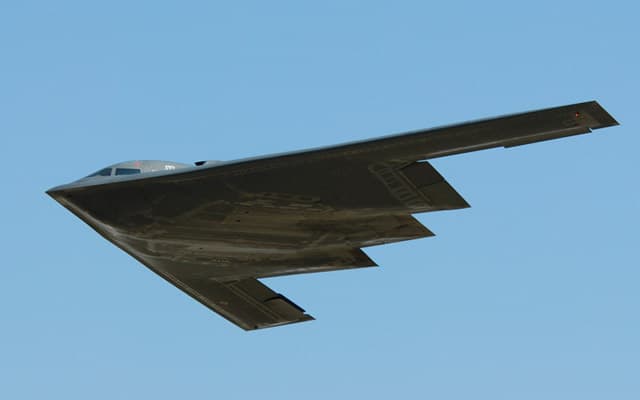
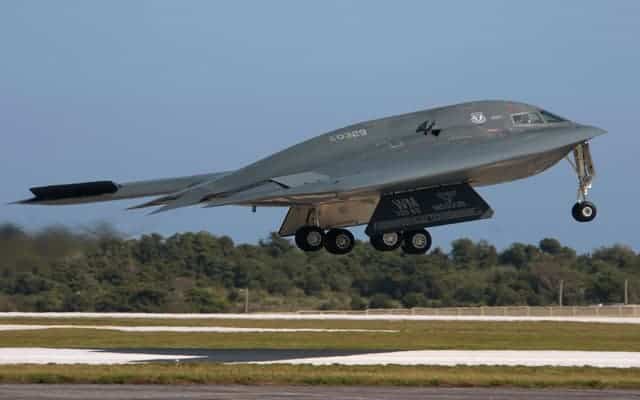
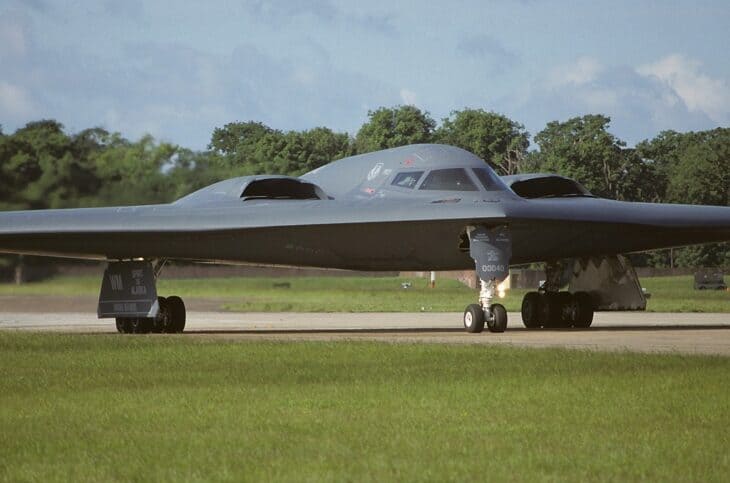
The Northrop Grumman B-2 Spirit is the aircraft that proved a large stealth bomber could penetrate the most heavily defended airspace on Earth and come home. It entered service in 1997 and remains the only operational flying-wing stealth bomber until the B-21 takes over.
Its clean flying-wing shape, with no vertical tail to bounce radar, gives it an estimated frontal radar cross-section around 0.1 m², paired with a range of more than 6,000 nautical miles unrefueled. It can carry roughly 40,000 pounds (18,000 kg) of ordnance, including the largest bunker-buster bombs in the arsenal.
It ranks third rather than higher because only 21 were ever built, and its coatings demand intensive maintenance that the B-21 is designed to leave behind. As a proven, in-service stealth platform, though, nothing else in the world does its job.
The most expensive aircraft per pound ever built
With just 21 built and a program cost spread across that tiny fleet, each B-2 worked out to well over a billion dollars, and the airframe has been called worth more than its weight in gold. That is the price of a stealth bomber that can strike anywhere on Earth from the continental United States.
4. Lockheed Martin F-35 Lightning II


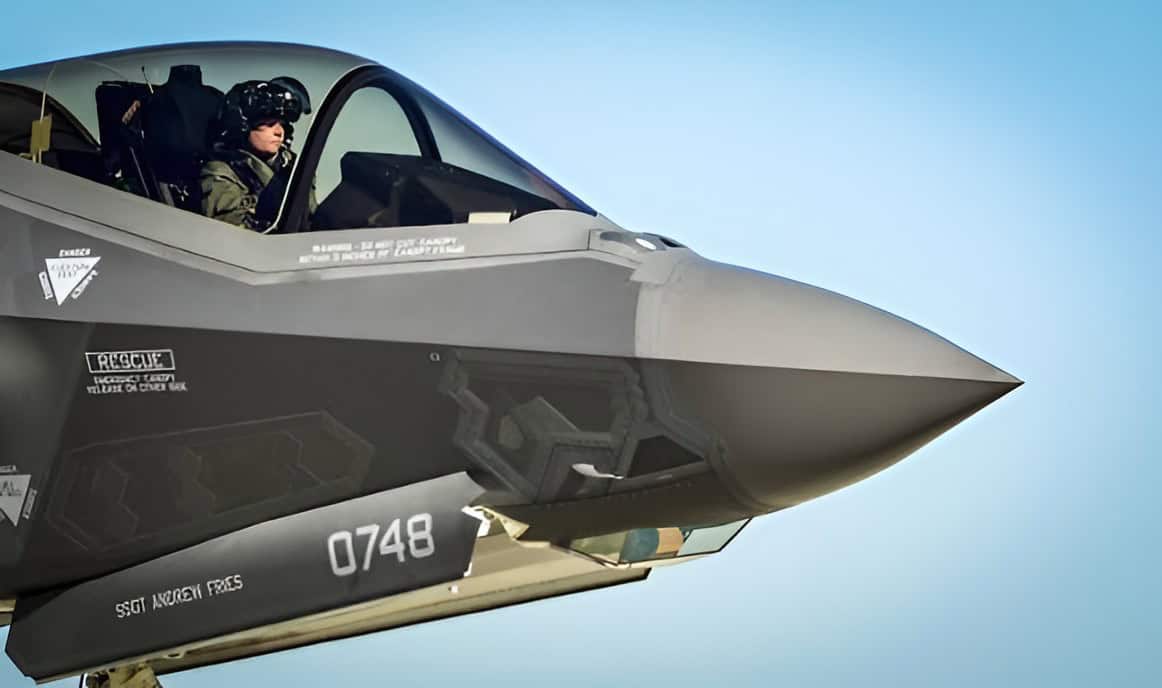


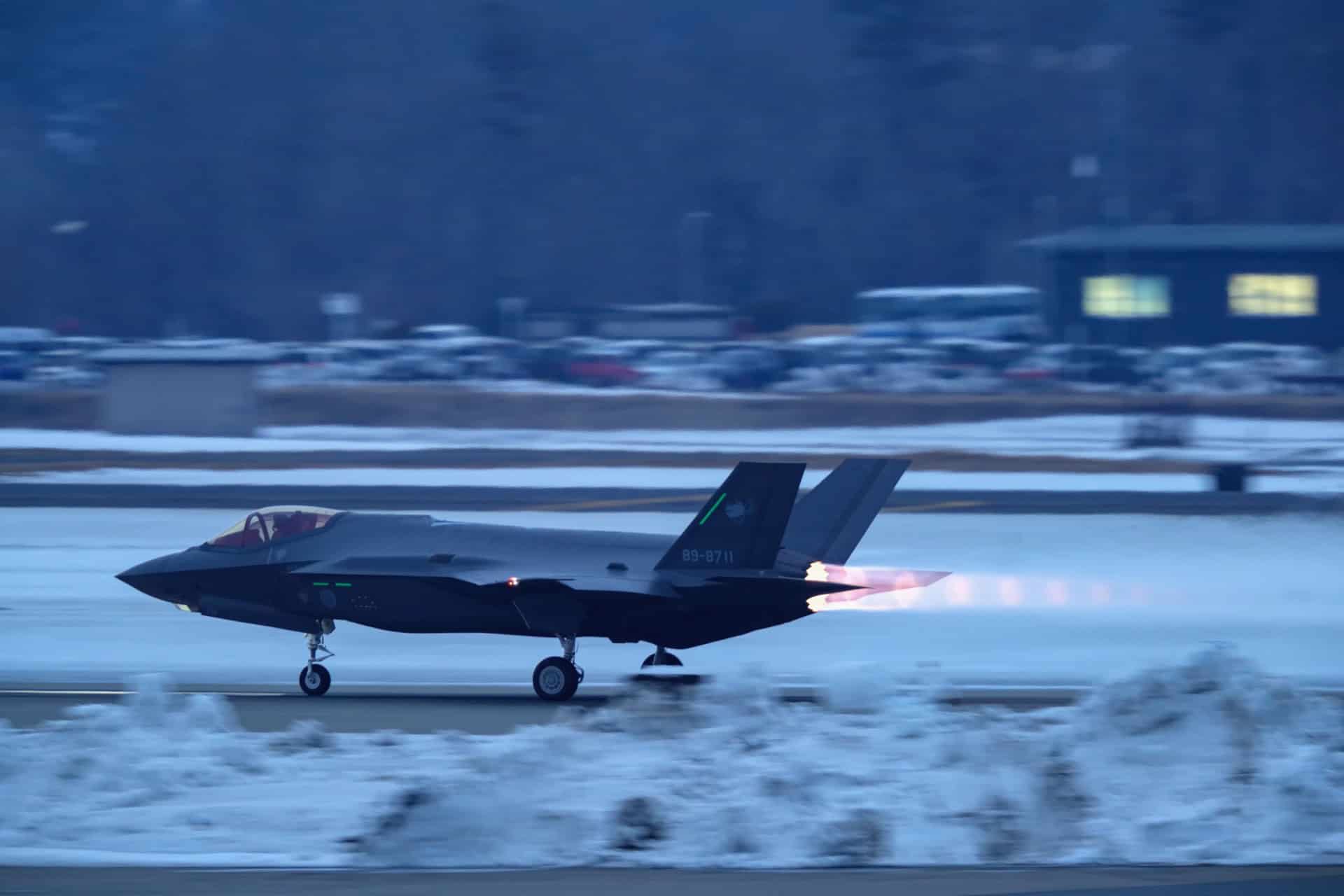


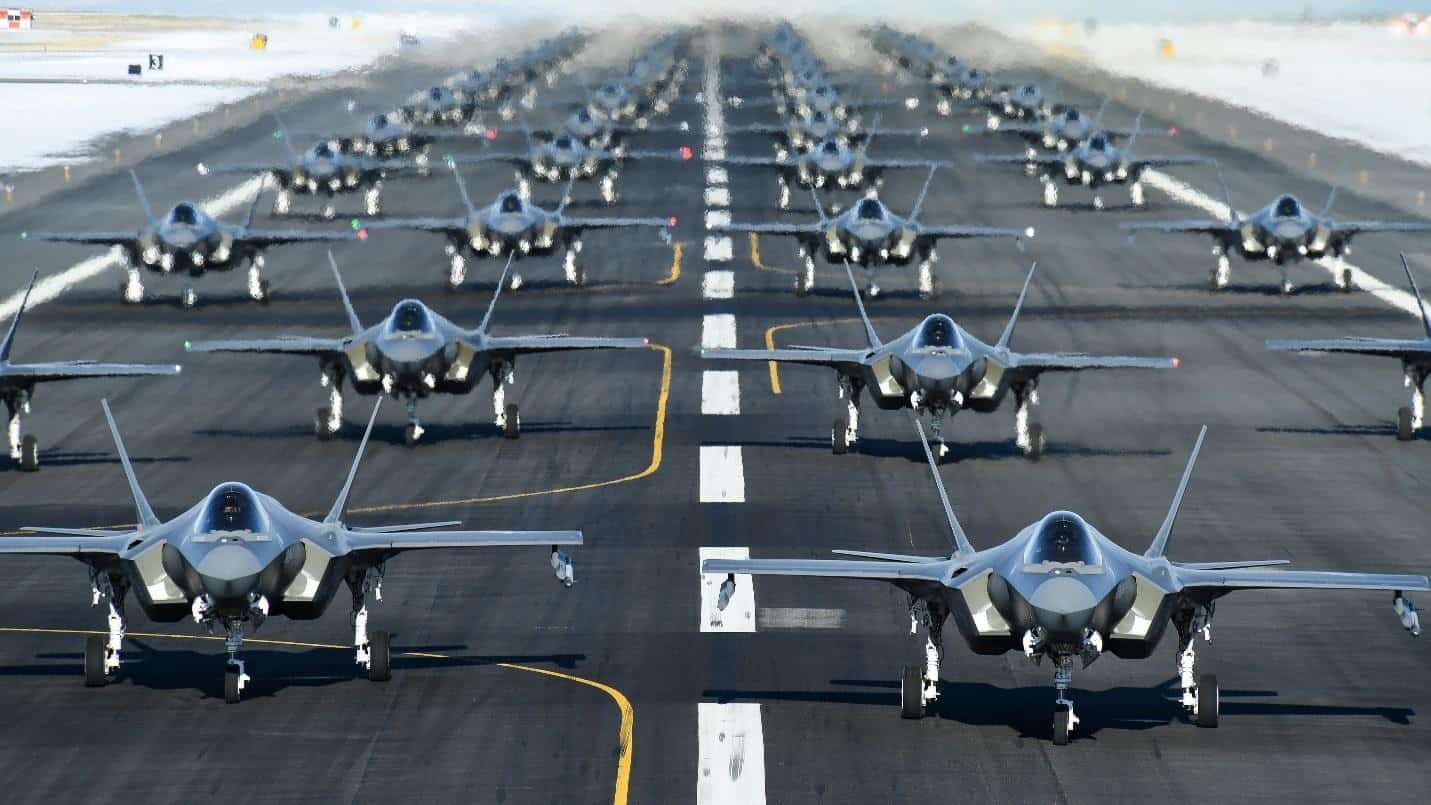

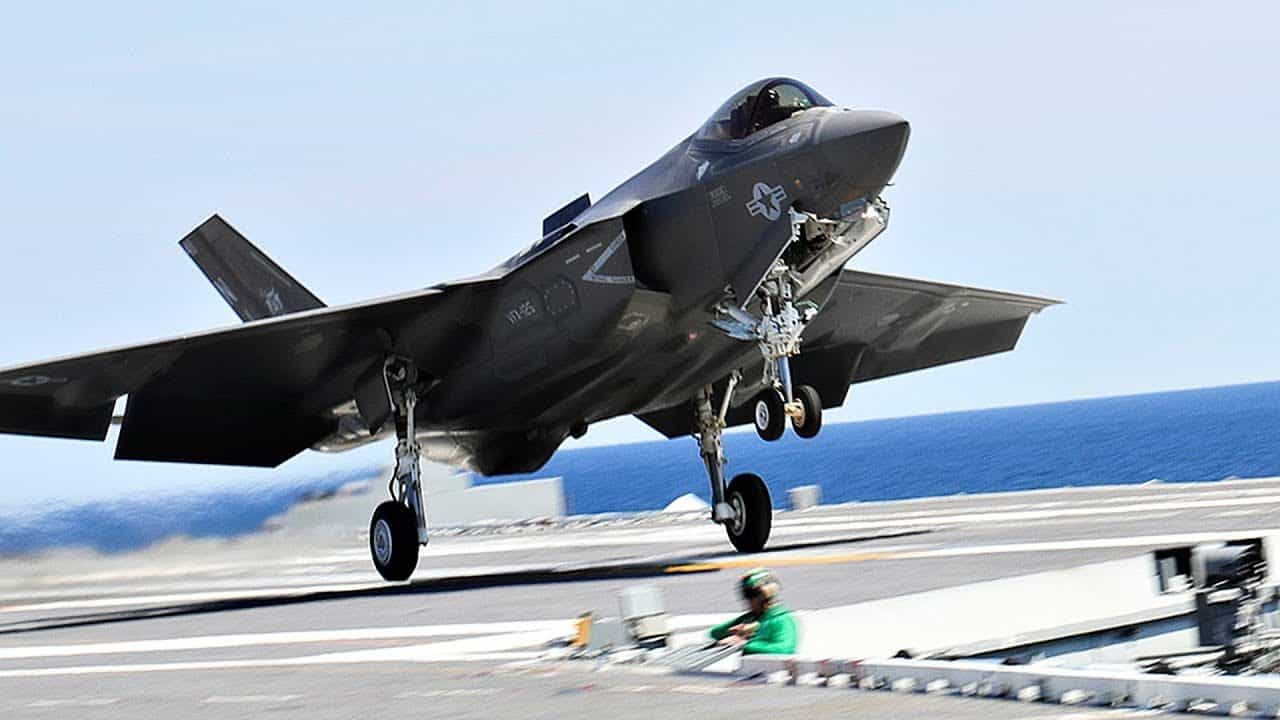



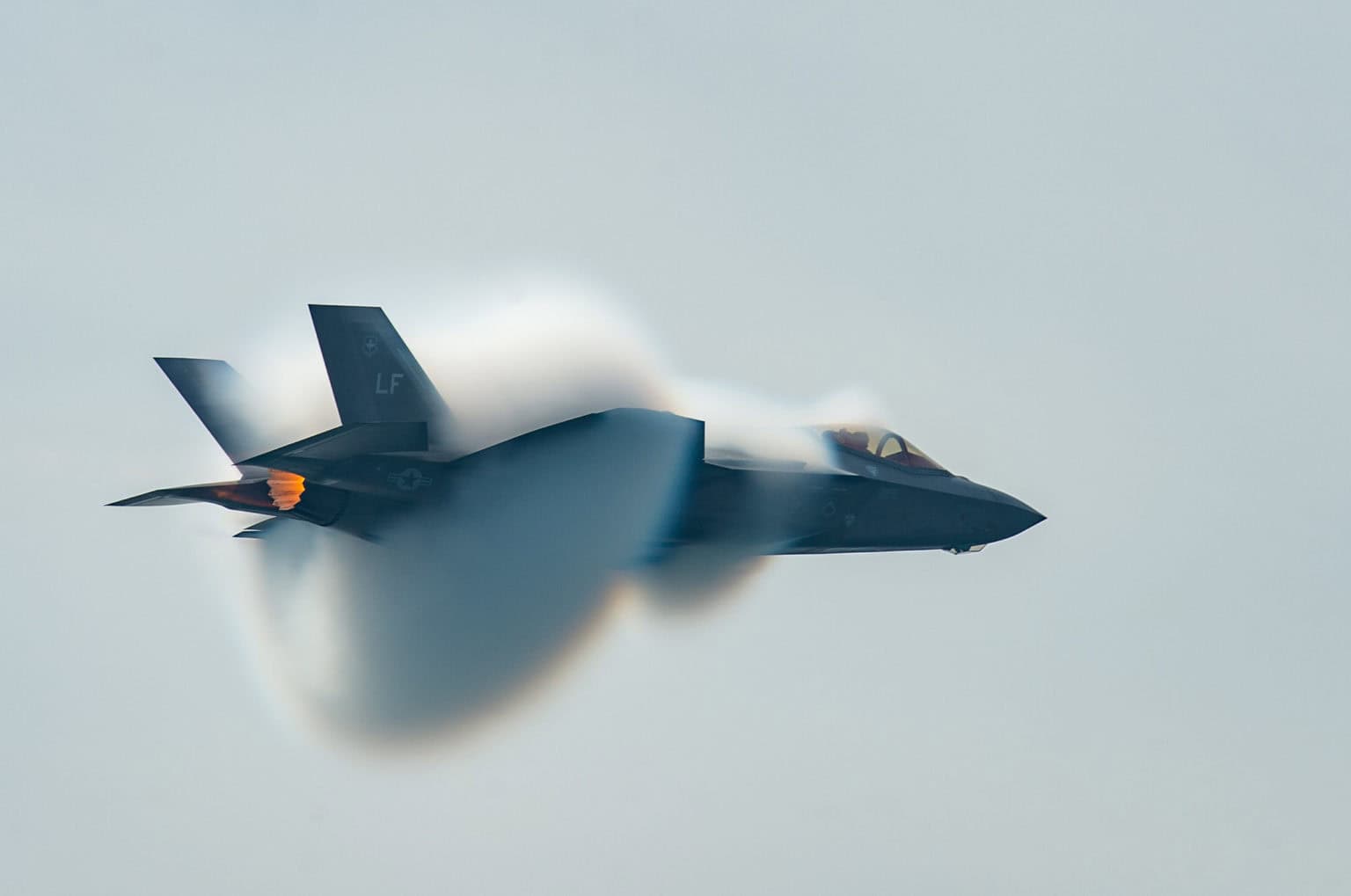


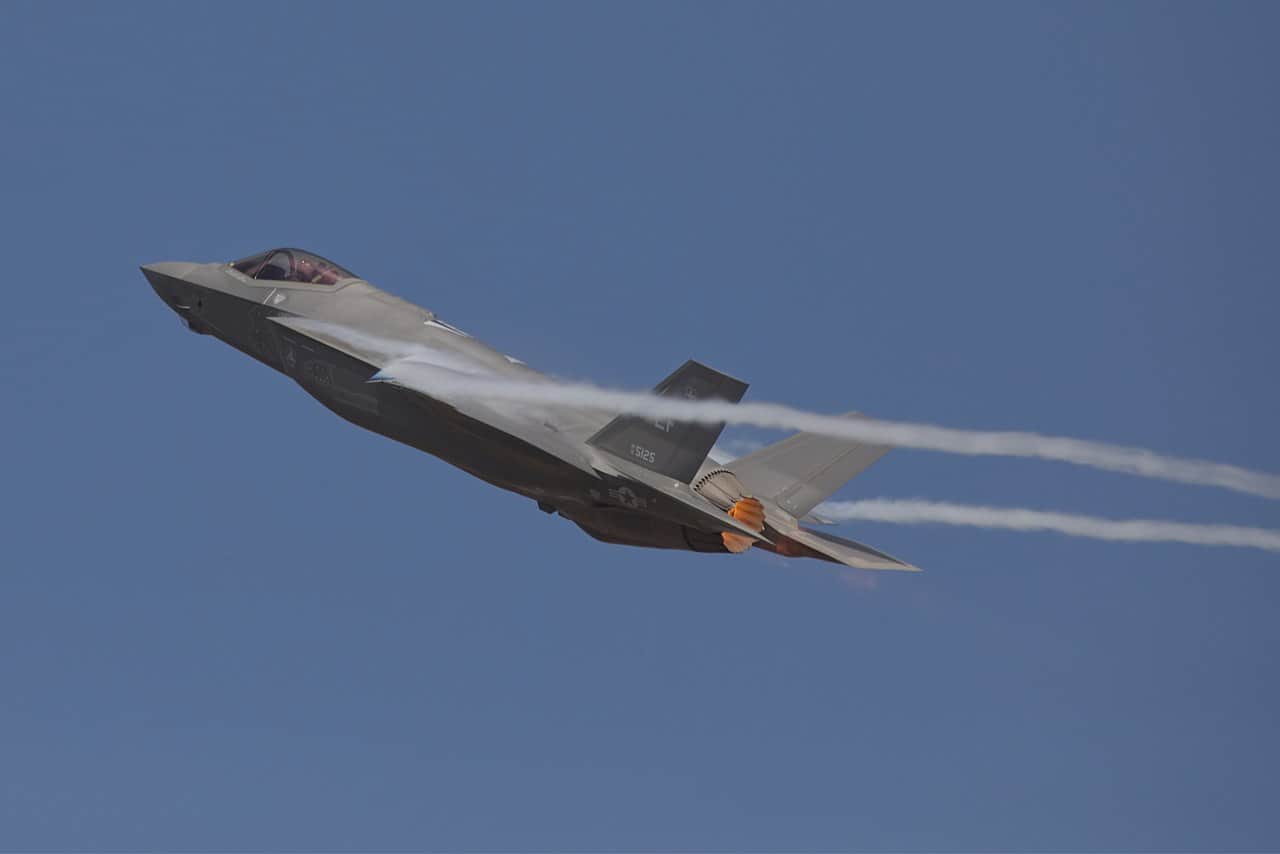
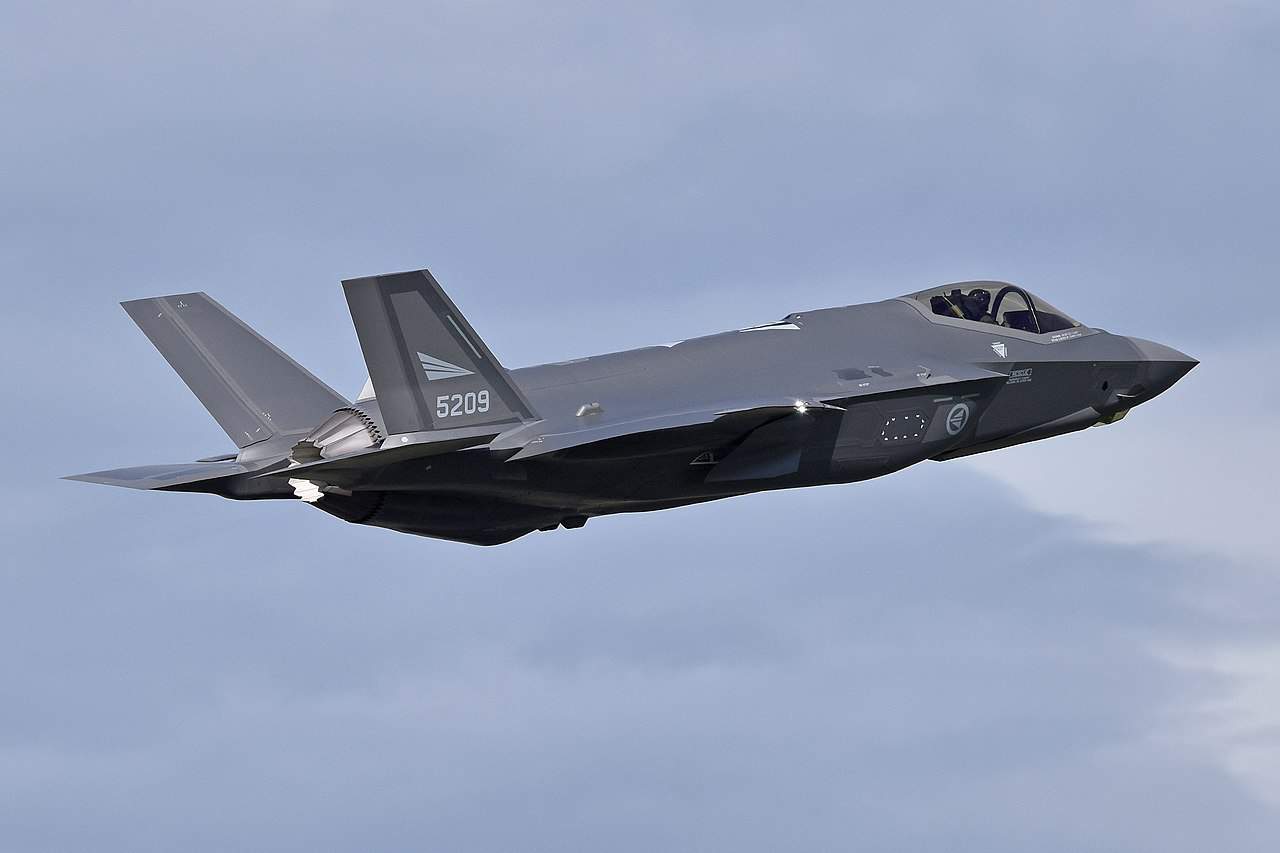
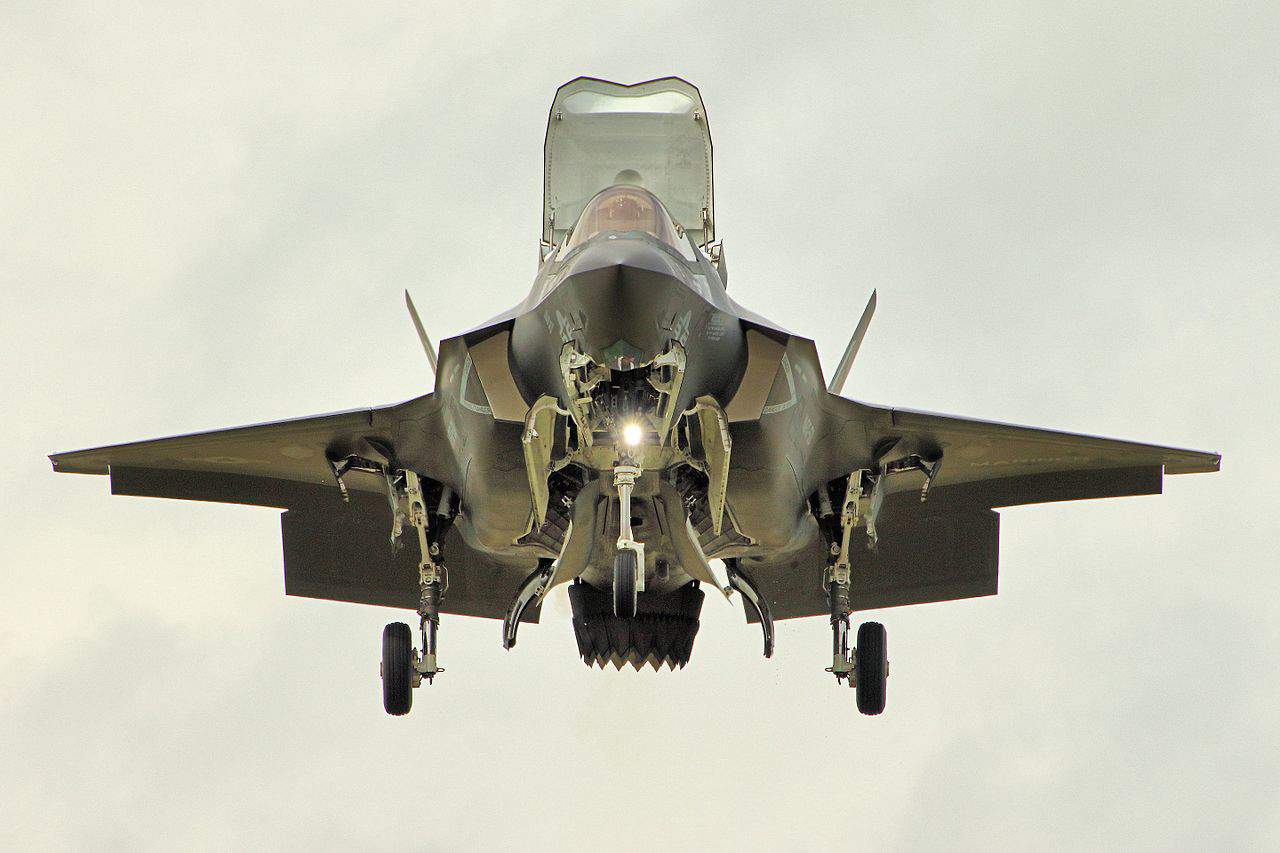


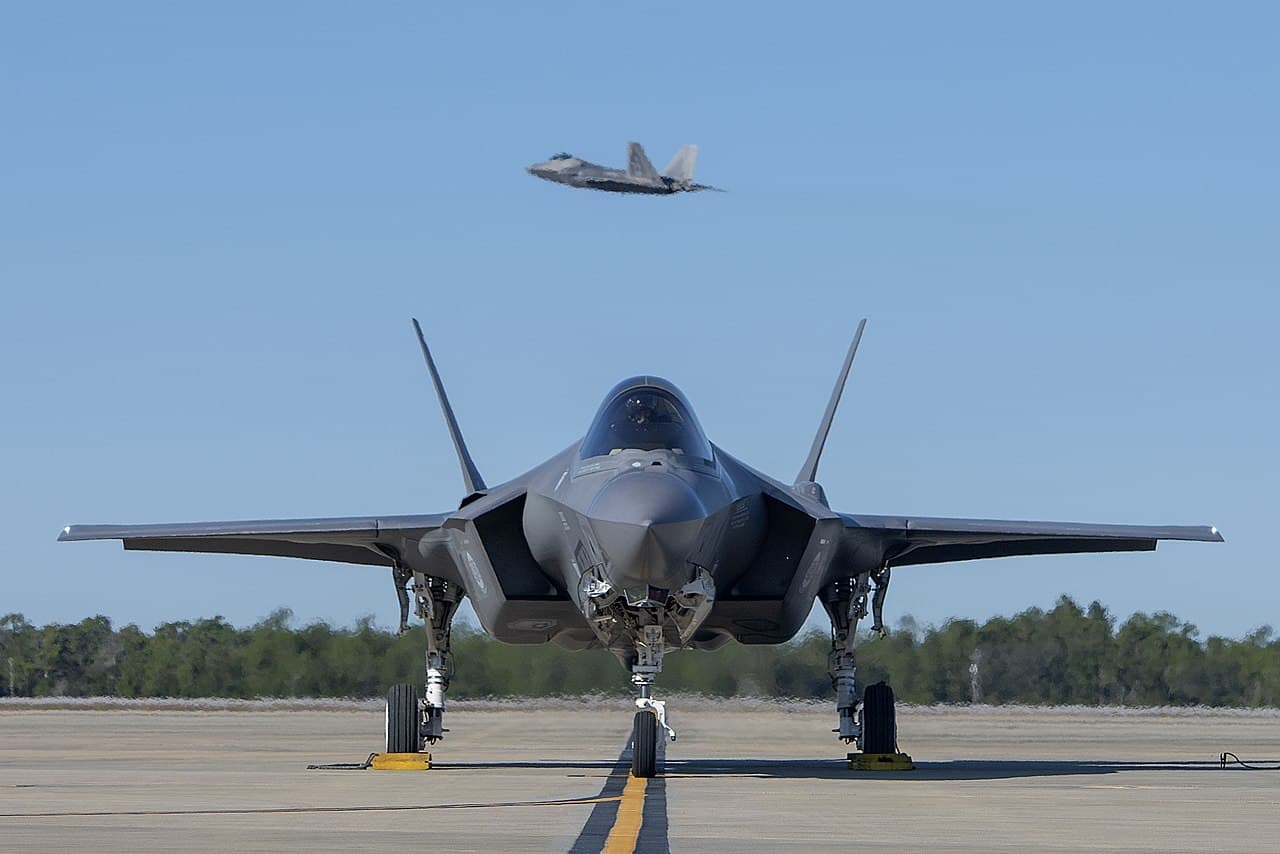
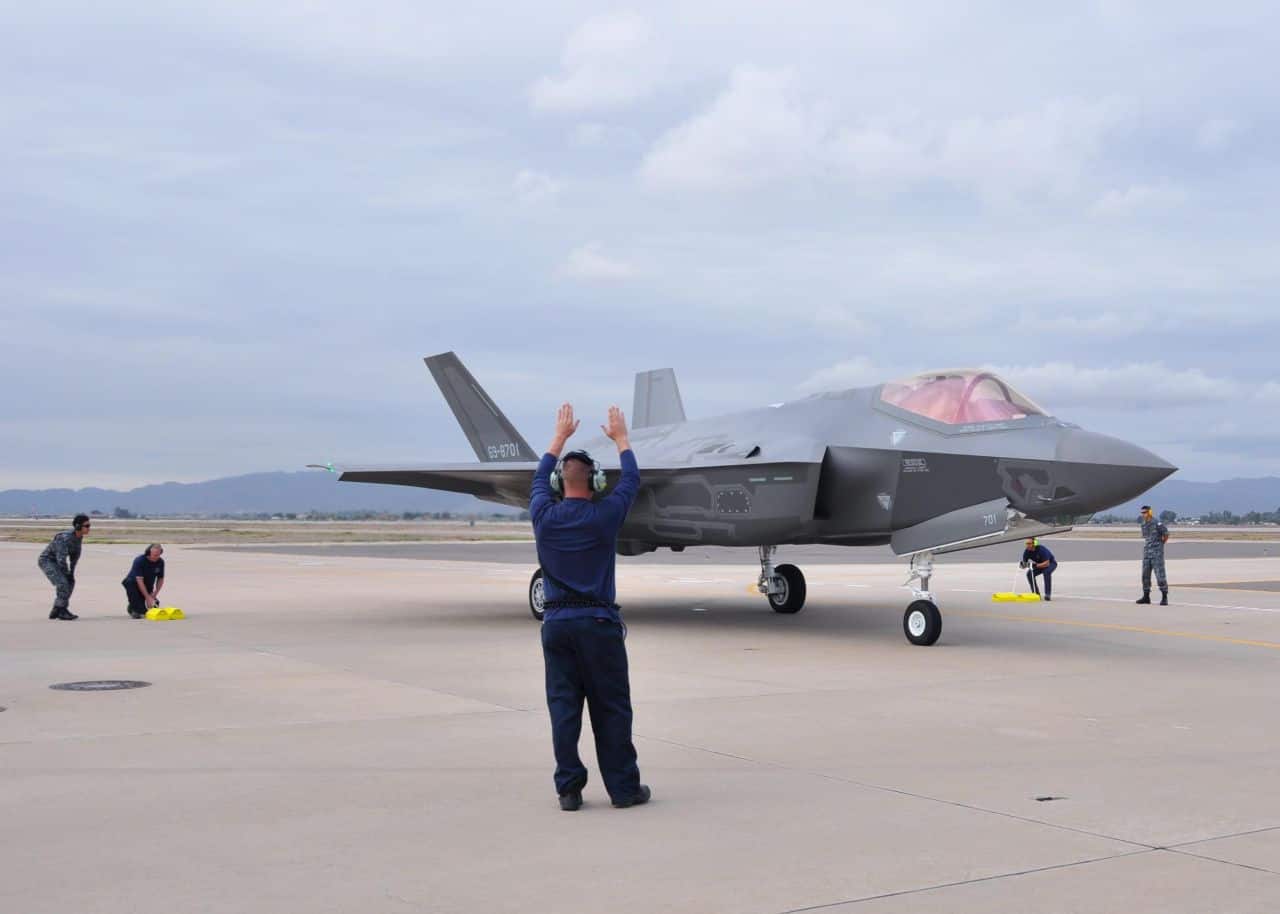
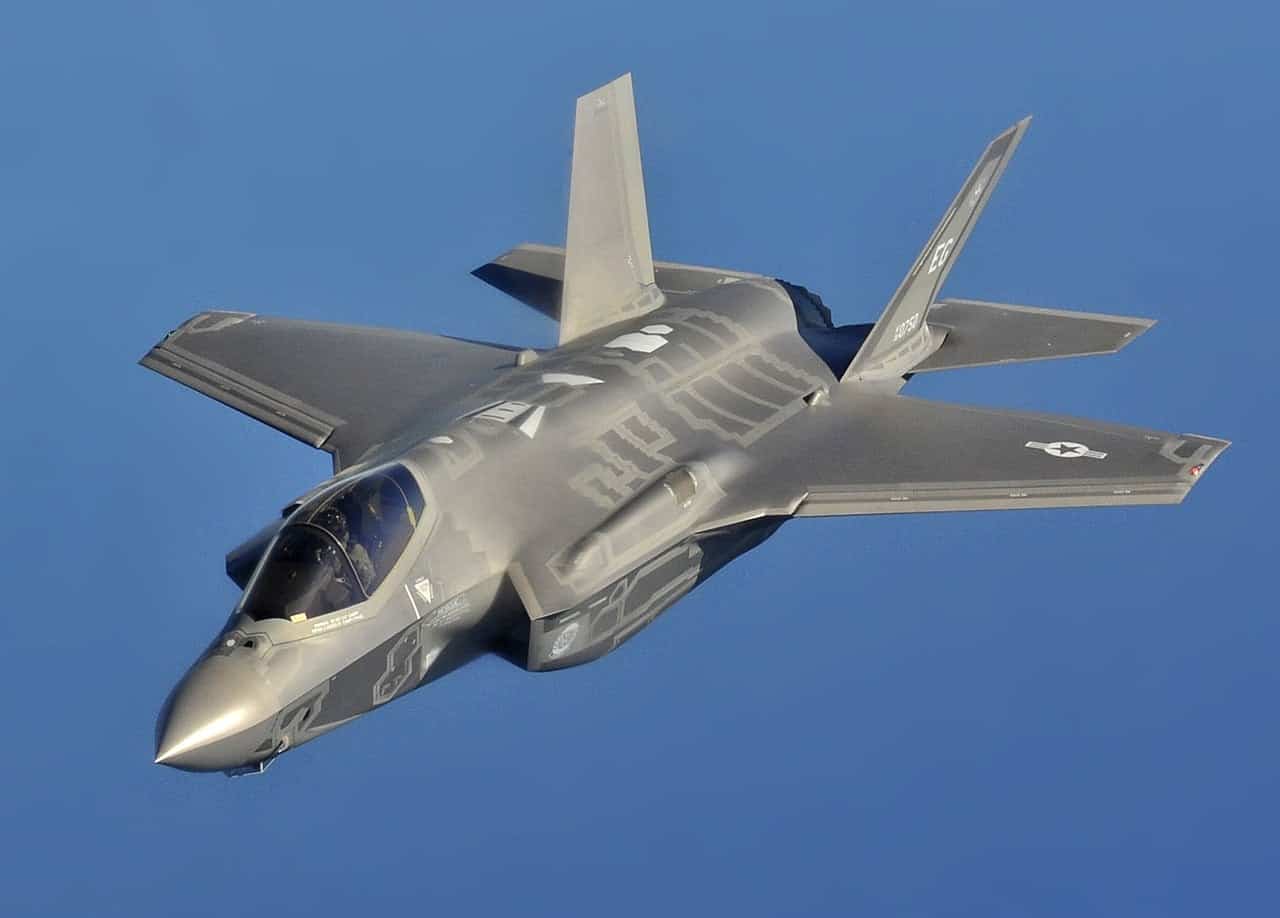
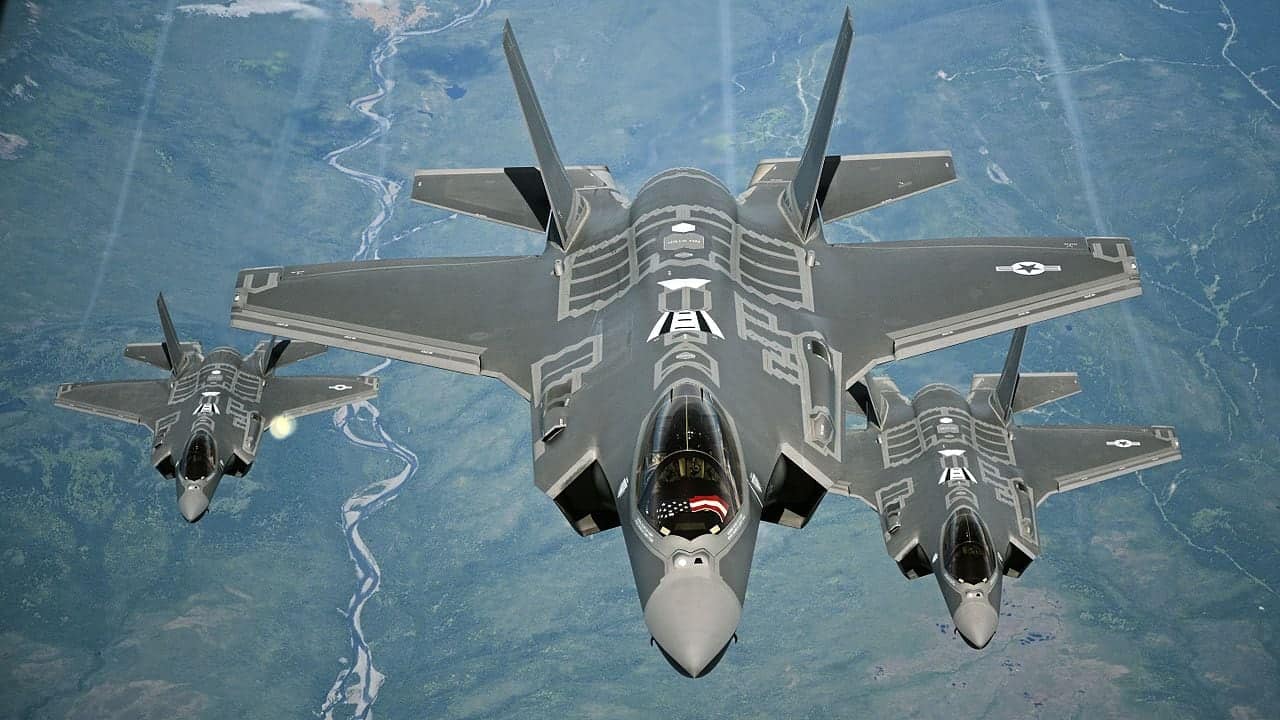
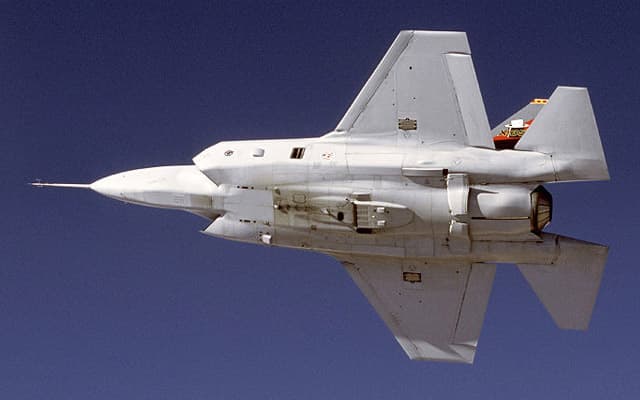
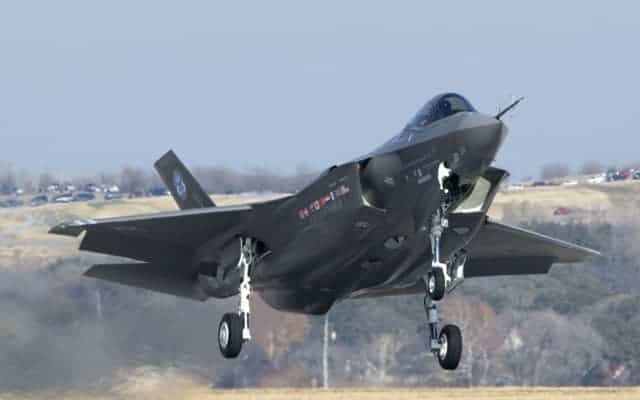
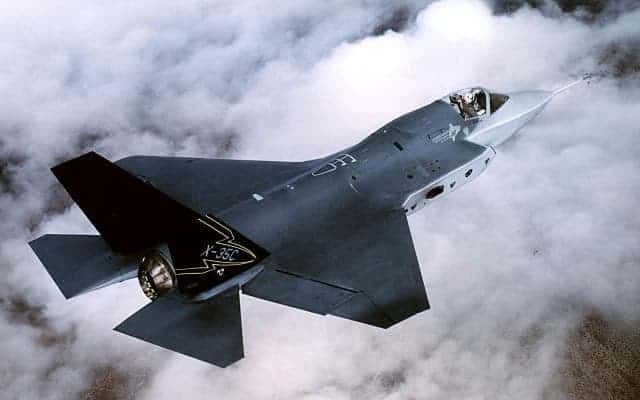
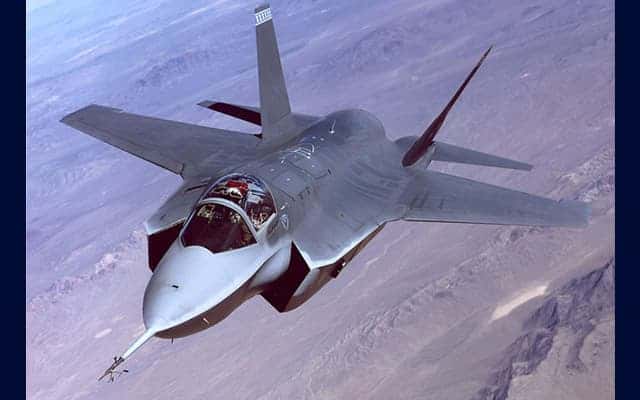

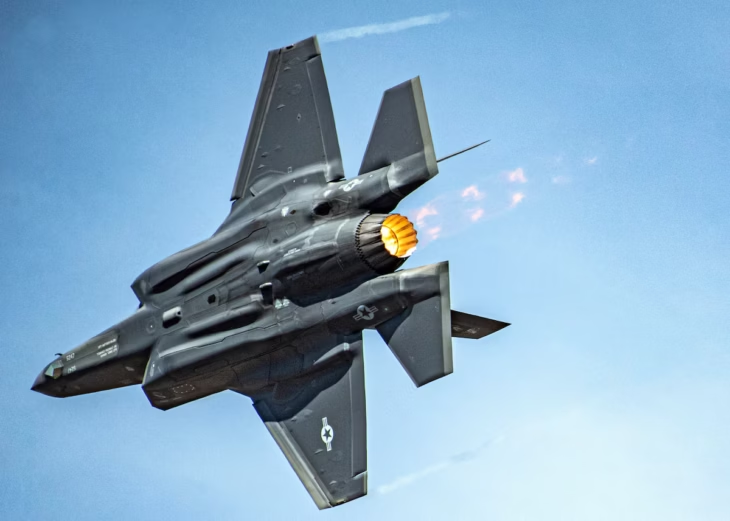
The Lockheed Martin F-35 Lightning II is not quite as stealthy as the F-22, but it is the most important stealth aircraft in the world by sheer numbers and networked capability. More than 1,000 have been built across its A, B, and C variants, making it the most-produced stealth aircraft ever.
Its estimated radar cross-section is often likened to a golf ball, roughly 0.0015 m², a step behind the Raptor because it was designed as a multirole strike fighter rather than a pure air-superiority machine. What it trades in raw stealth it makes back in sensor fusion, sharing a single fused picture of the battlespace across every friendly aircraft.
The F-35B is also the only stealth fighter in the world capable of short takeoff and vertical landing, letting it operate from small carriers and rough strips. That flexibility, at genuine 5th-generation stealth levels, is why it sits above the older Nighthawk.
5. Lockheed Martin F-117 Nighthawk


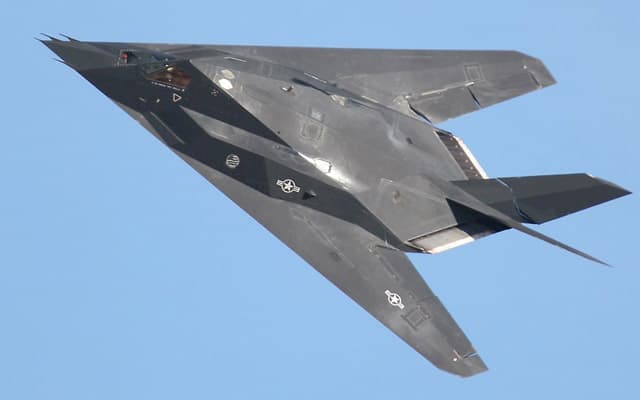


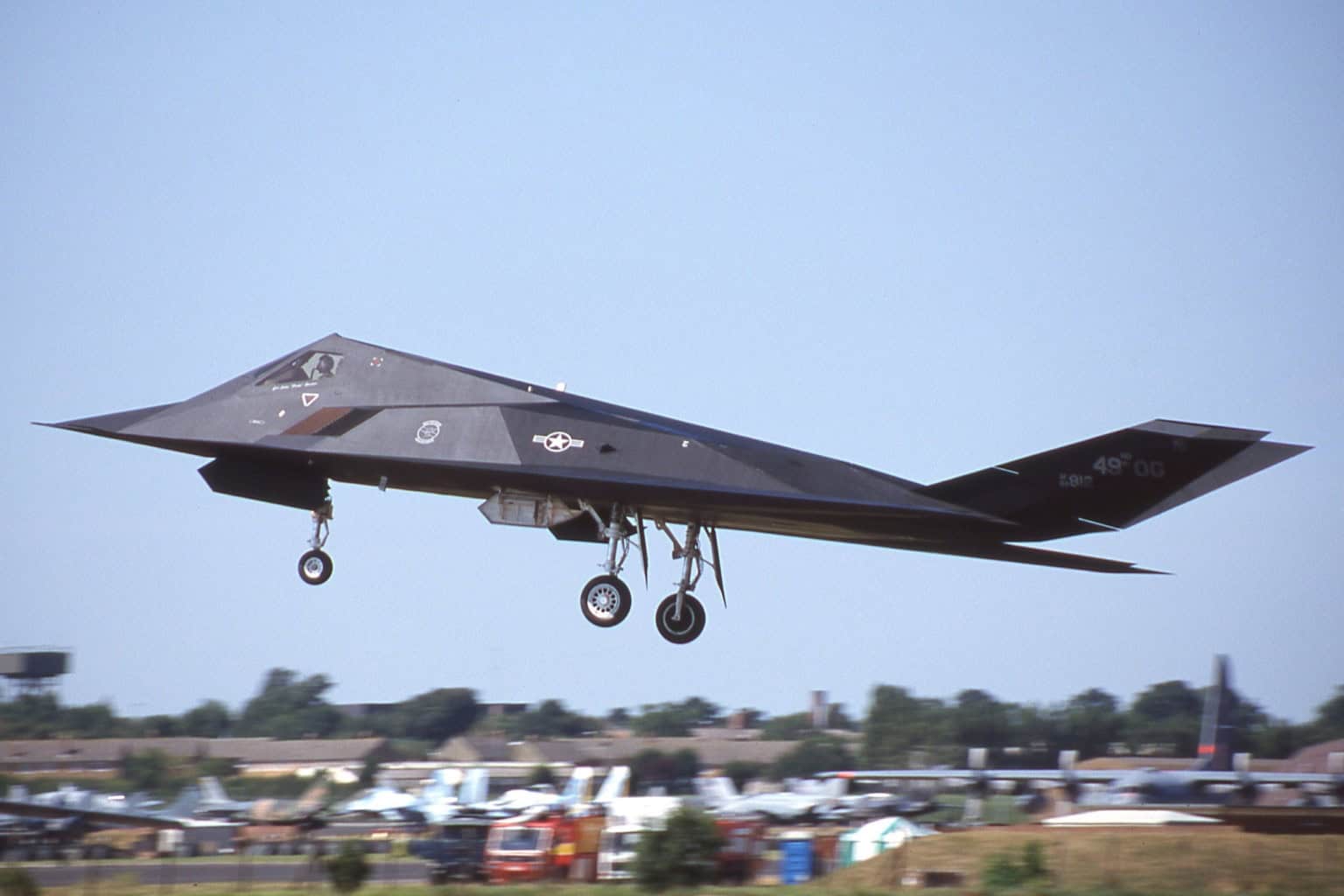

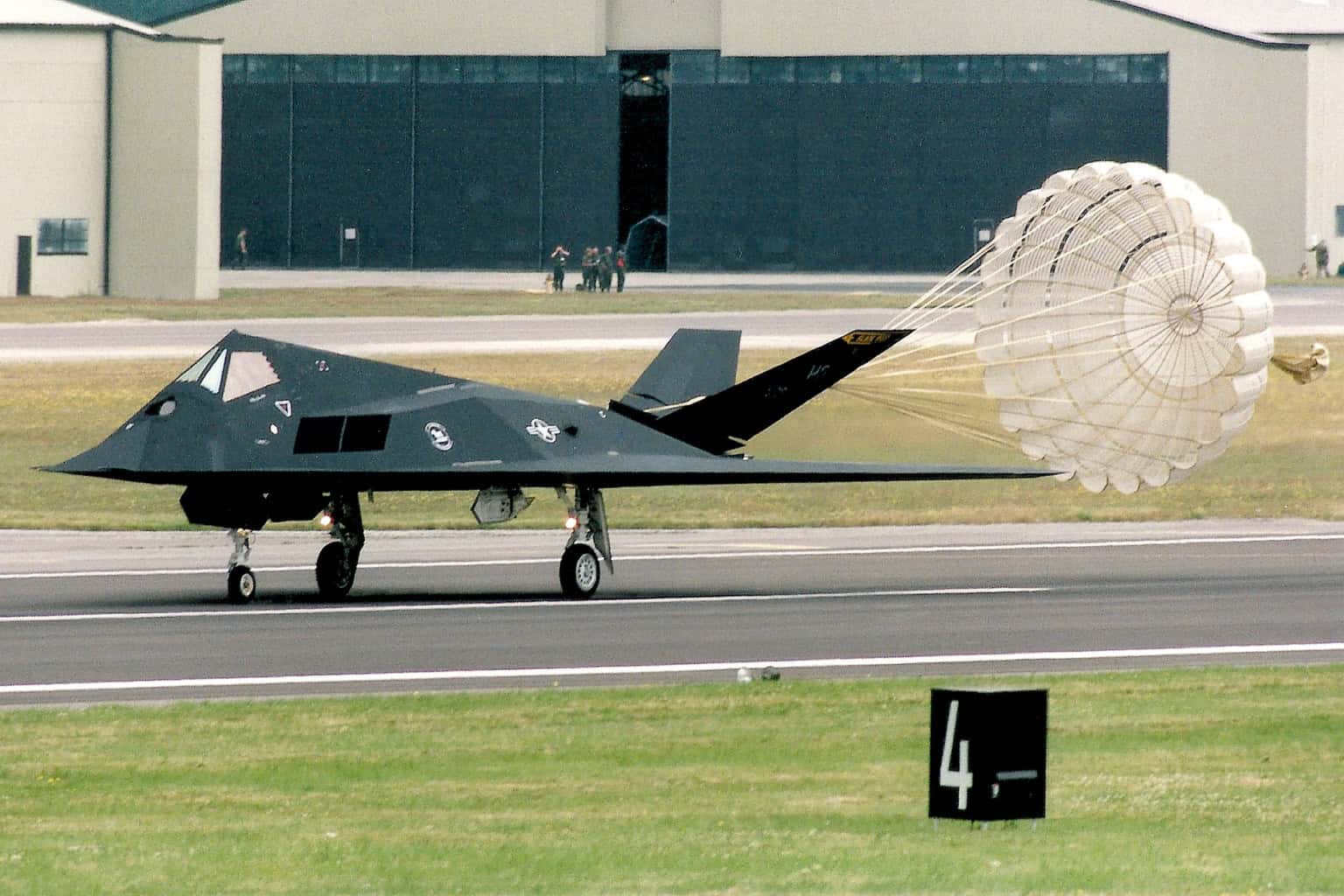


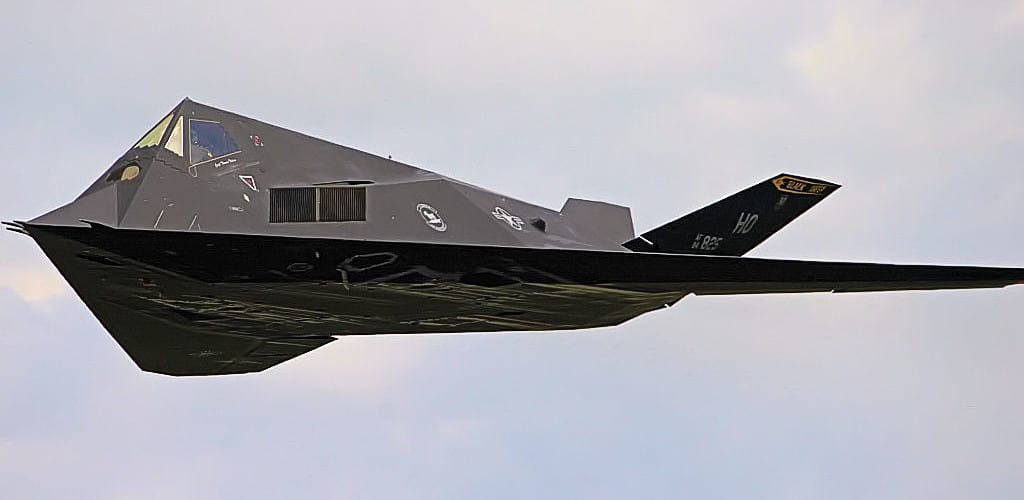
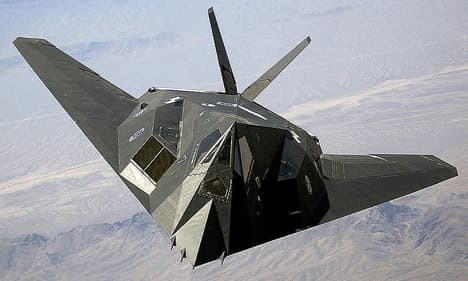
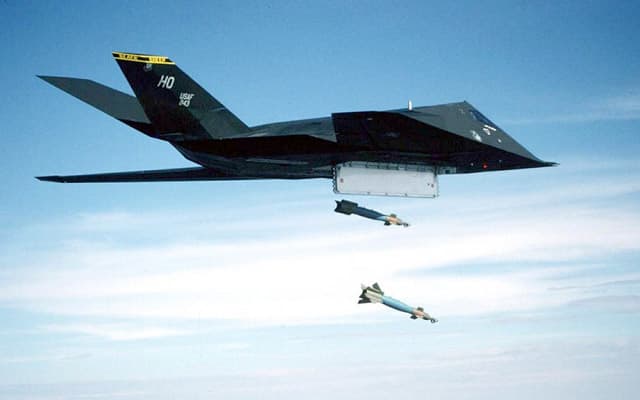
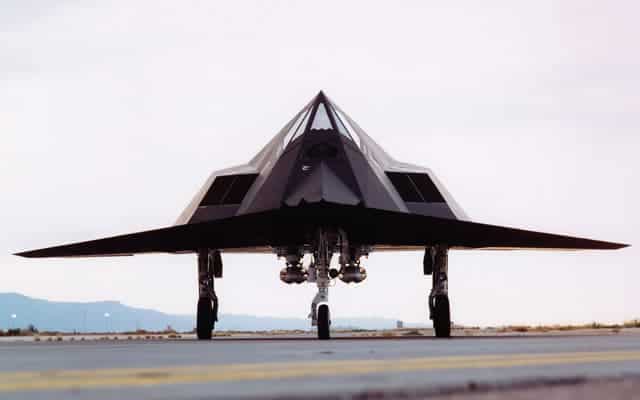
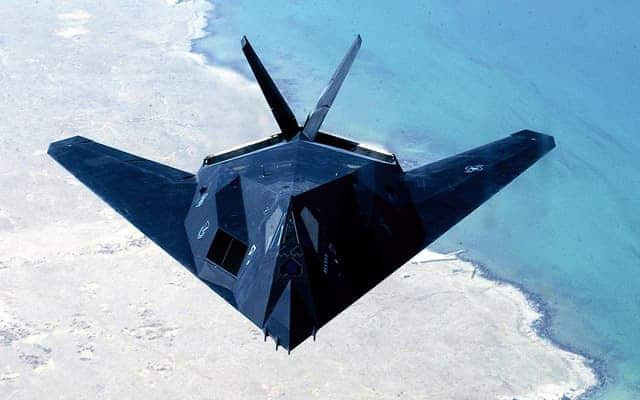
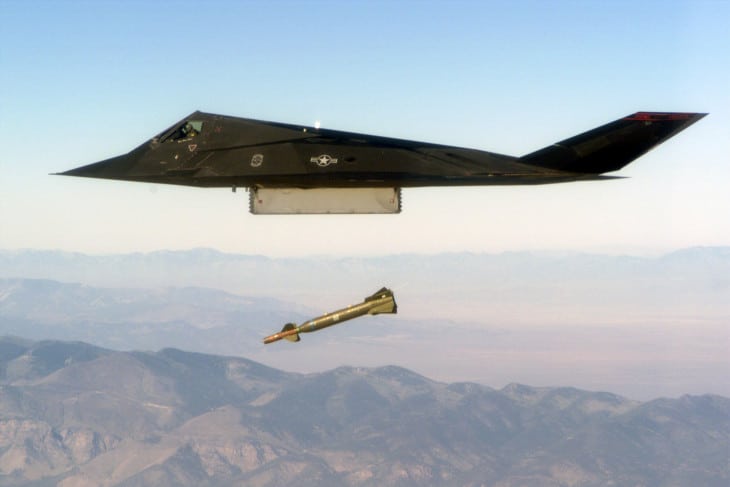
The Lockheed Martin F-117 Nighthawk is the aircraft that started all of this, the first operational aircraft in history designed around stealth. Its faceted, angular shape scattered radar energy in every direction and made it nearly invisible to the defenses of its era.
It debuted in combat over Panama in 1989 and became famous in the 1991 Gulf War, striking heavily defended targets in Baghdad while conventional aircraft could not get close. Its estimated radar cross-section, around 0.003 m², was revolutionary for the 1980s even if newer shaping has since surpassed it.
Officially retired in 2008, the Nighthawk never fully stopped flying and still appears as a test and aggressor aircraft. It ranks here on historical importance and genuine low observability, tempered by technology that is now decades old.
The only stealth aircraft ever shot down
On March 27, 1999, a Serbian missile crew downed an F-117 over Yugoslavia by using long-wavelength radar and patient tactics against a predictable flight path. It remains the only stealth aircraft ever lost to enemy fire, and the lessons from that night shaped how every stealth aircraft since has been flown.
6. Chengdu J-20 Mighty Dragon


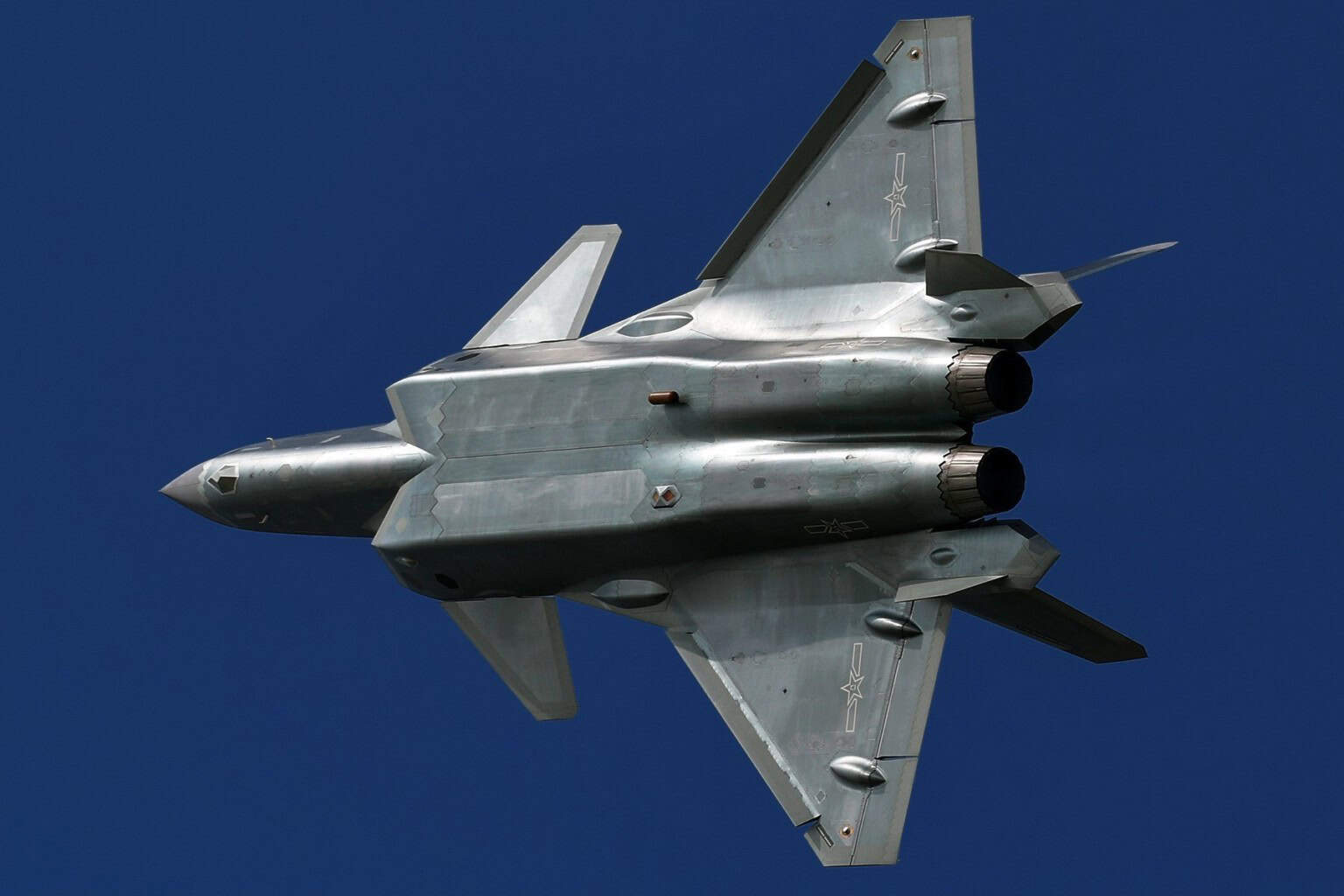


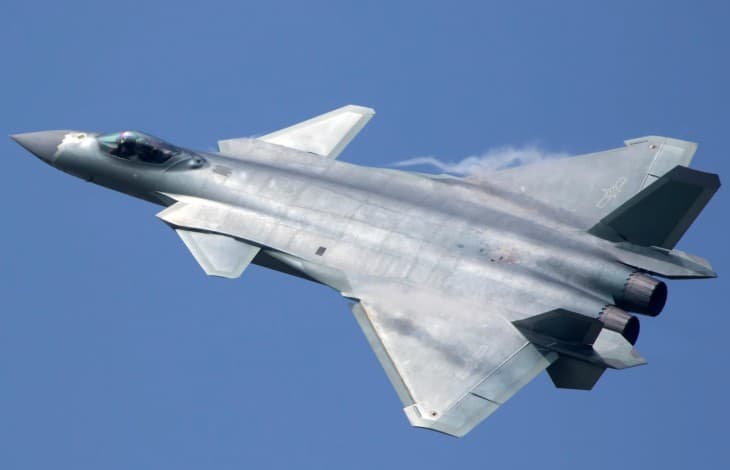
The Chengdu J-20 Mighty Dragon is China’s first stealth fighter and the most numerous 5th-generation aircraft outside the United States. It entered service in 2017, and China is now believed to field more than 200 of them, a total that keeps climbing.
Its stealth shaping is real and clearly aimed at a low frontal radar cross-section for long-range interception. Independent analysts generally rate its all-aspect stealth as a step behind the F-22 and F-35, in part because of exposed engine and control-surface details, but the gap has narrowed with newer variants and domestic engines.
It ranks sixth because the open-source consensus places its low observability below the top American types, while acknowledging the picture is deliberately murky. In raw numbers fielded, though, only the F-35 is ahead of it.
7. Sukhoi Su-57 Felon


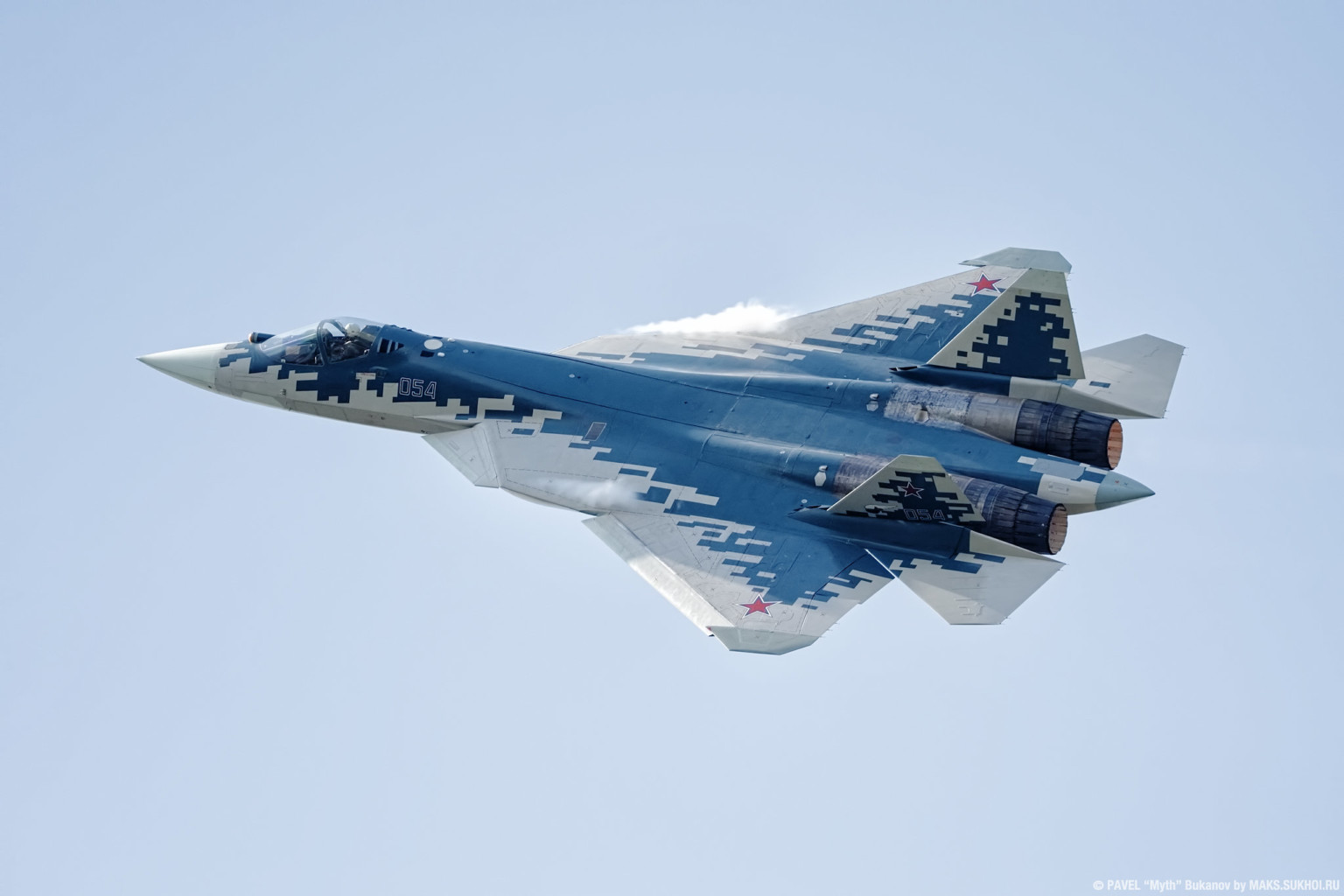
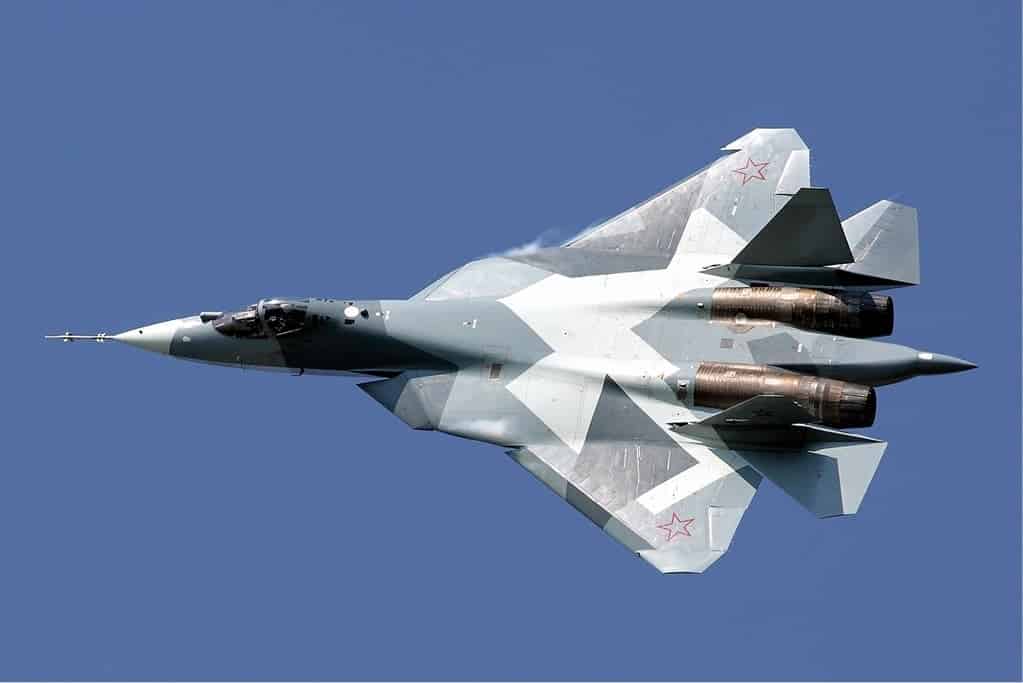


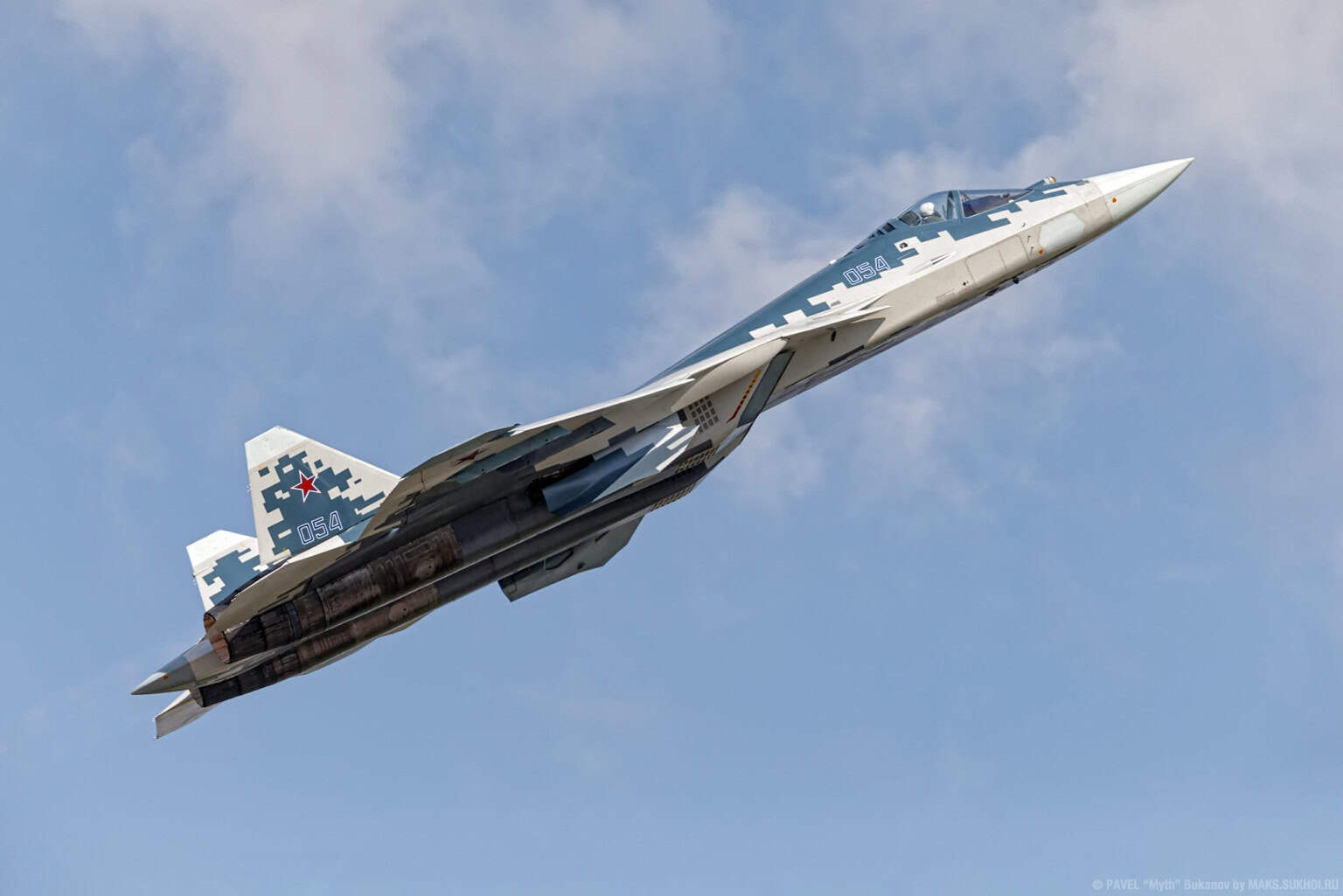
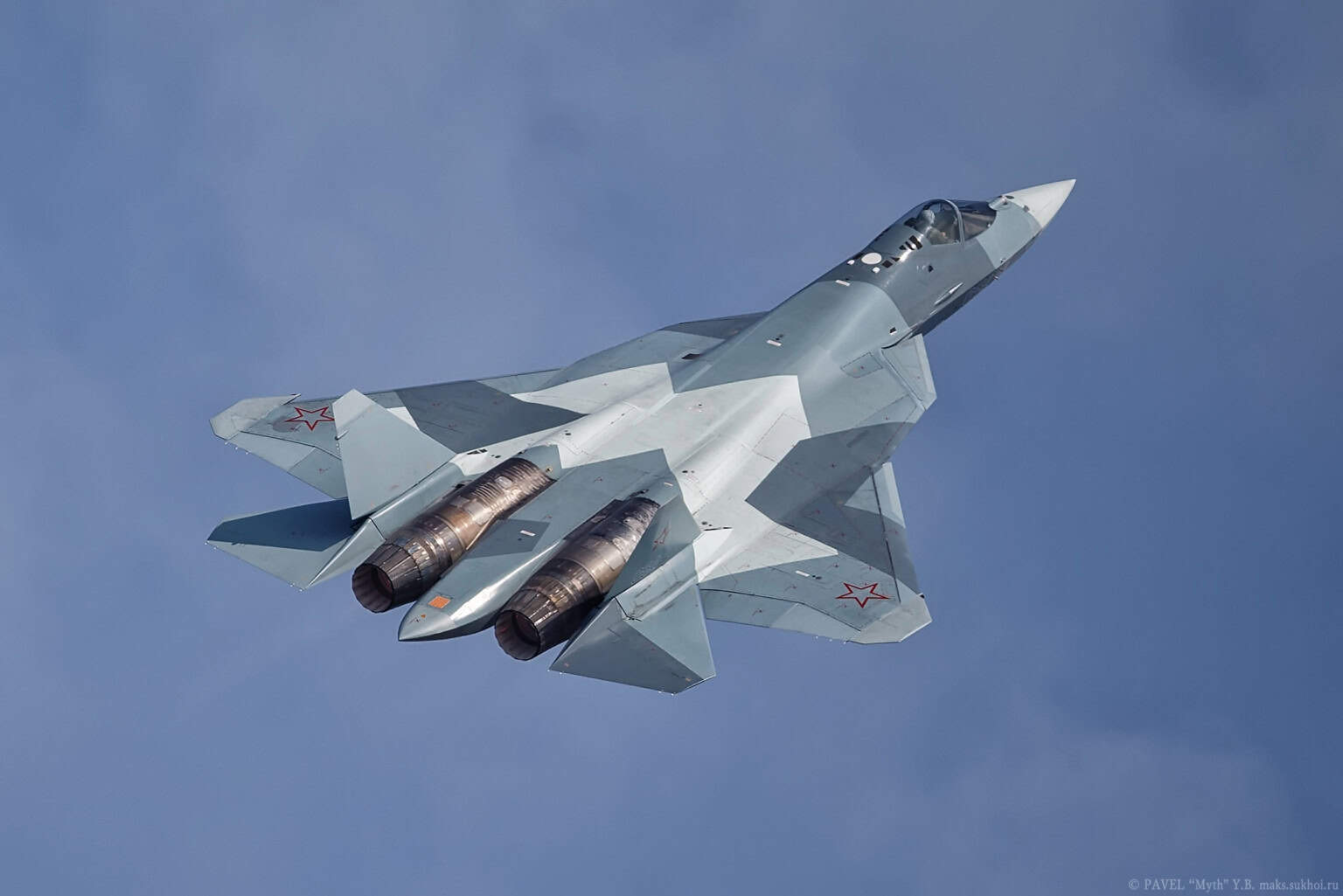

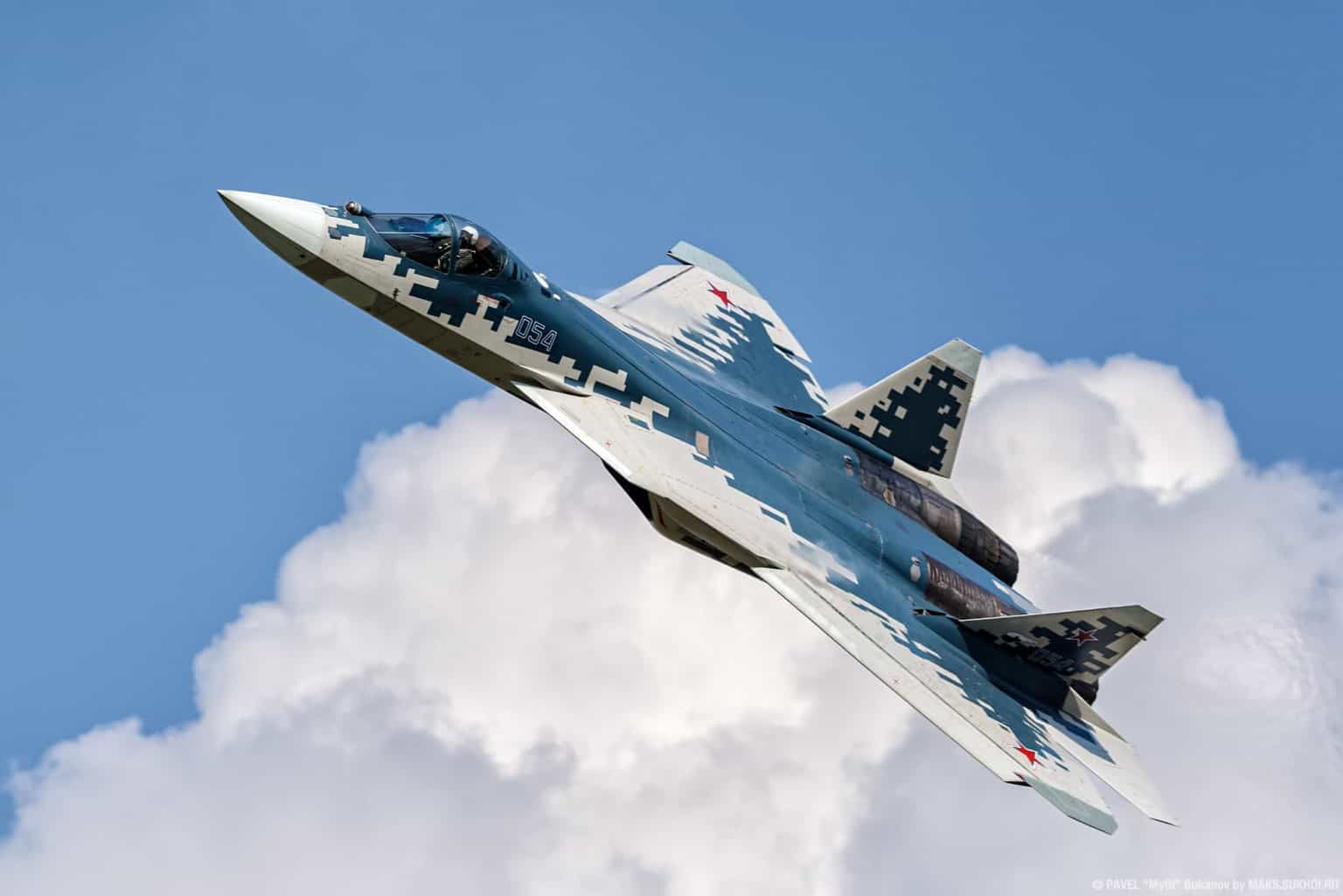
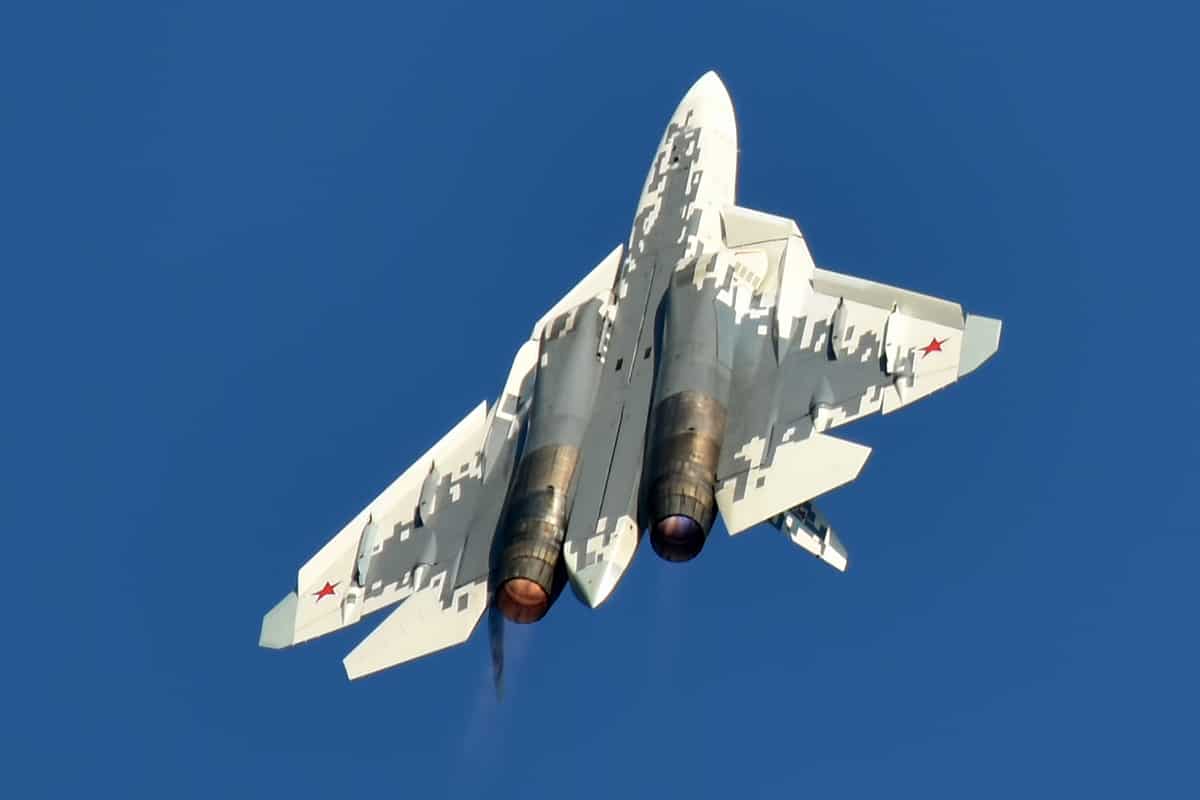

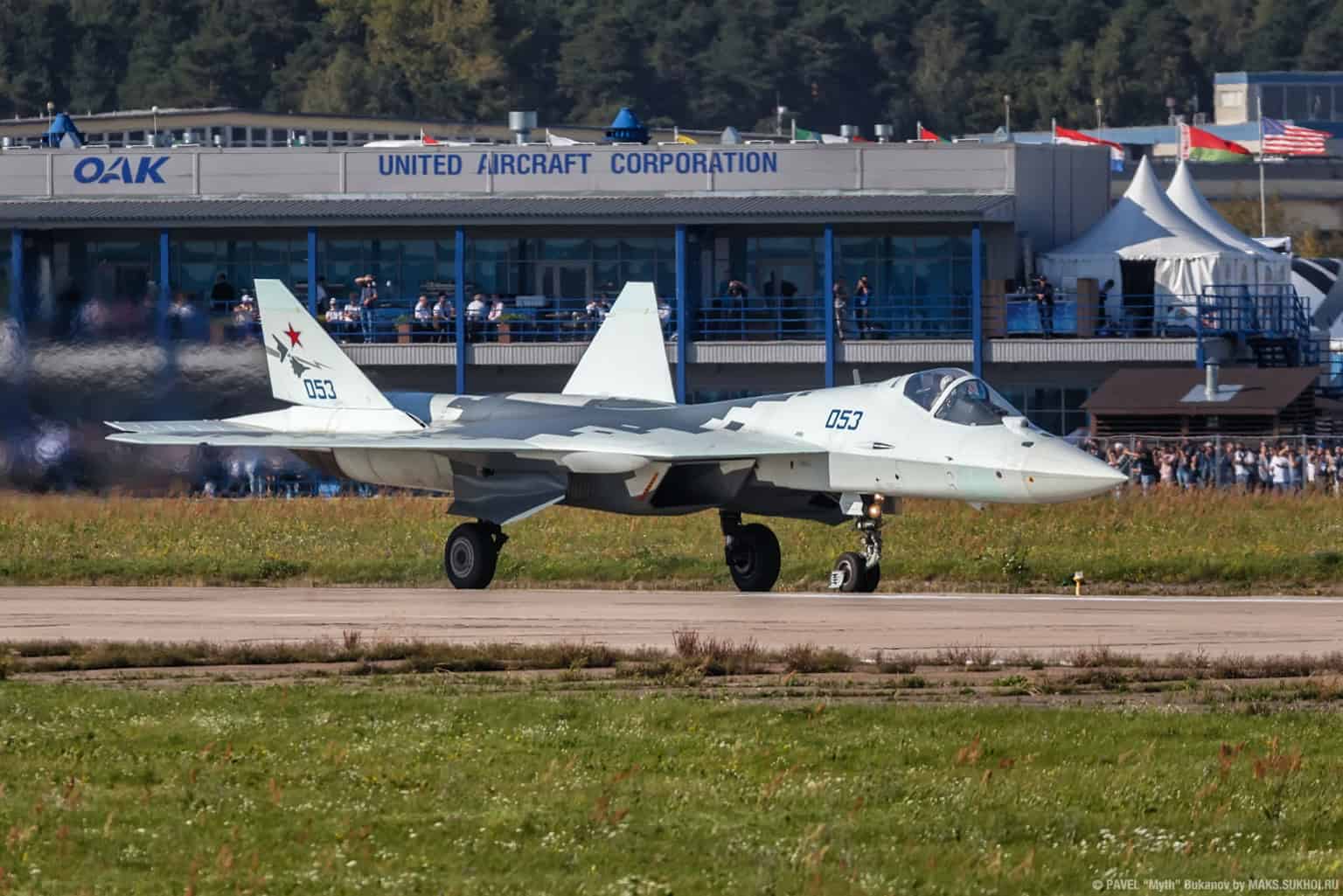

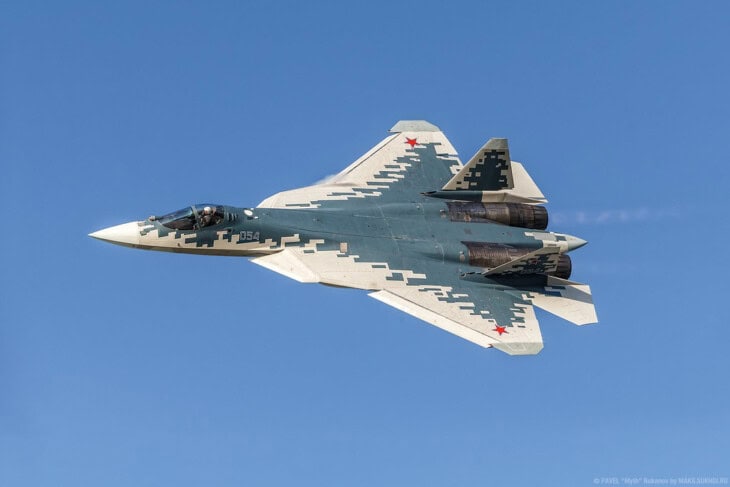
The Sukhoi Su-57 Felon is Russia’s first stealth fighter, and it is the least stealthy of the world’s operational 5th-generation aircraft. It reached limited service around 2020, but production has been slow and only a small number are flying.
Analysts repeatedly point to design choices, such as visible rivets, gaps, and engine exposure, that suggest Russia prioritized maneuverability and sensors over pure radar-cross-section reduction. The result is a capable fighter whose stealth is widely judged to be more of a reduced signature than true low observability.
It still earns a place because it is a genuine 5th-generation combat aircraft with modern sensors and long-range weapons. On stealth alone, however, it sits at the bottom of this group.
The stealth aircraft just missing the cut
Several aircraft are close, and a few are about to reshape this list. South Korea’s KAI KF-21 Boramae uses a low-observable shape but carries weapons externally in its early configuration, so it is best described as low-signature rather than fully stealthy for now.
China’s carrier-capable J-35 is entering service and will strengthen an already deep Chinese stealth fleet. Meanwhile the next wave, from the American F-47 to China’s J-36, is moving toward 6th-generation stealth, which we cover in our look at sixth-generation fighter jets.
If you want the fighter-only picture in more depth, including how these jets compare purely as stealth fighters, our guide to stealth fighter jets goes deeper on that slice of the field.
What about the SR-71 Blackbird?
The SR-71 is often called a stealth aircraft, but it was not one in the modern sense. It used some radar-reducing shaping and materials, yet it survived mainly by flying higher and faster than anything could catch, not by hiding from radar. A true stealth aircraft is built to not be seen in the first place, which is a fundamentally different design goal.
FAQ
Sources and references used for research and fact-checking.
Get the Newsletter
The latest aviation news and stories sent to your inbox.
About the Author

Tim is the owner and lead editor of AeroCorner since 2019, overseeing aviation content covering aircraft, airlines, airports, and the broader aviation industry. Through years of researching, writing, editing, and publishing aviation-focused content, he has developed extensive practical knowledge of commercial aviation and air travel. Based in Asia and a frequent traveler himself, Tim also brings firsthand passenger experience to AeroCorner’s coverage. Outside of publishing, he has also explored aviation firsthand through hands-on flight training in New Zealand.