

Table of Contents
The most important aircraft of the Cold War was the Lockheed U-2, and only 104 were built. It showed Eisenhower there was no bomber gap, wrecked a superpower summit when one was shot down, and found the Soviet missiles in Cuba in 1962.
This list ranks 12 aircraft by a single question: what did the contest between the United States and the Soviet Union do differently because this aircraft existed? It is a judgment, not a measurement, so the reasoning is on the page for you to argue with.
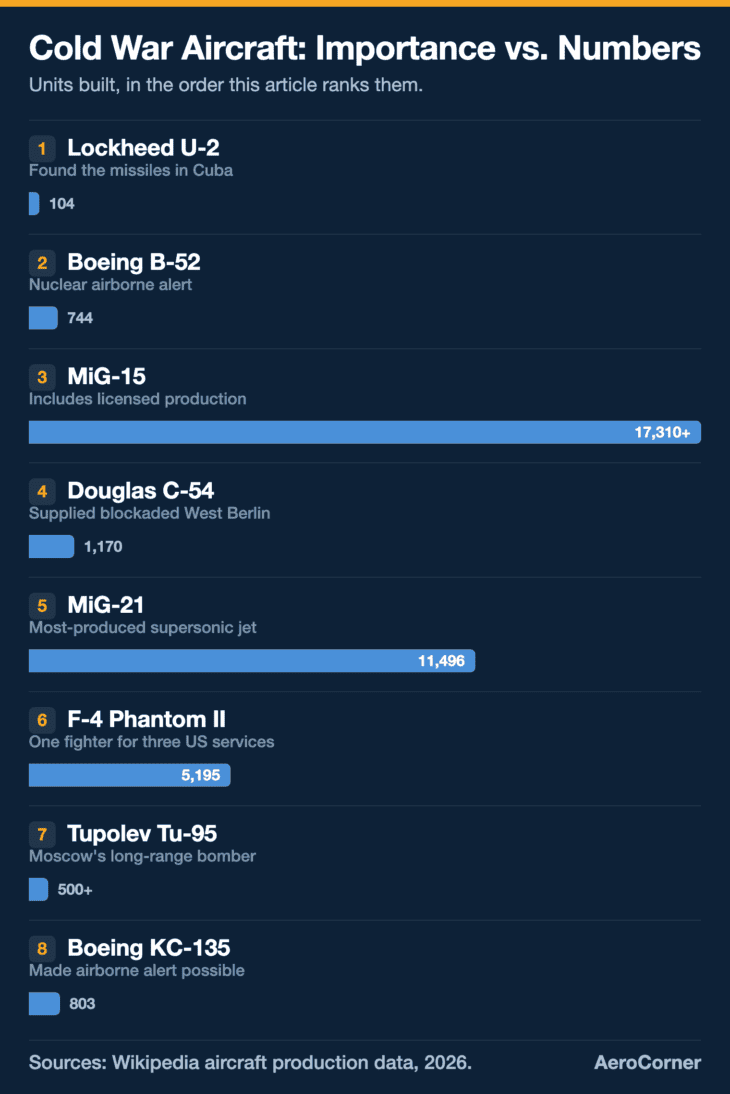
| Rank | Aircraft | First flight | Units built | What it changed |
|---|---|---|---|---|
| 1 | Lockheed U-2 | 1955 | 104 | Ended the bomber gap in private, found the missiles in Cuba |
| 2 | Boeing B-52 | 1952 | 744 | Put nuclear weapons in the air around the clock |
| 3 | Mikoyan-Gurevich MiG-15 | 1947 | 17,310+ | Ended the daylight B-29 era over Korea |
| 4 | Douglas C-54 Skymaster | 1942 | 1,170 | Kept West Berlin supplied through the blockade |
| 5 | Mikoyan-Gurevich MiG-21 | 1955 | 11,496 | Armed the Soviet bloc’s allies with a supersonic jet |
| 6 | McDonnell Douglas F-4 Phantom II | 1958 | 5,195 | Gave three US services one shared fighter |
| 7 | Tupolev Tu-95 | 1952 | 500+ | Gave Moscow its long-range nuclear reach |
| 8 | Boeing KC-135 Stratotanker | 1956 | 803 | Made airborne alert possible |
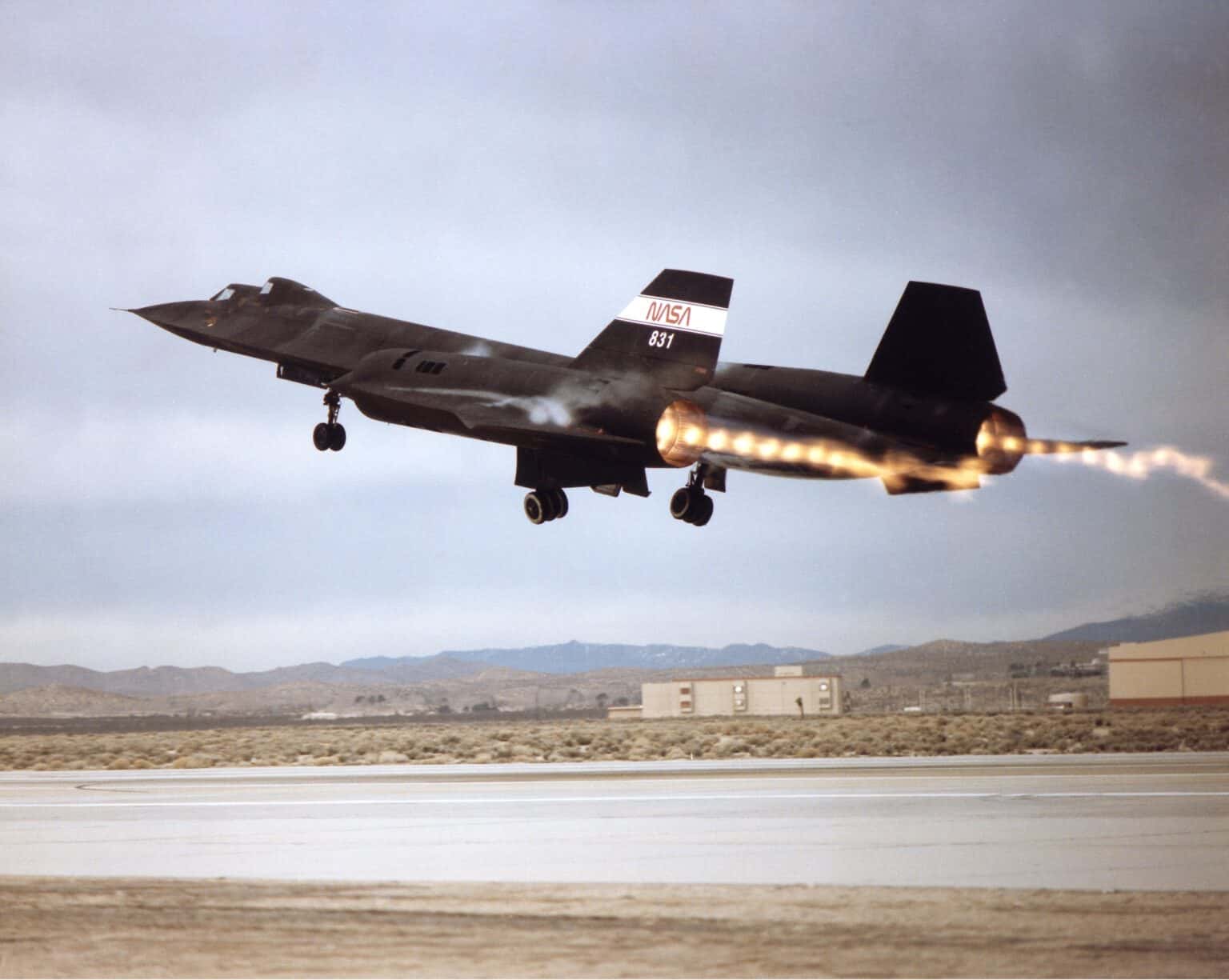
| 9 | Lockheed SR-71 Blackbird | 1964 | 32 | Flew for decades with none lost to enemy action |
| 10 | Mikoyan-Gurevich MiG-25 | 1964 | 1,186 | Scared the West, then disappointed it |
| 11 | McDonnell Douglas F-15 Eagle | 1972 | 1,198 | The American answer to a misread threat |
| 12 | Lockheed F-117 Nighthawk | 1981 | 64 | Turned stealth from theory into a squadron |
How this ranking works
Every aircraft here shaped the US-Soviet contest between the late 1940s and 1991. An aircraft ranks higher if it changed a decision by national leaders, then if it defined a crisis or a war, then if it changed how air forces planned. Production numbers and top speed did not decide the order. Great aircraft that changed little were left out.
1. Lockheed U-2
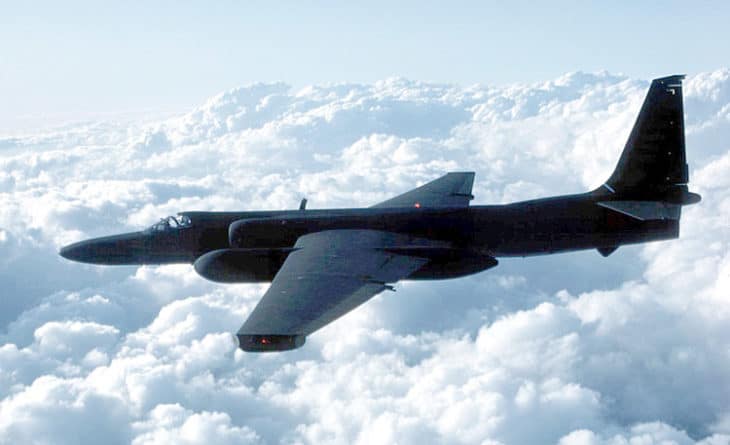
The Lockheed U-2 first flew on August 1, 1955, built to cruise above 70,000 feet with a camera, where planners hoped Soviet fighters and missiles could not reach it. No other aircraft here changed what presidents knew.
In the summer of 1956, Washington feared a huge fleet of Soviet M-4 Bison bombers. U-2 flights photographed nine long-range bomber bases and found no Bisons at any of them.
That proof let Eisenhower resist pressure for a bigger buildup, though he could not reveal how he knew, so the public argument carried on. A former CIA director later said Eisenhower knew “for certain” that there was no bomber gap.
Then the U-2 did damage. A Soviet missile brought down Francis Gary Powers near Sverdlovsk on May 1, 1960, about two weeks before the Paris summit, and the summit was canceled.
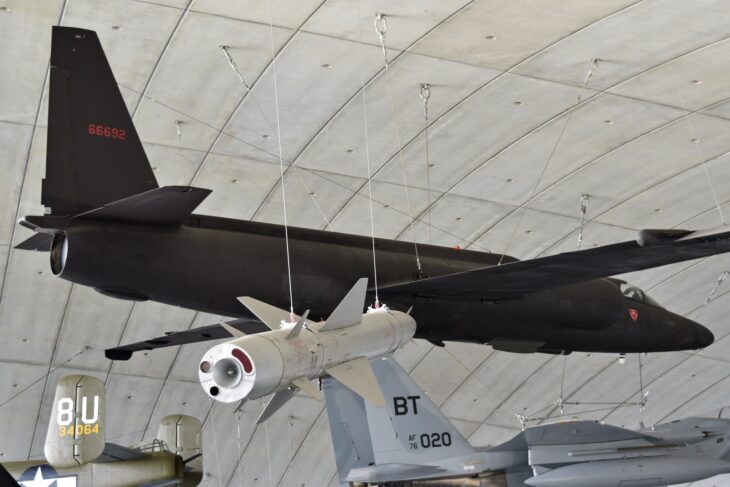
On October 14, 1962, Maj. Richard Heyser flew a U-2 over western Cuba and photographed Soviet medium-range missiles near San Cristóbal, the images behind the Cuban Missile Crisis. On October 27, an SA-2 missile shot down another U-2 and killed Maj. Rudolf Anderson.
It is still not retired
The Air Force asked to retire its remaining 23 U-2s in fiscal 2027. A House draft spending bill released on June 10, 2026 would bar it from retiring more than two, according to reporting on the bill. That is a draft, not a law, so the type’s future is still unsettled more than 70 years after its first flight.
2. Boeing B-52 Stratofortress
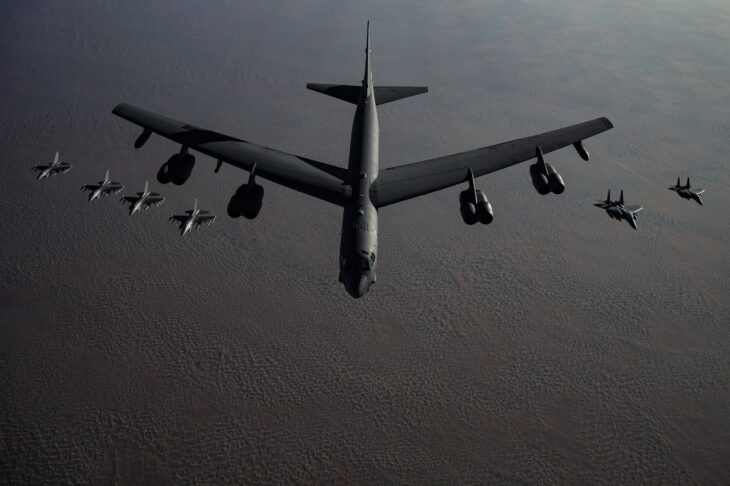

The B-52 made nuclear deterrence something you could watch on a route map. It first flew on April 15, 1952, entered service in 1955, and production ended in 1962 after 744 aircraft, counting the two prototypes.
Under Operation Chrome Dome, from 1961 to 1968, B-52s armed with thermonuclear weapons flew continuous airborne alert on routes within reach of Soviet targets. During the Cuban Missile Crisis, daily launches rose to 75.
The cost was accidents. The crash near Thule, Greenland, in 1968 ended Chrome Dome. The B-52 had by then also begun conventional bombing over Vietnam, starting in June 1965.
3. Mikoyan-Gurevich MiG-15
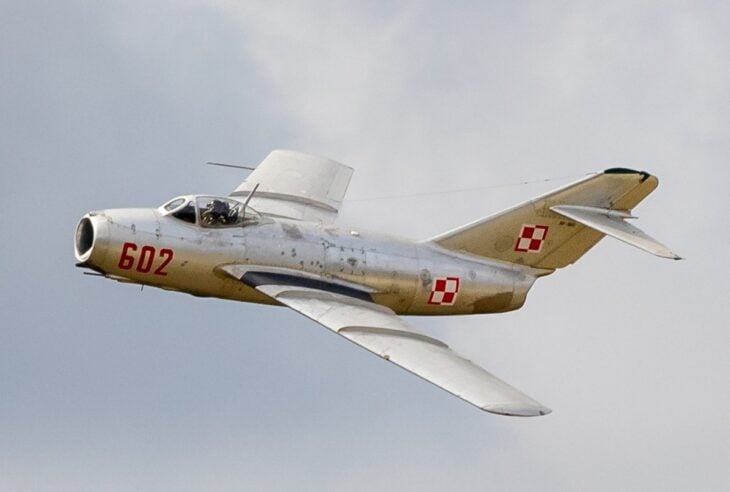

The MiG-15 was the first time the West understood it might not be ahead. It first flew on December 30, 1947, with a 35-degree swept wing and an engine derived from the British Rolls-Royce Nene, which the Labour government had licensed to Moscow.
It joined the Korean War on November 1, 1950, flown by Soviet pilots in North Korean markings. Built to kill B-29 bombers with heavy cannon, it outclassed the straight-wing Korean War fighter jets it met, until the Air Force rushed the F-86 Sabre into theater.
The $100,000 defection offer
Washington wanted an intact MiG-15 so badly that Operation Moolah offered any defecting pilot asylum and $100,000. When North Korean Lt. No Kum-Sok landed one at Kimpo on September 21, 1953, he claimed he had not known about the reward.
4. Douglas C-54 Skymaster
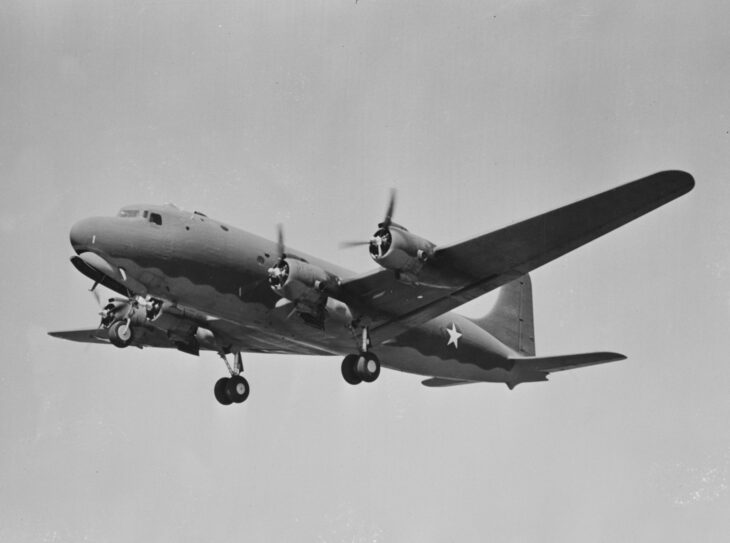

One of the first major crises of the Cold War was answered by a transport. The Soviet Union cut the land routes to West Berlin in June 1948, and the Berlin Airlift began on June 26.
The C-54, a 1942 design with 1,170 built, became the backbone of the American effort, with more than 300 taking part. The older C-47s were withdrawn from the lift in favor of an expanded C-54 force.
By the end, on September 30, 1949, American and British crews had made about 277,000 flights and delivered about 2.3 million tons. On April 16, 1949, alone, they flew 1,383 flights and carried a record 12,941 tons of coal.
The Soviets lifted the blockade on May 12, 1949. The price was 101 recorded deaths, mostly in flying accidents.
5. Mikoyan-Gurevich MiG-21
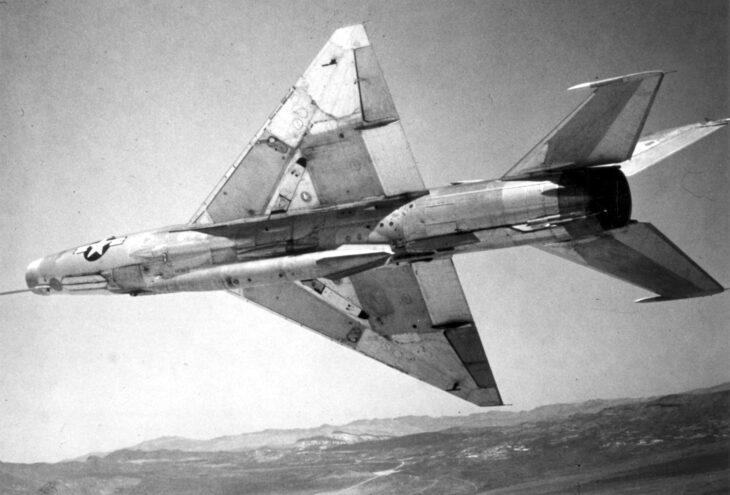

With 11,496 built, the MiG-21 is the most-produced supersonic jet in aviation history. Its importance is how far it traveled: about 60 countries on four continents have flown it.
It put a Mach 2 jet in the hands of air forces far beyond the Soviet Union. It ranks below the MiG-15 because it spread an existing contest rather than shocking anyone into a new one.
Production ran from 1959 to 1986. India retired it from operational service on September 26, 2025, and other air forces still fly it.
6. McDonnell Douglas F-4 Phantom II
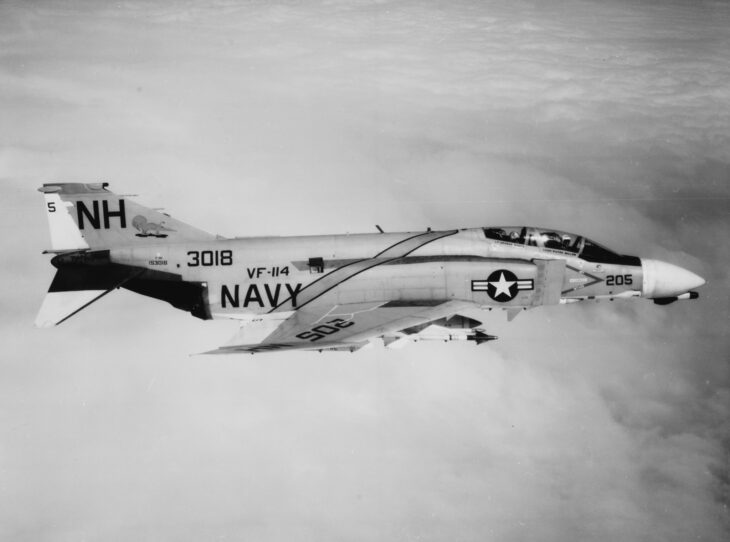

The F-4 was built for the Navy, first flew on May 27, 1958, and was then adopted by the Marine Corps and the Air Force. That made one fighter the shared workhorse of American air power in the Vietnam War.
McDonnell Douglas and Mitsubishi built 5,195, the most of any American supersonic military aircraft. Eleven other nations flew it, and it is the only aircraft used by both the Thunderbirds and the Blue Angels.
7. Tupolev Tu-95
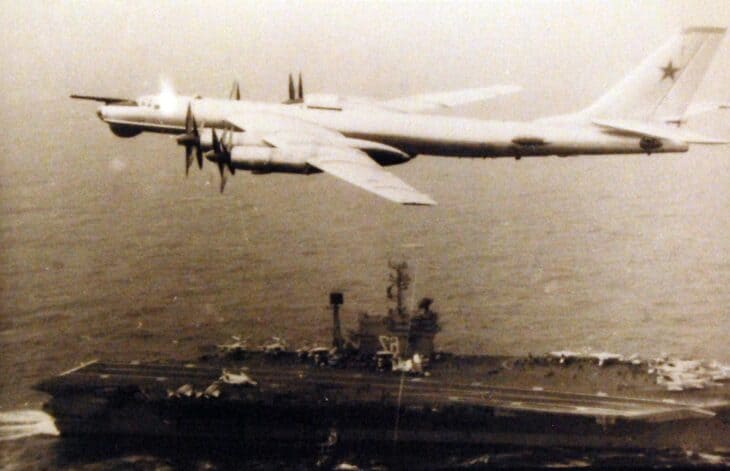

The Tu-95 “Bear” was the Soviet answer to the B-52, and it got there with propellers. It first flew in November 1952, entered service in 1956, and more than 500 were built.
The Pentagon first estimated its top speed at 400 mph (640 km/h) and had to revise that upward several times. On October 30, 1961, a modified Tu-95 dropped the Tsar Bomba, the most powerful thermonuclear device ever detonated.
It ranks well below the B-52 because it never carried the same daily weight in a crisis story. It first saw combat in 2015, and Ukraine’s Operation Spiderweb destroyed seven or eight on June 1, 2025.
8. Boeing KC-135 Stratotanker
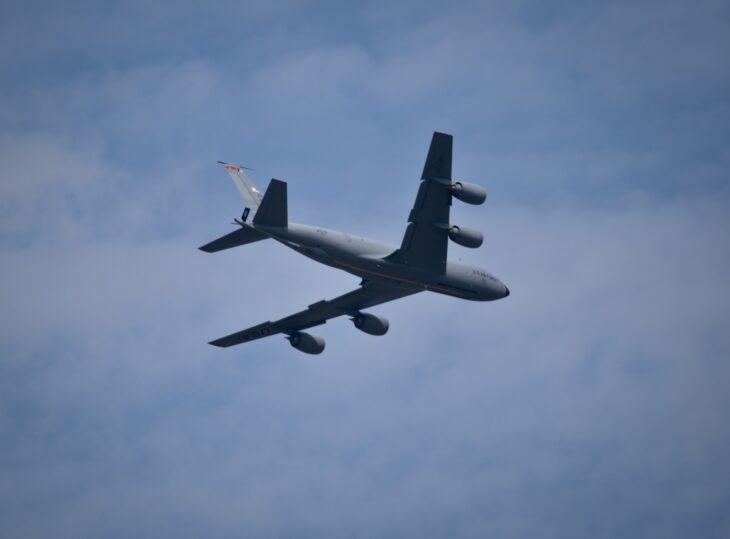

The least glamorous entry made the B-52’s mission possible. The KC-135 first flew on August 31, 1956, entered service in June 1957, and was the Air Force’s first jet tanker, with 803 built to refuel Strategic Air Command’s bombers.
Twenty-nine years in the air
EC-135 Looking Glass command posts, built on the same airframe family, went on continuous airborne alert in February 1961. A general and battle staff stayed aloft 24 hours a day until July 24, 1990, ready to take over if a strike destroyed the command centers on the ground.
9. Lockheed SR-71 Blackbird
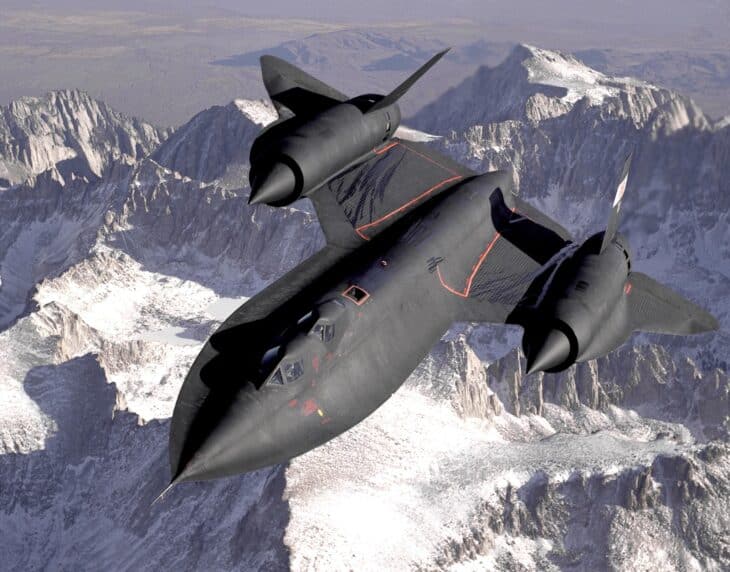

The SR-71 may be the most famous aircraft on this list, yet it sits only ninth, because it changed no big decision the way the U-2 did. It first flew on December 22, 1964, and on July 28, 1976, it set a straight-course record of 2,193 mph (3,529 km/h), which still stands.
Only 32 were built. Twelve were lost, all in accidents, none to enemy action, and the standard response to a missile launch was simply to accelerate.
It did not fly over the Soviet Union
It is easy to picture the Blackbird streaking across Russia, but its missions were flown openly, in Air Force markings, and it never overflew the Warsaw Pact or China. It collected from the edges. The deep flights over Soviet territory were the U-2’s, which is one more reason the slower aircraft ranks first.
10. Mikoyan-Gurevich MiG-25
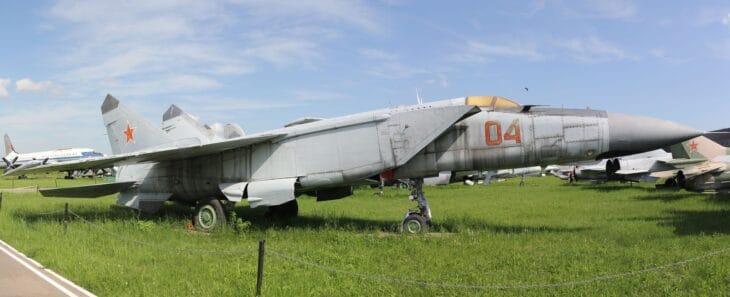

When Moscow revealed the MiG-25 at Domodedovo in 1967, it appeared to beat every American fighter in speed, ceiling and endurance. It is here for what the West believed about it.
The truth arrived on September 6, 1976, when Lt. Viktor Belenko defected and landed one at Hakodate, Japan. Analysts found a straight-line interceptor: 80% nickel-steel, hand-welded, with vacuum-tube avionics, limited to Mach 2.83 because the engines could destroy themselves at higher speed.
11. McDonnell Douglas F-15 Eagle
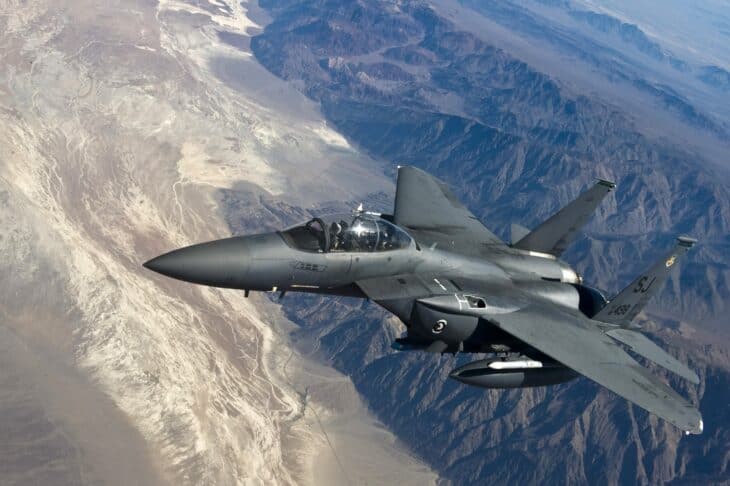

The MiG-25 scare pushed the Air Force to build the F-15 as a pure air-superiority fighter. The order of events matters: the Eagle first flew on July 27, 1972, and entered service on January 9, 1976, eight months before Belenko landed. America built its answer before it had seen the threat up close.
It has a combined record of 104 air-to-air kills and no losses through 2008. It ranks 11th because that record came in wars such as the 1982 Lebanon War and the 1991 Gulf War, never in a direct US-Soviet showdown.
12. Lockheed F-117 Nighthawk
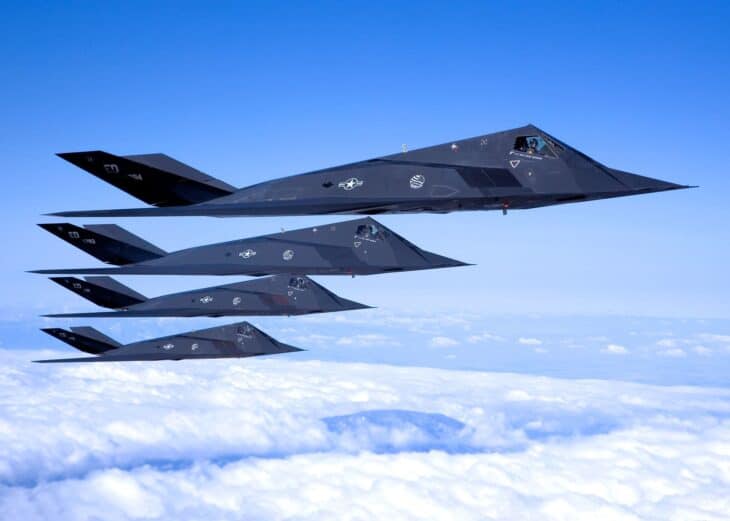
The F-117 arrived at the very end of the contest. It first flew on June 18, 1981, reached operational capability in October 1983, and the Air Force denied it existed until November 10, 1988.
Only 64 were built, and the last was delivered on July 3, 1990, a year and a half before the Soviet Union dissolved. Its fame came in the 1991 Gulf War, with about 1,300 sorties, and one was shot down over Yugoslavia in 1999.
What about the F-86, the F-16 or the Mi-24?
The F-86 Sabre was the only close match for the MiG-15, but it was a response, and the MiG forced it. The F-16 and the Mi-24 were both important aircraft. In our judgment, neither changed a superpower’s decision the way the 12 above did, so by this measure they fall just outside.
FAQ
Sources and references used for research and fact-checking.
- National Security Archive, The U-2, OXCART, and the SR-71: U.S. Aerial Espionage in the Cold War and Beyond
- CIA, Studies in Intelligence, The U-2 Program: The DCI's Perspective
- Wikipedia, Lockheed U-2
- Wikipedia, Bomber gap
- Wikipedia, 1960 U-2 incident
- MiGFlug, The Spy Plane That Refuses to Die: U-2 Dragon Lady Gets Yet Another Reprieve
- Wikipedia, Boeing B-52 Stratofortress
- Wikipedia, Operation Chrome Dome
- Wikipedia, Mikoyan-Gurevich MiG-15
- Wikipedia, Douglas C-54 Skymaster
- Wikipedia, Berlin Blockade
- Air & Space Forces Magazine, The Berlin Airlift
- This Day in Aviation, 16 April 1949
- Wikipedia, Mikoyan-Gurevich MiG-21
- Wikipedia, McDonnell Douglas F-4 Phantom II
- Wikipedia, Tupolev Tu-95
- Wikipedia, Boeing KC-135 Stratotanker
- Wikipedia, Operation Looking Glass
- Smithsonian National Air and Space Museum, Lockheed SR-71 Blackbird
- Wikipedia, Lockheed SR-71 Blackbird
- Wikipedia, Mikoyan-Gurevich MiG-25
- Wikipedia, Viktor Belenko
- Wikipedia, McDonnell Douglas F-15 Eagle
- Wikipedia, Lockheed F-117 Nighthawk
Get the Newsletter
The latest aviation news and stories sent to your inbox.
About the Author

Tim is the owner and lead editor of AeroCorner since 2019, overseeing aviation content covering aircraft, airlines, airports, and the broader aviation industry. Through years of researching, writing, editing, and publishing aviation-focused content, he has developed extensive practical knowledge of commercial aviation and air travel. Based in Asia and a frequent traveler himself, Tim also brings firsthand passenger experience to AeroCorner’s coverage. Outside of publishing, he has also explored aviation firsthand through hands-on flight training in New Zealand.