

Table of Contents
The best fighter plane of WW2 was the North American P-51D Mustang. It paired a top speed of 437 mph (703 km/h) with the range to escort American bombers deep into Germany, and by the end of the war Mustangs had destroyed 4,950 enemy aircraft in the air, more than any other U.S. Army Air Forces fighter in Europe.
Close behind are Britain’s Supermarine Spitfire and Germany’s Focke-Wulf Fw 190, each the best fighter in the sky for part of the war. The U.S. Navy’s Grumman F6F Hellcat has the most lopsided combat record of the lot: 19 enemy aircraft for every Hellcat lost in air combat.
This ranking covers the fighters of every major air force and weighs what each one achieved in combat, not just its top speed. That is why the Me 262 jet, faster than any piston fighter on the list, ranks last.
| Rank | Fighter | Top speed (variant) | Number built | Signature record |
|---|---|---|---|---|
| 1 | North American P-51 Mustang (US) | 437 mph (703 km/h), P-51D | 15,000+ | 4,950 enemy aircraft destroyed in the air in Europe |
| 2 | Supermarine Spitfire (UK) | 446 mph (718 km/h), Mk XIV | 20,351+ | The only British fighter to meet the Bf 109E on equal terms |
| 3 | Focke-Wulf Fw 190 (Germany) | 426 mph (686 km/h), D-9 | 20,000+ | Outclassed the Spitfire Mk V from 1941 |
| 4 | Grumman F6F Hellcat (US) | 391 mph (629 km/h), F6F-5 | 12,275 | 5,163 kills in the Pacific at 19 to 1 |
| 5 | Messerschmitt Bf 109 (Germany) | 426 mph (686 km/h), G-10 | About 34,000 | Most produced fighter in history |
| 6 | Vought F4U Corsair (US) | 446 mph (718 km/h), F4U-4 | 12,582 | 2,140 kills at better than 11 to 1 |
| 7 | Republic P-47 Thunderbolt (US) | 444 mph (715 km/h), P-47D-40 | 15,683 | 7,000+ enemy aircraft destroyed in Europe |
| 8 | Lockheed P-38 Lightning (US) | 414 mph (666 km/h), P-38L | 10,038 | All 40 victories of America’s top ace |
| 9 | Mitsubishi A6M Zero (Japan) | 331 mph (533 km/h), A6M2 | 10,939 | 12 to 1 in early combat |
| 10 | Hawker Hurricane (UK) | 340 mph (547 km/h), Mk IIC | 14,487 | Most enemy aircraft destroyed in the Battle of Britain |
| 11 | Yakovlev Yak-3 (USSR) | 401 mph (646 km/h) | 4,848 | Normandie-Niemen’s last 99 victories |
| 12 | Nakajima Ki-84 Hayate (Japan) | 388 to 427 mph (624 to 687 km/h) | 3,514 | Best Japanese fighter built in numbers |
| 13 | Messerschmitt Me 262 (Germany) | 540 mph (869 km/h) | About 1,430 | World’s first operational jet fighter |
How we ranked them
Best is not the same as fastest. Each fighter is judged on four things: its air-to-air record, how it performed against the enemy fighters it actually met, how many were built and put to use, and how long it stayed competitive. A brilliant design that arrived too late or in small numbers ranks below a good one that fought for years.
1. North American P-51D Mustang: the fighter that won the air war over Europe


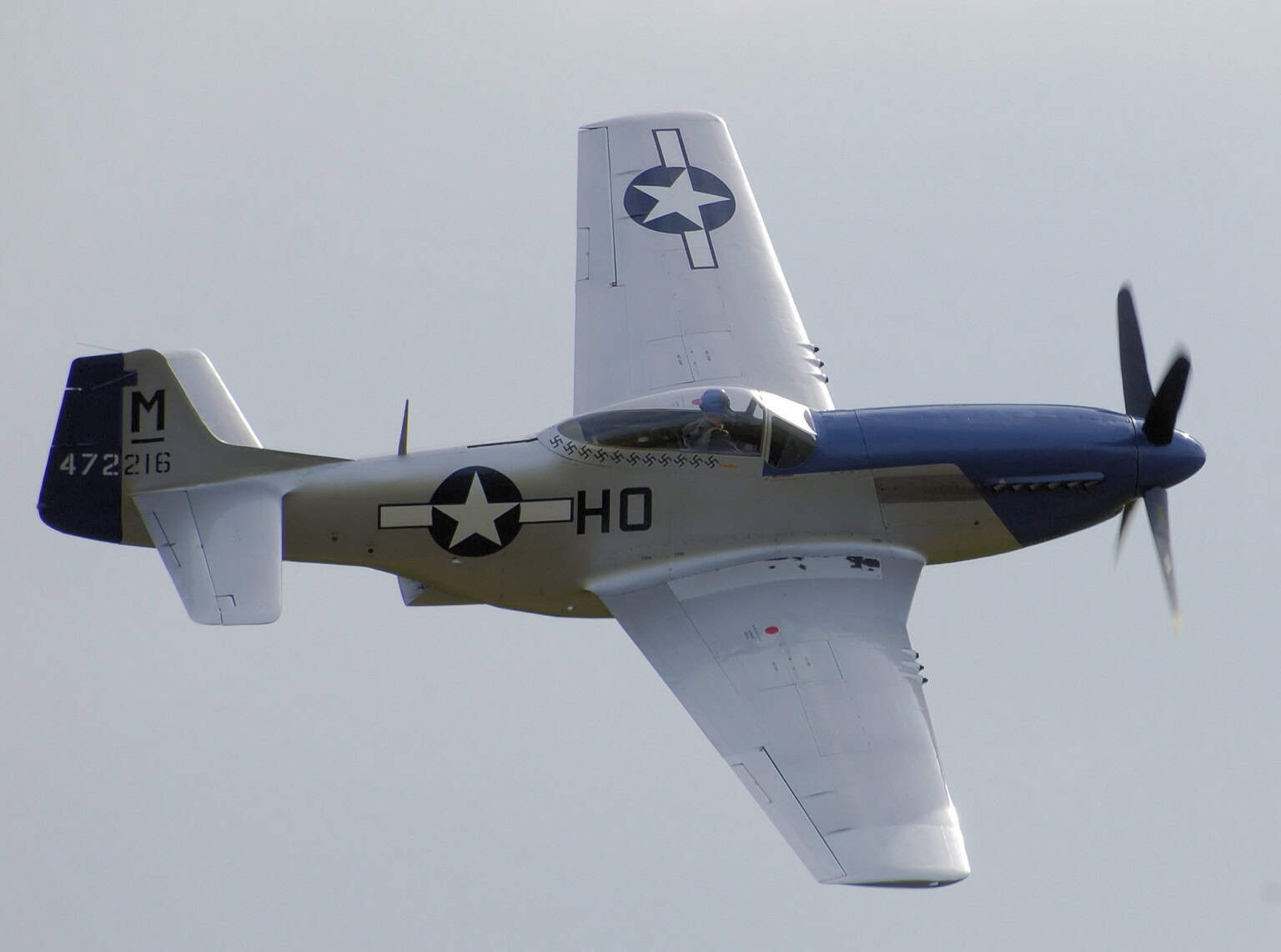


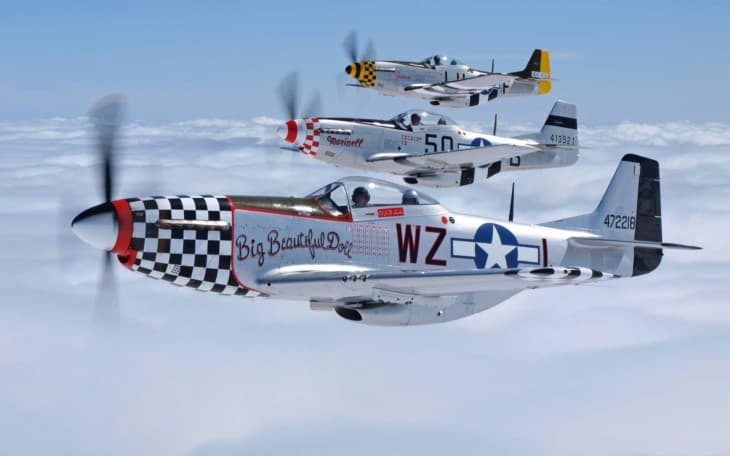
The P-51 Mustang ranks first because it solved the problem that decided the air war in Europe: range. The P-51D arrived in Europe in quantity in the spring of 1944 and became the USAAF’s main long-range escort fighter, flying with the American bombers deep into Germany.
The results showed on the scoreboard. According to the National Museum of the U.S. Air Force, Mustangs destroyed 4,950 enemy aircraft in the air by the end of the war, more than any other USAAF fighter in Europe.
It had the performance to match. The P-51D reached 437 mph (703 km/h), could fly 1,000 miles (1,600 km) and climb to 41,900 feet, and more than 15,000 Mustangs of all versions were built. Oddly for such an American icon, it first entered service with Britain’s Royal Air Force, in January 1942.
Its secret weapon was a British engine
The first Mustangs flew on an American Allison engine. When one was fitted with a Rolls-Royce Merlin, it flew 441 mph (710 km/h) at 29,800 feet, about 100 mph (160 km/h) faster than the Allison-powered P-51A at that height. Every P-51D flew on a Merlin built under license by Packard.
2. Supermarine Spitfire: the fighter that kept getting better
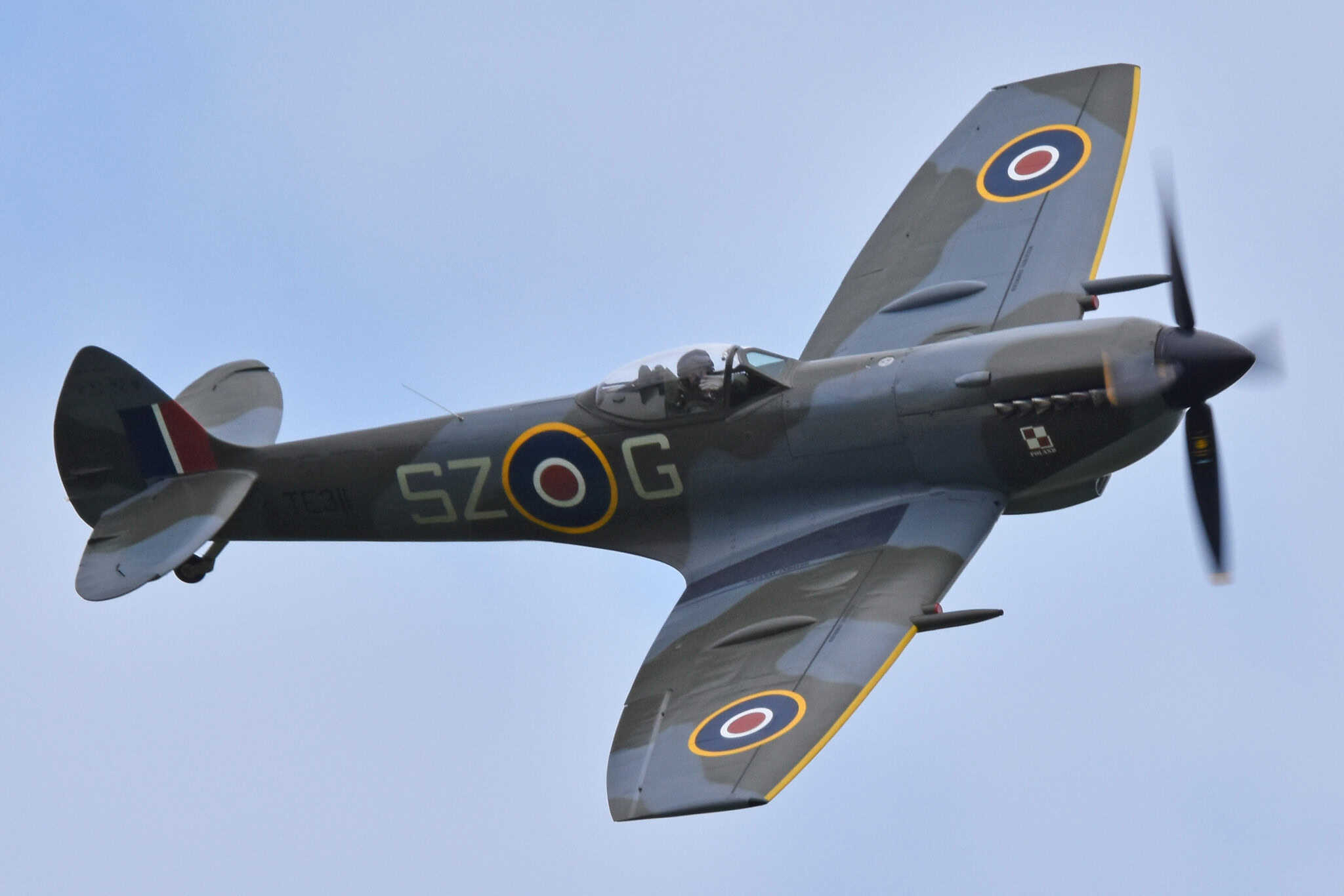


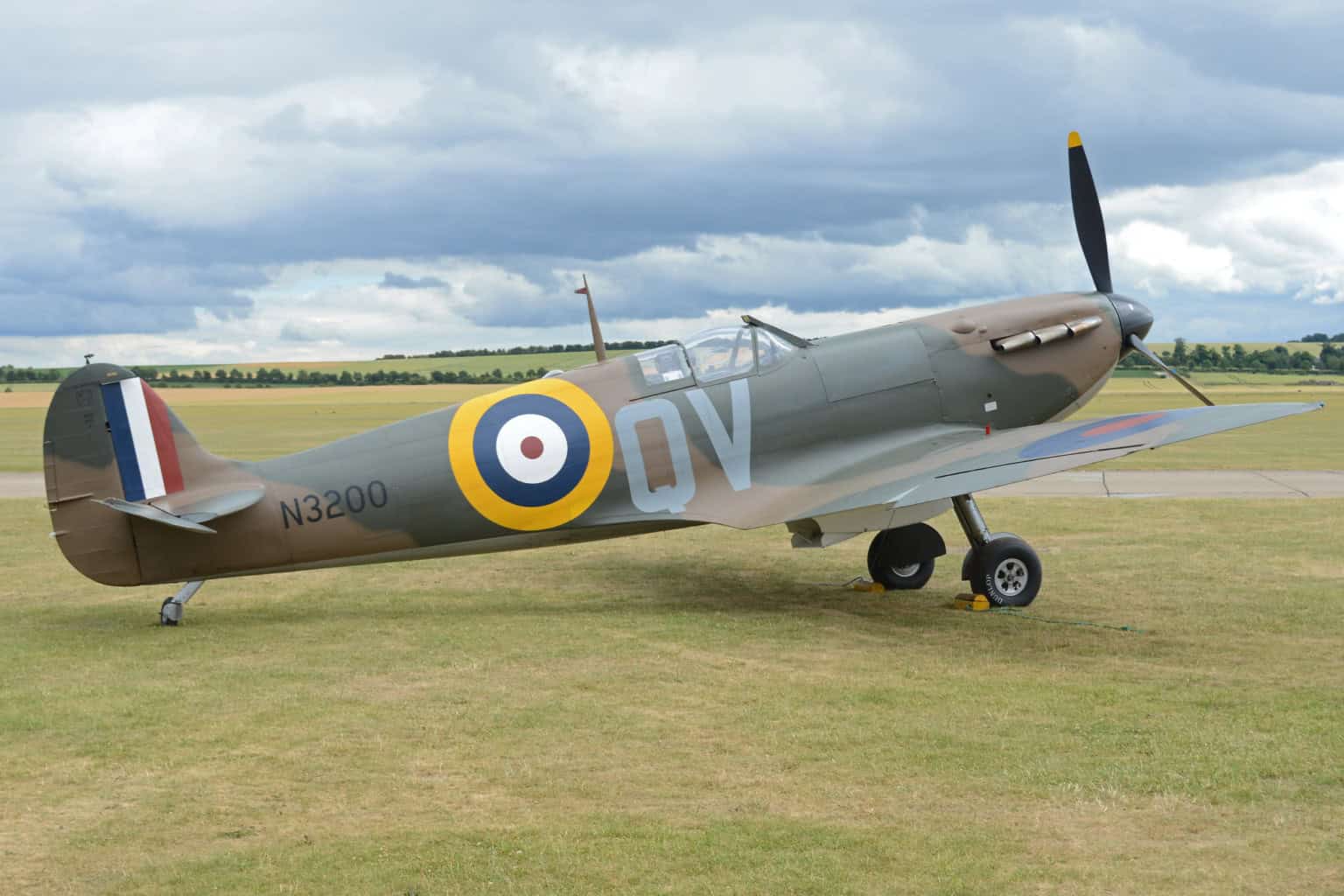

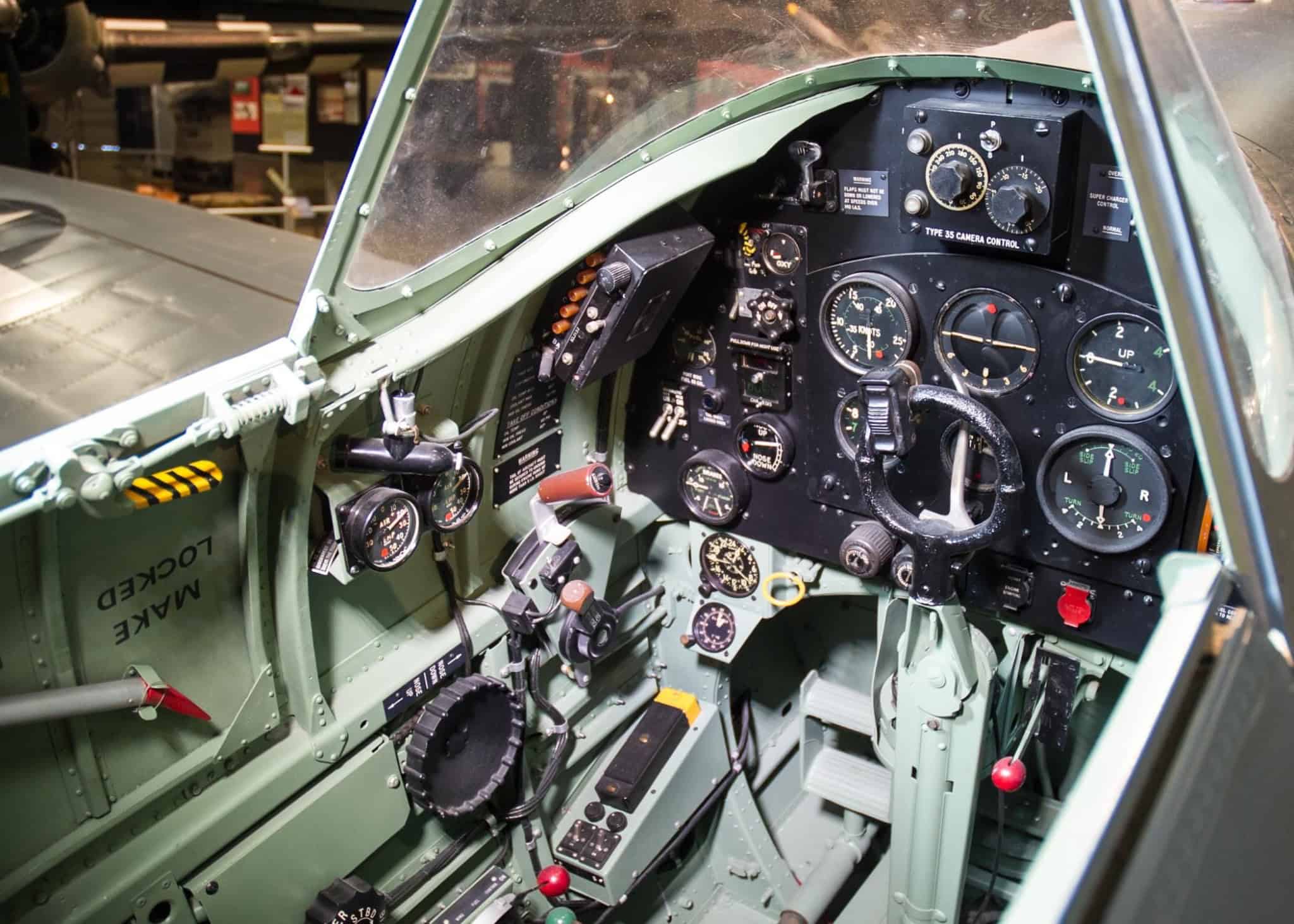
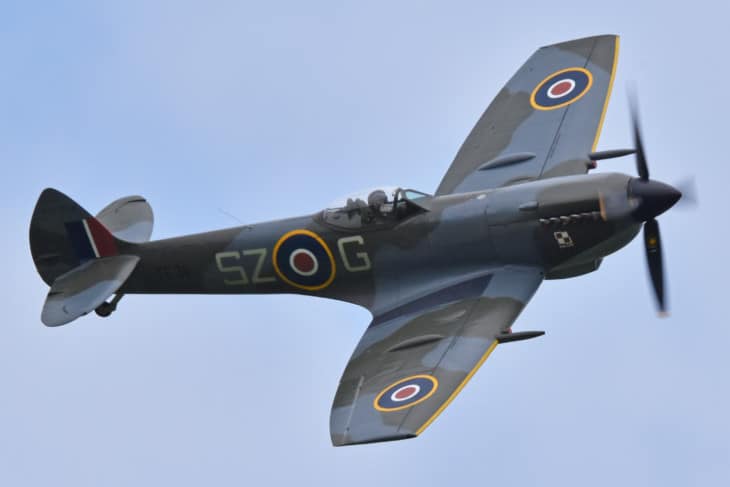
The Spitfire is the most famous British fighter ever built, and it earned that reputation in the summer of 1940. Once the RAF adjusted its tactics, the Spitfire Mk I was the only British fighter able to meet the Messerschmitt Bf 109E on equal terms, according to the RAF Museum.
What lifts it to second place is how long it stayed at the front. Production Spitfires entered service in August 1938, more than 20,351 were built, and the design grew from the Mk V’s 370 mph (595 km/h) to 446 mph (718 km/h) in the Griffon-engined Mk XIV.
It ranks behind the Mustang for one reason: range. The Mk V could fly about 479 miles (771 km), less than half the P-51D’s reach, so it could defend Britain but not escort bombers to Berlin. Our P-51 Mustang vs Spitfire comparison puts the two side by side.
3. Focke-Wulf Fw 190: the fighter that shocked the RAF
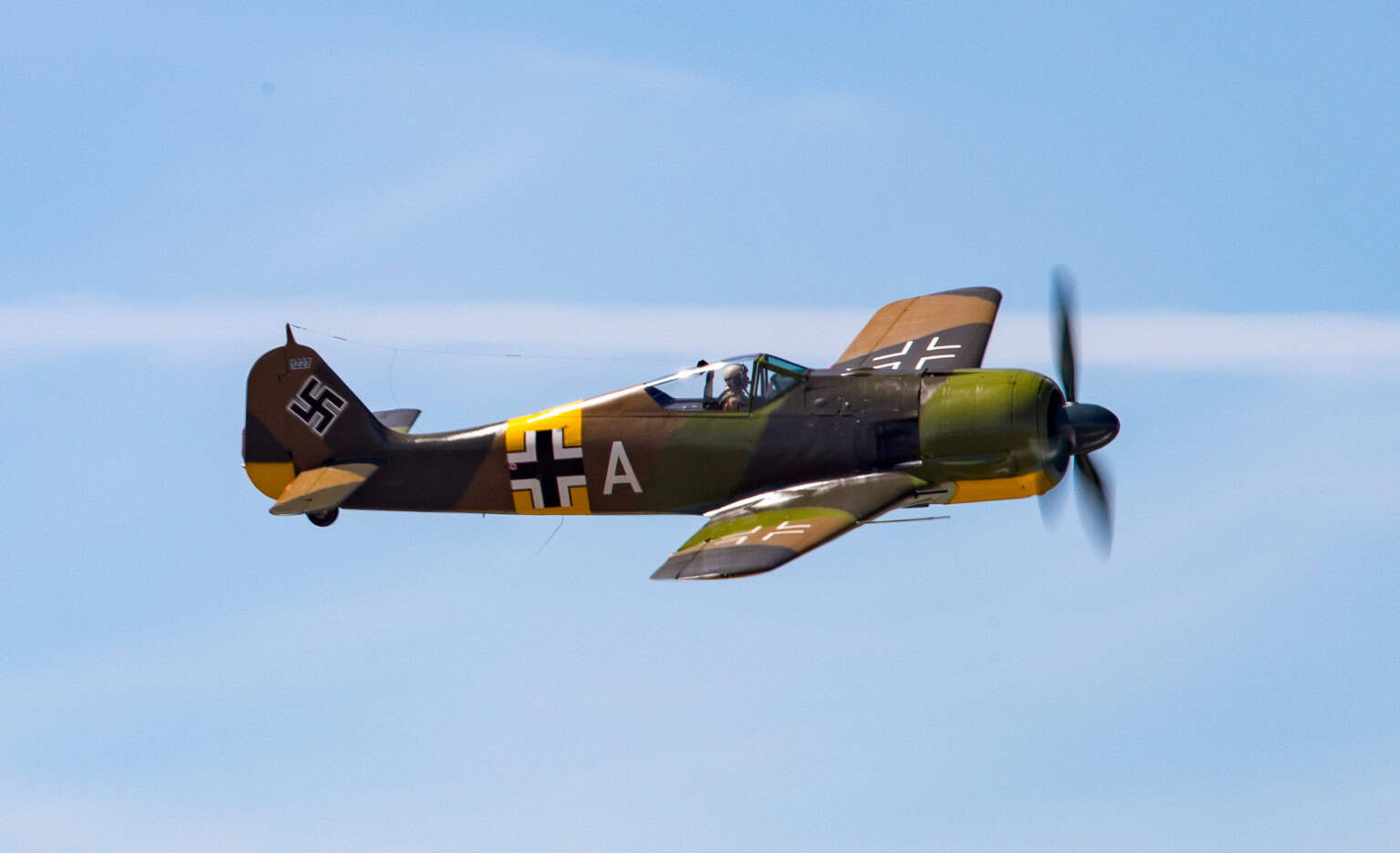


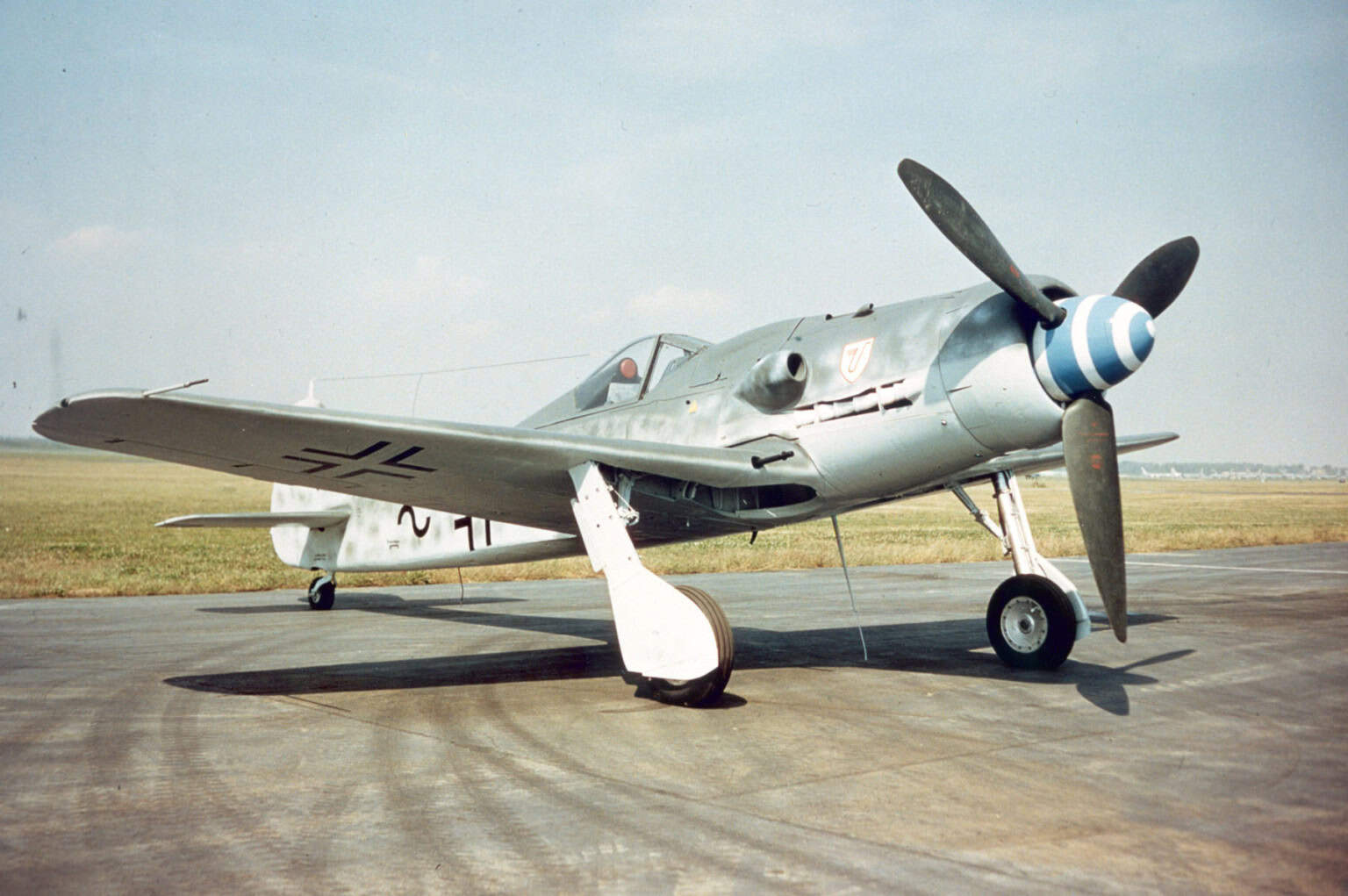
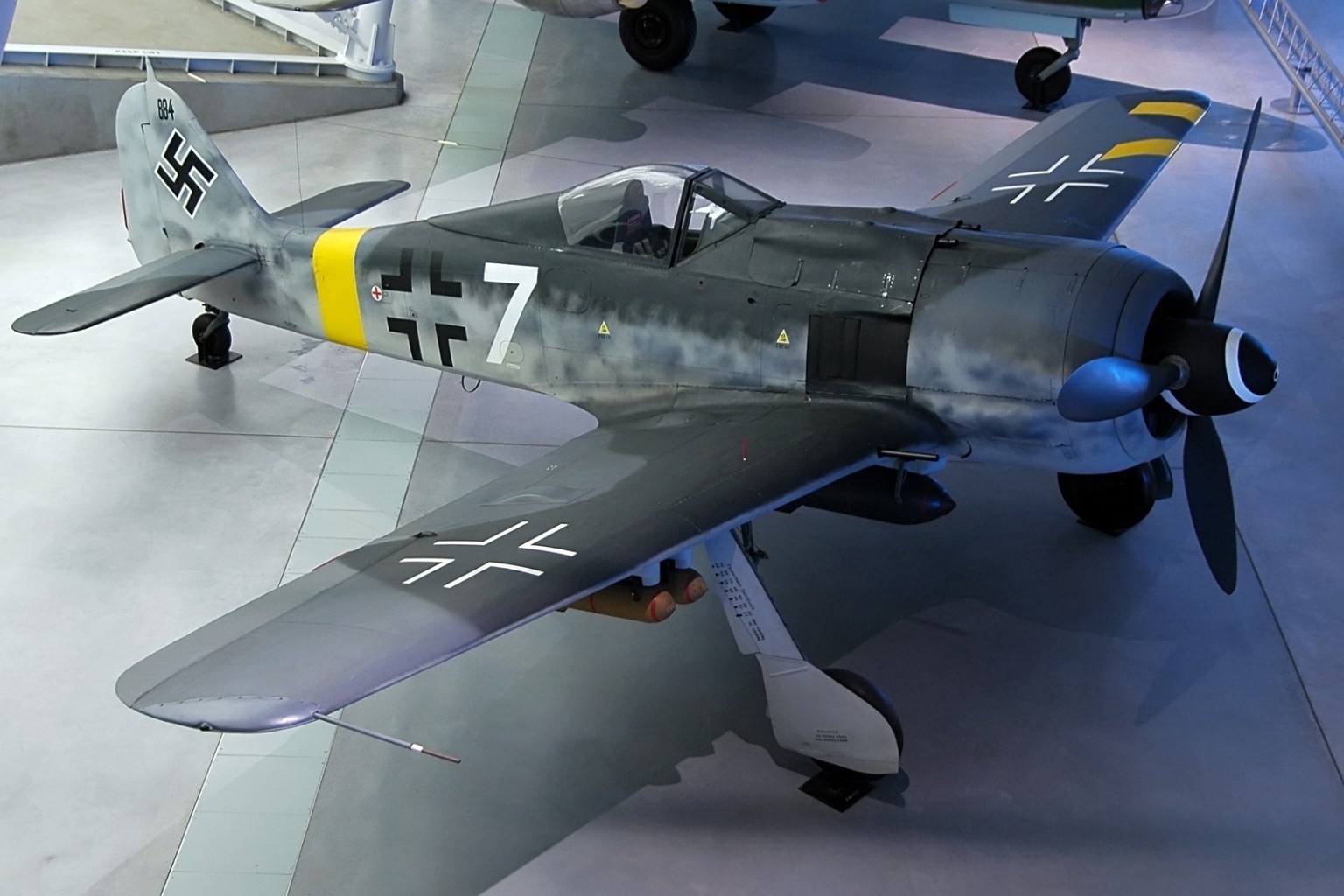
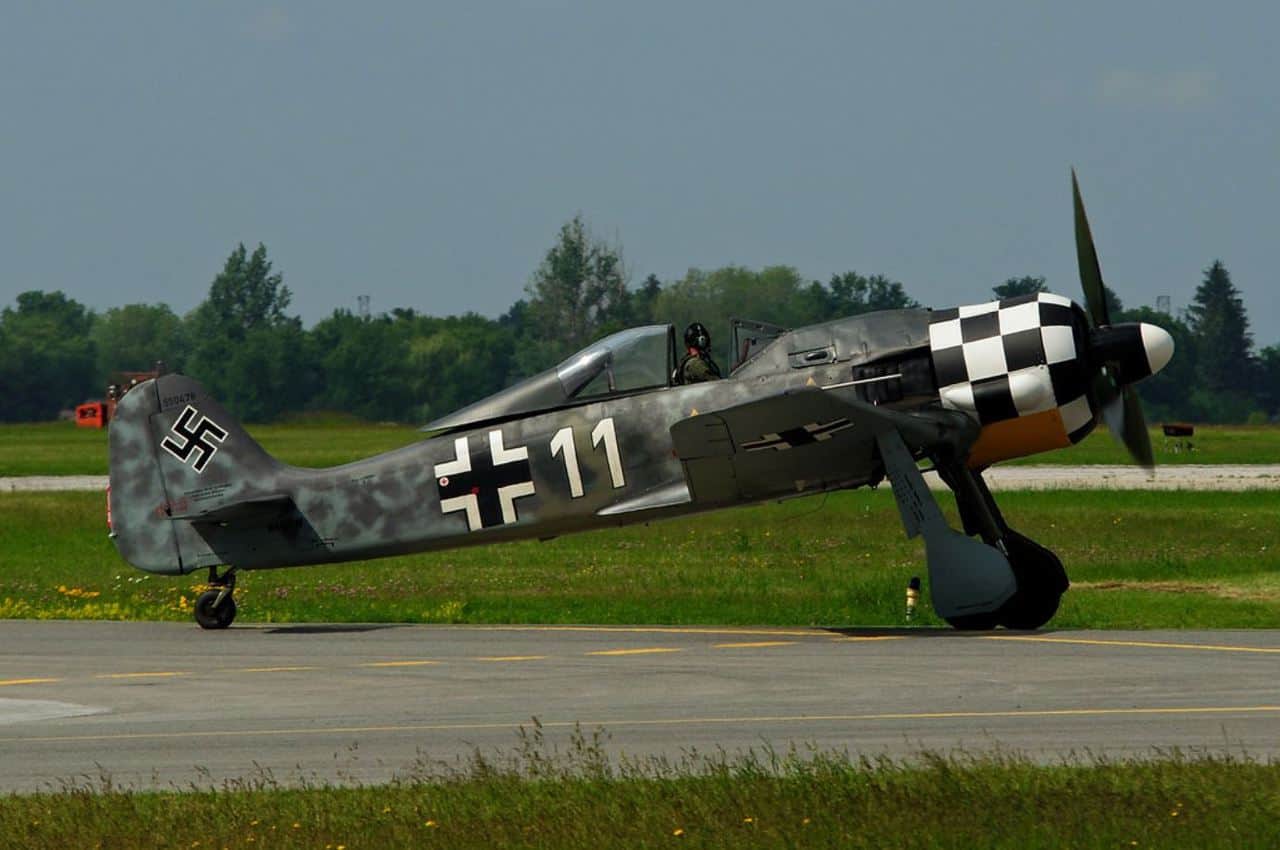

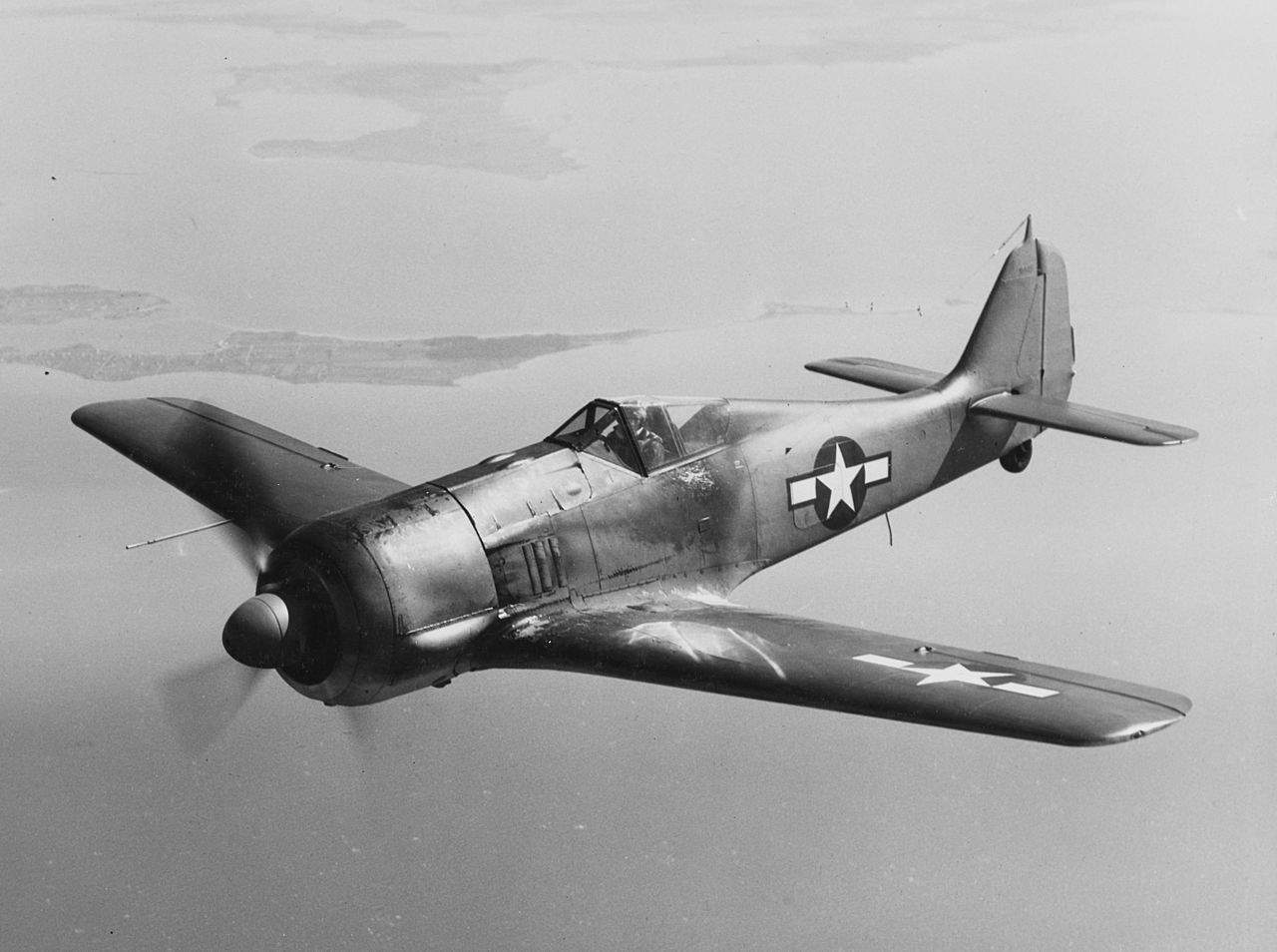
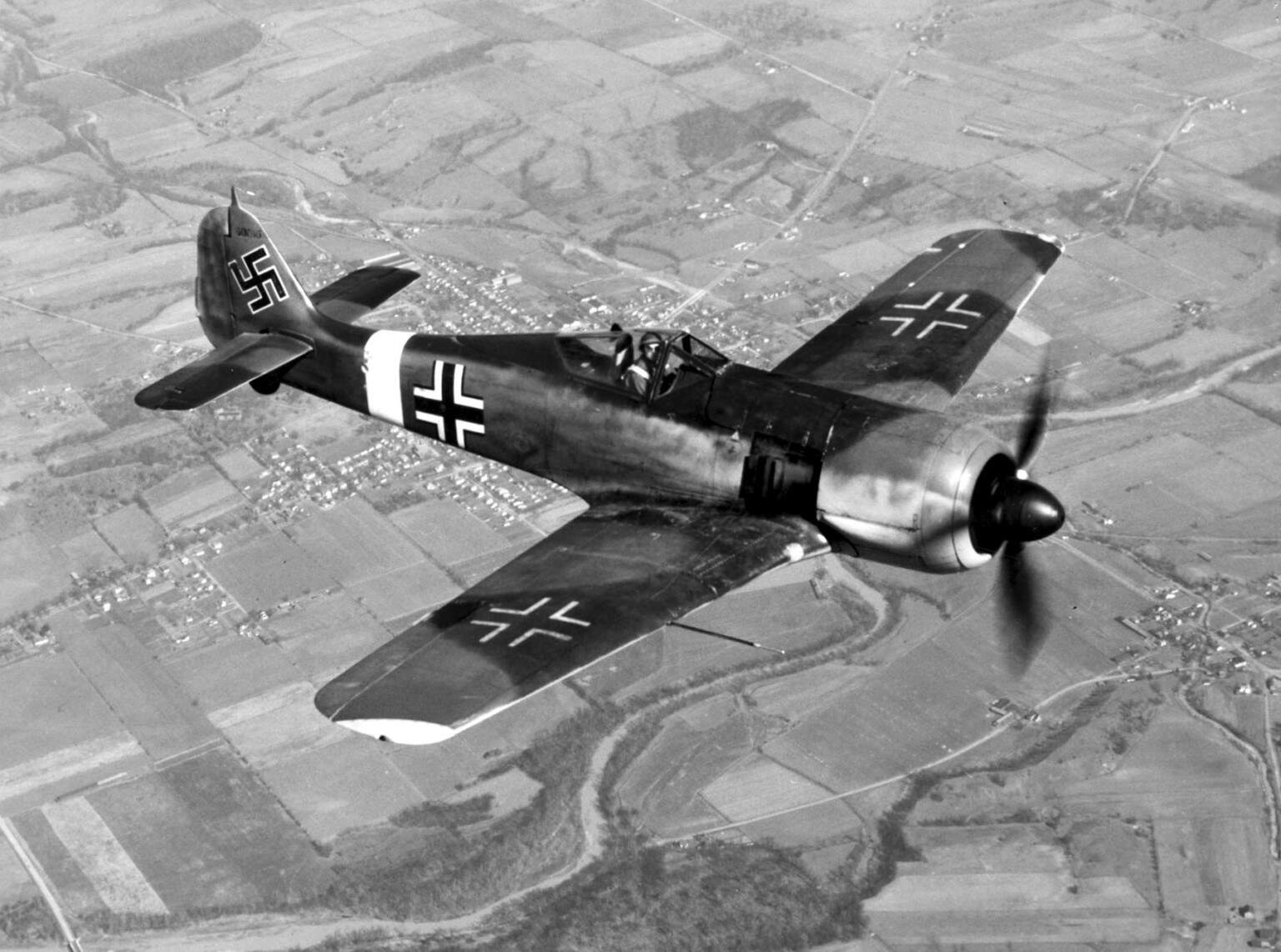

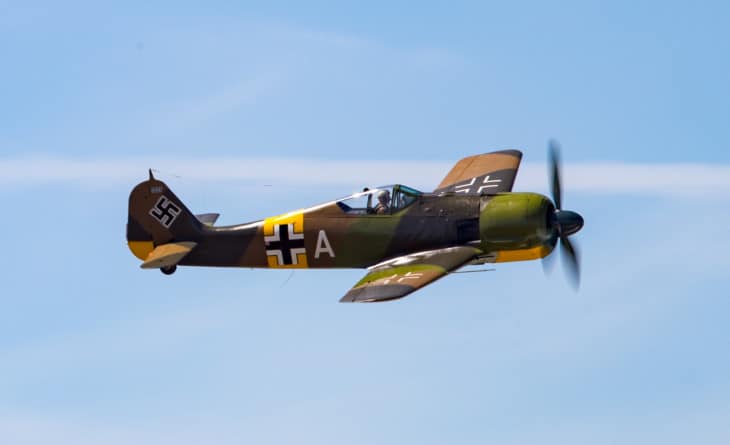
The Fw 190 first flew on June 1, 1939, and appeared over northwestern France in September 1941. It quickly proved superior to the Spitfire Mk V, then Britain’s best fighter, according to the National Museum of the U.S. Air Force.
Its pilots liked it, and some of the Luftwaffe’s most successful aces, including Otto Kittel and Walter Nowotny, claimed many of their kills in it. More than 20,000 were built, and the long-nosed Fw 190D-9 of the last year of the war reached 426 mph (686 km/h).
A German pilot delivered one to the RAF by mistake
On June 23, 1942, Luftwaffe pilot Armin Faber landed his Fw 190A-3 at RAF Pembrey in Wales by mistake. It became the first Fw 190 the RAF captured and flight-tested, handing Britain a close look at the fighter that had been beating its Spitfires.
4. Grumman F6F Hellcat: the most lopsided record on this list
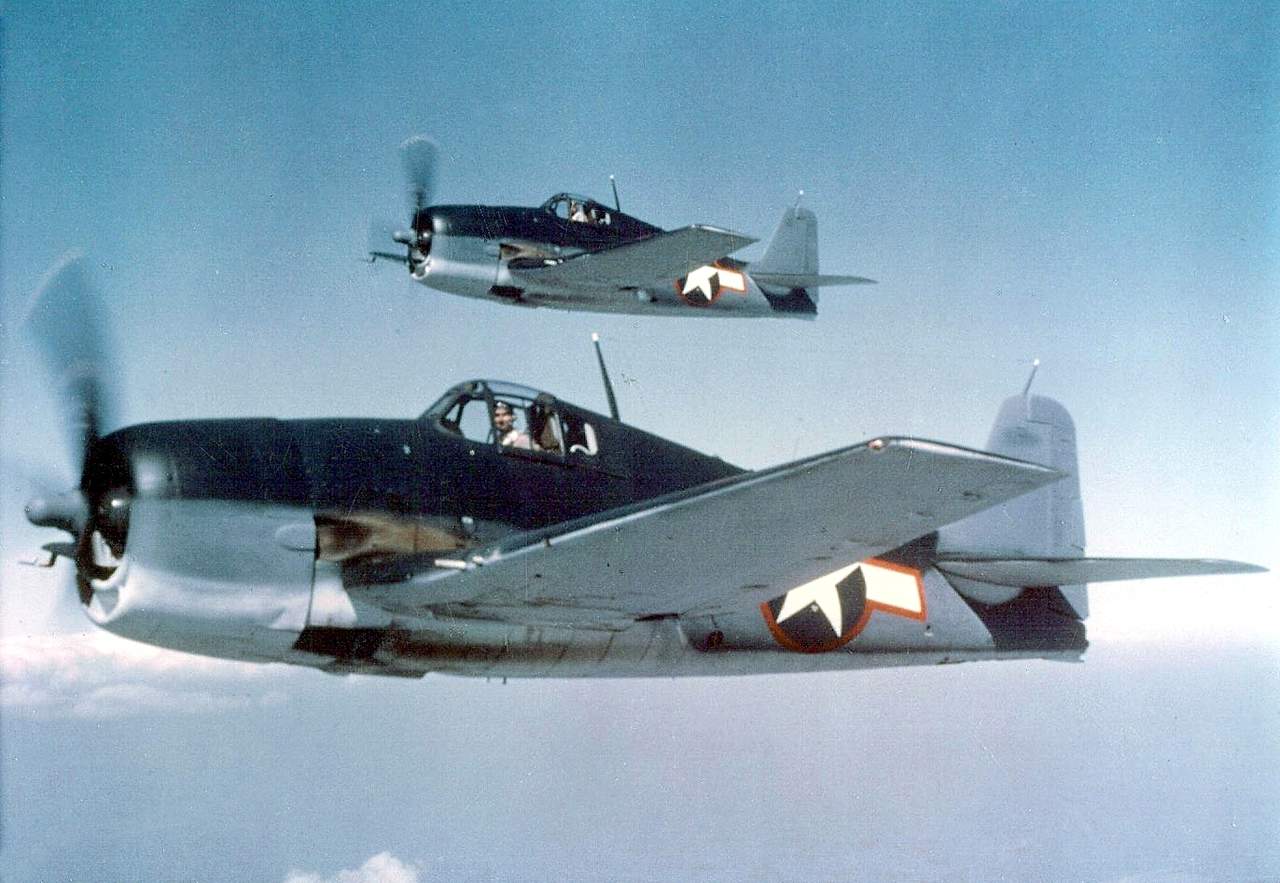

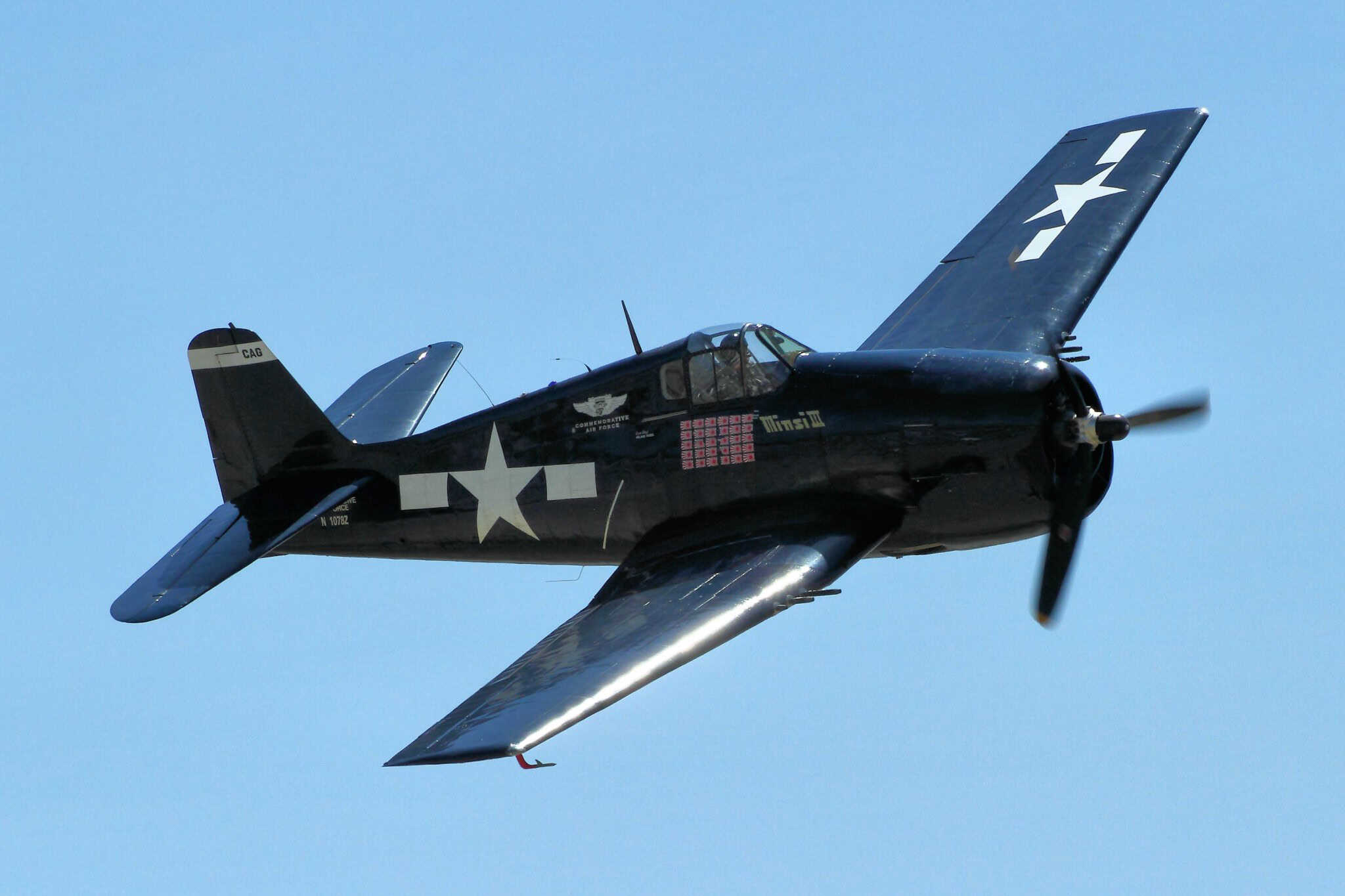

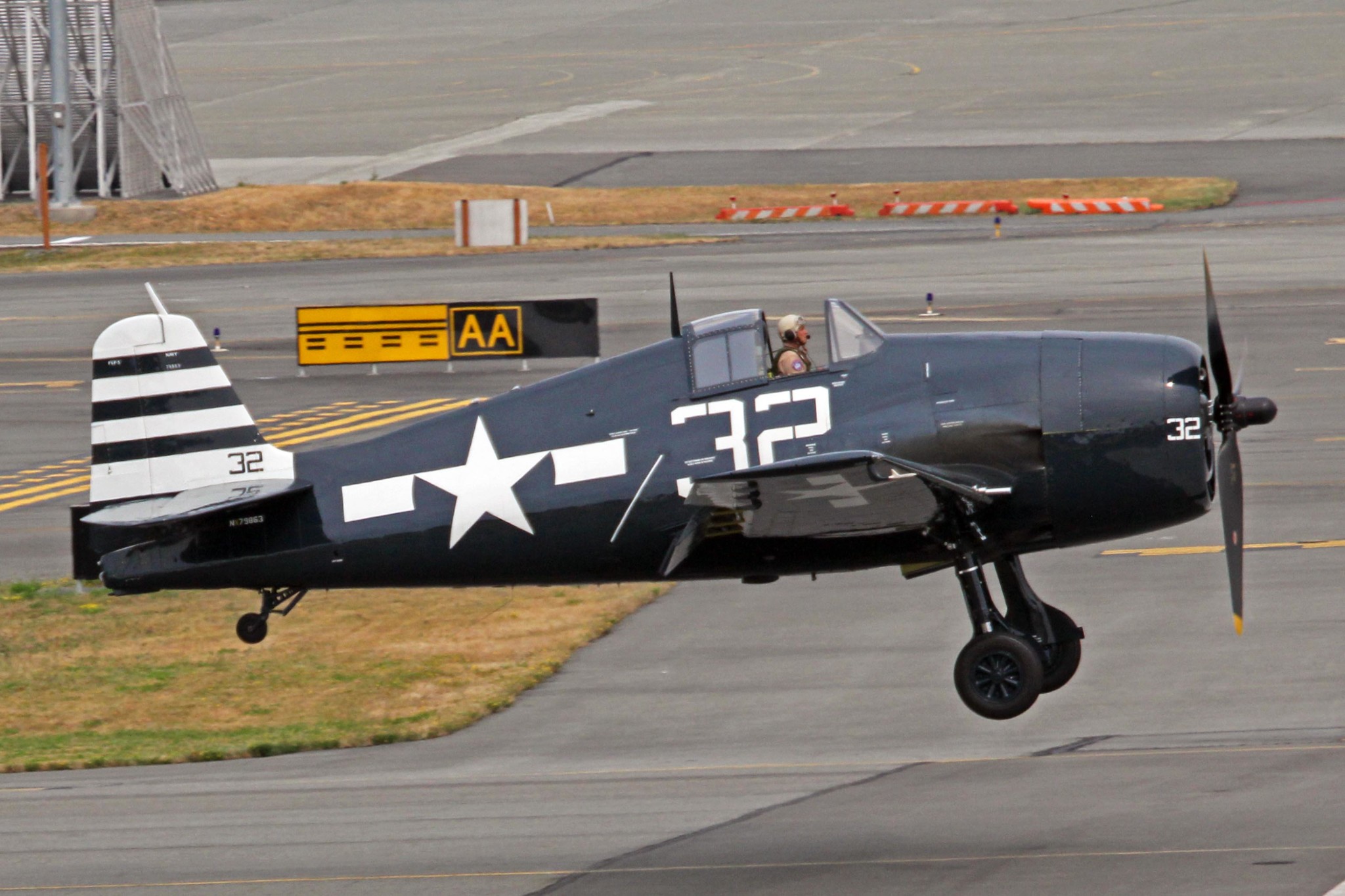


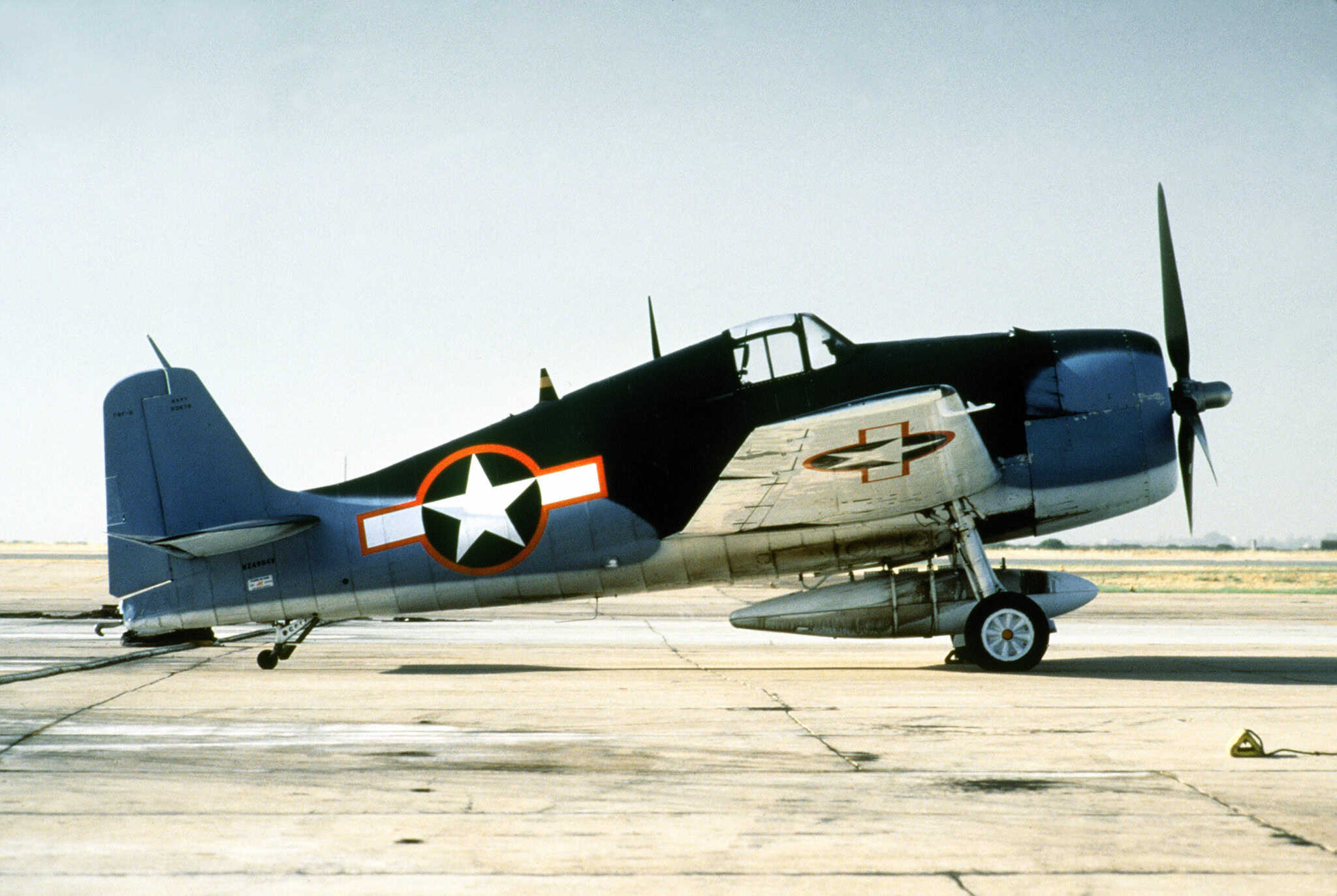

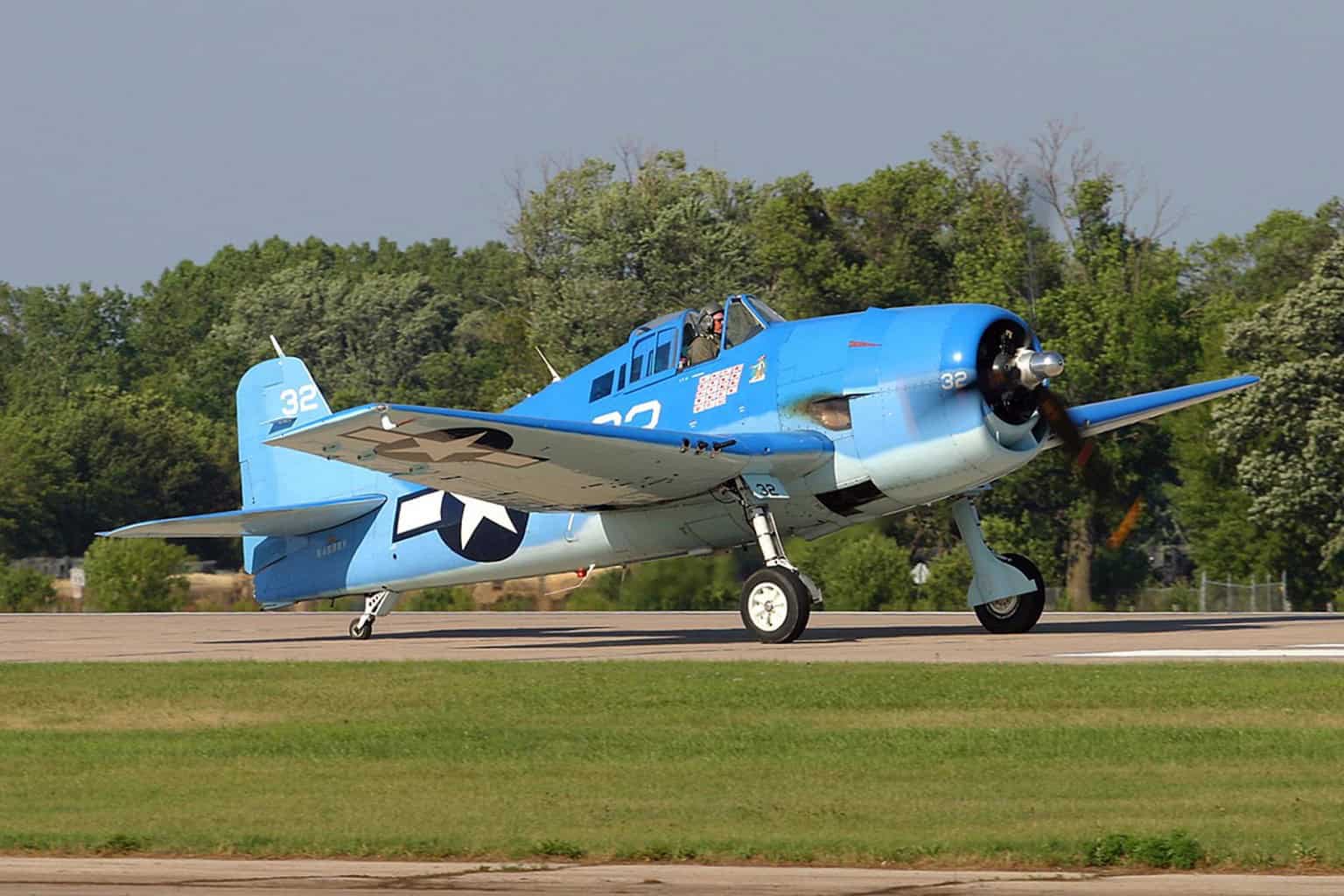

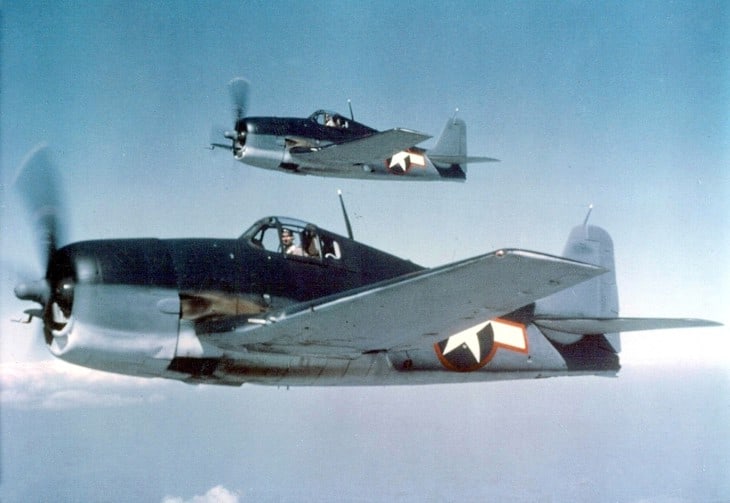
No fighter on this list comes close to the Hellcat‘s combat record. U.S. Navy and Marine Corps pilots claimed 5,163 aircraft with it in the Pacific at a cost of 270 Hellcats lost in air combat, a kill-to-loss ratio of 19 to 1.
That total was 56% of all U.S. Navy and Marine air victories of the war, and the Hellcat was the top ace-maker in the American inventory, with 305 Hellcat aces. It first flew in June 1942, and 12,275 were built by November 1945.
It was not especially fast, at 391 mph (629 km/h) in F6F-5 form. But the Smithsonian notes it proved superior to its main Japanese opponent in most performance categories, especially at high altitude, and it was easy to fly from a carrier.
It ranks fourth, not first, because it fought almost entirely against one enemy in the Pacific, mostly after Japan had begun losing experienced pilots faster than it could replace them.
5. Messerschmitt Bf 109: the most produced fighter ever built
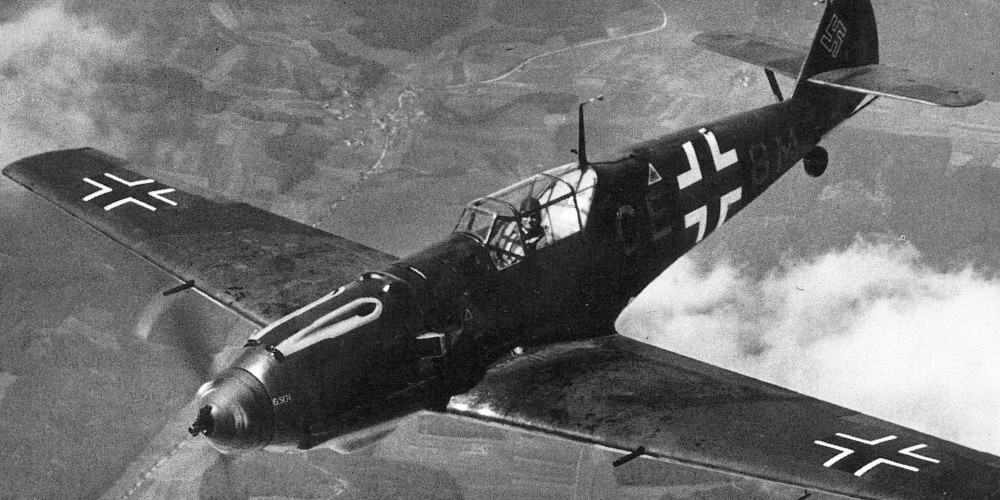


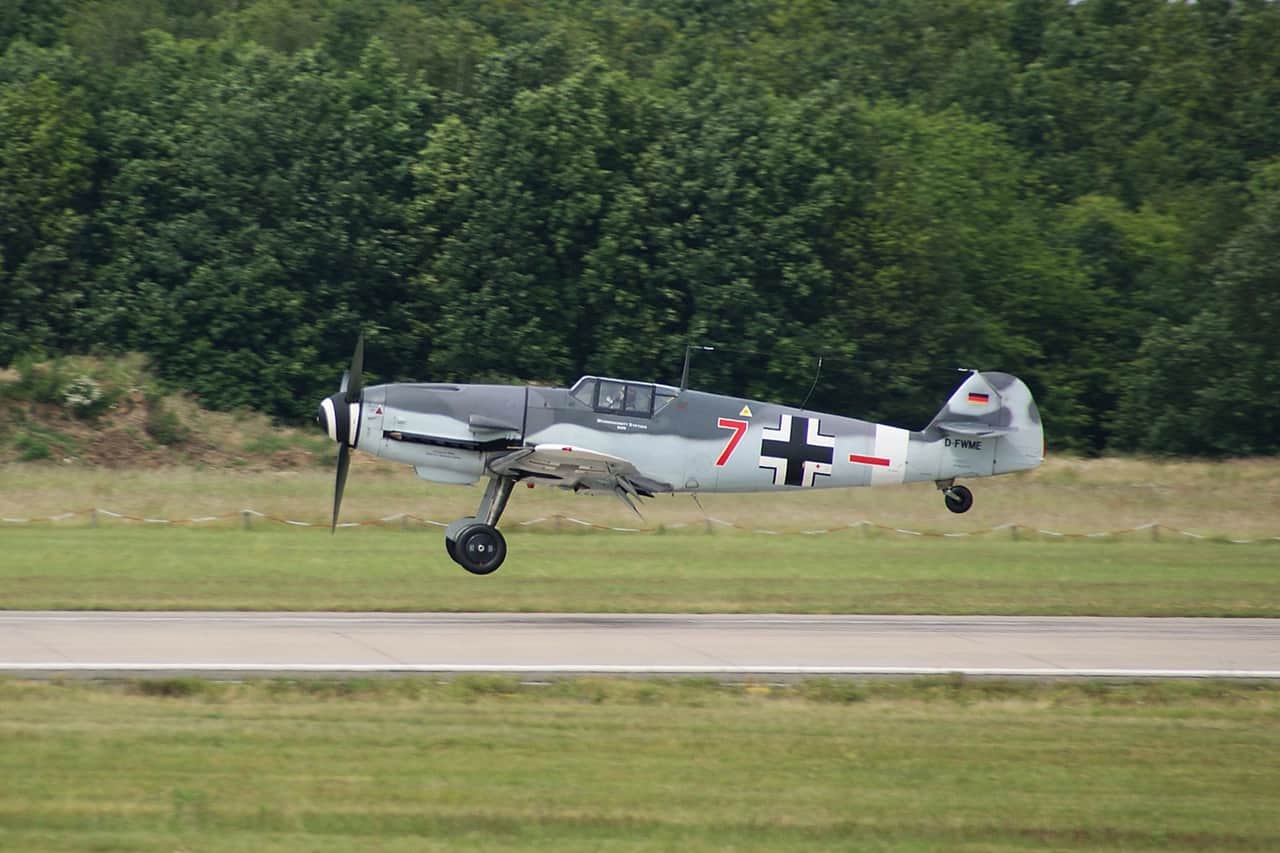


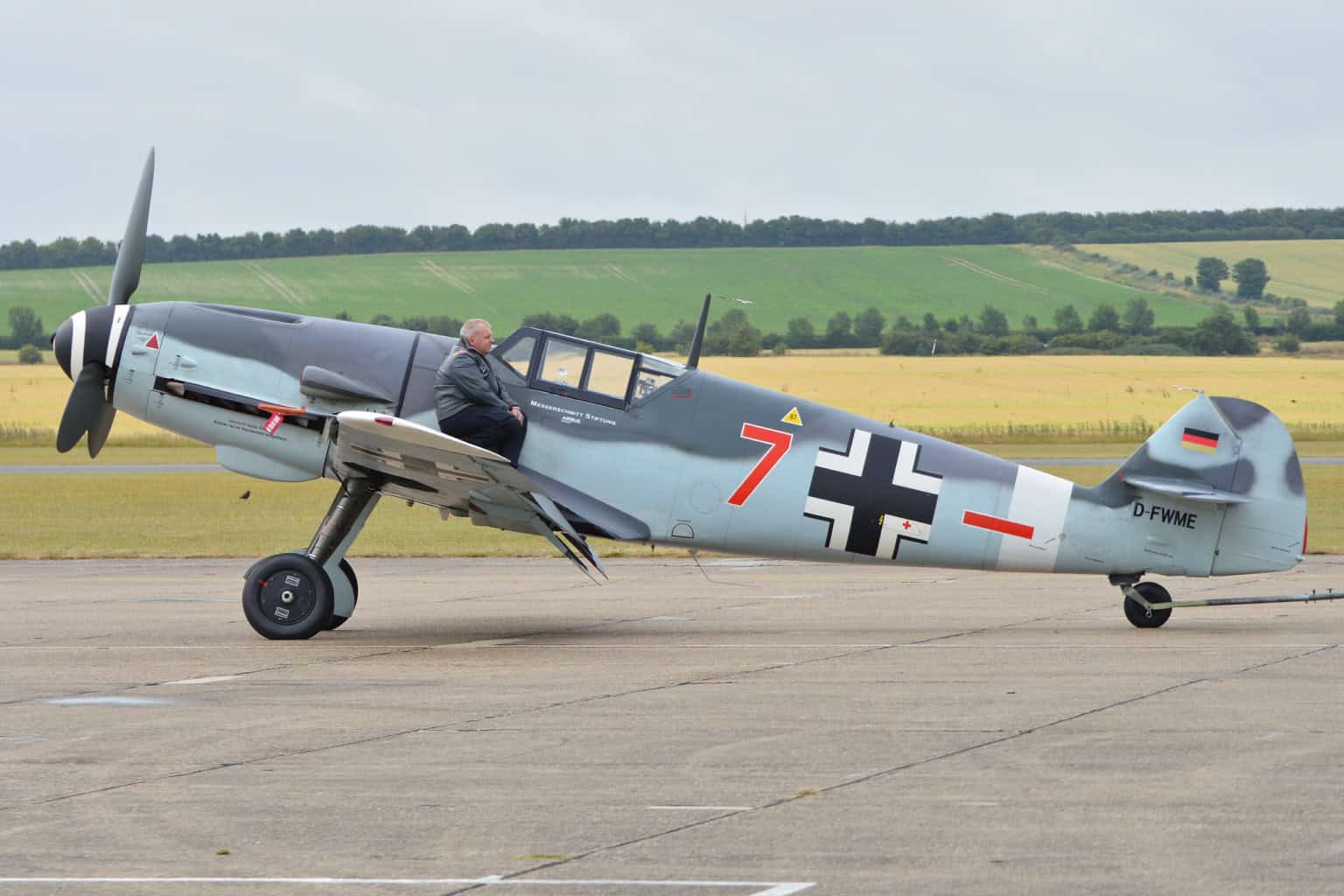

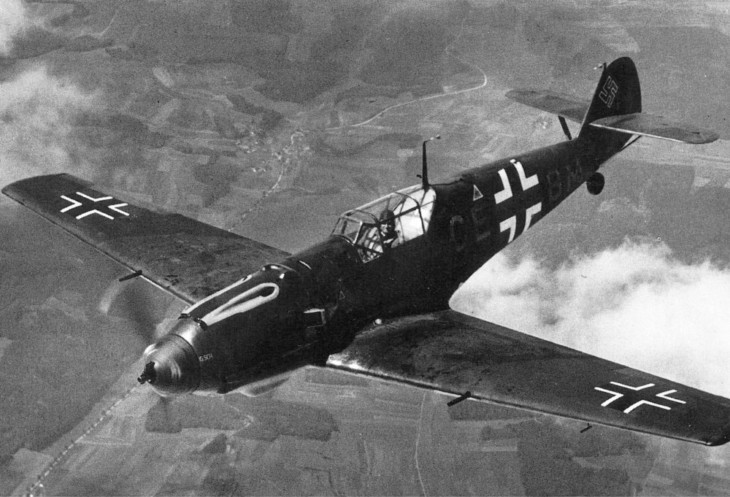
The Bf 109 first flew in May 1935 and was the backbone of the Luftwaffe’s fighter force throughout the war. The RAF Museum calls it one of the world’s finest single-seat fighters of the early war years.
Germany kept building it long after better designs existed, and production actually rose until the closing months of the war. About 34,000 were built, making it the most produced fighter in history and a fixture near the top of any list of the most produced aircraft of WW2.
It was also the aircraft of the highest-scoring aces who ever lived. The three top-scoring fighter pilots of all time claimed 928 victories between them in the Bf 109, mostly on the Eastern Front.
It ranks fifth because the superior Fw 190 began replacing it in some units as early as the summer of 1941. Even so, the late Bf 109G-10 reached 426 mph (686 km/h) at 24,280 feet.
352 victories, never shot down by an enemy
Erich Hartmann, the most successful fighter ace in history, flew 1,404 combat missions in the Bf 109 and was credited with 352 aircraft, 345 of them Soviet. He crash-landed 16 times after mechanical failures or damage from debris of aircraft he had just hit, but he was never shot down by direct enemy action.
6. Vought F4U Corsair: the fighter the Navy almost did not want

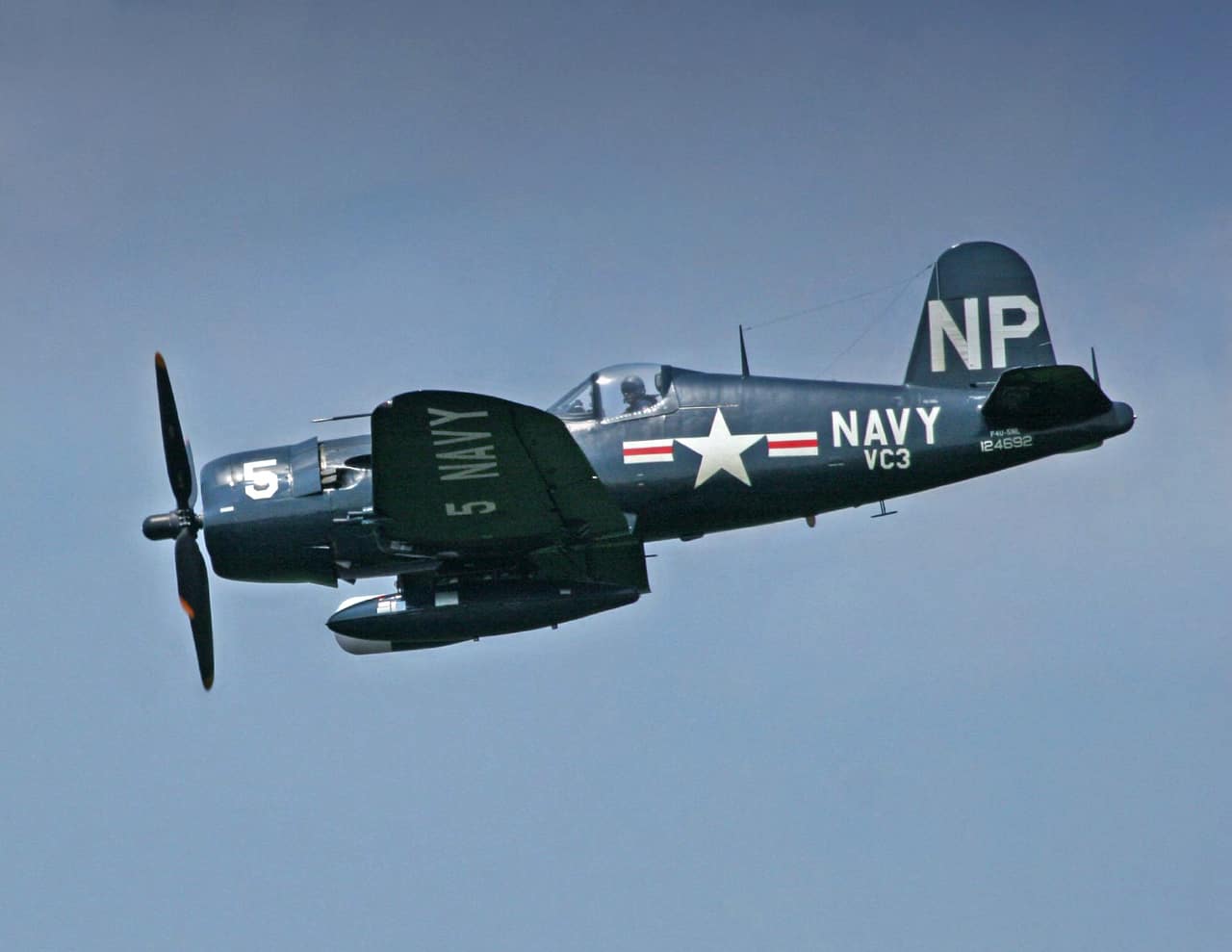


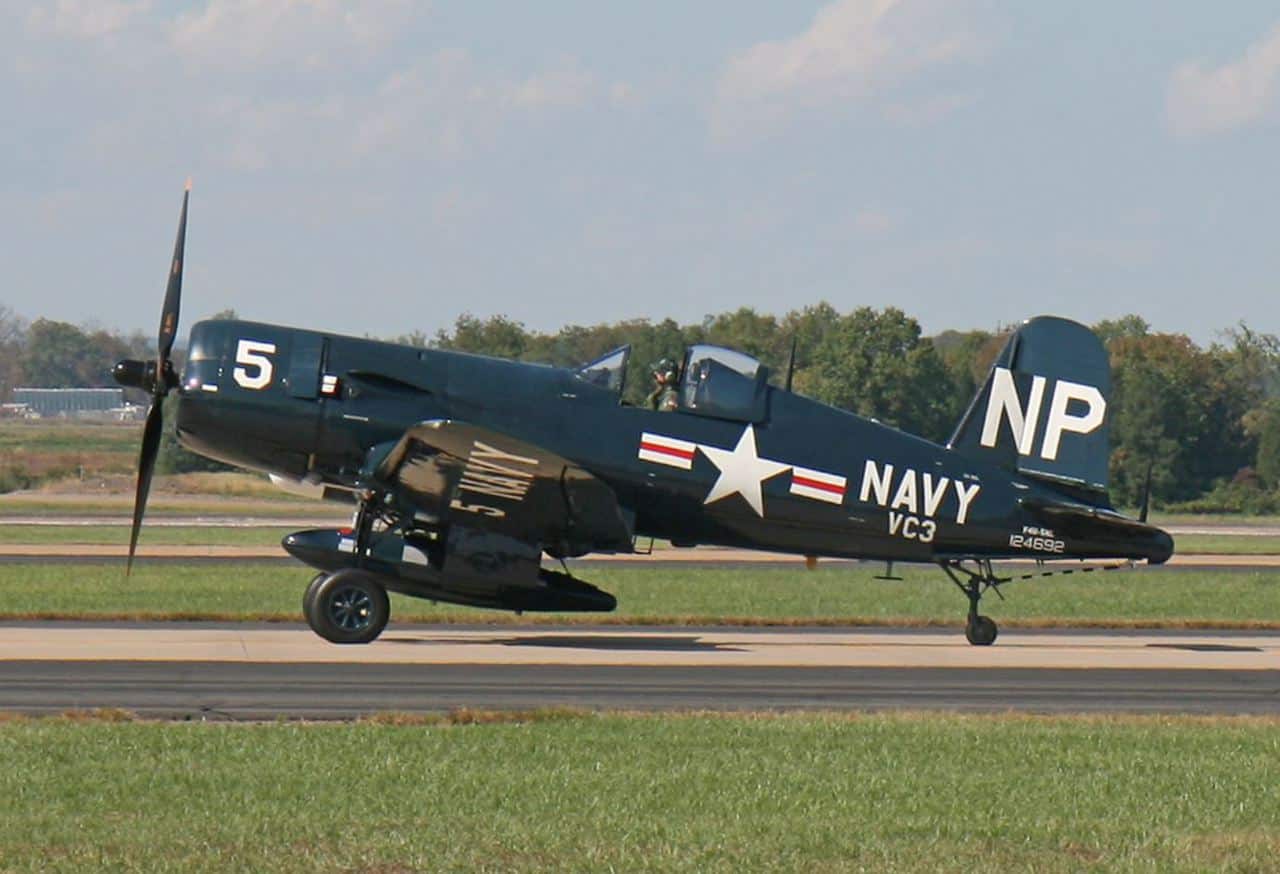

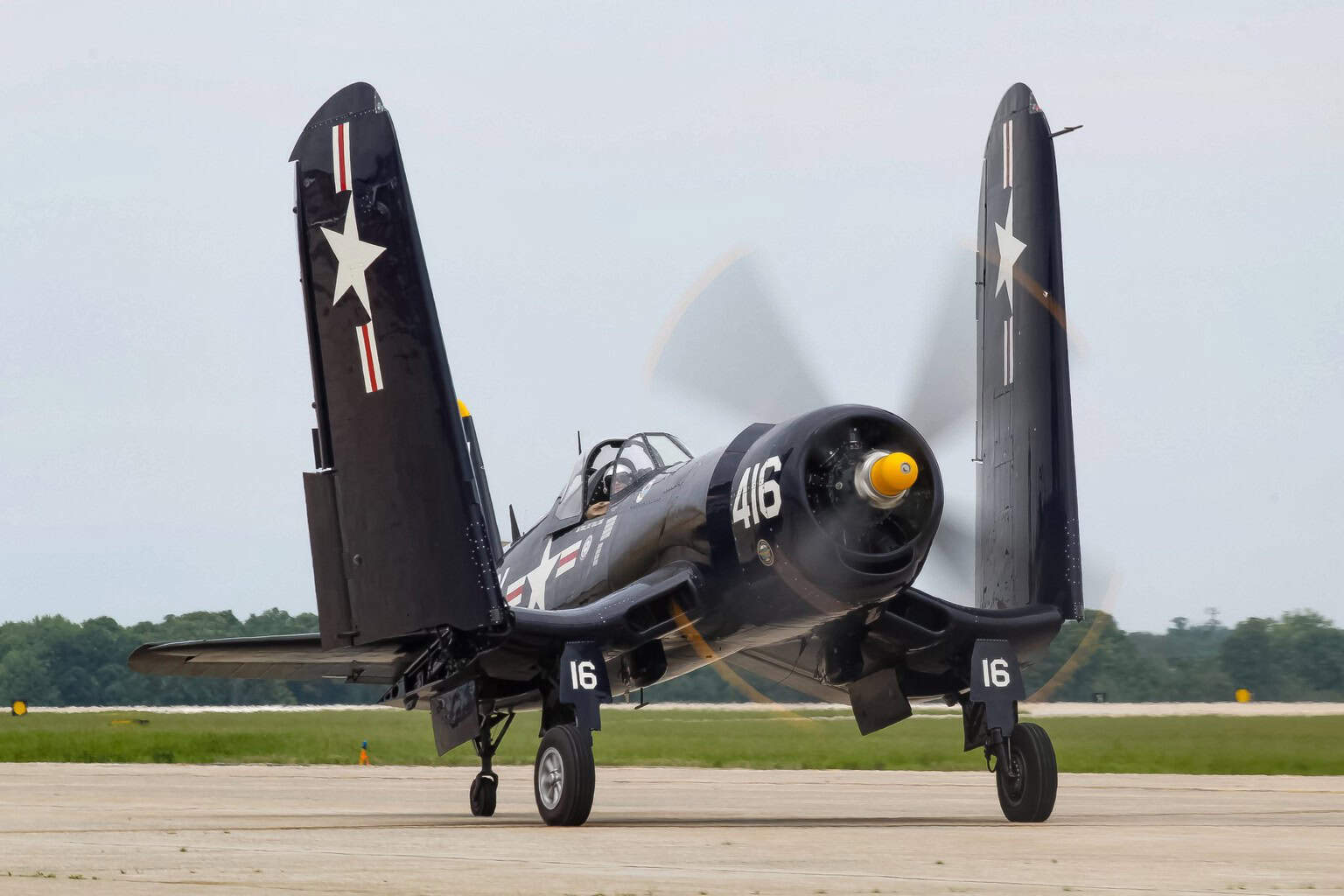


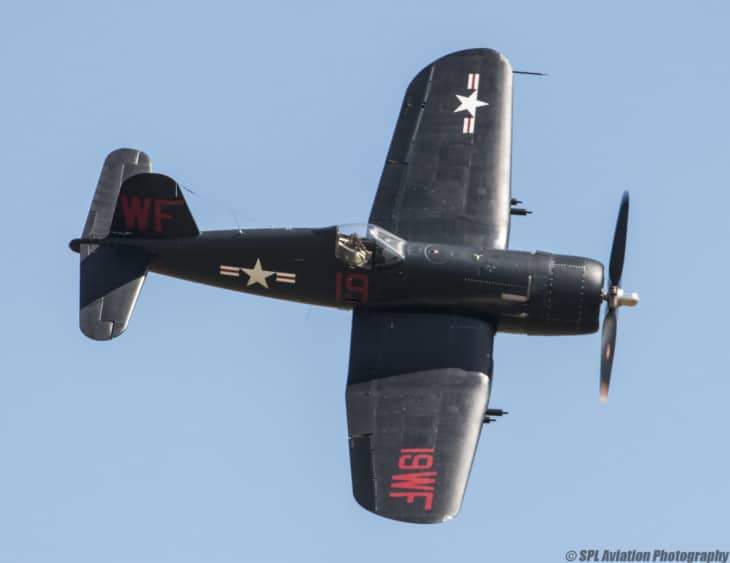
The Corsair first flew on May 29, 1940, but the Navy refused to clear it for carrier operations until late 1944. Navy pilots nicknamed it the “ensign eliminator” for how many inexperienced aviators it killed.
Flown mostly from land bases, it became one of the deadliest fighters of the war. By V-J Day the Navy credited Corsair pilots with 2,140 enemy aircraft destroyed in air combat, against 189 losses, a ratio of better than 11 to 1.
It was fast, too: the F4U-4 reached 446 mph (718 km/h). Vought, Goodyear and Brewster built 12,582 in total, and production ran on until 1953.
A WW2 propeller fighter that shot down a jet
The Corsair was still in combat in Korea. On September 10, 1952, Marine Captain Jesse Folmar of squadron VMF-312 shot down a MiG-15 jet fighter over the west coast of Korea while flying one.
7. Republic P-47 Thunderbolt: the heavyweight that did everything


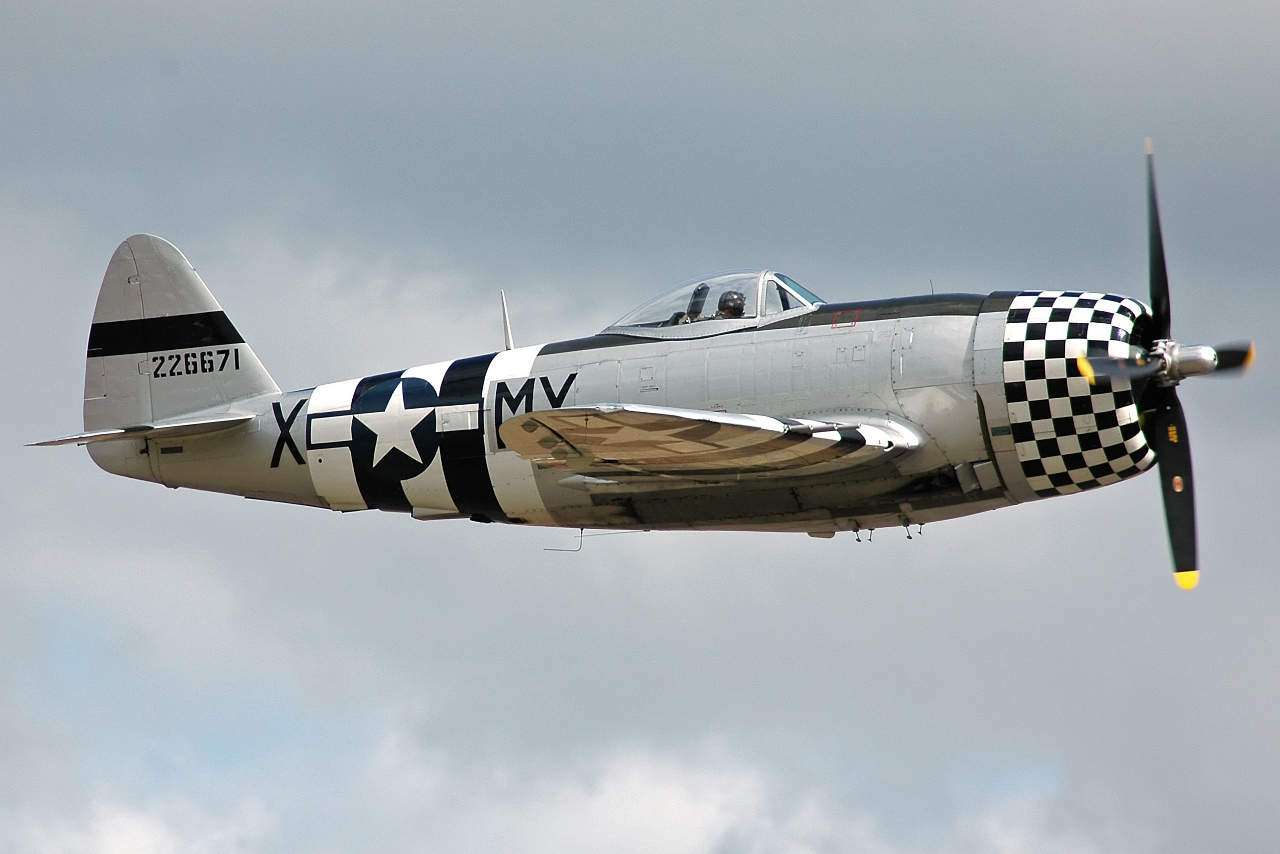

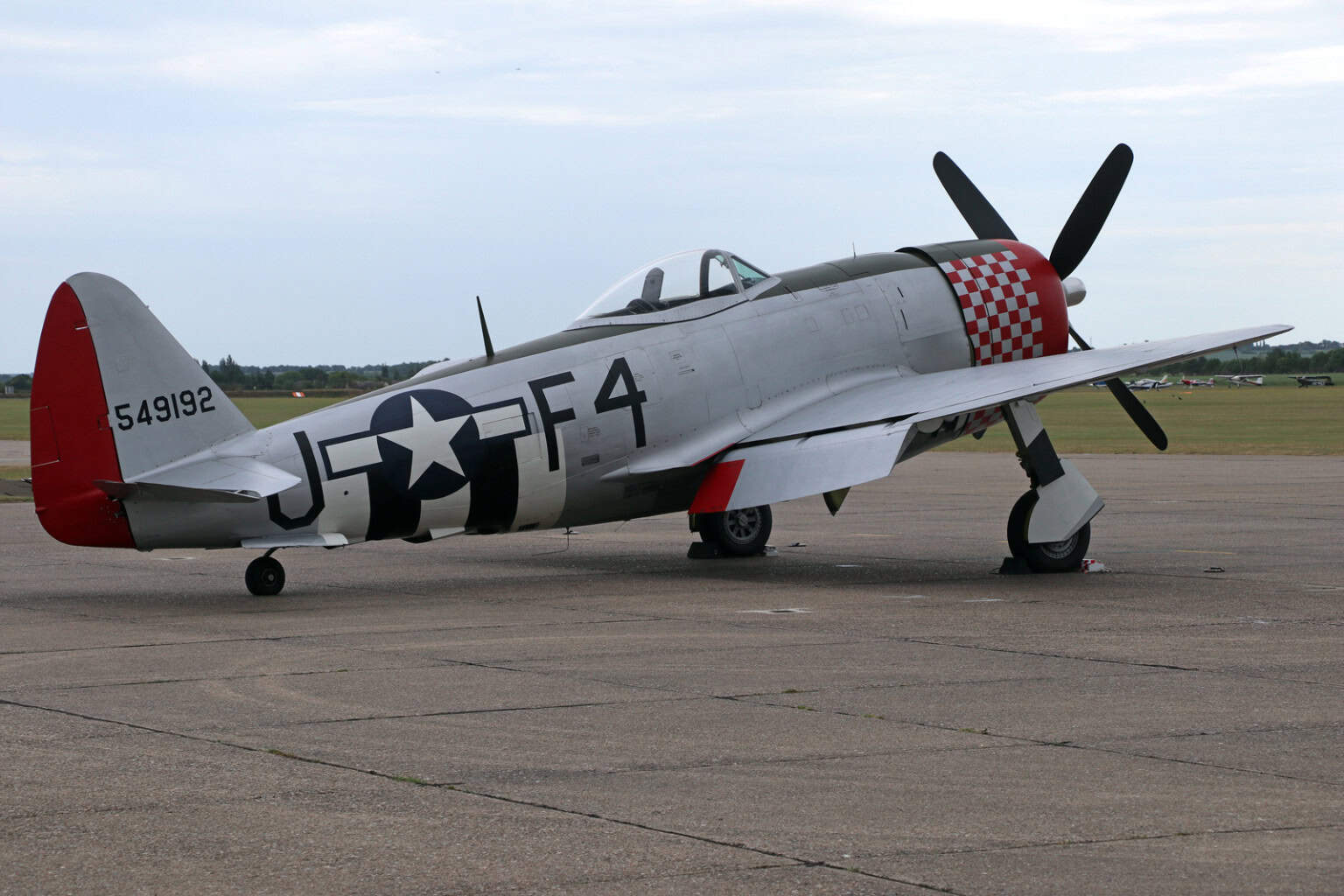
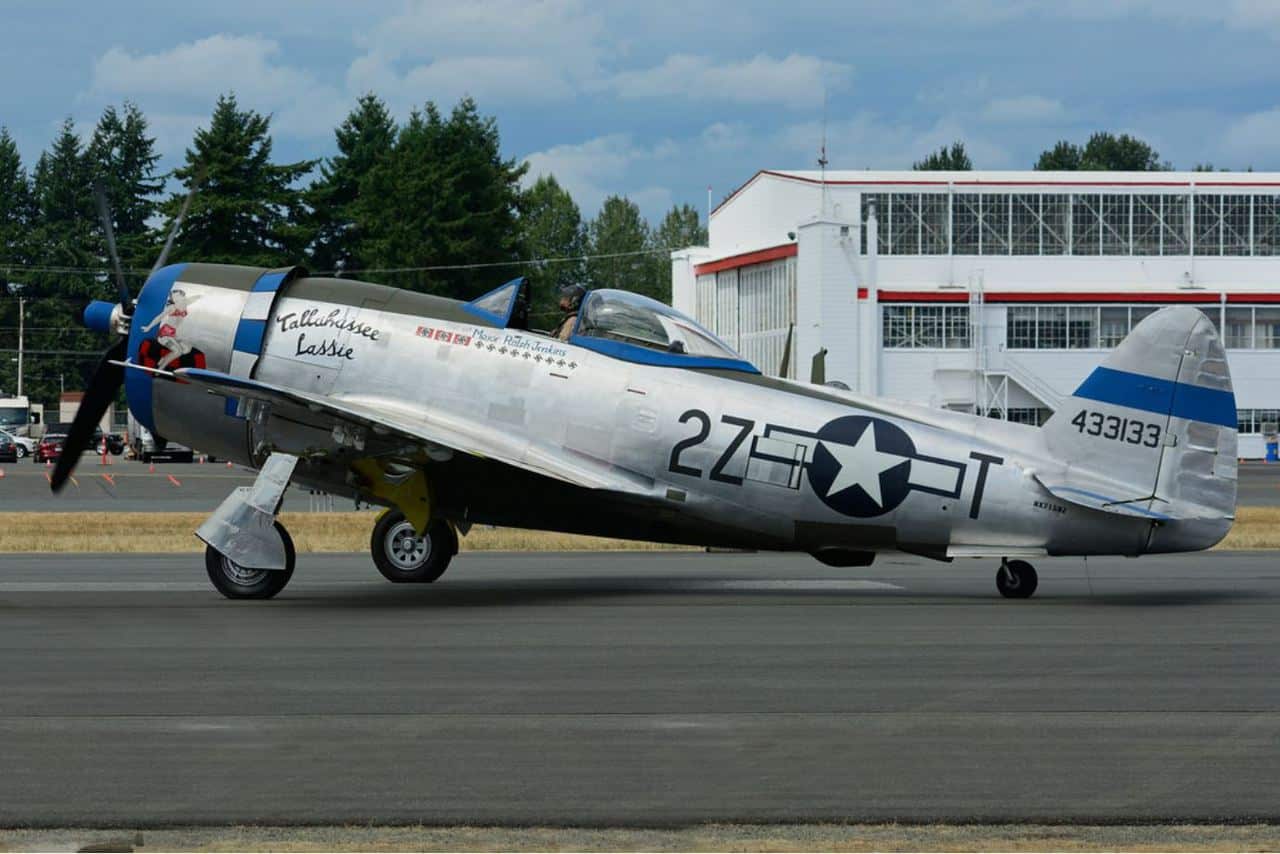


The P-47 was the largest single-engine fighter built by any nation in the war, armed with eight .50-caliber machine guns. In all, 15,683 were built.
In Europe, Thunderbolt pilots destroyed more than 7,000 enemy aircraft, more than half of them in air combat, with an aerial kill ratio of 4.6 to 1. The Smithsonian puts its loss rate at just 0.7% per mission.
Its bigger legacy was ground attack. Between D-Day and VE Day, P-47 pilots destroyed 86,000 railway cars, 9,000 locomotives, 6,000 armored fighting vehicles and 68,000 trucks. The late P-47D-40 reached 444 mph (715 km/h) with water injection.
8. Lockheed P-38 Lightning: the Pacific ace-maker
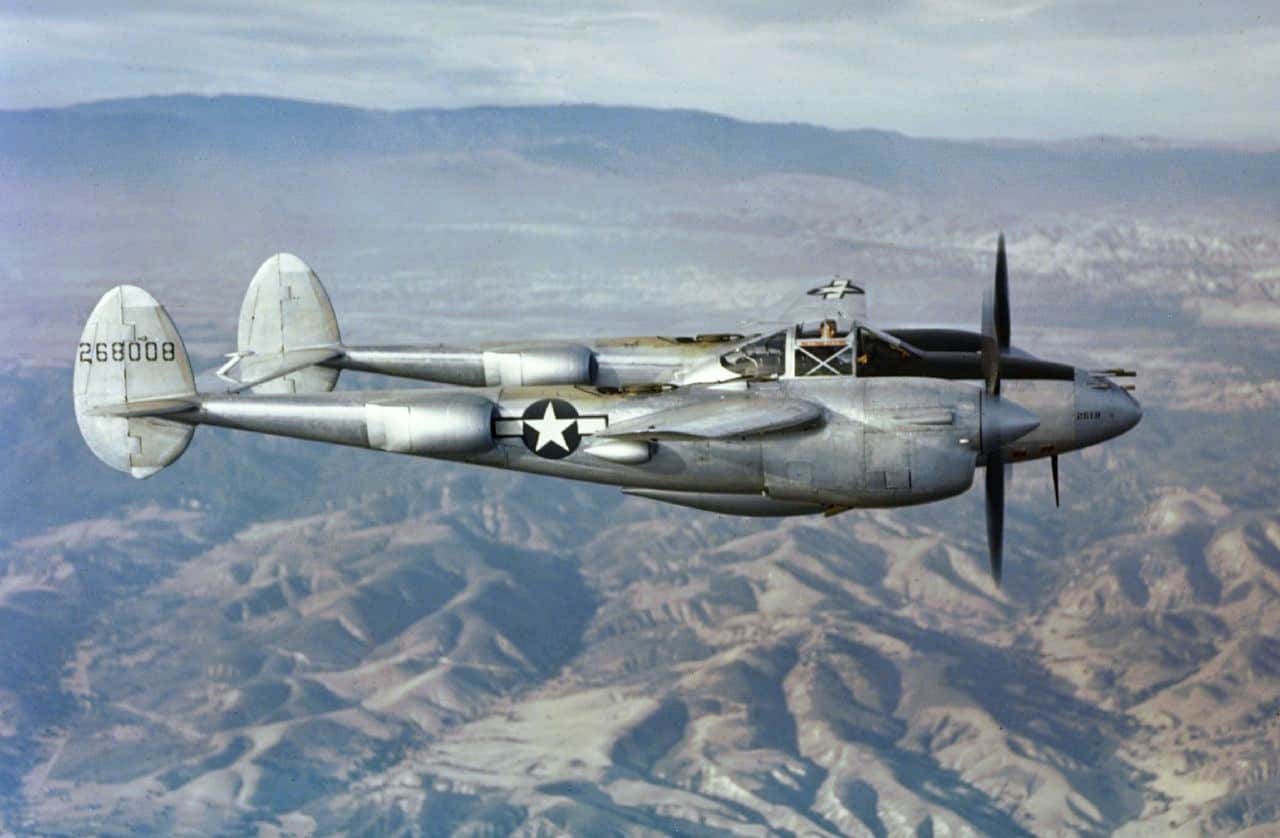

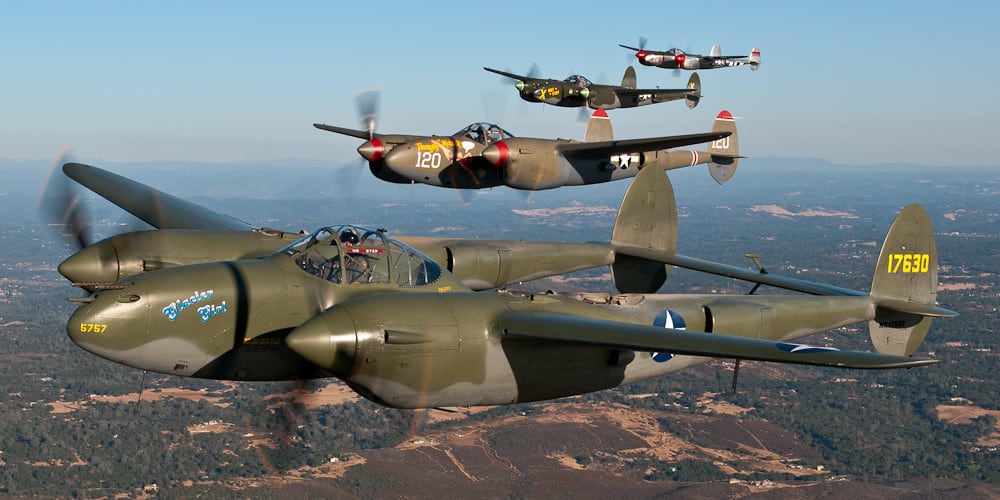


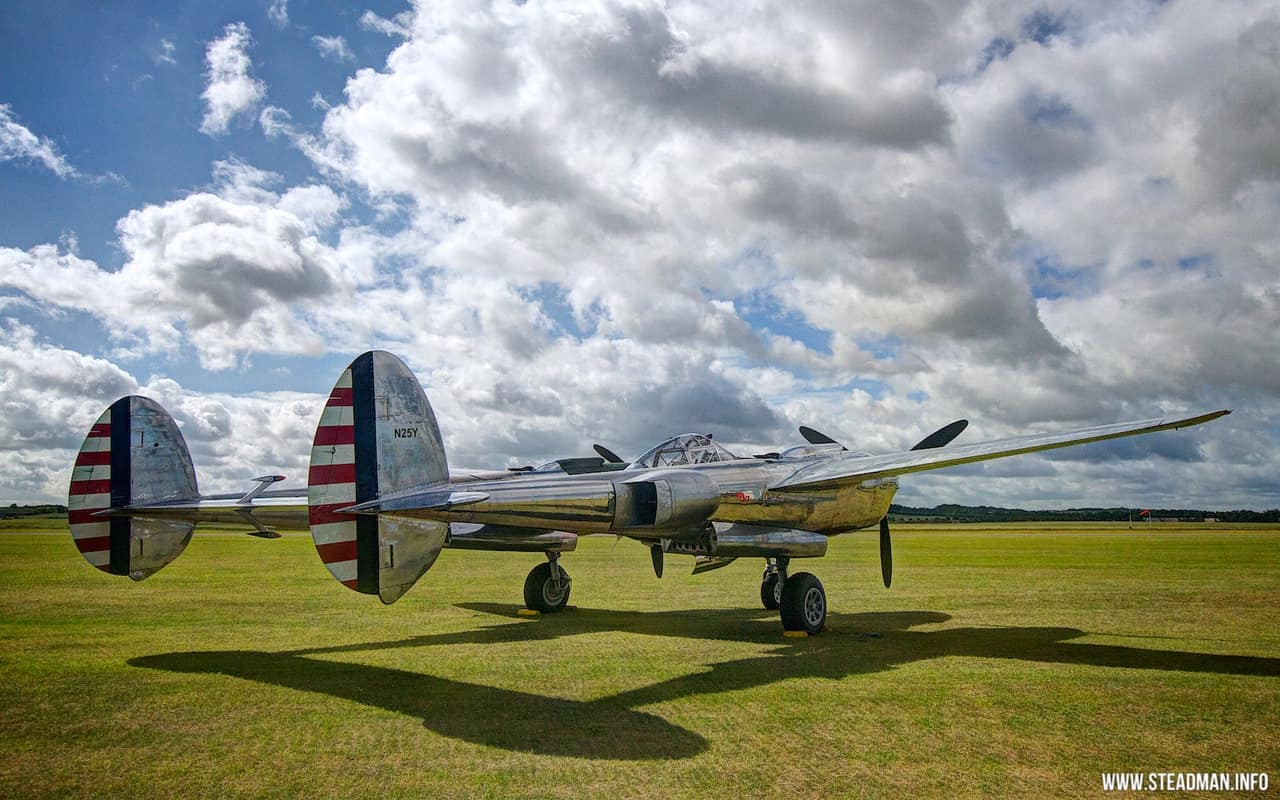


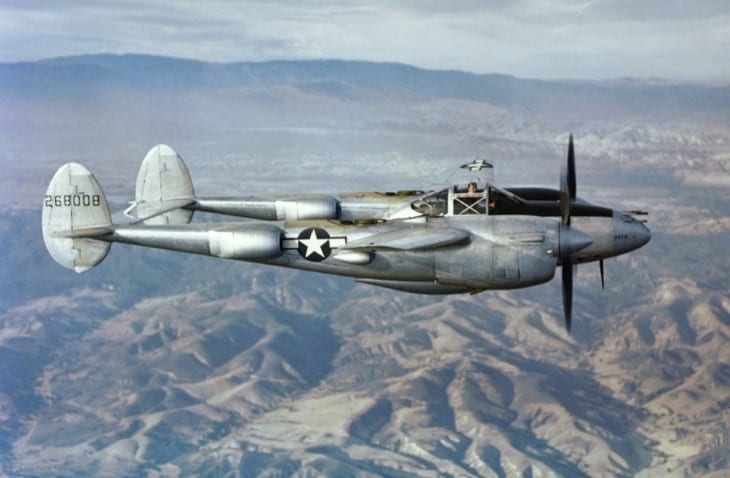
The twin-engine P-38 first flew on January 27, 1939. When it began combat operations from England in September 1943, it was the only fighter with the range to escort bombers into Germany.
It truly shone in the Pacific, where seven of the top eight USAAF aces flew it. Richard Bong, America’s top ace of the war, scored all 40 of his victories in a P-38, and Thomas McGuire added 38 more.
Its range made history on April 18, 1943, when P-38 pilots ambushed and shot down the aircraft carrying Admiral Isoroku Yamamoto, the planner of the Pearl Harbor raid. Lockheed built 10,038 Lightnings, and the P-38L reached 414 mph (666 km/h).
9. Mitsubishi A6M Zero: the fighter that set the pace in 1941 and 1942

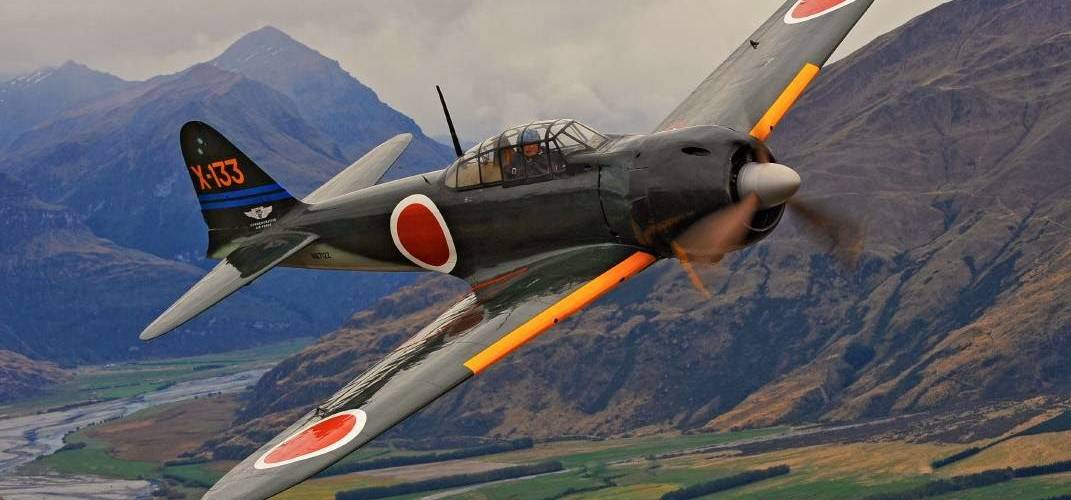
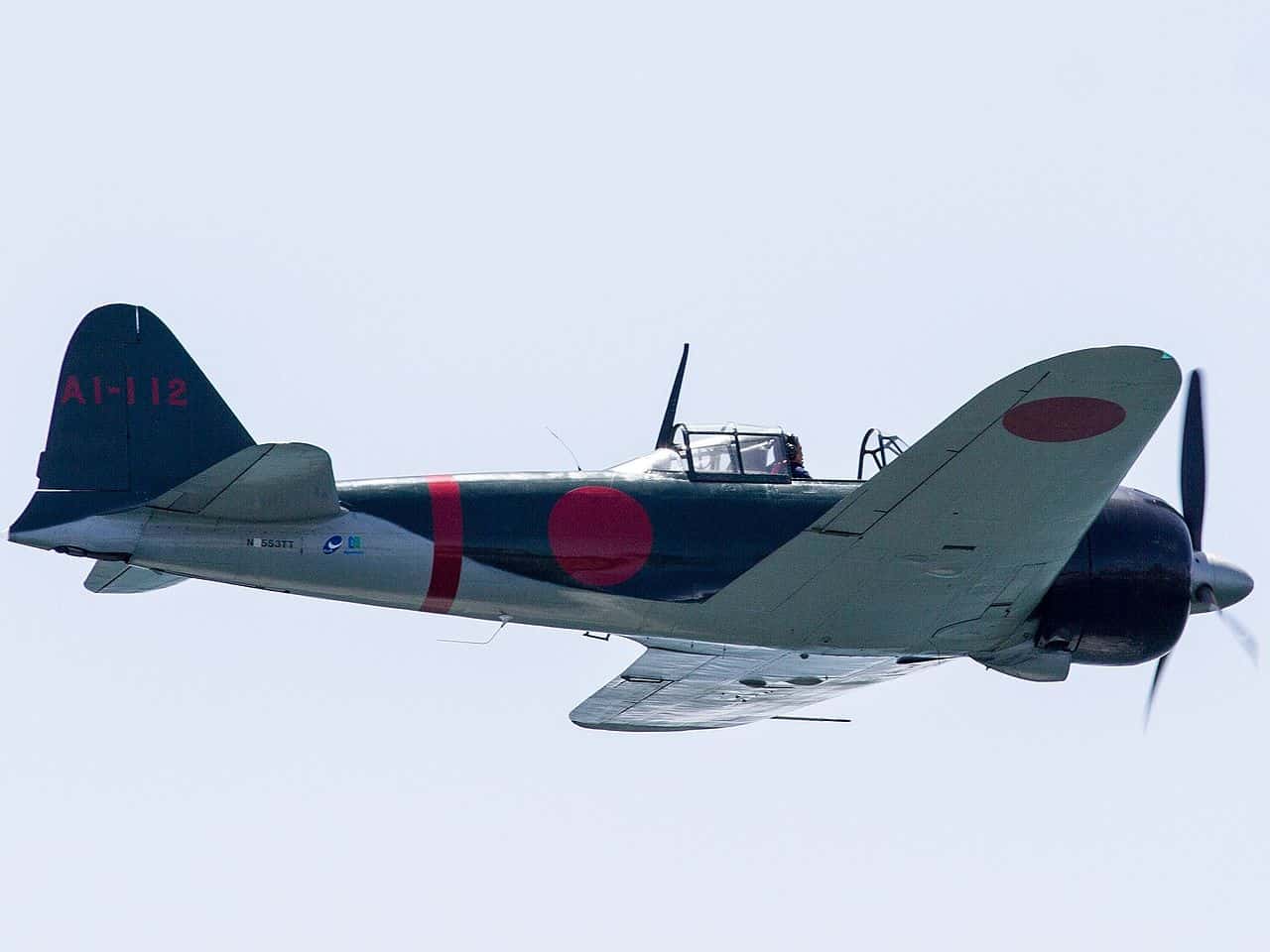


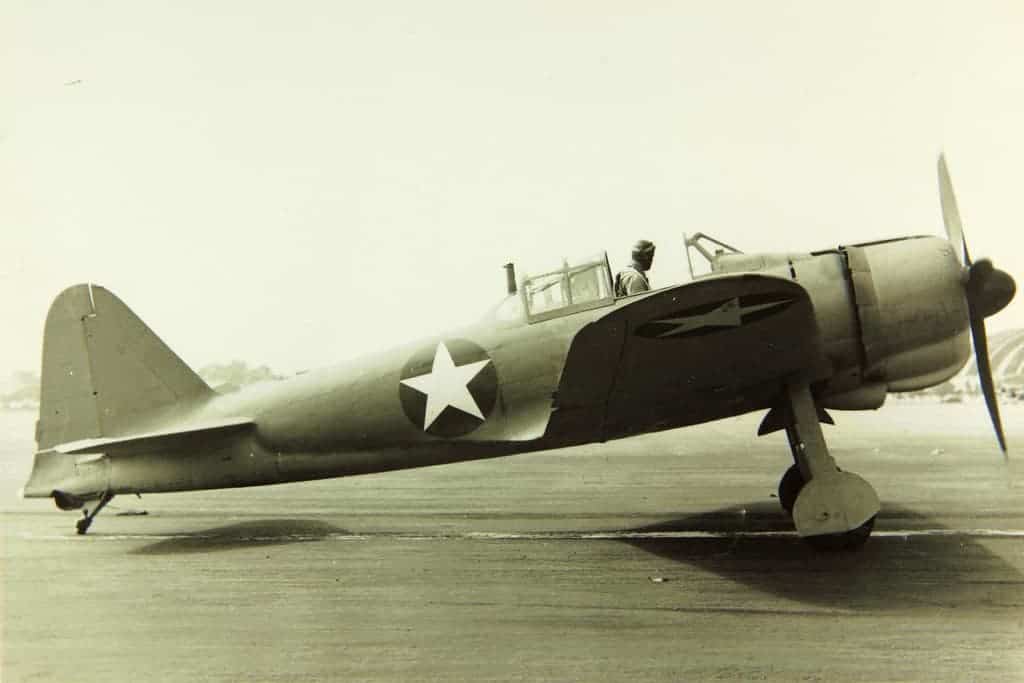

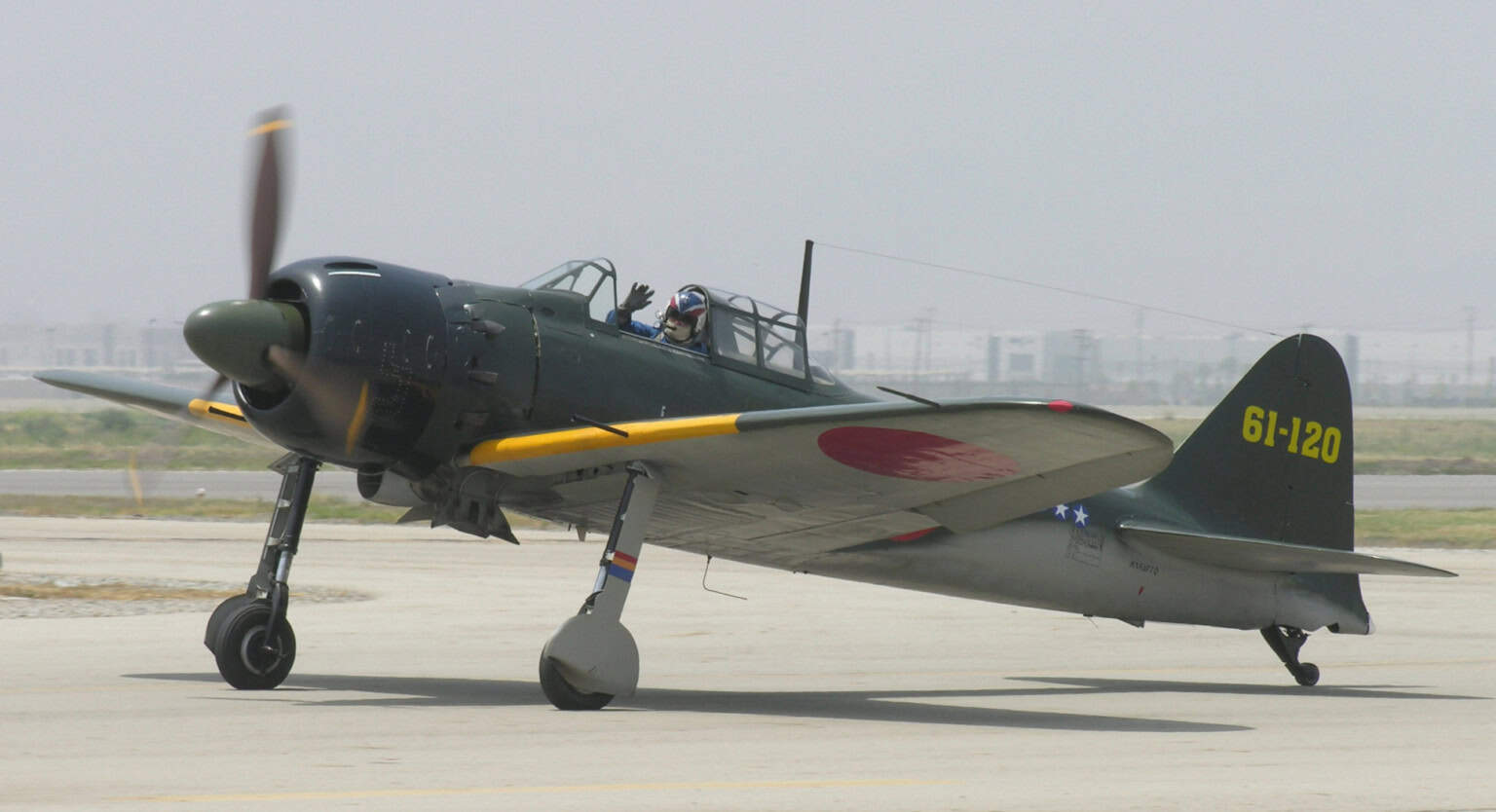


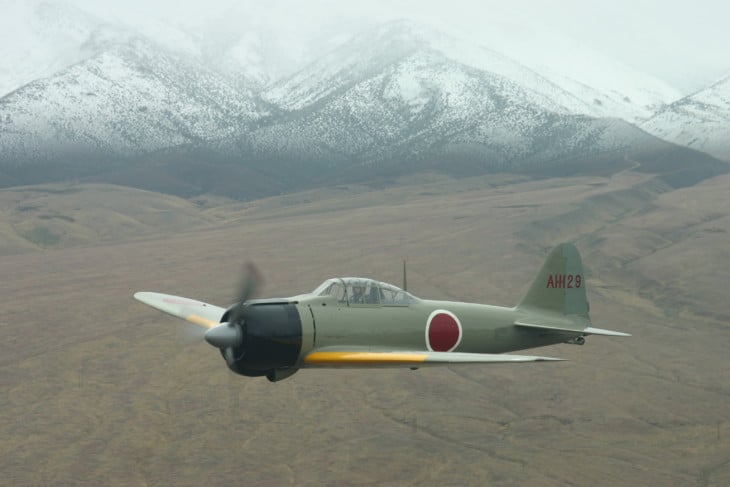
The Zero entered service in July 1940, and in early combat it built a reputation as a dogfighter with an outstanding kill ratio of 12 to 1. For the first months of the Pacific war, it was the fighter every Allied pilot had to solve.
By mid-1942, new tactics and better equipment let Allied pilots meet it on generally equal terms. The Smithsonian notes that the Allies began fielding aircraft superior to the Zero that year, and the Hellcat vs Zero matchup shows how far the balance swung.
The A6M2 topped out at 331 mph (533 km/h), slow by late-war standards. Mitsubishi and Nakajima built about 10,939 Zeros, and the Smithsonian counts 11,291 including related sub-variants, more than any other Japanese warplane.
10. Hawker Hurricane: the real workhorse of the Battle of Britain


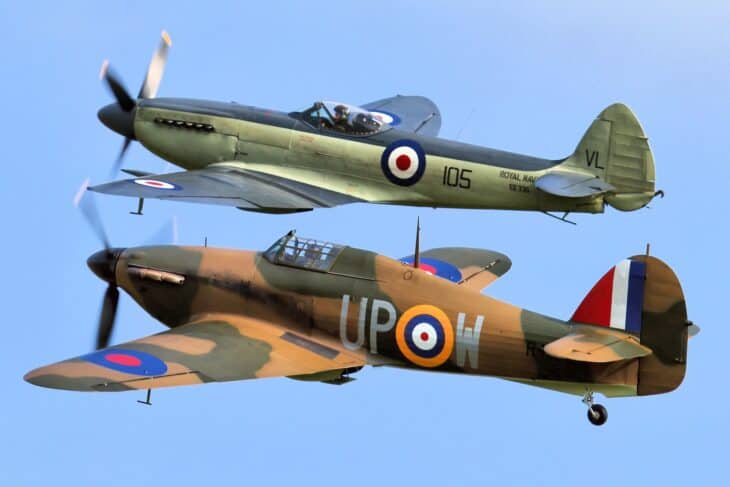
The Spitfire got the fame, but the Hawker Hurricane did more of the damage in 1940. According to the RAF Museum, Hurricanes destroyed more enemy aircraft during the Battle of Britain than all the other air and ground defences combined.
When it arrived, it gave the RAF a fighter 100 mph (160 km/h) faster than anything then in service, with eight machine guns. By September 1940, 32 RAF squadrons flew it, and 14,487 were eventually built.
It ranks tenth because its 1935 design had far less room to grow than the Spitfire’s. The Hurricane Mk IIC managed 340 mph (547 km/h), while the Spitfire went on to 446 mph.
11. Yakovlev Yak-3: the pick of the Soviet fighters


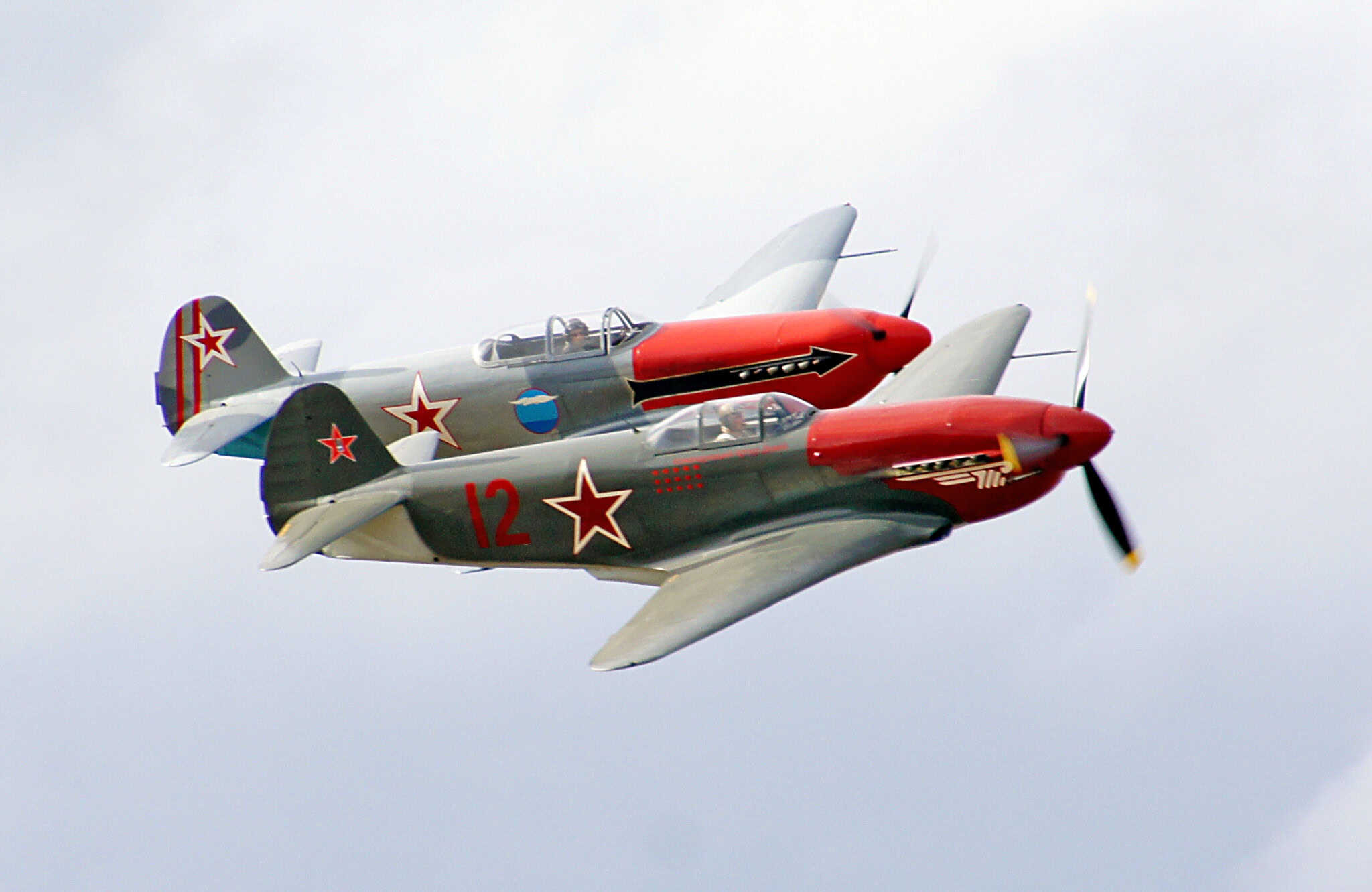


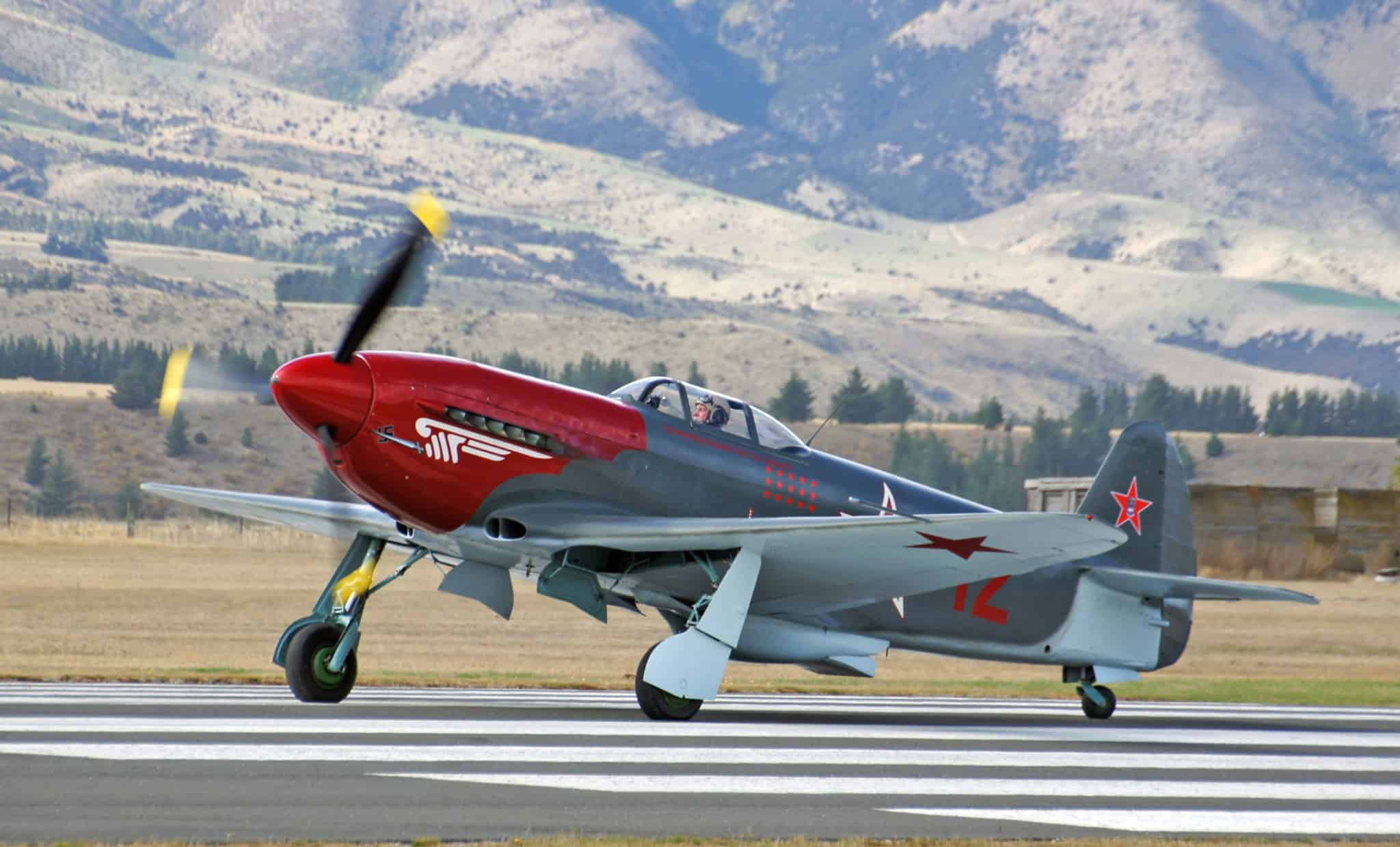
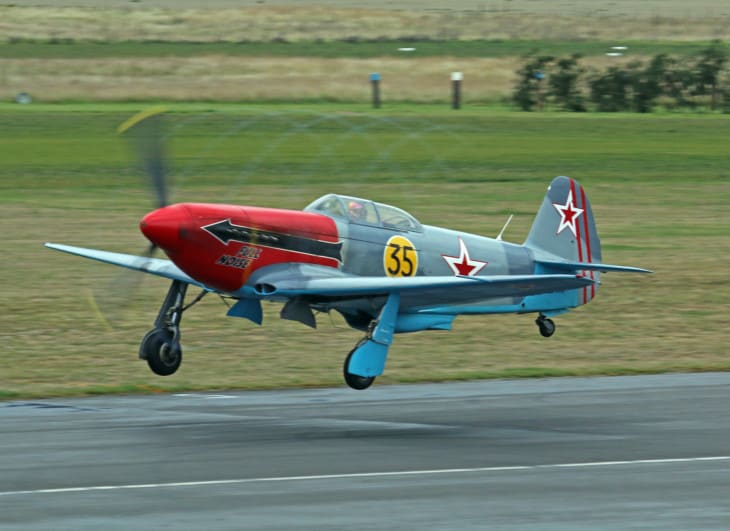
The Yak-3 entered service in June 1944 with a top speed of 401 mph (646 km/h), and 4,848 were built. It was the sharpest member of a big family: its sibling, the Yak-9, was built in 16,769 examples.
Some of its most famous pilots were French. The Free French Normandie-Niemen regiment re-equipped with the Yak-3 in 1944 and scored the last 99 of its 273 air victories against the Luftwaffe in it.
It ranks 11th because it arrived late and in far smaller numbers than the Western leaders. Its rival, the Lavochkin La-7, is a near-miss: Ivan Kozhedub, the top-scoring Allied ace with more than 60 victories, flew one to shoot down an Me 262 jet.
12. Nakajima Ki-84 Hayate: Japan’s best fighter, built too late

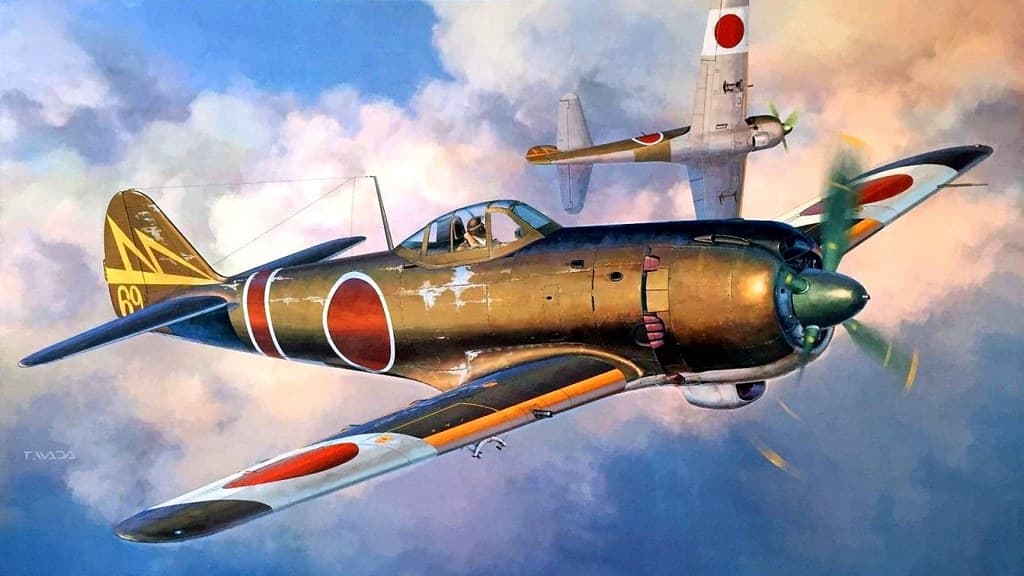
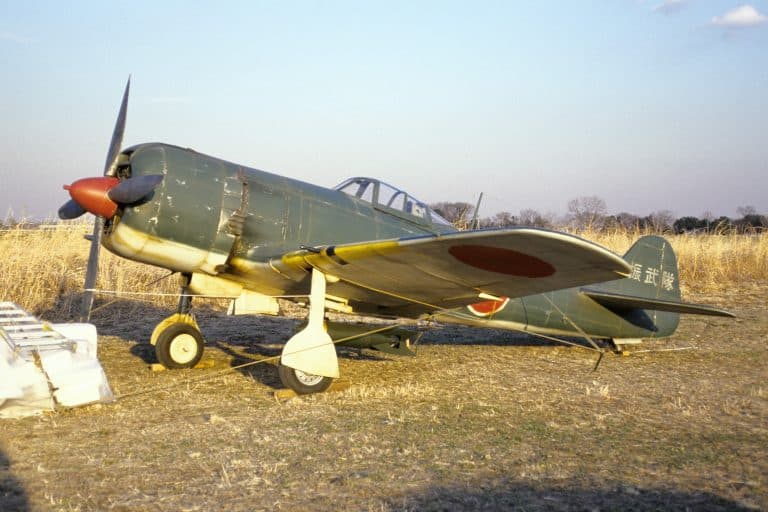
The Ki-84 Hayate, codenamed “Frank” by the Allies, is generally considered the best Japanese fighter to operate in large numbers. It first flew in April 1943, and 3,514 were built.
Its top speed depends on who measured it. Japanese flight trials recorded 388 mph (624 km/h), while its published specification lists 427 mph (687 km/h) at about 23,000 feet (7,000 m). Either way, it had the best performance of any Japanese aircraft ready for mass production at the time.
It ranks 12th because it reached combat too late to change the course of the Pacific war. By then, Japan was losing experienced pilots faster than it could replace them.
13. Messerschmitt Me 262: the first jet fighter, and too late to matter

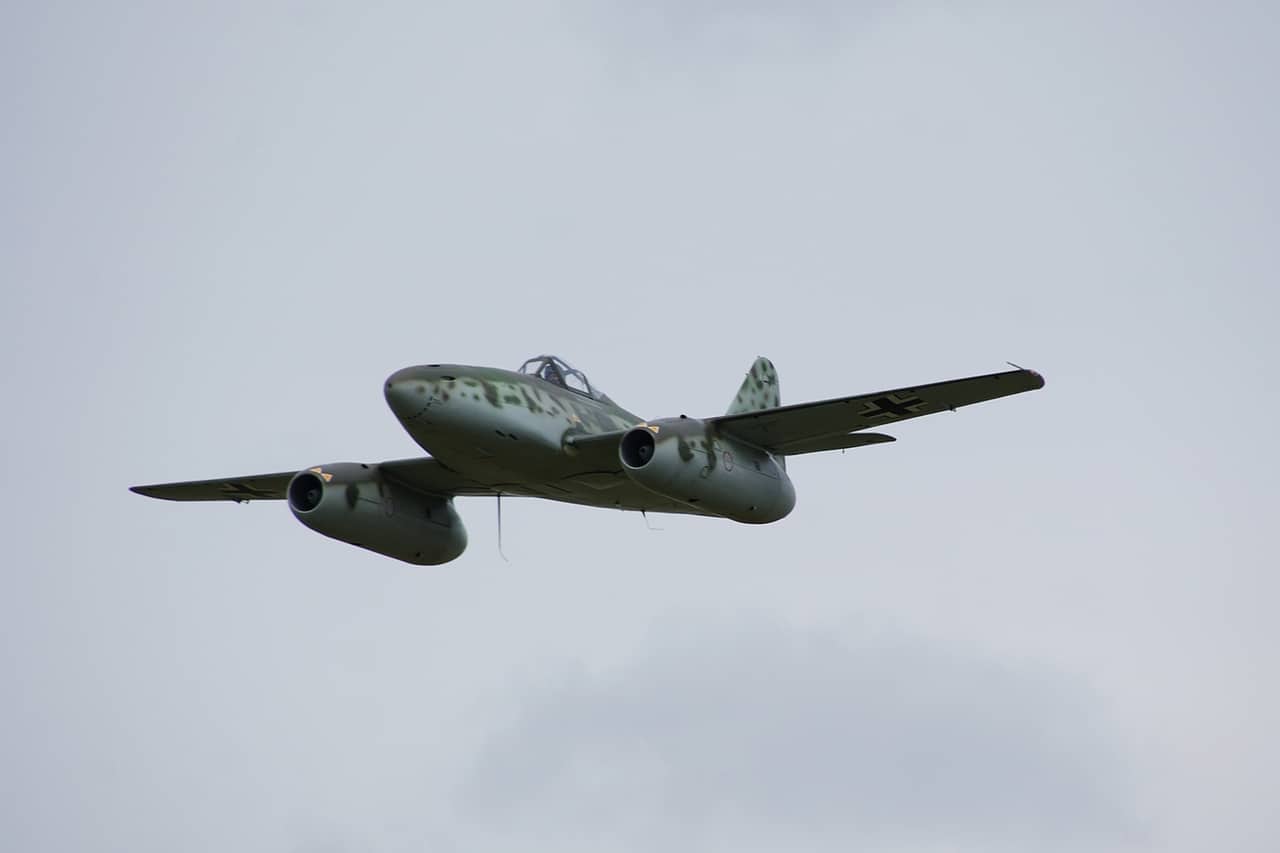
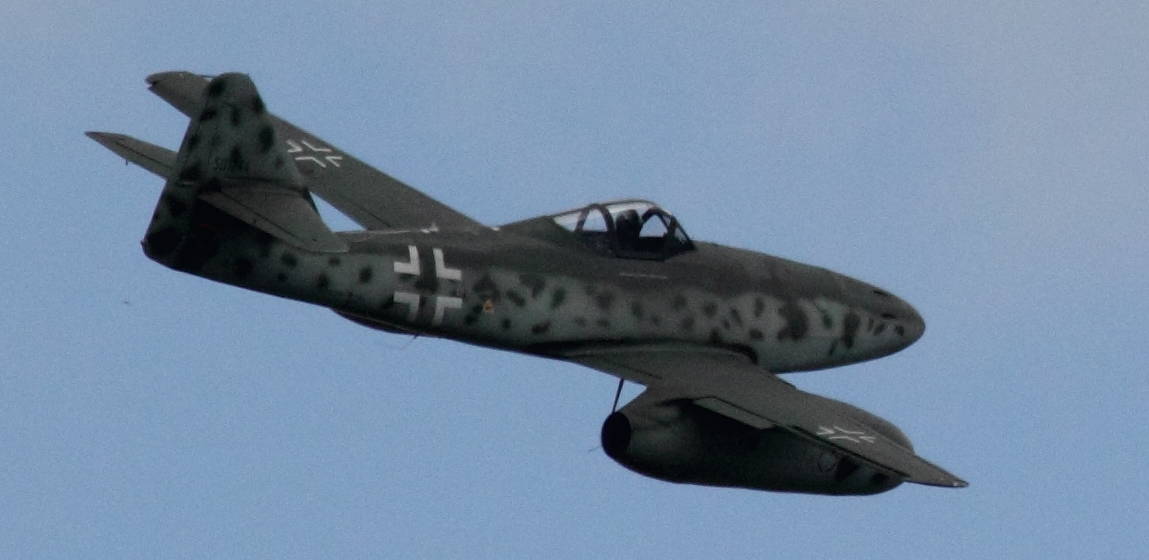
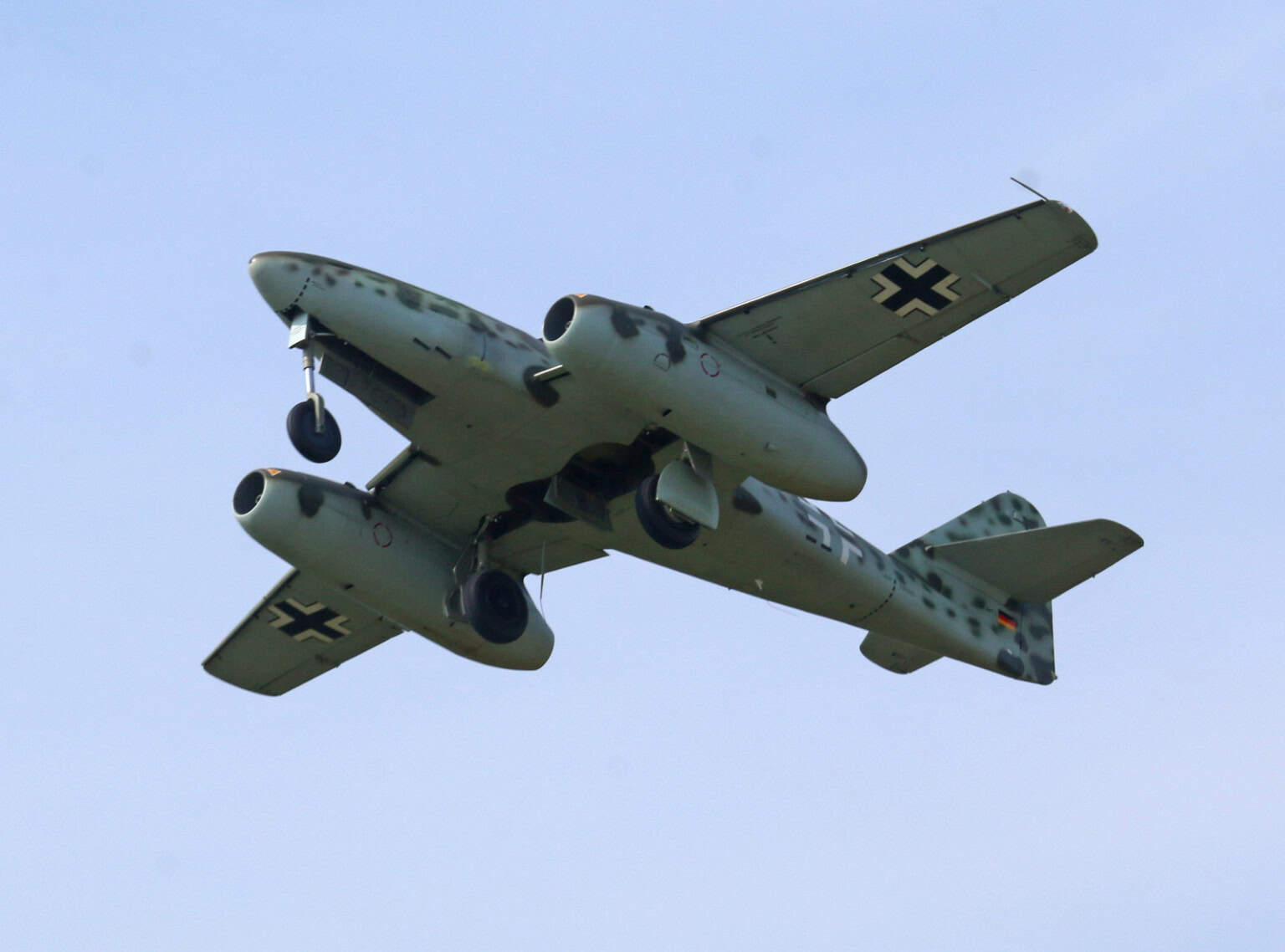
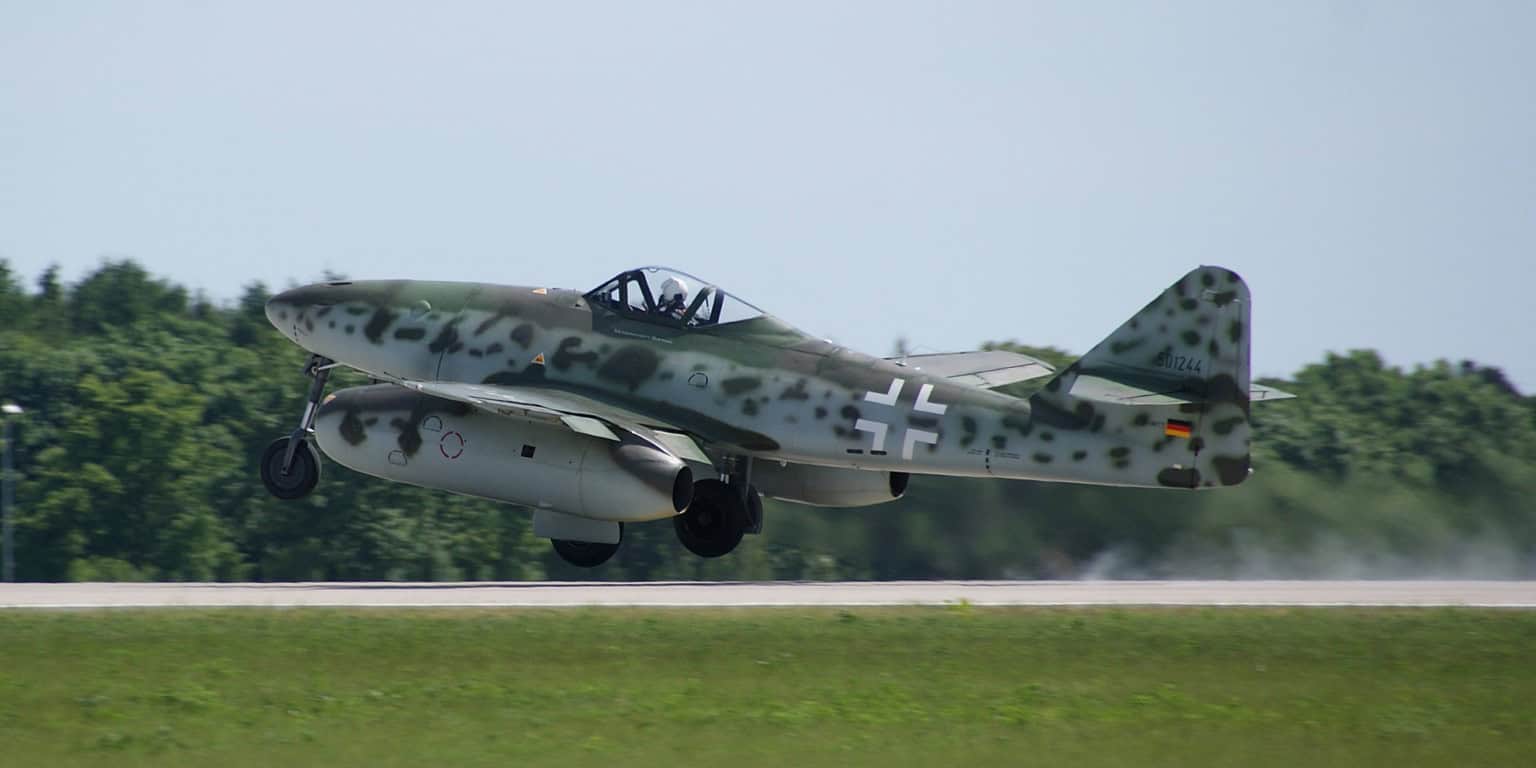


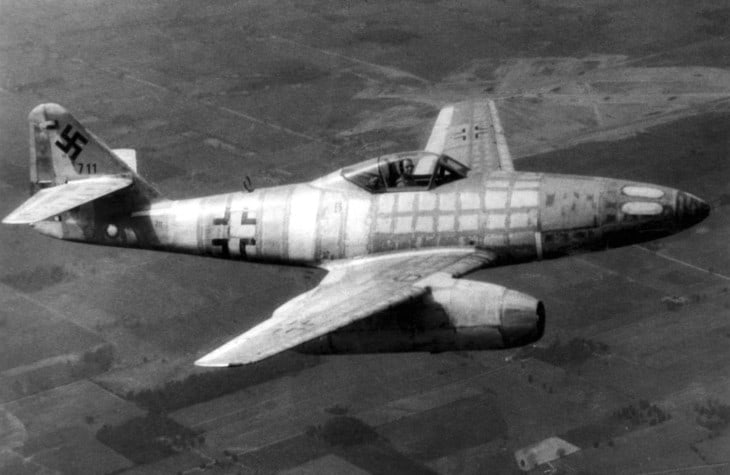
The Me 262 was the world’s first operational jet fighter. It first flew under jet power on July 18, 1942, and its top speed of 540 mph (869 km/h) was nearly 100 mph faster than the best piston fighters on this list.
It was the best known of Germany’s wartime jet aircraft, and German pilots claimed 542 Allied aircraft with it. Of the more than 1,400 built, however, fewer than 300 ever saw combat.
Why isn't the Me 262 number one?
Because best means what a fighter did, not what it could do. Allied bombing wrecked Germany’s transport network, U.S. bombers destroyed hundreds of Me 262s on the ground, and many that reached units had no fuel, spare parts or trained pilots. A fighter that cannot get into the air cannot win it.
Near misses: the fighters that just missed the cut
A few more fighters have a real claim to a place in the top 13. Each lost out on numbers, timing, or both.
- Hawker Tempest V (UK): 435 mph (700 km/h) and an air combat ratio of about 8 to 1, with 239 confirmed victories. But it only entered service in January 1944, and just 1,702 Tempests were built.
- Lavochkin La-7 (USSR): 411 mph (661 km/h), 5,753 built, and the aircraft of Kozhedub’s last 17 victories.
- Grumman F4F Wildcat (US): the Navy fighter that held the line in 1942, with a kill-to-loss ratio of 6.9 to 1 for the war. Its top ace, Joe Foss, scored 26 victories.
- Kawanishi N1K Shiden (Japan): one of Japan’s strongest late-war fighters, but only 1,532 of all versions were built.
- Focke-Wulf Ta 152 (Germany): a high-altitude development of the Fw 190 that entered service in January 1945. Only 69 were built.
The best WW2 fighters by country and category
This ranking picks the best across every air force. For the full ranking in each country, including the fighters that did not make this list, AeroCorner’s country guides go deeper.
- The best American fighter planes of WW2, where the P-51, Hellcat and P-47 lead a field of nine.
- The best British fighter planes of WW2, from the Hurricane and Spitfire to the Mosquito and the jet-powered Gloster Meteor.
- The best German fighter planes of WW2, including the Bf 109 vs Fw 190 debate.
- The best Japanese fighter planes of WW2, from the Zero and Ki-84 to the Shiden.
- The best Russian WW2 fighter planes, led by the Yak-3, La-5 and Yak-9.
- Italian fighter planes of WW2, from the Macchi C.202 to the Fiat G.55.
- The best French planes of WW2, topped by the Dewoitine D.520.
By category, see the fastest planes of WW2, the fighters that failed in the worst fighter planes of WW2, and the bombers and fighters in the most famous aircraft of WW2.
Kill totals are claims, not exact counts
Every kill total in this article is a wartime claim, and the sources report them that way. Some ran high: postwar research cut Australian Hurricane ace Les Clisby’s score from 16 individual victories to nine. Treat kill ratios as a strong guide to which fighters won their fights, not as exact scores.
FAQ
Sources and references used for research and fact-checking.
- National Museum of the U.S. Air Force, North American P-51D Mustang
- National Museum of the U.S. Air Force, Focke-Wulf Fw 190D-9
- National Museum of the U.S. Air Force, Messerschmitt Bf 109G-10
- National Museum of the U.S. Air Force, Messerschmitt Me 262A Schwalbe
- National Museum of the U.S. Air Force, Lockheed P-38L Lightning
- Smithsonian National Air and Space Museum, Grumman F6F-3K Hellcat
- Smithsonian National Air and Space Museum, Vought F4U-1D Corsair
- Smithsonian National Air and Space Museum, Mitsubishi A6M5 Reisen (Zero Fighter) Model 52 ZEKE
- Smithsonian National Air and Space Museum, Republic P-47D-30-RA Thunderbolt
- RAF Museum, Hawker Hurricane 1
- RAF Museum, Supermarine Spitfire I
- RAF Museum, Messerschmitt Bf 109E-3
- Wikipedia, North American P-51 Mustang
- Wikipedia, Supermarine Spitfire
- Wikipedia, Supermarine Spitfire (Griffon-powered variants)
- Wikipedia, Focke-Wulf Fw 190
- Wikipedia, Grumman F6F Hellcat
- Wikipedia, Messerschmitt Bf 109
- Wikipedia, Erich Hartmann
- Wikipedia, Vought F4U Corsair
- Wikipedia, Republic P-47 Thunderbolt
- Wikipedia, Lockheed P-38 Lightning
- Wikipedia, Richard Bong
- Wikipedia, Mitsubishi A6M Zero
- Wikipedia, Hawker Hurricane
- Wikipedia, Yakovlev Yak-3
- Wikipedia, Yakovlev Yak-9
- Wikipedia, Lavochkin La-7
- Wikipedia, Ivan Kozhedub
- Wikipedia, Nakajima Ki-84 Hayate
- Wikipedia, Messerschmitt Me 262
- Wikipedia, Hawker Tempest
- Wikipedia, Grumman F4F Wildcat
- Wikipedia, Kawanishi N1K
- Wikipedia, Focke-Wulf Ta 152
Get the Newsletter
The latest aviation news and stories sent to your inbox.
About the Author
Tim is the owner and lead editor of AeroCorner since 2019, overseeing aviation content covering aircraft, airlines, airports, and the broader aviation industry. Through years of researching, writing, editing, and publishing aviation-focused content, he has developed extensive practical knowledge of commercial aviation and air travel. Based in Asia and a frequent traveler himself, Tim also brings firsthand passenger experience to AeroCorner’s coverage. Outside of publishing, he has also explored aviation firsthand through hands-on flight training in New Zealand.