AgustaWestland·
United Kingdom ·
ICAO: A149·
2011–Present ·
$13 million
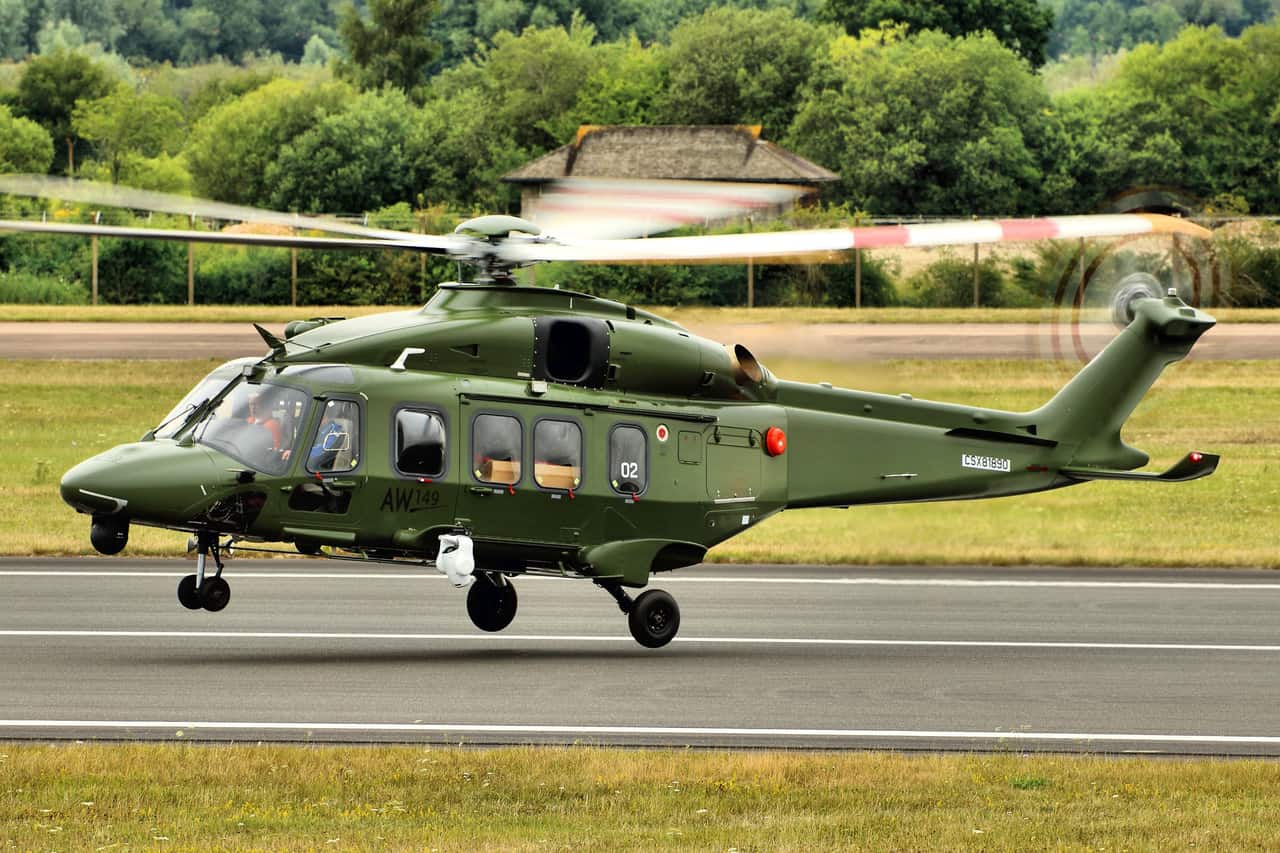
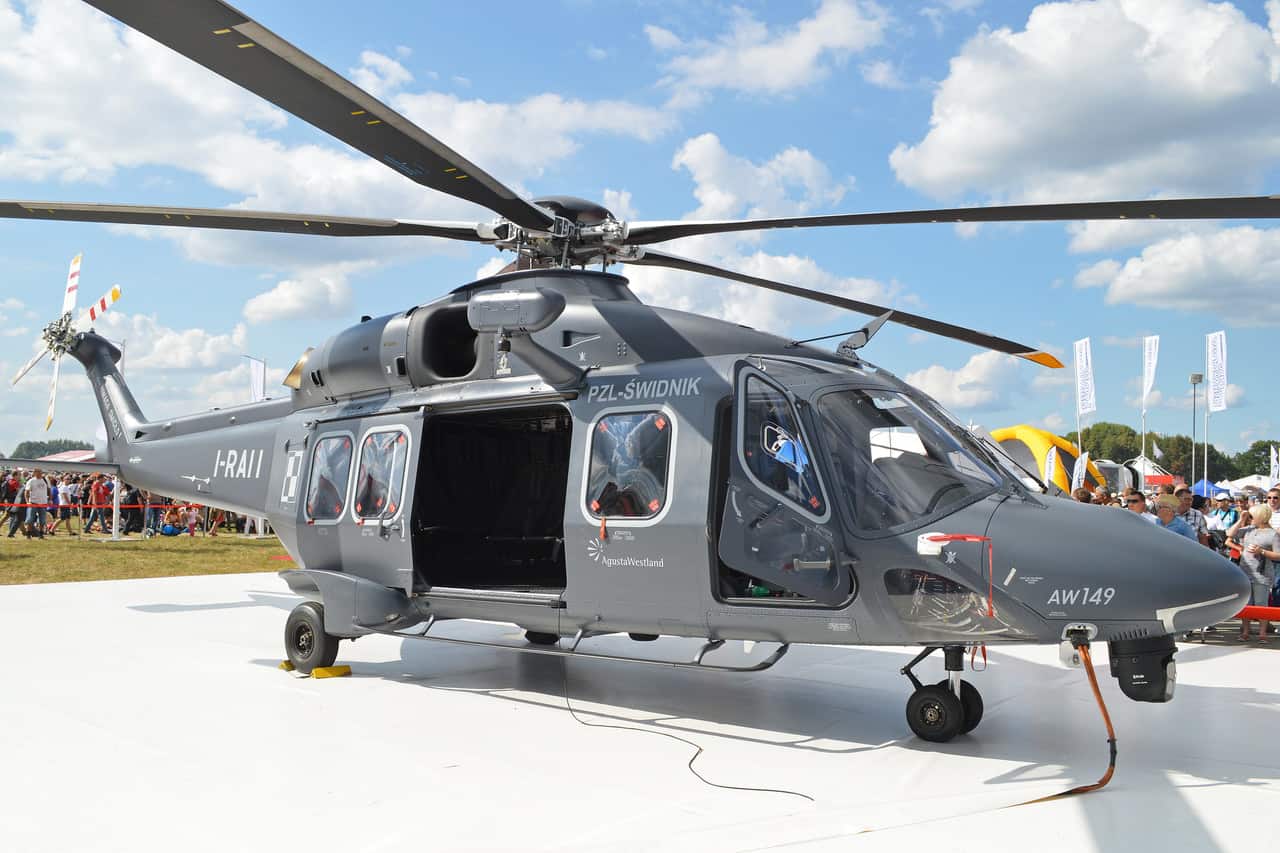
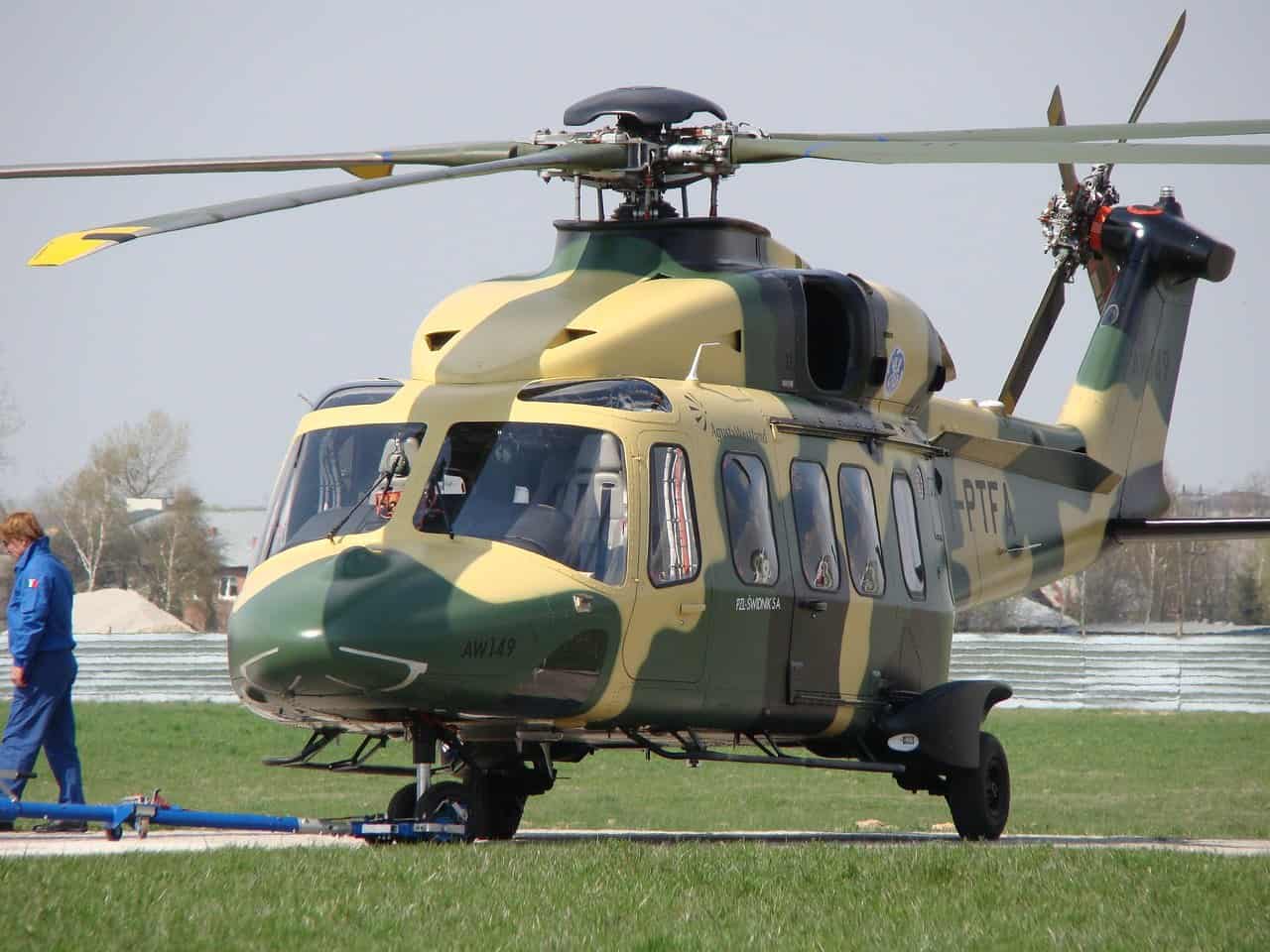
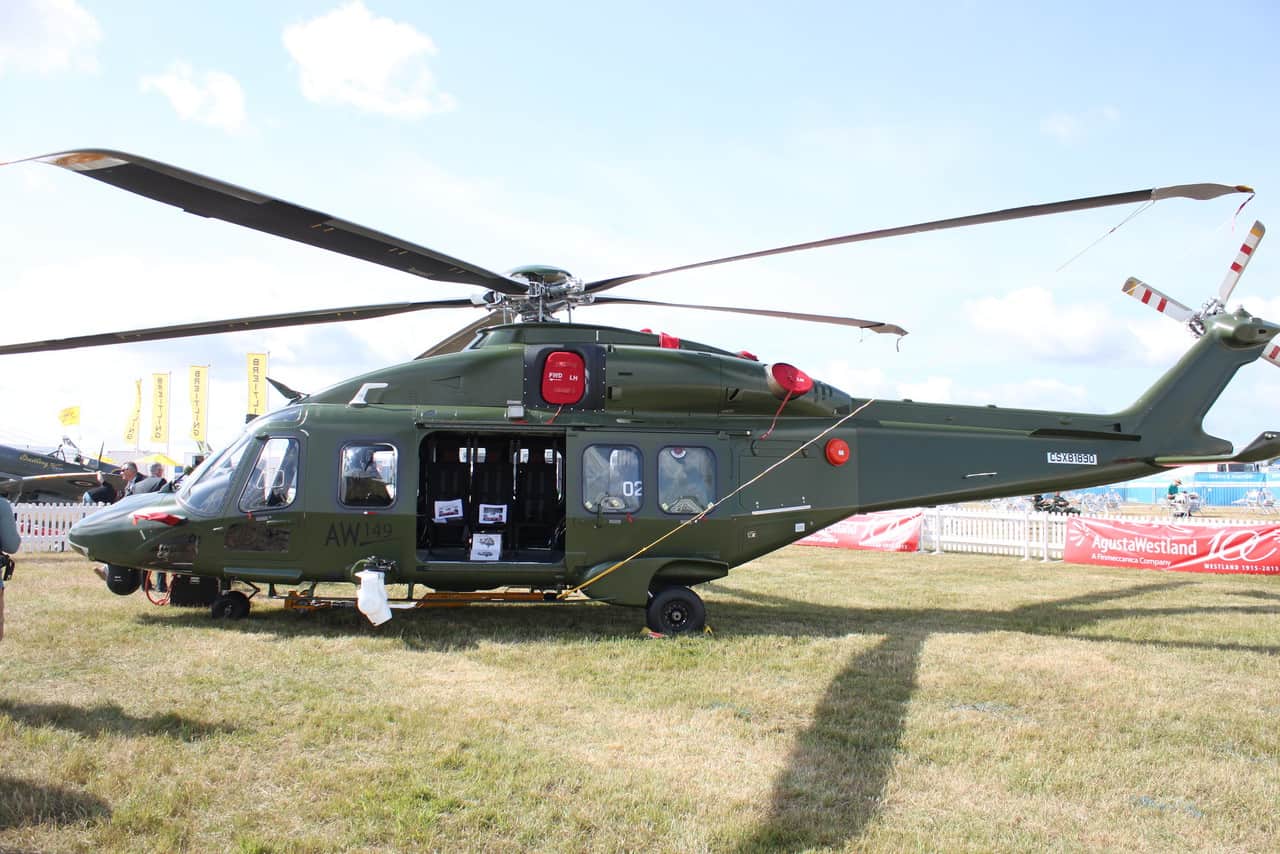
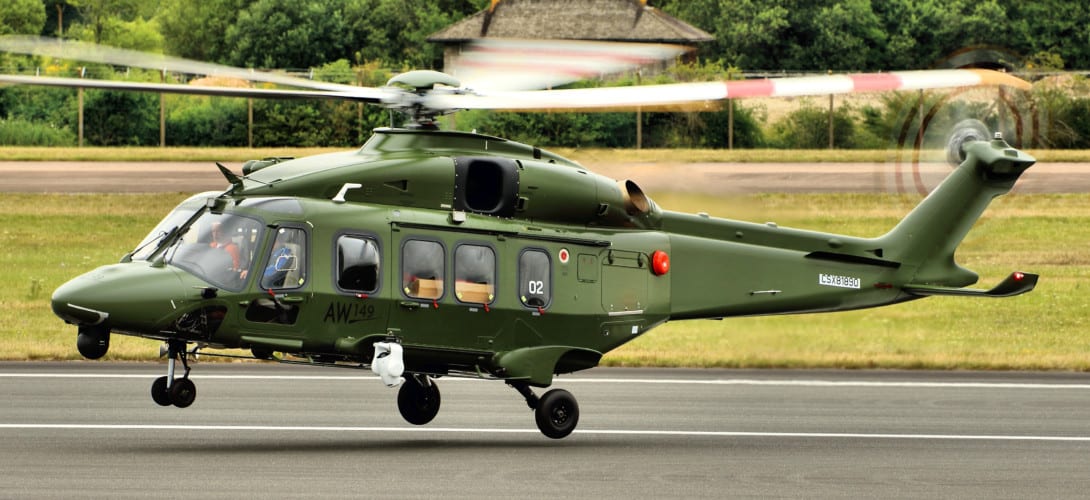
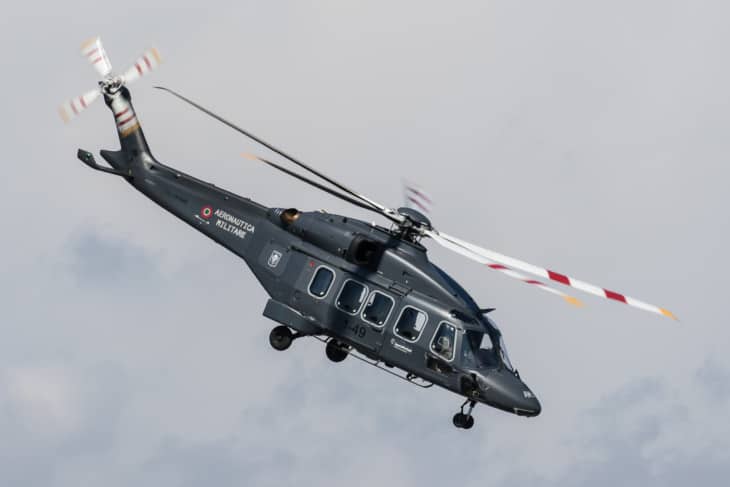
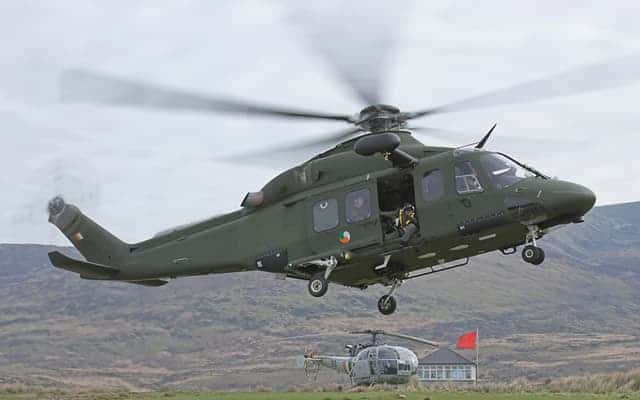
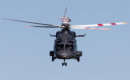
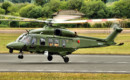
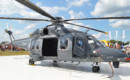
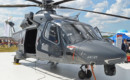
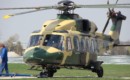
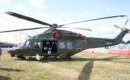
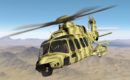
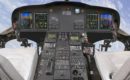
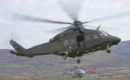
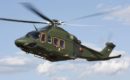
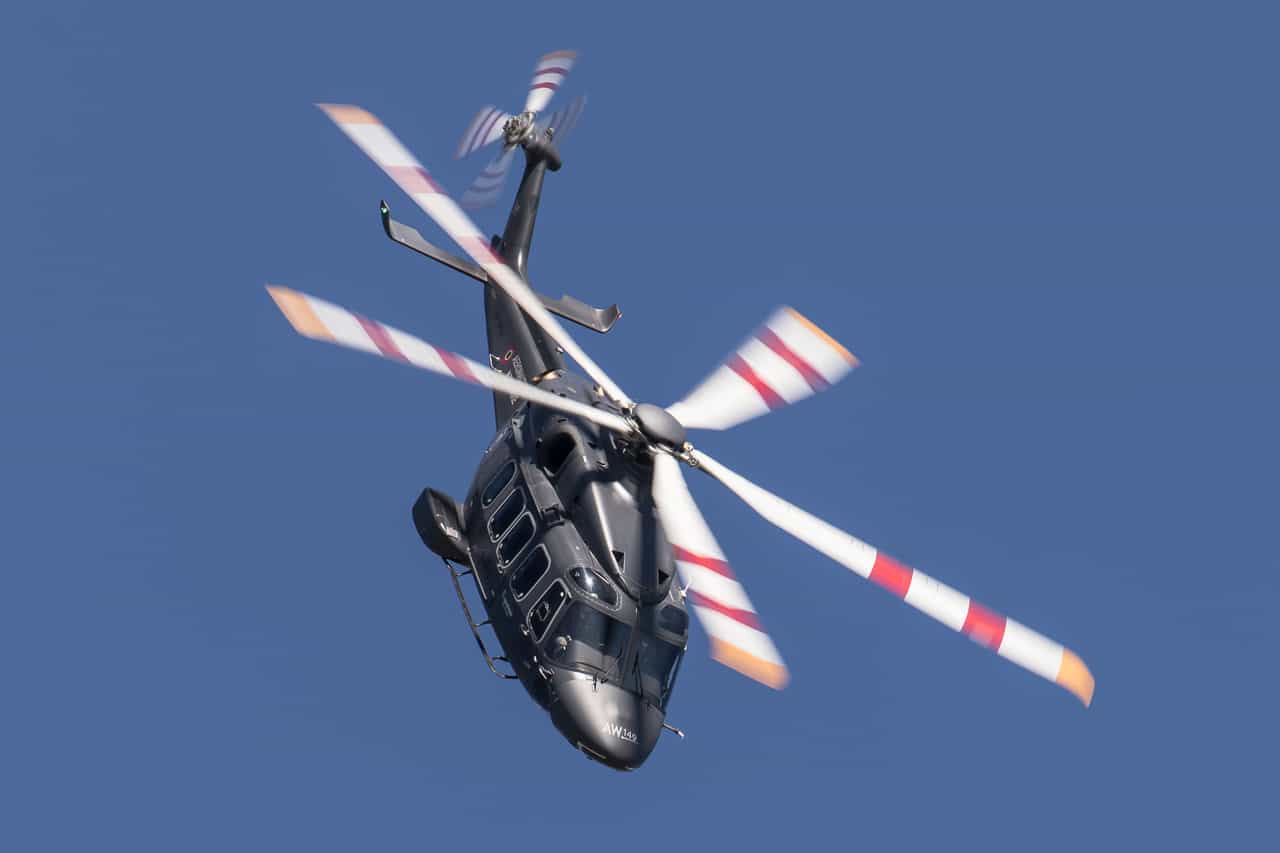
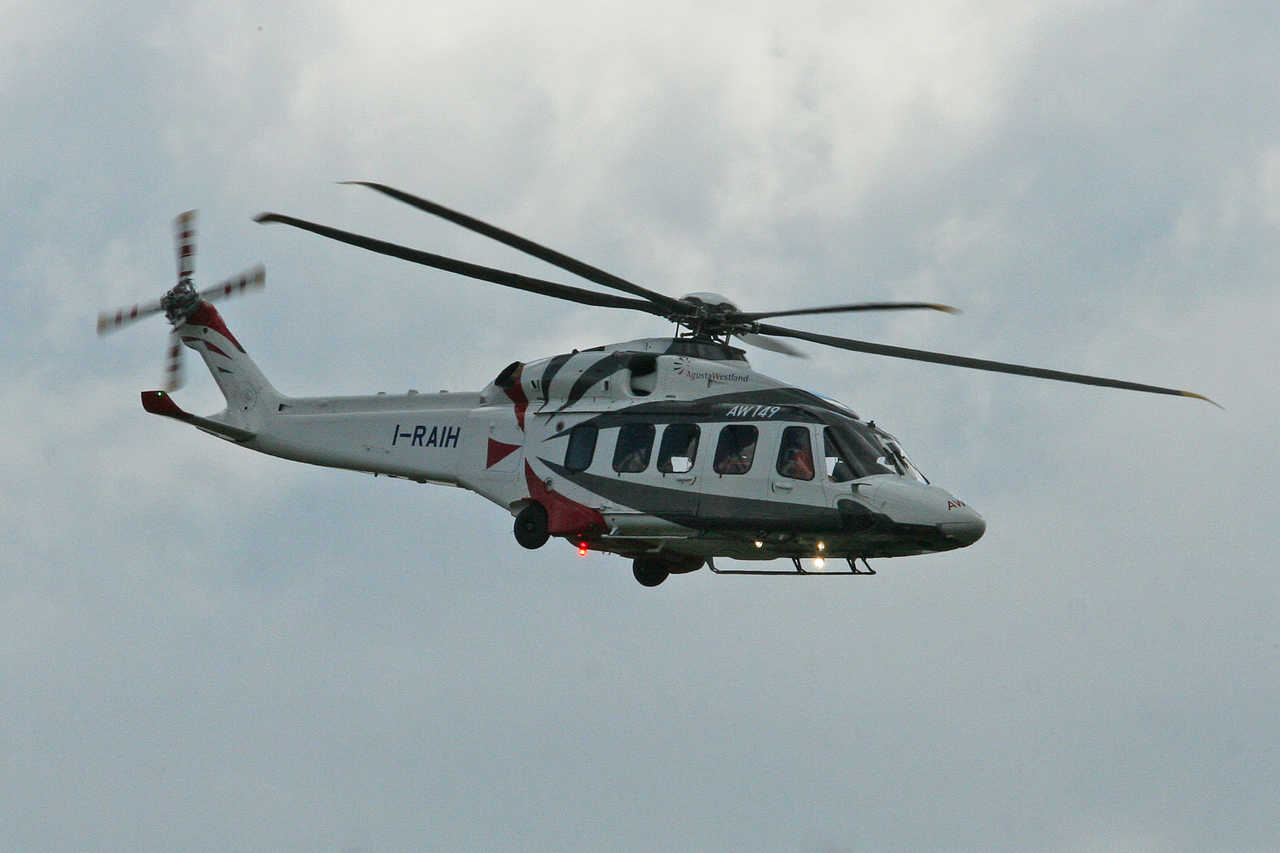
The AW149 is a twin-engine, medium-sized helicopter with a maximum gross weight of 10.6 tonnes that was designed and developed by Agusta Westland. It has been in service since 2006 and the company claims it to be the most advanced model in its class. In this post we will take a closer look at some of the technical specifications of this aircraft.
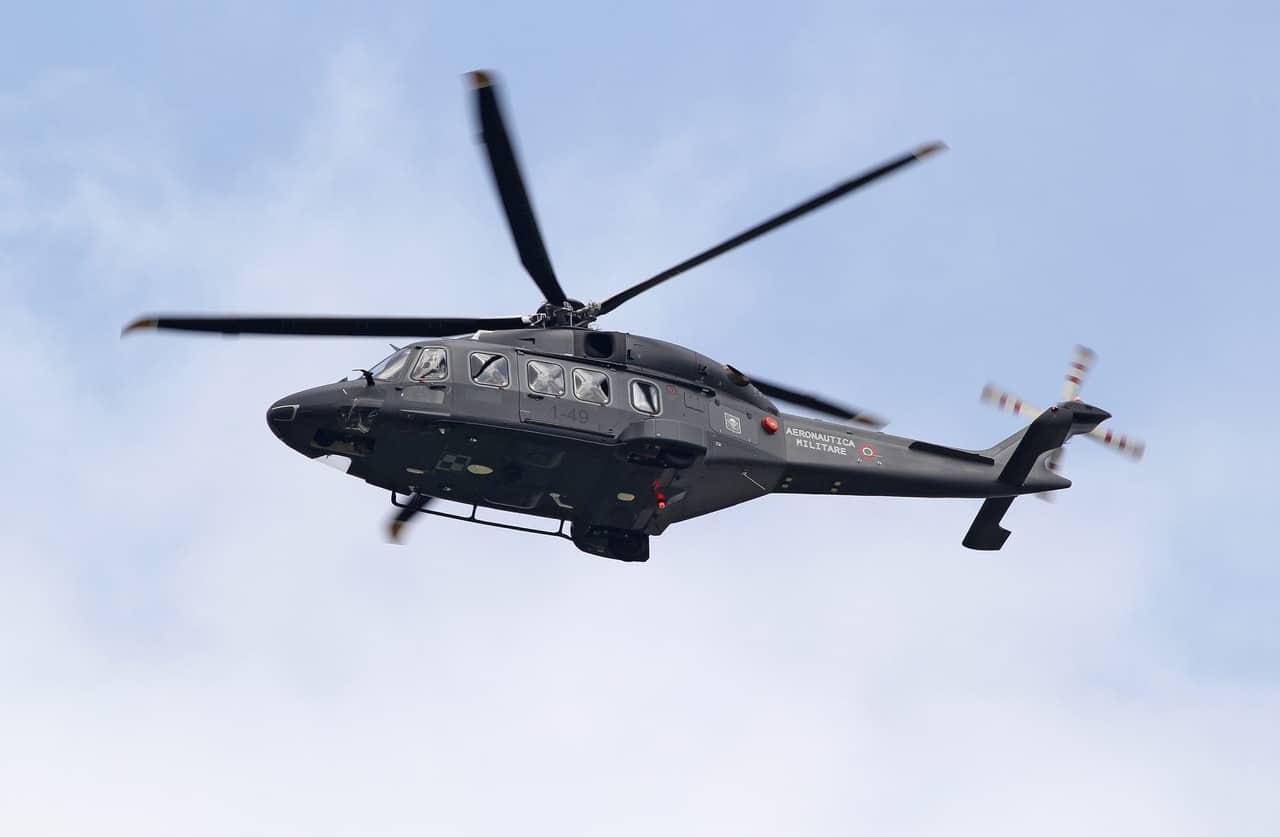
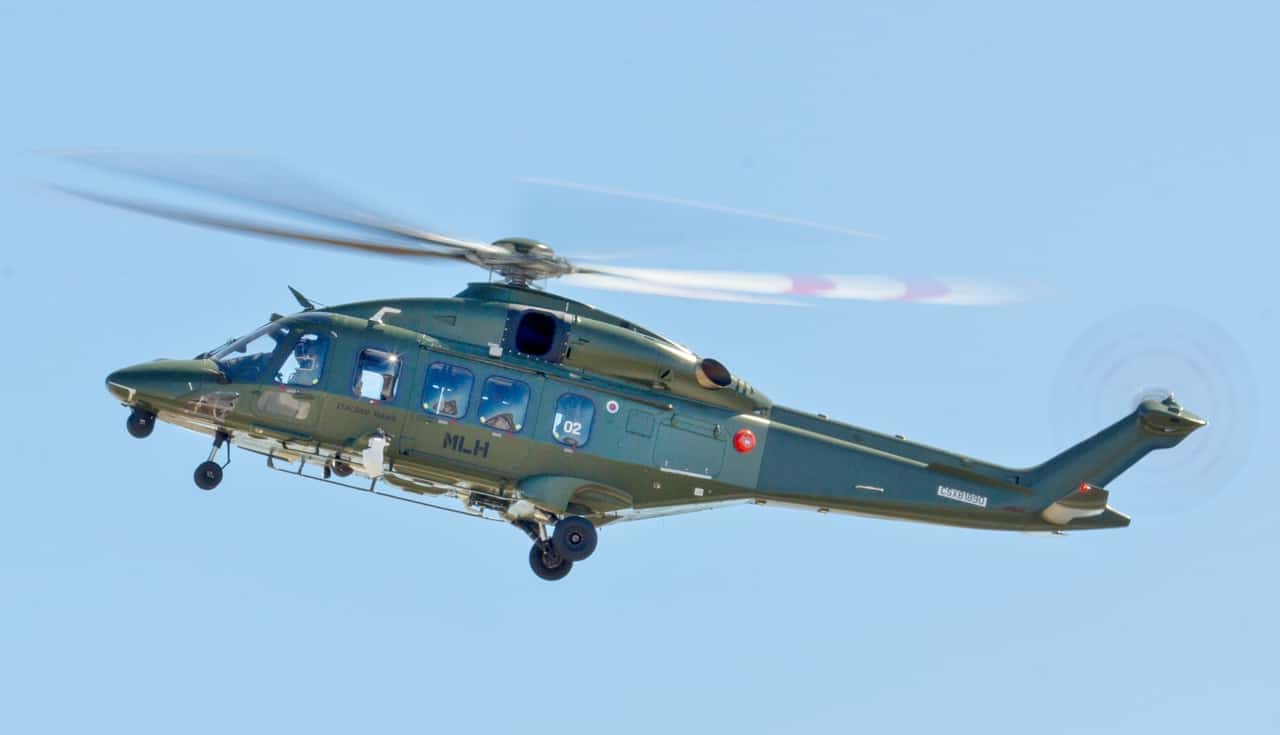
The Agusta Westland AW149 is a medium-sized twin engine helicopter. It first flew in 2008 and has since been sold to the Italian military and police forces. The aircraft is designed for search and rescue, law enforcement, emergency medical services (EMS), offshore oil & gas operations support, corporate transport, firefighting duties, as well as passenger transport for up to 19 people.
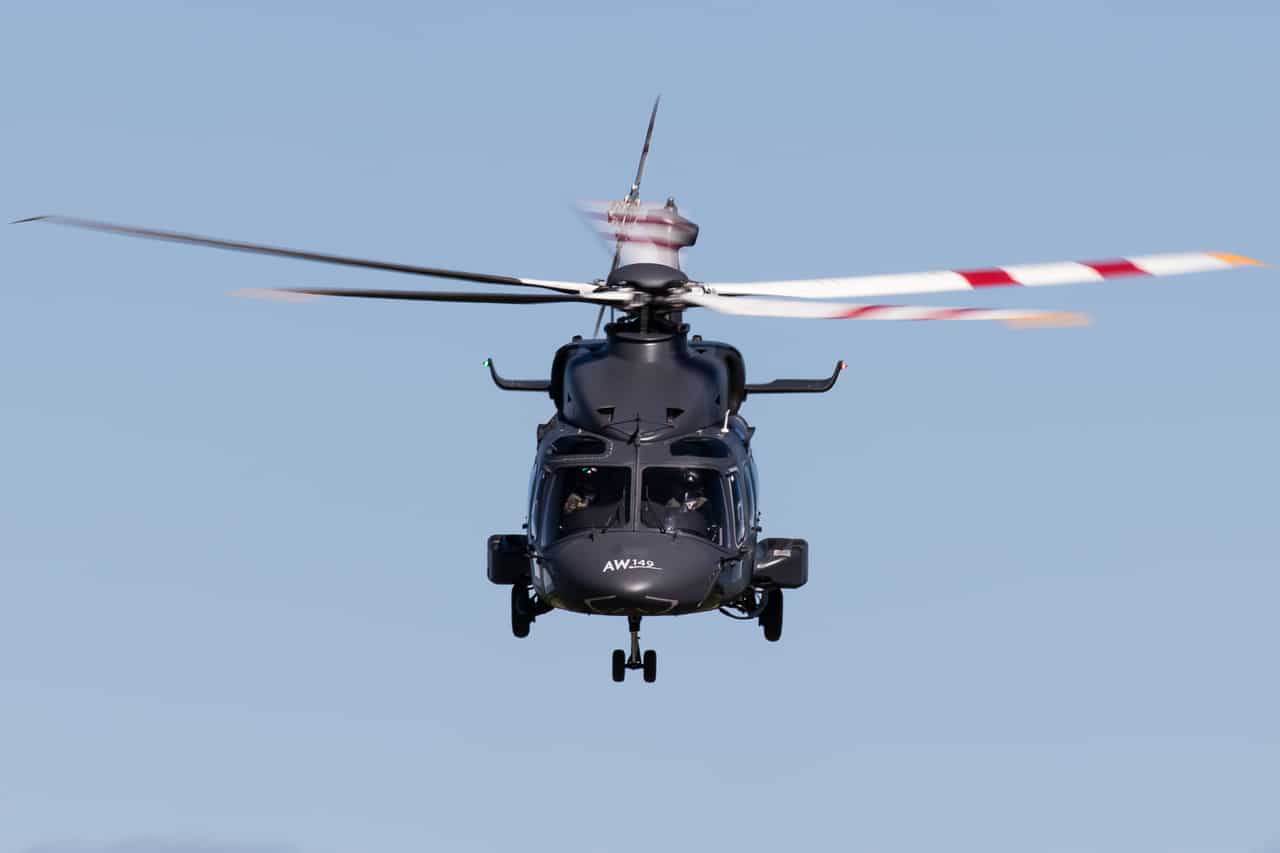
The AW149 features a four blade main rotor system with anti-torque tail rotor and two turboshaft engines mounted on either side of the fuselage underneath stub wings. Main cabin seats 14 passengers or 2 stretchers plus medical attendants while the crew can be seated up front in order to provide direct assistance during any emergency landing.
Want More of This?
We'll send you our latest and best content straight to your inbox









_(22064638976).jpg)
_(21904423298).jpg)

_(22092311905).jpg)